



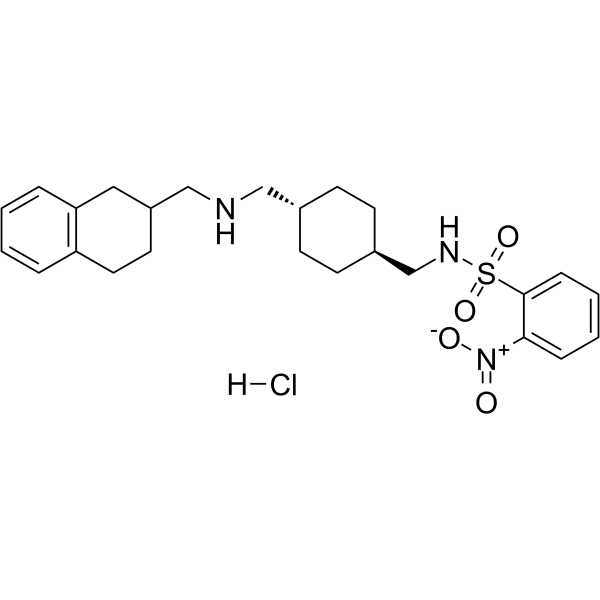
NTNCB hydrochloride

Based on 1 Customer Validation
NTNCB hydrochloride is a selective neuropeptide Y Y5 (NPY Y5) receptor antagonist with a Ki value of 8 nM for human Y5. NTNCB hydrochloride inhibits the proliferation and metastasis of cancer cells, suppresses xenograft tumor growth in vivo, and induces apoptosis in cancer cells. NTNCB hydrochloride inhibits microglial viability and reverses AURKA, CDC20, CDK1, and EZH2 as well as several cancer-overexpressed genes in cancer cells. NTNCB hydrochloride can be used in research on castration-resistant prostate cancer, non-small cell lung cancer, and obesity.
For research use only. We do not sell to patients.
- Purity : 98.36%
- CAS No.: 191931-56-3
- Formula: C25H34ClN3O4S
- Molecular Weight:508.07
-
Storage:
4°C, sealed storage, away from moisture
* In solvent : -80°C, 6 months; -20°C, 1 month (sealed storage, away from moisture)

To place orders, for customer services and technical support, please contact: MedChemExpress USA
Tel: 609-228-6898 E-mail: [email protected] [email protected]


-
 Biological Activity
-
Chemical Information
-
Solvent & Solubility
- Protocols
- Purity & Documentation
- References
-
 Help & FAQs


-
HY-107725
BIBO3304NPY Y1 Receptor Antagonist -
HY-107726
BIBP3226 TFANPY Y1/NPFF Receptor Antagonist -
HY-101986
BIIE-0246NPY2R Antagonist -

HY-P0208
[Leu31,Pro34]-Neuropeptide Y (porcine)NPY Y1 Receptor Agonist -
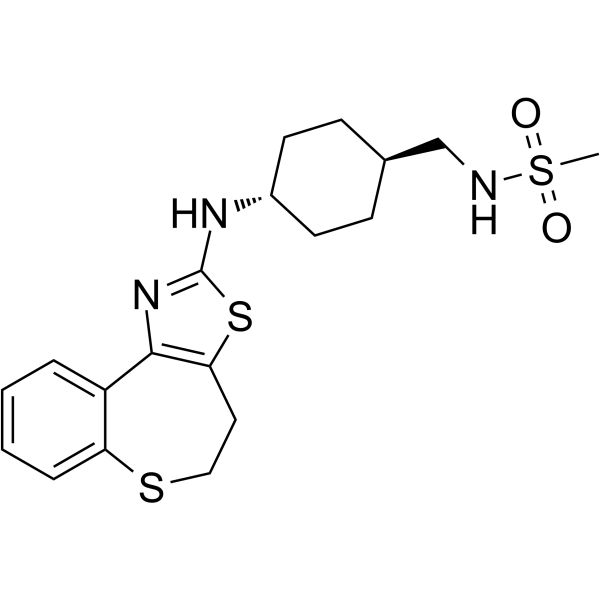
HY-107729
Lu AA33810NYP Y5 Antagonist -
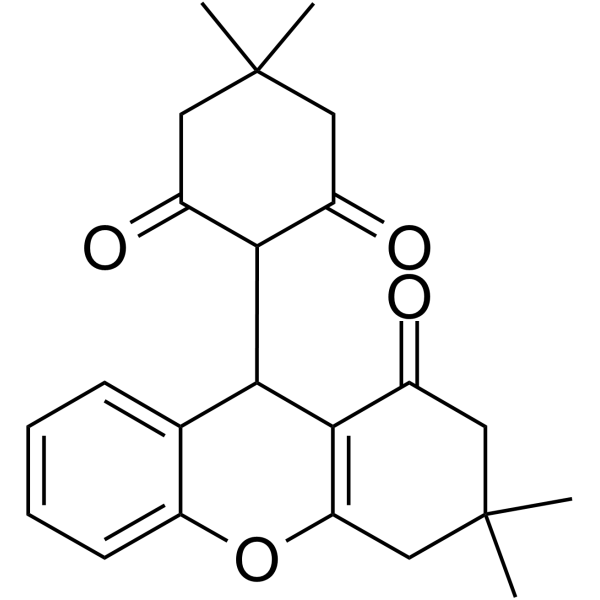
HY-107734
L 152804NPY Y5 Receptor Antagonist -
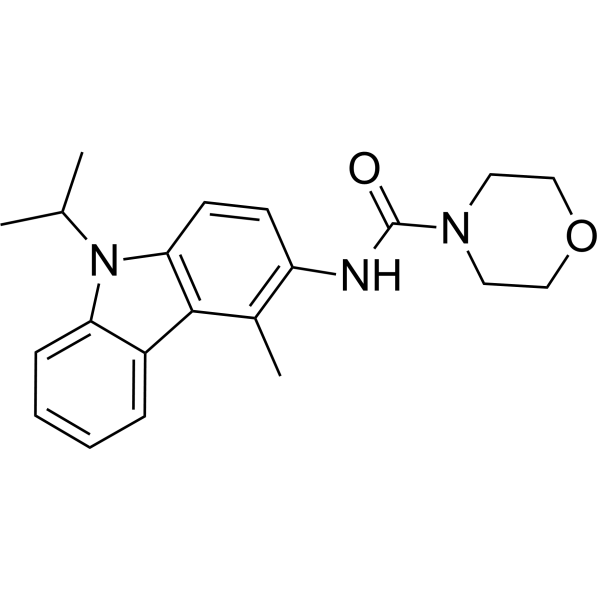
HY-107730
NPY5RA-972NPY Y5 Receptor Antagonist -
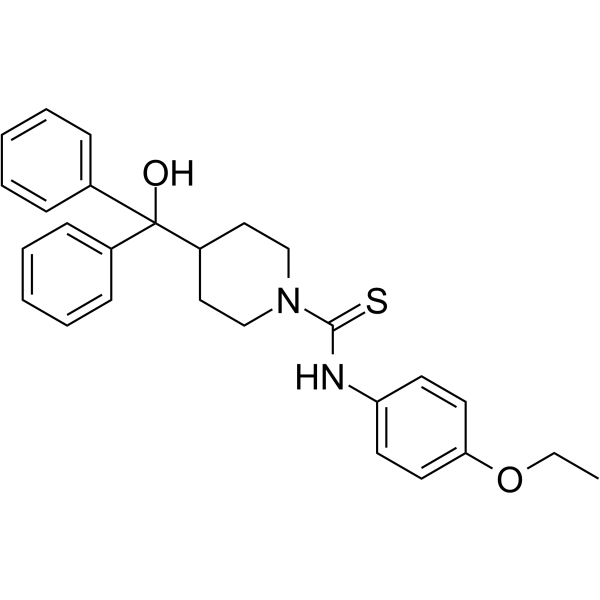
HY-107731
SF 11NPY Y2 Receptor Antagonist -
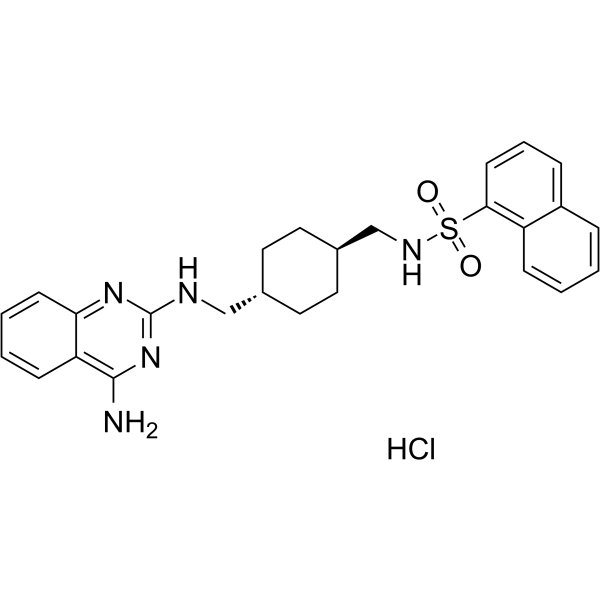
HY-107723
CGP71683 hydrochlorideNeuropeptide Receptor Antagonist -
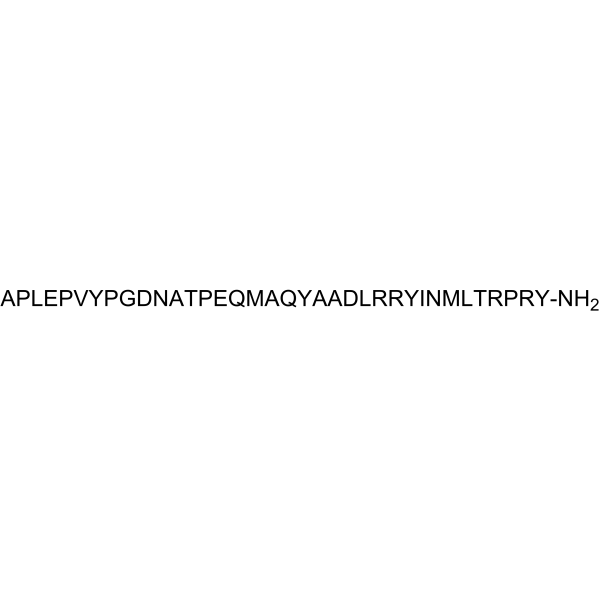
HY-P0199
Pancreatic Polypeptide, humanNeuropeptide Y Receptor Agonist -
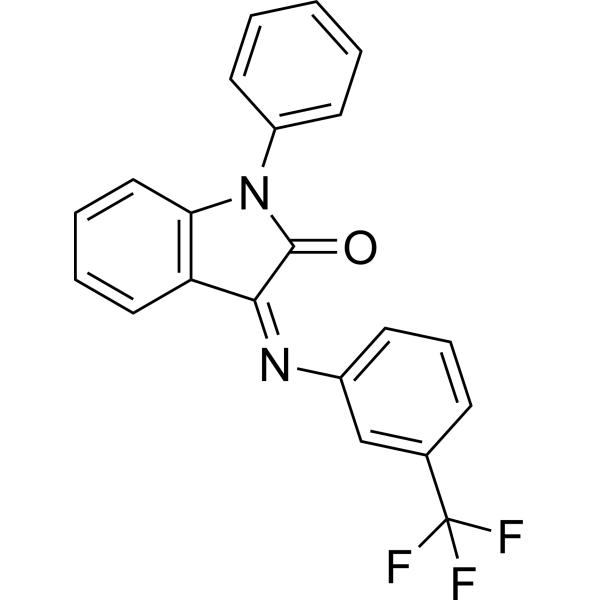
HY-100717
HT-2157Gal3 Antagonist -
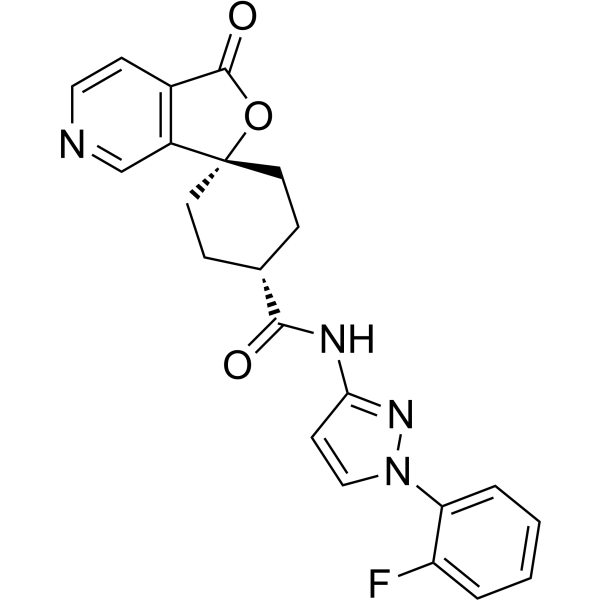
HY-15411
MK-0557Neuropeptide Y Receptor Antagonist
All Neuropeptide Y Receptor Isoforms
More

Biological Activity
Description
IC50 & Target
[4]|
hY5 receptor 8 nM (Ki) |
hY1 receptor 16032 nM (Ki) |
Cellular Effect
|
Cell Line

|
Type | Value | Description | References |
|---|---|---|---|---|
| PC-3 | IC50 |
6.005 mM
|
Antiproliferative activity against human castration-resistant prostate cancer PC3 cells assessed as viability reduction incubated 72 hrs by CCK-8 assay.
Antiproliferative activity against human castration-resistant prostate cancer PC3 cells assessed as viability reduction incubated 72 hrs by CCK-8 assay.
|
40041913 |
| DU-145 | IC50 |
8.303 mM
|
Antiproliferative activity against human castration-resistant prostate cancer DU145 cells assessed as viability reduction incubated 72 hrs by CCK-8 assay.
Antiproliferative activity against human castration-resistant prostate cancer DU145 cells assessed as viability reduction incubated 72 hrs by CCK-8 assay.
|
40041913 |
In Vitro
NTNCB (10-20 µM; 8 days) hydrochloride inhibits colony formation of PC3 and DU145 castration-resistant prostate cancer cells in a concentration-dependent manner[1].
MedChemExpress (MCE) has not independently confirmed the accuracy of these methods. They are for reference only.
-
Cell Line:human castration-resistant prostate cancer cell lines PC3 and DU145
-
Concentration:0, 1.25, 2.5, 5.0, 10.0, 30.0, 50.0 µM
-
Incubation Time:72 h
-
Result:Suppressed cancer cell viability in a concentration-dependent manner.
IC50 values were 6.005 mM for PC3 and 8.303 mM for DU145.
-
Cell Line:murine microglial BV2 cells
-
Concentration:5 µM
-
Incubation Time:24 h
-
Result:Demonstrated inhibitory effects on BV2 cell viability at 5 µM.
In Vivo
MedChemExpress (MCE) has not independently confirmed the accuracy of these methods. They are for reference only.
-
Animal Model:BALB/c nude (male and female, 5-week-old)[1]
-
Dosage:1, 3, and 10 mg/kg/day
-
Administration:i.p.; daily; 15 days
-
Result:Compared with the vehicle group, this compound at 1, 3, and 10 mg/kg produced tumor weight inhibition rates of 31.3%, 48.5%, and 67.6%, respectively.
Tumor volume inhibition rates were 29.3%, 52.7%, and 67.4% at 1, 3, and 10 mg/kg, respectively.
H&E staining showed a significant increase in necrotic area within tumor tissues of xenografts treated with this compound (10 mg/kg).
Ki67 analysis showed a significant reduction in tumor cell proliferation following this compound (10 mg/kg).
TUNEL analysis showed significantly enhanced apoptosis in tumor tissues after this compound (10 mg/kg).
- Detection of Apoptosis
- TUNEL staining for apoptotic DNA fragmentation
- Annexin V plus membrane-impermeant dye apoptosis staining
- Patient-Derived Xenograft (PDX)
- Patient-Derived Orthotopic Xenograft (PDOX)
- Apoptosis Solutions
- Splenic/Portal-Vein Liver Metastasis Xenograft
- Subcutaneous Cell-Line-Derived Xenograft
- Research Protocol for Metabolic Diseases
- Orthotopic Cell-Line Xenograft
- Cell Viability Determination by MTT Colorimetric Assay
- Intraperitoneal/Peritoneal Dissemination Xenograft


Chemical Information
-
CAS No. 191931-56-3
-
Appearance Solid
-
Molecular Weight 508.07
-
Formula C25H34ClN3O4S
-
Color Off-white to light yellow
-
SMILES
O=S(C1=CC=CC=C1[N+]([O-])=O)(NC[C@H]2CC[C@H](CNCC3CC4=C(C=CC=C4)CC3)CC2)=O.[H]Cl
-
Shipping
Room temperature in continental US; may vary elsewhere.
-
Storage
4°C, sealed storage, away from moisture
* In solvent : -80°C, 6 months; -20°C, 1 month (sealed storage, away from moisture)


Solvent & Solubility
In Vitro:
DMSO : 125 mg/mL (246.03 mM; Need ultrasonic; Hygroscopic DMSO has a significant impact on the solubility of product, please use newly opened DMSO)
Please refer to the solubility information to select the appropriate solvent. Once prepared, please aliquot and store the solution to prevent product inactivation from repeated freeze-thaw cycles.
Storage method and period of stock solution: -80°C, 6 months; -20°C, 1 month (sealed storage, away from moisture). When stored at -80°C, please use it within 6 months. When stored at -20°C, please use it within 1 month.
Concentration (start) × Volume (start) = Concentration (final) × Volume (final)


Purity & Documentation
-
Data Sheet (287 KB)
-
SDS (252 KB)
- English - EN (252 KB)
- Français - FR (252 KB)
- Deutsch - DE (252 KB)
- Norwegian - NO (252 KB)
- Español - ES (252 KB)
- Swedish - SV (252 KB)
- Italian - IT (252 KB)
- Korean - KR (252 KB)
- Portuguese - PT (252 KB)
-
Handling Instructions (2659 KB)
References
[1]. Tian S, et al. GSFM: A genome-scale functional module transformation to represent drug efficacy for drug discovery. Acta pharmaceutica Sinica. B. 2025 Jan;15(1):133-150. [Content Brief]
[2]. Bao N, et al. Drug Repurposing and Screening for Multiple Sclerosis Targeting Microglia and Macrophages. Molecular neurobiology. 2025 Apr;62(4):4724-4742. [Content Brief]
[3]. Erkin ÖC, et al. Integrative Analysis for Identification of Therapeutic Targets and Prognostic Signatures in Non-Small Cell Lung Cancer. Bioinformatics and biology insights. 2022;16:11779322221088796. [Content Brief]
[4]. Islam I, et al. Discovery of potent and selective small molecule NPY Y5 receptor antagonists. Bioorg Med Chem Lett. 2002 Jul 8;12(13):1767-9. [Content Brief]


Complete Stock Solution Preparation Table
Please refer to the solubility information to select the appropriate solvent. Once prepared, please aliquot and store the solution to prevent product inactivation from repeated freeze-thaw cycles.
Storage method and period of stock solution: -80°C, 6 months; -20°C, 1 month (sealed storage, away from moisture). When stored at -80°C, please use it within 6 months. When stored at -20°C, please use it within 1 month.
| Optional Solvent | Concentration Solvent Mass | 1 mg | 5 mg | 10 mg | 25 mg |
|---|---|---|---|---|---|
| DMSO | 1 mM | 1.9682 mL | 9.8412 mL | 19.6823 mL | 49.2058 mL |
| 5 mM | 0.3936 mL | 1.9682 mL | 3.9365 mL | 9.8412 mL | |
| 10 mM | 0.1968 mL | 0.9841 mL | 1.9682 mL | 4.9206 mL | |
| 15 mM | 0.1312 mL | 0.6561 mL | 1.3122 mL | 3.2804 mL | |
| 20 mM | 0.0984 mL | 0.4921 mL | 0.9841 mL | 2.4603 mL | |
| 25 mM | 0.0787 mL | 0.3936 mL | 0.7873 mL | 1.9682 mL | |
| 30 mM | 0.0656 mL | 0.3280 mL | 0.6561 mL | 1.6402 mL | |
| 40 mM | 0.0492 mL | 0.2460 mL | 0.4921 mL | 1.2301 mL | |
| 50 mM | 0.0394 mL | 0.1968 mL | 0.3936 mL | 0.9841 mL | |
| 60 mM | 0.0328 mL | 0.1640 mL | 0.3280 mL | 0.8201 mL | |
| 80 mM | 0.0246 mL | 0.1230 mL | 0.2460 mL | 0.6151 mL | |
| 100 mM | 0.0197 mL | 0.0984 mL | 0.1968 mL | 0.4921 mL |


NTNCB hydrochloride Related Classifications
HY-107733 Related Classifications
 Powered by Bioz