



Flavoring Agents
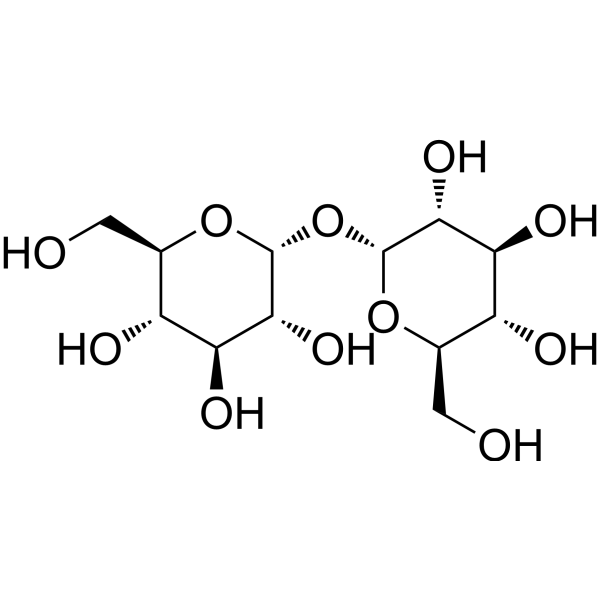
- Formula: C12H22O11
- Molecular Weight: 342.30
D-(+)-Trehalose (α,α-Trehalose) is an orally active disaccharide, showing anti-desiccant and cryopreservative activities. D-(+)-Trehalose acts as an osmolyte, and stress protectant and helps in the storage and transport of carbon. D-(+)-Trehalose can be used as a food ingredient and pharmaceutical excipient.
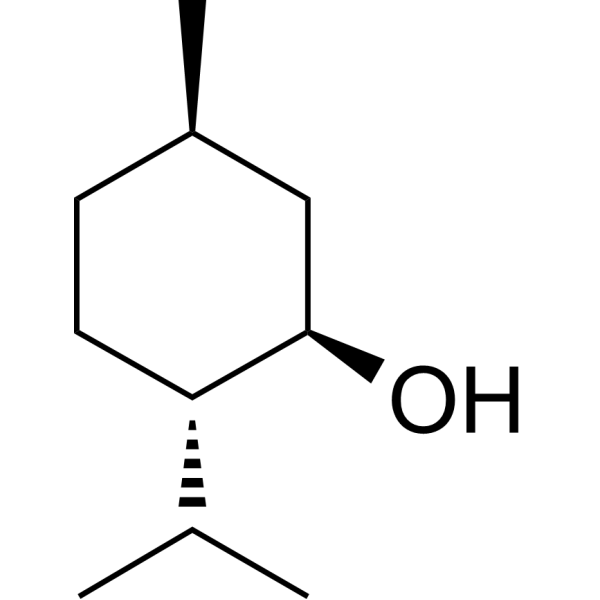
- Formula: C10H20O
- Molecular Weight: 156.27
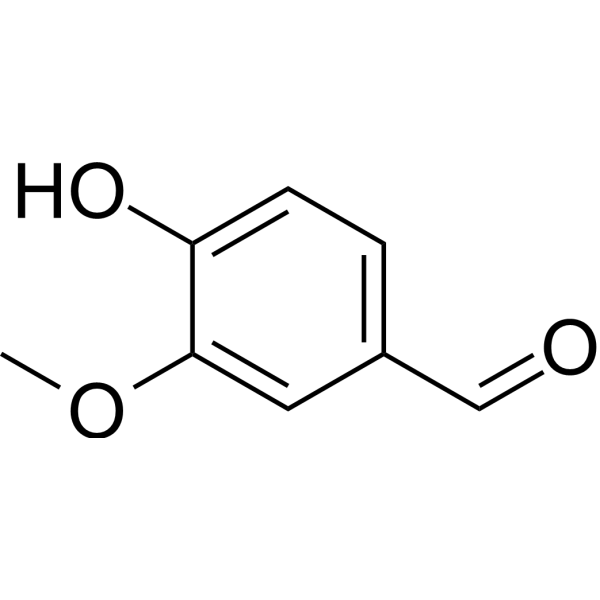
- Formula: C8H8O3
- Molecular Weight: 152.15
Vanillin (p-Vanillin) is a single molecule extracted from vanilla beans and also a popular odor used widely in perfume, food and medicine.
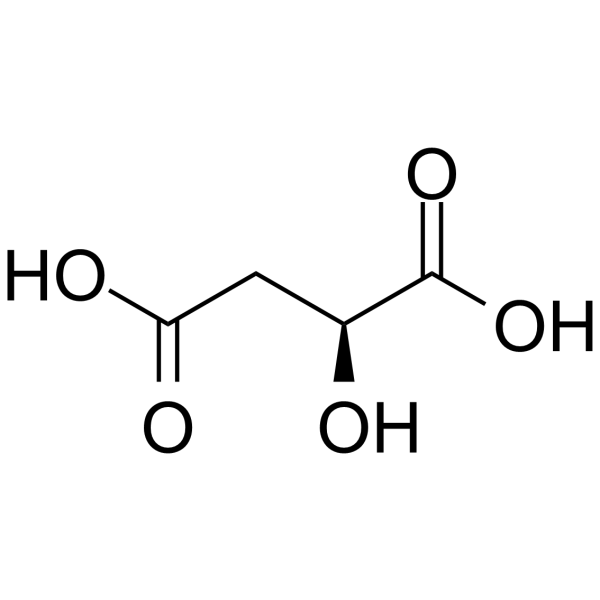
- Formula: C4H6O5
- Molecular Weight: 134.09
(S)-Malic acid ((S)-2-Hydroxysuccinic acid) is a dicarboxylic acid in naturally occurring form, contributes to the pleasantly sour taste of fruits and is used as a food additive.
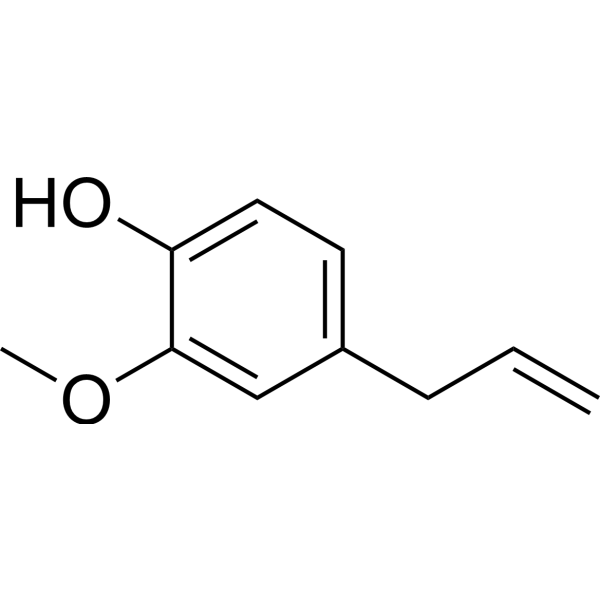
- Formula: C10H12O2
- Molecular Weight: 164.20
Eugenol is an essential oil found in cloves with antibacterial, anthelmintic and antioxidant activity. Eugenol is shown to inhibit lipid peroxidation.
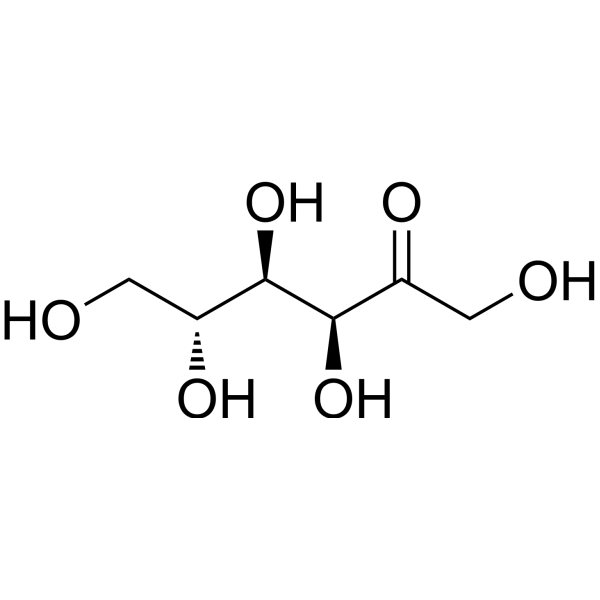
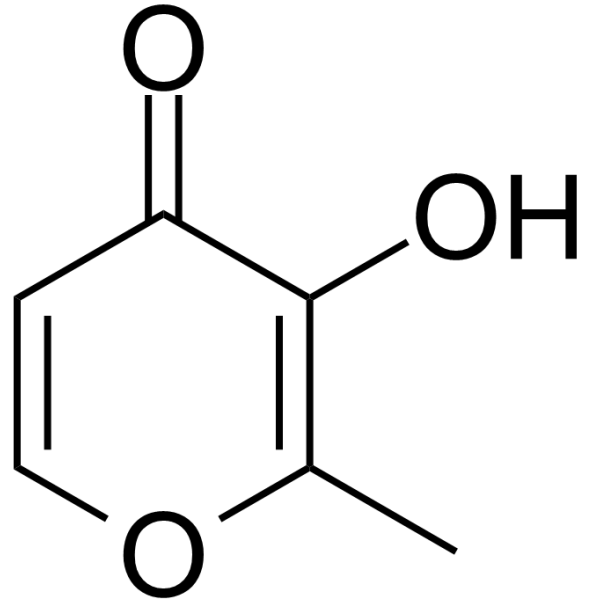
- Formula: C6H6O3
- Molecular Weight: 126.11
Maltol, a type of aromatic compound, is an antioxidant agent. Maltol enhances neural function by mitigating oxidative stress and cell apoptosis. Maltol is an inhibitor of oxidative damage in nerve cells and is effective in preventing diabetic peripheral neuropathy (DPN). Maltol is used extensively as a safe flavoring agent and food preservative. Maltol is a metal ion chelator that can be used in the field of catalysis, cosmetics, and medicine.

Clove oil (Clove leaf oil,rectified) is a volatile aromatic essential oil with antibacterial, anti-inflammatory and antioxidant activities. Clove oil disrupts the integrity of bacterial cell membranes, releases intracellular nucleic acids and proteins, and inhibits bacterial growth and reproduction. Clove oil scavenges DPPH, ABTS, superoxide anions, hydrogen peroxide and hydroxyl radicals. Clove oil reduces Fe3+ to Fe2+, chelates Fe2+ and iron ions, and inhibits lipid peroxidation in linoleic acid emulsions. Clove oil acts as a natural preservative to reduce the loss of oxidation products. Clove oil can be isolated from the flowers, stems and leaves of Eugenia aromatica and Eugenia caryophyllus, which belong to the Myrtaceae family. Clove oil can be used in studies related to bacterial infection, antioxidation and preservation.



