




 LinkedIn
 Researchgate
 Instagram
 X
 Facebook
 WhatsApp
 Reddit
 Mail
Organoids represent an important bridge between 2D cultures and in vivo mouse/human models. The organoid technology exerts enormous potential in evaluation of efficacy and toxicity of drugs, regenerative medicine, and precision medicine.In this article, we will briefly introduce organoid technology.
Articles
All
-
All
-
Scientific Reviews
-
EDM
-
Blog
Most Recent
-
Most Recent
-
Oldest
-
 Scientific Reviews
-
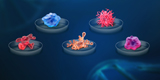 Scientific Reviews
Development of Intestinal Organoid
2022-07-28
3D organoid is one of the revolutionary developments in biomedical field during the past 10 years. The establishment of intestinal organoids is an important milestone in the development of organoid technology. -
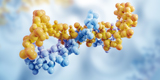 Scientific Reviews
RNA therapeutics have changed the landscape of drug development, which possess broader spectrum of drug targets, simplicity and efficiency in development and manufacturing.In this article, we will discuss the underlying mechanisms of RNA-based drugs on the market or in clinical stages.
-
Scientific Reviews
Organoids have great potential in research of organ development, disease modeling, drug screening and, precision and regenerative medicin. In this article, we will expalin the origin of the organoids. Adult stem cells (ASCs) or pluripotent stem cells (PSCs) , which is the better choice.
-
 Scientific Reviews
Autophagy, derived from the Greek meaning "eating of self", plays an indispensable role in maintaining homeostasis. p27 is an inhibitor of cyclin CDKs, but how p27 regulates autophagy remains unknown. This article will cover the mechanism of autophagy and p27-related cell cycle regulation.
-
 Scientific Reviews
CMA (chaperone-mediated autophagy) plays an essential role in maintaining neuronal protein stability and preventing neurodegeneration. In this article, we will comprehensively clarify the role of CMA in the occurrence and development of neurodegenerative diseases.
-
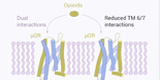 Scientific Reviews
As powerful pain relievers, the opioids morphine and fentanyl have been "checked" by their side effects (listed as controlled substances). How to reduce its side effects? What is its mechanism? This research will explore its mechanism.
-
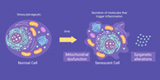 Scientific Reviews
Understanding the mechanism of aging not only has guiding significance for prolonging human life but also has important clinical significance for the prevention and treatment of diseases in the elderly population , thus, improving their life quality and well-being.
-
 Scientific Reviews
The latest study of Cell magazine "Neural mechanism underlying depressive-like state associated with social status loss" considers social factors as a breakthrough point. It has been found that the downward transition of social status induces depression-like behavior in mice whereas improves the depressive state by restoring their social environment.
-
 Scientific Reviews
Stem cell classification and its application
2023-05-18
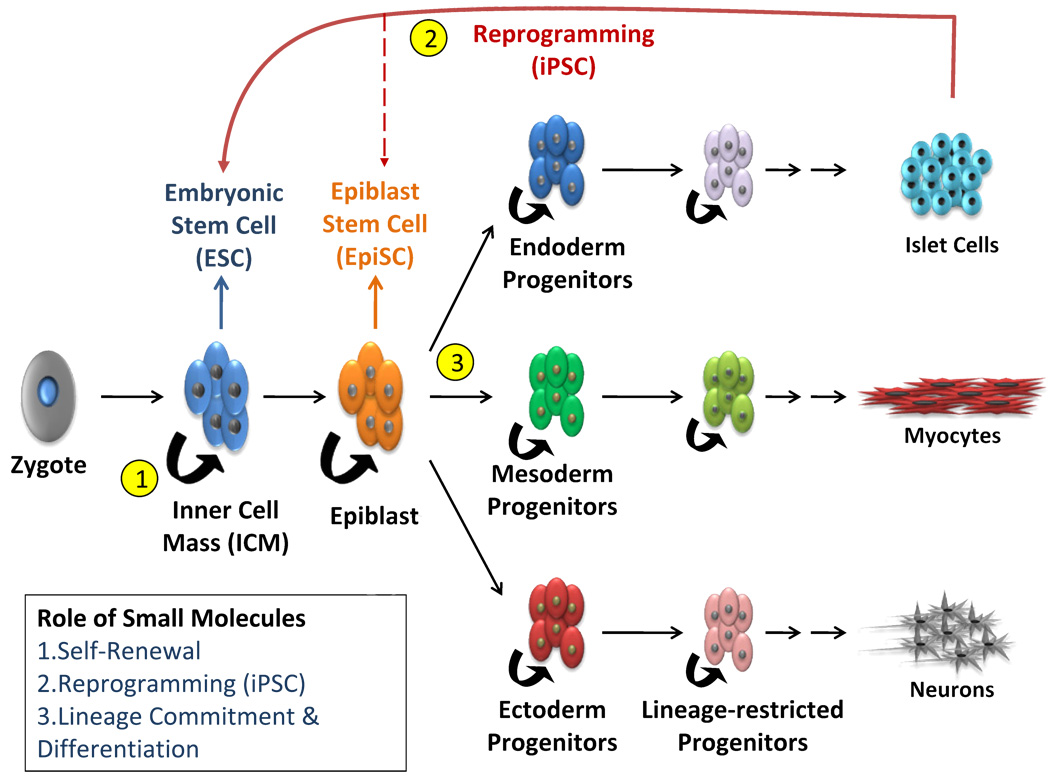
Stem cells (SCs) have the unique ability to self-renew and differentiate into different cell types. SCs can differentiate into various types of tissue cells under specific conditions. Additionally, they can be further cultured to form different tissues and organs in the human body. Stem cells have numerous applications in various fields, including cell therapy, organ transplantation, neurodegenerative disease modeling, and drug screening. -
 Scientific Reviews
Mitophagy:Mechanisms and Detection
2023-05-25
About 60 years ago, Christian de Duve first used the term "autophagy" to describe his observation of the degradation of mitochondria and other intracellular structures in lysosomes of rat liver. Over the years, autophagy has remained a beloved topic of research by the National Natural Science Foundation of China (NSFC).Today, let's talk about mitochondrial autophagy. -
 Scientific Reviews
Organoid Culture: Questions & Answers
2023-07-26
In the last issue, we conducted a live lecture on the theme of organoid culture. Today, we have a special topic to solve your doubts in the last live class! -
 Scientific Reviews
WHO's Q2 drug list has been updated. Let's take you through the list of the most noteworthy small molecule drugs that we should pay attention to.
-
 Scientific Reviews
FDA Approved Drug List!
2023-09-14
In the first half of 2023 (as of June 27), the FDA approved 26 new drugs, let's take you learn about it through the article. -
 Scientific Reviews
Science | A "new" mechanism for non-ubiquitinated Midnolin-proteasomal degradation pathway
2024-04-26
“ubiquitin-mediated protein degradation” won the Nobel Prize in Chemistry in 2004! In fact, proteasomes degrade not only ubiquitinated proteins but also non-ubiquitinated ones. The mechanism remains shrouded in mystery. After reading this piece today, you might have a lightbulb moment! -
 Scientific Reviews
Exosomes, which won the Nobel Prize in 2013, are still a research hotspot in the national natural sciences, and their popularity has only increased over the past decade (in 2022, they still rank 5th in the national natural sciences hotspots!). Why have exosomes become the darling of scientific research? Let's take a look together~
-
 Scientific Reviews
Degrade target proteins through the autophagy-lysosome pathway including LYTAC, AUTAC, and ATTEC have gained increasing attention in recent years due to their significant research potential!
-
 Scientific Reviews
2024 Nobel Prize Announcements! Curious about the details? Click to dive into the exciting developments!
-
Scientific Reviews
Delve into the intricate networks that govern mitochondrial quality control. By examining key mechanisms such as biogenesis, mitochondrial dynamics (fission and fusion), proteolysis, and mitophagy. -
 Scientific Reviews
In early January 2025, MIT Tech Review unveiled its annual list of top 10 breakthrough technologies poised to redefine the future. Among these, stem cell therapy stood out for its potential to treat diverse diseases—including neurodegenerative disorders, diabetes, cancer, and heart failure. This groundbreaking approach uses stem cells to replace damaged cells, offering hope for millions worldwide.
-
 Scientific Reviews
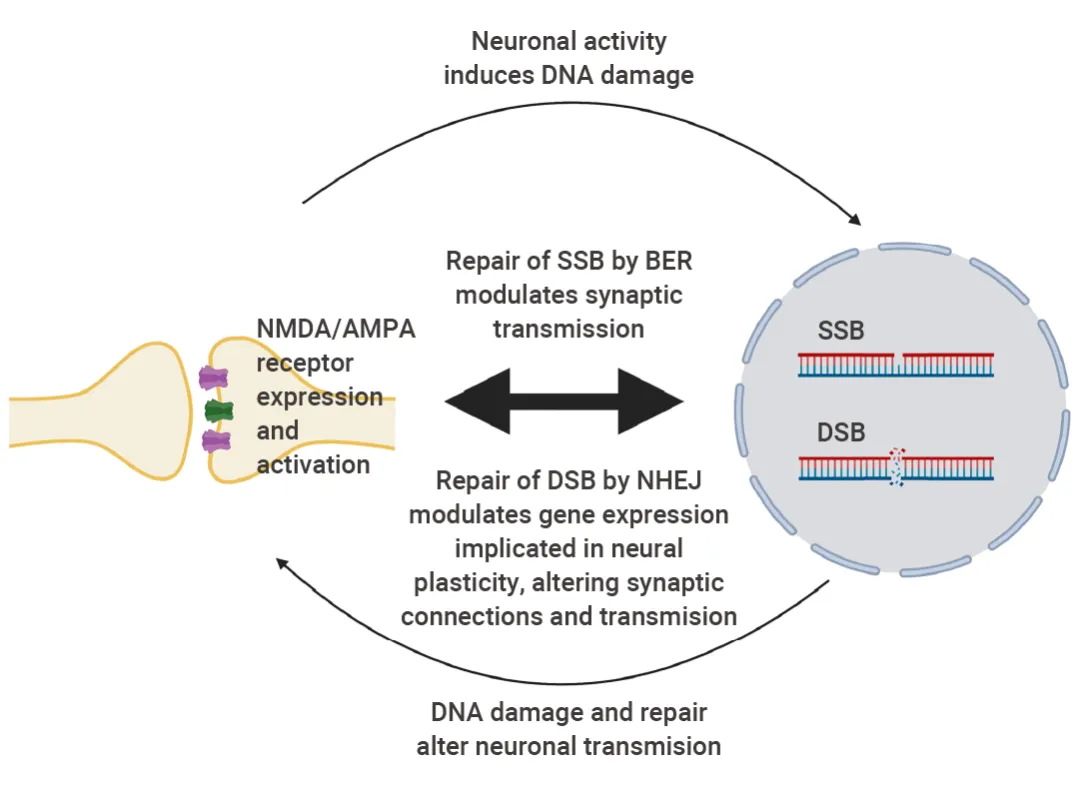
When you hear "inflammation" and "DNA damage," you might immediately think of disease or injury. However, in brains, these two processes are key steps in forming long-term memories, particularly related to specialized cells in our brain called hippocampal neurons.
-
 Scientific Reviews
Autophagy is a fundamental process that degrades various components within the cell.
-
.jpg) Scientific Reviews
nside cells, the homeostasis and degradation of proteins is a precisely regulated process. If proteins cannot be degraded in time, it may lead to the occurrence of various diseases such as neurodegenerative diseases and cancer. This article will tell you the process of how proteins are recognized, labeled and then degraded!
-
 Scientific Reviews
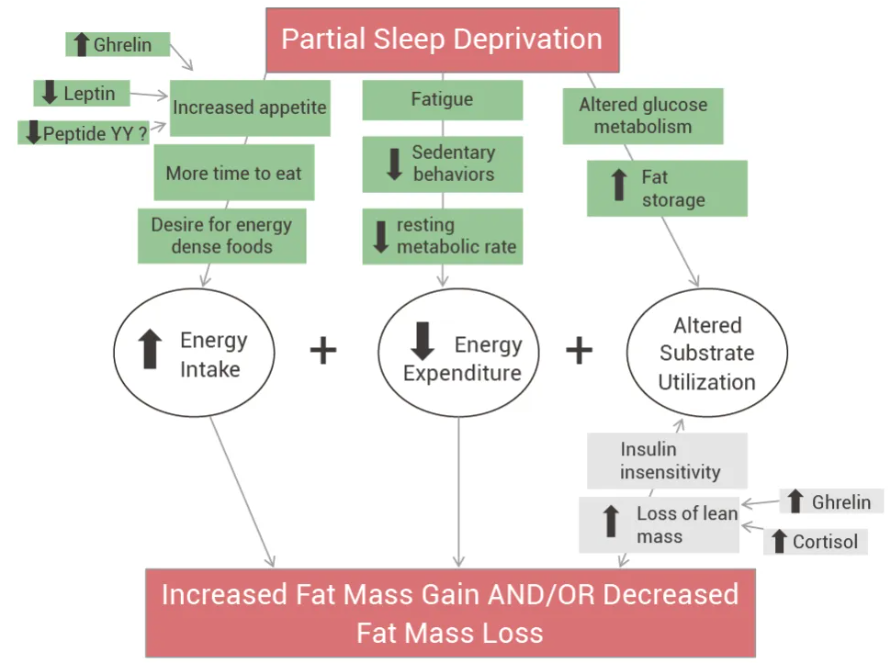
Have you ever noticed that after staying up late, your appetite—especially for high-calorie foods—gets out of control? If this sounds familiar, today’s article might offer some good news.
-
Scientific Reviews
Microglia– the only immune cells within the brain parenchyma. With advancements in imaging technologies, people’s understanding of microglia has shifted from being viewed as 'resting' cells to 'highly active' cells, particularly due to their dynamic processes that seem to be probing surrounding tissues and monitoring neuronal activity. This has made microglia a focal point of research in the field of neuroscience. -
 Scientific Reviews
Exosomes—natural nanoscale carriers—are revolutionizing targeted therapy. This article uncovers the science behind their precision in drug delivery.
-
 Scientific Reviews
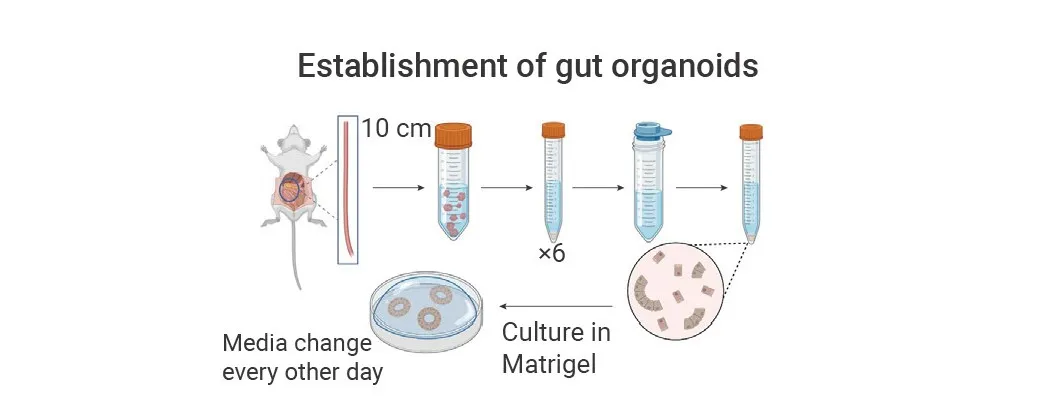
Efficient Generation of Mouse Small Intestinal Organoids: A Complete Experimental Protocol Guide
2025-12-10
How to successfully create mouse small intestine organoids? A detailed, hands-on guide to the entire process, all in one article! -
 EDM
Advances in Alzheimer's Disease Research
2025-07-16
This review summarizes current understanding of AD pathophysiology, including amyloid and tau pathology, neuroinflammation, synaptic dysfunction, and vascular abnormalities, and evaluates therapeutic strategies and experimental models. -
 EDM
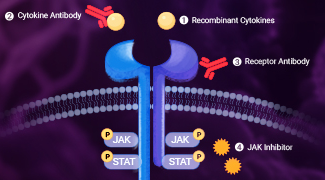
This review critically examines the role of the JAK-STAT pathway in immunity and autoimmune diseases, reviews current clinical applications of targeted therapies, and highlights emerging trends in autoimmune drug development.
-
 EDM
This review highlights the roles of microglia in AD pathology, focusing on metabolic reprogramming and microglia-targeted therapeutic strategies.
-
 EDM
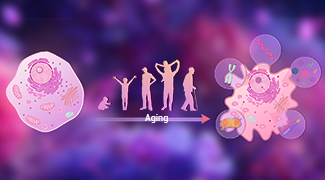
This review summarizes the hallmarks of aging and aging-related diseases, discusses mechanistic insights into aging processes, and highlights emerging anti-aging interventions.
-
 EDM
This review outlines macrophage functions and classification, and provides practical experimental guidelines for macrophage differentiation, polarization, and identification.
-
 EDM
Review advances in target discovery, disease modeling, and biomarkers for Parkinson’s disease, highlighting their interplay and future directions for translational research.
-
 EDM
The Dual Role of Cellular Senescence in Cancer: Mechanisms, Microenvironment, and Therapeutics
2026-05-21
Explore the dual role of cellular senescence in cancer, including tumor suppression, SASP-driven tumor promotion, senescence heterogeneity and plasticity, and advances in senescence-targeted therapies. -
 EDM
Explore the mechanisms driving immune tolerance breakdown in autoimmune diseases and emerging tolerance-restoring strategies, with a focus on IL-2-based immune modulation.
-
 EDM
Explore how anti-Aβ therapy is reshaping the AD treatment landscape, the rationale for multi-pathology combination strategies, and advances in biomarker-guided precision treatment.
-
 EDM
Explore how mitochondrial quality control, inflammatory signaling, and metabolic–epigenetic reprogramming regulate cellular senescence and the SASP, along with strategies to restore mitochondrial homeostasis.
-
 EDM
Explore optogenetics through its molecular mechanisms, experimental strategies, research applications, and translational advances.
-
 Blog
BR351 is a Brain Penetrant MMP Inhibitor
2019-04-05
BR351 is a brain penetrant MMP inhibitor, and a potential tool for the molecular imaging of activated MMPs with PET, with an IC50 in the nanomolar range. -
 Blog
ACY-1083, a Highly Selective HDAC6 Inhibitor, Reverses Chemotherapy-induced Peripheral Neuropathy
2019-05-12
ACY-1083 is a selective and brain-penetrating HDAC6 inhibitor with an IC50 of 3 nM. ACY-1083 effectively reverses chemotherapy-induced peripheral neuropathy -
 Blog
JMS-17-2 is a CX3CR1 Antagonist
2019-06-12
JMS-17-2 is a potent and selective CX3CR1 antagonist with an IC50 of 0.32 nM. Has potential to treat cancers such as breast cancer. -
 Blog
M8891 is an orally active, reversible and brain penetrant Methionine Aminopeptidase-2 (MetAP-2) inhibitor with antiangiogenic and antitumoral activity.
-
 Blog
TCH-165 is a modulator of proteasome assembly, which increases 20S levels and facilitates 20S-mediated protein degradation, such as IDPs, α-syn, and tau.
-
 Blog
Ro 90-7501, an Aβ42 fibril assembly inhibitor, inhibits PP5 in a TPR-dependent manner and has radiosensitizing effects on cervical cancer cells.
-
 Blog
NU1025 is a potent PARP inhibitor and potentiates the cytotoxicity of ionizing radiation drug. NU1025 has anti-cancer and neuroprotective activity.
-
 Blog
JCN037 is a potent, non-covalent, and brain-penetrant EGFR tyrosine kinase inhibitor. JCN037 has potent anti-cancer activity.
-
 Blog
KCC-07 prevents binding of MBD2 to methylated DNA and activates BAI1 inducing anti-proliferative BAI1/p53/p21 signaling. Anticancer activity.
-
 Blog
MPT0G211, an orally active and selective HDAC6 inhibitor, ameliorates tau phosphorylation, and cognitive deficits in an Alzheimer’s disease model.
-
 Blog
RapaLink-1, a third-generation bivalent mTOR inhibitor, potently blocking cancer-derived, activating mutants of mTOR. It can cross the blood-brain barrier.
-
 Blog
PQR530 is a potent, ATP-competitive, orally bioavailable and brain-penetrant dual pan-PI3K/mTORC1/2 inhibitor. Antitumor activity.
-
 Blog
CHDI-390576, a potent and CNS penetrant class IIa HDAC inhibitor, show selectivity over class I HDACs, HDAC8 and the class IIb HDAC6 isoform.
-
 Blog
NAZ2329 is an allosteric, noncompetitive and reversible inhibitor of R5 RPTP subfamily and PTPRZ/PTPRG with anti-cancer activity.
-
 Blog
BrBzGCp2 is a Glyoxalase 1 (GLO1) inhibitor for a variety of disorders. Possesses antitumor and neuroprotective activity.
-
 Blog
ML-00253764 is a brain penetrant nonpeptidic melanocortin receptor 4 (MC4R) antagonist with a Ki/IC50 of 0.16 µM/0.103 µM, respectively.
-
 Blog
Vorasidenib is an orally available, brain penetrant second-generation dual mutant isocitrate dehydrogenases 1 and 2 (mIDH1/2) inhibitor.
-
 Blog
GSK2606414 is an orally available PERK inhibitor and is a potent compound of cancer and neurological diseases.
-
 Blog
SB 258719 is a selective 5-HT7 receptor antagonist and can be used for the research of cancer and neurological disease.
-
 Blog
Trolox is an analogue of vitamin E with a powerful antioxidant effect. Trolox is also a powerful inhibitor of membrane damage.
-
 Blog
AZD1390 is a potent, highly selective, orally bioavailable, brain-penetrant ATM inhibitor with an IC50 of 0.78 nM.
-
 Blog
Epoxomicin is an epoxyketone-containing natural product and a selective and irreversible proteasome inhibitor. Cross the blood-brain barrier.
-
 Blog
AZD-9574 is a potent and brain penetrant PARP1 inhibitor and shows >8000-fold selectivity for PARP1 compared to PARP2/3/5a/6.
-
 Blog
GR-46611 is a 5-HT1D Receptor Agonist
2022-10-11
GR-46611 is a potent 5-HT1D receptor agonist and has the potential for the research of epilepsy and inhibits bladder activity. -
 Blog
SOR-C13 is a high-affinity TRPV6 antagonist with an IC50 value of 14 nM. SOR-C13 is used for Advanced Solid Tumors Research
-
 Blog
Olutasidenib (FT-2102) is an orally active, brain penetrant inhibitor of mutant IDH1. Olutasidenib is used for AML or MDS Research.
-
 Blog
ML-SA5 is a potent TRPML1 cation channel agonist with some anticancer activity and can inhibit tumour growth.
-
 Blog
J-113397 is a potent and selective nonpeptidyl ORL1 receptor antagonist without any agonistic effects on other opioid receptors.
-
 Blog
SG-094 is a potent TPC2 inhibitor with antiproliferative effects. SG-094 can be used for the research of cancer.
Products
All
-
All
-
Inhibitors & Agonists
-
Isotope-Labeled Compounds
-
Fluorescent Dye
-
Peptides
-
Recombinant Proteins
-
Antibodies
-
Screening Libraries
-
Kits
-
Inhibitory Antibodies
-
Reference Standards
-
Induced Disease Models Products
-
GMP Small Molecules
-
Biochemical Assay Reagents
-
Natural Products
| Cat. No. | Product Name | Information | Application | Publication |
|---|---|---|---|---|
| HY-D2868 | DAPI |
DAPI (4',6-Diamidino-2-phenylindole) is a DAPI dye. DAPI is a fluorescent dye that binds strongly to DNA. It binds to the AT base pair of the double-stranded DNA minor groove, and one DAPI molecule can occupy three base pair positions. The fluorescence intensity of DAPI molecules bound to double-stranded DNA is increased by about 20 times, and it is commonly observed with fluorescence microscopy, and the amount of DNA can be determined based on the intensity of fluorescence. DAPI cannot penetrate intact cell membranes and is commonly used for staining damaged and fixed cells. DAPI (Compound 3) is an acid-sensing ion channel 3 (ASIC3) inhibitor. DAPI binds to ASIC3 and blocks the channel function. DAPI can be used in the study of chronic pain treatment (Ex/Em = 356/451 nm).
|
|
185
|
| HY-D1738 | DAPI dilactate |
DAPI (4',6-Diamidino-2-phenylindole) dilactate is a DAPI dye. DAPI is a fluorescent dye that binds strongly to DNA. It binds to the AT base pair of the double-stranded DNA minor groove, and one DAPI molecule can occupy three base pair positions. The fluorescence intensity of DAPI molecules bound to double-stranded DNA is increased by about 20 times, and it is commonly observed with fluorescence microscopy, and the amount of DNA can be determined based on the intensity of fluorescence. DAPI cannot penetrate intact cell membranes and is commonly used for staining damaged and fixed cells. DAPI (Compound 3) is an acid-sensing ion channel 3 (ASIC3) inhibitor. DAPI binds to ASIC3 and blocks the channel function. DAPI can be used in the study of chronic pain treatment (Ex/Em = 356/451 nm).
|
|
185
|
| HY-D0814 | DAPI dihydrochloride |
DAPI (4',6-Diamidino-2-phenylindole) dihydrochloride is a DAPI dye. DAPI is a fluorescent dye that binds strongly to DNA. It binds to the AT base pair of the double-stranded DNA minor groove, and one DAPI molecule can occupy three base pair positions. The fluorescence intensity of DAPI molecules bound to double-stranded DNA is increased by about 20 times, and it is commonly observed with fluorescence microscopy, and the amount of DNA can be determined based on the intensity of fluorescence. DAPI cannot penetrate intact cell membranes and is commonly used for staining damaged and fixed cells. DAPI (Compound 3) is an acid-sensing ion channel 3 (ASIC3) inhibitor. DAPI binds to ASIC3 and blocks the channel function. DAPI can be used in the study of chronic pain treatment (Ex/Em = 356/451 nm).
|
|
185
|
| HY-B0141C | Estradiol hemihydrate |
Estradiol (β-Estradiol) hemihydrate is a steroid hormone and the major female sex hormone. Estradiol (β-Estradiol) hemihydrate can up-regulate the expression of neural markers of human endometrial stem cells (hEnSCs) and promote their neural differentiation. Estradiol (β-Estradiol) hemihydrate can be used for the research of cancers, neurodegenerative diseases and neural tissue engineering.
|
|
148
|
| HY-B0141 | Estradiol |
Estradiol (β-Estradiol) is a steroid hormone and the major female sex hormone. Estradiol can up-regulate the expression of neural markers of human endometrial stem cells (hEnSCs) and promote their neural differentiation. Estradiol can be used for the research of cancers, neurodegenerative diseases and neural tissue engineering.
|
Metabolic or Endocrine Disease
Prostate Cancer
Viral Infection
Bacterial Infection
Neurodegenerative Disease
Cardiovascular Disease
Luminal Breast Cancer
Metastatic Breast Cancer
SARS-CoV-2 Infection
|
148
|
| HY-L006 | GPCR/G Protein Compound Library |
GPCRs are a large family of cell surface receptors that respond to a variety of external signals. Binding of a signaling molecule to a GPCR results in G protein activation, which in turn triggers the production of any number of second messengers. GPCRs play an important role in the human body, and increased understanding of these receptors has greatly affected modern medicine. In fact, researchers estimate that between one-third to one-half of all approved drugs act by binding to GPCRs. GPCRs are a large group of drug targets in drug discovery.
MCE provides a unique collection of 3,545 small molecules targeting GPCRs that can be used in the screening for various GPCRs-related research and drug development projects.
|
|
107
|
| HY-L002 | Anti-Infection Compound Library |
An infection occurs when another organism enters a person’s body and causes disease. The organisms that cause infections are very diverse and can include things like viruses, bacteria, fungi, and parasites. The immune system is an effective barrier against infectious agents.
MCE provides a unique collection of 4,925 anti-infective compounds with anti-bacterial, anti-viral, anti-fungal and anti-parasite activities that can be used for drug screening and other research in anti-microbial area.
|
|
105
|
| HY-L011 | Membrane Transporter/Ion Channel Compound Library |
Most of molecules enter or leave cells mainly via membrane transport proteins, which play important roles in several cellular functions, including cell metabolism, ion homeostasis, signal transduction, the recognition process in the immune system, energy transduction, etc. There are three major types of transport proteins, ATP-powered pumps, channel proteins and transporters. Transport proteins such as channels and transporters play important roles in the maintenance of intracellular homeostasis, and mutations in these transport protein genes have been identified in the pathogenesis of a number of hereditary diseases. In the central nervous system, ion channels have been linked to, but not limited to, many diseases such asataxias, paralyses, epilepsies, and deafness. This indicates the roles of ion channels in the initiation and coordination of movement, sensory perception, and encoding and processing of information. Ion channels are a major class of drug targets in drug development.
MCE designs a unique collection of 2,303 smal-molecule modulators that can be used for the research of Ion Channel and Membrane Transporter or high throughput screening (HTS) related drug discovery.
|
|
104
|
| HY-L089 | Mitochondria-Targeted Compound Library |
Mitochondria plays an important role in many vital processes in cells, including energy production, fatty-acid oxidation and the Tricarboxylic Acid (TCA) cycle, calcium signaling, permeability transition, apoptosis and heat production. At present, it is recognized that many diseases are associated with impaired mitochondrial function, such as increased accumulation of ROS and decreased OXPHOS and ATP production. Mitochondria are recognized as one of the most important targets for new drug design in cancer, cardiovascular, and neurological diseases, etc. Some small molecule drugs or biologics can act on mitochondria through various pathways, including ETC inhibition, OXPHOS uncoupling, mitochondrial Ca2+ modulation, and control of oxidative stress via decrease or increase of mitochondrial ROS accumulation.
MCE supplies a unique collection of 1,197 mitochondria-targeted compound that mainly targeting Mitochondrial Metabolism, ATP Synthase, Mitophagy, Reactive Oxygen Species, etc. MCE Mitochondria-Targeted Compound Library is a useful tool for mitochondria-targeted drug discovery and related research.
|
|
103
|
| HY-L057 | Phenols Library |
Phenolic compounds are usually referred to as a diverse group of naturally occurring compounds with multiple medical properties, such as antioxidants, antimicrobial properties. Those compounds are commonly found in food and plants. They have high synthetic, medicinal and industrial values. Polyphenols are compounds with multiple phenolic functionalities. Naturally occurring polyphenols are known to have biological activities for use as drugs, for example, in diseases like AIDS, heart ailments, ulcer formation, bacterial infection, mutagenesis and neural disorders.
MCE offers a unique collection of 1,302 natural phenol compounds which is a useful tool for drug discovery as an important source of lead compounds.
|
|
101
|
| HY-L084 | Microbial Metabolite Library |
Nature has been a source of medicinal products for millennia, with many useful active substances developed from plant sources. In the 20th century, the discovery of the penicillin was the starting point for drug discovery from microbial sources. Microorganisms, which have been considered to be a rich source of unique bioactive compounds, play an important role in the development of the chemistry of natural products and medical therapy. Microbial metabolites have proved to be affective antimicrobial agents, anti-tumor agents, enzyme inhibitors, anti-inflammatory agents, etc. Today, many microbial-originated antibiotics are available in the mark, and a large number of bioactive metabolites are used in medicine.
MCE provides a unique collection of 943 microbial metabolites, which is an important source of lead compounds and can be used for drug discovery.
|
|
101
|
| HY-L017 | Stem Cell Signaling Compound Library |
Adult stem cells are important for tissue homeostasis and regeneration due to their ability to self-renew and generate multiple types of differentiated daughters. Self-renewal is reflected by their capacity to undergo multiple/limitless divisions. Several signaling pathways are involved in self-renewal of stem cells, that is, Notch, Wnt, and Hedgehog pathways or Polycomb family proteins. Recent studies mainly focus on cancer stem cell (CSCs), induced pluripotent stem cell (iPSCs), neural stem cell and maintenance of embryonic stem cell pluripotency. Among them, CSCs have been believed to be responsible for tumor initiation, growth, and recurrence that have implications for cancer therapy.
MCE owns a unique collection of 2,970 compounds that can be used for stem cell regulatory and signaling pathway research.
|
|
100
|
| HY-L078 | Gut Microbial Metabolite Library |
Accumulating evidence has revealed that intestinal microbiota play an important role in human health and disease, including cardiovascular diseases, inflammatory bowel disease, diabetes, obesity, cancer, and depression, etc. Changes in the composition of gut microbiota associated with disease, referred to as dysbiosis, have been linked to pathologies. Indeed, the gut microbiome functions like an endocrine organ, generating bioactive metabolites which play important roles in human metabolism, health, and disease. Gut microbiome has become a novel therapeutic target for many diseases. Analysis and identification of gut microbial metabolite will contribute to the development of therapeutic methods.
In order to meet the need of gut microbiome research, MCE carefully selected a unique collection of 473 gut microbial metabolites. MCE gut microbial metabolite library is a powerful tool for gut microbiome research and gut microbiome -related drug discovery.
|
|
99
|
| HY-L013 | Neuronal Signaling Compound Library |
Neuronal Signaling is involved in the regulation of the mechanisms of the central nervous system (CNS) such as its structure, function, genetics and physiology as well as how this can be applied to understand diseases of the nervous system. Every information processing system in the CNS is composed of neurons and glia, neurons have evolved unique capabilities for intracellular signaling (communication within the cell) and intercellular signaling (communication between cells). G protein-coupled receptors (GPCRs), including 5-HT receptor, histamine receptor, opioid receptor, etc. are the largest class of sensory proteins and are important therapeutic targets in Neuronal Signaling. Besides, Notch signaling, such as β- and γ-secretase, also plays multiple roles in the development of the CNS including regulating neural stem cell (NSC) proliferation, survival, self-renewal and differentiation. GPCR dysfunction caused by receptor mutations and environmental challenges contributes to many neurological diseases. Notch signaling in neurons, glia, and NSCs is also involved in pathological changes that occur in disorders such as stroke, Alzheimer's disease and CNS tumors. Thus, targeting Neuronal Signaling, such as notch signaling and GPCRs, can be used as therapeutic interventions for several different CNS disorders.
MCE designs a unique collection of 3,989 Neuronal Signaling-related compounds that act as a useful tool for the research of neuronal regulation and neuronal diseases.
|
|
98
|
| HY-L040 | Anti-diabetic Compound Library |
Diabetes mellitus, usually called diabetes, is a group of metabolic disorders characterized by a high blood sugar level over a prolonged period of time. The most common types are Type I and Type II. Type I diabetes (T1D), also called juvenile onset diabetes mellitus or insulin-dependent diabetes mellitus, is characterized by destruction of the β-cells of the pancreas and insulin is not produced, whereas type II diabetes (T2D), also called non-insulin-dependent diabetes mellitus, is characterized by a progressive impairment of insulin secretion and relative decreased sensitivity of target tissues to the action of this hormone. Type 2 diabetes accounts for the vast majority of all diabetes mellitus. Diabetes of all types can lead to complications in many parts of the body and can increase the overall risk of dying prematurely. Possible complications include kidney failure, leg amputation, vision loss and nerve damage.
The pathogenesis of diabetes is complicated, and development of the safe and effective drugs against diabetes is full of challenge. Increasing studies have confirmed that the pathogenesis of diabetes is related to various signaling pathways, such as insulin signaling pathway, AMPK pathway, PPAR regulation and chromatin modification pathways. These signaling pathways have thus become the major source of the promising novel drug targets to treat metabolic diseases and diabetes.
MCE Anti-diabetic Compound Library owns a unique collection of 1,194 compounds, which mainly target SGLT, PPAR, DPP-4, AMPK, Dipeptidyl Peptidase, Glucagon Receptor, etc. This library is a useful tool for discovery anti-diabetes drugs.
|
|
98
|
| HY-L046 | Anti-Cardiovascular Disease Compound Library |
Cardiovascular diseases (CVDs) are a group of disorders of the heart and blood vessels which include coronary heart disease, cerebrovascular disease, peripheral arterial disease, rheumatic heart disease, etc. CVDs are the number 1 cause of death globally. Smoking, unhealthy nutrition, aging population, lack of physical activity, arterial hypertension, or diabetes can promote cardiovascular disease like myocardial infarction or stroke. It is multifactorial and encompasses a multitude of mechanisms, such as eNOS uncoupling, reactive oxygen species formation, chronic inflammatory disorders and abnormal calcium homeostasis. Antioxidant, anti-inflammatory and anti-diabetes agents may reduce the cardiovascular disease risk.
MCE supplies a unique collection of 2,495 compounds with confirmed anti-cardiovascular activity. These compounds mainly target metabolic enzyme, membrane transporter, ion channel, inflammation related signaling pathways. MCE Anti-Cardiovascular Disease Compound Library can be used for cardiovascular diseases related research and high throughput and high content screening for new drugs.
|
|
98
|
| HY-L070 | Neuroprotective Compound Library |
Neurodegenerative diseases are characterised by progressive dysfunction and death of neurons, such as Alzheimer’s disease, Parkinson’s disease, and multiple sclerosis (MS). Neuroprotection is an approach to preserve neurons so that neurons cannot be hurt by different pathological factors in neurodegenerative diseases. Neuroprotectors are some agonists and antagonists targeting some key targets in neuroprotactive signal pathways, such as calcium and sodium channel blockers, GABA receptor agonists, NMDA receptor Antagonists, etc. Current neuroprotectors cannot reverse existing damage, but they may protect against further nerve damage and slow down any degeneration of the central nervous system (CNS) and still play important roles in the treatment of neurodegenerative diseases.
MCE offers a unique collection of 1,870 compounds with potential neuroprotective activities. These compounds mainly act on some key targets in neuroprotetive signal pathways, such as calcium channel, sodium channel, adenosine A1 receptor, etc. MCE Neuroprotective Compopund Library is a useful tool in neuroprotective drug discovery.
|
|
98
|
| HY-L166 | Ion Channel Compound Library |
Ion channel is a membrane-binding enzyme whose catalytic site is an ion conduction pore, which is opened and closed in response to specific environmental stimuli (voltage, ligand concentration, membrane tension, temperature, etc.). Ion channel provide pores for the passive diffusion of ions on the biofilm. Due to their high selectivity for ion, ion channel are generally classified as sodium (Na+ ), potassium (K+ ), calcium (Ca2+ ), chloride (Cl- ), and non-specific cation channel. Ion channel is an important contributor to cell signal transduction and homeostasis. In addition to electrical signal transduction, ion channel also have many functions: regulating vascular smooth muscle contraction, maintaining normal cell volume, regulating glandular secretion, protein kinase activation, etc. Therefore, dysfunction of ion channel can lead to many diseases, and its mechanism research is particularly important.
MCE designs a unique collection of 1,764 small molecules related to ion channel, mainly targeting Na+ channel, K+ channel, Ca2+ channel, GABA receptor, iGluR, etc. It is an essential tool for research of cardiovascular diseases, Nervous system diseases and other diseases.
|
|
98
|
| HY-L928 | GPCR Targeted Diversity Library |
G protein-coupled receptors (GPCRs) are membrane proteins in humans and one of the most important targets in drug discovery. Approximately 35% of launched drugs are targeted GPCRs, making them a crucial class of targets in drug discovery.
The orthosteric site of a GPCR is its endogenous ligand’s (such as neurotransmitters or hormones) binding site. This site plays a central role in signal transduction. Small molecules binding to this site typically contain a protonatable amino group, enabling the formation of salt bridges or hydrogen bonds with acidic residues in the binding pocket. In contrast, the allosteric site does not directly initiate signaling but modulates the signal intensity of the GPCR by altering or stabilizing the conformation of the orthosteric site. Small molecules binding to the allosteric site often contain multiple aromatic rings to occupy hydrophobic pockets and achieve their functional effects.
MCE has collected over 7,105 reported bioactive molecules targeting GPCRs, covering Class A, B, and C GPCRs. These small molecules were subjected to AI representation to extract 2D and 3D features. Subsequently, we do screening by AI score based on similarity to identify molecules in diversity library highly similar to the reported bioactive molecules in both 2D and 3D, with a threshold greater than 0.7. Further screening based on cLogP was applied to select molecules with good lipophilicity, which facilitates the binding of small molecules to GPCRs. This diversity library can be widely applied to the discovery of compounds targeting GPCR proteins.
|
|
98
|
| HY-E0156 | 8-Channel Handheld Screw Cap Decapper |
MCE 8-Channel Handheld Screw Cap Decapper is a necessary tool for handling thousands of screw cap tubes. It can cap and open various types of screw cap tubes, making it convenient and fast to operate. This improves experimental efficiency and meets different needs. |
|
97
|
| HY-E0194 | Round Cap Drivers for 8-Channel Handheld Screw Cap Decapper |
MCE The MedChemExpress Round Cap Drivers for 8-Channel Handheld Screw Cap Decapper is compatible with 8-Channel Handheld Screw Cap Decapper (HY-E0156), which can be used for Capping/Recapping FluidX Screw Caps. |
|
97
|
| HY-L021M | Natural Product and Natural Product-Like Compound Library |
From the discovery of traditional Chinese medicine to modern antibiotics, natural products have played an important role in the drug development process. A review of all FDA-approved drugs shows that natural products and natural product-like compounds account for more than one-third of all approved drugs. Nearly half of that came from mammals, a quarter from microbes, and a quarter from plants. Over time, the proportion of microbial natural products and natural product derivatives in approved drugs has increased. Natural products have natural advantages in drug development and can be used as lead compounds in drug discovery for drug identification and mechanism research.
MCE provides a unique collection of 20,652 natural compounds and natural product-like compounds that contain saccharides and glycosides, phenylpropanoids, quinones, flavonoids, terpenoids and glycosides, steroids, alkaloid, phenols, acids and aldehydes. Natural product and natural product-like compounds library is a useful tool for drug discovery that can be used for high-throughput screening (HTS) and high-content screening (HCS).
|
|
97
|
| HY-L105S | Peptide Compound Library |
Peptides, composed of amino acids, serve as crucial building blocks for proteins and have gained significant attention in drug development over the past decade. The advancements in production, modification, and analytical technologies have led to a surge in the potential applications of peptides in medicine. Peptides offer a number of advantages over small molecule drugs, including: greater target specificity and efficacy, more predictable metabolic profiles, easier delivery to where they are needed in the body, and fewer side effects. Peptides are increasingly appearing in all branches of medicine as components of innovative drugs, imaging agents, diagnostic agents, and other complex drugs such as peptide-drug conjugates. To date, more than 80 peptide drugs have been approved to treat a variety of diseases, including microbial infections, obesity, anti-diabetes, and cancer, as well as to develop cell targeting platforms and improve cell penetration properties.
MCE designs a unique collection of 877 peptide compounds. HY-L105S is a peptide compound library that can be provided with solution form based on HY-L105, and can be applied to peptides-based drug development.
|
|
97
|
| HY-L117 | Calcium Channel Blocker Library |
Calcium channel blockers (CCBs), also called calcium antagonists are compounds that slow the movement of calcium (Ca2+) through calcium channels into the cells of the heart and blood vessel walls. Calcium causes the heart and arteries to squeeze more strongly. By blocking calcium, calcium channel blockers allow blood vessels to relax and open. So calcium channel blockers are usually used to lower blood pressure, relieve chest pain (angina) and control an irregular heartbeat.
MCE supplies a unique collection of 227 calcium channel blockers and antagonists, all of which have the identified inhibitory effect on calcium channel. MCE Calcium Channel Blocker Library is a useful tool for discovery of antihypertensive drugs and cardiovascular disease research.
|
|
97
|
| HY-L118 | Sodium Channel Blocker Library |
Sodium channels conduct sodium ions (Na+) through a cell's plasma membrane that are the source of excitatory currents for the nervous system and muscle. Na channels are classified according to the trigger that opens the channel for such ions, i.e. either a voltage-change (Voltage-gated, voltage-sensitive, or voltage-dependent sodium channel also called VGSCs or Nav channel) or a binding of a substance (a ligand) to the channel (ligand-gated sodium channels). Dysfunction in voltage-gated sodium channels correlates with neurological and cardiac diseases, including epilepsy, myopathies, pain and cardiac arrhythmias. Sodium channel blockers are used in the treatment of cardiac arrhythmia, pain and convulsion.
MCE offers a unique collection of 200 sodium channel blocker and antagonists, all of which have the identified inhibitory effect on sodium channels. MCE Sodium Channel Blocker Library can be used for neurological and cardiac diseases drug discovery and sodium channel research.
|
|
97
|
| HY-L119 | Potassium Channel Compound Library |
Potassium channels are the most widely distributed type of ion channel and are found in virtually all living organisms. There are four major classes of K channels: voltage-gated potassium channel, calcium-activated potassium channel, inwardly rectifying potassium channel and tandem pore domain potassium channel. There is growing evidence that dysfunction in potassium channels correlates with several diseases, such as chronic hypertension, diabetes, hypercholesterolemia and atherosclerosis, etc.
MCE Potassium Channel Compound Library consists of 340 potassium channel inhibitor and activators, which is a useful tool to discover drugs for cardiovascular diseases and potassium channel research.
|
|
97
|
| HY-L120 | GABA Receptor Compound Library |
GABA receptors are a class of receptors that respond to the neurotransmitter gamma-aminobutyric acid (GABA), the chief inhibitory neurotransmitter in the vertebrate central nervous system. There are two classes of GABA receptors: GABAA and GABAB. GABAA receptors are ligand-gated ion channels (also known as ionotropic receptors), whereas GABAB receptors are G protein-coupled receptors (also known asmetabotropic receptors). GABA receptors are significant drug targets in the treatment of neuropsychiatric disorders such as epilepsy, insomnia, and anxiety, as well as in anesthesia in surgical operations.
MCE offers a unique collection of 210 GABA receptors inhibitors and activators, which is an efficient tool for neuropsychiatric disorders drugs discovery.
|
|
97
|
| HY-L150 | Membrane Receptor-targeted Compound Library |
Membrane receptors, also known cell surface receptors or transmembrane receptors, are transmembrane proteins embedded into the plasma membrane which play an essential role in maintaining communication between the internal processes within the cell and various types of extracellular signals. They act in cell signaling by receiving (binding to) extracellular molecules, which are also called ligands. These extracellular molecules include hormones, cytokines, growth factors, neurotransmitters, lipophilic signaling molecules such as prostaglandins, and cell recognition molecules.
There are three kinds of membrane receptors: ion channel-linked receptors, enzyme-linked receptors and G-protein-linked receptors. They play important roles in keeping human normal physiologic processes. GPCRs and ion channels are important drug targets in drug discovery.
MCE provides a unique collection of 7,190 compounds targeting a variety of membrane receptors. MCE Membrane reeptor-targeted Compound Library can be used for membrane receptor-focused screening and drug discovery.
|
|
97
|
| HY-L165 | Dopamine Receptor Compound Library |
Dopamine receptor (DAR), widely distributed in the brain, plays a key role in regulating motor function, motivation, driving force and cognition. The role of DA is mediated by D1-type (D1, D5) and D2-type receptors (D2S, D2L, D3, D4), which are distributed in presynaptic, postsynaptic and extrasynaptic, projection neurons and interneurons. Each receptor has a different function. D1 and D5 receptors couple with G stimulation sites and activate Adenylyl cyclase. The activation of Adenylyl cyclase leads to the production of the second messenger cAMP, which leads to the production of protein kinase A (PKA), which leads to further transcription in the nucleus. D2 to D4 receptors are coupled to G inhibitory sites to inhibit adenylyl cyclase and activate potassium Ion channel. These receptors utilize phosphorylation cascades or direct membrane interactions to affect the functions of voltage-gated and neurotransmitter-gated channels, cytoplasmic enzymes, and transcription factors. Dopamine receptor plays an important role in daily life.
MCE designs a unique collection of 281 small molecules related to dopamine receptor. It is a good tool for screening drugs from nervous system disease.
|
|
97
|
| HY-L174 | Macrophage Related Compound Library |
Macrophages are effector cells of the innate immune system, engulfing bacteria and secreting pro-inflammatory and antibacterial mediators. They are an important component of the first line defense against pathogens and tumor cells. In addition, macrophages play an important role in eliminating damaged cells through programmed cell death. Like all immune cells, macrophages originate from pluripotent hematopoietic stem cells in the bone marrow. Macrophages play key functions in many physiological processes beyond homeostasis and innate immunity, including metabolic function, cell debris clearance, tissue repair, and remodeling. In order to fulfill their different functional roles, macrophages can polarize into a series of phenotypes, including classic (pro inflammatory, M1) and alternative (anti-inflammatory, healing promoting, M2) activation states, as well as a wide range of regulatory phenotypes and subtypes. Macrophages exist in all vertebrate tissues and have a dual function in host protection and tissue damage, maintaining a good balance.
MCE designs a unique collection of 286 macrophage related compounds. It is a good tool to be used for research on Inflammation, cancer and other diseases.
|
|
97
|
| HY-L197 | Vitamin Compound Library |
Vitamins are a category of trace organic compounds essential for maintaining normal physiological functions in living organisms. They are classified into fat-soluble and water-soluble vitamins. Fat-soluble vitamins play a role in maintaining vision, bone health, reproductive functions, and blood coagulation. Water-soluble vitamins are involved in energy metabolism, nervous system function, and cellular repair processes. Most vitamins cannot be synthesized by the organism and must be obtained through diet. In recent years, vitamins and their derivatives have become increasingly important in the field of drug development due to their extensive physiological activities. Additionally, vitamins and their derivatives can be used to construct research platforms for vitamin metabolism, which helps to delve into the metabolic pathways and dynamic changes of vitamins within the body and aids in identifying new biomarkers for certain diseases.
MCE included 136 vitamins and their derivatives, including Vitamin A, Vitamin B, Vitamin D, etc., which is a good tool for studying vitamin metabolism.
|
|
97
|
| HY-L215 | Mass Spectrometry Human Metabolite Library |
Metabolomics, positioned as the systemic characterization of small-molecule metabolites within biological systems, has emerged as an indispensable analytical platform in both fundamental research and translational applications across plant sciences, microbial biotechnology, and biomedical investigations. Functioning as a critical component in multi-omics integration, this discipline deciphers the intricate molecular networks operating downstream of genomic, transcriptomic, and proteomic regulation, thereby capturing the dynamic biochemical phenotype closest to organismal functionality. The metabolome, comprising endogenous compounds with molecular weights typically below 1500 Da, serves as the functional readout of cellular processes and environmental interactions, where perturbations in metabolic networks are frequently implicated in disease pathogenesis. Such unique attributes have propelled metabolomics into a pivotal role in pharmacological research, particularly in target deconvolution, pharmacodynamic assessment, and mechanistic elucidation of pathological processes.
MCE can provide 6,106 mass spectrometry human metabolites that can be used for metabolite identification and quantification, functional cell detection and phenotypic screening of mass spectrometry.
|
|
97
|
| HY-L906 | Norepinephrine Transporter (NET) Compound Library |
On May 15, 2024, "Dimerization and antidepressant recognition at noradrenaline transporter" was published online by Nature. The research findings were an effort from Shanghai Institute of Materia Medica, Chinese Academy of Sciences. This study unraveled the important neural system target - the noradrenaline transporter (NET), obtaining the binding modes of human NET homodimers with the natural substrate norepinephrine (NE) and six selective antidepressants. It laid an important theoretical foundation for understanding the physiological regulation mechanisms of NET and other monoamine transporters.
The Norepinephrine Transporter (NET) Compound Library is obtained by computer-aided virtual screening based on the HY-L901 compound library . The specific screening process includes molecular docking screening, key pharmacophore screening, and CNS-MPO screening, which can be used for new drug discovery targeting the noradrenaline transporter.
|
|
97
|
| HY-L923 | Ion Channel Lead-like Compound Library |
Ion channels are key proteins on the cell membrane that regulate the flow of ions across membranes. They participate in nearly all physiological processes, including nerve conduction, muscle contraction, heart rhythm, and pain perception. Abnormalities in their function can lead to various serious diseases such as arrhythmia, epilepsy, hypertension, neuropathic pain, and cancer. Therefore, ion channels are highly valuable drug targets—over 15% of approved drugs target ion channels currently, demonstrating their irreplaceable therapeutic value in cardiovascular, neurological, and analgesic fields.
MCE has collected a library of over 5,000 reported ion channel-related bioactive compounds targeting major sites such as Na+ channels, K+ channels, Ca2+ channels, GABA receptors, iGluRs, and others. Using AI models, these compounds are characterized through both 2D representations (molecular fingerprints, pharmacophores) and 3D representations (3D conformation) to screen for a collection of lead-like compounds highly similar to known active molecules. Additionally, an hERG channel prediction algorithm integrating XGB and ISE mapping strategy is employed to assess and exclude potential cardiotoxicity in the library.. This step significantly reduces safety risks in subsequent screenings, particularly for ion channel drug development related to cardiovascular systems (e.g., Nav1.5, Cav1.2), effectively minimizing failures due to hERG inhibition and serving as a valuable tool for ion channel drug screening.
|
|
97
|
| HY-L950 | 7-Membered Ring Privileged Scaffold Lead-like Library |
Seven-membered rings are privileged medium-sized scaffolds with distinct twist-chair conformations and greater 3D diversity than five- and six-membered rings. Their flexible conformations allow induced-fit protein binding and precise pharmacophore positioning. They also modulate Fsp³, pKa and logP to enhance solubility and permeability. Azepanes, oxepanes and benzodiazepines serve as bioisosteres for hit discovery against GPCRs, ion channels and kinases.
Widely found in plant and microbial alkaloids, seven-membered heterocycles show excellent biocompatibility and target affinity. They underpin many approved drugs for CNS, cancer and infectious diseases, including diazepam, imipramine and carbamazepine. Clinical candidates further highlight their unique value. However, high transannular strain and synthetic difficulty limit their availability, leaving them rare in standard screening libraries.
MCE 7 Membered Scaffold Library contains 2,792 structurally diverse, lead-like molecules covering azepanes, oxepanes, benzodiazepines and dibenzazepines. With varied substitutions, chiral centers and synthetic accessibility, it fills the shortage of medium-ring scaffolds. Ideal for HTS, virtual screening and SAR studies, these novel, patent-clear compounds offer a distinctive starting point for drug discovery in CNS disorders, oncology, antivirals and challenging targets such as PPIs.
|
|
97
|
| HY-D0836 | EDTA dipotassium dihydrate |
EDTA dipotassium dihydrate is a metal ion chelator that forms stable and water-soluble chelates with a variety of metal ions. EDTA dipotassium is commonly used as a blood anticoagulant, which can effectively prevent blood coagulation and maintain the morphology and function of cells in blood samples. In the industrial field, EDTA dipotassium can be used to remove the adverse effects of metal ions and prevent oxidation and deterioration caused by metal ions.
|
|
34
|
| HY-13771A | Ursodeoxycholic acid sodium |
Ursodeoxycholic acid (Ursodeoxycholate) sodium is a secondary bile acid issued from the transformation of (cheno)deoxycholic acid by intestinal bacteria, acting as a key regulator of the intestinal barrier integrity and essential for lipid metabolism. Ursodeoxycholic acid sodium acts as signaling molecule, exerting its effects by interacting with bile acid activated receptors, including G-protein coupled bile acid receptor 5 (TGR5, GPCR19) and the farnesoid X receptor (FXR). Ursodeoxycholic acid sodium can be used for the research of a variety of hepatic and gastrointestinal diseases. Orally active.
Source: intestinal bacteria |
|
33
|
| HY-13771 | Ursodeoxycholic acid |
Ursodeoxycholic acid (Ursodeoxycholate) is a secondary bile acid issued from the transformation of (cheno)deoxycholic acid by intestinal bacteria, acting as a key regulator of the intestinal barrier integrity and essential for lipid metabolism. Ursodeoxycholic acid acts as signaling molecule, exerting its effects by interacting with bile acid activated receptors, including G-protein coupled bile acid receptor 5 (TGR5, GPCR19) and the farnesoid X receptor (FXR). Ursodeoxycholic acid can be used for the research of a variety of hepatic and gastrointestinal diseases. Ursodeoxycholic acid also reduces ACE2 expression and is beneficial for reducing SARS-CoV-2 infection. Orally active.
|
G protein-coupled Bile Acid Receptor 1
FXR
Angiotensin-converting Enzyme (ACE)
Endogenous Metabolite
|
33
|
| HY-B1511A | Cyclic AMP sodium |
|
30
|
|
| HY-B1511 | Cyclic AMP |
|
30
|
|
| HY-B0649 | Propofol |
Propofol potently and directly activates GABAA receptor and inhibits glutamate receptor mediated excitatory synaptic transmission. Propofol has antinociceptive properties and is used for sedation and hypnotic.
Source: Periplaneta americana |
Breast Cancer
Prostate Cancer
Pancreatic Cancer
Depression
Non-Small Cell Lung Cancer
Alzheimer's Disease
Parkinson's Disease
|
25
|
| HY-119706 | Barbadin |
Barbadin is a novel and selective β-arrestin/β2-adaptin interaction inhibitor, has IC50 values of 19.1 μM for β-arrestin1 and 15.6 μM for β-arrestin2. Barbadin blocks agonist-promoted endocytosis of the prototypical β2-adrenergic, V2-vasopressin and angiotensin-II type-1 receptors. Barbadin can induce apoptosis.
|
|
20
|
| HY-B0228 | Adenosine |
Adenosine (Adenine riboside), a ubiquitous and BBB-permeable endogenous autacoid, acts through the enrollment of four G protein-coupled receptors: A1, A2A, A2B, and A3. Adenosine affects almost all aspects of cellular physiology, including neuronal activity, vascular function, platelet aggregation, and blood cell regulation.
|
|
19
|
| HY-B0140 | Aminophylline |
Aminophylline is a competitive phosphodiesterase 3/4 (PDE3/4) inhibitor. Aminophylline also acts as an adenosine receptor antagonist. Aminophylline elevates intracellular cAMP levels via competitive inhibition of PDE3 and PDE4, antagonizes adenosine A1 receptor (ADORA1), regulates intracellular calcium signaling and synaptic vesicle cycling, upregulates the PPAR signaling pathway, and downregulates glutamatergic synaptic pathways simultaneously. Aminophylline can be used in research related to major depressive disorder, epilepsy, asthma, and chronic obstructive pulmonary disease (COPD).
|
|
15
|
| HY-W074143 | Tris(4,7-diphenyl-1,10-phenanthroline)ruthenium(II) dichloride |
Tris(4,7-diphenyl-1,10-phenanthroline)ruthenium(II) dichloride ([Ru(dpp)3]2+) is an electrochemiluminescent (ECL) probe and oxygen-sensitive sensor. Tris(4,7-diphenyl-1,10-phenanthroline)ruthenium(II) dichloride can be used to modify electrode surfaces for the detection of sulfates (S2O82-) and oxalates, based on electrochemical reactions that generate excited-state species, releasing photons through irreversible redox reactions. Tris(4,7-diphenyl-1,10-phenanthroline)ruthenium(II) dichloride utilizes the oxygen quenching of fluorescence mechanism, where fluorescence intensity reflects the metabolic rate of living microorganisms or oxygen levels within cells/tumors, allowing for real-time detection. Tris(4,7-diphenyl-1,10-phenanthroline)ruthenium(II) dichloride's main applications include microbial detection, antibacterial activity studies, and tumor microenvironment research.
|
|
11
|
| HY-N0172 | Caffeic acid |
Caffeic acid is an inhibitor of both TRPV1 ion channel and 5-Lipoxygenase (5-LO).
|
|
11
|
| HY-103254 | ML221 |
ML221 is a potent apelin (APJ) functional antagonist, inhibiting apelin-13-mediated activation of APJ, with IC50s of 0.70 μM in the cAMP assay, and 1.75 μM in the β-arrestin assay, and EC80 of 10 nM in both assays.
|
|
10
|
| HY-P1416A | Foxy-5 TFA |
Foxy-5 TFA, a WNT5A agonist, is a mimicking peptide of WNT5A which is a non-canonical member of the Wnt family. Foxy-5 TFA triggers cytosolic free calcium signaling without affecting β-catenin activation and it impairs the migration and invasion of epithelial cancer cells. Foxy-5 TFA effectively reduces the metastatic spread of WNT5A-low prostate cancer cells in an orthotopic mouse model.
|
|
8
|
| HY-P1416 | Foxy-5 |
Foxy-5, a WNT5A agonist, is a mimicking peptide of WNT5A which is a non-canonical member of the Wnt family. Foxy-5 triggers cytosolic free calcium signaling without affecting β-catenin activation and it impairs the migration and invasion of epithelial cancer cells. Foxy-5 effectively reduces the metastatic spread of WNT5A-low prostate cancer cells in an orthotopic mouse model.
|
|
8
|
| HY-13694 | Methionine |
Methionine (MRX-1024; D-Methionine) is an effective chemoprotective agent which can also inhibit the neuronal activity through GABAA receptor activation.
|
|
7
|
| HY-K0322 | Cell Ferrous Iron (Fe2+) Assay Kit (Fluorometric) |
MCE Cell Ferrous Iron (Fe2+) Assay Kit (Fluorometric) utilizes fluorescence detection technology to analyze the levels of ferrous ions (Fe2+) in cells. |
|
7
|
| HY-W007355 | Skatole |
Skatole (3-methylindole) is a heterocyclic compound naturally found in the feces of vertebrates and can be found in certain plants. Skatole can be produced by intestinal bacteria, inducing apoptosis of intestinal epithelial cells through activating aryl hydrocarbon receptors (AhR) and p38. Skatole has been used in specific products of the perfume industry or as a flavor additive in ice cream.
|
Digestive System Disease
Lung Cancer
Bacterial Infection
Neurodegenerative Disease
Pain
Digestive System Inflammation
|
6
|
| HY-142114 | SRI-37330 |
SRI-37330 is an orally bioavailable thioredoxin-interacting protein (TXNIP) inhibitor. SRI-37330 inhibits glucagon secretion and function, reduces hepatic glucose production and reverses hepatic steatosis. SRI-37330 can be used for type 2 diabetes research.
|
|
6
|
| HY-141623 | SRI-37330 hydrochloride |
SRI-37330 hydrochloride is an orally bioavailable thioredoxin-interacting protein (TXNIP) inhibitor. SRI-37330 hydrochloride inhibits glucagon secretion and function, reduces hepatic glucose production and reverses hepatic steatosis. SRI-37330 hydrochloride can be used for type 2 diabetes research.
|
|
6
|
| HY-N6953 | Garcinone D |
Garcinone D is an activator of the STAT3/Cyclin D1 and Nrf2/HO-1 pathways, and an inhibitor of CDK2/CyclinE1 (IC50 for CDK2/CyclinE1 is 28.23 μM). Garcinone D promotes neural stem cell proliferation by activating STAT3 phosphorylation and Cyclin D1 expression and enhancing the Nrf2/HO-1 signaling pathway. In addition, Garcinone D blocks the tumor cell cycle by inhibiting CDK2/CyclinE1. Garcinone D can promote the proliferation of C17.2 neural stem cells and inhibit prostate and breast cancer.
|
Neurological, Eye or Ear Disease
Inflammation or Immune System Disease
Lung Cancer
Breast Cancer
Pancreatic Cancer
Obesity
Lung Fibrosis
|
5
|
| HY-122197 | ML339 |
ML339 is a selective CXCR6 antagonist with an IC50 of 140 nM. ML339 antagonizes β-arrestin recruitment and cAMP signaling pathway of human CXCR6 receptor induced by CXCL16, with IC50 of 0.3 μM and 1.4 μM, respectively. ML339 shows weaker activity against the recruitment of β-arrestin in mouse CXCR6 receptors, with an IC50 of 18 μM. ML339 has no inhibitory effect on CXCR5,CXCR4,CXCR6 and apelin receptor (APJ), with IC50 >79 μM. ML339 has the potential to promote the development of prostate cancer research.
|
|
5
|
| HY-113354 | Anserine |
Anserine, a methylated form of Carnosine, is an orally active, natural Histidine-containing dipeptide found in skeletal muscle of vertebrates. Anserine is not cleaved by serum carnosinase and act as biochemical buffers, chelators, antioxidants, and anti-glycation agents. Anserine has blood-brain barrier permeability, and improves memory functions in Alzheimer's disease (AD)-model mice.
|
|
5
|
| HY-115688 | TXNIP-IN-1 |
TXNIP-IN-1 is TXNIP-TRX (thioredoxin-interacting protein- thioredoxin) complex inhibitor extracted from patent US20200085800A1, Compound 1. TXNIP-IN-1 can be used in the research of TXNIP-TRX complex associated metabolic disorder (diabetes), cardiovascular disease, or inflammatory disease.
|
|
4
|
| HY-W013494 | L-Carnosine |
L-Carnosine is a dipeptide composed of beta-alanine and histidine. L-Carnosine is an endogenous metabolite found in human brain, muscle and gastrointestinal tissues and is present in all vertebrates. L-Carnosine is a non-enzymatic free radical scavenger and natural antioxidant with anti-inflammatory and neuroprotective properties that can inhibit biochemical changes associated with aging.
|
Neurological, Eye or Ear Disease
Inflammation or Immune System Disease
Metabolic or Endocrine Disease
SARS-CoV-2 Infection
|
4
|
| HY-N6691 | Veratridine |
Veratridine (3-Veratroylveracevine) is a plant neurotoxin, a voltage-gated sodium channels (VGSCs) agonist. Veratridine inhibits the peak current of Nav1.7, with an IC50 of 18.39 µM. Veratridine regulates sodium ion channels mainly by activating sodium ion channels, preventing channel inactivation and increasing sodium ion flow.
|
|
4
|
| HY-P0190A | Iberiotoxin TFA |
Iberiotoxin (TFA) is a selective high conductance high conductance Ca2+-activated K+ channel inhibitor with a Kd of ~1 nM. Iberiotoxin (TFA) does not block other types of voltage-dependent ion channels.
|
|
3
|
| HY-W247131 | DASPEI |
DASPEI is a cationic styrenyl mitochondrial dye with large Stokes shift. DASPEI has excitation and emission wavelength at 550/573 nm, which has good light chromogenic property. DASPEI can stain mitochondria in living cells with good labeling property. And DASPEI can also be used to stain presynaptic nerve endings independently of neuronal activity.
|
|
3
|
| HY-P99407 | Pepinemab |
Pepinemab (VX 15/2503) is a human monoclonal antibody against SEMA4D, a signalling protein 4D (SEMA4D), also known as CD100, which is a regulator of neuronal development and plays a role in a variety of cellular processes. Pepinemab can be used in the study of various neurodegenerative diseases such as Alzheimer's disease by blocking the activity of SEMA4D.
Species: Human |
|
3
|
| HY-P0190 | Iberiotoxin |
Iberiotoxin is a toxin isolated from Buthus tamulus scorpion venom. Iberiotoxin is a selective high conductance high conductance Ca2+-activated K+ channel inhibitor with a Kd of ~1 nM. Iberiotoxin does not block other types of voltage-dependent ion channels.
Source: Buthus tamulus |
|
3
|
| HY-D0885B | Phosphocreatine disodium |
Phosphocreatine (disodium) is an organic compound found in vertebrate skeletal muscles. Phosphocreatine (disodium) enhances antioxidant activity, and activates the TAK1 pathway to protect the heart. Phosphocreatine (disodium) normalizing mitochondrial function and reducing oxidative stress via Akt mediated Nrf2/HO-1 pathway. Phosphocreatine (disodium) provides renal protection by suppressing Apoptosis and ROS (Reactive Oxygen Species) generation through ERK mediated mediated Nrf-2/HO-1 pathway..
|
Breast Cancer
Pancreatic Cancer
Depression
Pain
Digestive System Inflammation
Glucose Metabolism
Parkinson's Disease
|
3
|
| HY-W015346 | Desaminotyrosine |
Desaminotyrosine is a microbially associated metabolite protecting from influenza through augmentation of type I interferon signaling.
Source: Saccharomyces cerevisiae |
|
3
|
| HY-108742 | Abaloparatide |
Abaloparatide (BA 058) is a parathyroid hormone receptor 1 (PTHR1) analog. Abaloparatide also is a selective PTHR1 activator. Abaloparatide enhances Gs/cAMP signaling and β-arrestin recruitment. Abaloparatide enhances bone formation and cortical structure in mice. Abaloparatide has the potential for the research of osteoporosis.
|
|
3
|
| HY-N0658 | L-Threonine |
L-Threonine is a natural amino acid, can be produced by microbial fermentation, and is used in food, medicine, or feed.
|
|
3
|
| HY-D0885 | Phosphocreatine |
Phosphocreatine (creatine phosphate) is an organic compound found in vertebrate skeletal muscles. Phosphocreatine enhances antioxidant activity, and activates the TAK1 pathway to protect the heart. Phosphocreatine normalizing mitochondrial function and reducing oxidative stress via Akt mediated Nrf2/HO-1 pathway. Phosphocreatine provides renal protection by suppressing Apoptosis and ROS (Reactive Oxygen Species) generation through ERK mediated mediated Nrf-2/HO-1 pathway..
Source: skeletal muscles of vertebrates |
Breast Cancer
Pancreatic Cancer
Depression
Pain
Digestive System Inflammation
Glucose Metabolism
Parkinson's Disease
|
3
|
| HY-W004500 | All-trans-retinal |
All-trans-retinal is an vitamin A metabolite in the retina, and is produced following photo-isomerization of the visual chromophore 11-cis-Retinal. All-trans-retinal is cleared from photoreceptors by ATP-binding cassette transporter (ABCA4) and all-trans-retinol dehydrogenase (RDH). All-trans-retinal induces Bax activation via DNA damage to mediate retinal cell apoptosis.
|
|
3
|
| HY-W050026 | Phenylacetylglutamine |
Phenylacetylglutamine is a colonic microbial metabolite from amino acid fermentation.
|
|
3
|
| HY-P80761 | N Cadherin Antibody (YA276) |
|
3
|
|
| HY-KE7055 | RNase R |
RNase R is a magnesium ion-dependent 3'-5' exoribonuclease that can increase the abundance of circular RNA by degrading linear RNA in mixed RNA, thereby enriching circular RNA. |
|
3
|
| HY-P0062 | Ziconotide |
Ziconotide (SNX-111), a peptide, is a potent and selective block of N-type calcium channels antagonist. Ziconotide reduces synaptic transmission, and can be used for chronic pain research.
|
|
2
|
| HY-P0062A | Ziconotide TFA |
Ziconotide TFA (SNX-111 TFA), a peptide, is a potent and selective block of N-type calcium channels antagonist. Ziconotide TFA reduces synaptic transmission, and can be used for chronic pain research.
|
|
2
|
| HY-D0256A | Direct Black 38 free acid |
Direct Black 38 (Chlorazol Black E; Ferristatin II disodium) free acid is a benzidine-based azo dye, a substrate of Enterococcus gallinarum, and is mainly used for textile dyeing. Direct Black 38 free acid is biodegradable after being reduced by microbial enzymes (such as Enterococcus gallinarum azoreductase), breaking the azo bonds and releasing benzidine and 4-aminobiphenyl. Direct Black 38 free acid can be used in environmental toxicology, wastewater treatment and carcinogenicity studies, but its metabolite benzidine is listed as a human carcinogen.
|
|
2
|
| HY-P1075A | CALP3 TFA |
CALP3 TFA, a Ca2+-like peptide, is a potent Ca2+ channel blocker that activates EF hand motifs of Ca2+-binding proteins. CALP3 TFA can functionally mimic increased [Ca2+]i by modulating the activity of Calmodulin (CaM), Ca2+ channels and pumps. CALP3 TFA has the potential in controlling apoptosis in diseases such as AIDS or neuronal loss due to ischemia.
|
|
2
|
| HY-N11287 | UDP-xylose |
UDP-xylose is an endogenous sugar nucleotide and a catalytic substrate of UDP-xylose synthase (UXS). UDP-xylose is a sugar donor for the synthesis of glycoproteins, polysaccharides, various metabolites and oligosaccharides in plants, vertebrates and fungi, and participates in the synthesis of proteoglycans as a glycosyl donor. UDP-xylose participates in the regulation of the synthesis of extracellular matrix components and can be used to study the mechanism of proteoglycan biosynthesis in glycobiology and related diseases (such as connective tissue diseases)[1][2].
Source: Cryptococcus laurentii (N RRL Y-1401) |
|
2
|
| HY-P1075 | CALP3 |
CALP3, a Ca2+-like peptide, is a potent Ca2+ channel blocker that activates EF hand motifs of Ca2+-binding proteins. CALP3 can functionally mimic increased [Ca2+]i by modulating the activity of Calmodulin (CaM), Ca2+ channels and pumps. CALP3 has the potential in controlling apoptosis in diseases such as AIDS or neuronal loss due to ischemia.
|
|
2
|
| HY-N0812 | Timosaponin BII |
Timosaponin BII (Prototimosaponin A III) is a steroid saponin found in the rhizomes of Anemarrhena asphodeloides. Timosaponin BII has neuronal protective, anti-inflammatory and antioxidant activities.
|
|
2
|
| HY-N0546 | Ligustroflavone |
Ligustroflavone is an orally active flavonoid compound. Ligustroflavone can be extracted from Ligustrum lucidum. Ligustroflavone antagonizes the calcium-sensing receptor (CaSR), inhibits the RIPK1/RIPK3/MLKL pathway, and downregulates TGF-β/Smad signaling. Ligustroflavone regulates calcium metabolism, protects bone tissue, reduces cerebral ischemic injury, and inhibits liver fibrosis. Ligustroflavone can be used in the study of diabetic osteoporosis, ischemic stroke, and liver fibrosis.
|
Neurological, Eye or Ear Disease
Inflammation or Immune System Disease
Colorectal Cancer
Prostate Cancer
Cardiovascular Disease
Glucose Metabolism
Obesity
Lung Fibrosis
|
2
|
| HY-125934 | Allocholic acid |
Allocholic acid is a typically fetal bile acid found in vertebrates and reappears during liver regeneration and carcinogenesis, besides it is also a conjugate acid of allocholate and an isomer of cholic acid. Allocholic acid is a potent and specific stimulant of the adult olfactory system, it has a role as a marine metabolite, a rat metabolite and a human metabolite.
Source: Duck gall |
|
2
|
| HY-N2197 | Hirsuteine |
Hirsuteine is an indole alkaloid extracted from Uncaria rhynchophylla. Hirsuteine non-competitively antagonizes nicotine-mediated dopamine release by blocking ion permeation through nicotinic receptor channel complexes.
|
|
2
|
| HY-P0248 | Kemptide |
Kemptide is a synthetic heptapeptide that acts as a specific substrate for cAMP-dependent protein kinase (PKA).
|
|
2
|
| HY-107802 | Breviscapine |
Breviscapine (Breviscapinun) is a flavonoid compound with antioxidant, anti-inflammatory, anti-fibrotic, and neuroprotective activities. Breviscapine ameliorates cerebral ischemia/reperfusion injury and vascular dementia, and inhibits the formation of postoperative abdominal adhesions. The mechanism of action of Breviscapine involves the regulation of oxidative stress, inflammatory cytokines, signaling pathways such as TGF-β/Smad, and cellular calcium overload. Breviscapine is used for research on diseases including cardiovascular and cerebrovascular diseases.
|
Neurological, Eye or Ear Disease
Inflammation or Immune System Disease
Blood or Cardio-cerebrovascular Disease
|
2
|
| HY-N0321 | Caftaric acid |
Caftaric acid (trans-Caftaric acid) is a polyphenolic antidiuretic, antioxidant and anti-apoptotic agent that can be hydrolyzed by intestinal microbial esterases. Caftaric acid exerts its antioxidant and potential anti-inflammatory effects mainly through intestinal microbial metabolism. Caftaric acid can reduce renal damage, restore electrolyte balance, renal function indicators and antioxidant enzyme activities in a rat albinism model, and further exert anti-oxidative stress and anti-inflammatory activities.
|
|
2
|
| HY-D0256 | Direct Black 38 |
Direct Black 38 (Chlorazol Black E) is a benzidine-based azo dye, a substrate of Enterococcus gallinarum, and is mainly used for textile dyeing. Direct Black 38 is biodegradable after being reduced by microbial enzymes (such as Enterococcus gallinarum azoreductase), breaking the azo bonds and releasing benzidine and 4-aminobiphenyl. Direct Black 38 can be used in environmental toxicology, wastewater treatment and carcinogenicity studies, but its metabolite benzidine is listed as a human carcinogen.
|
|
2
|
| HY-W050026S | Phenylacetylglutamine-d5 |
Phenylacetylglutamine-d5 (NSC 203800-d5) is the deuterium labeled Phenylacetylglutamine (HY-W050026). Phenylacetylglutamine is a colonic microbial metabolite from amino acid fermentation.
|
|
2
|
| HY-107670 | Dihydro-β-erythroidine hydrobromide |
Dihydro-β-erythroidine (DHβE) hydrobromide is a potent, orally active, and competitive antagonist of neuronal nAChRs. Dihydro-β-erythroidine hydrobromide shows selectivity for α4β4 and α4β2 nAChRs, with IC50s of 0.19 and 0.37 μM, respectively. Antidepressant-like activities.
|
|
2
|
| HY-P0062B | Ziconotide acetate |
Ziconotide acetate (SNX-111 acetate), a peptide, is a potent and selective block of N-type calcium channels antagonist. Ziconotide acetate reduces synaptic transmission, and can be used for chronic pain research.
|
|
2
|
| HY-N11287A | UDP-xylose disodium |
UDP-xylose disodium is an endogenous sugar nucleotide and a catalytic substrate of UDP-xylose disodium synthase (UXS). UDP-xylose disodium is a sugar donor for the synthesis of glycoproteins, polysaccharides, various metabolites and oligosaccharides in plants, vertebrates and fungi, and participates in the synthesis of proteoglycans as a glycosyl donor. UDP-xylose disodium participates in the regulation of the synthesis of extracellular matrix components and can be used to study the mechanism of proteoglycan biosynthesis in glycobiology and related diseases (such as connective tissue diseases)[1][2].
|
|
2
|
| HY-P9951A | Ranibizumab (anti-VEGF) |
Ranibizumab (RG-6321) (anti-VEGF) is a humanized anti-VEGF monoclonal antibody fragment and can recognize all VEGF-A isoforms (VEGF110, VEGF121, and VEGF165). Ranibizumab (anti-VEGF) slows vision loss in vivo and is used for wet age-related macular degeneration (AMD) research.
Species: Human |
|
2
|
| HY-Y0669 | Pipecolic acid |
Pipecolic acid is an orally bioavailable, blood-brain barrier-permeable metabolite of lysine with antioxidant, inhibitor, and inducer activity. Pipecolic acid modulates the YAP-GPX4 signaling pathway, reduces retinal vascular tube formation, and mitigates ferroptosis. Pipecolic acid potentiates voltage-sensitive Ca2+ channel currents and induces neuronal apoptosis. Pipecolic acid can be used for the research of diabetic retinopathy.
|
Neurological, Eye or Ear Disease
Inflammation or Immune System Disease
Metabolic or Endocrine Disease
|
2
|
| HY-B0141R | Estradiol (Standard) |
Estradiol (Standard) is the analytical standard of Estradiol. This product is intended for research and analytical applications. Estradiol (β-Estradiol) is a steroid hormone and the major female sex hormone. Estradiol can up-regulate the expression of neural markers of human endometrial stem cells (hEnSCs) and promote their neural differentiation. Estradiol can be used for the research of cancers, neurodegenerative diseases and neural tissue engineering.
|
|
2
|
| HY-P80369 | VDAC1 Antibody (YA016) |
|
2
|
|
| HY-K1052 | Amphotericin B, Sterile |
MCE Amphotericin B, Sterile (250 μg/mL) is a filtered and sterilized antibiotic solution that can be used directly in cell culture. Amphotericin B is a polyene antifungal antibiotic produced by Streptomyces nodosus. It can bind with sterols to form transmembrane channels, resulting in the leakage of intracellular substances, thus inhibiting fungal and yeast contamination. |
|
2
|
| HY-P1441 | Mambalgin 1 |
Mambalgin-1 is a toxin isolated from black mamba venom. Mambalgin-1 is a disulfide-rich polypeptide consisting of 57 amino acids and belongs to the family of three-finger toxins. Mambalgin-1 can bind to and stabilize ASICs (acid-sensing ion channels) in a physiologically relevant closed-channel conformation.
|
|
1
|
| HY-B0649R | Propofol (Standard) |
Propofol (Standard) is the analytical standard of Propofol. This product is intended for research and analytical applications. Propofol potently and directly activates GABAA receptor and inhibits glutamate receptor mediated excitatory synaptic transmission. Propofol has antinociceptive properties and is used for sedation and hypnotic.
|
|
1
|
| HY-W795960 | D-myo-Inositol 1,4,5-trisphosphate sodium salt |
D-myo-inositol 1,4,5-trisphosphate sodium salt is a widely distributed intracellular second messenger. D-myo-inositol 1,4,5-trisphosphate sodium salt acts as a potent agonist of the Ins (1,4,5) P3 receptor with an EC50 of 0.12 μM and inhibits bovine PLC-δ1, with an IC50 of 5.4 μM for binding and an IC50 of 12.4 μM for hydrolysis. D-myo-inositol 1,4,5-trisphosphate sodium saltis metabolized into Ins (1,4) P2 and Ins (1,3,4,5) P4. D-myo-inositol 1,4,5-trisphosphate sodium salt mediates various cellular processes, including growth, development, fertilization, secretion, contraction and neuromodulation. D-myo-inositol 1,4,5-trisphosphate sodium salt inhibits PIP2 hydrolysis and Ca2+-ATPase activity. D-myo-inositol 1,4,5-trisphosphate sodium salt is used for cardiac preconditioning, exerts cardioprotective effects and mimics ischemic preconditioning. D-myo-inositol 1,4,5-trisphosphate sodium salt is applied in studies related to intracellular calcium and phosphoinositol signaling pathways.
|
|
1
|
| HY-W127317 | Inositol 1,3,4,5-tetraphosphate |
Inositol 1,3,4,5-tetraphosphate is an inositol tetraphosphate. Inositol 1,3,4,5-tetraphosphate is metabolically produced from Ins (1,4,5) P3 via 3-kinase, participates in intracellular signal transduction systems, and elevates intracellular calcium concentrations when present.
|
|
1
|
| HY-P1409 | ADWX 1 |
ADWX 1 is a new peptide inhibitor that is potent and selective for Kv1.3 with an IC50 value of 1.89 pM. ADWX 1 inhibits Kv1.3 channel activity specifically to inhibit both the initial calcium signaling and NF-κB activation. ADWX 1 ameliorates the disease in rats of experimental autoimmune encephalomyelitis (EAE) models. ADWX 1 can be used to study T cell-mediated autoimmune diseases.
|
|
1
|
| HY-P1574 | [Arg8]-Vasotocin |
[Arg8]-Vasotocin is a vertebrate neurohypophyseal peptide of the vasopressin/oxytocin hormone family.
|
|
1
|
| HY-P3532 | [Glp1]-FGL peptide acetate |
[Glp1]-FGL peptide acetate is a neural cell adhesion molecule (NCAM) derived motif and can be used for the research of neurogenesis.
|
|
1
|
| HY-P1574A | [Arg8]-Vasotocin TFA |
[Arg8]-Vasotocin (TFA) is a vertebrate neurohypophyseal peptide of the vasopressin/oxytocin hormone family.
|
|
1
|
| HY-P1409A | ADWX 1 TFA |
ADWX 1 TFA is a new peptide inhibitor that is potent and selective for Kv1.3 with an IC50 value of 1.89 pM. ADWX 1 inhibits Kv1.3 channel activity specifically to inhibit both the initial calcium signaling and NF-κB activation. ADWX 1 TFA ameliorates the disease in rats of experimental autoimmune encephalomyelitis (EAE) models. ADWX 1 TFA can be used to study T cell-mediated autoimmune diseases.
|
|
1
|
| HY-D2775 | Cobalt(II) ions probe 1 |
Cobalt(II) ions probe 1 (Compound L) is a fluorescent sensor for Co2+ detecting in biological environments. Cobalt(II) ions probe 1 can selectively bind with Co2+ in the presence of other metal ions (Ex: 380 nm).
|
|
1
|
| HY-N3297 | Meranzin hydrate |
Meranzin hydrate is an orally active antidepressant and GHSR modulator. Meranzin hydrate significantly upregulates the expression levels of brain-derived neurotrophic factor and p-mTOR in the hippocampus via the ghrelin-growth hormone secretagogue receptor pathway. Meranzin hydrate regulates blood oxygen level-dependent signals in the hippocampus-thalamus-basal ganglia circuit, attenuates reward system activation, and promotes the normalization of related hormone levels. Meranzin hydrate effectively ameliorates depression-like behaviors and gastrointestinal hypomotility, and can be used in research related to depression and major depressive disorder.
|
|
1
|
| HY-P0204 | Endothelin-3, human, mouse, rabbit, rat |
Endothelin-3, human, mouse, rabbit, rat (Endothelin 3 (Rat,Human)) is an adhesion stimulant. Endothelin-3, human, mouse, rabbit, rat stimulates the adhesion of enteric neural crest cells to various ECM components. Endothelin-3, human, mouse, rabbit, rat plays an important role in the maintenance and self-renewal of intestinal progenitor cells, participates in the migration of enteric neural crest cells, and helps maintain a suitable environment for the colonization of enteric neural crest cells. Endothelin-3, human, mouse, rabbit, rat acts synergistically with the β1-integrin signaling pathway during enteric nervous system development. Endothelin-3, human, mouse, rabbit, rat can be used in studies related to distal aganglionosis.
|
|
1
|
| HY-13694S | Methionine-d3 |
Methionine-d3 is the deuterium labeled Methionine. Methionine (MRX-1024; D-Methionine) is an effective chemoprotective agent which can also inhibit the neuronal activity through GABAA receptor activation.
|
|
1
|
| HY-N6036 | Ganoderic acid F |
Ganoderic acid F is a ganoderic acid. Ganoderic acid F exhibits antitumor and antimetastatic activities through inhibition of angiogenesis and alteration of proteins involving cell proliferation and/or cell death, carcinogenesis, oxidative stress, calcium signaling, and endoplasmic reticulum stress.
|
|
1
|
| HY-N5064 | Bacoside A3 |
Bacoside A3 is a triterpenoid saponin isolated from Bacopa monnieri. Bacoside A3 has neuroprotective activity, downregulating β-amyloid-induced inflammatory responses and inhibiting neuronal apoptosis. Bacoside A3 can be used in the study of Alzheimer's disease.
|
|
1
|
| HY-N0172R | Caffeic acid (Standard) |
Caffeic acid (Standard) is the analytical standard of Caffeic acid. This product is intended for research and analytical applications. Caffeic acid is an inhibitor of both TRPV1 ion channel and 5-Lipoxygenase (5-LO).
|
|
1
|
| HY-113478S | Ursodeoxycholic acid-d4 |
Ursodeoxycholic acid-2,2,4,4-d4 is the deuterium labeled Ursodeoxycholic acid (HY-13771). Ursodeoxycholic acid is a secondary bile acid issued from the transformation of (cheno)deoxycholic acid by intestinal bacteria, acting as a key regulator of the intestinal barrier integrity and essential for lipid metabolism. Ursodeoxycholic acid acts as signaling molecule, exerting its effects by interacting with bile acid activated receptors, including G-protein coupled bile acid receptor 5 (TGR5, GPCR19) and the farnesoid X receptor (FXR). Ursodeoxycholic acid can be used for the research of a variety of hepatic and gastrointestinal diseases. Ursodeoxycholic acid also reduces ACE2 expression and is beneficial for reducing SARS-CoV-2 infection.
|
|
1
|
| HY-157355 | Brain Heart Infusion Broth |
Brain Heart Infusion Broth (BHI) is a bacterial culture medium that can be used for microbial culture.
|
|
1
|
| HY-W012479 | H-D-Trp-OH |
|
1
|
|
| HY-112624I | Dextran T3 (MW 3,000) |
Dextran T3 (Dextran 3; Dextran T3(MW 2400-3600)) is a neural tracer and intestinal permeability probe that can move anterogradely and retrogradely in neuronal axons by passive diffusion. Dextran T3 (MW 3,000) is able to permeate across the intestinal epithelial cell membrane in the presence of cholera toxin-induced cytoskeletal disturbance. Dextran T3 (MW 3,000) is used as a fluorescent marker to rapidly label developing neurons (such as Xenopus retinal ganglion cells) and to assess intestinal barrier function. It can be used to study axonal transport in neuroanatomy and permeability changes in intestinal pathophysiology. The Dextran series of compounds are also natural polysaccharide drug carriers that can be connected to drugs through covalent bonding methods such as ester bonds, amide bonds or click chemistry, or self-assembled to form carriers such as nanoparticles and hydrogels. Dextran is biodegradable and biocompatible, and can achieve targeted delivery and controlled release of drugs. Dextran derivatives can prolong the half-life of drugs, increase local concentrations, and reduce the activity of immune clearance.
|
|
1
|
| HY-P1149A | Epitalon TFA |
Epitalon TFA is an anti-aging agent and a telomerase activator. Epitalon TFA has an inhibitory effect of the on the development of spontaneous tumors in mice, has geroprotective actions and intranasal administration increases neuronal activity. Epitalon TFA can be used for cancer, old age and Retinitis Pigmentosa.
|
|
1
|
| HY-N0658S6 | L-Threonine-13C4 |
L-Threonine-13C4 is the 13C labeled L-Threonine. L-Threonine is a natural amino acid, can be produced by microbial fermentation, and is used in food, medicine, or feed.
|
|
1
|
| HY-W105750 | 6-Hydroxyhexanoic acid |
6-Hydroxyhexanoic acid (6-HHA) is a bacterial effector molecule with metabolic and immunomodulatory activities. 6-Hydroxyhexanoic acid activates the JAK1-STAT1 signaling pathway, promotes phenotypic conversion of M2 macrophages to M1 macrophages, and exerts anti-tumor effects by regulating macrophage polarization. 6-Hydroxyhexanoic acid inhibits lipolysis in adipocytes mediated by Gαi family GPCR, and reduces high-fat diet-induced weight gain and obesity. 6-Hydroxyhexanoic acid can be used in studies related to pancreatic ductal adenocarcinoma, obesity, and insulin resistance.
|
|
1
|
| HY-P1023 | VIP(6-28)(human, rat, porcine, bovine) |
VIP(6-28)(human, rat, porcine, bovine) is an effective antagonist of the actions of exogenous vasoactive intestinal peptide (VIP) on cAMP.
|
|
1
|
| HY-P1149 | Epitalon |
Epitalon is an anti-aging agent and a telomerase activator. Epitalon has an inhibitory effect of the on the development of spontaneous tumors in mice, has geroprotective actions and intranasal administration increases neuronal activity. Epitalon can be used for cancer, old age and Retinitis Pigmentosa.
|
|
1
|
| HY-N5042 | Forsythoside I |
Forsythoside I is an orally active caffeoyl phenylethanoid glycoside (CPG) that can be isolated from Forsythia suspense (Thunb.) Vahl. Forsythoside I has anti-inflammatory activity and can exert a protective effect in a mouse model of acute lung injury.
|
|
1
|
| HY-P0204A | Endothelin-3, human, mouse, rabbit, rat TFA |
Endothelin-3, human, mouse, rabbit, rat TFA (Endothelin 3 (Rat,Human) TFA) is an adhesion stimulant. Endothelin-3, human, mouse, rabbit, rat TFA stimulates the adhesion of enteric neural crest cells to various ECM components. Endothelin-3, human, mouse, rabbit, rat TFA plays an important role in the maintenance and self-renewal of intestinal progenitor cells, participates in the migration of enteric neural crest cells, and helps maintain a suitable environment for the colonization of enteric neural crest cells. Endothelin-3, human, mouse, rabbit, rat TFA acts synergistically with the β1-integrin signaling pathway during enteric nervous system development. Endothelin-3, human, mouse, rabbit, rat TFA can be used in studies related to distal aganglionosis.
|
|
1
|
| HY-153800 | Monlunabant |
Monlunabant ((S)-MRI-1891) is an orally active antagonist for cannabinoid receptor 1 (CB1), binds to hCB1 and hCB2 with Ki of 0.3 nM and 613 nM.
|
|
1
|
| HY-Y0537E | Potassium chloride, for cell culture |
Potassium chloride, for cell culture is potassium chloride that can be used for cell culture. Potassium chloride, for cell culture increases extracellular potassium ion concentration to induce cellular depolarization, thereby activating voltage-gated calcium channels and regulating intracellular calcium signaling. Potassium chloride, for cell culture upregulates Brn-5. Potassium chloride, for cell culture inhibits the proliferation of neurons and some plant cells.
|
|
1
|
| HY-W015061 | Phenylacetylglycine |
Phenylacetylglycine is a gut microbial metabolite that can activate β2AR. Phenylacetylglycine protects against cardiac injury caused by ischemia/reperfusion.
|
|
1
|
| HY-101238 | Agmatine sulfate |
Agmatine sulfate exerts modulatory action at multiple molecular targets, such as neurotransmitter systems, ion channels and nitric oxide synthesis. It is an endogenous agonist at imidazoline receptor and a NO synthase inhibitor.
|
|
1
|
| HY-B0172B | Isolithocholic acid |
Isolithocholic acid (β-Lithocholic acid) is an isomer of Lithocholic acid. Isolithocholic acid, a bile acid, is formed by microbial metabolism of Lithocholic acid or Lithocholic acid 3α-sulfate.
|
|
1
|
| HY-130777A | AMP-PNP lithium hydrate |
AMP-PNP (Adenylyl imidodiphosphate) lithium hydrate is a non-hydrolyzable ATP analog. AMP-PNP lithium hydrate binds to ATP binding sites competely but is not hydrolyzed by enzymes, providing stable experimental conditions for studying ATP-dependent processes. AMP-PNP lithium hydrate can also be used to study enzyme activity, kinase regulation, DNA/RNA metabolism, ion channel function, and protein complex assembly.
|
|
1
|
| HY-P73749 | NCAM-1/CD56 Protein, Rat (HEK293, His) |
The NCAM-1/CD56 protein is a key cell adhesion molecule that plays a key role in neuron-neuron adhesion, neurite fasciculation, and neurite outgrowth.Its interaction with MDK contributes to complex cellular interactions in neural development.NCAM-1/CD56 Protein, Rat (HEK293, His) is the recombinant rat-derived NCAM-1/CD56 protein, expressed by HEK293 , with C-His labeled tag.
Species: Rat; Source: HEK293 |
|
1
|
| HY-P81127 | PKA alpha+beta Antibody |
|
1
|
|
| HY-15371G | Forskolin (GMP) |
Forskolin (Coleonol) (GMP) is a potent adenylate cyclase activator with an IC50 of 41 nM and an EC50 of 0.5 μM for type I adenylyl cyclase. Forskolin (GMP) is also an inducer of intracellular cAMP formation. Forskolin (GMP) induces differentiation of various cell types and activates pregnane X receptor (PXR) and FXR. Forskolin (GMP) exerts a inotropic effect on the heart, and has platelet antiaggregatory and antihypertensive actions. Forskolin (GMP) also induces autophagy.
|
|
/
|
| HY-B1272AS1 | Desipramine-d3 |
Desipramine-d3 is the deuterium labeled Desipramine (HY-B1272A). Desipramine is a first-generation tricyclic antidepressant. Desipramine selectively binds to norepinephrine transporter and blocks neuronal norepinephrine reuptake. Desipramine activates MAPK signaling via ERK1/2, JNK, and p38, represses NF-κB and AP-1 activity, and induces apoptosis via ROS elevation, mitochondrial membrane potential reduction, and intracellular calcium increase. Desipramine also shows anyi-inflammatory activity, inhibiting TNF-α production. Desipramine can be used for the research of hepatocellular cancer, inflammation, and neurological diseases.
|
Isotope-Labeled Compounds
Adrenergic Receptor
ERK
JNK
p38 MAPK
NF-κB
AP-1
Apoptosis
Reactive Oxygen Species (ROS)
Mitochondrial Metabolism
TNF Receptor
|
/
|
| HY-136436S | Ternidazole-d6 hydrochloride |
Ternidazole-d6 hydrochloride is the deuterium labeled Ternidazole hydrochloride (HY-136436). Ternidazole hydrochloride is a nitroimidazole Antibiotic with anti-pathogenic microbial activity. Ternidazole hydrochloride kills and inhibits the visible growth of Clostridium perfringens type A in vitro. Ternidazole hydrochloride helps improve the therapeutic efficacy against bacterial vaginosis, candidal vaginitis and mixed vaginitis. Ternidazole hydrochloride effectively alleviates chronic alcoholism. Ternidazole hydrochloride can be used in research related to vaginitis, pathogenic microbial infections and chronic alcoholism.
|
|
/
|
| HY-P5172 | MitTx-alpha |
MitTx-alpha is a subunit of MitTx. MitTx is a potent, persistent, and selective agonist for acid-sensing ion channels (ASICs). MitTx is highly selective for the ASIC1 subtype at neutral pH; under more acidic conditions (pH<6.5), MitTx massively potentiates (>100-fold) proton-evoked activation of ASIC2a channels.
|
|
/
|
| HY-W009353S | Tetrabutylammonium-d36 chloride |
Tetrabutylammonium-d36 chloride (IPC-TBA-Cl-d36 chloride) is the deuterium labeled Tetrabutylammonium (chloride). Tetrabutylammonium chloride (IPC-TBA-Cl) is an organic compound commonly used as a catalyst and as an ionic liquid. It can be used to catalyze or promote reactions in certain organic reactions, and is widely used in batteries, solar cells and pigments. In addition, the compound is also used for metallization, silver plating and electroplating of circuit boards.
|
|
/
|
| HY-W750682 | β-Carotene 5,6-epoxide |
β-Carotene 5,6-epoxide, a carotenoid, is a degradation product of β-carotene. β-Carotene 5,6-epoxide can be found in isolated chloroplasts. Carotenoids are important biological active, and may regulate cellular differentiation, growth control, photooxidative protection, cell membrane stability, photosynthesis, vision process and nutrition.
Source: Marasmius scorodonius |
|
/
|
| HY-147406A | Tonlamarsen sodium |
Tonlamarsen (ION-904) sodium is a GalNAc-conjugated antisense oligonucleotide and Angiotensinogen synthesis inhibitor. Tonlamarsen sodium specifically reduces the production of Angiotensinogen in the liver and plasma, and exhibits extremely low activity in the kidneys. Tonlamarsen sodium can be used in research related to hypertension and heart failure.
|
|
/
|
| HY-B1511G | Cyclic AMP (GMP) |
Cyclic AMP (GMP) (Cyclic adenosine monophosphate (GMP)) is Cyclic AMP (HY-B1511) produced by using GMP guidelines. GMP small molecules works appropriately as an auxiliary reagent for cell therapy manufacture. Cyclic AMP (Cyclic adenosine monophosphate), adenosine triphosphate derivative, is an intracellular signaling molecule responsible for directing cellular responses to extracellular signals. Cyclic AMP is an important second messenger in many biological processes.
|
|
/
|
| HY-157373 | Bromcresol Purple Broth Base |
Bromcresol Purple Broth Base can be used for microbial culture.
|
|
/
|
| HY-D1187 | 2-Aza-ε-cAMP |
2-Aza-ε-cAMP is a multifunctional dye. Dyes are important tools in biological experiments. They can help researchers observe and analyze cell structures, track biomolecules, evaluate cell functions, distinguish cell types, detect biomolecules, study tissue pathology and monitor microorganisms. Their applications range from basic scientific research to clinical A wide range of diagnostics. Dyes are also widely used in traditional fields such as textile dyeing, as well as in emerging fields such as functional textile processing, food pigments and dye-sensitized solar cells.
|
|
/
|
| HY-P3319 | β-Neuroprotectin |
β-Neuroprotectin is a (3H)TCP binding inhibitor with activity against NMDA-mediated neuronal cell death. β-Neuroprotectin can effectively inhibit the binding of [3H]TCP. β-Neuroprotectin provides neuroprotection at low concentrations against NMDA-induced neuronal cell death.
|
|
/
|
| HY-W653905 | Amantadine-d15 hydrochloride |
Amantadine-d15 hydrochloride is deuterated labeled Amantadine. Amantadine (1-Adamantanamine) is an orally avtive and potent antiviral agent with activity against influenza A viruses. Amantadine inhibits several ion channels such as NMDA and M2, and also inhibits Coronavirus ion channels. Amantadine also has anti-orthopoxvirus and anticancer activity. Amantadine can be used for Parkinson's disease, postoperative cognitive dysfunction (POCD) and COVID-19 research.
|
|
/
|
| HY-W750681 | (13Z)-Canthaxanthin |
(13Z)-Canthaxanthin (13-cis-Canthaxanthin) is a carotenoid that exists in salmon feds. Carotenoids are important biological active, and may regulate cellular differentiation, growth control, photooxidative protection, cell membrane stability, photosynthesis, vision process and nutrition.
Source: Artemia franciscana |
|
/
|
| HY-D1528 | MTSEA-Fluorescein |
MTSEA-Fluorescein is a fluorescent probe that can be used for ion channel research.
|
|
/
|
| HY-126821A | Fluo-3 pentaammonium |
Fluo-3 pentaammonium is a cell-impermeable calcium ion (Ca2+) indicator. Fluo-3 pentaammonium itself is not fluorescent, but it becomes fluorescent after binding to calcium ions (Ex/Em = 488/525 nm).
|
|
/
|
| HY-P5339 | Humanin C8A-HN |
Humanin C8A-HN is a biological active peptide. (Protection activity of humanin (HN) against neuronal cell death is abrogated in this peptide, where Cys8 is substituted by Ala.)
|
|
/
|
| HY-P1176 | NTR 368 |
NTR 368 is a peptide derived from p75 neurotrophin receptor (p75NTR) corresponding to residues 368-381 of the human receptor. NTR 368 has helix forming propensity in the presence of micellar lipid. NTR 368 is a potent inducer of neural apoptosis.
|
|
/
|
| HY-179192 | 10% Egg-Yolk Solution |
10% Egg-Yolk Solution can be added to Egg-Yolk Salt Agar Medium (HY-179191) or egg yolk sodium chloride agar medium for 10% NaCl egg yolk emulsion microbial susceptibility testing.
|
|
/
|
| HY-178395S | Tricosanoic acid-d45 |
Tricosanoic acid-d45 is the deuterium labeled Tricosanoic acid (HY-W009081). Tricosanoic acid is an endogenous agonist of long-chain saturated fatty acids and free fatty acid receptor FFAR1, which can activate hair growth. Tricosanoic acid (C23:0) has the activity of improving cognitive function by regulating neuronal membrane fluidity, inhibiting neuroinflammatory response, participating in myelination and neuronal energy metabolism. Tricosanoic acid expression levels are low in the prefrontal cortex of Alzheimer's disease (AD) models; while better cognitive performance corresponds to higher serum concentration levels. Tricosanoic acid can be used as a biomarker for diseases related to cognitive decline.
|
|
/
|
| HY-N20637 | Polygalasaponin XXXII |
Polygalasaponin XXXII is an orally active cognitive enhancer. Polygalasaponin XXXII promotes the phosphorylation of ERK, CREB, Synapsin I and TrkB. Polygalasaponin XXXII enhances basal synaptic transmission. Polygalasaponin XXXII attenuates Scopolamine (HY-N0296)-induced cognitive impairment and improves hippocampus-dependent learning and memory abilities. Polygalasaponin XXXII can be used in research related to cognitive dysfunction.
|
|
/
|
| HY-157352 | Eosin-Methylene Blue Agar |
Eosin-Methylene Blue Agar (EMB Agar) is a biochemical reagent that can be used for microbial culture.
|
|
/
|
| HY-138794G | XL177A (GMP) |
XL177A GMP is XL177A (HY-138794) produced by using GMP guidelines. GMP small molecules works appropriately as an auxiliary reagent for cell therapy manufacture. XL177A is a covalent USP7 inhibitor that blocks the deubiquitinase activity of USP7. XL177A destabilizes non-canonical PRC1 complexes or KDM6A and reduces chromatin deposition of H2AK119Ub, thereby relieving the repression of neuronal differentiation programs. Meanwhile, XL177A also regulates the ELOF1-UVSSA-USP7-nuclear β-catenin axis, decreasing the transcription levels of related proteins and the accumulation of nuclear β-catenin. XL177A exerts antiviral effects by reducing the expression levels of coronavirus receptors, and exhibits inhibitory activity against APC-mutated colorectal cancer cells, neuroblastoma, and coronaviruses including SARS-CoV-2 variants. XL177A is mainly used in studies related to colorectal cancer, neuroblastoma, and coronavirus infections.
|
|
/
|
| HY-116755S2 | Tiropramide-d5 oxalate |
Tiropramide-d5 oxalate (CR 605-d5 oxalate) is the deuterium labeled Tiropramide oxalate. Tiropramide (CR 605) is a tyrosine derivative with antispastic properties. Tiropramide hydrochloride inhibits phosphodiesterase activity involved in cAMP catabolism in rabbit colon homogenates. Tiropramide relaxes smooth muscle in rabbit isolated colon. Tiropramide can be used for the research of irritable colon and biliary dyskinesia.
|
|
/
|
| HY-W750691 | Citranaxanthin |
Citranaxanthin is a carotenoid that can be isolated from Sea Hare Dolabella auriculari. Carotenoids are important biological active, and may regulate cellular differentiation, growth control, photooxidative protection, cell membrane stability, photosynthesis, vision process and nutrition.
Source: Dolabella auricularia |
|
/
|
| HY-W746542 | Tricosanoic acid-d3 |
Tricosanoic acid-d3 is the deuterium labeled Tricosanoic acid (HY-W009081). Tricosanoic acid is an endogenous agonist of long-chain saturated fatty acids and free fatty acid receptor FFAR1, which can activate hair growth. Tricosanoic acid (C23:0) has the activity of improving cognitive function by regulating neuronal membrane fluidity, inhibiting neuroinflammatory response, participating in myelination and neuronal energy metabolism. Tricosanoic acid expression levels are low in the prefrontal cortex of Alzheimer's disease (AD) models; while better cognitive performance corresponds to higher serum concentration levels. Tricosanoic acid can be used as a biomarker for diseases related to cognitive decline.
|
|
/
|
| HY-15037S | Diclofenac-13C6 sodium heminonahydrate |
Diclofenac-13C6 (sodium heminonahydrate) is the 13C-labeled Diclofenac Sodium. Diclofenac Sodium (GP 45840) is a potent and nonselective anti-inflammatory agent, acts as a COX inhibitor, with IC50s of 4 and 1.3 nM for human COX-1 and COX-2 in CHO cells, and 5.1 and 0.84 μM for ovine COX-1 and COX-2, respectively. Diclofenac Sodium induces apoptosis of neural stem cells (NSCs) via the activation of the caspase cascade.
|
|
/
|
| HY-P5813 | Cd1a |
|
/
|
|
| HY-W719977 | Astacene |
Astacene is a major secondary carotenoid that can be extracted from the skin of the goldfish and other species. Astacene is an oxidative artifact of Astaxanthin (HY-B2163). Carotenoids are important biological active, and may regulate cellular differentiation, growth control, photooxidative protection, cell membrane stability, photosynthesis, vision process and nutrition.
Source: Oncorhynchus keta |
|
/
|
| HY-W720006 | 4,4'-Diapo-ω,ω-carotene-4,4'-dial |
4,4'-Diapo-ω,ω-carotene-4,4'-dial is a carotenoid pigment. Carotenoids are important biological active, and may regulate cellular differentiation, growth control, photooxidative protection, cell membrane stability, photosynthesis, vision process and nutrition.
|
|
/
|
| HY-W750694 | β-Cryptoxanthin palmitate |
β-Cryptoxanthin palmitate is a carotenoid, and is abundant in peels. Carotenoids are important biological active, and may regulate cellular differentiation, growth control, photooxidative protection, cell membrane stability, photosynthesis, vision process and nutrition.
|
|
/
|
| HY-N11775 | Eudebeiolide B |
|
/
|
|
| HY-P3786 | H-Arg-Gly-Tyr-Ala-Leu-Gly-OH |
H-Arg-Gly-Tyr-Ala-Leu-Gly-OH is a competitive and CAMP dependent protein kinase inhibitor.
|
|
/
|
| HY-P3930 | PKI (5-24),amide |
|
/
|
|
| HY-P3712 | Cardioexcitatory peptide 1 |
Cardioexcitatory peptide 1 is a cardioexcitatory neuropeptide, can be isolated from Achatina atria. Cardioexcitatory peptide 1 has potent cardio-excitatory action on the hearts and also modifies the motility of muscular tissues and neural activities.
|
|
/
|
| HY-D1187A | 2-Aza-ε-cAMP sodium |
2-Aza-ε-cAMP (sodium) is a multifunctional dye. Dyes are important tools in biological experiments. They can help researchers observe and analyze cell structures, track biomolecules, evaluate cell functions, distinguish cell types, detect biomolecules, study tissue pathology and monitor microorganisms. Their applications range from basic scientific research to clinical A wide range of diagnostics. Dyes are also widely used in traditional fields such as textile dyeing, as well as in emerging fields such as functional textile processing, food pigments and dye-sensitized solar cells.
|
|
/
|
| HY-W134423A | Agar, microbiology tested, for cell culture (granular) |
Agar, microbiology tested, for cell culture (granular) is a hydrocolloid with gelling ability. Agar, microbiology tested, for cell culture (granular) can be used to prepare microbial culture media (for bacteria, yeasts and molds).
|
|
/
|
| HY-183217C | Dextran-Biotin (MW 100 kDa) |
Dextran-Biotin (MW 100 kDa) is a functional material formed by covalently linking biotin to dextran molecules. Dextran-Biotin combines the biocompatibility of dextran with the high affinity of biotin for streptavidin, and is widely used in research fields such as biolabeling, detection, drug delivery, and neural tracking.
|
|
/
|
| HY-P10047 | PKItide |
PKItide exhibits an IC50 of 0.2 μM for cAMP-PK.
|
|
/
|
| HY-N20550 | Haliotidis concha extract |
|
/
|
|
| HY-183217E | Dextran-Biotin (MW 500 kDa) |
Dextran-Biotin (MW 500 kDa) is a functional material formed by covalently linking biotin to dextran molecules. Dextran-Biotin combines the biocompatibility of dextran with the high affinity of biotin for streptavidin, and is widely used in research fields such as biolabeling, detection, drug delivery, and neural tracking.
|
|
/
|
| HY-107614G | 1-Oleoyl lysophosphatidic acid sodium (GMP) |
1-Oleoyl lysophosphatidic acid sodium (GMP) is the GMP-grade form of 1-Oleoyl lysophosphatidic acid sodium (HY-107614). GMP-grade small molecules serve as auxiliary reagents in cell therapy. 1-Oleoyl lysophosphatidic acid sodium is a bioactive lipid signaling molecule. 1-Oleoyl lysophosphatidic acid sodium inhibits lysoPLD-catalyzed hydrolysis of lysophosphatidylcholine and FS-3. 1-Oleoyl lysophosphatidic acid sodium activates LPA1 and LPA2, thereby triggering calcium mobilization, NFATc1 translocation, Rho/ROCK activation, Smad2/3 phosphorylation and c-Fos expression. 1-Oleoyl lysophosphatidic acid sodium induces anxiety-like, depression-like and hypoactivity phenotypes, regulates osteoclast cytoskeleton and viability, reduces osteoclast bone resorptive activity, and drives mesenchymal stem cell differentiation into myofibroblast-like cells. 1-Oleoyl lysophosphatidic acid sodium stimulates the secretion of transforming growth factor-β1 and stromal cell-derived factor-1. 1-Oleoyl lysophosphatidic acid sodium is applicable to research related to anxiety, depression and ovarian cancer.
|
|
/
|
| HY-183217D | Dextran-Biotin (MW 250 kDa) |
Dextran-Biotin (MW 250 kDa) is a functional material formed by covalently linking biotin to dextran molecules. Dextran-Biotin combines the biocompatibility of dextran with the high affinity of biotin for streptavidin, and is widely used in research fields such as biolabeling, detection, drug delivery, and neural tracking.
|
|
/
|
| HY-N0949 | (-)-Variabilin |
(-)-Variabilin (compound 13) is an Neurogenin2 (Ngn2) promoter activator isolated from Butea superba. (-)-Variabilin promotes differentiation of neural stem cells into neurons.
|
|
/
|
| HY-124371 | Amentoflavone hexaacetate |
Amentoflavone hexaacetate is a 3,5-cyclic nucleotide phosphodiesterase inhibitor with antiplatelet aggregation activity. Amentoflavone hexaacetate can inhibit the aggregation of eluted human platelets induced by ADP or collagen. Amentoflavone hexaacetate can also inhibit the cAMP phosphodiesterase activity in human platelets. Amentoflavone hexaacetate can significantly increase the cAMP level of platelets in the presence of prostaglandin E1. Amentoflavone hexaacetate has anti-angiogenic and anti-metastatic effects.
|
|
/
|
| HY-P11550 | VPGVG |
|
/
|
|
| HY-137521 | Z-PDLDA-NHOH |
Z-PDLDA-NHOH is a potent and specific inhibitor of vertebrate collagenase.
|
|
/
|
| HY-P11338 | Microcyclamide |
Microcyclamide (Compound 1), a cytotoxic cyclic hexapeptide, is a microbial secondary metabolite. Microcyclamide can be isolated from the cyanobacterium Microcystis aeruginosa. Microcyclamide has moderate cytotoxicity against P388 murine leukemia cells with an IC50 of 1.2 μg/mL. Microcyclamide can be used for cancers research.
|
|
/
|
| HY-183217 | Dextran-Biotin (MW 10 kDa) |
Dextran-Biotin (MW 10 kDa) is a functional material formed by covalently linking biotin to dextran molecules. Dextran-Biotin combines the biocompatibility of dextran with the high affinity of biotin for streptavidin, and is widely used in research fields such as biolabeling, detection, drug delivery, and neural tracking.
|
|
/
|
| HY-13771S1 | Ursodeoxycholic acid-13C |
Ursodeoxycholic acid-13C is the 13C labeled Ursodeoxycholic acid. Ursodeoxycholic acid (Ursodeoxycholate) is a secondary bile acid issued from the transformation of (cheno)deoxycholic acid by intestinal bacteria, acting as a key regulator of the intestinal barrier integrity and essential for lipid metabolism. Ursodeoxycholic acid acts as signaling molecule, exerting its effects by interacting with bile acid activated receptors, including G-protein coupled bile acid receptor 5 (TGR5, GPCR19) and the farnesoid X receptor (FXR). Ursodeoxycholic acid can be used for the research of a variety of hepatic and gastrointestinal diseases. Orally active.
|
|
/
|
| HY-W707528 | Propofol-d14 |
|
/
|
|
| HY-P4856 | pTH-Related Protein (1-40) (human, mouse, rat) |
pTH-Related Protein (1-40) (human, mouse, rat) stimulates calcium uptake in rat intestinal cells through PTHR1 receptor and PKCα/β signaling pathways. pTH-Related Protein (1-40) up-regulates parathyroid hormone 1 receptor (PTHR1) protein, four transcellular calcium transporters, potential vanillin member 6 (TRPV6), calcium-binding protein-D9K (CaBP-D9k), sodium-calcium Exchanger 1 (NCX1) and plasma membrane calcium ATPase 1 (PMCA1).
|
|
/
|
| HY-153660S | Bivamelagon-d8 |
Bivamelagon-d8 (MC-4R Agonist 2-d8) is the deuterium labeled Bivamelagon (HY-153660). Bivamelagon (MC-4R Agonist 2) is an orally active MC4R agonist with EC50 values of 0.562 nM (Luci assay) and 36.5 nM (cAMP assay), and a Ki of 65 nM. Bivamelagon can be used for the research of diseases such as obesity and diabetes.
|
|
/
|
| HY-17453S | Salmeterol-d3 xinafoate |
Salmeterol-d3 (xinafoate) is the deuterium labeled Salmeterol xinafoate. Salmeterol (GR 33343X) xinafoate is a potent and selective human β2 adrenoceptor agonist. Salmeterol shows potent stimulation of cAMP accumulation in CHO cells expressing human β2, β1 and β3 adrenoceptors with pEC50s of 9.6, 6.1, and 5.9, respectively.
|
|
/
|
| HY-P2655 | Antho-RFamide |
Antho-RFamide is a neuropeptide isolated from the sea anemone (Anthopleura elegantissima). Antho-RFamide contains a specific carboxyl-terminal sequence, Arg-Phe-NH2, that plays an important role in neural signaling. Antho-RFamide can be used to study the function of neuropeptides in the nervous system of the simplest animals.
|
|
/
|
| HY-W782321 | β-Apo-12'-carotenal |
β-Apo-12'-carotenal (12'-Apo-β-carotenal) is a carotenoid derivative. β-Apo-12'-carotenal can be isolated from chili pepper fruits. Carotenoids are important biological active, and may regulate cellular differentiation, growth control, photooxidative protection, cell membrane stability, photosynthesis, vision process and nutrition.
|
|
/
|
| HY-N13132 | Hellicoside |
Hellicoside is a natural product that can be obtained from plantain. Hellicoside has inhibitory activity against cAMP phosphodiesterase and 5-lipoxygenase.
|
|
/
|
| HY-P4309 | H-Gly-Tyr-Gly-OH |
H-Gly-Tyr-Gly-OH, a tyrosine tripeptide, can be found in structural and transport proteins such as collagen and ion channels.
|
|
/
|
| HY-B0517S | Mepivacaine-d3 |
Mepivacaine-d3 is the deuterium labeled Mepivacaine. Mepivacaine is an amide-type local anesthetic agent. Mepivacaine binds to specific voltage-gated sodium ion channels in neuronal cell membranes, which inhibits both sodium influx and membrane depolarization.
|
|
/
|
| HY-W750677 | 7,8-Didehydroastaxanthin |
7,8-Didehydroastaxanthin is a major carotenoid found in Crown-of-Thorns Starfish. 7,8-Didehydroastaxanthin is an oxidative metabolite of diatoxanthin. Carotenoids are important biological active, and may regulate cellular differentiation, growth control, photooxidative protection, cell membrane stability, photosynthesis, vision process and nutrition.
Source: Lobster eggs |
|
/
|
| HY-P1363S1 | β-Amyloid (1-42), human, Ala(13C3,15N) TFA |
β-Amyloid (1-42), human, Ala(13C3,15N) TFA is the 13C and 15N-labeled β-Amyloid (1-42), human (HY-P1363A). β-Amyloid (1-42) (Amyloid β-peptide (1-42)), human, a 42-amino acid peptide that has not been treated with HFIP, is a brain-penetrant amyloid protein fragment, which can be used in research on Alzheimer's disease and Down’s syndrome. β-Amyloid (1-42), human remaining as a monomer exhibits antioxidant and neuroprotective effects. β-Amyloid (1-42), human, after being monomericized by HFIP and dissolved in DMSO to form the stock solution, on the one hand, can form soluble oligomers (AβOs) when incubated at 4 °C, which have synaptic toxicity and neurotoxicity; on the other hand, it can be incubated at 37 °C to form insoluble fibrils, with lower neurotoxicity, and participating in the oxidative damage process. Aβ42 oligomers bind to various neuronal surface receptors (such as PrPc, mGluR5, NMDA receptors, etc.), triggering oxidative stress, calcium homeostasis imbalance, and synaptic toxicity via activating downstream signaling pathways, leading to neuronal dysfunction and death.
|
|
/
|
| HY-P992061 | Anti-Mouse CD3E Antibody (500A2) |
Anti-Mouse CD3E Antibody (500A2) is an antibody targeting mouse CD3ε, which specifically binds to the region on CD3ε adjacent to the T cell receptor binding site. Anti-Mouse CD3E Antibody (500A2) triggers functional signal transduction in immature T cells and activates naive T cells. When cross-linked, Anti-Mouse CD3E Antibody (500A2) induces a rapid, robust and transient increase in cytoplasmic calcium concentration, acting as a potent calcium flux inducer. Anti-Mouse CD3E Antibody (500A2) is suitable for multiple experimental techniques such as flow cytometry, immunoprecipitation and EMARS reactions. It can be used to detect CD3E expression on thymocytes, mature T lymphocytes and NK-T cells from different mouse strains, or to identify membrane cluster components of the TCR complex, and shows no cross-reactivity with rat leukocytes.
Species: Mouse |
|
/
|
| HY-B1505G | Acefylline (GMP) |
Acefylline (Theophyllineacetic acid) (GMP), a xanthine derivative, is an Adenosine Receptor antagonist. Acefylline (GMP) is a peptidylarginine deiminase (PAD) activator. Acefylline (GMP) is also a bronchodilator and cardiac stimulant that inhibits rat lung cAMP phosphodiesterase isoenzymes. Acefylline (GMP) can be used in asthma research.
|
Neurological, Eye or Ear Disease
Inflammation or Immune System Disease
Blood or Cardio-cerebrovascular Disease
|
/
|
| HY-N3324 | Mangostanol |
Mangostanol ((+)-Mangostanol) is a polyoxygenated xanthone mangostanol, which can be isolated from the shell of Garcinia mangostana, and has inhibitory effect on cAMP phosphodiesterase (PDE).
|
|
/
|
| HY-P3907 | Kemptide (amide) |
Kemptide (amide) is a heptapeptide with properties of a cytophilic substrate. Kemptide is a molecule preserving cell membrane intactness, is phosphorylated by PKI, the inhibitory protein specific for cAMP-dependent protein kinase (PK).
|
|
/
|
| HY-P5020 | Crotalicidin |
Crotalicidin is an antimicrobial peptide and anti-tumor peptide that can effectively inhibit the activity of Gram-negative bacteria and tumor cells. Crotalicidin can be obtained from rattlesnake venom. Crotalicidin can be used in the study of microbial infections and cancer.
|
|
/
|
| HY-P11322 | NHIP peptide |
NHIP peptide is a peptide segment containing 20 amino acids located in the nucleus of the cell. NHIP is highly expressed in neuronal derived cells such as LUHMES cells. NHIP peptide can promote the proliferation of 293T cells. NHIP peptide regulates gene networks related to neural development and autism spectrum disorder (ASD).
|
|
/
|
| HY-P11741 | BV2 |
BV2 is a delivery peptide that binds to BVES, with a Ka of 2.03 μM for the BVES target. BV2 specifically binds to the extracellular domain of BVES, achieving muscle homing and cellular internalization via caveolae-mediated endocytosis. When BV2 is modified on the surface of exosomes by PMO, it enhances dystrophin restoration in the peripheral muscles and myocardium of dystrophin-deficient mice. BV2 is applicable to research related to Duchenne muscular dystrophy and muscle atrophy.
|
|
/
|
| HY-P1176A | NTR 368 TFA |
NTR 368 TFA is a peptide derived from p75 neurotrophin receptor (p75NTR) corresponding to residues 368-381 of the human receptor. NTR 368 TFA has helix forming propensity in the presence of micellar lipid. NTR 368 TFA is a potent inducer of neural apoptosis.
|
|
/
|
| HY-N1838 | Dehydromaackiain |
Dehydromaackiain is a potent Neurogenin2 (Ngn2) promoter activator. Dehydromaackiain promotes differentiation of neural stem cells into neurons.
|
|
/
|
| HY-B0252S3 | Hydrochlorothiazide-15N2,13C,d2 |
Hydrochlorothiazide-15N2,13C,d2 is 15N and deuterated labeled Hydrochlorothiazide (HY-B0252). Hydrochlorothiazide (HCTZ), an orally active diuretic agent of the thiazide class, inhibits transforming TGF-β/Smad signaling pathway. Hydrochlorothiazide has direct vascular relaxant effects via opening of the calcium-activated potassium (KCA) channel. Hydrochlorothiazide improves cardiac function, reduces fibrosis and has antihypertensive effect.
|
|
/
|
| HY-16900G | Rolipram (GMP) |
Rolipram GMP is Rolipram (HY-16900) produced by using GMP guidelines. GMP small molecules works appropriately as an auxiliary reagent for cell therapy manufacture. Rolipram is a PDE4 inhibitor, with blood-brain barrier permeability, that reverses β-amyloid-induced learning and memory impairment in rats. Rolipram elevates intracellular cAMP and clevels and regulates the cAMP/CREB signaling pathway, thereby alleviating neuroinflammation and apoptotic responses. Rolipram promotes neuronal differentiation of human bone marrow mesenchymal stem cells and inhibits Methamphetamine- and morphine-induced hyperlocomotion in mice. Rolipram also reduces the viability of glioblastoma stem-like cells and enhances Bevacizumab (HY-P9906)-induced cell death. Rolipram inhibits the expression of proinflammatory cytokines and enhances central noradrenergic transmission. Rolipram is mainly used in studies related to various central nervous system diseases including Alzheimer's disease, major depressive disorder, glioblastoma multiforme, and multiple sclerosis.
|
|
/
|
| HY-126754 | Archangelicin |
Archangelicin is an inhibitor for cAMP-phosphodiesterase (cAMP-PDE) with IC50 >400 μM. Archangelicin inhibits nuclear factor of activated T cell (NFAT) with IC50 of 9 μM. Archangelicin exhibits antitumor and anti-inflammatory.
|
|
/
|
| HY-P3340 | Leptin (116-130) |
Leptin (116-130) is a bioactive leptin fragment. Leptin (116-130) promotes AMPA receptor trafficking to synapses and facilitate activity-dependent hippocampal synaptic plasticity. Leptin (116-130) prevents hippocampal synaptic disruption and neuronal cell death in models of amyloid toxicity. Leptin (116-130) has the potential for the research of Alzheimer's disease (AD).
|
|
/
|
| HY-183217B | Dextran-Biotin (MW 70 kDa) |
Dextran-Biotin (MW 70 kDa) is a functional material formed by covalently linking biotin to dextran molecules. Dextran-Biotin combines the biocompatibility of dextran with the high affinity of biotin for streptavidin, and is widely used in research fields such as biolabeling, detection, drug delivery, and neural tracking.
|
|
/
|
| HY-P5424 | RyR1(3614-3643) |
RyR1(3614-3643) is a biological active peptide. (the absolutely conserved peptide corresponding to the CaM-binding domain of RyR1 in all vertebrates)
|
|
/
|
| HY-N1189 | DL-Syringaresinol diacetate |
DL-Syringaresinol diacetate is a glucoside. DL-Syringaresinol inhibits cAMP phosphodiesterase and alleviation of stress.
|
|
/
|
| HY-N20187 | Snake gallbladder extract |
|
/
|
|
| HY-P5288 | BMAP-28 |
BMAP-28 is an antibiotic peptide and an inducer of the mitochondrial permeability transition pore. BMAP-28 induces cell death through opening of the mitochondrial permeability transition pore. BMAP-28 can be used in study of microbial infections and cancer.
|
|
/
|
| HY-B1221S | Flufenamic acid-d4 |
Flufenamic acid-d4 is deuterium labeled Flufenamic acid. Flufenamic acid is a non-steroidal anti-inflammatory agent, inhibits cyclooxygenase (COX), activates AMPK, and also modulates ion channels, blocking chloride channels and L-type Ca2+ channels, modulating non-selective cation channels (NSC), activating K+ channels. Flufenamic acid binds to the central pocket of TEAD2 YBD and inhibits both TEAD function and TEAD-YAP-dependent processes, such as cell migration and proliferation.
|
|
/
|
| HY-113354S1 | Anserine-d4 hydrochloride |
Anserine-d4 hydrochloride is the deuterium labeled Anserine (HY-113354). Anserine, a methylated form of Carnosine, is an orally active, natural Histidine-containing dipeptide found in skeletal muscle of vertebrates. Anserine is not cleaved by serum carnosinase and act as biochemical buffers, chelators, antioxidants, and anti-glycation agents. Anserine improves memory functions in Alzheimer's disease (AD)-model mice.
|
|
/
|
| HY-107413G | SR11237 (GMP) |
SR11237 GMP is SR11237 (HY-107413) produced by using GMP guidelines. GMP small molecules works appropriately as an auxiliary reagent for cell therapy manufacture. SR11237 is a RXR activator and lipid metabolism regulator that promotes the differentiation of induced neural stem cells into dopaminergic (TH-positive) neurons. SR11237 induces transcriptional regulation of lipogenic genes and cholesterol transporters, increases glycosaminoglycan release, and elevates total cellular triglyceride levels. SR11237 promotes heterodimerization of RXR with Nurr1, thereby enhancing tyrosine hydroxylase expression and facilitating dopamine release. SR11237 produces a synergistic effect when used in combination with bFGF/EGF. SR11237 is mainly used in studies related to osteoarthritis and Parkinson's disease.
|
|
/
|
| HY-P1183A | Locustatachykinin I TFA |
Locustatachykinin I TFA is a insect tachykinin-related peptide isolated from Locusta migratoria. Locustatachykinin I TFA exhibits sequence homologies with the vertebrate tachykinins. In Lacanobia, Locustatachykinin I TFA is also a substrate for a deamidase.
|
|
/
|
| HY-N0658S4 | L-Threonine-15N,d5 |
L-Threonine-15N,d5 is the deuterium and 15N-labeled L-Threonine. L-Threonine is a natural amino acid, can be produced by microbial fermentation, and is used in food, medicine, or feed.
|
|
/
|
| HY-P1886 | Kv3, Channel Containing Protein (567-585) |
Kv3, Channel Containing Protein (567-585) corresponds to amino acids 567 to 585 fragment of the Kv3.1b channel containing protein. Kv3 channel protein is expressed by parvalbumin (PV)-containing pallidal neurons .
|
|
/
|
| HY-D3179 | CDg13 |
CDg13 is a fluorescent probe that specifically detects living neural stem/progenitor cells. CDg13 localizes to the endoplasmic reticulum via its dihexyl moiety, with no interaction with endoplasmic reticulum biomolecules. CDg13 undergoes selective efflux by active ABCG2 transporters, with increased intracellular accumulation following ABCG2 inhibition or knockdown. CDg13 isolates and enriches self-renewable neural stem/progenitor cells from embryonic mouse brain tissue, stains neural stem/progenitor cells brightly, and sorts ABCG2low cell populations from heterogeneous populations. (Ex/Em = 520/553 nm)
|
|
/
|
| HY-167925S | 2'-O-Methyl Uridine-d3 |
2'-O-Methyl Uridine-d3 is the deuterium labeled Rec 15/2615 (HY-167925). Rec 15/2615 is a potent α(1)-adrenergic agonist that stimulates small cholangiocyte proliferation through the activation of calcium-dependent signaling pathways.
|
|
/
|
| HY-126821 | Fluo-3 |
Fluo-3 is a cell-impermeable calcium ion (Ca2+) indicator. Fluo-3 itself is not fluorescent, but it becomes fluorescent after binding to calcium ions (Ex/Em = 488/525 nm).
|
|
/
|
| HY-17453S1 | Salmeterol-13C6 xinafoate |
Salmeterol-13C6 (xinafoate) is the 13C6 labeled Salmeterol (xinafoate). Salmeterol (GR 33343X) xinafoate is a potent and selective human β2 adrenoceptor agonist. Salmeterol shows potent stimulation of cAMP accumulation in CHO cells expressing human β2, β1 and β3 adrenoceptors with pEC50s of 9.6, 6.1, and 5.9, respectively.
|
|
/
|
| HY-W127485 | cis-9,10-Methyleneoctadecanoic Acid |
cis-9,10-Methyleneoctadecanoic acid is a cyclopropane fatty acid that has been found in bacteria and in the digestive glands of P. globosa. It is a component of the cell membrane of Staphylococcus aureus, and levels were reduced after treatment with carvacrol. cis-9,10-Methyleneoctadecanoic acid is secreted by H. pylori and enhances histamine- and dibutyryl cAMP-stimulated acid secretion in isolated guinea pig parietal cells. It also activates protein kinase C (PKC) in a calcium-dependent manner.
|
|
/
|
| HY-B0531S | Triflusal-d3 |
Triflusal-d3 is deuterium labeled Triflusal (HY-B0531). Triflusal is an orally bioavailable, blood-brain barrier-permeable dual Cyclooxygenase-1 (COX-1)/cAMP phosphodiesterase inhibitor. Triflusal inhibits platelet aggregation, NF-κB activation, iNOS activity, and prostaglandin synthesis in ischaemic tissue. Triflusal stimulates neutrophil nitric oxide production, eNOS protein expression, and cNOS activity. Triflusal alleviates cerebral ischemic injury in rats and ameliorates pathological lesions and related gene expression in transgenic Alzheimer’s disease models. Triflusal can be used for the research of thromboembolic/ischemic cardiovascular and cerebrovascular diseases, and Alzheimer’s disease.
|
Colorectal Cancer
Prostate Cancer
Pancreatic Cancer
Depression
SARS-CoV-2 Infection
Rheumatoid Arthritis
|
/
|
| HY-N6691R | Veratridine (Standard) |
Veratridine (Standard) is the analytical standard of Veratridine. This product is intended for research and analytical applications. Veratridine (3-Veratroylveracevine) is a plant neurotoxin, a voltage-gated sodium channels (VGSCs) agonist. Veratridine inhibits the peak current of Nav1.7, with an IC50 of 18.39?μM. Veratridine regulates sodium ion channels mainly by activating sodium ion channels, preventing channel inactivation and increasing sodium ion flow.
|
|
/
|
| HY-183217A | Dextran-Biotin (MW 40 kDa) |
Dextran-Biotin (MW 40 kDa) is a functional material formed by covalently linking biotin to dextran molecules. Dextran-Biotin combines the biocompatibility of dextran with the high affinity of biotin for streptavidin, and is widely used in research fields such as biolabeling, detection, drug delivery, and neural tracking.
|
|
/
|
| HY-14302S1 | Salmeterol-d5 |
Salmeterol-d5 is a deuterated labeled Salmeterol. Salmeterol (GR33343X) is a potent and selective human β2 adrenoceptor agonist. Salmeterol shows potent stimulation of cAMP accumulation in CHO cells expressing human β2, β1 and β3 adrenoceptors with pEC50s of 9.6, 6.1, and 5.9, respectively.
|
|
/
|
| HY-14834AS | Budiodarone-d10 tartrate |
Budiodarone-d10 tartrate (ATI-2042-d10 tartrate) is the deuterium labeled Budiodarone tartrate (HY-14834A). Budiodarone (ATI-2042) tartrate is a chemical analogue of Amiodarone (HY-14187) with balanced, multiple cardiac ion channel (potassium, sodium and calcium channels) inhibiting activity. Budiodarone tartrate is an antiarrhythmic agent.
|
|
/
|
| HY-157347 | Yeast Nitrogen Base Medium |
Yeast Nitrogen Base Medium (YNB Medium) is a yeast-specific medium. Yeast Nitrogen Base Medium can be used for microbial culture. The composition of 100 mL of the medium is as follows: 6.7 g Yeast Nitrogen Base Medium and 5 g D-Glucose (HY-B0389) or other carbohydrates.
|
|
/
|
| HY-N6036R | Ganoderic acid F (Standard) |
Ganoderic acid F (Standard) is the analytical standard of Ganoderic acid F. This product is intended for research and analytical applications. Ganoderic acid F is a ganoderic acid. Ganoderic acid F exhibits antitumor and antimetastatic activities through inhibition of angiogenesis and alteration of proteins involving cell proliferation and/or cell death, carcinogenesis, oxidative stress, calcium signaling, and endoplasmic reticulum stress.
|
|
/
|
| HY-B0380S2 | Trimebutine-d3 hydrochloride |
Trimebutine-d3 hydrochloride is deuterium labeled Trimebutine hydrochloride. Trimebutine hydrochloride is a multi-target inhibitor and opioid receptor agonist with antimuscarinic activity. Trimebutine hydrochloride inhibits L-type Ca2+ channels and large-conductance calcium-activated potassium channels (BKCa channels), thereby inhibiting extracellular calcium influx and potassium ion efflux. Trimebutine hydrochloride also targets Toll-like receptors, inhibits Toll-like receptor 2/4/7/8/9 signals, and inhibits LPS-induced IRAK1 activation, as well as ERK1/2, JNK and NF-κB activation, thereby exerting anti-inflammatory effects. Trimebutine hydrochloride also induces tumor cell apoptosis by inhibiting the AKT/ERK pathway. Trimebutine hydrochloride also inhibits excessive contraction of smooth muscle and can be used in the study of gastrointestinal disorders such as irritable bowel syndrome (IBS).
|
Apoptosis
Isotope-Labeled Compounds
Calcium Channel
ERK
Akt
Toll-like Receptor (TLR)
IRAK
NF-κB
Opioid Receptor
Potassium Channel
JNK
Neurological, Eye or Ear Disease
Inflammation or Immune System Disease
Metabolic or Endocrine Disease
|
/
|
| HY-P992172 | ADEL-Y01 |
ADEL-Y01 is a humanized and parental murine blood-brain barrier-penetrating monoclonal antibody against tau-acK280. ADEL-Y01 specifically recognizes tau-acK280 and its surrounding residues, mediates the neutralization and phagocytosis of acetylated tau aggregates, and interferes with the activity of pathological tau protein. ADEL-Y01 prevents the progression of tauopathies, increases neuronal survival rate, reduces tau-related pathological changes, and improves memory impairment. ADEL-Y01 can be used in research related to Alzheimer's disease and tauopathies.
Species: Human |
|
/
|
| HY-P5899 | Mambalgin-3 |
Mambalgin-3 is an acid-sensitive ion channel 1 (ASIC1) inhibitor. Mambalgin-3 can be used in the study of analgesia.
|
|
/
|
| HY-P3633 | Locustatachykinin II |
Locustatachykinin II (Lom-TK II) is an insect neuropeptide with homology to peptides of the vertebrate tachykinin family. Locustatachykinin II can be used for the research of insect endocrine.
|
|
/
|
| HY-P992365 | HFB101110 |
HFB101110 is a human-derived inhibitor and Treg depleter that specifically targets CCR8. It does not bind to the homologous CCR4 receptor and is mainly used in research on solid tumors, renal cell carcinoma and colorectal cancer. HFB101110 blocks hCCL1 binding by interacting with the N-terminal extracellular domain of hCCR8, thereby inhibiting hCCL1-induced calcium influx, chemotaxis and downstream signaling pathways. Meanwhile, HFB101110 can mediate ADCC effects to specifically deplete CCR8-positive cells, including intratumoral Tregs. HFB101110 exhibits favorable anti-tumor activity and pharmacokinetic properties.
Species: Human |
|
/
|
| HY-W724404 | N-Oleoyl serinol-d5 |
N-Oleoyl serinol-d5 (Oleoyl serinol-d5) is the deuterium labeled N-Oleoyl serinol (HY-122788). N-Oleoyl serinol is a ceramide analog that can be used in stem cell therapy to prevent stem cells from developing into teratomas. N-Oleoyl serinol induces apoptosis in residual pluripotent embryoid body-derived cells (EBCs), prevents teratoma formation, and enriches EBC cells that undergo neural differentiation after transplantation.
|
|
/
|
| HY-P10455 | Cys-Pexiganan TFA |
Cys-Pexiganan TFA is an amphiphilic antimicrobial peptide. Cys-Pexiganan TFA exhibits antibacterial activities against Staphylococcus aureus and Pseudomonas aeruginosa, with MIC of 16 μg/mL and 64.0 μg/mL. Cys-Pexiganan TFA interacts with anionic phospholipids and DNA of microbial cell membranes, disintegrates the cells and leads to cell death.
|
|
/
|
| HY-B0380S1 | Trimebutine-d5 fumarate |
Trimebutine-d5 fumarate is deuterium labeled Trimebutine fumarate. Trimebutine fumarate is a multi-target inhibitor and opioid receptor agonist with antimuscarinic activity. Trimebutine fumarate inhibits L-type Ca2+ channels and large-conductance calcium-activated potassium channels (BKCa channels), thereby inhibiting extracellular calcium influx and potassium ion efflux. Trimebutine fumarate also targets Toll-like receptors, inhibits Toll-like receptor 2/4/7/8/9 signals, and inhibits LPS-induced IRAK1 activation, as well as ERK1/2, JNK and NF-κB activation, thereby exerting anti-inflammatory effects. Trimebutine fumarate also induces tumor cell apoptosis by inhibiting the AKT/ERK pathway. Trimebutine fumarate also inhibits excessive contraction of smooth muscle and can be used in the study of gastrointestinal disorders such as irritable bowel syndrome (IBS).
|
Apoptosis
Isotope-Labeled Compounds
Calcium Channel
ERK
Akt
Toll-like Receptor (TLR)
IRAK
NF-κB
Opioid Receptor
Potassium Channel
JNK
Neurological, Eye or Ear Disease
Inflammation or Immune System Disease
Metabolic or Endocrine Disease
|
/
|
| HY-131557 | O-Deacetylravidomycin |
O-Deacetylravidomycin, a microbial metabolite discovered in Streptomyces, is an antibiotic. O-Deacetylravidomycin exhibits light-dependent antibacterial and anticancer activities.
|
|
/
|
| HY-P3770 | Phosphate acceptor peptide |
|
/
|
|
| HY-N0565AG | Doxycycline (hydrochloride) (GMP) |
Doxycycline hydrochloride GMP is Doxycycline (hydrochloride) (HY-N0565A) produced by using GMP guidelines. GMP small molecules works appropriately as an auxiliary reagent for cell therapy manufacture. Doxycycline hydrochloride is an orally active highly lipophilic, tissue-permeable MMP inhibitor with broad-spectrum antibacterial activity. Doxycycline hydrochloride is also a semi-synthetic antibiotic with chelating properties, which blocks bacterial protein synthesis and inhibits extracellular matrix degradation through interactions with zinc and calcium atoms. Doxycycline hydrochloride also inhibits mitochondrial biogenesis, translation, and the expression of respiratory chain proteins. Doxycycline hydrochloride induces apoptosis, inhibits autophagy and EMT, downregulates stem cell markers, and activates the PI3K-AKT pathway, thereby effectively inhibiting the viability and proliferation of cancer cells such as breast cancer cells. Doxycycline hydrochloride also promotes the survival and self-renewal of embryonic stem cells and neural stem cells, and reduces the frequency of medium changes in culture. Doxycycline hydrochloride has been applied in studies related to breast cancer, prostate cancer, bladder cancer, and other cancers.
|
Infection
Neurological, Eye or Ear Disease
Inflammation or Immune System Disease
Breast Cancer
Prostate Cancer
Bladder Cancer
|
/
|
| HY-W744953 | Carbimazole-d3 |
Carbimazole-d3 is deuterium labeled Carbimazole. Carbimazole is an orally active antithyroid agent which rapidly converts to Methimazole after absorption and prevents thyroid peroxidase enzyme from iodinating and coupling the tyrosine residues on thyroglobulin, hence reducing the production of thyroxine. Carbimazole also displays anti-inflammatory and neuronal-protective activities, suggesting its application for hyperthyroidism and neurological research.
|
|
/
|
| HY-N0546R | Ligustroflavone (Standard) |
Ligustroflavone (Standard) is the analytical standard of Ligustroflavone (HY-N0546). This product is intended for research and analytical applications. Ligustroflavone is an orally active flavonoid compound. Ligustroflavone can be extracted from Ligustrum lucidum. Ligustroflavone antagonizes the calcium-sensing receptor (CaSR), inhibits the RIPK1/RIPK3/MLKL pathway, and downregulates TGF-β/Smad signaling. Ligustroflavone regulates calcium metabolism, protects bone tissue, reduces cerebral ischemic injury, and inhibits liver fibrosis. Ligustroflavone can be used in the study of diabetic osteoporosis, ischemic stroke, and liver fibrosis.
|
|
/
|
| HY-12273G | DMH-1 (GMP) |
DMH-1 (GMP) is GMP grade DMH-1 (HY-12273). DMH-1 (GMP) is a selective BMP inhibitor. DMH-1 (GMP) upregulates the expression of SOX1. DMH-1 (GMP) increases cardiomyocyte progenitor cells and promotes the differentiation of mouse embryonic stem cells into cardiomyocytes. DMH-1 (GMP) induces the differentiation of hiPSC-derived neural progenitor cells into β3-tubulin-positive neurons.
|
|
/
|
| HY-12390S | Lofepramine-d3 |
Lofepramine-d3 (Lopramine-d3) is the deuterium labeled Lofepramine. Lofepramine (Lopramine) is a potent tricyclic antidepressant and is extensively metabolised to Desipramine. The antidepressant activity of Lofepramine stems from the facilitation of noradrenergic neurotransmission by uptake inhibition. Lofepramine may also potentiate serotoninergic neurotransmission by inhibition of the neuronal uptake of serotonin and the enzyme tryptophan pyrrolase. Lofepramine has significant anxiolytic efficacy in addition to its antidepressant properties.
|
|
/
|
| HY-12366S | Ubrogepant-d5 |
Ubrogepant-d5 (MK-1602-d5) is deuterium labeled Ubrogepant. Ubrogepant (MK-1602) is an orally active and selective antagonist of calcitonin gene-related peptide receptor (CGRP). Ubrogepant has high affinity for CGRP receptors in human and rhesus monkeys, and can effectively block the cAMP response stimulated by α-CGRP. Ubrogepant can be used in the study of acute migraine.
|
|
/
|
| HY-19436S | Solabegron-d8 |
Solabegron-d8 (GW 427353-d8) is deuterium labeled Solabegron. Solabegron (GW 427353) is a selective β3-adrenergic receptor agonist, stimulating cAMP accumulation in Chinese hamster ovary cells expressing the human β3-AR, with an EC50 value of 22 nM. Solabegron (GW 427353) is being developed for the treatment of overactive bladder and irritable bowel syndrome.
|
|
/
|
| HY-W779021 | Adenosine-15N |
Adenosine-15N (Adenine riboside-15N) is 15N labeled Adenosine. Adenosine (Adenine riboside), a ubiquitous endogenous autacoid, acts through the enrollment of four G protein-coupled receptors: A1, A2A, A2B, and A3. Adenosine affects almost all aspects of cellular physiology, including neuronal activity, vascular function, platelet aggregation, and blood cell regulation.
|
Isotope-Labeled Compounds
Autophagy
Nucleoside Antimetabolite/Analog
Endogenous Metabolite
Apoptosis
|
/
|
| HY-NP144 | Nerve Growth Factor 7S,murine submaxillary gland |
Nerve Growth Factor 7S,murine submaxillary gland is a high-molecular-weight α2β2γ2 neurotrophic factor complex isolated from murine submaxillary glands. Nerve Growth Factor 7S,murine submaxillary gland prevents the binding of active β-NGF dimers to neuronal receptors by sequestering the receptor-interacting region of β-NGF within the complex. Nerve Growth Factor 7S,murine submaxillary gland lacks neurotrophic activity due to the sequestration of β-NGF dimers and the occlusion of receptor-binding sites. Nerve Growth Factor 7S,murine submaxillary gland can be used in research related to neurodegenerative diseases.
|
|
/
|
| HY-N0614GL | Sucralose (GMP Like) |
Sucralose (GMP Like) (E955 (GMP Like)) is the GMP Like class Sucralose (HY-N0614) that can be used as pharmaceutical excipients. Sucralose (E955; Trichlorosucrose) is a non-nutritive artificial sweetener and sugar substitute. Sucralose can activate a conserved neural fasting response and thereby exerts an appetite-stimulating effect in rodents.
|
|
/
|
| HY-W004464R | 2-(1-Piperazinyl)pyrimidine (Standard) |
2-(1-Piperazinyl)pyrimidine Standard is the analytical standard of 2-(1-Piperazinyl)pyrimidine (HY-W004464). This product is intended for research and analytical applications. 2-(1-Piperazinyl)pyrimidine is an orally effective α2-adrenoceptor antagonist and 5-HT1A receptor agonist. 2-(1-Piperazinyl)pyrimidine is an in vivo metabolite related to buspirone. 2-(1-Piperazinyl)pyrimidine modulates excitatory synaptic transmission in the hippocampus and the release of monoamine transmitters such as norepinephrine and 5-HT by blocking α2-adrenoceptor and activating 5-HT1A Receptor. 2-(1-Piperazinyl)pyrimidine is used in research on psychiatric disorders such as anxiety and depression.
|
|
/
|
| HY-16637S5 | Folic acid-13C6 |
Folic acid-13C6 is a deuterated labeled Folic acid. Folic acid (Vitamin B9) is a orally active essential nutrient from the B complex group of vitamins. Folic acid shows antidepressant-like effect. Folic acid sodium reduces the risk of neonatal neural tube defects. Folic acid can be used to the research of megaloblastic and macrocytic anemias due to folic deficiency.
|
|
/
|
| HY-B0558S | Carbimazole-d5 |
Carbimazole-d5 is deuterium labeled Carbimazole. Carbimazole is an orally active antithyroid agent which rapidly converts to Methimazole after absorption and prevents thyroid peroxidase enzyme from iodinating and coupling the tyrosine residues on thyroglobulin, hence reducing the production of thyroxine. Carbimazole also displays anti-inflammatory and neuronal-protective activities, suggesting its application for hyperthyroidism and neurological research.
|
|
/
|
| HY-N14662 | Griseolic acid B |
Griseolic acid B (7′-Desoxygriseolic acid) has the activity of inhibiting cyclic adenosine monophosphate (cAMP) phosphodiesterase [EC 3.1.4.17] with an IC50 of 0.16 μM.
Source: Streptomyces griseoaurantiacus |
|
/
|
| HY-169871 | Argiotoxin 636 |
Argiotoxin 636 is a toxin and the non-specific, non-competitive, and potent ionotropic glutamate receptor (iGluR) antagonist. Argiotoxin 636 blocks excitatory synaptic transmission in neurons and has paralysis and muscle relaxation effects. Argiotoxin 636 can be used in the study of nervous system diseases.
Source: Argiope aurantia |
|
/
|
| HY-124151R | Adenosine-2'-monophosphate (Standard) |
Adenosine-2'-monophosphate (Standard) (2'-AMP (Standard)) is the analytical standard of Adenosine-2'-monophosphate (HY-124151). This product is intended for research and analytical applications. Adenosine-2'-monophosphate (2'-AMP) is converted by extracellular 2’,3'-CAMP. Adenosine-2'-monophosphate is further metabolized to extracellular adenosine (a mechanism called the extracellular 2’,3’-cAMP-adenosine pathway). Adenosine-2'-monophosphate inhibits LPS-induced TNF-α and CXCL10 production via A2A receptor activation.
|
|
/
|
| HY-W007355S2 | Skatole-13C6 |
Skatole-13C6 is the 13C-labeled Skatole (HY-W007355). Skatole (3-methylindole) is a heterocyclic compound naturally found in the feces of vertebrates and can be found in certain plants. Skatole can be produced by intestinal bacteria, inducing apoptosis of intestinal epithelial cells through activating aryl hydrocarbon receptors (AhR) and p38. Skatole has been used in specific products of the perfume industry or as a flavor additive in ice cream.
|
|
/
|
| HY-P991651 | MEDI4212 |
MEDI4212 is a humanized IgG1λ monoclonal antibody inhibitor targeting IgE. MEDI4212 potently inhibits human IgE-mediated functional responses through its receptor FcεRI, such as calcium signaling, β-hexosaminidase release and phagocytosis. MEDI4212 prevents the binding of IgE to CD23 with an IC50 of 8 nM. MEDI4212 can be used severe asthma research.
Species: Human |
|
/
|
| HY-12323G | ISX-9 (GMP) |
ISX-9 (Isoxazole 9) is a potent inducer of adult neural stem cell differentiation.
|
|
/
|
| HY-B0338S | Rimantadine-d4 hydrochloride |
Rimantadine-d4 (hydrochloride) is the deuterium labeled Rimantadine hydrochloride. Rimantadine is an orally active inhibitor for M2 protein, that blocks the hydrogen ion channel activity, prevents the entry and replication of the virus, and exhibits board-spectrum antiviral activity.
|
|
/
|
| HY-B1145S | Chlorhexidine-d8 dihydrochloride |
Chlorhexidine-d8 (dihydrochloride) is the deuterium labeled Chlorhexidine dihydrochloride (HY-B1145). Chlorhexidine dihydrochloride is a orally active cationic antimicrobial agent that targets microbial cell membranes. Chlorhexidine dihydrochloride binds to cell membrane phospholipids non-specifically, destroys membrane structure and induces leakage of cell contents. Chlorhexidine dihydrochloride has broad-spectrum bactericidal activity against both Gram-positive and Gram-negative bacteria. Chlorhexidine dihydrochloride can interfere with membrane permeability, cause protein precipitation and energy metabolism disorders, such as rapid inhibition of microbial growth and induction of cell death (necrosis or apoptosis).
|
|
/
|
| HY-B0402S1 | Amantadine-d6 |
Amantadine-d6 is the deuterium labeled Amantadine. Amantadine (1-Adamantanamine) is an orally avtive and potent antiviral agent with activity against influenza A viruses. Amantadine inhibits several ion channels such as NMDA and M2, and also inhibits Coronavirus ion channels. Amantadine also has anti-orthopoxvirus and anticancer activity. Amantadine can be used for Parkinson's disease, postoperative cognitive dysfunction (POCD) and COVID-19 research.
|
|
/
|
| HY-Y0378R | D-Leucine (Standard) |
D-Leucine (Standard) is the analytical standard of D-Leucine. This product is intended for research and analytical applications. D-Leucine is a more potent anti-seizure agent than L-leucine. D-leucine potently terminates seizures even after the onset of seizure activity. D-leucine, but not L-leucine, reduces long-term potentiation but had no effect on basal synaptic transmission in vitro.
|
|
/
|
| HY-W015954R | (2R,3R)-Butane-2,3-diol (Standard) |
(2R,3R)-Butane-2,3-diol (Standard) is the analytical standard of (2R,3R)-Butane-2,3-diol (HY-W015954). This product is intended for research and analytical applications. (2R,3R)-Butane-2,3-diol is a non-covalent, reversible agonist targeting lanthanum (La3+)-sensitive calcium channels in bacteria (e.g., Escherichia coli) with an EC50 of approximately 25 mM. (2R,3R)-Butane-2,3-diol binds to calcium channel proteins or related complexes, induces channel opening, promotes extracellular calcium influx, and triggers intracellular calcium transients, which may regulate bacterial physiological activities such as growth, metabolism, and signal transduction. (2R,3R)-Butane-2,3-diol mediates bacterial-host cell signaling interactions and affects the metabolic balance of intestinal microorganisms, and can be used to study lactose intolerance and other related diseases.
|
|
/
|
| HY-W127676 | Tetraethylammonium perchlorate |
Tetraethylammonium perchlorate is an organic compound containing ammonium ions and perchlorate ions. It is commonly used as an electrolyte in electrochemistry and as a source of perchlorate anion in analytical chemistry. Due to its high ionic conductivity and stability under extreme conditions, tetraethylammonium perchlorate has a variety of applications in the production of batteries, fuel cells and electronic components. In addition, it can be used as a reference standard in analytical methods such as ion chromatography.
|
|
/
|
| HY-15037S2 | Diclofenac-13C6 sodium |
Diclofenac-13C6 (Sodium) is the 13C6 labeled Diclofenac (Sodium). Diclofenac Sodium (GP 45840) is a potent and nonselective anti-inflammatory agent, acts as a COX inhibitor, with IC50s of 4 and 1.3 nM for human COX-1 and COX-2 in CHO cells, and 5.1 and 0.84 μM for ovine COX-1 and COX-2, respectively. Diclofenac Sodium induces apoptosis of neural stem cells (NSCs) via the activation of the caspase cascade.
|
|
/
|
| HY-N0614S | Sucralose-d6 |
Sucralose-d6 is deuterium labeled Sucralose. Sucralose?(E955; Trichlorosucrose) is a?non-nutritive?artificial?sweetener and sugar substitute. Sucralose can activate a conserved neural fasting response and thereby exerts an appetite-stimulating effect in rodents.
|
|
/
|
| HY-P1513 | LL-37 scrambled peptide |
LL-37 scrambled peptide is a scrambled version of cathelicidin anti-microbial peptide LL-37. LL-37 scrambled peptide can be used as a negative control of LL-37 peptide studies.
|
|
/
|
| HY-P1495 | Small Cardioactive Peptide B (SCPB) |
Small Cardioactive Peptide B (SCPB), a neurally active peptide, stimulates adenylate cyclase activity in particulate fractions of both heart and gill tissues with EC50s of 0.1 and 1.0 μM, respectively.
|
|
/
|
| HY-B0649S | Propofol-d17 |
Propofol-d17 is the deuterium labeled Propofol. Propofol potently and directly activates GABAA receptor and inhibits glutamate receptor mediated excitatory synaptic transmission. Propofol has antinociceptive properties.
|
|
/
|
| HY-N3298 | Meranzin |
Meranzin is an orally active antidepressant and GHSR modulator. Meranzin significantly upregulates the expression levels of brain-derived neurotrophic factor and p-mTOR in the hippocampus via the ghrelin-growth hormone secretagogue receptor pathway. Meranzin regulates blood oxygen level-dependent signals in the hippocampus-thalamus-basal ganglia circuit, attenuates reward system activation, and promotes the normalization of related hormone levels. Meranzin effectively ameliorates depression-like behaviors and gastrointestinal hypomotility, and can be used in research related to depression and major depressive disorder.
|
|
/
|
| HY-B0252S1 | Hydrochlorothiazid-13C,d2 |
Hydrochlorothiazid-13C,d2 is the 13C- and deuterium labeled Hydrochlorothiazide. Hydrochlorothiazide (HCTZ), an orally active diuretic agent of the thiazide class, inhibits transforming TGF-β/Smad signaling pathway. Hydrochlorothiazide has direct vascular relaxant effects via opening of the calcium-activated potassium (KCA) channel. Hydrochlorothiazide improves cardiac function, reduces fibrosis and has antihypertensive effect.
|
|
/
|
| HY-W141788 | N-Butyryl-DL-homocysteine thiolactone |
N-Butyryl-DL-homocysteine thiolactone is an N-acyl homoserine lactone (AHL) analogue. AHLs are potent inhibitors of biofilm formation and virulence factors, and has been used for degrading microbial communities, reducing bacterial pathogenicity.
|
|
/
|
| HY-P10815 | IP3RCYT |
IP3RCYT is an IP3R inhibitory peptide, which can inhibit the binding of cytochrome C to IP3R with an IC50 about 100 nM. IP3RCYT regulates calcium signaling within cells. P3RCYT inhibits apoptosis in HeLa and Jurkat cells treated with Staurosporine (HY-15141) or Membrane-bound Fas ligand (FasL).
|
|
/
|
| HY-P5914 | Wasabi Receptor Toxin |
Wasabi Receptor Toxin is a cell-penetrating scorpion toxin. Wasabi Receptor Toxin is the activator for TRPA1 ion channel with EC50 in nanomolar level, and prolongs the channel open time, but reduces Ca2+ permeability. Wasabi Receptor Toxin causes thermal hypersensitivity and mechanical allodynia in rats, without triggering neurogenic inflammation.
|
|
/
|
| HY-W012788S | Maltol-d3 |
Maltol-d3 is a deuterium labeled Maltol (HY-W012788). Maltol, a type of aromatic compound, is an antioxidant agent. Maltol enhances neural function by mitigating oxidative stress and cell apoptosis. Maltol is an inhibitor of oxidative damage in nerve cells and is effective in preventing diabetic peripheral neuropathy (DPN). Maltol is used extensively as a safe flavoring agent and food preservative. Maltol is a metal ion chelator that can be used in the field of catalysis, cosmetics, and medicine.
|
|
/
|
| HY-D1427 | Di-2-ANEPEQ |
Di-2-ANEPEQ is a voltage sensitive membrane potential fluorescence dye. Di-2-ANEPEQ can be used for the evaluation of voltage-sensitive fluorescence dyes for monitoring neuronal activity in the embryonic central nervous system.
|
|
/
|
| HY-P3570 | Adipokinetic hormone II (Locusta migratoria) |
Adipokinetic hormone II (Locusta migratoria) (Lom-AKH-II) is a insect adipokinetic hormone (AKH), enhances fat body cAMP levels in vitro. Insect adipokinetic hormones (AKHs) controls flight-directed mobilization of carbohydrate and lipid from fat body stores, which depends on AKH receptor(s) coupling to cAMP formation and glycogen phosphorylase activation via the stimulatory guanine nucleotide-binding protein (Gs).
|
|
/
|
| HY-W141825 | N-Acetyl-DL-phenylalanine β-naphthyl ester |
N-Acetyl-DL-phenylalanine β-naphthyl ester is an aromatic amino acid ester, which functions as a chromogenic substrate for chymotrypsin and microbial serine proteases such as subtilisin.
|
|
/
|
| HY-W250149 | Chlorophosphonazo III |
Chlorophosphonazo III is a cell membrane-permeable contrast agent and spectrophotometric reagent. Chlorophosphonazo III forms stable 1:1 complexes with intracellular calcium, magnesium, uranium, titanium, zirconium, thorium, scandium, equivalent actinides and protactinium. Chlorophosphonazo III generates photoacoustic signals correlated with Ca2+ concentrations, which is applicable for imaging 3D tumor cell cultures and tumor spheroids. Chlorophosphonazo III exhibits no cytotoxicity, can be used for spectrophotometric detection of target ions, and the absorbance of its complexes remains stable for up to one week within the pH range of 2.2 to 7.0.
|
|
/
|
| HY-W127808 | Mesobiliverdin (microbial source) |
Mesobiliverdin (microbial source) is a biochemical reagent that can be used as a biological material or organic compound for life science related research.
|
|
/
|
| HY-W076042 | Cesibor dihydrate |
Cesibor dihydrate is an additive salt used in ion-selective electrodes (ISEs) and micro ion-selective field effect transistors (μ-ISFETs) to enhance or modulate their selective responses to specific ions.
|
|
/
|
| HY-P5931 | Spinoxin |
Spinoxin isolated from the venom of scorpion Heterometrus spinifer, is a 34-residue peptide neurotoxin cross-linked by four disulfide bridges. Spinoxin is a potent inhibitor of Kv1.3 potassium channel (IC50 = 63 nM), considering to be valid molecular targets in the diagnostics and therapy of various autoimmune disorders and cancers.
|
|
/
|
| HY-P3572 | Adipokinetic hormone I (Locusta migratoria) |
Adipokinetic hormone I (Locusta migratoria) (Lom-AKH-I) is a insect adipokinetic hormone (AKH), enhances fat body cAMP levels in vitro. Insect adipokinetic hormones (AKHs) controls flight-directed mobilization of carbohydrate and lipid from fat body stores, which depends on AKH receptor(s) coupling to cAMP formation and glycogen phosphorylase activation via the stimulatory guanine nucleotide-binding protein (Gs).
|
|
/
|
| HY-116711 | 11-cis-Retinal |
11-cis-Retinal (11-cis Retinaldehyde; 11-cis Vitamin A aldehyde), oxidized form of 11-cis-Retinol (HY-W587807), is a naturally occurring visual component. 11-cis-Retinal binds to opsin in the mammalian visual system as an inverse agonist forming the inactive conformation of rhodopsin. 11-cis-Retinal plays a crucial role in vision, growth and development. 11-cis-Retinal can restore visual function in moths with visual impairments. 11-cis-Retinal can restore retinal function in an early-age LCA2 retinal degeneration 12 mouse model.
|
|
/
|
| HY-B1221S1 | Flufenamic acid-13C6 |
Flufenamic acid-13C6 is the 13C6 labeled Flufenamic acid. Flufenamic acid is a non-steroidal anti-inflammatory agent, inhibits cyclooxygenase (COX), activates AMPK, and also modulates ion channels, blocking chloride channels and L-type Ca2+ channels, modulating non-selective cation channels (NSC), activating K+ channels. Flufenamic acid binds to the central pocket of TEAD2 YBD and inhibits both TEAD function and TEAD-YAP-dependent processes, such as cell migration and proliferation.
|
|
/
|
| HY-15036S1 | Diclofenac-13C6 |
Diclofenac-13C6 is the 13C6 labeled Diclofenac. Diclofenac is a potent and nonselective anti-inflammatory agent, acts as a COX inhibitor, with IC50s of 4 and 1.3 nM for human COX-1 and COX-2 in CHO cells, and 5.1 and 0.84 μM for ovine COX-1 and COX-2, respectively. Diclofenac induces apoptosis of neural stem cells (NSCs) via the activation of the caspase cascade.
|
|
/
|
| HY-P991842 | Anti-CD3 Antibody (UCHT-1) |
Anti-CD3 Antibody (UCHT-1) is an antibody targeting CD3. Anti-CD3 Antibody (UCHT-1) activates the phospholipase C and phosphatidylinositol 3-kinase (PI3K) signaling pathways, elevates intracellular calcium levels, regulates the T3 epitope, and triggers T lymphocyte proliferation. Anti-CD3 Antibody (UCHT-1) also inhibits lymphocyte proliferation, abolishes IL-2 production, and blocks the expression of IL-2 receptors. Anti-CD3 Antibody (UCHT-1) is applicable to research related to graft-versus-host disease, acute myeloid leukemia, and B-cell acute lymphoblastic leukemia.
Species: Human |
|
/
|
| HY-P991413 | ZEB85 |
ZEB85 is a human monoclonal antibody (mAb) targeting TrkB. ZEB85 activates TrkB and its downstream cascades, including the ERK, PLCγ, AKT, MAPK signaling pathways and cFOS expression, and enhances neuronal activity. ZEB85 prevents β-amyloid toxicity in cultured hippocampal neurons. ZEB85 is applicable to the research of Alzheimer's disease (AD).
Species: Human |
|
/
|
| HY-B0402S | Amantadine-d15 |
Amantadine-d15 is the deuterium labeled Amantadine. Amantadine (1-Adamantanamine) is an antiviral agent with activity against influenza A viruses. Amantadine blocks the proton flow through the M2 ion channel (M2 proton channel of influenza A) and thus prevents the release of viral RNA into the cytoplasm of the infected cells. Amantadine is an antiparkinsonian agent.
|
|
/
|
| HY-B0246S4 | Carbamazepine-d4 |
Carbamazepine-d4 (CBZ-d4) is the deuterium labeled Carbamazepine (HY-B0246). Carbamazepine is an orally active pressure-sensitive sodium ion channel blocker with an IC50 of 131 μM. Carbamazepine blocks voltage gated Na+, Ca2+, and K+ channels, and is also a HDAC inhibitor (IC50: 2 μM). Carbamazepine is an anticonvulsant and can be used for research of epilepsy and neuropathic pain.
|
|
/
|
| HY-P1509 | Rhodopsin Epitope Tag |
Rhodopsin Epitope Tag is a 9-amino acid peptide localized within the C-terminal region of bovine rhodopsin . Rhodopsin Epitope Tag is widely used as an epitope tag and can be recognized by a number of anti-rhodopsin antibodies.
|
|
/
|
| HY-N9404 | 6-Benzoylheteratisine |
6-Benzoylheteratisine is an Aconitum alkaloid with potential neuroprotective activity. 6-Benzoylheteratisine can antagonize tetrodotoxin, inhibit the increase of [Na+]i, [Ca2+]i and glutamate release, and block sodium channels. 6-Benzoylheteratisine has an inhibitory effect on the neuronal activity underlying epileptiform burst discharge.
|
|
/
|
| HY-N2338 | Cholesterol myristate |
Cholesterol myristate is a natural steroid present in traditional Chinese medicine. Cholesterol myristate binds to several ion channels such as the nicotinic acetylcholine receptor, GABAA receptor, and the inward-rectifier potassium ion channel.
|
|
/
|
| HY-P1183 | Locustatachykinin I |
Locustatachykinin I is a insect tachykinin-related peptide isolated from Locusta migratoria. Locustatachykinin I exhibits sequence homologies with the vertebrate tachykinins. In Lacanobia, Locustatachykinin I is also a substrate for a deamidase.
|
|
/
|
| HY-N2740 | Agalloside |
Agalloside is a neural stem cell differentiation activator that binds to Hes1, and it is found in Aquilaria agallocha. Agalloside promotes the differentiation of neural stem cells and increases the number of neurons. Agalloside can be used in studies related to neural stem cell differentiation.
|
|
/
|
| HY-B1272AS | Desipramine-d4 |
Desipramine-d4 is the deuterium labeled Desipramine (HY-B1272A). Desipramine is a first-generation tricyclic antidepressant. Desipramine selectively binds to norepinephrine transporter and blocks neuronal norepinephrine reuptake. Desipramine activates MAPK signaling via ERK1/2, JNK, and p38, represses NF-κB and AP-1 activity, and induces apoptosis via ROS elevation, mitochondrial membrane potential reduction, and intracellular calcium increase. Desipramine also shows anyi-inflammatory activity, inhibiting TNF-α production. Desipramine can be used for the research of hepatocellular cancer, inflammation, and neurological diseases.
|
Adrenergic Receptor
ERK
JNK
p38 MAPK
NF-κB
AP-1
Apoptosis
Reactive Oxygen Species (ROS)
Mitochondrial Metabolism
TNF Receptor
|
/
|
| HY-134104 | C20-Sphingosine |
C20-Sphingosine is a long-chain base (LCB) that can be used in the study of neural development.
|
|
/
|
| HY-P990782 | Efzofitimod |
Efzofitimod is a splice variant of the aminoacyl-tRNA synthetase HARS1, which is fused with the Fc segment of a human antibody. Efzofitimod targets the neuronal phospholipid NRP2 (neuropilin-2) and has anti-inflammatory and immunomodulatory activities. Efzofitimod can downregulate the innate and adaptive immune responses in inflammatory disease states, suppressing indirect lung disease (ILD).
Species: Human |
|
/
|
| HY-135119 | Salmeterol-d3 |
Salmeterol-d3 is a deuterium labeled Salmeterol. Salmeterol is a potent and selective human β2 adrenoceptor agonist. Salmeterol shows potent stimulation of cAMP accumulation in CHO cells expressing human β2, β1 and β3 adrenoceptors with pEC50s of 9.6, 6.1, and 5.9, respectively.
|
|
/
|
| HY-P11540 | CCKBR agonist-1 |
CCKBR agonist-1 (Compound 3r1) is a Gq-protein-preferring cholecystokinin B receptor (CCKBR) agonist with an EC50 of 35 pM. CCKBR agonist-1 significantly increases the survival rate of neurons, with an EC50 of 37 pM. CCKBR agonist-1 can improve the cognitive decline in mice by upregulating α-secretase (ADAM10) and calcium signaling molecule PLCB4, reduce the number of amyloid β (Aβ) plaques, and promote long-term potentiation (LTP). CCKBR agonist-1 can be used for the study of Alzheimer's disease.
|
|
/
|
| HY-N0658S | L-Threonine-15N |
L-Threonine-15N is the 15N-labeled L-Threonine. L-Threonine is a natural amino acid, can be produced by microbial fermentation, and is used in food, medicine, or feed.
|
|
/
|
| HY-B0252S | Hydrochlorothiazid-d2 |
Hydrochlorothiazid-d2 is the deuterium labeled Hydrochlorothiazide. Hydrochlorothiazide (HCTZ), an orally active diuretic agent of the thiazide class, inhibits transforming TGF-β/Smad signaling pathway. Hydrochlorothiazide has direct vascular relaxant effects via opening of the calcium-activated potassium (KCA) channel. Hydrochlorothiazide improves cardiac function, reduces fibrosis and has antihypertensive effect.
|
|
/
|
| HY-111896 | 7-Methoxyrosmanol |
7-Methoxyrosmanol (7-O-Methoxyrosmanol), a phenolic diterpene isolated from rosemary, suppresses the cAMP responsiveness of PEPCK and G6Pase promoters.
|
|
/
|
| HY-12546 | Brevetoxin B |
Brevetoxin B (Brevetoxin-2) is a red tide toxin. Brevetoxin B affects sodium, potassium and calcium currents in nerve terminals. Brevetoxin B also modulates the metabolic activity of Jurkat cells, reduces cell viability and induces apoptosis. Brevetoxin B can be used in research on synaptic transmission and tumors.
Source: Austrovenus stutchburyi |
|
/
|
| HY-B0252S2 | Hydrochlorothiazide-13C6 |
Hydrochlorothiazide-13C6 is the 13C labeled Hydrochlorothiazide. Hydrochlorothiazide (HCTZ), an orally active diuretic agent of the thiazide class, inhibits transforming TGF-β/Smad signaling pathway. Hydrochlorothiazide has direct vascular relaxant effects via opening of the calcium-activated potassium (KCA) channel. Hydrochlorothiazide improves cardiac function, reduces fibrosis and has antihypertensive effect.
|
|
/
|
| HY-P3512 | Iseganan |
Iseganan is an anti-microbial peptide that is active against both Gram-positive and Gram-negative bacteria and fungi. Iseganan kills a broad-spectrum of bacteria and fungi by attaching to and destroying the integrity of the lipid cell membranes. Iseganan can be used for oral mucositis research.
|
|
/
|
| HY-W009235 | Tetraethylammonium p-toluenesulfonate |
Tetraethylammonium p-toluenesulfonate p-toluenesulfonate is an organic compound commonly used as a catalyst and surfactant. It can be used to catalyze or promote reactions in certain organic synthesis reactions, and is widely used in the fields of surfactants, lubricants and antistatic agents. In addition, the compound is also used for metallization, silver plating and electroplating of circuit boards.
|
|
/
|
| HY-B0649S1 | Propofol-d18 |
Propofol-d18 is the deuterium labeled Propofol. Propofol potently and directly activates GABAA receptor and inhibits glutamate receptor mediated excitatory synaptic transmission.
|
|
/
|
| HY-W014700 | Glycyl-L-glutamic acid |
|
/
|
|
| HY-N0658S5 | L-Threonine-d2 |
L-Threonine-d2 is the deuterium labeled L-Threonine. L-Threonine is a natural amino acid, can be produced by microbial fermentation, and is used in food, medicine, or feed.
|
|
/
|
| HY-113354S | Anserine-d4 |
Anserine-d4 is the deuterium labeled Anserine. Anserine, a methylated form of Carnosine, is an orally active, natural Histidine-containing dipeptide found in skeletal muscle of vertebrates. Anserine is not cleaved by serum carnosinase and act as biochemical buffers, chelators, antioxidants, and anti-glycation agents. Anserine improves memory functions in Alzheimer's disease (AD)-model mice.
|
|
/
|
| HY-15036S | Diclofenac-d4 |
Diclofenac-d4 is the deuterium labeled Diclofenac. Diclofenac is a potent and nonselective anti-inflammatory agent, acts as a COX inhibitor, with IC50s of 4 and 1.3 nM for human COX-1 and COX-2 in CHO cells, and 5.1 and 0.84 μM for ovine COX-1 and COX-2, respectively. Diclofenac induces apoptosis of neural stem cells (NSCs) via the activation of the caspase cascade.
|
|
/
|
| HY-15037S1 | Diclofenac-d4 sodium |
Diclofenac-d4 (sodium) is the deuterium labeled Diclofenac sodium. Diclofenac Sodium (GP 45840) is a potent and nonselective anti-inflammatory agent, acts as a COX inhibitor, with IC50s of 4 and 1.3 nM for human COX-1 and COX-2 in CHO cells, and 5.1 and 0.84 μM for ovine COX-1 and COX-2, respectively. Diclofenac Sodium induces apoptosis of neural stem cells (NSCs) via the activation of the caspase cascade.
|
|
/
|
| HY-P0303 | Crustacean cardioactive peptide,free acid |
Crustacean cardioactive peptide, free acid is a highly conserved, amidated cyclic nonapeptide, first isolated from the pericardial organs of the shore crab Carcinus maenas, where it has a role in regulating heartbeat; Crustacean cardioactive peptide, free acid also modulates the neuronal activity in other arthropods.
Source: Acyrthosiphon pisum |
|
/
|
| HY-D0813 | Zincon sodium |
Zincon sodium is an excellent colorimetric reagent for the detection of zinc and copper ions in aqueous solution. Zincon sodium can be used for the determination of zinc, copper, and cobalt ions in metalloproteins.
|
|
/
|
| HY-W013718 | TTHA |
TTHA is an aminopolycarboxylic acid chelating agent with preferential affinity for lighter (lower atomic number) rare earth element (REE) ions. TTHA binds to REE ions through chelation as the primary coordination mechanism.
|
|
/
|
| HY-157374 | Beef Heart Infusion |
Beef Heart Infusion is a non-selective microbial culture medium formulation. Beef Heart Infusion provides nutrients for microbial growth. Beef Heart Infusion can be used for the culture, transplantation and rejuvenation of microorganisms.
|
|
/
|
| HY-13694S1 | Methionine-d4 |
Methionine-d4 is the deuterium labeled Methionine. Methionine (MRX-1024; D-Methionine) is an effective chemoprotective agent which can also inhibit the neuronal activity through GABAA receptor activation.
|
|
/
|
| HY-N0658S1 | L-Threonine-d5 |
L-Threonine-d5 is the deuterium labeled L-Threonine. L-Threonine is a natural amino acid, can be produced by microbial fermentation, and is used in food, medicine, or feed.
|
|
/
|
| HY-N0658S3 | L-Threonine-13C4,15N |
L-Threonine-13C4,15N is the 13C- and 15N-labeled L-Threonine. L-Threonine is a natural amino acid, can be produced by microbial fermentation, and is used in food, medicine, or feed.
|
|
/
|
| HY-B0563S1 | Ropivacaine-d7 |
Ropivacaine-d7 is deuterium labeled Ropivacaine. Ropivacain is a potent?sodium channel?blocker. Ropivacain blocks impulse conduction via reversible inhibition of?sodium ion influx?in nerve fibrese. Ropivacaine is also an inhibitor of K2P (two-pore domain potassium channel) TREK-1 with an IC50 of 402.7 μM in COS-7 cell's membrane. Ropivacaine is used for the research of neuropathic pain?management.
|
|
/
|
| HY-P2124 | Cyclo(L-Trp-L-Trp) |
Cyclo(L-Trp-L-Trp) is an antibiotic, and shows antimicrobial activity. Cyclo(L-Trp-L-Trp) can inhibit A. baumannii, as well as Candida albicans, Bacillus subtilis, Micrococcus luteus, Saccharomyces cerevisiae, Aspergillus niger, Staphylococcus aureus. Cyclo(L-Trp-L-Trp) can be used in microbial infection research.
|
|
/
|
| HY-P1513A | LL-37 scrambled peptide acetate |
LL-37 scrambled peptide acetate is a scrambled version of cathelicidin anti-microbial peptide LL-37. LL-37 scrambled peptide acetate can be used as a negative control of LL-37 peptide studies.
|
|
/
|
| HY-W096989 | Sodium 1-heptanesulfonate monohydrate, for Ion-Pair Chromatography |
Sodium 1-heptanesulfonate monohydrate, for Ion-Pair Chromatography (Sodium 1-heptanesulfonate monohydrate) is an ion pair reagent for HPLC that can be used to analyze peptides and proteins..
|
|
/
|
| HY-Y0378S | D-Leucine-d10 |
D-Leucine-d10 is the deuterium labeled D-Leucine. D-Leucine is a more potent anti-seizure agent than L-leucine. D-leucine potently terminates seizures even after the onset of seizure activity. D-leucine, but not L-leucine, reduces long-term potentiation but had no effect on basal synaptic transmission in vitro.
|
|
/
|
| HY-P10365 | VPM-p15 |
Vmm-p15 is a peptide agonist optimized for the adhesion G protein-coupled receptor GPR64 (also known as ADGRG2 or HE6). The affinity of VPM-p15 with GPR64 is significantly higher than that of the original p15 peptide. The cAMP level induced by VMM-P15 increased significantly, activated GPR64, and triggered downstream Gs, Gq, and G12/13 signaling. VPM-p15 can be used to study the activation mechanism of adherent GPCR family members.
|
|
/
|
| HY-113357 | m-Coumaric acid |
m-Coumaric acid is a polyphenol metabolite from caffeic acid, formed by the gut microflora and the amount in human biofluids is diet-dependant. m-Coumaric acid is a BBB-penetrant metabolite of chlorogenic acid. m-Coumaric acid stimulates the cerebral nerves in vitro. m-Coumaric acid can evoke neurite outgrowth in hippocampal neuronal cells. m-Coumaric acid can promote neuronal differentiation. m-Coumaric acid increases spontaneous locomotor activity in mice by acting on the central nervous system. m-Coumaric acid inhibits the oxidation of L-dopa by epidermis tyrosinase. m-Coumaric acid attenuates non-catalytic protein glycosylation in retinas of diabetic rats.
|
|
/
|
| HY-P991734 | VHB937 |
VHB937 is a potent and selective TREM2 agonist, a human monoclonal antibody, with sub-nanomolar affinity. VHB937 enhances TREM2 surface expression and downstream signaling, such as Syk phosphorylation and calcium mobilization. VHB937 exhibits robust neuroprotective effects in vivo, significantly reducing pathology and pro-inflammatory markers across a broad range of animal models of neuroinflammation and neurodegeneration. VHB937 can be used for neurodegenerative diseases research.
Species: Human |
|
/
|
| HY-P10506 | CMX-8933 |
CMX-8933 is an octapeptide fragment of the goldfish brain neurotrophic factor ependymin. CMX-8933 increases the enzymatic activity of c-Jun N-terminal kinase (JNK), increases the phosphorylation of JNK and c-Jun proteins, and increases the cellular levels of c-Jun and c-Fos mRNA. CMX-8933 can be used to study the role of ependymin in neuroplasticity, learning, memory formation, and neural regeneration.
|
|
/
|
| HY-W015954 | (2R,3R)-Butane-2,3-diol |
(2R,3R)-Butane-2,3-diol is a non-covalent, reversible agonist targeting lanthanum (La3+)-sensitive calcium channels in bacteria (e.g., Escherichia coli) with an EC50 of approximately 25 mM. (2R,3R)-Butane-2,3-diol binds to calcium channel proteins or related complexes, induces channel opening, promotes extracellular calcium influx, and triggers intracellular calcium transients, which may regulate bacterial physiological activities such as growth, metabolism, and signal transduction. (2R,3R)-Butane-2,3-diol mediates bacterial-host cell signaling interactions and affects the metabolic balance of intestinal microorganisms, and can be used to study lactose intolerance and other related diseases.
|
|
/
|
| HY-P1595 | CREBtide |
|
/
|
|
| HY-W015969 | 1-Aminopropan-2-ol |
1-Aminopropan-2-ol is a microbial metabolism of amino alcohol metabolism via propionaldehyde and acetaldehyde in a species of Pseudomonas.
Source: Pseudomonas sp. N.C.I.B. 8858 |
|
/
|
| HY-N6967 | Levomenol |
Levomenol ((-)-α-Bisabolol), a monocyclic sesquiterpene alcohol, exerts antioxidant, anti-inflammatory, and anti-apoptotic activities. Levomenol also has neuroprotective effects and prevents neuronal damage and memory deficits through reduction of proinflammatory markers induced by permanent focal cerebral ischemia in mice. Levomenol attenuates nociceptive behaviour and central sensitisation in a rodent model of trigeminal neuropathic pain. Orally active.
|
|
/
|
| HY-120967 | (2S)-OMPT triethylamine, in ethanol:chloroform (1:1), 98% |
(2S)-OMPT (triethylamine), in ethanol:chloroform (1:1), 98%, Lysophosphatidic acid analogue, is a LPA3 G-protein-coupled receptor agonist. (2S)-OMPT (triethylamine), in ethanol:chloroform (1:1), 98% selectively activates LPA3 G-protein-coupled receptor to trigger downstream cellular signaling events. (2S)-OMPT (triethylamine), in ethanol:chloroform (1:1), 98% induces calcium, IL-6 release in cancer cells and activates MAPK and Akt signaling pathways. (2S)-OMPT (triethylamine), in ethanol:chloroform (1:1), 98% can be used for the research of ovarian cancer.
|
|
/
|
| HY-W009081 | Tricosanoic acid |
Tricosanoic acid is an endogenous agonist of long-chain saturated fatty acids and free fatty acid receptor FFAR1, which can activate hair growth. Tricosanoic acid (C23:0) has the activity of improving cognitive function by regulating neuronal membrane fluidity, inhibiting neuroinflammatory response, participating in myelination and neuronal energy metabolism. Tricosanoic acid expression levels are low in the prefrontal cortex of Alzheimer's disease (AD) models; while better cognitive performance corresponds to higher serum concentration levels. Tricosanoic acid can be used as a biomarker for diseases related to cognitive decline.
|
|
/
|
| HY-B2200 | Calcium citrate tetrahydrate, 99% |
Calcium citrate tetrahydrate, 99% exhibits the ability to release more calcium ions in a short time therefore allowing a high activity, and a high concentration of calcium ions that can stimulate bone formation.
|
|
/
|
| HY-W020005 | 2-Carboxyphenol-d4 |
2-Carboxyphenol-d4 is the deuterium labeled 2-Carboxyphenol. 2-Carboxyphenol is a plant hormone and mediates host responses against microbial pathogens.
|
|
/
|
| HY-W004464 | 2-(1-Piperazinyl)pyrimidine |
2-(1-Piperazinyl)pyrimidine is an orally effective α2-adrenoceptor antagonist and 5-HT1A receptor agonist. 2-(1-Piperazinyl)pyrimidine is an in vivo metabolite related to buspirone. 2-(1-Piperazinyl)pyrimidine modulates excitatory synaptic transmission in the hippocampus and the release of monoamine transmitters such as norepinephrine and 5-HT by blocking α2-adrenoceptor and activating 5-HT1A Receptor. 2-(1-Piperazinyl)pyrimidine is used in research on psychiatric disorders such as anxiety and depression.
|
|
/
|
| HY-P10849 | IP3RPEP6 |
|
/
|
|
| HY-Y0378 | D-Leucine |
D-Leucine is a more potent anti-seizure agent than L-leucine. D-leucine potently terminates seizures even after the onset of seizure activity. D-leucine, but not L-leucine, reduces long-term potentiation but had no effect on basal synaptic transmission in vitro.
|
|
/
|
| HY-B0228S | Adenosine-d1 |
Adenosine-d is the deuterium labeled Adenosine. Adenosine (Adenine riboside), a ubiquitous endogenous autacoid, acts through the enrollment of four G protein-coupled receptors: A1, A2A, A2B, and A3. Adenosine affects almost all aspects of cellular physiology, including neuronal activity, vascular function, platelet aggregation, and blood cell regulation.
|
Isotope-Labeled Compounds
Nucleoside Antimetabolite/Analog
Autophagy
Apoptosis
Endogenous Metabolite
|
/
|
| HY-N6951 | Guaiazulene |
Guaiazulene is a bicyclic sesquiterpene. Guaiazulene exhibits various biological activities such as anti-inflammatory, antioxidant, hepatoprotective, antibacterial, and anti-tumor properties. Guaiazulene is also commonly used as a colorant in cosmetics. Guaiazulene shows in vitro cytotoxicity to rat neuronal cells and N2a neuroblastoma cells at high concentrations.
|
Breast Cancer
Colorectal Cancer
Prostate Cancer
Gastric Cancer
Liver Cancer
Leukemia/Lymphoma/Myeloma
Pancreatic Cancer
Ovarian Cancer
Bacterial Infection
Fungal Infection
Pain
Digestive System Inflammation
Non-Small Cell Lung Cancer
Obesity
Lung Fibrosis
|
/
|
| HY-D0142 | Pyrene-1,3,6,8-tetrasulfonic acid tetrasodium |
Pyrene-1,3,6,8-tetrasulfonic acid tetrasodium is a fluorescent dye and pH indicator, also as a ligand of multifunctional metal-organic framework. Pyrene-1,3,6,8-tetrasulfonic acid tetrasodium has been used to detect CO2 release. Pyrene-1,3,6,8-tetrasulfonic acid tetrasodium acts as a water-soluble fluorescent dye for fluorescence quenching assays monitoring gramicidin ion-channel activity. Ex/Em = 396/404 nm.
|
|
/
|
| HY-W013178 | DCTA monohydrate |
DCTA monohydrate is an organic acid. DCTA refers to N,N,N',N' -tetraacetic acid, which has a strong chelating ability. DCTA monohydrate can be used as a chelating agent and coordination reagent for metal ions. DCTA monohydrate, for example, forms stable complexes with many metal ions, including calcium, magnesium and zinc. DCTA modified with ethylene glycol is selective to calcium ions in the presence of magnesium ions.
|
|
/
|
| HY-B1511S | Cyclic AMP-13C5 |
Cyclic AMP-13C5 is a deuterated cyclic AMP.
|
|
/
|
| HY-P99359 | Elezanumab |
Elezanumab (ABT-555; AE12-1Y-QL) is a human monoclonal antibody that selectively targets repulsive guidance molecule A (RGMa). Elezanumab potently inhibited RGMa mediated BMP signalling via the SMAD1/5/8 pathway, with an IC50 around 97 pM. Elezanumab promotes neuroregeneration and neuroprotection in neuronal injury and demyelination models binds N-terminal RGMa, blocks BMP signaling and lacks RGMc cross-reactivity. elezanumab has neuroregenerative and neuroprotective activities without impact on iron metabolism.
Species: Human |
Metabolic or Endocrine Disease
Experimental Autoimmune Encephalomyelitis
Experimental Autoimmune Encephalomyelitis
|
/
|
| HY-P1212 | Cortistatin 14 (mouse, rat) |
Cortistatin 14, mouse, rat (CST-14, human, rat), a neuropeptide with neuronal depressant and sleep modulating properties, can bind to all five cloned somatostatin receptors (SSTRs) and ghrelin receptor to exert its biological activities and co-exists with GABA within the cortex and hippocampus.
|
|
/
|
| HY-W127680 | Tetrabutylammonium perchlorate |
Tetrabutylammonium perchlorate is an organic compound containing ammonium ions and perchlorate ions. It is commonly used as an electrolyte in electrochemistry and as a source of perchlorate anion in analytical chemistry. Tetrabutylammonium perchlorate has a variety of applications in the production of batteries, fuel cells and electronic components due to its high ionic conductivity and stability under extreme conditions. In addition, it can be used as a reference standard in analytical methods such as ion chromatography.
|
|
/
|
| HY-P4776 | Acetyl-(D-Phe2,Lys15,Arg16,Leu27)-VIP (1-7)-GRF (8-27) |
Acetyl-(D-Phe2,Lys15,Arg16,Leu27)-VIP (1-7)-GRF (8-27) is a high-affinity, selective VPAC1 receptor antagonist, with IC50 values of 10 nM and 2000 nM for binding to human VPAC1 and VPAC2, respectively. Acetyl-(D-Phe2,Lys15,Arg16,Leu27)-VIP (1-7)-GRF (8-27) inhibits VIP-induced VPAC1/Gs/adenylate cyclase signaling with a Ki of 2 nM, and its VPAC1 selectivity is mainly determined by the N-terminal extracellular domain of the receptor. Acetyl-(D-Phe2,Lys15,Arg16,Leu27)-VIP (1-7)-GRF (8-27) can be used in studies related to VPAC1 receptor pharmacology, VIP signaling, and the structure and function of class B GPCRs.
|
|
/
|
| HY-13771R | Ursodeoxycholic acid (Standard) |
Ursodeoxycholic acid (Standard) is the analytical standard of Ursodeoxycholic acid. This product is intended for research and analytical applications. Ursodeoxycholic acid (Ursodeoxycholate) is a secondary bile acid issued from the transformation of (cheno)deoxycholic acid by intestinal bacteria, acting as a key regulator of the intestinal barrier integrity and essential for lipid metabolism. Ursodeoxycholic acid acts as signaling molecule, exerting its effects by interacting with bile acid activated receptors, including G-protein coupled bile acid receptor 5 (TGR5, GPCR19) and the farnesoid X receptor (FXR). Ursodeoxycholic acid can be used for the research of a variety of hepatic and gastrointestinal diseases. Ursodeoxycholic acid also reduces ACE2 expression and is beneficial for reducing SARS-CoV-2 infection. Orally active.
|
Reference Standards
G protein-coupled Bile Acid Receptor 1
FXR
Angiotensin-converting Enzyme (ACE)
Endogenous Metabolite
|
/
|
| HY-N10546 | Ganglioside GM1 |
Ganglioside GM1 is a type of glycosphingolipid, mainly found on the cell membranes of the central nervous system of vertebrates. Ganglioside GM1 exerts neuroprotective effects by reducing excessive activation of NMDAR, activating TrkA and ERK1/2, and inhibiting oxidative stress and cell apoptosis and autophagy. Ganglioside GM1 can be used in the research of diseases such as traumatic brain injury, Parkinson's disease, Alzheimer's disease, and Huntington's disease.
Source: hog epididymis |
|
/
|
| HY-134356 | AICA-riboside, 5′-phosphate |
AICA-riboside, 5′-phosphate is AICA riboside with a phosphate group. The functions of AICA riboside include: 1) conversion into AMP mimetic to selectively activate AMPK; 2) competition with adenosine for the uptake of nucleoside transporters, reversible blocking of adenosine reuptake, increasing extracellular adenosine concentration, and indirectly activating adenosine A1 receptors. AICA riboside is involved in metabolic regulation (promoting catabolism and inhibiting anabolism) and adenosine-dependent neuroprotection (inhibiting excitatory synaptic transmission). AICA riboside can be used in the study of metabolic diseases (such as diabetes and obesity) and neurological diseases (such as ischemia and epilepsy), and has central nervous system protective activity.
|
|
/
|
| HY-124151 | Adenosine-2'-monophosphate |
Adenosine-2'-monophosphate (2'-AMP) is converted by extracellular 2’,3'-CAMP. Adenosine-2'-monophosphate is further metabolized to extracellular adenosine (a mechanism called the extracellular 2’,3’-cAMP-adenosine pathway). Adenosine-2'-monophosphate inhibits LPS-induced TNF-α and CXCL10 production via A2A receptor activation.
|
|
/
|
| HY-129763 | Di-4-ANEPPS |
Di-4-ANEPPS is a voltage-sensitive dye that acts on voltage-gated ion channels (such as sodium channels) and inhibits sodium current, significantly reducing sodium current density, although specific values like IC50 remain unclear. It mainly binds to the voltage-sensitive regions on the cell membrane, changing its fluorescence properties to reflect membrane potential changes and thus affecting the function of ion channels to exert its activity. This substance can be used in cardiovascular research, such as the electrophysiology of cardiomyocytes, myocardial ischemia, and the effects of drugs on cardiomyocytes. It is of great value in evaluating drug cardiotoxicity and exploring the mechanisms of arrhythmias.
|
|
/
|
| HY-W099580 | Hexadecane |
Hexadecane (n-Hexadecane; Cetane) is a long-chain n-alkane, oil component, and model hydrophobic compound. Hexadecane acts as a substrate for microbial degradation.Hexadecane induces microbial biosurfactant and bioemulsifier synthesis.
|
|
/
|
| HY-137255 | Taurolithocholic acid 3-sulfate disodium |
Taurolithocholic acid 3-sulfate disodium is a GPR39 agonist with EC50s of 71.6 and 69.4 (absence of Zn2+) and 9 and 9.6 μM (presence of Zn2+) in M39-20 and hGPR39-2 cells, respectively. Taurolithocholic acid 3-sulfate disodium stimulates GPR39 receptors to initiate intracellular calcium signaling, independent of Zn2+ binding sites H17 and H19. Taurolithocholic acid 3-sulfate disodium can be used for the research of gallbladder disease.
|
|
/
|
| HY-12557 | γ-Glutamylvaline |
γ‑Glutamylvaline (γ-Glu-Val) is a calcium‑sensing receptor (CaSR) agonist. γ‑Glutamylvaline activates CaSR and facilitates its binding to β‑arrestin 2 to modulate inflammatory and metabolic homeostasis signaling. γ‑Glutamylvaline inhibits TNF‑α‑induced IL‑6/MCP‑1 and enhances adiponectin/PPARγ in adipocytes. γ‑Glutamylvaline upregulates Wnt5a, restores β‑catenin phosphorylation, and reduces serine‑phosphorylated IRS‑1 in adipocytes. γ-Glutamylvaline can be used for the research of low-grade chronic inflammation.
|
|
/
|
| HY-W008145 | Sodium tetrachloropalladate(II) |
Sodium tetrachloropalladate(II) is an organic compound commonly used as a catalyst and as a raw material for dye production. It can be used to catalyze or promote reactions in certain chemical reactions, and is widely used in the fields of organic synthesis and dye preparation. In addition, the compound is also used for metallization, silver plating and electroplating of circuit boards.
|
|
/
|
| HY-128746 | 2,6-Diaminoheptanedioic acid |
2,6-Diaminopimelic acid is a endogenous metabolite produced in bacteria and is a component of cell wall. 2,6-Diaminopimelic acid is essential for microbial metabolism and is a potential marker for quantification of microbial proteins .
|
|
/
|
| HY-P3325 | P8RI |
P8RI (D-P8RI) is a biomimetic peptide of CD31 and a CD31 agonist. P8RI binds to the juxtamembrane amino acid sequence of the ectodomain of CD31, shows an immunosuppressive effect through restoration of the CD31 inhibitory pathway.
|
|
/
|
| HY-D1872 | 800CW NHS ester |
800CW NHS ester is a near-infrared fluorescent dye active ester that can conjugate with amine-containing small molecules, antibodies, peptides, and other substances to form fluorescent conjugates. 800CW NHS ester exhibits high fluorescence quantum yield and low non-specific binding properties. 800CW NHS ester can be used in biomedical research such as microbial infection imaging, tumor imaging, and biochemical detection.
|
|
/
|
| HY-117295A | 7-Fluorotryptamine hydrochloride |
7-Fluorotryptamine hydrochloride is a potent agonist of GPRC5A. 7-Fluorotryptamine hydrochloride induces GPRC5A-mediated β-arrestin recruitment. 7-Fluorotryptamine hydrochloride can be used for research of immune and cancer signaling.
|
|
/
|
| HY-113238A | Lithocholic acid 3-sulfate disodium |
Lithocholic acid 3-sulfate disodium is a GPR39 agonist, with EC50 values of 41 μM and 42.4 μM in M39-20 and hGPR39-2 cells, respectively, in the absence of Zn2+, and 0.88 μM and 0.97 μM in the presence of Zn2+. Lithocholic acid 3-sulfate disodium acts as a RORγt ligand. Lithocholic acid 3-sulfate disodium stimulates the GPR39 receptor to initiate intracellular calcium signaling, independent of the Zn2+-binding sites H17 and H19. LCA-3-S selectively inhibits Th17 cell differentiation by targeting RORγt. Lithocholic acid 3-sulfate disodium can be used in the research of cholestatic liver diseases.
|
|
/
|
| HY-B0228S1 | Adenosine-13C5 |
Adenosine-13C5 is the 13C labeled Adenosine. Adenosine (Adenine riboside), a ubiquitous endogenous autacoid, acts through the enrollment of four G protein-coupled receptors: A1, A2A, A2B, and A3. Adenosine affects almost all aspects of cellular physiology, including neuronal activity, vascular function, platelet aggregation, and blood cell regulation.
|
|
/
|
| HY-P991202 | Anti-TSHR Antibody (M22) |
Anti-TSHR Antibody (M22) is a selective agonist targeting TSHR (thyroid-stimulating hormone receptor), acting through competitive binding to the extracellular domain of TSHR. Anti-TSHR Antibody (M22) can mimic the biological effects of thyroid-stimulating hormone (TSH), activating downstream cAMP-PKA and other signaling pathways. Anti-TSHR Antibody (M22) can stimulate the proliferation of thyroid follicular epithelial cells and human umbilical vein endothelial cells (HUVECs), promote angiogenesis and tube formation, cell migration, and also upregulate the expression of angiogenesis-related proteins such as PROX1. Anti-TSHR Antibody (M22) can be used in research areas such as the mechanisms of goiter formation in Graves' disease (GD), angiogenesis regulation, and TSHR antagonist screening.
Species: Human |
|
/
|
| HY-P10408 | Candidalysin |
Candidalysin is a cytolytic peptide toxin secreted by the fungus Candida albicans. Candidalysin drives epithelial immune responses by activating the EGFR-MAPK signaling pathway, inducing MMP expression and calcium influx, and regulating the c-Fos transcription factor and MKP1 via p38 MAPK and ERK1/2 respectively. Candidalysin is essential for mucosal and systemic infections, activating NLRP3 to promote inflammatory responses, neutrophil recruitment, and Th17 immunity. Candidalysin activates LDH causing membrane damage and exhibiting cytotoxicity
|
|
/
|
| HY-P70687 | NCAM-1/CD56 Protein, Human (HEK293, His) |
Neural cell adhesion molecule 1 (NCAM1) is a cell adhesion molecule which enables LRR domain binding activity and phosphatase binding activity. NCAM1 plays a role in the cell development and differentiation as well as immune surveillance. NCAM1 plays a role in signal transduction by interacting with fibroblast growth factor receptors, N-cadherin and activating FAK, MAPK and PI3K. NCAM-1/CD56 Protein, Human (HEK293, His) is the recombinant human-derived NCAM-1/CD56 protein, expressed by HEK293 , with C-6*His labeled tag.
Species: Human; Source: HEK293 |
|
/
|
| HY-P78764 | NCAM-1/CD56 Protein, Mouse (HEK293, His) |
NCAM-1/CD56 protein is an important cell adhesion molecule involved in neuron-neuron adhesion, neurite fasciculation, and neurite outgrowth. It interacts with MDK and forms a complex with SLC39A6 and SLC39A10, complexly regulating NCAM-1 phosphorylation. NCAM-1/CD56 Protein, Mouse (HEK293, His) is the recombinant mouse-derived NCAM-1/CD56 protein, expressed by HEK293 , with C-His, C-10*His labeled tag.
Species: Mouse; Source: HEK293 |
|
/
|
| HY-P70843 | NEDD8 Protein, Human |
NEDD8 is an important ubiquitin-like protein that plays a key role in cell cycle regulation and embryogenesis by binding to specific proteins such as cullin and p53/TP53. Its binding to cullin is critical for recruiting E2 enzymes to the cullin-RING-based E3 ubiquitin-protein ligase complex, thereby enabling degradation of regulatory proteins. NEDD8 Protein, Human is the recombinant human-derived NEDD8 protein, expressed by E. coli , with tag free.
Species: Human; Source: E. coli |
|
/
|
| HY-P701961 | PDE4D Protein, Human (His) |
PDE4D (Phosphodiesterase 4D) protein, as a hydrolytic enzyme, degrades the second messenger cAMP, a crucial regulator in various physiological processes. Its enzymatic activity in breaking down cAMP underscores PDE4D's pivotal role in modulating cellular signaling cascades, maintaining the intricate balance of intracellular communication mediated by this critical second messenger. PDE4D Protein, Human (His) is the recombinant human-derived PDE4D protein, expressed by E. coli , with N-6*His labeled tag.
Species: Human; Source: E. coli |
|
/
|
| HY-P71168 | NPDC-1 Protein, Human (HEK293, His) |
NPDC-1 protein critically hinders oncogenic transformation in neural and non-neural cells, suppressing neural cell proliferation. Its multifaceted impact extends to transcriptional regulation, emphasizing its role as a regulator with implications for mitigating oncogenic processes and modulating cellular proliferation in diverse cell systems. NPDC-1 Protein, Human (HEK293, His) is the recombinant human-derived NPDC-1 protein, expressed by HEK293 , with C-6*His labeled tag.
Species: Human; Source: HEK293 |
|
/
|
| HY-P75932 | NCAM-1/CD56 Protein, Human (HEK293, His-Avi) |
Neural cell adhesion molecule 1 (NCAM1) is a cell adhesion molecule which enables LRR domain binding activity and phosphatase binding activity. NCAM1 plays a role in the cell development and differentiation as well as immune surveillance. NCAM1 plays a role in signal transduction by interacting with fibroblast growth factor receptors, N-cadherin and activating FAK, MAPK and PI3K. NCAM-1/CD56 Protein, Human (HEK293, His-Avi) is the recombinant human-derived NCAM-1/CD56 protein, expressed by HEK293 , with C-Avi, C-His labeled tag.
Species: Human; Source: HEK293 |
|
/
|
| HY-P702827 | ELAVL1 Protein, Human (Flag) |
ELAVL1 Protein, Human (Flag) is the recombinant human-derived ELAVL1, expressed by E. coli , with C-Flag labeled tag.
Species: Human; Source: E. coli |
|
/
|
| HY-P7840A | CLIC1 Protein, Human (N-His) |
The CLIC1 protein exhibits specific lysophospholipase activity and plays a critical role in mediating cellular responses to oxidative stress. As a member of the chloride intracellular channel family, CLIC1 is involved in a variety of physiological processes, including cell volume regulation, membrane potential regulation, and regulation of cell cycle progression. CLIC1 Protein, Human (N-His) is the recombinant human-derived CLIC1 protein, expressed by E. coli , with N-6*His labeled tag.
Species: Human; Source: E. coli |
|
/
|
| HY-P701068 | PKA/PRKACA Protein, Canine (His) |
PKA/PRKACA Protein, Canine (His) is the recombinant canine-derived PKA/PRKACA protein, expressed by E. coli, with N-His labeled tag.
Species: Canine; Source: E. coli |
|
/
|
| HY-P70113 | CLIC5 Protein, Human (His) |
The CLIC5 protein is essential for normal hearing and contributes to the formation of stereocilia and the development of the organ of Corti in the inner ear. It forms poorly selective ion channels that may transport chloride ions. CLIC5 Protein, Human (His) is the recombinant human-derived CLIC5 protein, expressed by E. coli , with N-6*His labeled tag.
Species: Human; Source: E. coli |
|
/
|
| HY-P701753 | PKA/PRKACA Protein, Human (Active, sf9, GST) |
PKACα protein is a key kinase that phosphorylates a variety of substrates, including CDC25B, ABL1, NFKB1, and VASP, affecting a variety of cellular processes, such as cell cycle progression, platelet regulation, and adipogenic differentiation. It also negatively regulates mTORC1 through RPTOR phosphorylation, thereby modulating signaling networks. PKA/PRKACA Protein, Human (sf9, GST) is the recombinant human-derived PKACα protein, expressed by sf9 insect cells , with GST tagged.
Species: Human; Source: Sf9 insect cells |
|
/
|
| HY-P702637 | PRKACB Protein, Human (Active, sf9) |
PRKACB Protein, Human (sf9) is the recombinant human-derived PRKACB, expressed by Sf9 insect cells , with tag Free labeled tag. ,
Species: Human; Source: Sf9 insect cells |
|
/
|
| HY-P701026 | NCAM-1/CD56 Protein, Cynomolgus (HEK293, His) |
NCAM-1/CD56 protein is an important cell adhesion molecule involved in neuron-neuron adhesion, neurite fasciculation, and neurite outgrowth. It interacts with MDK and forms a complex with SLC39A6 and SLC39A10, complexly regulating NCAM-1 phosphorylation. NCAM-1/CD56 Protein, Cynomolgus (HEK293, His) is the recombinant cynomolgus-derived NCAM-1/CD56 protein, expressed by HEK293 , with C-His labeled tag.
Species: Cynomolgus; Source: HEK293 |
|
/
|
| HY-P701960 | PDE4D Protein, Human |
PDE4D (Phosphodiesterase 4D) protein, as a hydrolytic enzyme, degrades the second messenger cAMP, a crucial regulator in various physiological processes. Its enzymatic activity in breaking down cAMP underscores PDE4D's pivotal role in modulating cellular signaling cascades, maintaining the intricate balance of intracellular communication mediated by this critical second messenger. PDE4D Protein, Human is the recombinant human-derived PDE4D protein, expressed by E. coli , with tag free.
Species: Human; Source: E. coli |
|
/
|
| HY-P702638 | PRKACG Protein, Human (Active, sf9) |
PRKACG Protein, Human (sf9) is the recombinant human-derived PRKACG, expressed by Sf9 insect cells , with tag Free labeled tag. ,
Species: Human; Source: Sf9 insect cells |
|
/
|
| HY-P703367 | TMEM175 Protein, Human (HEK293) |
TMEM175 Protein, Human (HEK293) is the recombinant human-derived TMEM175, expressed by HEK293 , with tag Free labeled tag. ,
Species: Human; Source: HEK293 |
|
/
|
| HY-P703462 | VSD4-NaV1.7-NaVPas Protein, Human (HEK293, Flag, Strep) |
VSD4-NaV1.7-NaVPas Protein, Human (HEK293, Flag, Strep) is the recombinant human-derived VSD4-NaV1.7-NaVPas, expressed by HEK293 , with Strep, Flag labeled tag.
Species: Human; Source: HEK293 |
|
/
|
| HY-P71209 | PKI-beta Protein, Human (His) |
The PKI-β protein emerged as an extremely potent competitive inhibitor of cAMP-dependent protein kinase activity. This protein operates at the molecular level, binding to the catalytic subunit of the enzyme after cAMP induces dissociation of its regulatory chain. PKI-beta Protein, Human (His) is the recombinant human-derived PKI-beta protein, expressed by E. coli , with N-6*His labeled tag.
Species: Human; Source: E. coli |
|
/
|
| HY-P76278 | CNTN6/Contactin-6 Protein, Human (HEK293, Fc) |
The Contactin-6 (CNTN6) protein is a key player in nervous system development, promoting critical cell surface interactions. It actively participates in oligodendrocyte generation by acting as a ligand for NOTCH1. CNTN6/Contactin-6 Protein, Human (HEK293, Fc) is the recombinant human-derived CNTN6/Contactin-6 protein, expressed by HEK293 , with C-hFc labeled tag.
Species: Human; Source: HEK293 |
|
/
|
| HY-P7857 | CLIC3 Protein, Human (His) |
The CLIC3 protein is a multifunctional molecule capable of integrating into membranes and forming chloride channels. It has been implicated in potential roles related to cell growth control. CLIC3 Protein, Human (His) is the recombinant human-derived CLIC3 protein, expressed by E. coli , with C-6*His labeled tag.
Species: Human; Source: E. coli |
|
/
|
| HY-P76842 | CNTN5/Contactin-5 Protein, Mouse (HEK293, His) |
The CNTN5/Contactin-5 protein is a member of the contactin family and plays a crucial role in mediating cell surface interactions during nervous system development. Although it exhibits neurite growth-promoting activity in cerebral cortical neurons, it does not exhibit the same effect in hippocampal neurons, highlighting its cell type-specific function in neuronal growth. CNTN5/Contactin-5 Protein, Mouse (HEK293, His) is the recombinant mouse-derived CNTN5/Contactin-5 protein, expressed by HEK293 , with C-His labeled tag.
Species: Mouse; Source: HEK293 |
|
/
|
| HY-P76841 | CNTN5/Contactin-5 Protein, Human (HEK293, His) |
CNTN5/Contactin-5 protein mediates cell surface interactions in nervous system development, promoting neurite outgrowth in cerebral cortical neurons but not in hippocampal neurons. It is involved in auditory system neuronal activity and interacts with PTPRG, potentially regulating neuronal functions and connectivity. CNTN5/Contactin-5 Protein, Human (HEK293, His) is the recombinant human-derived CNTN5/Contactin-5 protein, expressed by HEK293 , with C-His labeled tag.
Species: Human; Source: HEK293 |
|
/
|
| HY-P70120 | CLIC4/Chloride intracellular channel 4 Protein, Human (His) |
CLIC4/Chloride The intracellular channel 4 protein inserts into the membrane to form a pH-dependent, poorly selective ion channel that transports chloride ions.It enhances cell surface expression of HRH3 and maintains membrane polarity during angiogenesis, mitosis, cytokinesis, endothelial cell proliferation, and morphogenesis.CLIC4/Chloride intracellular channel 4 Protein, Human (His) is the recombinant human-derived CLIC4/Chloride intracellular channel 4 protein, expressed by E.coli , with N-6*His labeled tag.
Species: Human; Source: E. coli |
|
/
|
| HY-P71705 | Transcription termination factor Rho Protein, E.coli (His) |
The transcription terminator Rho protein plays a key role in promoting transcription termination through a mechanism that binds to nascent RNA, activates Rho's RNA-dependent ATPase activity, and subsequently releases mRNA from the DNA template. As an RNA-dependent NTPase, Rho utilizes all four ribonucleoside triphosphates as substrates, highlighting its versatility in nucleotide interactions during termination. Transcription termination factor Rho Protein, E.coli (His) is the recombinant E. coli-derived Transcription termination factor Rho protein, expressed by E. coli , with N-6*His labeled tag.
Species: E.coli; Source: E. coli |
|
/
|
| HY-P72180 | ELAVL4 Protein, Human (His-SUMO, Myc) |
ELAVL4 protein is a broad RNA-binding factor that post-transcriptionally regulates mRNAs such as GAP43, VEGF, FOS, CDKN1A, and ACHE, stabilizing and protecting them from decay by binding to ARE sequences. It reduces mRNA deadenylation and enhances mRNA binding affinity by interacting with the Poly(A) tail. ELAVL4 Protein, Human (His-SUMO) is the recombinant human-derived ELAVL4 protein, expressed by E. coli , with N-10*His, N-SUMO, C-Myc labeled tag.
Species: Human; Source: E. coli |
|
/
|
| HY-P7843 | CLIC2/XAP121 Protein, Human (His) |
The CLIC2/XAP121 protein exhibits the ability to insert into membranes and form chloride channels, and the activity of these channels is pH-dependent. The membrane insertion process appears to be redox-regulated and likely occurs under oxidative conditions. CLIC2/XAP121 Protein, Human (His) is the recombinant human-derived CLIC2/XAP121 protein, expressed by E. coli , with N-6*His labeled tag.
Species: Human; Source: E. coli |
|
/
|
| HY-P705903 | P2RX7 Protein, Human (His) |
Species: Human; Source: E. coli |
|
/
|
| HY-P706341 | VDAC2 Protein, Mouse (His) |
Species: Mouse; Source: E. coli |
|
/
|
| HY-P702973 | PDE6D Protein, Human (sf9, GST) |
PDE6D Protein, Human (sf9, GST) is the recombinant human-derived PDE6D, expressed by Sf9 insect cells , with GST labeled tag. ,
Species: Human; Source: Sf9 insect cells |
|
/
|
| HY-P702980 | PRKAR1B Protein, Human (sf9, His) |
PRKAR1B Protein, Human (sf9, His) is the recombinant human-derived PRKAR1B, expressed by Sf9 insect cells , with His labeled tag. ,
Species: Human; Source: Sf9 insect cells |
|
/
|
| HY-P703106 | CLC1 Protein, Human (HEK293) |
CLC1 Protein, Human (HEK293) is the recombinant human-derived CLC1, expressed by HEK293 , with tag Free labeled tag.
Species: Human; Source: HEK293 |
|
/
|
| HY-P703386 | GRK7 Protein, Human (Inactive, sf9, His, GST) |
GRK7 Protein, Human (Inactive, sf9, His, GST) is the recombinant human-derived GRK7, expressed by sf9 insect cells , with His, GST labeled tag.
Species: Human; Source: Sf9 insect cells |
|
/
|
| HY-P704128 | PDE4A Protein, Human (sf9, His) |
PDE4A Protein, Human (sf9, His) is the recombinant human-derived PDE4A protein, expressed by Sf9 insect cells, with C-His tag.
Species: Human; Source: Sf9 insect cells |
|
/
|
| HY-P704163 | NPTX2 Protein, Human (HEK293, His) |
NPTX2 Protein, Human (HEK293, His) is the recombinant human-derived NPTX2 protein, expressed by HEK293, with C-His tag.
Species: Human; Source: HEK293 |
|
/
|
| HY-P705840 | GRK1 Protein, Human (sf9, His-GST, StrepII) |
Species: Human; Source: sf9 insect cells |
|
/
|
| HY-P705863 | PRKACA-DNAJB1 Protein, Human (sf9, His-GST) |
Species: Human; Source: sf9 insect cells |
|
/
|
| HY-P86522 | N Cadherin Antibody (YA6214) |
|
/
|
|
| HY-P81204 | Alpha-ENaC Antibody |
Alpha-ENaC Antibody is a Rabbit-derived and non-conjugated IgG polyclonal antibody, targeting to Alpha-ENaC.
Host: Rabbit; Reactivity: Human, Mouse, Rat |
|
/
|
| HY-P82578 | Epac2 Antibody (YA2323) |
Epac2 Antibody (YA2323) is a Rabbit-derived and non-conjugated IgG monoclonal antibody, targeting to Epac2.
Host: Rabbit; Reactivity: Human, Mouse, Rat |
|
/
|
| HY-P83477 | CD56 Antibody (YA3222) |
CD56 Antibody (YA3222) is a Rabbit-derived and non-conjugated IgG monoclonal antibody, targeting to CD56.
Host: Rabbit; Reactivity: Human |
|
/
|
| HY-P89859 | ARPP-21 Antibody (YA9203) |
ARPP-21 Antibody (YA9203) is a Mouse-derived and non-conjugated IgM monoclonal antibody, targeting to ARPP-21.
Host: Mouse; Reactivity: human |
|
/
|
| HY-P810911 | PKA C beta Antibody |
|
/
|
|
| HY-P810313 | KCNK9 Antibody |
KCNK9 Antibody is a Rabbit-derived and non-conjugated IgG polyclonal antibody, targeting to KCNK9.
Host: Rabbit; Reactivity: Human, Mouse, Rat |
|
/
|
| HY-P810925 | Nav1.7 Antibody |
Nav1.7 Antibody is a Rabbit-derived and non-conjugated IgG Polyclonal antibody, targeting to Nav1.7.
Host: Rabbit; Reactivity: Human, Mouse, Rat |
|
/
|
| HY-P811059 | ICER Antibody |
ICER Antibody is a Rabbit-derived and non-conjugated IgG Polyclonal antibody, targeting to ICER.
Host: Rabbit; Reactivity: Human, Mouse, Rat |
|
/
|
| HY-P811705 | ICER Antibody (YA10176) |
ICER Antibody (YA10176) is a Rabbit-derived and non-conjugated IgG recombinant monoclonal antibody, targeting to ICER.
Host: Rabbit; Reactivity: Human |
|
/
|
| HY-P811578 | KCNK2 Antibody |
KCNK2 Antibody is a Rabbit-derived and non-conjugated IgG polyclonal antibody, targeting to KCNK2.
Host: Rabbit; Reactivity: Human, Mouse, Rat |
|
/
|
| HY-P811622 | CLCNKB Antibody |
CLCNKB Antibody is a Rabbit-derived and non-conjugated IgG polyclonal antibody, targeting to CLCNKB.
Host: Rabbit; Reactivity: Human, Mouse, Rat |
|
/
|
| HY-P811665 | NCAM2 Antibody (YA10136) |
NCAM2 Antibody (YA10136) is a Rabbit-derived and non-conjugated IgG recombinant monoclonal antibody, targeting to NCAM2.
Host: Rabbit; Reactivity: Human |
|
/
|
| HY-P811704 | GRK1 Antibody (YA10175) |
GRK1 Antibody (YA10175) is a Rabbit-derived and non-conjugated IgG recombinant monoclonal antibody, targeting to GRK1.
Host: Rabbit; Reactivity: Human, Mouse, Rat |
|
/
|
| HY-P82772A | CLIC4 Antibody (YA2517)(PBS only) |
CLIC4 Antibody (YA2517) is a Rabbit-derived and non-conjugated IgG monoclonal antibody, targeting to CLIC4.
Host: Rabbit; Reactivity: Human, Mouse, Rat |
|
/
|
| HY-P83062 | CLIC1 Antibody (YA2807) |
CLIC1 Antibody (YA2807) is a Rabbit-derived and non-conjugated IgG monoclonal antibody, targeting to CLIC1.
Host: Rabbit; Reactivity: Human, Mouse, Rat |
|
/
|
| HY-P83062A | CLIC1 Antibody (YA2807)(PBS only) |
CLIC1 Antibody (YA2807) is a Rabbit-derived and non-conjugated IgG monoclonal antibody, targeting to CLIC1.
Host: Rabbit; Reactivity: Human, Mouse, Rat |
|
/
|
| HY-P83524 | Rhodopsin Antibody (YA3269) |
Rhodopsin Antibody (YA3269) is a Rabbit-derived and non-conjugated IgG monoclonal antibody, targeting to Rhodopsin.
Host: Rabbit; Reactivity: Human, Rat |
|
/
|
| HY-P84998 | CD56 Antibody (YA4690) |
CD56 Antibody (YA4690) is a Mouse-derived and non-conjugated monoclonal antibody, targeting to CD56.
Host: Mouse; Reactivity: Human |
|
/
|
| HY-P85195 | HAND1 Antibody (YA4887) |
HAND1 Antibody (YA4887) is a Mouse-derived and non-conjugated monoclonal antibody, targeting to HAND1.
Host: Mouse; Reactivity: Human |
|
/
|
| HY-P85195A | HAND1 Antibody (YA4887)(PBS only) |
HAND1 Antibody (YA4887) is a Mouse-derived and non-conjugated monoclonal antibody, targeting to HAND1.
Host: Mouse; Reactivity: Human |
|
/
|
| HY-P86359 | SLUG Antibody (YA6051) |
SLUG Antibody (YA6051) is a Rabbit-derived and non-conjugated IgG monoclonal antibody, targeting to SLUG.
Host: Rabbit; Reactivity: Human, Mouse |
|
/
|
| HY-P86731 | CREB-1 Antibody (YA6423) |
CREB-1 Antibody (YA6423) is a Mouse-derived and non-conjugated IgG monoclonal antibody, targeting to CREB-1.
Host: Mouse; Reactivity: Human, Mouse |
|
/
|
| HY-P86731A | CREB-1 Antibody (YA6423)(PBS only) |
CREB-1 Antibody (YA6423) is a Mouse-derived and non-conjugated IgG monoclonal antibody, targeting to CREB-1.
Host: Mouse; Reactivity: Human, Mouse |
|
/
|
| HY-P86850 | Delta-catenin Antibody (YA6543) |
Delta-catenin Antibody (YA6543) is a Rabbit-derived and non-conjugated IgG monoclonal antibody, targeting to Delta-catenin.
Host: Rabbit; Reactivity: Human, Mouse, Rat |
|
/
|
| HY-P87358 | PDE10A Antibody (YA7041) |
PDE10A Antibody (YA7041) is a Rabbit-derived and non-conjugated IgG monoclonal antibody, targeting to PDE10A.
Host: Rabbit; Reactivity: Human, Mouse, Rat |
|
/
|
| HY-P810621 | Phospho-PKA alpha/beta/gamma (catalytic subunit) (Thr197) Antibody (YA9883) |
Phospho-PKA alpha/beta/gamma (catalytic subunit) (Thr197) Antibody (YA9883) is a Rabbit-derived and non-conjugated IgG Recombinant, Monoclonal antibody, targeting to Phospho-PKA alpha/beta/gamma (catalytic subunit) (Thr197).
Host: Rabbit; Reactivity: Human, Mouse, Rat |
|
/
|
| HY-P811266 | GRK1 Antibody |
GRK1 Antibody is a Rabbit-derived and non-conjugated IgG Polyclonal antibody, targeting to GRK1.
Host: Rabbit; Reactivity: Human, Mouse, Rat |
|
/
|
| HY-P82772 | CLIC4 Antibody (YA2517) |
CLIC4 Antibody (YA2517) is a Rabbit-derived and non-conjugated IgG monoclonal antibody, targeting to CLIC4.
Host: Rabbit; Reactivity: Human, Mouse, Rat |
|
/
|
| HY-P85951 | CD56 Antibody (YA5643) |
CD56 Antibody (YA5643) is a Mouse-derived and non-conjugated IgG1 monoclonal antibody, targeting to CD56.
Host: Mouse; Reactivity: Human, Mouse, Rat |
|
/
|
| HY-K0255 | IMAC Agarose (NTA) 6FF |
MCE IMAC Agarose (NTA) 6FF is prepared by covalently coupling tetradentate nitrilotriacetic acid (NTA) to an agarose matrix. It features high binding capacity, excellent specificity, and superior ligand stability. The resin allows flexible chelation with metal ions such as Zn2+, Ni2+, or Cu2+, and is suitable for the purification of His-tagged recombinant proteins expressed in bacterial, mammalian, insect, and baculovirus systems. |
|
/
|
| HY-K0256 | Chelating Agarose (IDA) 6FF |
MCE Chelating Agarose (IDA) 6FF is prepared by covalently coupling tridentate iminodiacetic acid (IDA) to an agarose matrix. It features high binding capacity, excellent specificity, and superior ligand stability. The resin allows flexible chelation with metal ions such as Zn2+, Ni2+, or Cu2+, and is suitable for the purification of His-tagged recombinant proteins expressed in bacterial, mammalian, insect, and baculovirus systems. |
|
/
|
| HY-K0615 | ATPase Staining Kit for Muscle Fibers (Calcium Activation Method) |
MCE ATPase Staining Kit for Muscle Fibers (Calcium Activation Method) is based on the hydrolysis of ATP by ATPase, which generates ADP and inorganic phosphate. Phosphate combines with calcium ions to form colorless calcium phosphate precipitates. Calcium phosphate is then treated with cobalt chloride to form cobalt phosphate, which, after treatment with sulfide solution, results in the formation of brown-black cobalt sulfide precipitates at the enzyme activity sites. |
|
/
|
| HY-K3035 | G-5 Supplement (100×) |
MCE G-5 Supplement (100×) is a serum-free, chemically defined cell culture supplement developed based on the classic Bottenstein G-5 formulation. It is suitable for the culture of primary glial cells and neural cells with myelination properties. This supplement contains growth factors, hormones, insulin, transferrin, and other components related to cell growth and maintenance. |
|
/
|
| HY-K3038 | Sodium Bicarbonate Solution (7.5%) |
MCE Sodium Bicarbonate Solution (7.5%) is designed to adjust the bicarbonate buffering system of cell culture media. Under appropriate CO2 culture conditions, sodium bicarbonate helps maintain physiological pH, neutralizes acidic metabolites produced by cellular metabolism, and provides a stable environment for cell growth. It also supplies bicarbonate ions required for certain cellular metabolic processes. |
|
/
|
| HY-K6022 | ECM Gentle Dissociation Solution |
MCE ECM Gentle Dissociation Solution is a gentle ECM-degrading enzyme mixture derived from marine bacteria and Bacillus species, specifically formulated for efficient and low-damage digestion of in-vitro cell systems. It selectively degrades extracellular matrix components while minimizing disruption to the cell membrane and intercellular junctions, thereby significantly reducing mechanical stress during dissociation. This product is compatible with a wide range of cell types, including stem cell colonies, primary cells, neural cells, and organoids, and is particularly well suited for gentle yet effective dissociation of brain organoids and other complex 3D structures. |
|
/
|
| HY-KD1116 | R-PE Rapid Labeling Kit |
R-PE (R for phycoerythrin) is the brightest and most commonly used orange-red fluorescent protein probe in flow cytometry and immunofluorescence; it is particularly suitable for detecting low-expressing antigens. Excitation wavelengths: 488 nm (most common) and 561 nm; emission wavelength: 575 nm; flow cytometry channels: PE / 585/40 channels.
|
|
/
|
Targets/Pathways
Brochures

