



Oleoyl ethyl amide

Based on 1 Customer Validation
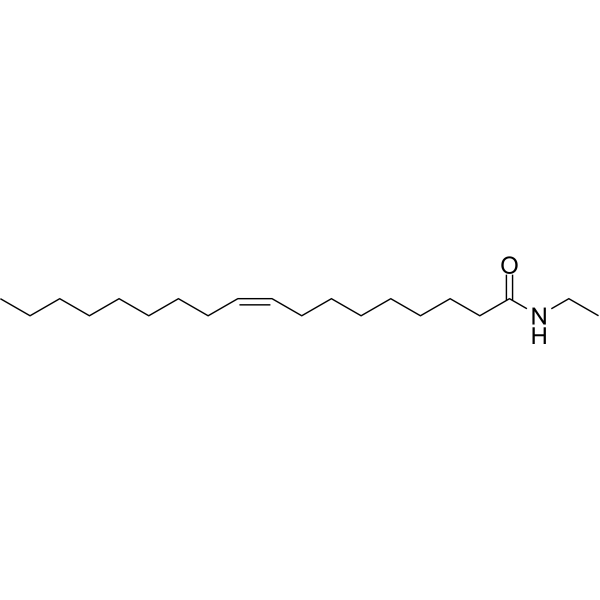
Oleoyl ethyl amide (N-Ethyloleamide) is a fatty acid amide hydrolase (FAAH) inhibitor that can cross the blood-brain barrier. Oleoyl ethyl amide enhances endogenous cannabinoid signaling by inhibiting FAAH, and via CB1/CB2 and TRPV1 receptor mediation, thereby modulating peripheral sensory and motor nerve transmission. Oleoyl ethyl amide can be used in research on overactive bladder and premature ejaculation.
For research use only. We do not sell to patients.
- Purity : 99.9%
- CAS No.: 85075-82-7
- Formula: C20H39NO
- Molecular Weight:309.53
-
Storage:
Solution, -20°C, 2 years

To place orders, for customer services and technical support, please contact: MedChemExpress USA
Tel: 609-228-6898 E-mail: [email protected] [email protected]


-
 Biological Activity
-
Chemical Information
- Purity & Documentation
- References
-
 Help & FAQs


-
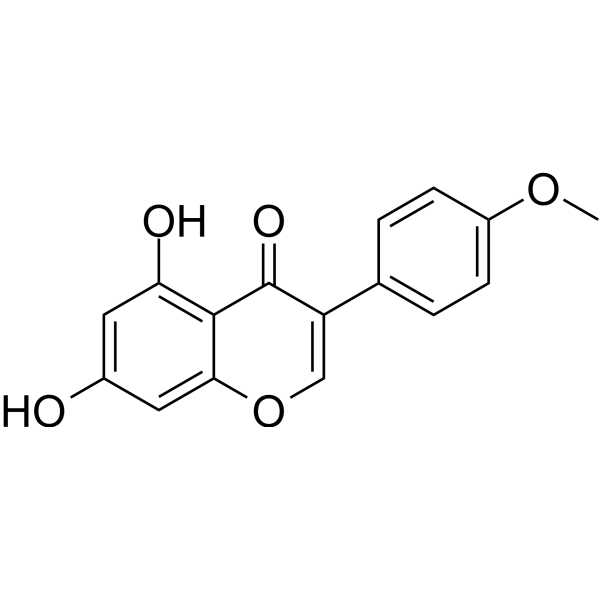
HY-14595
Biochanin AEndogenous Metabolite -
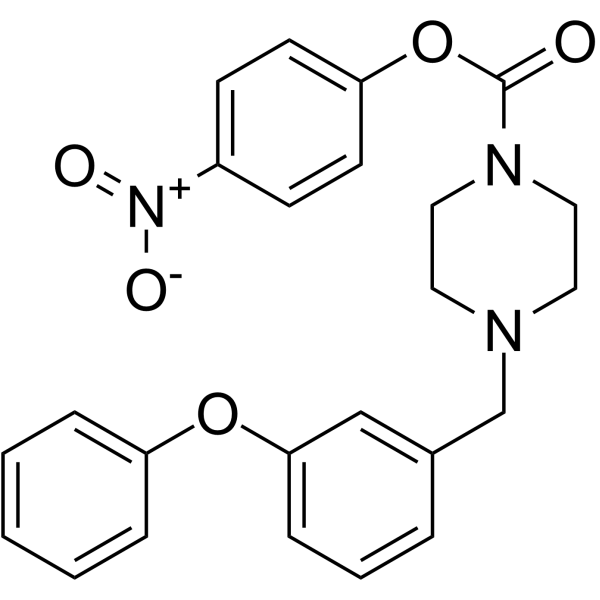
HY-15250
JZL195Dual FAAH/MAGL Inhibitor -
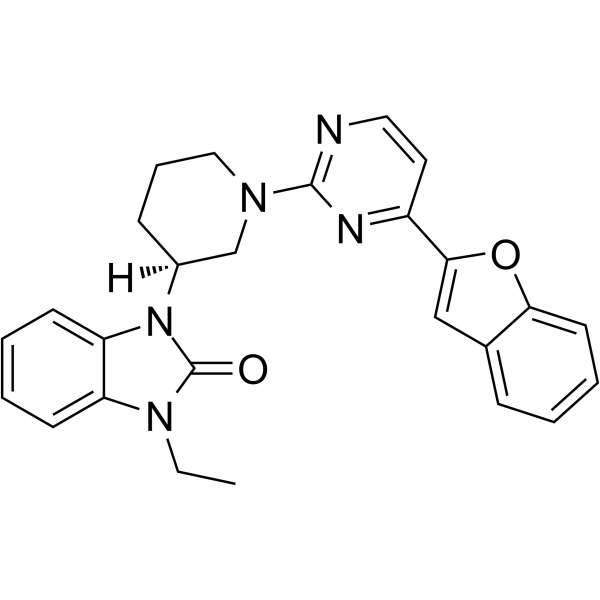
HY-103462
TC-F2FAAH Inhibitor -
HY-19636
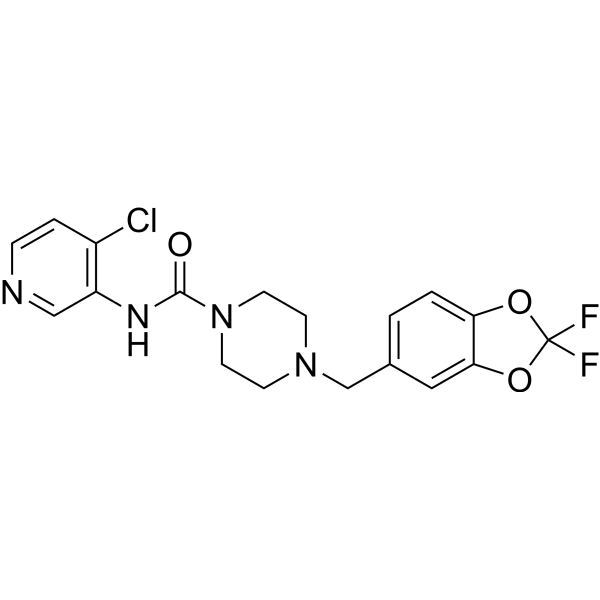
JNJ-42165279FAAH Inhibitor -
HY-N7062
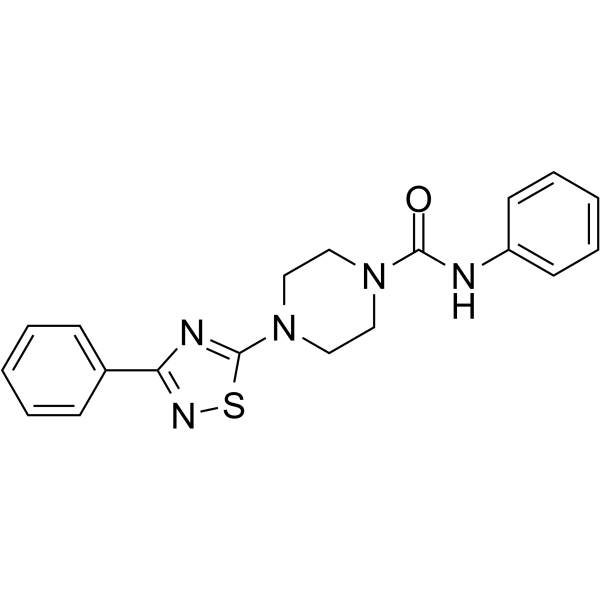
JNJ-1661010FAAH Inhibitor -
HY-118158
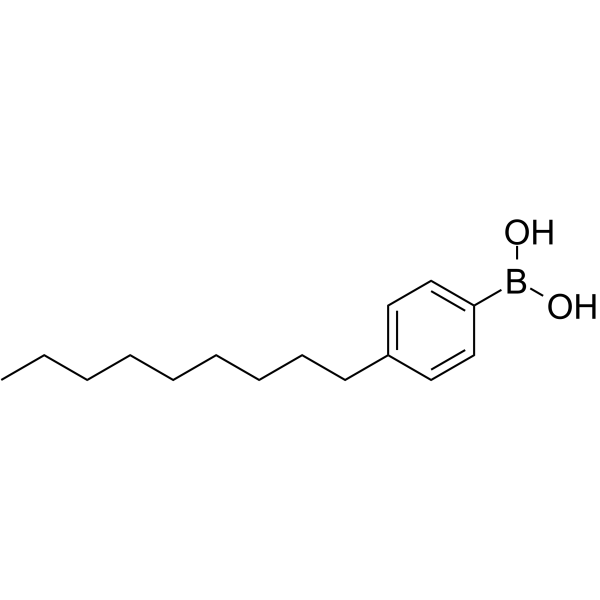
FAAH/MAGL-IN-4FAAH/MGL Inhibitor -
HY-14595R
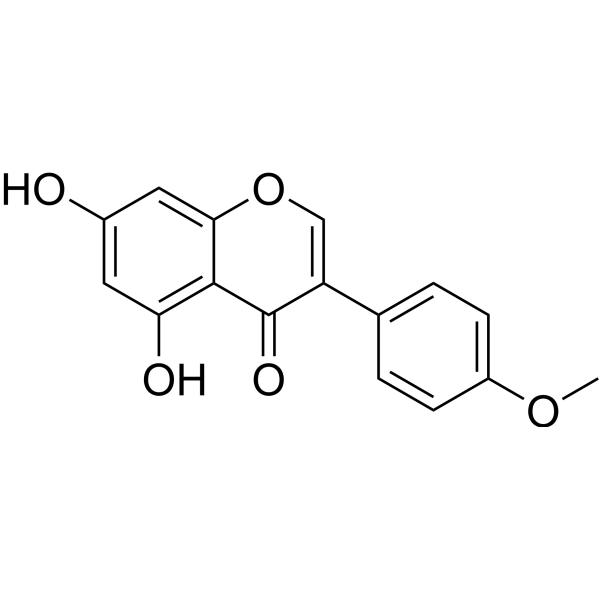
Biochanin A (Standard) -
HY-W130610
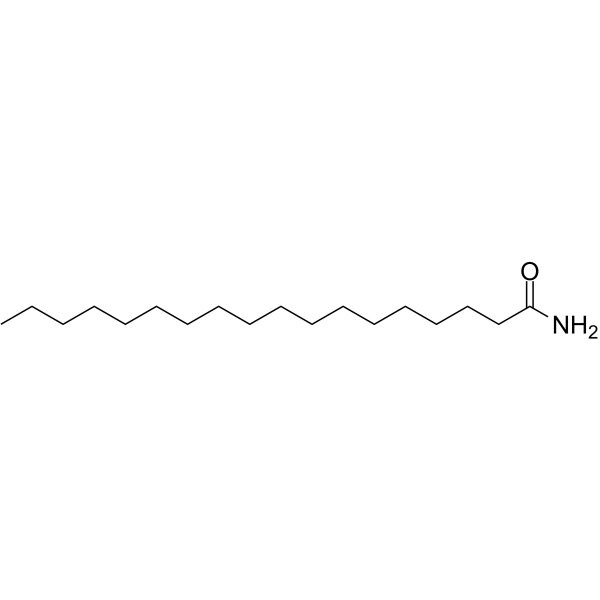
StearamideCorrosion Inhibitor -
HY-103461
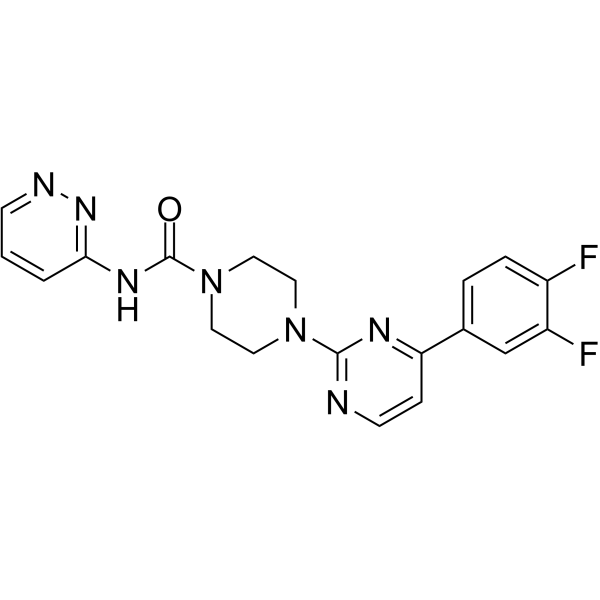
FAAH-IN-6FAAH Inhibitor -

HY-124015
1,1,1-Trifluoro-10(Z)-nonadecen-2-oneOleamide Hydrolase Inhibitor -
HY-10867
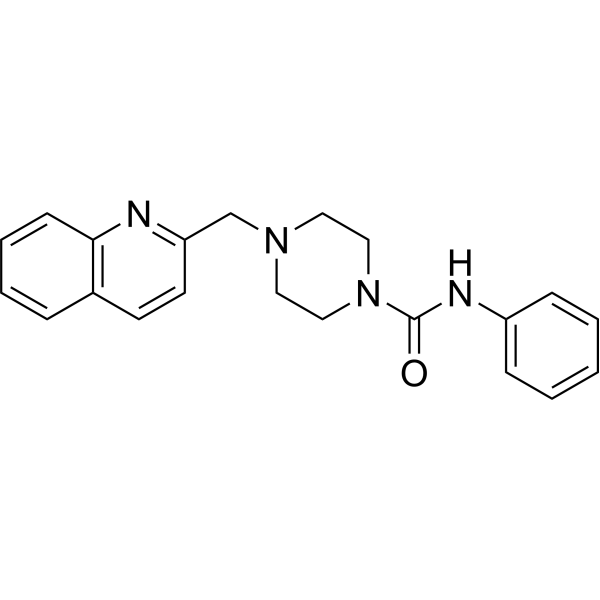
PF-622FAAH Inhibitor -
HY-111199
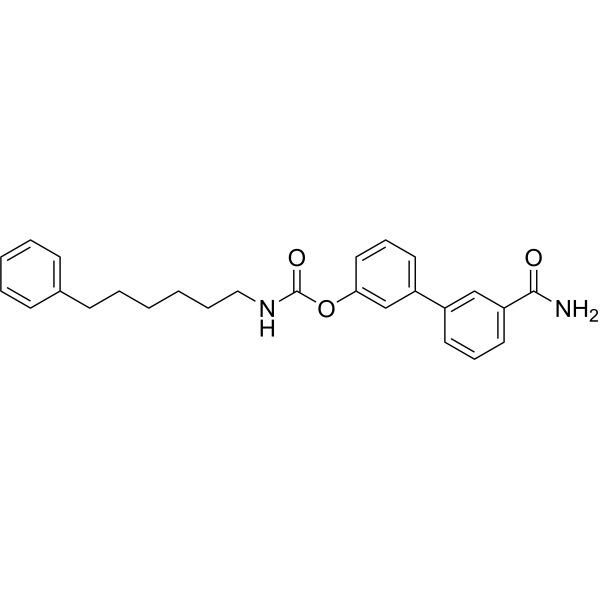
JP83FAAH Inhibitor


Biological Activity
Description
In Vitro
MedChemExpress (MCE) has not independently confirmed the accuracy of these methods. They are for reference only.
In Vivo
Oleoyl ethyl amide (1-10 mg/L (perfused at 10 mL/h); intravesical administration; continuous perfusion for 45 min) exhibits dose-dependent activity in increasing the voiding interval, voided volume, and bladder capacity in conscious Sprague-Dawley rat models[1].
Oleoyl ethyl amide (0.3 mg/kg; i.v.; single administration; 45 min) prolongs the intervoiding interval, bladder capacity, voided volume, and bladder compliance in a partially urethral obstructed (PUO) Sprague-Dawley rat model[2].
Oleoyl ethyl amide (0.1-10 mg/kg; i.p.; single administration) exhibits activity in increasing the latency of Apomorphine (HY-12723)-induced ejaculation and decreasing the frequency of spontaneous seminal vesicle contractions in anesthetized male Sprague-Dawley rat ejaculation models[4].
Oleoyl ethyl amide (0.75 mg/kg; i.p.; single administration) exhibits activity affecting bladder capacity (BC) and micturition volume (MV) via the TRPV1 pathway in a female rat model[5].
MedChemExpress (MCE) has not independently confirmed the accuracy of these methods. They are for reference only.
-
Animal Model:Sprague-Dawley (female)[1]
-
Dosage:0.3 mg/kg
-
Administration:i.v.; single administration; approximately 45 min
-
Result:Possessed activity that increases the interval between urinations, urine volume, and bladder capacity.


Chemical Information
-
CAS No. 85075-82-7
-
Appearance Liquid
-
Molecular Weight 309.53
-
Formula C20H39NO
-
Color Colorless to light yellow
-
SMILES
CCCCCCCC/C=C\CCCCCCCC(NCC)=O
-
Synonyms
N-Ethyloleamide
-
Shipping
Room temperature in continental US; may vary elsewhere.
-
Storage
Solution, -20°C, 2 years


Purity & Documentation
-
Data Sheet (269 KB)
-
SDS (251 KB)
- English - EN (251 KB)
- Français - FR (251 KB)
- Deutsch - DE (251 KB)
- Norwegian - NO (251 KB)
- Español - ES (251 KB)
- Swedish - SV (251 KB)
- Italian - IT (251 KB)
- Korean - KR (251 KB)
- Portuguese - PT (251 KB)
-
Handling Instructions (2659 KB)
References
[2]. Füllhase C, et al. Spinal neuronal cannabinoid receptors mediate urodynamic effects of systemic fatty acid amide hydrolase (FAAH) inhibition in rats. Neurourology and urodynamics. 2016 Apr;35(4):464-70. [Content Brief]
[3]. Cognetta AB, et al. Selective N-Hydroxyhydantoin Carbamate Inhibitors of Mammalian Serine Hydrolases. Chemistry & biology. 2015 Jul 23;22(7):928-37. [Content Brief]

Calculators
Concentration (start) × Volume (start) = Concentration (final) × Volume (final)


Oleoyl ethyl amide Related Classifications
HY-120961 Related Classifications
 Powered by Bioz