



Ramipril
Based on 2 publication(s) in Google Scholar
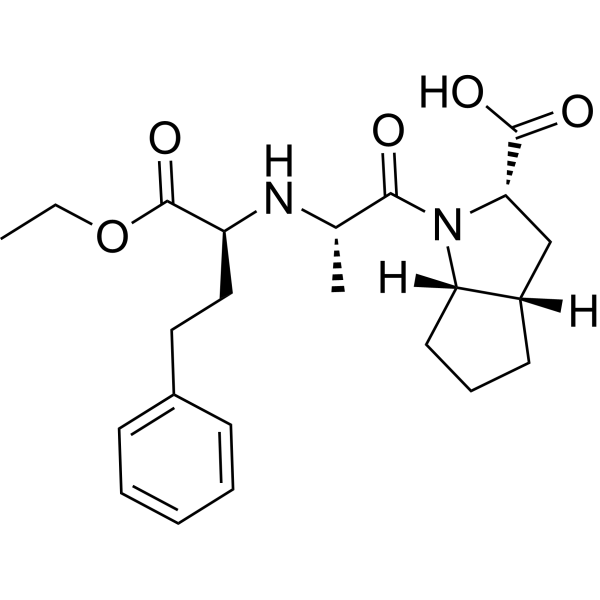
Ramipril (HOE-498) is an orally active angiotensin-converting enzyme (ACE) inhibitor with blood-brain barrier permeability, and it is metabolized in vivo to the active metabolite Ramiprilat (HY-A0115). Ramipril has antioxidant, vasoprotective, and anti-atherosclerotic effects. Ramipril reduces the degradation of angiotensin II and bradykinin, downregulates TGF-beta/CTGF/fibronectin/α-SMA, and inhibits pancreatic/cardiac fibrosis. Ramipril improves glucose tolerance and insulin secretion, and reduces weight gain/appetite. Ramipril sensitizes mast cells, enhances FcεRI histamine release/degranulation, aggravates IgE allergic reactions, and downregulates the bradykinin receptor. Ramipril improves vascular endothelial relaxation function in spontaneously hypertensive rats. Ramipril alleviates Oxaliplatin (HY-17371)-induced acute hyperalgesia in mice. Ramipril can be used in research related to diseases such as type 2 diabetes, rheumatoid arthritis, allergy, and hypertension.
For research use only. We do not sell to patients.
- Purity : 99.39%
- CAS No.: 87333-19-5
- Formula: C23H32N2O5
- Molecular Weight:416.51
-
Storage:Powder -20°C, 3 years , 4°C, 2 years ; In solvent -80°C, 2 years , -20°C, 1 year

To place orders, for customer services and technical support, please contact: MedChemExpress USA
Tel: 609-228-6898 E-mail: [email protected] [email protected]


-
 Biological Activity
-
Chemical Information
-
Solvent & Solubility
- Protocols
- Purity & Documentation
- References
-
 Help & FAQs


-
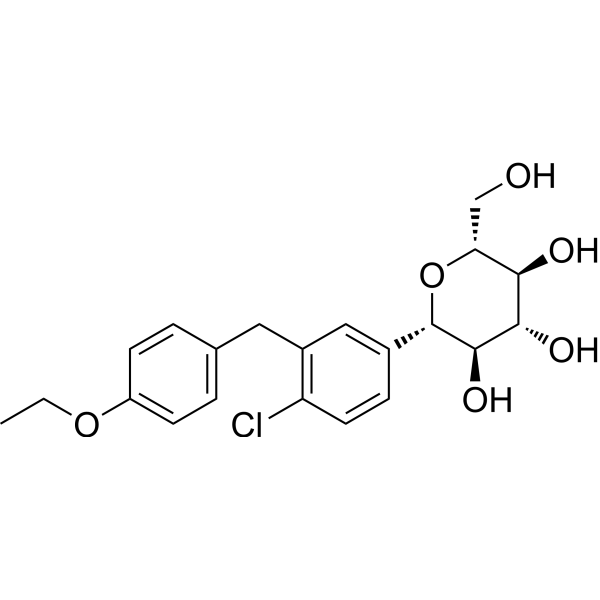
HY-10450
DapagliflozinSGLT2 Inhibitor -
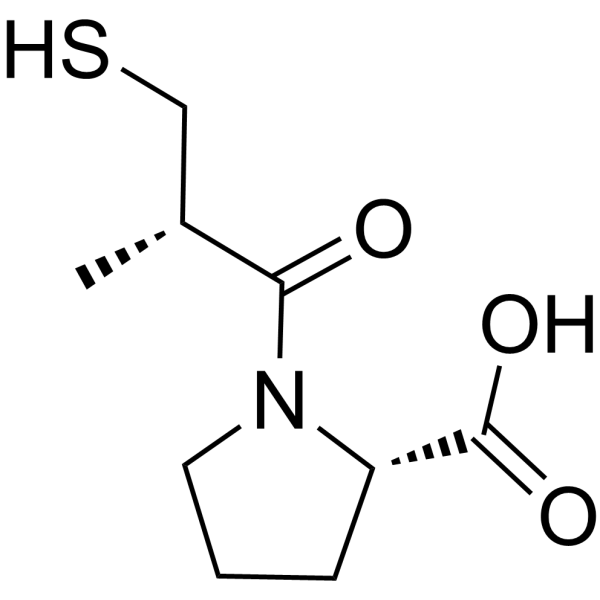
HY-B0368
CaptoprilACE Inhibitor -
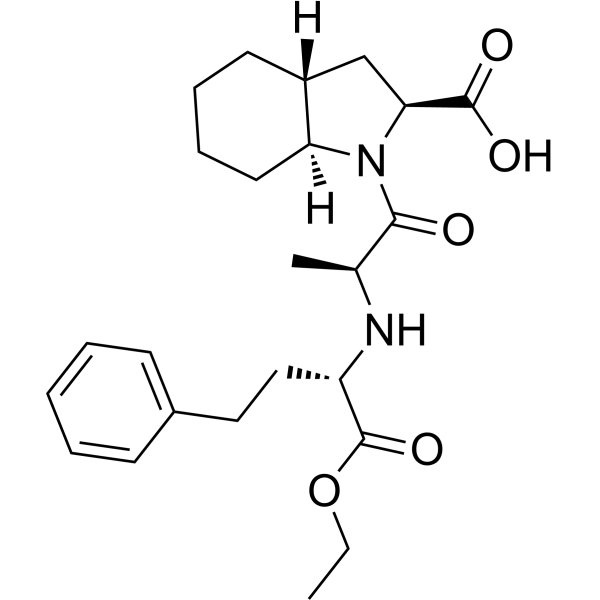
HY-B0592
TrandolaprilACE Inhibitor -
HY-18206
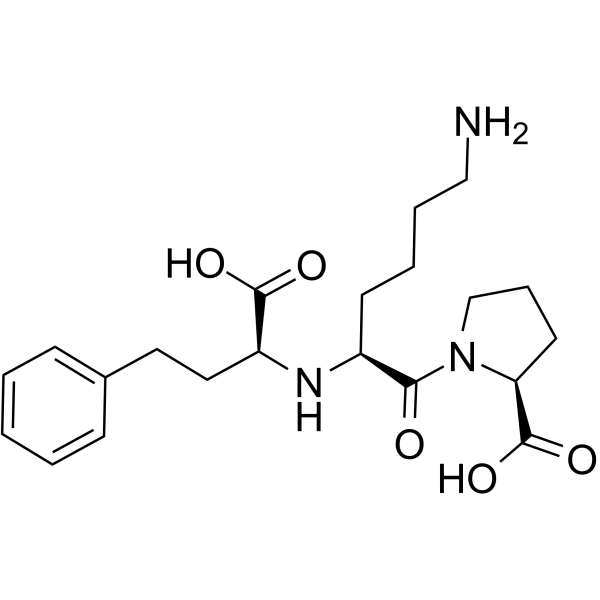
LisinoprilACE Inhibitor -
HY-A0115
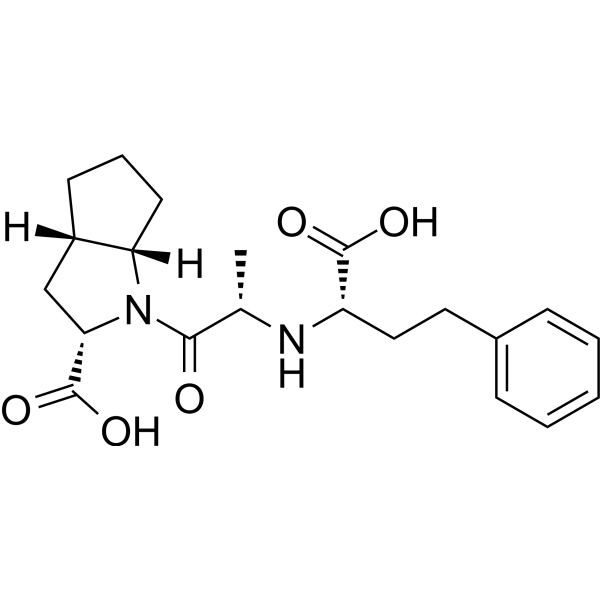
RamiprilatACE Inhibitor -
HY-18204
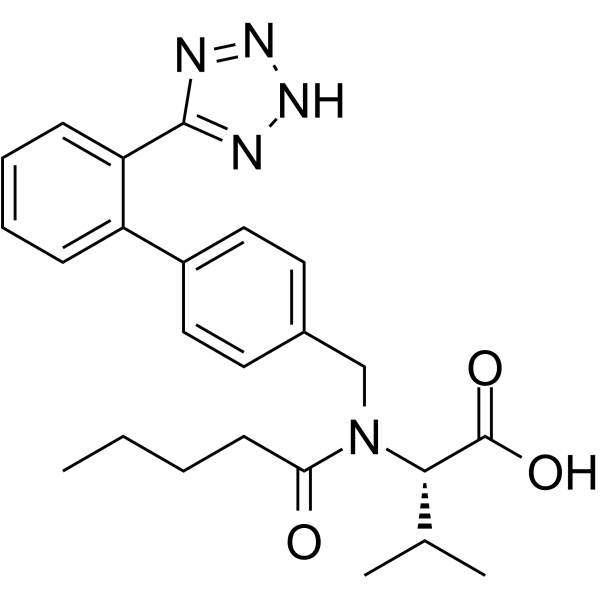
ValsartanAngiotensin II Receptor Antagonist -
HY-13955
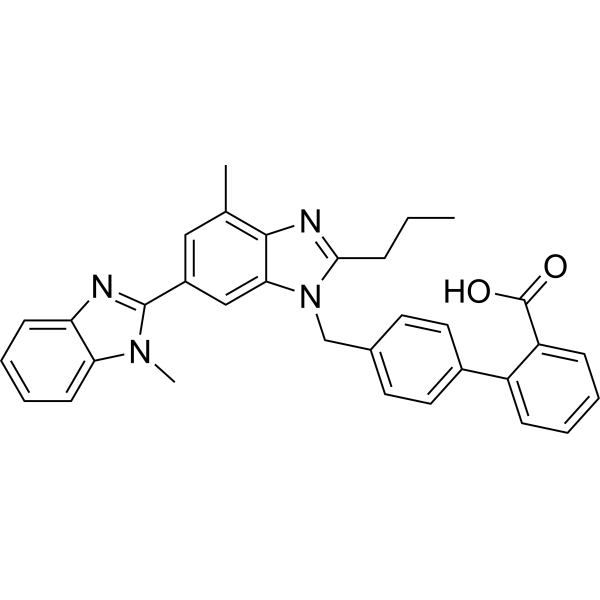
TelmisartanAngiotensin II Type 1 Receptor -
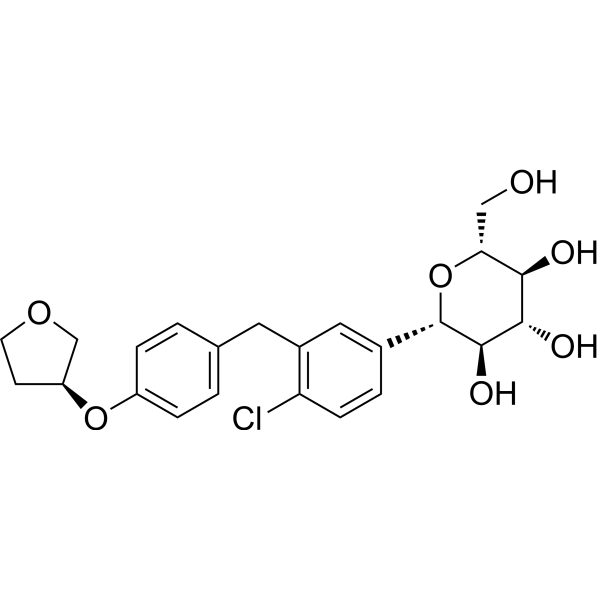
HY-15409
EmpagliflozinSGLT2 Inhibitor -
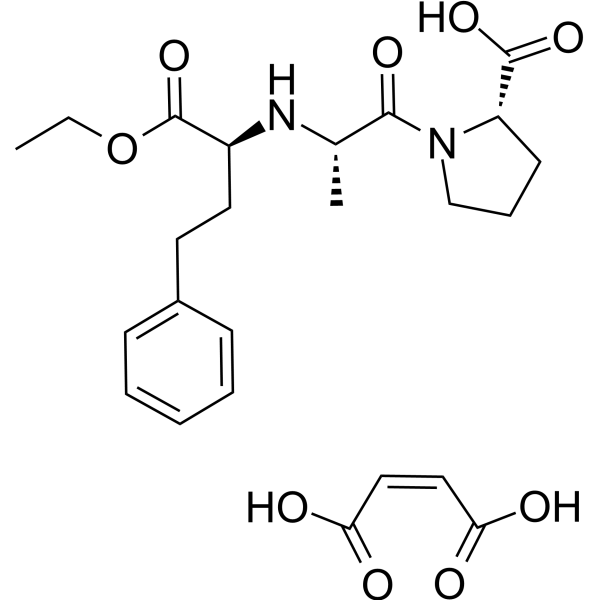
HY-B0331A
Enalapril maleateAngiotensin-Converting Enzyme Inhibitor -
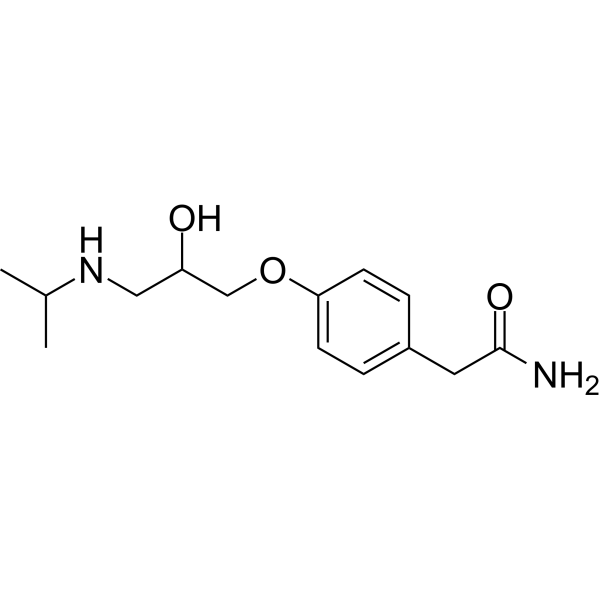
HY-17498
Atenololβ1-Adrenergic Receptor Blocker -
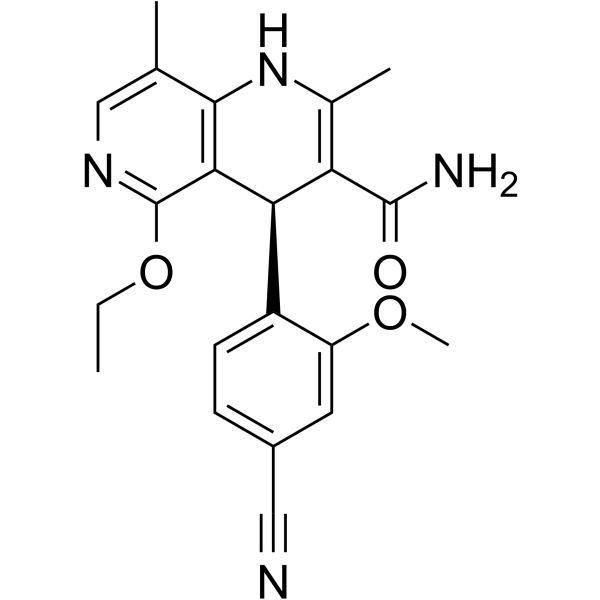
HY-111372
FinerenoneMineralocorticoid Receptor Antagonist -
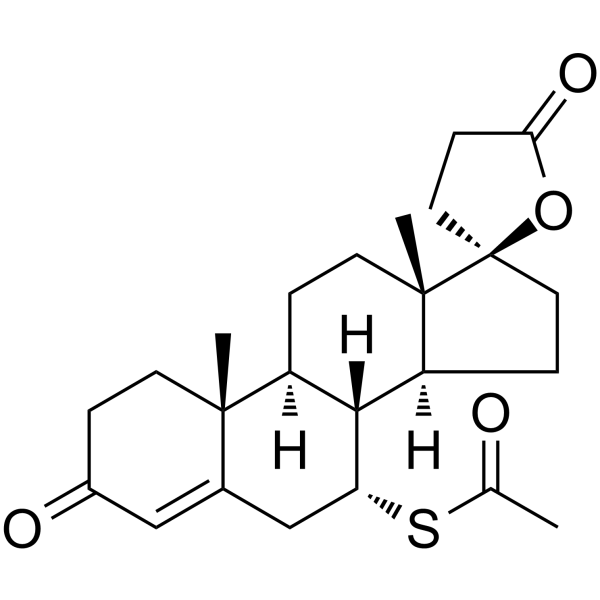
HY-B0561
SpironolactoneAldosterone/Corticoid Receptor/Androgen Antagonists
Publications Citing Use of MedChemExpress (MCE) Ramipril
MoreAll Bradykinin Receptor Isoforms
More

Biological Activity
Description
|
Bradykinin B1 Receptor (B1R) |
ACE |
Cellular Effect
|
Cell Line

|
Type | Value | Description | References |
|---|---|---|---|---|
| A549 | IC50 |
392 μM
Compound: Ramipril
|
Cytotoxicity against human A549 cells assessed as cell survival after 24 hrs by MTT assay
Cytotoxicity against human A549 cells assessed as cell survival after 24 hrs by MTT assay
|
[PMID: 23777825] |
| HEK293 | IC50 |
414 μM
Compound: Ramipril
|
Cytotoxicity against HEK293 cells assessed as cell survival after 24 hrs by MTT assay
Cytotoxicity against HEK293 cells assessed as cell survival after 24 hrs by MTT assay
|
[PMID: 23777825] |
In Vitro
MedChemExpress (MCE) has not independently confirmed the accuracy of these methods. They are for reference only.
In Vivo
MedChemExpress (MCE) has not independently confirmed the accuracy of these methods. They are for reference only.
-
Animal Model:OLETF (Otsuka Long-Evans Tokushima fatty; male; 20 weeks old; 400-450 g)
LETO (Long-Evans Tokushima Otsuka; 350-400 g)
[1] -
Dosage:5 mg/kg; 1 mg/kg
-
Administration:drinking water; 24 weeks
-
Result:Inhibited islet fibrosis, reduced α-SMA and TGF-β pathway markers, and improved glucose tolerance and insulin secretion index in OLETF type 2 diabetic rats; it reduced body weight gain and islet fibrosis, and improves glucose/insulin parameters in non-diabetic LETO rats.
-
Animal Model:Lewis (female, 220-240 g)[2]
-
Dosage:10 mg/kg/day
-
Administration:oral gavage; once daily; day 1 through day 28
-
Result:Decreased serum TNFα and PGE2 levels by approximately 2.6‑fold relative to AIA rats.
Inhibited the elevation of paw swelling and arthritis score.
Diminished HNE/protein adduct accumulation in serum and left‑ventricular (LV) tissues.
Reversed AIA‑provoked changes in cardiac mNADP‑ICDH activity and HNE/mNADP‑ICDH adduct amounts.
Restored cardiac NADPH and GSH substance pools.
Suppressed the up‑regulation of AT1R protein and mRNA within LV tissues.
Lowered cardiac collagen content to 1.9 % of the total surface area.
-
Animal Model:BALB/c (female, 10-12 weeks old, wild-type)[3]
-
Dosage:2.5 mg/kg
-
Administration:p.o. in drinking water; for 14 days
-
Result:Showed slight enhancement of hypothermia (-0.75 °C).
Produced an additional 2.22 °C drop in core body temperature after Ramipril combined with Metoprolol treatment.
Induced obvious elevations of serum histamine, serotonin, LTC4 and PGD2 levels by ramipril combined with metoprolol.
Caused a mild reduction of mMCP‑1 level.
-
Animal Model:Swiss (male, 6-7 weeks old, 25-30 g)[5]
-
Dosage:3 mg/kg/day
-
Administration:i.p.; daily for 10 days; starting 1 day before first oxaliplatin injection
-
Result:Tended to improve tactile sensitivity in oxaliplatin-administered mice at D3 and significantly restored normal tactile sensitivity at D5.
Significantly improved cold sensitivity on D1 in oxaliplatin-administered mice and restored normal cold sensitivity on D3.
- Fibrosis/Collagen Morphometry
- Collagen: Sirius Red Staining
- Collagen-Induced Arthritis
- Research Protocol for Endocrine Diseases
- Connective Tissue: Masson's Trichrome/Collagen Trichrome Staining
- Human Islet Cell Culture
- Transepithelial/transendothelial electrical resistance assay
- Research Protocol for Cardiovascular Diseases
- Research Protocol for Metabolic Diseases
Clinical Trial
| NCT Number | Sponsor | Condition | Start Date |
Phase
|
|---|---|---|---|---|
| NCT01329991 | Plexxikon| | 2011-05 | PHASE1 |


Chemical Information
-
CAS No. 87333-19-5
-
Unlabeled CAS 87333-19-5
-
Appearance Solid
-
Molecular Weight 416.51
-
Formula C23H32N2O5
-
Color White to off-white
-
SMILES
O=C([C@@H]1C[C@@](CCC2)([H])[C@@]2([H])N1C([C@@H](N[C@H](C(OCC)=O)CCC3=CC=CC=C3)C)=O)O
-
Synonyms
HOE-498
-
Shipping
Room temperature in continental US; may vary elsewhere.
-
Storage
Powder -20°C 3 years 4°C 2 years In solvent -80°C 2 years -20°C 1 year


Publications (2)
-
Journal Impact Factor
-
Most Recent
-
Cell Rep Methods
RECOVER identifies synergistic drug combinations in vitro through sequential model optimization. [Abstract]2023 Oct 23;3(10):100599. PMID: 37797618 -
Pulm Pharmacol Ther
The promoting role of Cx43 on the proliferation and migration of arterial smooth muscle cells for angiotensin II-dependent hypertension. [Abstract]2021 Oct:70:102072. PMID: 34428599


Solvent & Solubility
In Vitro:
DMSO : ≥ 100 mg/mL (240.09 mM; Hygroscopic DMSO has a significant impact on the solubility of product, please use newly opened DMSO)
H2O : 1 mg/mL (2.40 mM; Need ultrasonic)
* "≥" means soluble, but saturation unknown.
Please refer to the solubility information to select the appropriate solvent. Once prepared, please aliquot and store the solution to prevent product inactivation from repeated freeze-thaw cycles.
Storage method and period of stock solution: -80°C, 2 years; -20°C, 1 year. When stored at -80°C, please use it within 2 years. When stored at -20°C, please use it within 1 year.
* Note: If you choose water as the stock solution, please dilute it to the working solution, then filter and sterilize it with a 0.22 μm filter before use.
Concentration (start) × Volume (start) = Concentration (final) × Volume (final)
In Vivo:
Select the appropriate dissolution method based on your experimental animal and administration route.
- For the following dissolution methods, please ensure to first prepare a clear stock solution using an In Vitro approach and then sequentially add co-solvents:
- To ensure reliable experimental results, the clarified stock solution can be appropriately stored based on storage conditions. As for the working solution for In Vivo experiments, it is recommended to prepare freshly and use it on the same day.
- The percentages shown for the solvents indicate their volumetric ratio in the final prepared solution. If precipitation or phase separation occurs during preparation, heat and/or sonication can be used to aid dissolution.
Add each solvent one by one: 10% DMSO 40% PEG300 5% Tween-80 45% Saline
Solubility: ≥ 3.25 mg/mL (7.80 mM); Clear solution
This protocol yields a clear solution of ≥ 3.25 mg/mL (saturation unknown).
Taking 1 mL working solution as an example, add 100 μL DMSO stock solution (32.5 mg/mL) to 400 μL PEG300, and mix evenly; then add 50 μL Tween-80 and mix evenly; then add 450 μL Saline to adjust the volume to 1 mL.
Preparation of Saline: Dissolve 0.9 g sodium chloride in ddH₂O and dilute to 100 mL to obtain a clear Saline solution.
Add each solvent one by one: 10% DMSO 90% (20% SBE-β-CD in Saline)
Solubility: ≥ 3.25 mg/mL (7.80 mM); Clear solution
This protocol yields a clear solution of ≥ 3.25 mg/mL (saturation unknown).
Taking 1 mL working solution as an example, add 100 μL DMSO stock solution (32.5 mg/mL) to 900 μL 20% SBE-β-CD in Saline, and mix evenly.
Preparation of 20% SBE-β-CD in Saline (4°C, storage for one week): 2 g SBE-β-CD powder is dissolved in 10 mL Saline, completely dissolve until clear.
For the following dissolution methods, please prepare the working solution directly:
It is recommended to prepare fresh solutions and use them promptly within a short period of time.
The percentages shown for the solvents indicate their volumetric ratio in the final prepared solution. If precipitation or phase separation occurs during preparation, heat and/or sonication can be used to aid dissolution.
Add each solvent one by one: PBS
Solubility: 20 mg/mL (48.02 mM); Clear solution; Need ultrasonic
In Vivo Dissolution Calculator
Please enter the basic information of animal experiments:
-
-
-
-
Recommended: Prepare an additional quantity of animals to account for potential losses during experiments.
Please enter your animal formula composition:
-
%DMSO +
Recommended: Keep the proportion of DMSO in working solution below 2% if your animal is weak.
-
%+
-
+%Tween-80 + +
-
%Saline +
The co-solvents required include: DMSO, . All of co-solvents are available by MedChemExpress (MCE). , Tween 80. All of co-solvents are available by MedChemExpress (MCE).
Working solution concentration: 0.22 mg/mL
Method for preparing stock solution: mg drug dissolved in μL DMSO. Stock solution concentration: mg/mL.
1. Take μL DMSO stock solution;
2. Add μL .
μL , mix evenly;
3. Then add μL Tween 80, mix evenly;
4. Then add μL
Please ensure that the stock solution in the first step is dissolved to a clear state, and add co-solvents in sequence. You can use ultrasonic heating (ultrasonic cleaner, recommended frequency 20-40 kHz), vortexing, etc. to assist dissolution.


Purity & Documentation
-
Data Sheet (306 KB)
-
SDS (418 KB)
- English - EN (418 KB)
- Français - FR (418 KB)
- Deutsch - DE (418 KB)
- Norwegian - NO (418 KB)
- Español - ES (418 KB)
- Swedish - SV (418 KB)
- Italian - IT (418 KB)
- Korean - KR (418 KB)
- Portuguese - PT (418 KB)
-
Handling Instructions (2659 KB)
References


Complete Stock Solution Preparation Table
Please refer to the solubility information to select the appropriate solvent. Once prepared, please aliquot and store the solution to prevent product inactivation from repeated freeze-thaw cycles.
Storage method and period of stock solution: -80°C, 2 years; -20°C, 1 year. When stored at -80°C, please use it within 2 years. When stored at -20°C, please use it within 1 year.
| Optional Solvent | Concentration Solvent Mass | 1 mg | 5 mg | 10 mg | 25 mg |
|---|---|---|---|---|---|
| H2O / DMSO | 1 mM | 2.4009 mL | 12.0045 mL | 24.0090 mL | 60.0226 mL |
| DMSO | 5 mM | 0.4802 mL | 2.4009 mL | 4.8018 mL | 12.0045 mL |
| 10 mM | 0.2401 mL | 1.2005 mL | 2.4009 mL | 6.0023 mL | |
| 15 mM | 0.1601 mL | 0.8003 mL | 1.6006 mL | 4.0015 mL | |
| 20 mM | 0.1200 mL | 0.6002 mL | 1.2005 mL | 3.0011 mL | |
| 25 mM | 0.0960 mL | 0.4802 mL | 0.9604 mL | 2.4009 mL | |
| 30 mM | 0.0800 mL | 0.4002 mL | 0.8003 mL | 2.0008 mL | |
| 40 mM | 0.0600 mL | 0.3001 mL | 0.6002 mL | 1.5006 mL | |
| 50 mM | 0.0480 mL | 0.2401 mL | 0.4802 mL | 1.2005 mL | |
| 60 mM | 0.0400 mL | 0.2001 mL | 0.4002 mL | 1.0004 mL | |
| 80 mM | 0.0300 mL | 0.1501 mL | 0.3001 mL | 0.7503 mL | |
| 100 mM | 0.0240 mL | 0.1200 mL | 0.2401 mL | 0.6002 mL |
* Note: If you choose water as the stock solution, please dilute it to the working solution, then filter and sterilize it with a 0.22 μm filter before use.


Ramipril Related Classifications
HY-B0279 Related Classifications
 Powered by Bioz