
200 Results for "

β-cell

" in MedChemExpress (MCE) Product Catalog:
Products (200)

200 Results for "β-cell" in MCE Product Catalog:

162
162 Publications Verification
Cat. No.: HY-13753
CAS No.: 18883-66-4
Purity:  99.20%
Synonyms: Streptozocin; NSC-85998; U 9889
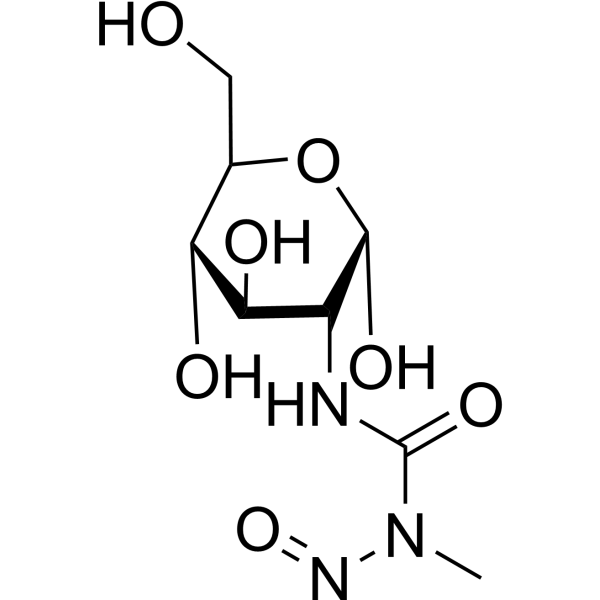
Streptozotocin (Streptozocin; STZ) is an antibiotic widely used in experimental animal models of induced diabetes. Streptozotocin enters B cells via the glucose transporter (GLUT2) and causes the alkylation of DNA ( DNA-methylating ). Streptozotocin can induce the apoptosis of β cells .
loading...
    loading...
122
122 Cited Publications
Cat. No.: HY-10231
CAS No.: 685898-44-6
Purity:  ≥98.0%
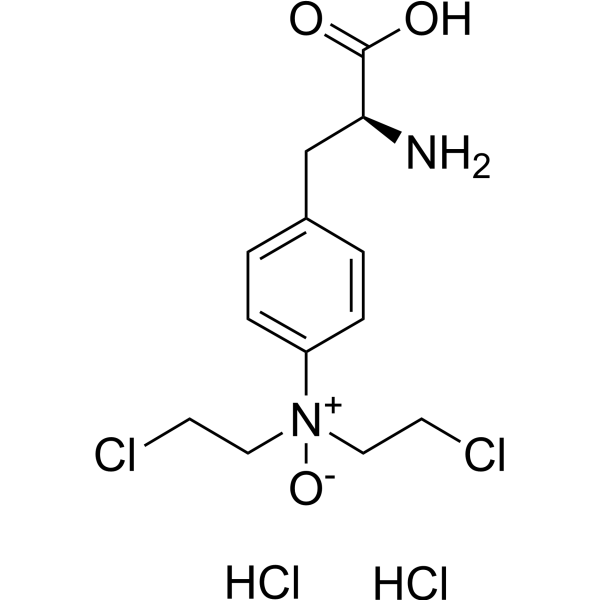
PX-478 is a multifunctional HIF-1α inhibitor with properties including radiosensitization, autophagy activation, and lipid accumulation inhibition. PX-478 also blocks hypoxia-induced VEGF production and regulates β-cell phenotypes under hypoxic conditions. PX-478 induces cell cycle arrest and DNA damage, restores autophagic function, reduces foam cell formation, and maintains glucose homeostasis. PX-478 is widely used in research on related diseases such as human tumors (e.g., prostate cancer), type 2 diabetes, and atherosclerosis .
loading...
    loading...
72
72 Cited Publications
Cat. No.: HY-13443A
CAS No.: 914454-01-6
Purity:  99.91%
Synonyms: Exenatide acetate
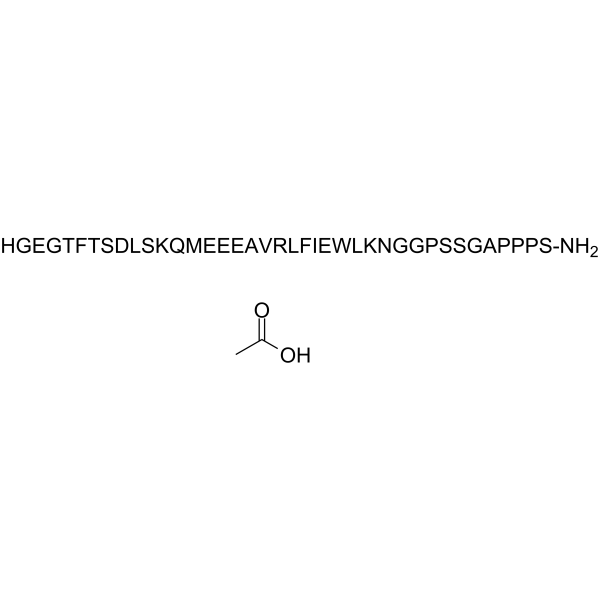
Exendin-4 acetate (Exenatide acetate) is an orally active, blood-brain barrier-permeable glucagon-like peptide-1 receptor (GLP‑1 receptor) agonist that resists degradation mediated by dipeptidyl peptidase IV. Exendin-4 acetate mediates multiple glucose-regulating effects, including stimulation of glucose-dependent insulin secretion, inhibition of glucagon production, increase in β-cell mass, delay of gastric emptying, reduction of food intake, improvement of peripheral insulin sensitivity, and restoration of normal islet structure. Exendin-4 acetate inhibits oxidative stress, alleviates inflammatory responses, and reduces neuronal apoptosis. Exendin-4 acetate reduces the aggregation level of mutant huntingtin, improves motor function, prolongs survival time, and regulates the expression levels of leptin and ghrelin. Exendin-4 acetate can be used in research related to type 2 diabetes, acute ischemic stroke, and Huntington's disease .
loading...
    loading...
72
72 Cited Publications
Cat. No.: HY-13443
CAS No.: 141758-74-9
Purity:  99.95%
Synonyms: Exenatide
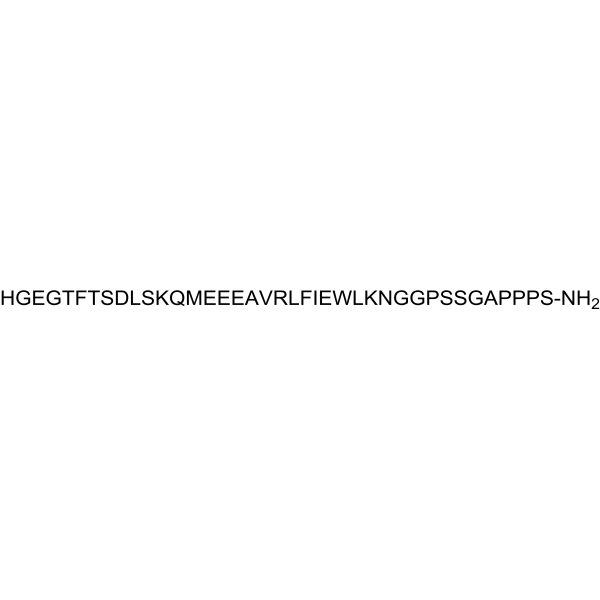
Exendin‑4 (Exenatide) is an orally active, blood-brain barrier-permeable glucagon-like peptide-1 receptor (GLP‑1 receptor) agonist that resists degradation mediated by dipeptidyl peptidase IV. Exendin‑4 mediates multiple glucose-regulating effects, including stimulation of glucose-dependent insulin secretion, inhibition of glucagon production, increase in β-cell mass, delay of gastric emptying, reduction of food intake, improvement of peripheral insulin sensitivity, and restoration of normal islet structure. Exendin‑4 inhibits oxidative stress, alleviates inflammatory responses, and reduces neuronal apoptosis. Exendin‑4 reduces the aggregation level of mutant huntingtin, improves motor function, prolongs survival time, and regulates the expression levels of leptin and ghrelin. Exendin‑4 can be used in research related to type 2 diabetes, acute ischemic stroke, and Huntington's disease .
loading...
    loading...
17
17 Cited Publications
Cat. No.: HY-P1156
CAS No.: 11070-73-8
Target:  

Insulin Receptor

Research Areas:  

Metabolic Disease Endocrinology

Insulin cattle is a two-chain polypeptide hormone produced in vivo in the pancreatic β cells. Insulin cattle has often been used as growth supplement in culturing cells.
loading...
    loading...
11
11 Cited Publications
Cat. No.: HY-P0054
CAS No.: 1119517-19-9
Synonyms: Glucagon-like peptide-1 (GLP-1)(7-36), amide acetate; Human GLP-1 (7-36), amide acetate
Target:  

GCGR

Research Areas:  

Metabolic Disease

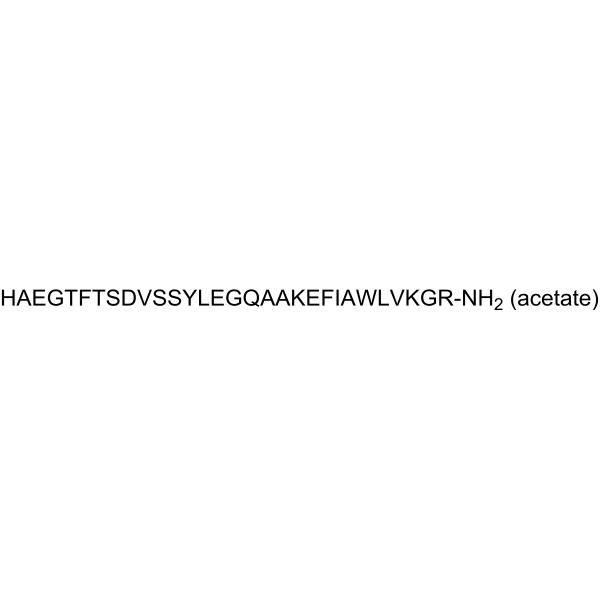
GLP-1(7-36), amide acetate is a major intestinal hormone that stimulates glucose-induced insulin secretion from β cells.
loading...
    loading...
11
11 Cited Publications
Cat. No.: HY-P0054B
Synonyms: Glucagon-like peptide-1 (GLP-1)(7-36), amide TFA; Human GLP-1 (7-36), amide TFA
Target:  

GCGR

Research Areas:  

Metabolic Disease

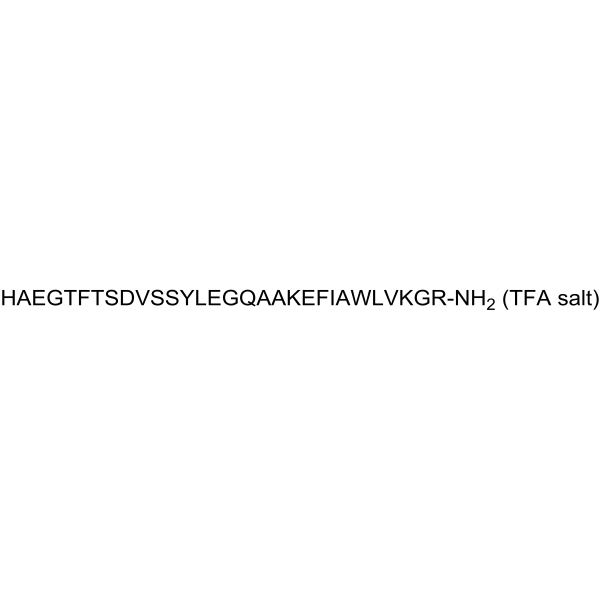
GLP-1(7-36), amide TFA is a major intestinal hormone that stimulates glucose-induced insulin secretion from β cells .
loading...
    loading...
11
11 Cited Publications
Cat. No.: HY-12695B
CAS No.: 207300-85-4
Purity:  ≥95.0%
Synonyms: GTP trisodium salt hydrate
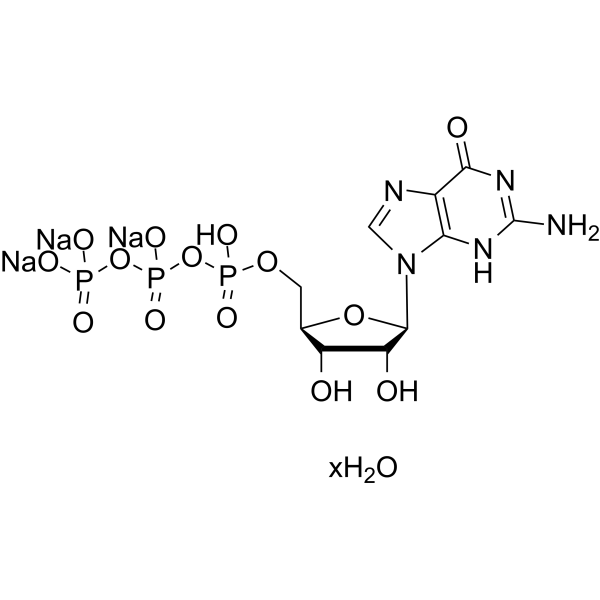
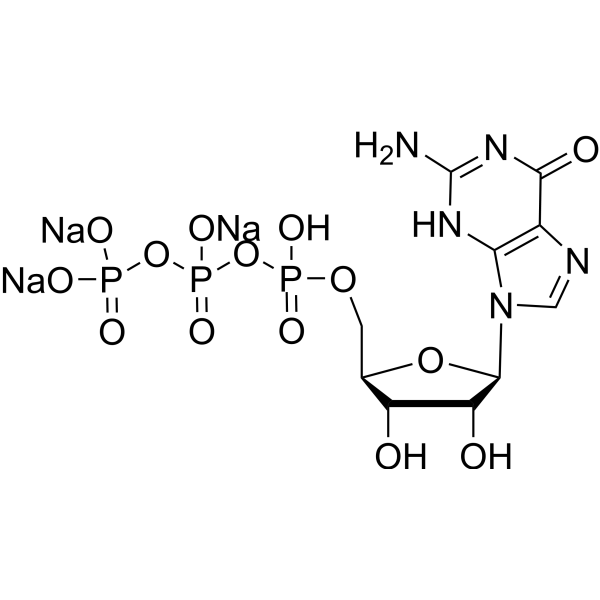
Guanosine triphosphate (GTP) trisodium salt hydrate is a critical nucleotide and regulator of cellular metabolism. Guanosine triphosphate trisodium salt hydrate promotes ribosomal DNA localization, pre-rRNA transcription and ribosome biogenesis by binding to RNA polymerase I and GPN proteins (GPN1/3). Guanosine triphosphate trisodium salt hydrate links MYC-dependent ribosome biogenesis to nucleotide sufficiency, acts as a metabolic gatekeeper supporting protein synthesis, DNA/RNA synthesis and cellular signal transduction, while also participating in the physiological activities of pancreatic β-cells and serving as an oxidative substrate for reactive oxygen species. In small cell lung cancer with high MYC expression, Guanosine triphosphate trisodium salt hydrate accumulates through the IMPDH-driven synthetic pathway, thereby affecting apoptosis and mitotic processes. Guanosine triphosphate trisodium salt hydrate is used in the research of small cell lung cancer, hepatoblastoma and cellular metabolism .
loading...
    loading...
11
11 Cited Publications
Cat. No.: HY-W010737
CAS No.: 56001-37-7
Synonyms: GTP disodium
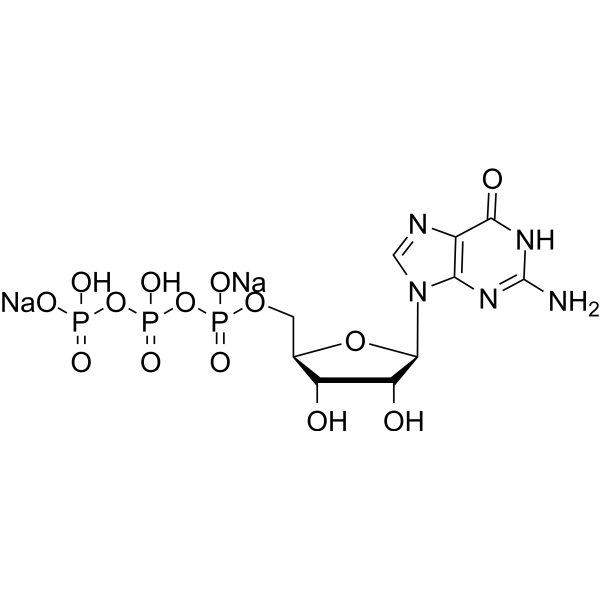
Guanosine triphosphate (GTP) disodium is a critical nucleotide and regulator of cellular metabolism. Guanosine triphosphate disodium promotes ribosomal DNA localization, pre-rRNA transcription and ribosome biogenesis by binding to RNA polymerase I and GPN proteins (GPN1/3). Guanosine triphosphate disodium links MYC-dependent ribosome biogenesis to nucleotide sufficiency, acts as a metabolic gatekeeper supporting protein synthesis, DNA/RNA synthesis and cellular signal transduction, while also participating in the physiological activities of pancreatic β-cells and serving as an oxidative substrate for reactive oxygen species. In small cell lung cancer with high MYC expression, Guanosine triphosphate disodium accumulates through the IMPDH-driven synthetic pathway, thereby affecting apoptosis and mitotic processes. Guanosine triphosphate disodium is used in the research of small cell lung cancer, hepatoblastoma and cellular metabolism .
loading...
    loading...
8
8 Cited Publications
Cat. No.: HY-B0104
CAS No.: 93479-97-1
Synonyms: Glimperide; HOE-490
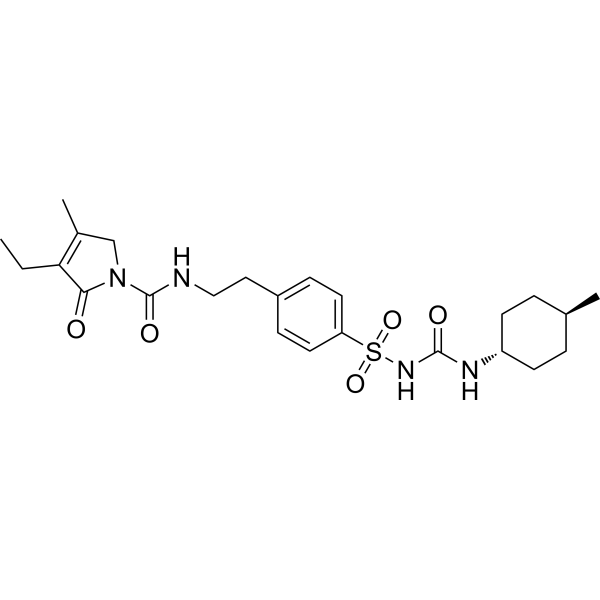
Glimepiride (Glimperide) is a medium-to-long acting sulfonylurea anti-diabetic compound with an ED50 of 182 μg/kg. Glimepiride acts at ATPase-dependent potassium channels in β cells of the pancreas to stimulate insulin release.
loading...
    loading...
8
8 Cited Publications
Cat. No.: HY-12695
CAS No.: 36051-31-7
Purity:  ≥95.0%
Synonyms: GTP trisodium
Guanosine triphosphate (GTP) trisodium is a critical nucleotide and regulator of cellular metabolism. Guanosine triphosphate trisodium promotes ribosomal DNA localization, pre-rRNA transcription and ribosome biogenesis by binding to RNA polymerase I and GPN proteins (GPN1/3). Guanosine triphosphate trisodium links MYC-dependent ribosome biogenesis to nucleotide sufficiency, acts as a metabolic gatekeeper supporting protein synthesis, DNA/RNA synthesis and cellular signal transduction, while also participating in the physiological activities of pancreatic β-cells and serving as an oxidative substrate for reactive oxygen species. In small cell lung cancer with high MYC expression, Guanosine triphosphate trisodium accumulates through the IMPDH-driven synthetic pathway, thereby affecting apoptosis and mitotic processes. Guanosine triphosphate trisodium is used in the research of small cell lung cancer, hepatoblastoma and cellular metabolism .
loading...
    loading...
7
7 Cited Publications
Cat. No.: HY-16307
CAS No.: 261365-11-1
Target:  

FBPase

Research Areas:  

Metabolic Disease Cancer

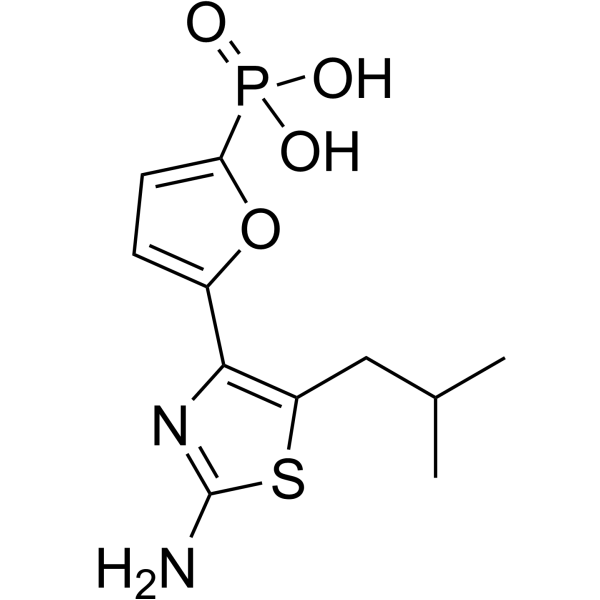
MB05032 is a fructose-1,6-bisphosphatase (FBP1/FBPase) inhibitor with an IC50 value of 16 nM. MB05032 blocks FBP1-mediated glycolysis inhibition in NK cells, restores NK cell glucose uptake, lactate production, degranulation, perforin production, and cytotoxicity against gastric cancer cells. MB05032 elevates ATP/ADP ratios, increases glucose utilization, and enhances insulin secretion in pancreatic β-cells. MB05032 increases neutrophil adhesion, phagocytosis, and mRNA abundance of HKII, ITGA9, CD36 in subclinically hypocalcemic dairy cows. MB05032 inhibits gluconeogenesis in hepatocytes, acts as the active metabolite of prodrug Managlinat dialanetil (MB06322) (HY-14955). MB05032 can be used for the research of gastric cancer, type 2 diabetes, subclinical hypocalcemia, and insulin resistance .
loading...
    loading...
5
5 Cited Publications
Cat. No.: HY-B0753
CAS No.: 21187-98-4
Synonyms: S1702; SE1702
Target:  

Potassium Channel

Research Areas:  

Cardiovascular Disease

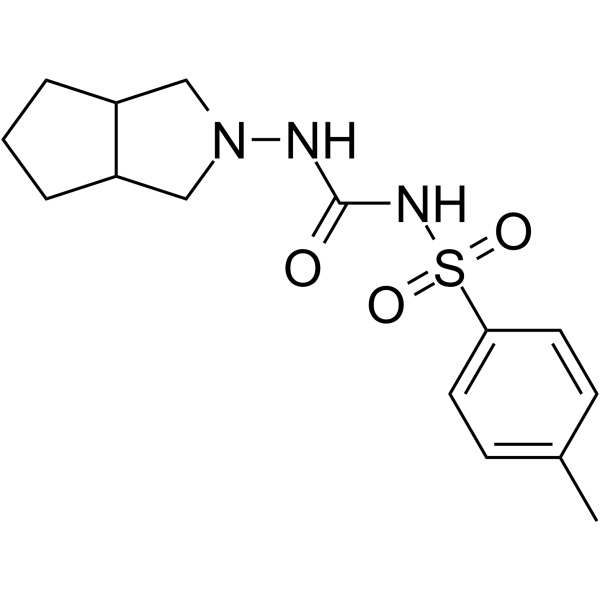
Gliclazide (S1702) is a whole-cell beta-cell ATP-sensitive potassium currents blocker with an IC50 of 184 nM. Gliclazide is used as an antidiabetic .
loading...
    loading...
4
4 Cited Publications
Cat. No.: HY-111310
CAS No.: 847163-28-4
Purity:  99.16%
Target:  

Lipoxygenase

ML351 is a potent and highly specific 15-LOX-1 inhibitor with an IC50 of 200 nM. ML351 shows excellent selectivity (>250-fold) versus the related isozymes, 5-LOX, platelet 12-LOX, 15-LOX-2, ovine COX-1, and human COX-2 . ML351 prevents dysglycemia and reduces β-cell oxidative stress in nonobese diabetic mouse model of T1D .
loading...
    loading...
4
4 Cited Publications
Cat. No.: HY-109030
CAS No.: 1191995-00-2
Purity:  99.87%
Synonyms: HMS5552
Target:  

Glucokinase

Research Areas:  

Metabolic Disease

Dorzagliatin (HMS5552), a dual-acting glucokinase (GK) activator, improves glycaemic control and pancreatic β-cell function in type 2 diabetes .
loading...
    loading...
3
3 Cited Publications
Cat. No.: HY-15564
CAS No.: 733750-99-7
Purity:  99.58%
Target:  

GPR119

Research Areas:  

Metabolic Disease

AR 231453 is a potent, specific and orally available GPR119 agonist. AR 231453 can stimulate β-cell replication and improve islet graft function s .
loading...
    loading...
3
3 Cited Publications
Cat. No.: HY-P10102
CAS No.: 629628-53-1
Research Areas:  

Inflammation/Immunology Cancer

Kp7-6 is a Fas mimetic peptide and also a Fas/FasL antagonist. Kp7-6 specifically binds to Fas and FasL, disrupts receptor complexes, and blocks downstream apoptosis signaling pathways. Kp7-6 inhibits the phosphorylation of ERK1-2, induces the phosphorylation of IκBα, and activates NF-κB. Kp7-6 inhibits the activation of caspase-8, caspase-3 and JNK, and suppresses human amylin-induced β-cell apoptosis. Kp7-6 inhibits FasL-induced lymphoid cytotoxicity and apoptosis. Kp7-6 reduces local tumor FasL expression, increases CD8 +Fas + T cell infiltration, and decreases tumor volume in pancreatic neuroendocrine tumor models. Kp7-6 prevents concanavalin A-induced liver injury in mice. Kp7-6 is applicable to research related to type 2 diabetes, concanavalin A-induced hepatitis and pancreatic neuroendocrine tumors .
loading...
    loading...
3
3 Cited Publications
Cat. No.: HY-B0254
CAS No.: 29094-61-9
Synonyms: CP 28720; K 4024
Target:  

Potassium Channel

Research Areas:  

Metabolic Disease Cancer

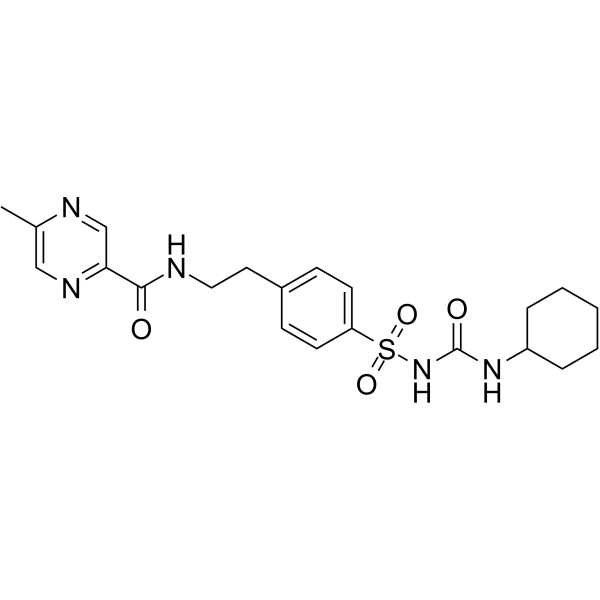
Glipizide (CP 2872; K 4024)?a potent, orally active and sulfonylurea class anti-diabetic agent and can be used for type 2?diabetes mellitus research but not type 1. Glipizide acts by partially blocking ATP-sensitive potassium?(KATP) channels among β cells of pancreatic islets of Langerhans .
loading...
    loading...
3
3 Cited Publications
Cat. No.: HY-101906
CAS No.: 346692-04-4
Purity:  99.57%
Research Areas:  

Metabolic Disease

DC260126 is a potent antagonist of GPR40 (FFAR1). DC260126 dose-dependently inhibits GPR40-mediated Ca 2+ elevations stimulated by linoleic acid, oleic acid, palmitoleic acid and lauric acid (IC50: 6.28, 5.96, 7.07, 4.58 μM, respectively) . DC260126 could protect MIN6 β cells from palmitate-induced ER stress and apoptosis .
loading...
    loading...
3
3 Cited Publications
Cat. No.: HY-113225B
CAS No.: 103192-46-7
Synonyms: GTP tritris solution (100 mM)
Guanosine triphosphate (GTP) tritris solution (100 mM) is a critical nucleotide and regulator of cellular metabolism. Guanosine triphosphate tritris solution (100 mM) promotes ribosomal DNA localization, pre-rRNA transcription and ribosome biogenesis by binding to RNA polymerase I and GPN proteins (GPN1/3). Guanosine triphosphate tritris solution (100 mM) links MYC-dependent ribosome biogenesis to nucleotide sufficiency, acts as a metabolic gatekeeper supporting protein synthesis, DNA/RNA synthesis and cellular signal transduction, while also participating in the physiological activities of pancreatic β-cells and serving as an oxidative substrate for reactive oxygen species. In small cell lung cancer with high MYC expression, Guanosine triphosphate tritris solution (100 mM) accumulates through the IMPDH-driven synthetic pathway, thereby affecting apoptosis and mitotic processes. Guanosine triphosphate tritris solution (100 mM) is used in the research of small cell lung cancer, hepatoblastoma and cellular metabolism .
loading...
    loading...

