

862 Results for "

recognition

" in MedChemExpress (MCE) Product Catalog:
Products (862)

862 Results for "recognition" in MCE Product Catalog:

12
12 Publications Verification
Cat. No.: HY-112163
CAS No.: 2098191-53-6
Purity:  99.69%
Synonyms: eFT226
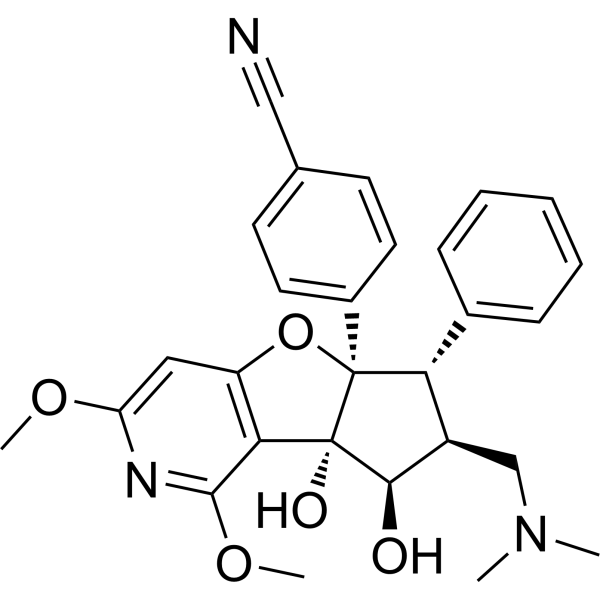
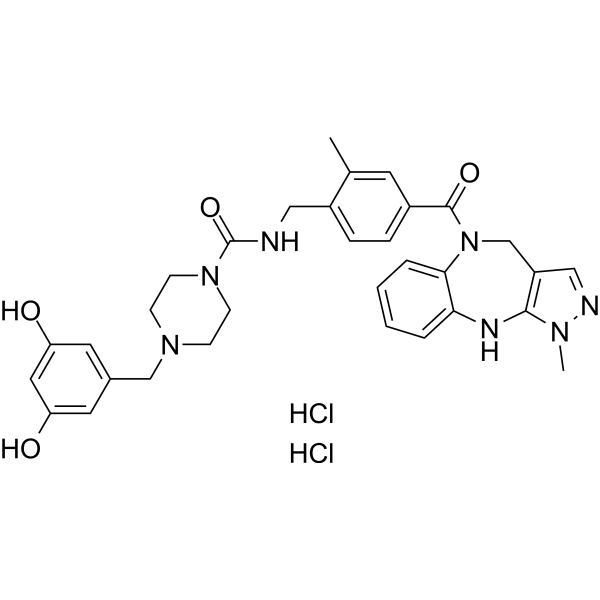
Zotatifin (eFT226) is a potent, selective, and well-tolerated eIF4A inhibitor. Zotatifin promotes eIF4A binding to specific mRNA sequences with recognition motifs in the 5’-UTRs (IC50=2 nM) and interferes with the assembly of the eIF4F initiation complex . Zotatifin shows robust antiviral effects, it effectively reduces viral infectivity by inhibiting SARS-CoV-2 NP protein biogenesis (IC90=37 nM) . Zotatifin induces cell apoptosis .
loading...
    loading...
11
11 Cited Publications
Cat. No.: HY-110287
CAS No.: 300815-04-7
Purity:  99.62%
Target:  

APC Mitosis

Research Areas:  

Cancer

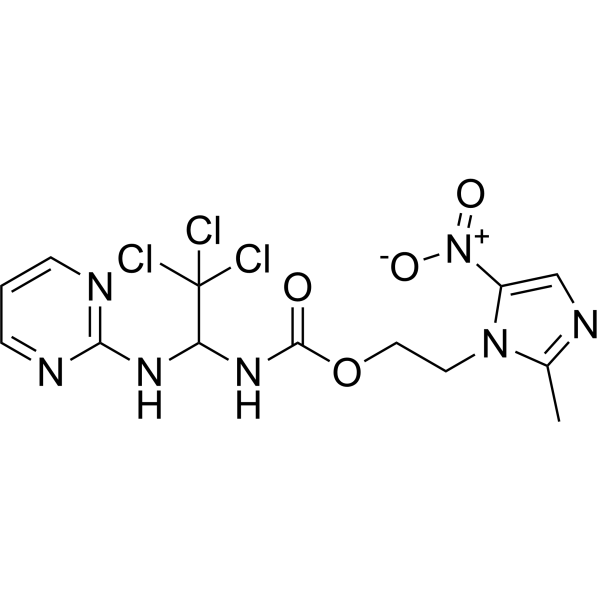
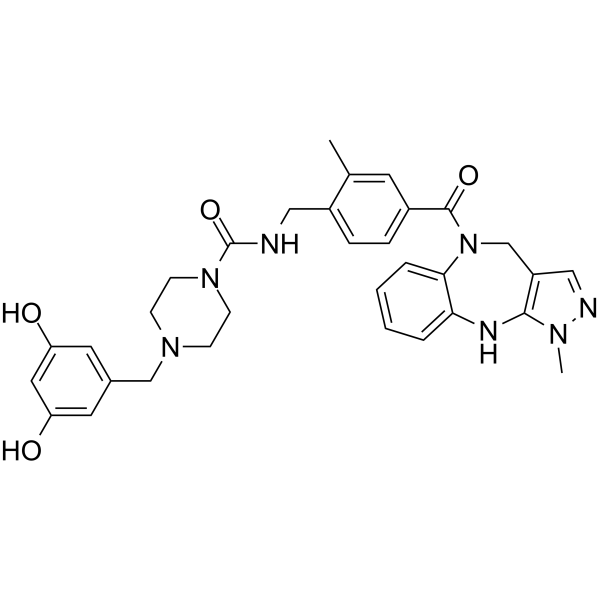
Apcin, a ligand of Cdc20, is a potent and competitive anaphase-promoting complex/cyclosome (APC/C(Cdc20)) E3 ligase activity inhibitor. Apcin competitively inhibits APC/C-dependent ubiquitylation by binding to Cdc20 and preventing substrate recognition. Apcin occupes the D-box-binding pocket on the side face of the WD40-domain and can prolong mitosis .
loading...
    loading...
9
9 Cited Publications
Cat. No.: HY-114164
CAS No.: 9002-04-4
Target:  

Thrombin

Research Areas:  

Neurological Disease

Thrombin (MW 37kDa) is a Na +-activated, allosteric serine protease that plays opposing functional roles in blood coagulation. Thrombin recognition sequence and can be used to digest GST-tagged proteins.
loading...
    loading...
9
9 Cited Publications
Cat. No.: HY-114164C
CAS No.: 9002-04-4
Purity:  88.00%
Rabbit Thrombin is a Na +-activated, allosteric serine protease that plays opposing functional roles in blood coagulation. Thrombin recognition sequence and can be used to digest GST-tagged proteins .
loading...
    loading...
9
9 Cited Publications
Cat. No.: HY-114164D
CAS No.: 9002-04-4
Target:  

Thrombin

Research Areas:  

Cardiovascular Disease

Rat Thrombin is a Na +-activated, allosteric serine protease that plays opposing functional roles in blood coagulation. Thrombin recognition sequence and can be used to digest GST-tagged proteins .
loading...
    loading...
3
3 Cited Publications
Cat. No.: HY-126020
CAS No.: 2290527-07-8
Purity:  99.90%
Target:  

DNA/RNA Synthesis RAD51

Research Areas:  

Cancer

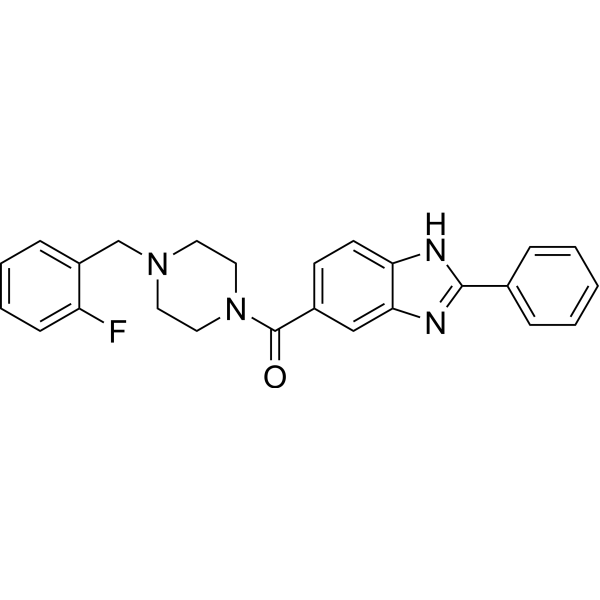
Bractoppin is a potent and selective agent-like inhibitor of phosphopeptide recognition by the human BRCA1 tandem(t) BRCT domain (binding IC50: 74 nM). Bractoppin diminishes BRCA1 recruitment to DNA breaks, in turn suppressing damage-induced G2 arrest and assembly of the recombinase, RAD51. Bractoppin preferentially inhibits BRCA1 tBRCT-dependent steps in the DNA damage response .
loading...
    loading...
2
2 Cited Publications
Cat. No.: HY-127111
CAS No.: 2375840-87-0
Purity:  99.54%
Target:  

ATP Citrate Lyase

Research Areas:  

Cancer

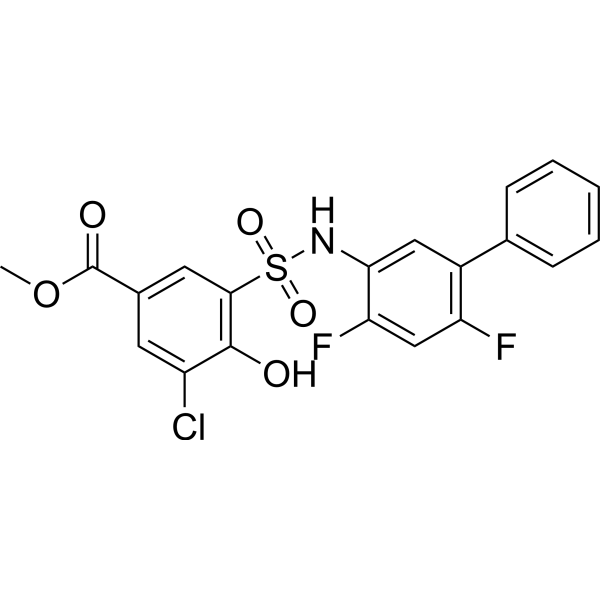
NDI-091143 is a potent and high-affinity human ATP-citrate lyase (ACLY) inhibitor with an IC50 of 2.1 nM (ADP-Glo assay), a Ki of 7.0 nM and a Kd of 2.2 nM. NDI-091143 inhibits ACLY catalysis allosterically, by stabilizing large conformational changes in the citrate domain that indirectly block the binding and recognition of citrate .
loading...
    loading...
2
2 Cited Publications
Cat. No.: HY-108679
CAS No.: 1432043-31-6
Target:  

Oxytocin Receptor

Research Areas:  

Neurological Disease

WAY-267464 (hydrochloride) is a non-peptide oxytocin receptor (OTR) agonist. WAY-267464 (hydrochloride) can impair social recognition memory in rats through a vasopressin 1A receptor antagonist action. WAY-267464 (hydrochloride) can be used for the research of psychiatric disorders, such disorders include autism spectrum disorder, schizophrenia, and social anxiety disorder .
loading...
    loading...
2
2 Cited Publications
Cat. No.: HY-15522
CAS No.: 847375-16-0
Target:  

Oxytocin Receptor

Research Areas:  

Neurological Disease

WAY-267464 is a non-peptide oxytocin receptor (OTR) agonist. WAY-267464 can impair social recognition memory in rats through a vasopressin 1A receptor antagonist action. WAY-267464 can be used for the research of psychiatric disorders, such disorders include autism spectrum disorder, schizophrenia, and social anxiety disorder .
loading...
    loading...
2
2 Cited Publications
Cat. No.: HY-D0896
CAS No.: 82-76-8
Synonyms: ANSA; 8-Anilino-1-naphthalenesulfonic acid
ANS (8-Anilino-1-naphthalenesulfonic acid) is a competitive inhibitor targeting thyroxine binding globulin (TBG) (Ki=2.09×10 6 M -1). ANS is used in radioimmunoassay by displacing bound triiodothyronine (T3) to improve detection sensitivity. ANS can block the protein binding site of T3 and release free T3 for antibody recognition. As a fluorescent probe, ANS can specifically bind to the hydrophobic region of proteins (such as membrane proteins) and monitor the dynamics of protein conformation through changes in fluorescent signals. It is widely used in biochemical research and antibacterial material development .
loading...
    loading...
2
2 Cited Publications
Cat. No.: HY-138830
CAS No.: 1818252-53-7
Purity:  99.81%
Target:  

Histone Demethylase

Research Areas:  

Neurological Disease

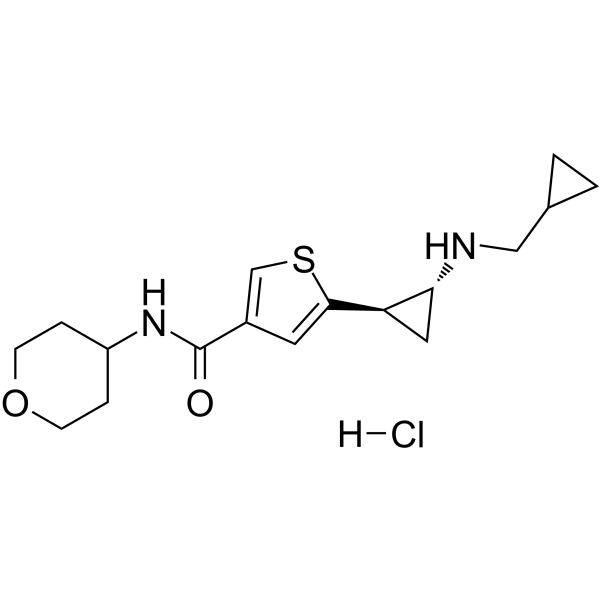
TAK-418 is an orally active, blood-brain barrier-penetrant LSD1 inhibitor with a human IC50 of 2.9 nM. TAK-418 irreversibly inhibits LSD1 by forming a compact flavin-FAD adduct with the catalytic domain FAD, blocking the demethylation of H3K4me1/2 and H3K9me1/2 without disrupting the LSD1-GFI1B interaction. TAK-418 restores normally dysregulated brain gene expression and DNA methylation, increases H3K4me1/2/3 and H3K9me2 at the Ucp2 locus, and induces Ucp2 mRNA expression. TAK-418 rescues defective H3K4 histone modifications, normalizes adult neurogenesis, and improves recognition memory, social behavior, and cognition in rodent models. TAK-418 can be used in research related to neurodevelopmental disorders, Alzheimer's disease, and autism spectrum disorders .
loading...
    loading...
1
1 Cited Publications
Cat. No.: HY-15029
CAS No.: 23981-80-8
Purity:  99.79%
Synonyms: (Rac)-Naproxen
Target:  

17β-HSD

Research Areas:  

Inflammation/Immunology Cancer

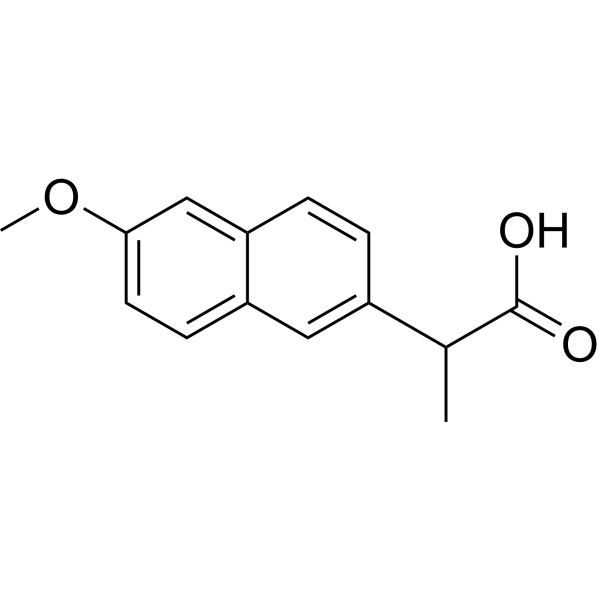
(±)-Naproxen ((Rac)-Naproxen) is the racemate of Naproxen (HY-15030), consisting of R- and S-enantiomers. (±)-Naproxen binds to AKR1C3, which preferentially recognizes the R-enantiomer from the racemic mixture. It is used for AKR1C3 stereoselective ligand recognition and studies on NSAID binding mechanisms .
loading...
    loading...
1
1 Cited Publications
Cat. No.: HY-N4134
CAS No.: 114906-74-0
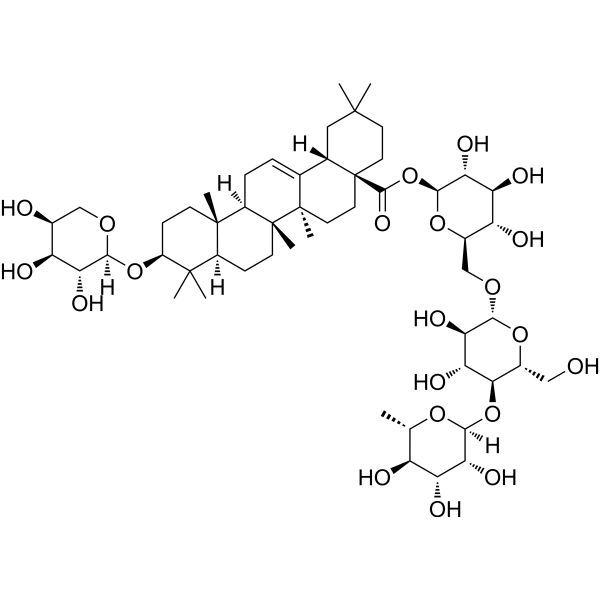
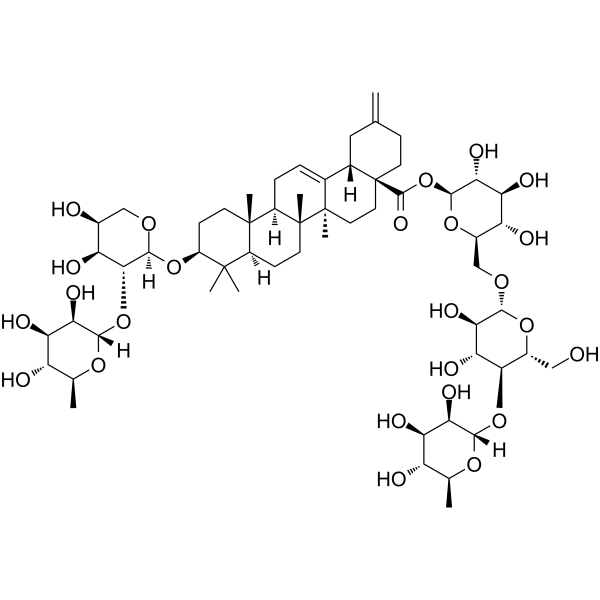
Ciwujianoside C3, an orally active and brain penetrated compound, is isolated the leaves of Acanthopanax henryi Harms. Ciwujianoside C3 has anti-inflammatory effect and can reinforces object recognition memory .
loading...
    loading...
1
1 Cited Publications
Cat. No.: HY-P3496
CAS No.: 1322711-38-5
Target:  

Pyroptosis

Research Areas:  

Inflammation/Immunology

Pep19-2.5 is an synthetic and antitoxin peptide, blocks the intracellular endotoxin signaling cascade. Pep19-2.5 inhibits signaling of lipopeptides (LP) and lipopolysaccharides (LPS) mediated by transmembrane and cytosolic pattern recognition receptors (PRRs). The signaling cascades lead to inflammation and cell pyroptosis .
loading...
    loading...
1
1 Cited Publications
Cat. No.: HY-W229874
CAS No.: 757192-67-9
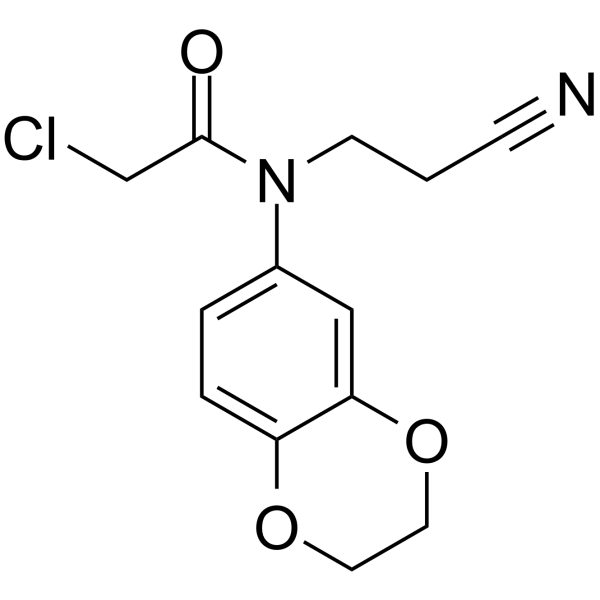
EN106 is a potent inhibitor of FEMIB. EN106 is a cysteine-reactive covalent ligand. EN106 disrupts recognition of the key reductive stress substrate of FEM1B, FNIP1. EN106 reduces oxidative stress and rescues high glucose-induced impaired angiogenesis in HUVECs .
loading...
    loading...
1
1 Cited Publications
Cat. No.: HY-W854445
CAS No.: 80081-06-7
Lewis-b tetrasaccharide is a class of biochemical reagents used in glycobiology research. Glycobiology studies the structure, synthesis, biology, and evolution of sugars. It involves carbohydrate chemistry, enzymology of glycan formation and degradation, protein-glycan recognition, and the role of glycans in biological systems. This field is closely related to basic research, biomedicine, and biotechnology .
loading...
    loading...
1
1 Cited Publications
Cat. No.: HY-139413
CAS No.: 9041-22-9
Purity:  99.00%
β-D-glucan is a natural non-digestible polysaccharide and high biocompatibility that can be selectively recognized by recognition receptors such as Dectin-1 and Toll-like receptors as well as being easily internalized by murine or human macrophages, which is likely to attribute to a target delivery . β-d-glucan is an enteric delivery vehicle for probiotics .
loading...
    loading...
1
1 Cited Publications
Cat. No.: HY-W009444
CAS No.: 1463-10-1
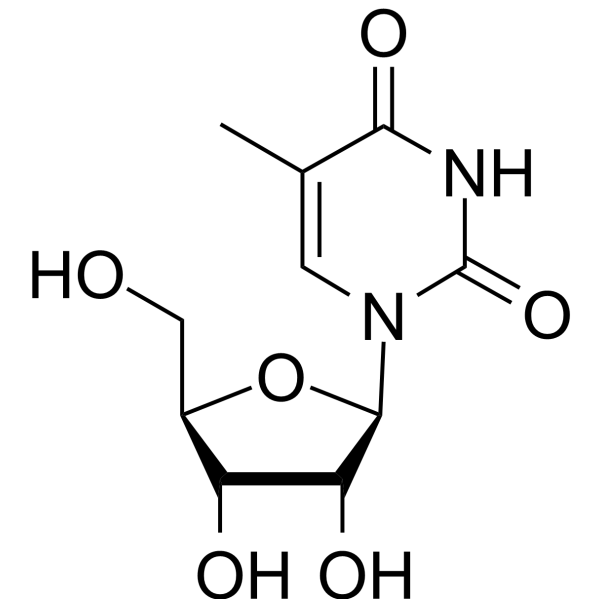
5-Methyluridine (m 5U) is an RNA modified nucleotide generated by RNA methyltransferases (such as TrmA and RumA), which mainly targets specific uracil sites in RNA molecules such as the T arm of tRNA and rRNA. 5-Methyluridine relies on enzyme recognition of RNA secondary/tertiary structures (such as the T loop of tRNA or the specific stem-loop structure of rRNA) and participates in physiological processes such as translation accuracy and ribosome function by stabilizing RNA folding or regulating base pairing .
loading...
    loading...
1
1 Cited Publications
Cat. No.: HY-N0307
CAS No.: 114902-16-8
Ciwujianoside B is an orally active, blood-brain barrier penetrable radioprotective agent and memory enhancer. Ciwujianoside B reduces radiation-induced DNA damage, cell cycle arrest and apoptosis, downregulates NF-κB and the Bax/Bcl-2 ratio, and enhances the proliferative capacity of bone marrow cells. Ciwujianoside B enhances object recognition memory in normal mice and induces dendritic extension in primary cultured cortical neurons. Ciwujianoside B can be used in studies related to hematopoietic system radiation injury and memory enhancement .
loading...
    loading...
1
1 Cited Publications
Cat. No.: HY-122815
CAS No.: 20108-30-9
Synonyms: Fusicoccin A
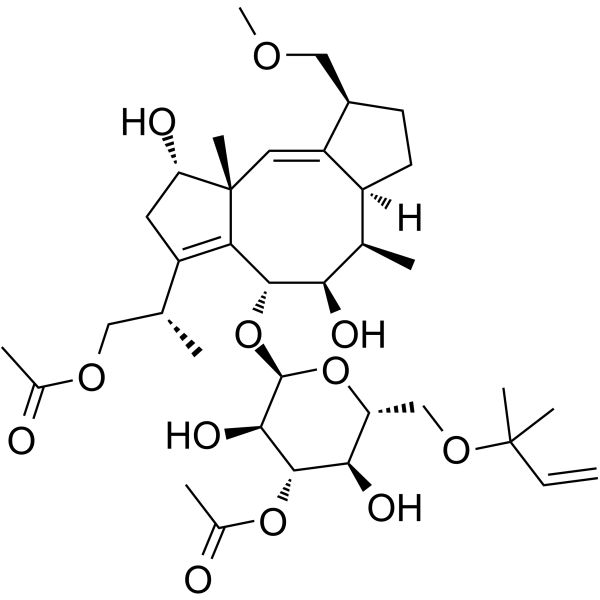
Fusicoccin (Fusicoccin A), a fungal pytotoxin, is a stabilizer of specific 14-3-3 protein-protein interactions. Fusicoccin sabilizes H +-ATPase/14-3-3 cmplex in pants, maintaining the enzyme in activated state. Fusicoccin also stabilizes 14-3-3 protein interactions with binding partners containing a C-terminal 14-3-3 recognition motif (a mode 3 motif), such as ERα, GPIbα, TASK3, CTFR, and p53. Fusicoccin induces apoptosis in cancer cells and has anticancer activity .
loading...
    loading...

