112 Results for "

ASGPr diminished

" in MedChemExpress (MCE) Product Catalog:
Products (112)

112 Results for "ASGPr diminished" in MCE Product Catalog:

27
27 Publications Verification
Cat. No.: HY-A0134
CAS No.: 26675-46-7
Isoflurane is a volatile anaesthetic. Isoflurane diminishs the effect of ROS activity. Isoflurane suppresses respiration. Isoflurane enables rapid anesthesia induction and emergence. Isoflurane protects against noise-induced hearing loss and tissue damage in mice. Isoflurane protects against renal ischemia and reperfusion injury and modulates leukocyte infiltration .
loading...
    loading...
9
9 Cited Publications
Cat. No.: HY-12532
CAS No.: 68844-77-9
Purity:  99.77%
Synonyms: R 43512
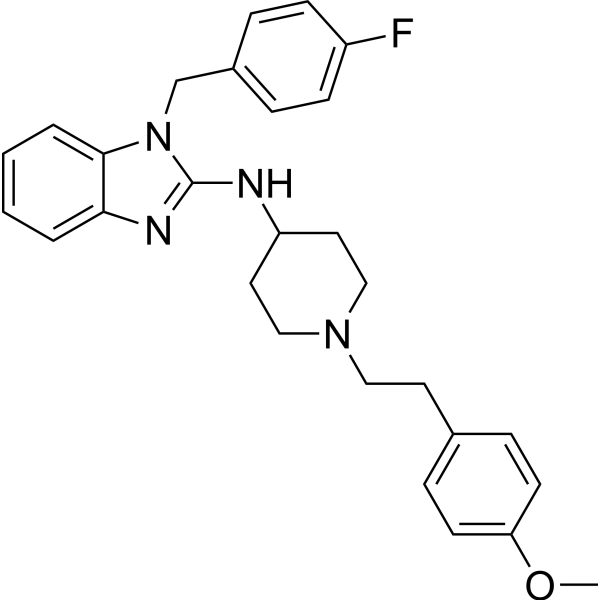
Astemizole (R 43512), a second-generation antihistamine agent to diminish allergic symptoms with a long duration of action, is a histamine H1-receptor antagonist, with an IC50 of 4 nM. Astemizole also shows potent hERG K + channel blocking activity with an IC50 of 0.9 nM. Astemizole has antipruritic effects .
loading...
    loading...
7
7 Cited Publications
Cat. No.: HY-18638
CAS No.: 30675-13-9
Synonyms: 4,5,6,7-Tetrachloroindan-1,3-dione
Target:  

Deubiquitinase

Research Areas:  

Neurological Disease

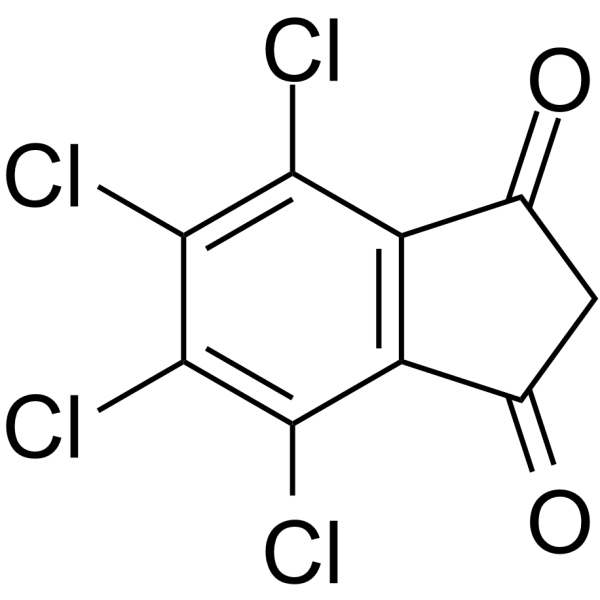
TCID (4,5,6,7-Tetrachloroindan-1,3-dione) is a potent and selective neuronal ubiquitin C-terminal hydrolase (UCH-L3) inhibitor with an IC50 of 0.6 μM . TCID diminishes glycine transporter GlyT2 ubiquitination in brainstem and spinal cord primary neurons .
loading...
    loading...
3
3 Cited Publications
Cat. No.: HY-126020
CAS No.: 2290527-07-8
Purity:  99.90%
Target:  

DNA/RNA Synthesis RAD51

Research Areas:  

Cancer

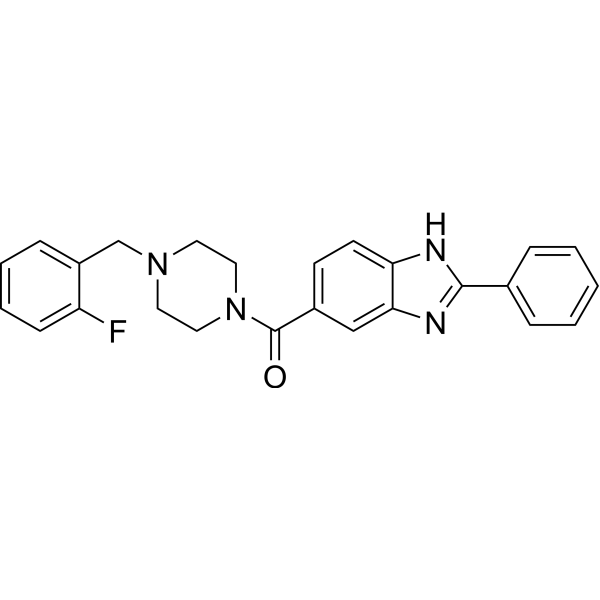
Bractoppin is a potent and selective agent-like inhibitor of phosphopeptide recognition by the human BRCA1 tandem(t) BRCT domain (binding IC50: 74 nM). Bractoppin diminishes BRCA1 recruitment to DNA breaks, in turn suppressing damage-induced G2 arrest and assembly of the recombinase, RAD51. Bractoppin preferentially inhibits BRCA1 tBRCT-dependent steps in the DNA damage response .
loading...
    loading...
3
3 Cited Publications
Cat. No.: HY-19988
CAS No.: 1621523-07-6
Target:  

CDK

Research Areas:  

Cancer

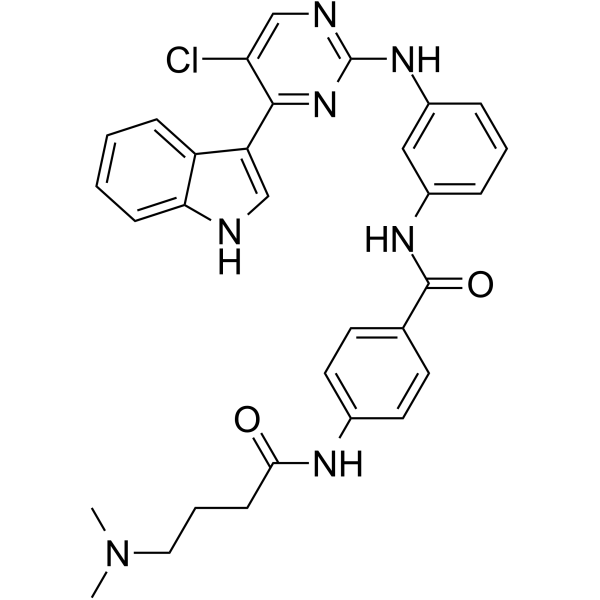
THZ1-R is a non-cysteine reactive analog of THZ1 which displays diminished activity for CDK7 inhibition. THZ1-R binds to CDK7 with a Kd of 142 nM.
loading...
    loading...
2
2 Cited Publications
Cat. No.: HY-P10136
Synonyms: human TREM-2 182-190
Target:  

TREM receptor

Research Areas:  

Inflammation/Immunology

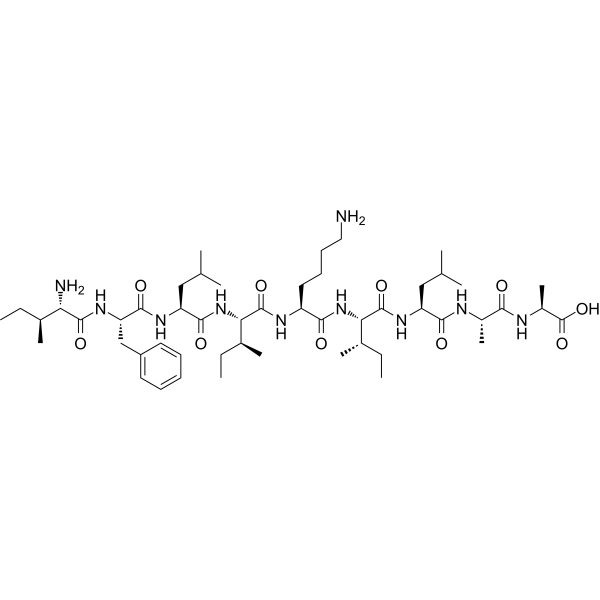
IA9 (human TREM-2 182-190) is a potent, CNS-penetrant TREM-2 inhibitor. IA9 can diminish the release of proinflammatory cytokines and suppress joint inflammation and damage in a Collagen (HY-P5003)-induced arthritis (CIA) mouse model. IA9 can be used for neuroinflammation PET imaging. IA9 can be used for Rheumatoid arthritis (RA) and neuroinflammation research .
loading...
    loading...
2
2 Cited Publications
Cat. No.: HY-Y0136
CAS No.: 771-51-7
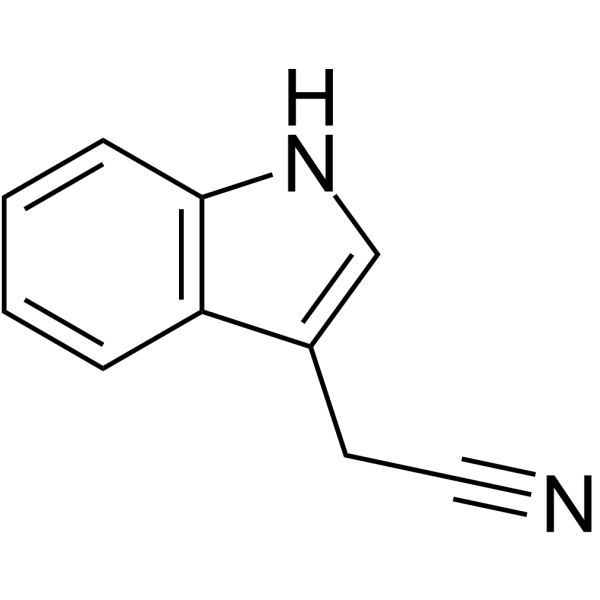
3-Indoleacetonitrile is an indole derivative with anti-influenza activity. 3-Indoleacetonitrile is a plant hormone produced by cruxiferous vegetables. 3-Indoleacetonitrile exerts profound antiviral activity against a broad spectrum of influenza A viruses, HSV-1 and VSV viruses in vitro. 3-Indoleacetonitrile diminishes lung virus titers and alleviates lung lesions in vivo. 3-Indoleacetonitrile induces an increase in mitochondrial antiviral-signaling (MAVS) protein levels. 3-Indoleacetonitrile can be used in research for combating viral infections including COVID-19, HSV-1, and VSV .
loading...
    loading...
2
2 Cited Publications
Cat. No.: HY-P10136A
Synonyms: human TREM-2 182-190 TFA
Target:  

TREM receptor

Research Areas:  

Inflammation/Immunology

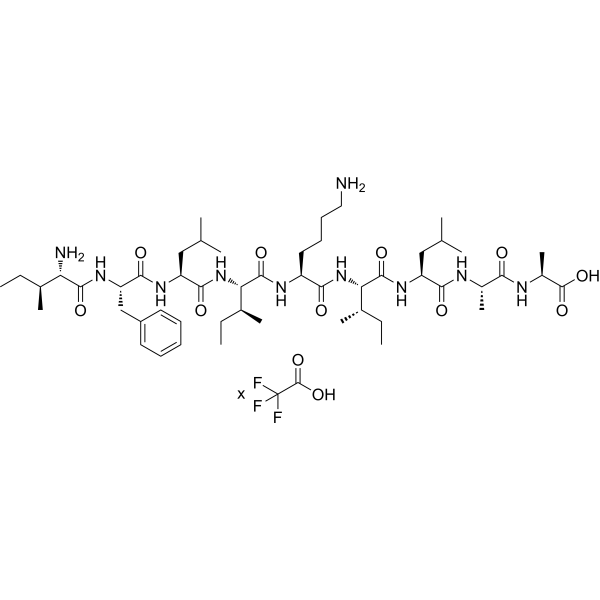
IA9 TFA (human TREM-2 182-190 TFA) is a potent, CNS-penetrant TREM-2 inhibitor. IA9 TFA can diminish the release of proinflammatory cytokines and suppress joint inflammation and damage in a Collagen (HY-P5003)-induced arthritis (CIA) mouse model. IA9 TFA can be used for neuroinflammation PET imaging. IA9 TFA can be used for Rheumatoid arthritis (RA) and neuroinflammation research .
loading...
    loading...
2
2 Cited Publications
Cat. No.: HY-N0086R
CAS No.: 1867-73-8
Synonyms: 6-Methyladenosine (Standard); N-Methyladenosine (Standard)
N6-Methyladenosine (Standard) is the analytical standard of N6-Methyladenosine. This product is intended for research and analytical applications. N6-Methyladenosine is the most prevalent internal (non-cap) modification present in the messenger RNA (mRNA) of all higher eukaryotes. N6-Methyladenosine can modifies viral RNAs and has antiviral activities. In Vitro: N6-methyladenosine (m6A) is selectively recognized by the human YTH domain family 2 (YTHDF2) protein to regulate mRNA degradation. N6-methyladenosine (m6A), a prevalent internal modification in the messenger RNA of all eukaryotes, is post-transcriptionally installed by m6A methyltransferase (e.g., MT-A70) within the consensus sequence of G(m6A)C (70%) or A(m6A)C (30%). N6-methyladenosine (m6A)-containing RNAs are greatly enriched in the YTHDF-bound portion and diminished in the flow-through portion . N6-methyladenosine (m6A), the most abundant internal RNA modification, functions in diverse biological processes, including regulation of embryonic stem cell self-renewal and differentiation. N6-methyladenosine (m6A) is a large protein complex, consisting in part of methyltransferase-like 3 (METTL3) and methyltransferase-like 14 (METTL14) catalytic subunits .
loading...
    loading...
1
1 Cited Publications
Cat. No.: HY-B0921
CAS No.: 116-43-8
Synonyms: Succinylsulphathiazole
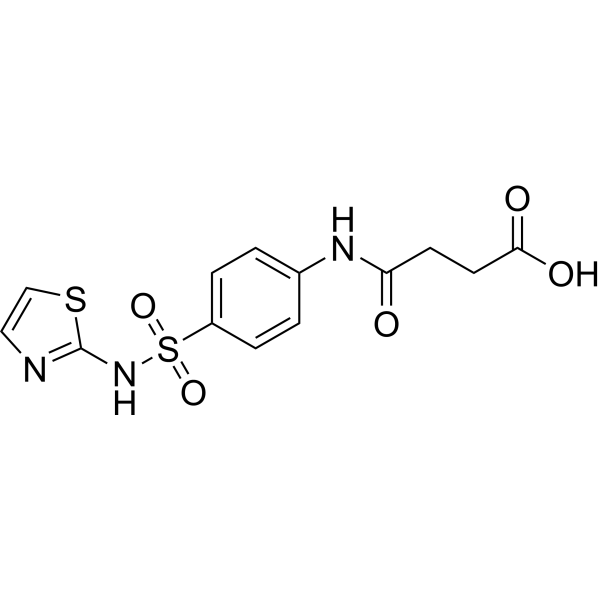
Succinylsulfathiazole (Succinylsulphathiazole) is a long-acting sulfonamide antibiotic with localized gut-specific antibacterial activity and is orally active. Succinylsulfathiazole inhibits bacterial folate synthesis, reduces coliform counts, suppresses intestinal bacterial growth and vitamin biosynthesis, and depletes gut folate-producing bacteria. Succinylsulfathiazole modulates hepatic mTOR signaling, diminishes cecal fermentation, decreases hepatic folate levels and total folate excretion, elevates nitrogen excretion and reduces the fermentability of certain dietary fibers. Succinylsulfathiazole induces folate deficiency and triggers biotin- and folate-related nutritional deficiency symptoms in rats and C57BL/6 mice .
loading...
    loading...
1
1 Cited Publications
Cat. No.: HY-108022
CAS No.: 1133819-87-0
Purity:  97.35%
Synonyms: MSDC-0602
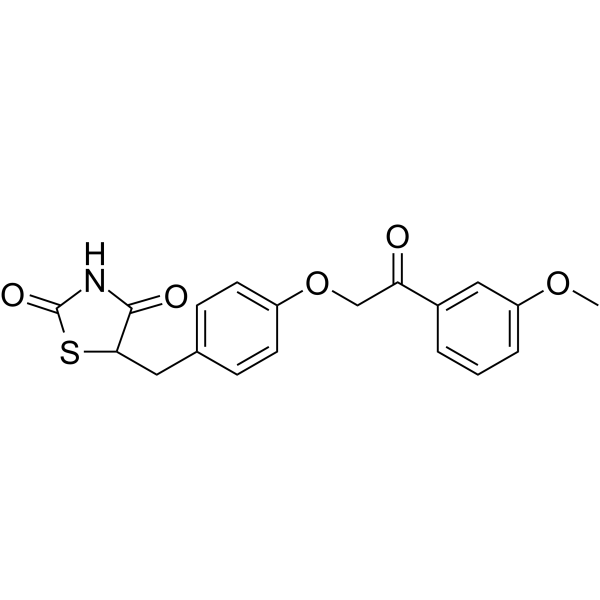
Azemiglitazone (MSDC-0602) is an orally active thiazolidinedione (TZD) -like molecule, which binds to PPARγ with low binding and activating affinity. Azemiglitazone inhibits mitochondrial pyruvate carrier (MPC), which inhibits Alzheimer’s disease and diminishes nonalcoholic steatohepatitis (NASH) caused liver injury .
loading...
    loading...
1
1 Cited Publications
Cat. No.: HY-B0530
CAS No.: 115-46-8
Synonyms: γ-pipradol
Target:  

Histamine Receptor

Research Areas:  

Neurological Disease

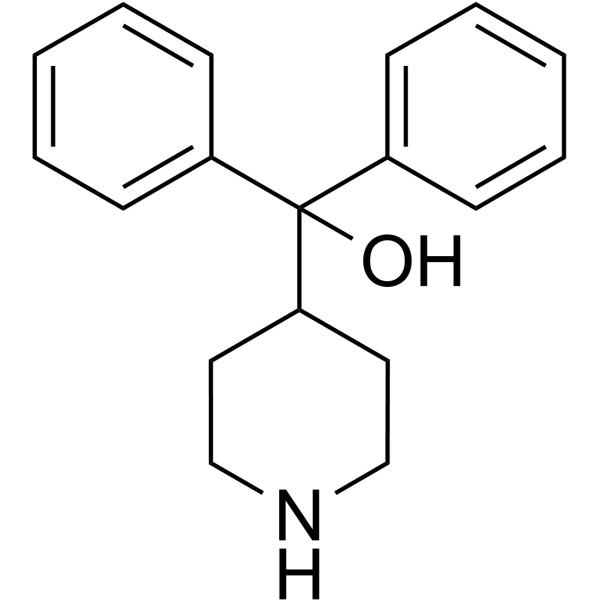
Azacyclonol (γ-pipradol), a metabolite of Terfenadine, is a central depressant agent. Azacyclonol is a ganglion-blocking agent. Azacyclonol can be used to diminish psychoses-induced hallucinations .
loading...
    loading...
1
1 Cited Publications
Cat. No.: HY-107426
CAS No.: 3148-09-2
Purity:  99.89%
Synonyms: Muconomycin A
Research Areas:  

Cancer

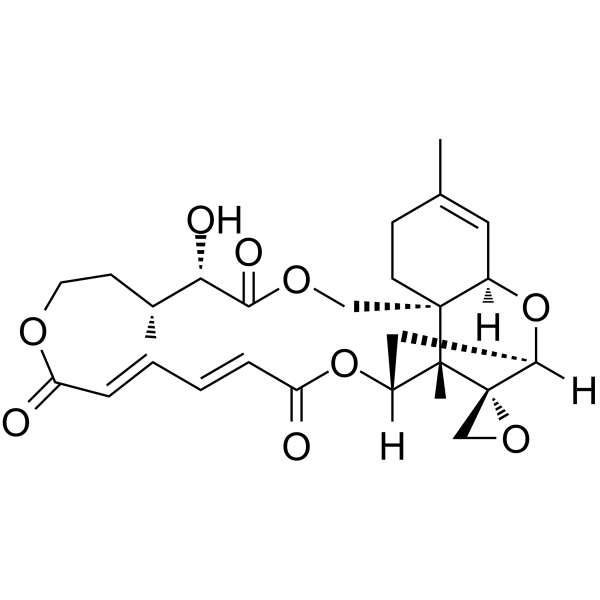
Verrucarin A (Muconomycin A), a Type D macrocyclic mycotoxin derived from the pathogen fungus Myrothecium verrucaria, is an inhibitor of protein synthesis. Verrucarin A inhibits growth of leukemia cell lines and activates caspases and apoptosis and inflammatory signaling in macrophages. Verrucarin A effectively increased the phosphorylation of p38 MAPK and diminished the phosphorylation of ERK/Akt. Verrucarin A caused cell cycle deregulation through the induction of p21 and p53 .
loading...
    loading...
1
1 Cited Publications
Cat. No.: HY-124704
CAS No.: 2158198-77-5
Purity:  98.09%
Target:  

SULT

Research Areas:  

Neurological Disease

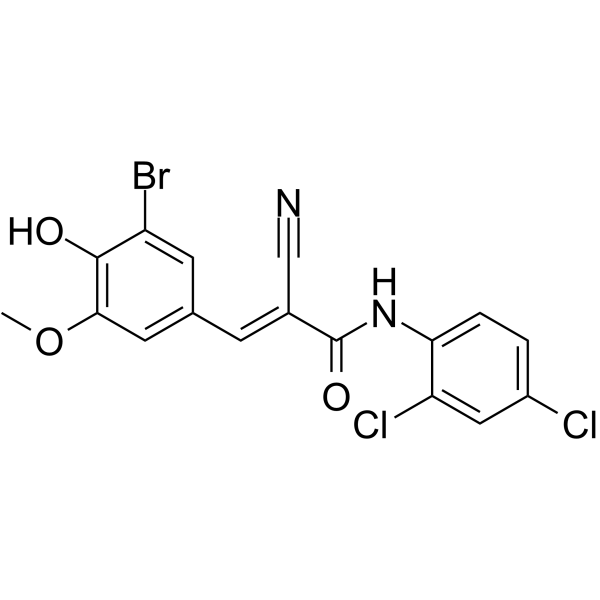
Chst15-IN-1 is a potent reversible covalent Chst15 inhibitor. Chst15-IN-1 effectively inhibits chondroitin sulfate-E (CS-E) sulfation levels and other closely related glycosaminoglycans (GAG) sulfotransferases. Chst15-IN-1, as a selective sulfotransferase inhibitor, can diminish the inhibitory effects of chondroitin sulfate proteoglycans (CSPGs), and can be used for the stimulation of neuronal repair .
loading...
    loading...
1
1 Cited Publications
Cat. No.: HY-P7610
Purity:  ≥ 95%, as determined by reducing SDS-PAGE.
Synonyms: ASGR1; ASGR1 Protein; Asialoglycoprotein Receptor 1; ASGP-R 1; CLEC4H1; ASGPr 1; C-Type Lectin Domain Family 4 Member H1; ASGPr1; Hepatic Lectin H1; ASGPr; HL-1
Species:  
Human
Source:  
HEK293
loading...
    loading...
1
1 Cited Publications
Cat. No.: HY-P76736
Purity:  ≥ 90%, as determined by reducing SDS-PAGE.
Synonyms: ASGR2; HBXBP; Asialoglycoprotein Receptor 2; HL-2; CLEC4H2; ASGP-R 2; C-Type Lectin Domain Family 4 Member H2; ASGP-R2; HBxAg-Binding Protein; ASGPr 2; Hepatic Lectin H2; ASGPr2
Species:  
Human
Source:  
HEK293
loading...
    loading...
1
1 Cited Publications
Cat. No.: HY-P10899
Target:  

PROTACs TGF-beta/Smad

Research Areas:  

Endocrinology

ETTAC-2 is a LRG1 PROTAC degrader, degrading LRG1 via the ubiquitin-proteasome pathway with a DC50 value of 8.38 μM. ETTAC-2 penetrates damaged renal cells to reduce the extracellular secretion of LRG1. ETTAC-2 effectively inhibits the TGF-β-Smad3 signaling pathway and diminishes the secretion of fibrosis-associated extracellular matrix proteins. ETTAC-2 degrades LRG1 within fibrotic kidneys and the efficacy in inhibiting the TGF-β-Smad3 pathway both in vitro and vivo. ETTAC-2 can be used for renal fibrosis research .
loading...
    loading...
Cat. No.: HY-148476
CAS No.: 2999748-27-3
Purity:  98.05%
Target:  

LYTACs

Research Areas:  

Metabolic Disease

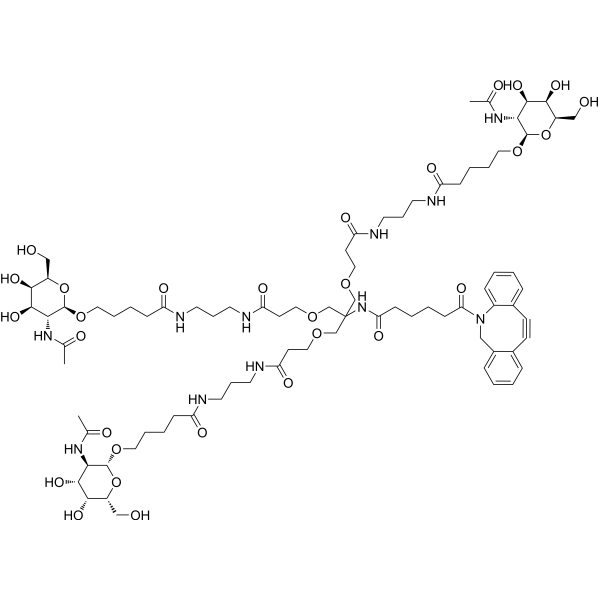
Tri-GalNAc-DBCO is a synthetic ligand composed of three GalNAc units connected to DBCO. Tri-GalNAc-DBCO can act as a ligand for the sialic acid-degrading protein receptor (ASGPR), and can be coupled with targeting proteins or small molecules to form GalNAc-LYTACs. Tri-GalNAc-DBCO specifically binds to ASGPR and, through receptor-mediated endocytosis, guides the coupled molecules to lysosomes for degradation .
loading...
    loading...
Cat. No.: HY-148118A
CAS No.: 1159408-65-7
Purity:  98.09%
Target:  

LYTACs

Research Areas:  

Cancer

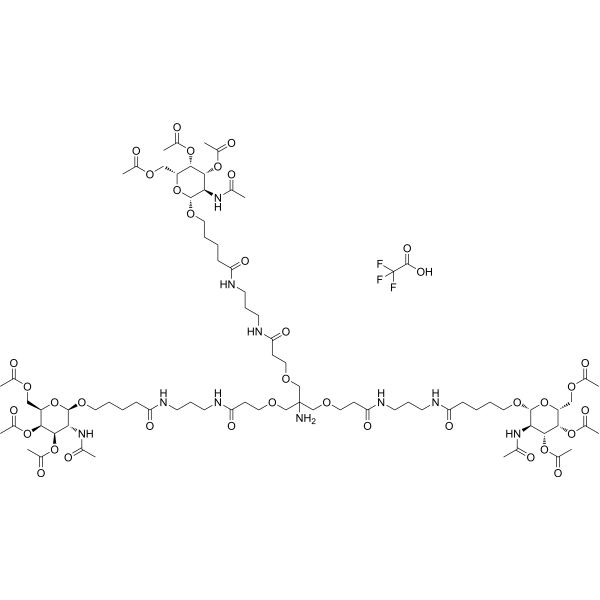
Tri-GalNAc(OAc)3 TFA is a trivalent N-acetylgalactosamine (GalNAc) derivative that can be used to synthesize GalNAc-LYTAC. Tri-GalNAc is a specific ligand targeting the asialoglycoprotein receptor (ASGPR), mediating the endocytosis and transport of cell surface proteins (such as EGFR, HER2) to lysosomes for degradation by lysosomal targeting chimeras (LYTACs). Tri-GalNAc significantly reduces the level of target proteins and inhibits downstream signaling pathways (such as EGFR-mediated Akt and MAPK signals). Tri-GalNAc(OAc)3 TFA can be used for hepatocyte targeting studies, and can degrade carcinogenic membrane proteins and inhibit tumor cell proliferation in liver cancer cell models .
loading...
    loading...
Cat. No.: HY-110143
CAS No.: 1181081-71-9
Purity:  99.31%
Target:  

Potassium Channel

Research Areas:  

Neurological Disease

CLP257 is a selective K +-Cl cotransporter KCC2 activator with an EC50 of 616 nM. CLP257 is inactive against NKCC1, GABAA receptors, KCC1, KCC3 or KCC4. CLP257 restores impaired Cl transport in neurons with diminished KCC2 activity. CLP257 alleviates hypersensitivity in rats with neuropathic pain. CLP257 modulates plasmalemmal KCC2 protein turnover post-translationally .
loading...
    loading...

