21 Results for "

Alcoholism

" in MedChemExpress (MCE) Product Catalog:
Products (21)

21 Results for "Alcoholism" in MCE Product Catalog:

170
170 Cited Publications
Cat. No.: HY-B0240
CAS No.: 97-77-8
Synonyms: Tetraethylthiuram disulfide; TETD
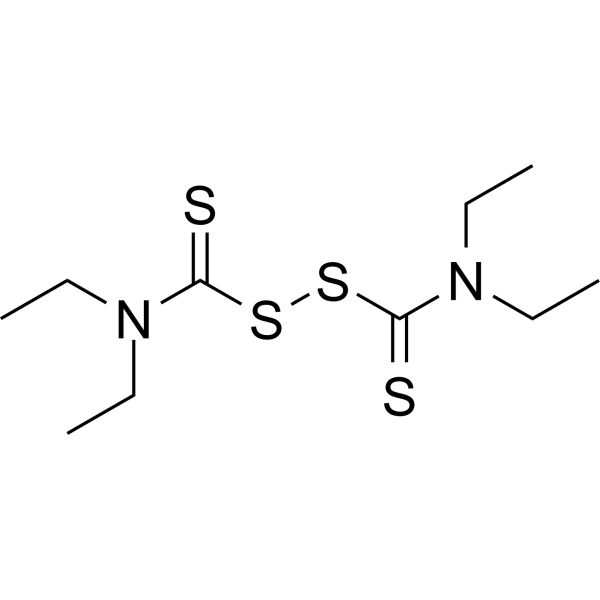
Disulfiram (Tetraethylthiuram disulfide) is a specific inhibitor of aldehyde-dehydrogenase (ALDH1), used for the treatment of chronic alcoholism by producing an acute sensitivity to alcohol. Disulfiram inhibits gasdermin D (GSDMD) pore formation in liposomes and inflammasome-mediated pyroptosis and IL-1β secretion in human and mouse cells. Disulfiram, a copper ion carrier, with Cu 2+ increases intracellular ROS levels and induces cuproptosis .
loading...
    loading...
Cat. No.: HY-B0240R
CAS No.: 97-77-8
Synonyms: Tetraethylthiuram disulfide (Standard); TETD (Standard)
Disulfiram (Standard) is the analytical standard of Disulfiram. This product is intended for research and analytical applications. Disulfiram (Tetraethylthiuram disulfide) is a specific inhibitor of aldehyde-dehydrogenase (ALDH1), used for the treatment of chronic alcoholism by producing an acute sensitivity to alcohol. Disulfiram inhibits gasdermin D (GSDMD) pore formation in liposomes and inflammasome-mediated pyroptosis and IL-1β secretion in human and mouse cells. Disulfiram + Cu 2+ increases intracellular ROS levels triggering apoptosis of ovarian cancer stem cells [1-6].
loading...
    loading...
Cat. No.: HY-136832
CAS No.: 110514-35-7
Noribogaine hydrochloride is an orally active, blood-brain barrier permeable SERT inhibitor (IC50=50-300 nM) and hERG channel blocker. Noribogaine hydrochloride enhances serotonergic transmission, activates the κ-opioid receptor (OPRK) G protein signaling pathway and inhibits β-arrestin recruitment. Meanwhile, Noribogaine hydrochloride blocks the μ-opioid receptor (OPRM) signaling pathway as well as ion channels associated with cardiac repolarization. Noribogaine hydrochloride induces neuritogenesis, upregulates GDNF mRNA expression, and modulates opioid tolerance. Noribogaine hydrochloride reduces alcohol-seeking behavior in experimental animals, and is widely used in studies related to depression, addiction, alcoholism, and cardiotoxicity .
loading...
    loading...
Cat. No.: HY-136436
CAS No.: 70028-95-4
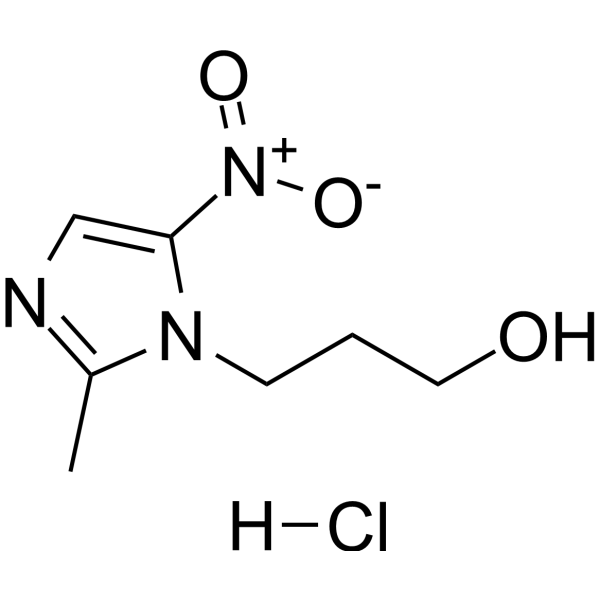
Ternidazole hydrochloride is a nitroimidazole Antibiotic with anti-pathogenic microbial activity. Ternidazole hydrochloride kills and inhibits the visible growth of Clostridium perfringens type A in vitro. Ternidazole hydrochloride helps improve the therapeutic efficacy against bacterial vaginosis, candidal vaginitis and mixed vaginitis. Ternidazole hydrochloride effectively alleviates chronic alcoholism. Ternidazole hydrochloride can be used in research related to vaginitis, pathogenic microbial infections and chronic alcoholism .
loading...
    loading...
Cat. No.: HY-122373
CAS No.: 58919-61-2
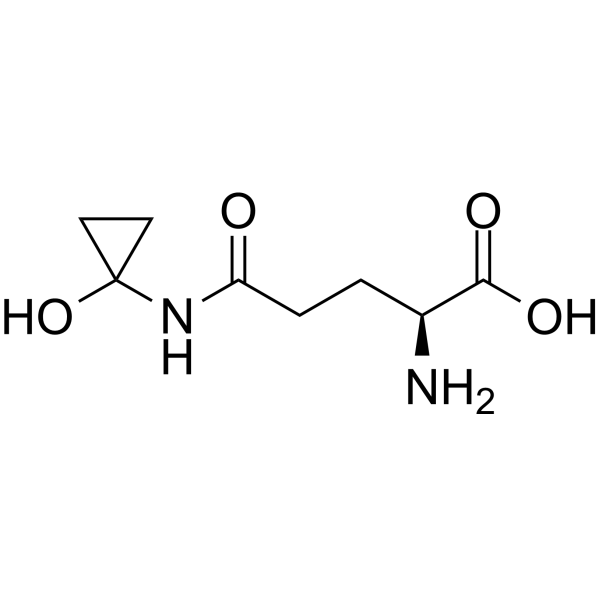
Coprine is an orally active disulfiram (HY-B0240)-like component and an inhibitor of aldehyde dehydrogenase. Coprine is isolated from Coprinus atranentarius. Coprine inhibits low Km aldehyde dehydrogenase in rat liver and increases blood acetaldehyde levels during in vivo ethanol metabolism. Coprine does not inhibit semi-purified low Km aldehyde dehydrogenase from rat liver in vitro. Coprine can be used in studies related to alcoholism .
loading...
    loading...
Cat. No.: HY-B0681
CAS No.: 77337-76-9
Target:  

iGluR

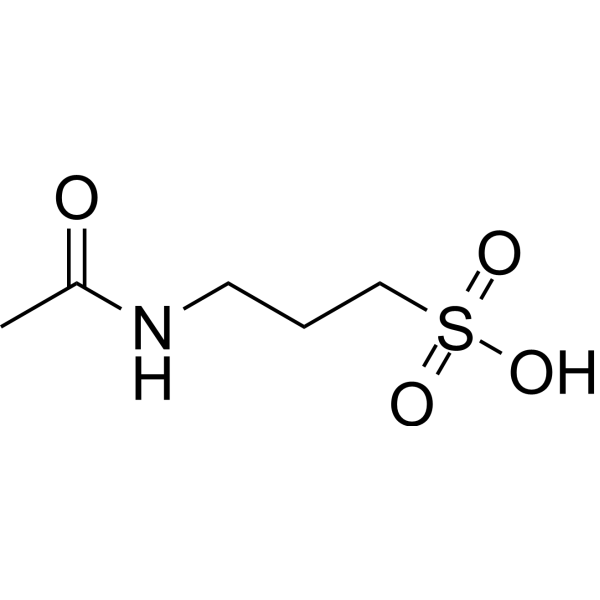
Acamprosate is an orally active prototypic neuromodulator. Acamprosate can be used for the research of alcohol dependence and alcoholism .
loading...
    loading...
Cat. No.: HY-136436A
CAS No.: 1077-93-6
Ternidazole is a nitroimidazole Antibiotic with anti-pathogenic microbial activity. Ternidazole kills and inhibits the visible growth of Clostridium perfringens type A in vitro. Ternidazole helps improve the therapeutic efficacy against bacterial vaginosis, candidal vaginitis and mixed vaginitis. Ternidazole effectively alleviates chronic alcoholism. Ternidazole can be used in research related to vaginitis, pathogenic microbial infections and chronic alcoholism .
loading...
    loading...
Cat. No.: HY-W841438
CAS No.: 5266-20-6
Target:  

Amyloid-β Tau Protein

Research Areas:  

Neurological Disease

Lithium orotate is an orally active lithium supplement with reduced binding that can bypass amyloid sequestration in AD mice models. Lithium orotate can prevent Aβ plaque deposition and phospho-tau accumulation and reverse AD pathology, neuroinflammatory changes and memory loss in AD mice models and ageing wild-type mice. Lithium orotate can be used for the research of alcoholism and Alzheimer’s disease .
loading...
    loading...
Cat. No.: HY-136436S
CAS No.: 1346599-62-9
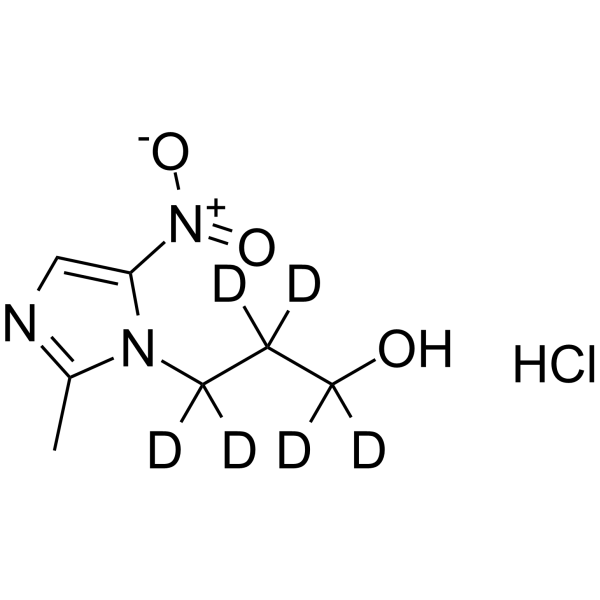
Ternidazole-d6 hydrochloride is the deuterium labeled Ternidazole hydrochloride (HY-136436). Ternidazole hydrochloride is a nitroimidazole Antibiotic with anti-pathogenic microbial activity. Ternidazole hydrochloride kills and inhibits the visible growth of Clostridium perfringens type A in vitro. Ternidazole hydrochloride helps improve the therapeutic efficacy against bacterial vaginosis, candidal vaginitis and mixed vaginitis. Ternidazole hydrochloride effectively alleviates chronic alcoholism. Ternidazole hydrochloride can be used in research related to vaginitis, pathogenic microbial infections and chronic alcoholism .
loading...
    loading...
Cat. No.: HY-107019
CAS No.: 288104-79-0
Synonyms: SR 147778
Target:  

Cannabinoid Receptor

Research Areas:  

Metabolic Disease

Surinabant (SR 147778) is an orally active, selective cannabinoid receptor type 1 CB1R antagonist. Surinabant is used in studies of obesity and alcoholism .
loading...
    loading...
Cat. No.: HY-136436R
CAS No.: 70028-95-4
Ternidazole hydrochloride (Standard) is the analytical standard of Ternidazole hydrochloride (HY-136436). This product is intended for research and analytical applications. Ternidazole hydrochloride is a nitroimidazole Antibiotic with anti-pathogenic microbial activity. Ternidazole hydrochloride kills and inhibits the visible growth of Clostridium perfringens type A in vitro. Ternidazole hydrochloride helps improve the therapeutic efficacy against bacterial vaginosis, candidal vaginitis and mixed vaginitis. Ternidazole hydrochloride effectively alleviates chronic alcoholism. Ternidazole hydrochloride can be used in research related to vaginitis, pathogenic microbial infections and chronic alcoholism .
loading...
    loading...
Cat. No.: HY-123807
CAS No.: 426227-09-0
Target:  

5-HT Receptor

Research Areas:  

Neurological Disease

JNJ-5234801 is an orally active anxiolytic that targets the 5-HT2 receptor. JNJ-5234801 increases water intake and reduces alcohol preference in rats. JNJ-5234801 could be used in studies on anxiety and alcoholism .
loading...
    loading...
Cat. No.: HY-175191
Target:  

5-HT Receptor

Research Areas:  

Neurological Disease

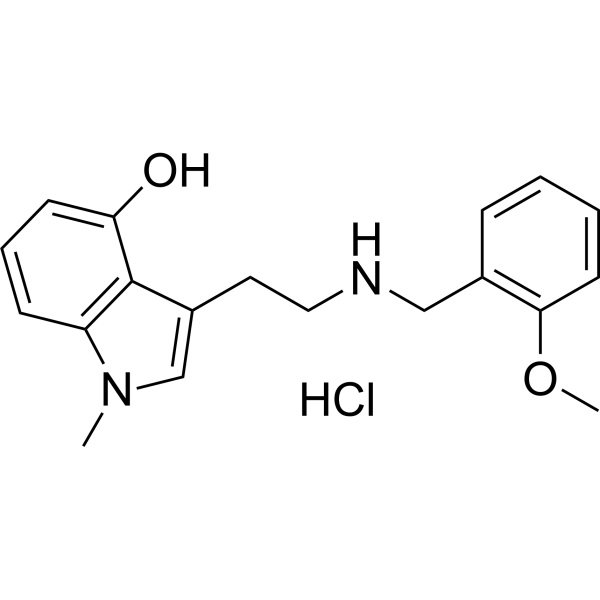
5-HT2A agonist 4 (Compound 70) is a 5-HT2A agonist with an EC50 of 0.30  nM for h5-HT2A. 5-HT2A agonist 4 can be used for depression, drug addiction, alcoholism, post-traumatic stress disorder (PTSD), and neuropathic pain research .
loading...
    loading...
Cat. No.: HY-175192
CAS No.: 2952978-05-9
Target:  

5-HT Receptor

Research Areas:  

Neurological Disease

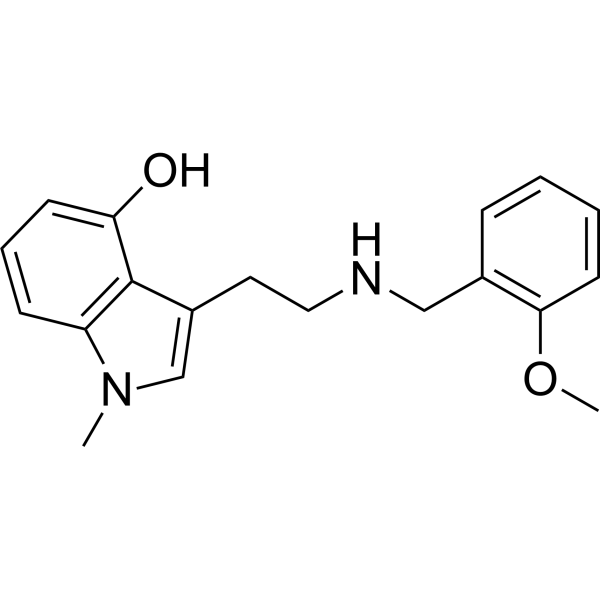
5-HT2A agonist 5 (Compound 88) is a 5-HT2A agonist with an EC50 of 0.01  nM for h5-HT2A. 5-HT2A agonist 5 can be used for depression, drug addiction, alcoholism, post-traumatic stress disorder (PTSD), and neuropathic pain research .
loading...
    loading...
Cat. No.: HY-174898
CAS No.: 2873459-44-8
Target:  

5-HT Receptor

Research Areas:  

Neurological Disease

5-HT2C agonist-9 (Compound 33) is a 5-HT2C agonist with an EC50 of 1.4 nM for h5-HT2C. 5-HT2C agonist-9 can be used in the research of diseases such as depression, drug addiction, alcoholism, PTSD and neuropathic pain .
loading...
    loading...
Cat. No.: HY-156533
CAS No.: 2708279-78-9
Target:  

5-HT Receptor

Research Areas:  

Cancer

5-HT2 agonist-1 (Compound 24) is a 5-HT2A & 5-HT2B & 5-HT2C agonist, with IC50s of 10 nM, 8.3, and 1.6 nM respectively. 5-HT2 agonist-1 free base can be used for research of depression, alcoholism, tobacco and cocaine addiction, inflammation, cluster headache, PTSD, seizure disorders and other CNS disorders .
loading...
    loading...
Cat. No.: HY-156533A
CAS No.: 2708279-77-8
5-HT2 agonist-1 (Compound 24) free base is a 5-HT2A & 5-HT2B & 5-HT2C agonist, with IC50s of 10 nM, 8.3, and 1.6 nM respectively. 5-HT2 agonist-1 free base can be used for research of depression, alcoholism, tobacco and cocaine addiction, inflammation, cluster headache, PTSD, seizure disorders and other CNS disorders .
loading...
    loading...
Cat. No.: HY-156534
CAS No.: 1640-02-4
5-HT2A&5-HT2C agonist-1 (Example 2) is a 5-HT2A & 5-HT2C agonist, with IC50s of 196 nM and 0.9 nM respectively. 5-HT2A&5-HT2C agonist-1 can be used for research of depression, alcoholism, tobacco and cocaine addiction, inflammation, cluster headache, PTSD, seizure disorders and other CNS disorders .
loading...
    loading...
Cat. No.: HY-137231
CAS No.: 100609-40-3
Target:  

nAChR

Research Areas:  

Neurological Disease

UFR2709 hydrochloride is a blood-brain barrier-permeable, non-selective competitive antagonist of neuronal nicotinic acetylcholine receptors (nAChR). UFR2709 hydrochloride exerts anxiolytic effects in adult zebrafish, reduces alcohol-seeking behavior, ethanol consumption and ethanol preference in rats, increases water intake in rats, and does not alter locomotor/grooming activity or body weight in rats. UFR2709 hydrochloride can be used in research related to anxiety disorders, nicotine addiction, alcoholism and alcohol dependence .
loading...
    loading...
Cat. No.: HY-106980
CAS No.: 308123-60-6
Synonyms: (-)-18-Methoxycoronaridine
18-Methoxycoronaridine ((-)-18-Methoxycoronaridine) is an orally active and selective α3β4 nicotinic acetylcholine receptor (nAChR) antagonist. 18-Methoxycoronaridine is an inhibitor of serotonin transporter (SERT) and norepinephrine transporter (NET), with IC50 values of 51.6 μM and 121 μM for SERT and NET, respectively. 18-Methoxycoronaridine inhibits the function of SERT and NET, promotes 5-HT3A receptor desensitization, blocks α3β4 nAChR, and modulates receptor signaling pathways associated with reinforcement. 18-Methoxycoronaridine also exhibits potent antiparasitic activity. 18-Methoxycoronaridine can be used in research related to depression, obesity, alcoholism, smoking addiction, and cutaneous leishmaniasis .
loading...
    loading...

