173 Results for "

B cell differentiation

" in MedChemExpress (MCE) Product Catalog:
Products (173)

173 Results for "B cell differentiation" in MCE Product Catalog:

63
63 Publications Verification
Cat. No.: HY-P7044
Purity:  ≥ 95%, as determined by reducing SDS-PAGE.
Synonyms: IL6; Hybridoma Growth Factor; Prev. IFNB2; IFN-Beta-2; IL-6; BSF-2; Interleukin-6; CDF; BSF2; Interleukin 6 (Interferon, Beta 2); HGF; B-cell differentiation Factor; HSF; Truncated Interleukin 6; B-cell Stimulatory Factor 2; Interferon, Beta 2; CTL Differ
Species:  
Human
Source:  
E. coli
loading...
    loading...
34
34 Cited Publications
Cat. No.: HY-P7063
Purity:  ≥ 95%, as determined by reducing SDS-PAGE.
Synonyms: IL6; Hybridoma Growth Factor; Prev. IFNB2; IFN-Beta-2; IL-6; BSF-2; Interleukin-6; CDF; BSF2; Interleukin 6 (Interferon, Beta 2); HGF; B-cell differentiation Factor; HSF; Truncated Interleukin 6; B-cell Stimulatory Factor 2; Interferon, Beta 2; CTL differentiation Factor; Interleukin BSF-2; Interleukin 6; Interferon Beta-2
Species:  
Mouse
Source:  
E. coli
loading...
    loading...
25
25 Cited Publications
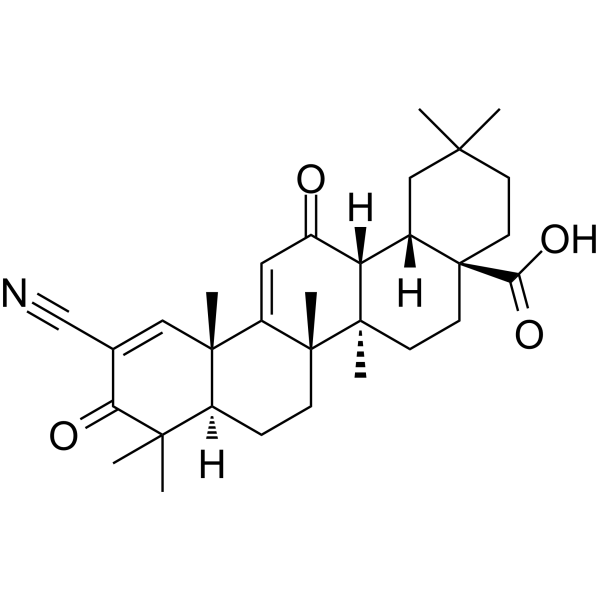
Cat. No.: HY-14909
CAS No.: 218600-44-3
Purity:  99.50%
Synonyms: CDDO; RTA 401
Bardoxolone (CDDO; RTA 401) is a Nrf2 activator. Bardoxolone shows anti-SARS-CoV-2 3CLpro with IC50 of 27.99 μM. Bardoxolone activates the Nrf2 pathway and inhibits the NF-κB pathway. Bardoxolone can induce cells differentiation, apoptosis and shows antiproliferative activity against cancer cells. Bardoxolone can increase ROS and decrease intracellular GSH levels. Bardoxolone inhibits Z-VAD-FMK (HY-16658B)-induced necroptosis. Bardoxolone can be used for the research of cancer, inflammation and infection, such as SARS-CoV infection and glioblastoma .
loading...
    loading...
9
9 Cited Publications
Cat. No.: HY-10966
CAS No.: 405554-55-4
Purity:  99.77%
Target:  

Raf Apoptosis

Research Areas:  

Neurological Disease Cancer

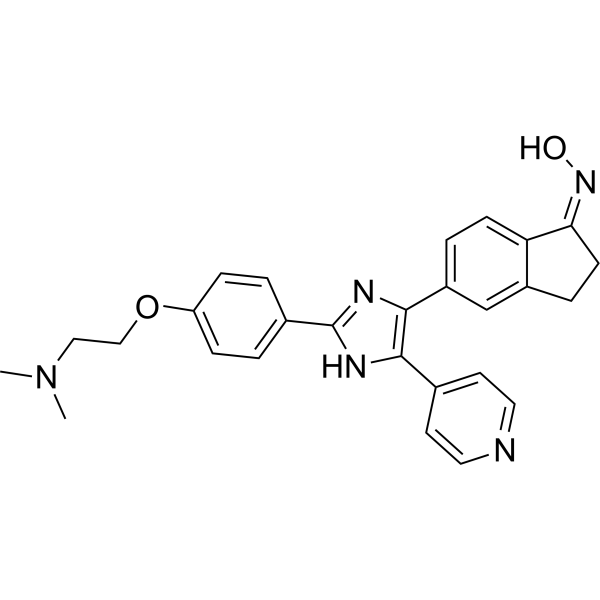
SB-590885 is a BRAF/c-Raf kinase inhibitor that selectively targets B-Raf, and it amplifies the ERK/MAPK signaling pathway in RAS-activated cells. SB-590885 effectively inhibits the malignant proliferation, transformation and tumorigenicity of oncogenic B-Raf cells; it also induces the proliferation of erythroid progenitor cells, delays their differentiation and promotes hemoglobin synthesis, thereby improving ineffective erythropoiesis and reducing apoptosis. SB-590885 exerts a synergistic effect with TGF-β inhibitors and glucocorticoids, significantly promoting the formation of erythroid colonies in cells from patients with Diamond-Blackfan anemia (DBA). SB-590885 is mainly used in relevant studies on DBA, cisplatin-induced myelosuppression-related anemia, and pan-cancers such as melanoma and colorectal cancer .
loading...
    loading...
8
8 Cited Publications
Cat. No.: HY-14197
CAS No.: 17780-72-2
Purity:  99.76%
Synonyms: M&B 9302
Clorgyline (M&B 9302) is a selective, irreversible monoamine oxidase A (MAO-A) inhibitor that can cross the blood-brain barrier and exhibits activity against the 5-HT Receptor at very high doses. Clorgyline regulates monoamine neurotransmitter levels, the release of dopamine and acetylcholine, the uptake and effects of Tyramine (HY-W007606), noradrenergic function, circadian locomotor activity rhythms, feeding behavior, and body weight. Clorgyline induces tumor-suppressive transcriptional programs, secretory differentiation, androgen signaling regulation, Bcl-2 expression, and radioprotective effects in non-malignant cells. Clorgyline is used in the research of high-grade prostate cancer, Huntington's disease, major affective disorder, radiation-induced normal tissue toxicity, and obesity .
loading...
    loading...
8
8 Cited Publications
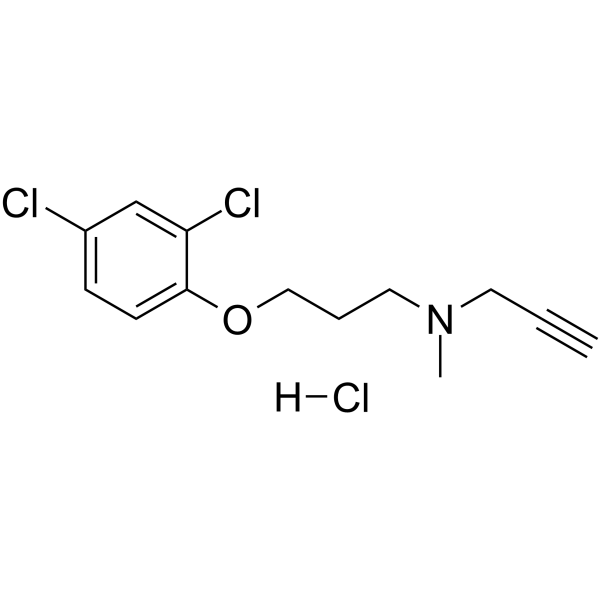
Cat. No.: HY-14197A
CAS No.: 17780-75-5
Purity:  99.92%
Synonyms: M&B 9302 hydrochloride
Clorgyline hydrochloride (M&B 9302 hydrochloride) is a selective, irreversible monoamine oxidase A (MAO-A) inhibitor that can cross the blood-brain barrier and exhibits activity against the 5-HT Receptor at very high doses. Clorgyline hydrochloride regulates monoamine neurotransmitter levels, the release of dopamine and acetylcholine, the uptake and effects of Tyramine (HY-W007606), noradrenergic function, circadian locomotor activity rhythms, feeding behavior, and body weight. Clorgyline hydrochloride induces tumor-suppressive transcriptional programs, secretory differentiation, androgen signaling regulation, Bcl-2 expression, and radioprotective effects in non-malignant cells. Clorgyline hydrochloride is used in the research of high-grade prostate cancer, Huntington's disease, major affective disorder, radiation-induced normal tissue toxicity, and obesity .
loading...
    loading...
6
6 Cited Publications
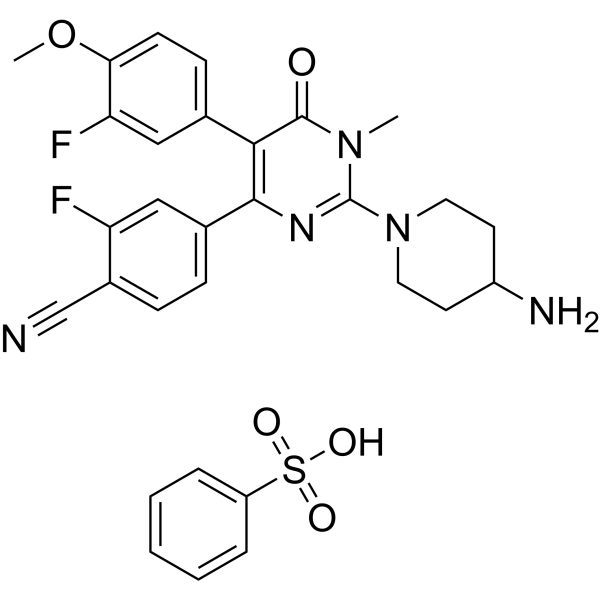
Cat. No.: HY-129388B
CAS No.: 2097523-60-7
Purity:  99.64%
Synonyms: CC-90011 benzenesulfonate; LSD1-IN-7 benzenesulfonate
Target:  

Histone Demethylase

Research Areas:  

Inflammation/Immunology Cancer

Pulrodemstat (CC-90011) benzenesulfonate is a potent, selective, reversible and orally active inhibitor of lysine specific demethylase-1 (LSD1) with an IC50 of 0.25 nM. Pulrodemstat benzenesulfonate is less enzymatic inhibition against LSD2, MAO-A, and MAO-B. Pulrodemstat benzenesulfonate induces acute myeloid leukemia (AML) and small cell lung cancer (SCLC) cells differentiation and has potent anticancer activity .
loading...
    loading...
6
6 Cited Publications
Cat. No.: HY-129388A
CAS No.: 1821307-10-1
Synonyms: CC-90011; LSD1-IN-7
Target:  

Histone Demethylase

Research Areas:  

Inflammation/Immunology Cancer

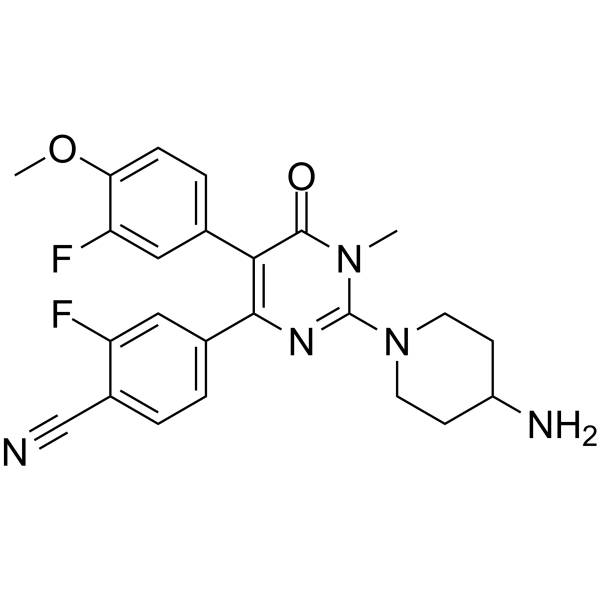
Pulrodemstat (CC-90011) is a potent, selective, reversible and orally active inhibitor of lysine specific demethylase-1 (LSD1) with an IC50 of 0.25 nM. Pulrodemstat is less enzymatic inhibition against LSD2, MAO-A, and MAO-B. Pulrodemstat induces acute myeloid leukemia (AML) and small cell lung cancer (SCLC) cells differentiation and has potent anticancer activity .
loading...
    loading...
6
6 Cited Publications
Cat. No.: HY-N0762
CAS No.: 31524-62-6
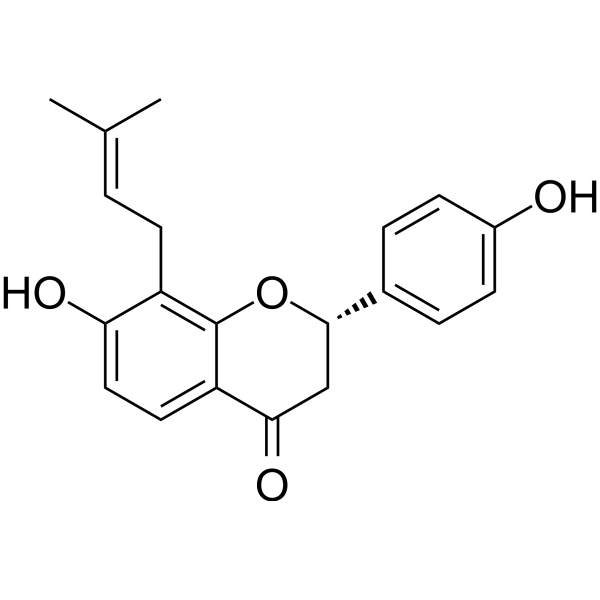
Isobavachin is an orally active, blood-brain barrier-penetrating prenylated flavonoid present in Psoralea corylifolia. Isobavachin inhibits human CYP2B6, CYP2C9, CYP2C19, UGT1A1, UGT1A9, and UGT2B7. Isobavachin suppresses MAPK activation, NF-κB nuclear translocation, overexpression of iNOS/COX-2, FcεRI-mediated signaling pathways, and RANKL-induced osteoclastogenesis. Isobavachin induces autophagy, cytotoxicity, neuronal differentiation, and NRF2 activation; it alleviates oxidative damage, inflammatory responses, apoptosis, iron accumulation, mitochondrial biogenesis, and mast cell degranulation. Isobavachin is applicable to research related to liver injury, inflammatory diseases, osteoporosis, liver cancer, prostate cancer, glioma, periodontitis-induced bone loss, and Alzheimer's disease .
loading...
    loading...
5
5 Cited Publications
Cat. No.: HY-P7103A
Purity:  ≥ 95%, as determined by reducing SDS-PAGE.
Synonyms: IL6; Hybridoma Growth Factor; Prev. IFNB2; IFN-Beta-2; IL-6; BSF-2; Interleukin-6; CDF; BSF2; Interleukin 6 (Interferon, Beta 2); HGF; B-cell differentiation Factor; HSF; Truncated Interleukin 6; B-cell Stimulatory Factor 2; Interferon, Beta 2; CTL Differ
Species:  
Rat
Source:  
HEK293
loading...
    loading...
4
4 Cited Publications
Cat. No.: HY-P80723
Synonyms: IL6; IFNB2; Interleukin-6; IL-6; B-cell stimulatory factor 2; BSF-2; CTL differentiation factor; CDF; Hybridoma growth factor; Interferon beta-2; IFN-beta-2

Host:  

Rabbit

Application:  

WB, IHC-P, ELISA

Reactivity:  

Human

loading...
    loading...
4
4 Cited Publications
Cat. No.: HY-N0699
CAS No.: 2034-69-7
Synonyms: Dephnoretin; Thymelol
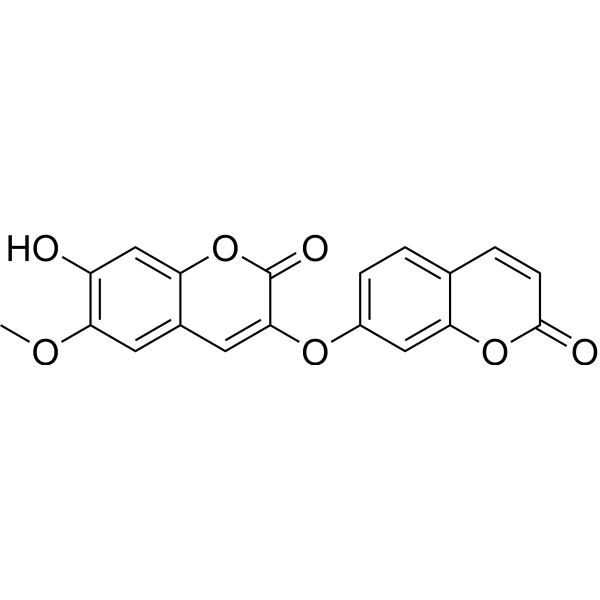
Daphnoretin (Dephnoretin; Thymelol) is a protein kinase C (PKC) activator that inhibits the expression of hepatitis B virus (HBV) surface antigen (HBsAg) and exhibits antiviral activity. Daphnoretin exerts its antitumor effects by inhibiting the activation of the PI3K/AKT signaling pathway and triggers the mitochondrial apoptosis pathway. Daphnoretin alleviates chondrocyte apoptosis and inflammatory responses by inhibiting endoplasmic reticulum stress and activation of the NLRP3 inflammasome. Daphnoretin regulates the differentiation and maturation of dendritic cells, inhibits their immunostimulatory function by downregulating the phosphorylation level of JNK, and thus exerts a protective effect in skin graft rejection .
loading...
    loading...
3
3 Cited Publications
Cat. No.: HY-N0840
CAS No.: 41451-75-6
Synonyms: (-)-Bruceantin; NCI165563; NSC165563
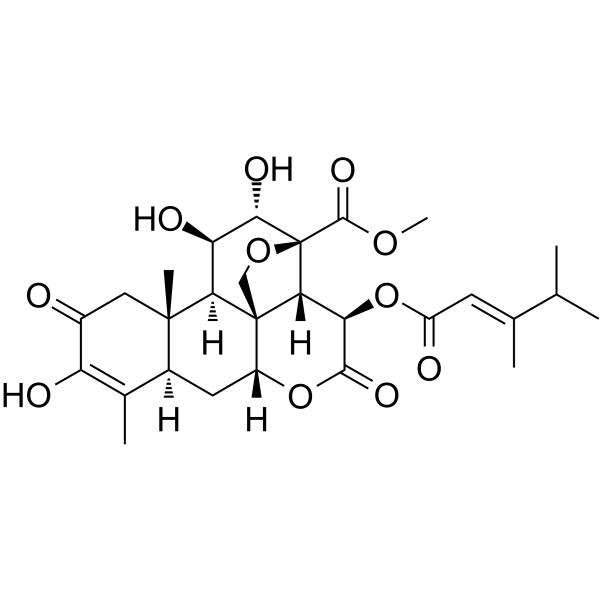
Bruceantin ((-)-Bruceantin) is a quassinoid found in B. javanica. Bruceantin activates caspase signaling pathway, causes the mitochondrial dysfunction, inhibits cell proliferation, induces cell differentiation and apoptosis. Bruceantin exhibits anti-leukemia and antiprotozoal activities .
loading...
    loading...
3
3 Cited Publications
Cat. No.: HY-129079
CAS No.: 1445700-01-5
Purity:  99.91%
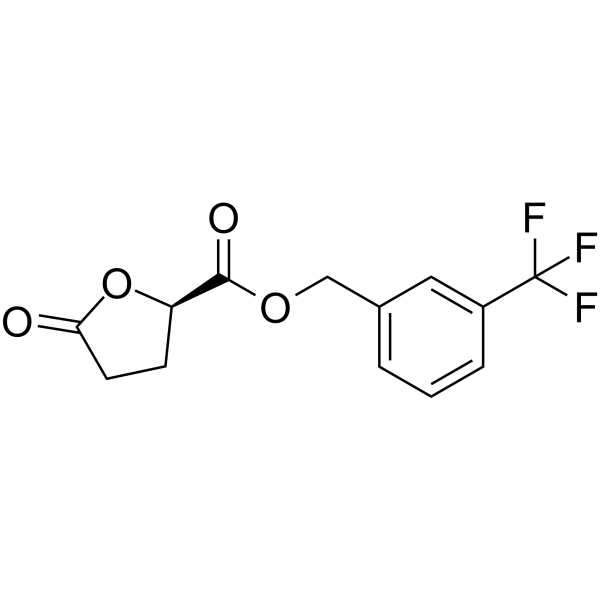
TFMB-(R)-2-HG is a cell membrane-permeable (R)-2-HG and acute myeloid leukemia (AML) oncogenic factor. TFMB-(R)-2-HG competitively inhibits α-ketoglutarate-dependent dioxygenases such as KDM2B and FTO. TFMB-(R)-2-HG impairs cell differentiation in response to Estrogen withdrawal. TFMB-(R)-2-HG is used in acute myeloid leukemia and glioma research .
loading...
    loading...
2
2 Cited Publications
Cat. No.: HY-P70612
Purity:  ≥ 95%, as determined by reducing SDS-PAGE.
Synonyms: IL5; T-cell Replacing Factor; Interleukin 5; EDF; Eosinophil differentiation Factor; Colony-Stimulating Factor, Eosinophil; Interleukin-5; B-cell differentiation Factor I; IL-5; Interleukin 5 (Colony-Stimulating Factor, Eosinophil); TRF; B cell Differenti
Species:  
Human
Source:  
HEK293
loading...
    loading...
2
2 Cited Publications
Cat. No.: HY-P700215AF
Purity:  ≥ 95%, as determined by reducing SDS-PAGE.
Synonyms: IL5; T-cell Replacing Factor; Interleukin 5; EDF; Eosinophil differentiation Factor; Colony-Stimulating Factor, Eosinophil; Interleukin-5; B-cell differentiation Factor I; IL-5; Interleukin 5 (Colony-Stimulating Factor, Eosinophil); TRF; B cell Differenti
Species:  
Mouse
Source:  
E. coli
loading...
    loading...
2
2 Cited Publications
Cat. No.: HY-P7044A
Purity:  ≥ 95%, as determined by reducing SDS-PAGE.
Synonyms: IL6; Hybridoma Growth Factor; Prev. IFNB2; IFN-Beta-2; IL-6; BSF-2; Interleukin-6; CDF; BSF2; Interleukin 6 (Interferon, Beta 2); HGF; B-cell differentiation Factor; HSF; Truncated Interleukin 6; B-cell Stimulatory Factor 2; Interferon, Beta 2; CTL differentiation Factor; Interleukin BSF-2; Interleukin 6; Interferon Beta-2
Species:  
Human
Source:  
CHO
loading...
    loading...
2
2 Cited Publications
Cat. No.: HY-P7044G
Purity:  ≥ 95%, as determined by reducing SDS-PAGE.
Synonyms: IL6; Hybridoma Growth Factor; Prev. IFNB2; IFN-Beta-2; IL-6; BSF-2; Interleukin-6; CDF; BSF2; Interleukin 6 (Interferon, Beta 2); HGF; B-cell differentiation Factor; HSF; Truncated Interleukin 6; B-cell Stimulatory Factor 2; Interferon, Beta 2; CTL Differ
Species:  
Human
Source:  
E. coli
loading...
    loading...
2
2 Cited Publications
Cat. No.: HY-101365
CAS No.: 185376-97-0
Target:  

5-HT Receptor

Research Areas:  

Neurological Disease

RS-102221 is a selective 5-HT2C receptor antagonist (Ki=10 nM). RS-102221 shows nearly 100-fold selectivity for the 5-HT2C receptor as compared to the 5-HT2A and 5-HT2B receptors. RS-102221 can promote the differentiation of new nerve cells. RS-102221 increases food-intake and weight-gain in rats .
loading...
    loading...
2
2 Cited Publications
Cat. No.: HY-101365A
CAS No.: 187397-18-8
Purity:  99.33%
Target:  

5-HT Receptor

Research Areas:  

Neurological Disease

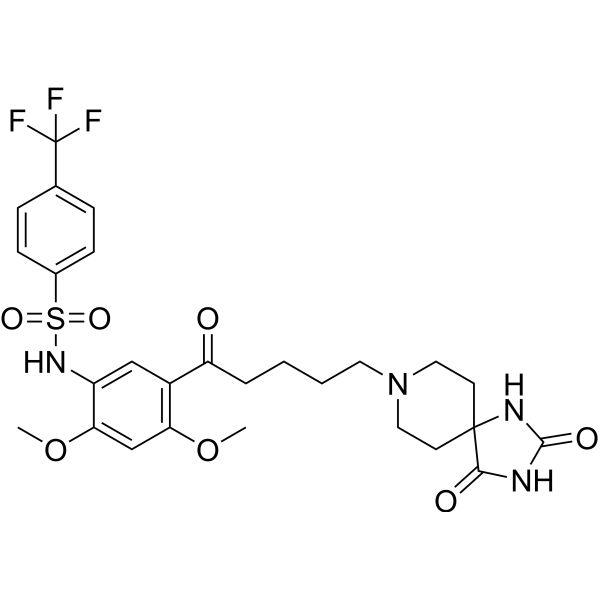
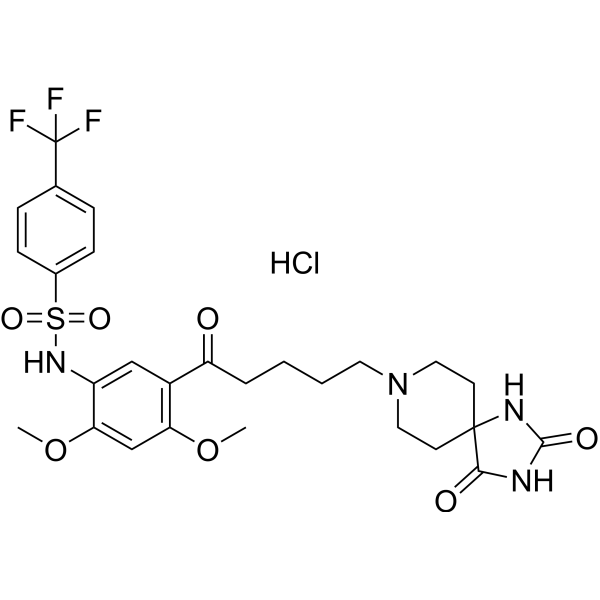
RS-102221 hydrochloride is a selective 5-HT2C receptor antagonist (Ki=10 nM). RS-102221 hydrochloride shows nearly 100-fold selectivity for the 5-HT2C receptor as compared to the 5-HT2A and 5-HT2B receptors. RS-102221 hydrochloride can promote the differentiation of new nerve cells. RS-102221 hydrochloride increases food-intake and weight-gain in rats .
loading...
    loading...

