23 Results for "

Cardioprotection

" in MedChemExpress (MCE) Product Catalog:
Products (23)

23 Results for "Cardioprotection" in MCE Product Catalog:

38
38 Publications Verification
Cat. No.: HY-F0004
CAS No.: 1094-61-7
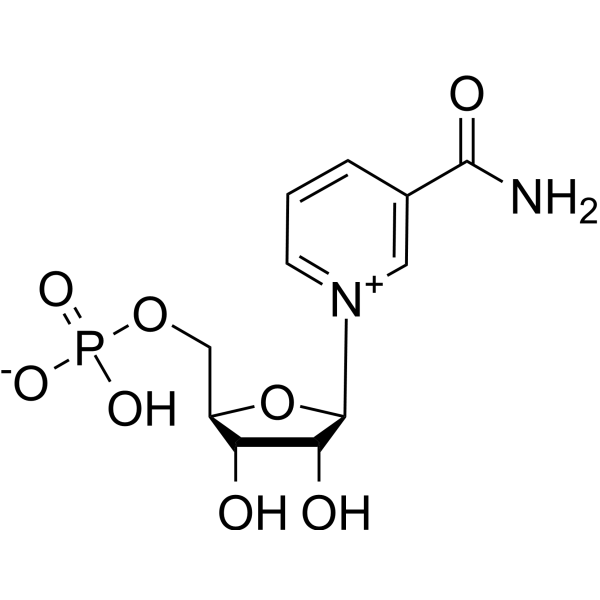
Synonyms: β-Nicotinamide mononucleotide; β-NM; NMN
Fosribnicotinamide (β-nicotinamide mononucleotide) is a product of the nicotinamide phosphoribosyltransferase (NAMPT) reaction and a key NAD + intermediate. The pharmacological activities of Fosribnicotinamide include its role in cellular biochemical functions, cardioprotection, diabetes, Alzheimer's disease, and complications associated with obesity .
loading...
    loading...
5
5 Cited Publications
Cat. No.: HY-N0520
CAS No.: 20633-67-4
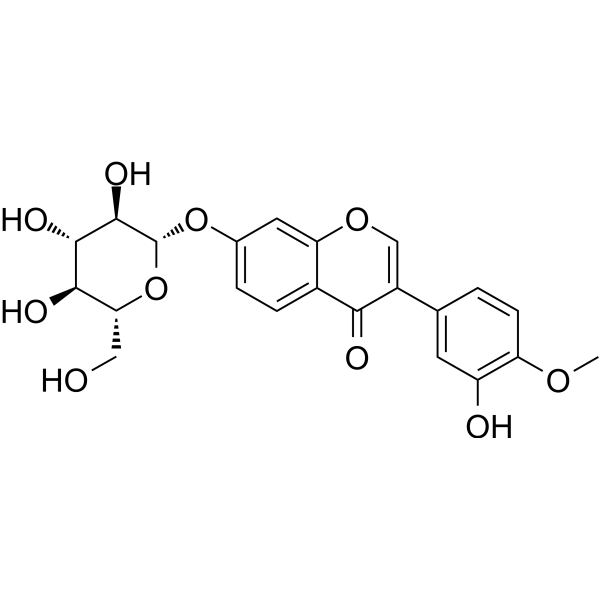
Synonyms: Calycosin-7-glucoside
Calycosin-7-O-β-D-glucoside is an isoflavone isolated from Astragali Radix. Calycosin-7-O-β-D-glucoside has variety of biological activities, such as neuroprotective, cardioprotection, anti-inflammation, and antioxidative stress effects .
loading...
    loading...
4
4 Cited Publications
Cat. No.: HY-N0615
CAS No.: 80418-24-2
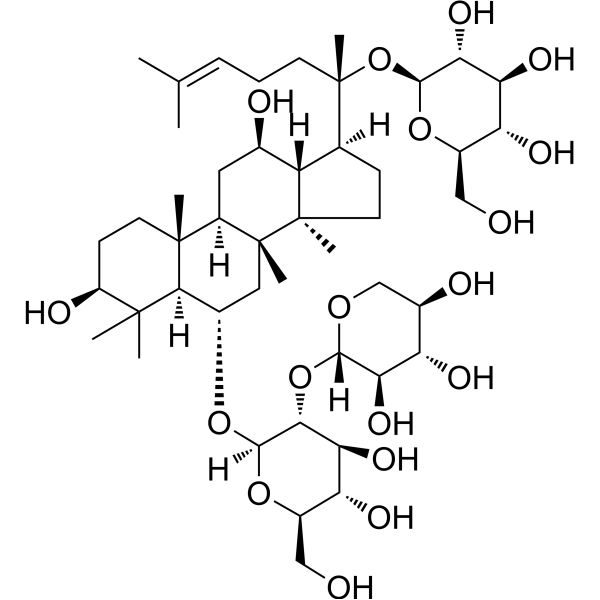
Synonyms: Sanchinoside R1; Sanqi glucoside R1
Notoginsenoside R1 (Sanchinoside R1), a saponin, is isolated from P. notoginseng. Notoginsenoside R1 exhibits anti-oxidation, anti-inflammatory, anti-angiogenic, and anti-apoptosis activities. Notoginsenoside R1 provides cardioprotection against ischemia/reperfusion (I/R) injury. Notoginsenoside R1 also provides neuroprotection in H2O2-induced oxidative damage in PC12 cells .
loading...
    loading...
2
2 Cited Publications
Cat. No.: HY-P1723
CAS No.: 1370290-58-6
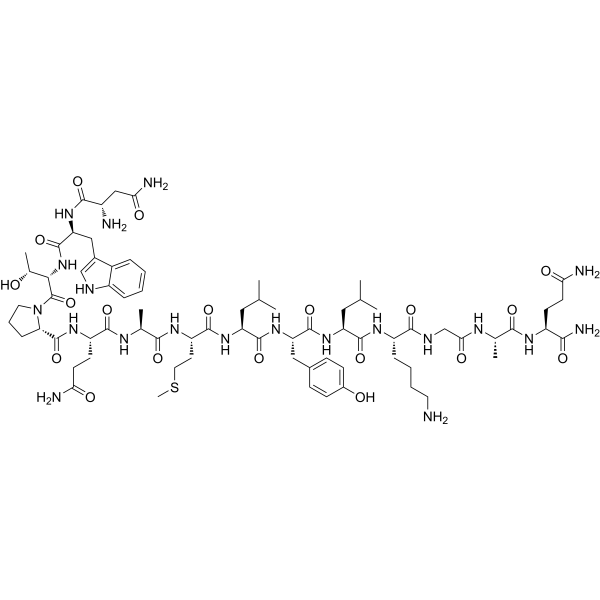
Synonyms: Neuropeptide Q
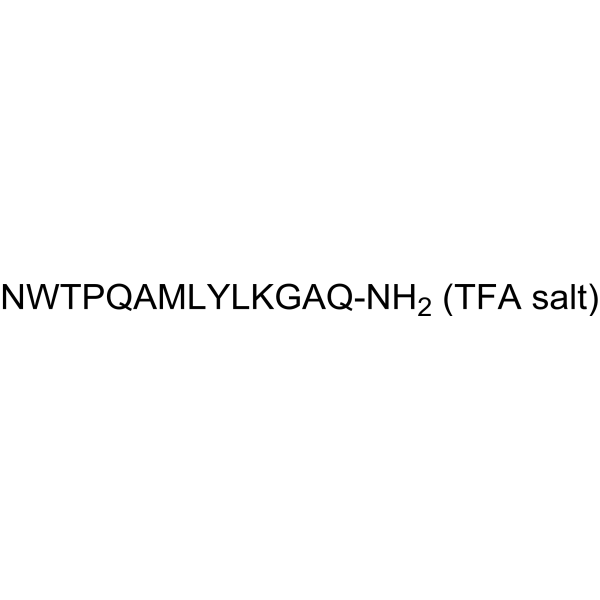
Spexin (Neuropeptide Q) is a selective agonist of galanin receptors GAL2 and GAL3, and is a conserved peptide that functions as a neurotransmitter/neuromodulator and endocrine factor. Spexin can function through both central and peripheral actions. Spexin upregulates Beclin 1 to inhibit ferroptosis induced by excessive autophagy, reduces the uptake of long-chain fatty acids by adipocytes, and regulates energy metabolism by increasing lipid oxidation (e.g., reducing the respiratory exchange ratio in rodents). Spexin improves cardiac function in the Doxorubicin hydrochloride (HY-15142)-induced cardiotoxicity model, protects mitochondrial membrane potential, and reduces iron accumulation and lipid peroxidation. Spexin can be used to study obesity and its related metabolic disorders, cardiovascular diseases (e.g., cardioprotection), and side effects of tumor chemotherapy .
loading...
    loading...
1
1 Cited Publications
Cat. No.: HY-108573
CAS No.: 60559-98-0
Purity:  99.81%
Target:  

Potassium Channel

Research Areas:  

Cardiovascular Disease

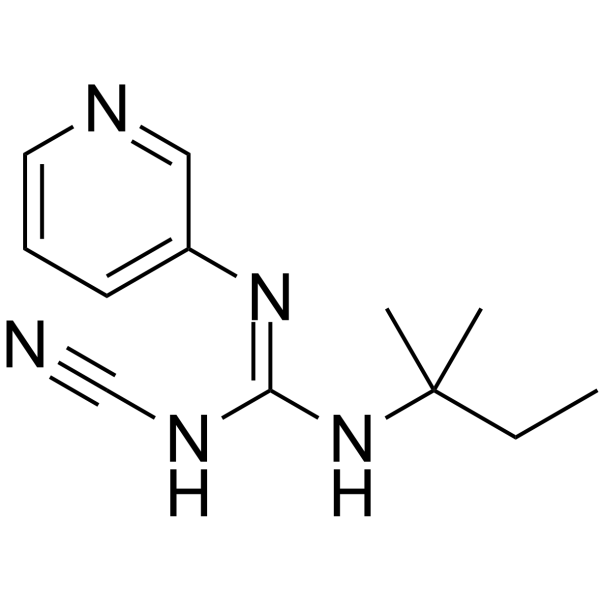
P-1075 is a potent activator of sulfonylurea receptor 2-associated ATP-sensitive potassium channels (SUR2-KIR6), with an EC50 value of 45 nM for SUR2B-KIR6 channel activation . P-1075 also P1075 opens mitochondrial K(ATP) channels and generates reactive oxygen species resulting in cardioprotection of rabbit hearts .
loading...
    loading...
1
1 Cited Publications
Cat. No.: HY-103346
CAS No.: 220509-74-0
Purity:  99.97%
Target:  

Caspase Apoptosis

Research Areas:  

Cardiovascular Disease

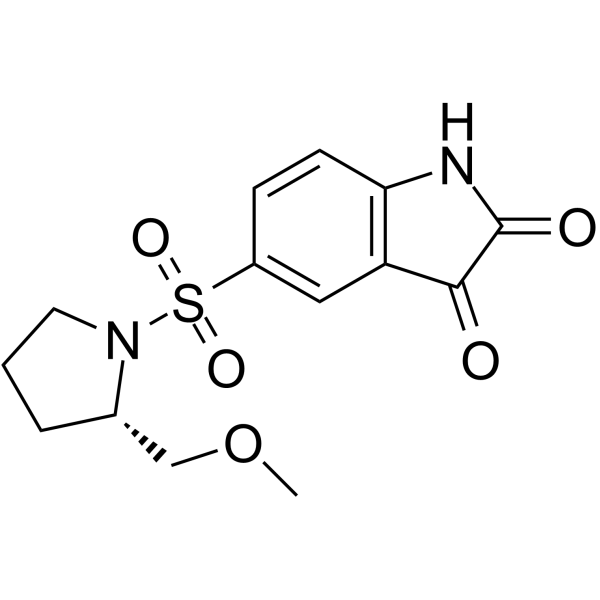
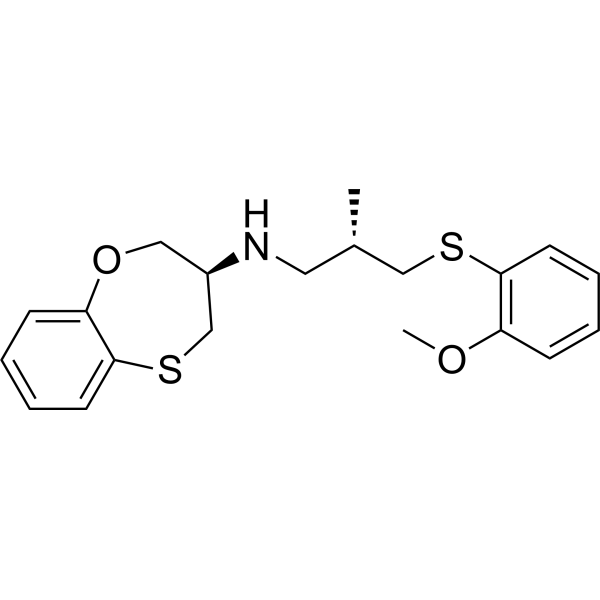
MMPSI is a potent and selective small molecule caspase 3 and caspase 7 inhibitor with an IC50 of 1.7 μM for human caspase-3. MMPSI can significantly reduce ischemia-reperfusion-induced infarct size in the isolated rabbit heart, and reduce apoptosis in both the ischemic myocardium and isolated cardiomyocytes. MMPSI can be used for researching cardioprotection .
loading...
    loading...
Cat. No.: HY-F0004S
Synonyms: β-Nicotinamide mononucleotide-d4; β-NM-d4; NMN-d4
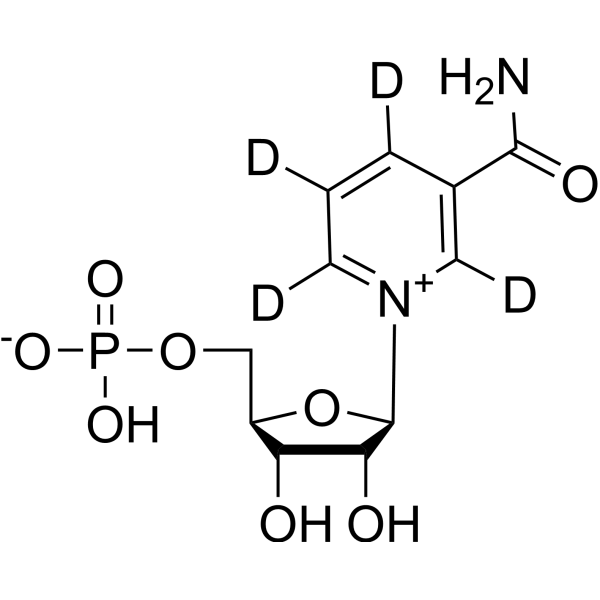
Fosribnicotinamide-d4 (β-Nicotinamide mononucleotide-d4) is the deuterium labeled Fosribnicotinamide. Fosribnicotinamide is a product of the nicotinamide phosphoribosyltransferase (NAMPT) reaction and a key NAD+ intermediate. The pharmacological activities of Fosribnicotinamide include its role in cellular biochemical functions, cardioprotection, diabetes, Alzheimer's disease, and complications associated with obesity .
loading...
    loading...
Cat. No.: HY-P3101
CAS No.: 1225021-13-5
Target:  

GCGR

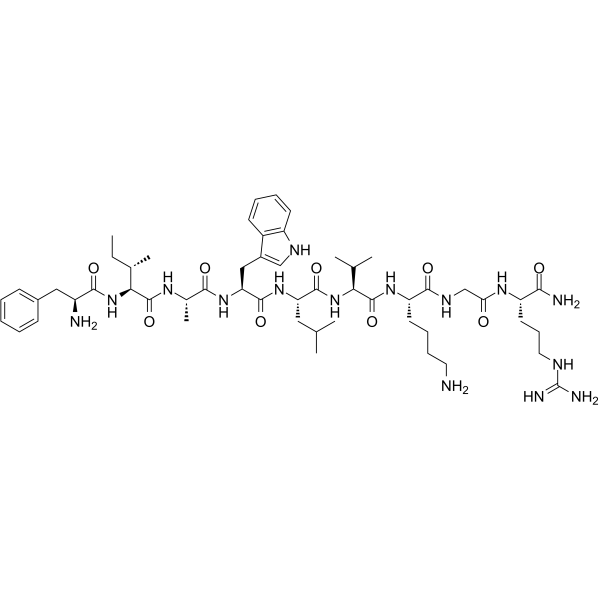
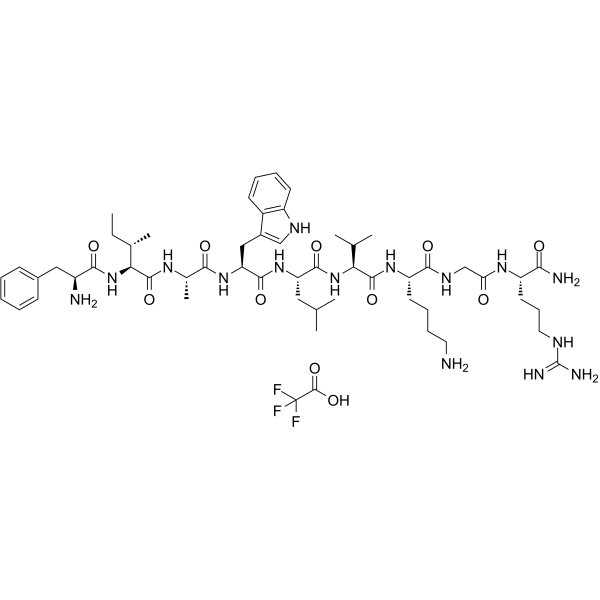
GLP-1(28-36)amide, a C-terminal nonapeptide of GLP-1, is a major product derived from the cleavage of GLP-1 by the neutral endopeptidase (NEP). GLP-1(28-36)amide is an antioxidant and targets to mitochondrion, inhibits mitochondrial permeability transition (MPT). GLP-1(28-36)amide has anti-diabetic and cardioprotection effects .
loading...
    loading...
Cat. No.: HY-F0004R
CAS No.: 1094-61-7
Synonyms: β-Nicotinamide mononucleotide (Standard); β-NM (Standard); NMN (Standard)
Fosribnicotinamide (Standard) (β-Nicotinamide mononucleotide (Standard)) is the analytical standard of Fosribnicotinamide (HY-F0004 ). This product is intended for research and analytical applications. Fosribnicotinamide is a product of the nicotinamide phosphoribosyltransferase (NAMPT) reaction and a key NAD + intermediate. The pharmacological activities of Fosribnicotinamide include its role in cellular biochemical functions, cardioprotection, diabetes, Alzheimer's disease, and complications associated with obesity .
loading...
    loading...
Cat. No.: HY-128090A
Purity:  99.43%
Target:  

Aminopeptidase

Research Areas:  

Cardiovascular Disease

Apstatin TFA is a potent aminopeptidase P (APP) inhibitor with Ki values of 2.6, 0.64 µM for rat and human APP, respectively. Apstatin TFA shows cardioprotection .
loading...
    loading...
Cat. No.: HY-19463A
CAS No.: 470454-73-0
Target:  

Sodium Channel

Research Areas:  

Cardiovascular Disease

F 15845 is a highly effective persistent sodium current blocker. F 15845 also is a cardioprotective agent, has anti-ischemic activity and exerts short- and long-term cardioprotection after myocardial infarction. F 15845 can be used for the research of myocardium functional impairment .
loading...
    loading...
Cat. No.: HY-19463
CAS No.: 866760-23-8
Target:  

Sodium Channel

Research Areas:  

Cardiovascular Disease

F 15845 hydrobromide is a highly effective persistent sodium current blocker. F 15845 hydrobromide is also a cardioprotective agent, has anti-ischemic activity and exerts short- and long-term cardioprotection after myocardial infarction. F 15845 hydrobromide can be used for the research of myocardium functional impairment .
loading...
    loading...
Cat. No.: HY-176504
CAS No.: 2789709-35-7
Target:  

Adenosine Receptor

Research Areas:  

Cardiovascular Disease

Adenosine receptor agonist 2 (Compound 10) is an adenosine A2B receptor (A2BR) agonist with an EC50 of 0.38 nM. Adenosine receptor agonist 2 significantly inhibits the accumulation of cAMP and calcium. Adenosine receptor agonist 2 can be used for cardioprotection research .
loading...
    loading...
Cat. No.: HY-P1723A
Synonyms: Neuropeptide Q TFA
Spexin (Neuropeptide Q) TFA is a selective agonist of galanin receptors GAL2 and GAL3, and is a conserved peptide that functions as a neurotransmitter/neuromodulator and endocrine factor. Spexin TFA can function through both central and peripheral actions. Spexin TFA upregulates Beclin 1 to inhibit ferroptosis induced by excessive autophagy, reduces the uptake of long-chain fatty acids by adipocytes, and regulates energy metabolism by increasing lipid oxidation (e.g., reducing the respiratory exchange ratio in rodents). Spexin TFA improves cardiac function in the Doxorubicin hydrochloride (HY-15142)-induced cardiotoxicity model, protects mitochondrial membrane potential, and reduces iron accumulation and lipid peroxidation. Spexin TFA can be used to study obesity and its related metabolic disorders, cardiovascular diseases (e.g., cardioprotection), and side effects of tumor chemotherapy .
loading...
    loading...
Cat. No.: HY-128090
CAS No.: 160470-73-5
Target:  

Aminopeptidase

Research Areas:  

Cardiovascular Disease

Apstatin is a potent aminopeptidase P (APP) inhibitor with Ki values of 2.6, 0.64 µM for rat and human APP, respectively. Apstatin shows cardioprotection .
loading...
    loading...
Cat. No.: HY-106699
CAS No.: 87440-45-7
Synonyms: CG 4203 sodium
Research Areas:  

Cardiovascular Disease

Taprostene sodium is a partial agonist at prostanoid prostacyclin (IP) receptors. Taprostene sodium interacts additively with Prostaglandin E2 (PGE2) (HY-101952), ONO-AE1-259 (selective EP2 agonist), and acetylcholine. Taprostene sodium exerts a significant cardioprotection .
loading...
    loading...
Cat. No.: HY-P3101A
Target:  

GCGR

GLP-1(28-36)amide TFA, a C-terminal nonapeptide of GLP-1, is a major product derived from the cleavage of GLP-1 by the neutral endopeptidase (NEP). GLP-1(28-36)amide TFA is an antioxidant and targets to mitochondrion, inhibits mitochondrial permeability transition (MPT). GLP-1(28-36)amide TFA has anti-diabetic and cardioprotection effects .
loading...
    loading...
Cat. No.: HY-N0520R
CAS No.: 20633-67-4
Synonyms: Calycosin-7-glucoside (Standard)
Calycosin-7-O-β-D-glucoside (Standard) is the analytical standard of Calycosin-7-O-β-D-glucoside. This product is intended for research and analytical applications. Calycosin-7-O-β-D-glucoside is an isoflavone isolated from Astragali Radix. Calycosin-7-O-β-D-glucoside has variety of biological activities, such as neuroprotective, cardioprotection, anti-inflammation, and antioxidative stress effects .
loading...
    loading...
Cat. No.: HY-108573R
CAS No.: 60559-98-0
Target:  

Potassium Channel

Research Areas:  

Cardiovascular Disease

P-1075 (Standard) is the analytical standard of P-1075. This product is intended for research and analytical applications. P-1075 is a potent activator of sulfonylurea receptor 2-associated ATP-sensitive potassium channels (SUR2-KIR6), with an EC50 value of 45 nM for SUR2B-KIR6 channel activation . P-1075 also P1075 opens mitochondrial K(ATP) channels and generates reactive oxygen species resulting in cardioprotection of rabbit hearts .
loading...
    loading...
Cat. No.: HY-121586
CAS No.: 59040-30-1
Synonyms: Bay g 6575
Target:  

Lipoxygenase

Research Areas:  

Cardiovascular Disease

Nafazatrom (Bay g 6575) is an orally active cardioprotective agent that protects against ischemic damage. Nafazatrom dose-dependently inhibits neutrophil aggregation, superoxide anion generation, arachidonic acid metabolism, and to a lesser extent the release of β-glucosidase, platelet aggregation or arachidonic acid in vitro. Acid metabolism has no significant effect. In a dog ischemia-reperfusion model, Nafazatrom (10 mg/kg; po) reduced infarct size and the occurrence of arrhythmias and rescued ischemic myocardial function without affecting any hemodynamic changes. The basis of Nafazatrom's cardioprotection may be inhibition of neutrophil function and cellular infiltration in vitro .
loading...
    loading...

