
118 Results for "

Cell leakage

" in MedChemExpress (MCE) Product Catalog:
Products (118)

118 Results for "Cell leakage" in MCE Product Catalog:

15
15 Publications Verification
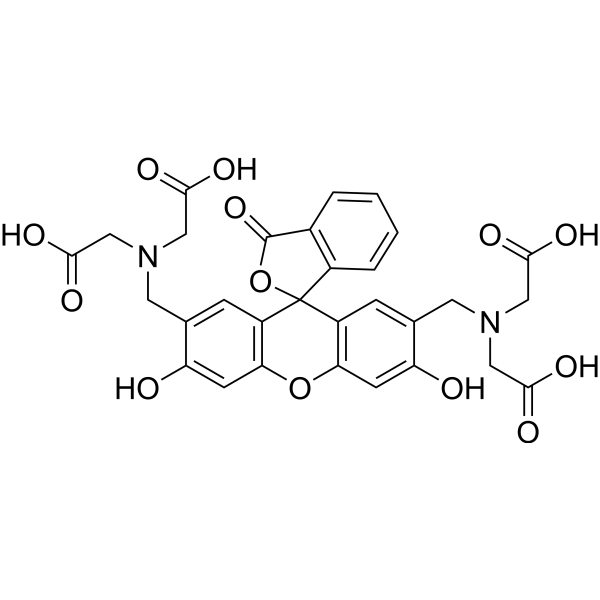
Cat. No.: HY-D0040
CAS No.: 1461-15-0
Synonyms: Fluorexon
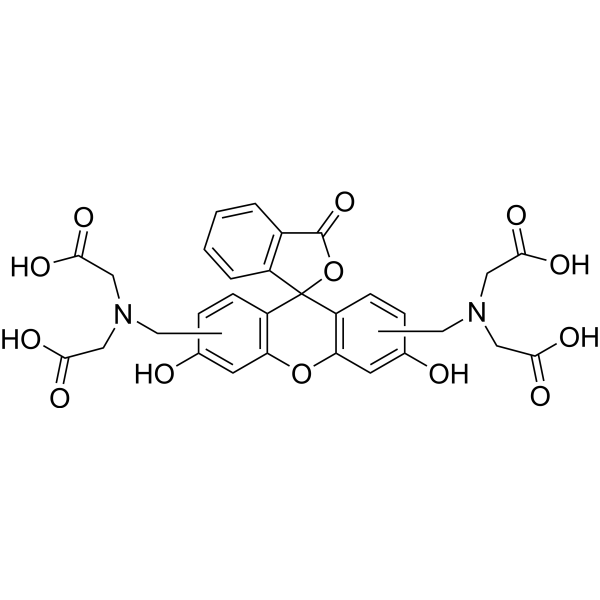
Calcein is a fluorescent dye and self-quenching probe, used as an indicator of lipid vesicle leakage, and also as a complexometric indicator for titration of calcium ions with EDTA, and for fluorometric determination of calcium. Calcein cannot directly cross the intact cell membrane of a living cell, unlike Calcein-AM (HY-D0041) which is cell-permeable. Calcein can also be used as a model drug for evaluating efficiency and bioavailability of drug delivery systems .
loading...
    loading...
13
13 Cited Publications
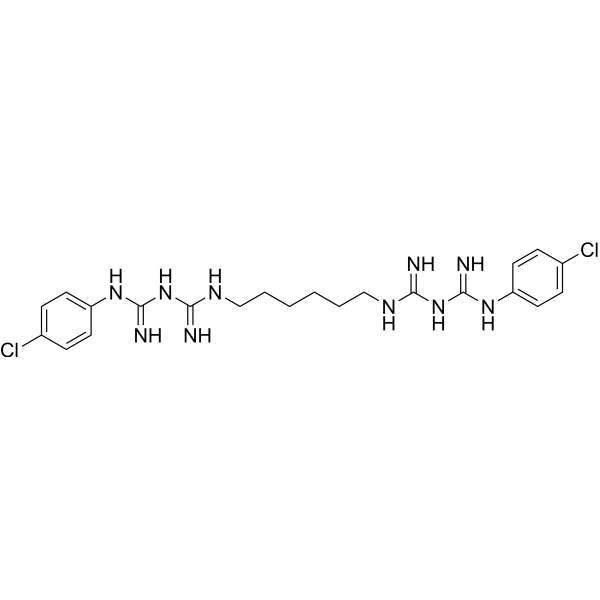
Cat. No.: HY-B1248
CAS No.: 55-56-1
Chlorhexidine is a orally active cationic antimicrobial agent that targets microbial cell membranes. Chlorhexidine binds to cell membrane phospholipids non-specifically, destroys membrane structure and induces leakage of cell contents. Chlorhexidine has broad-spectrum bactericidal activity against both Gram-positive and Gram-negative bacteria. Chlorhexidine can interfere with membrane permeability, cause protein precipitation and energy metabolism disorders, such as rapid inhibition of microbial growth and induction of cell death (necrosis or apoptosis) .
loading...
    loading...
13
13 Cited Publications
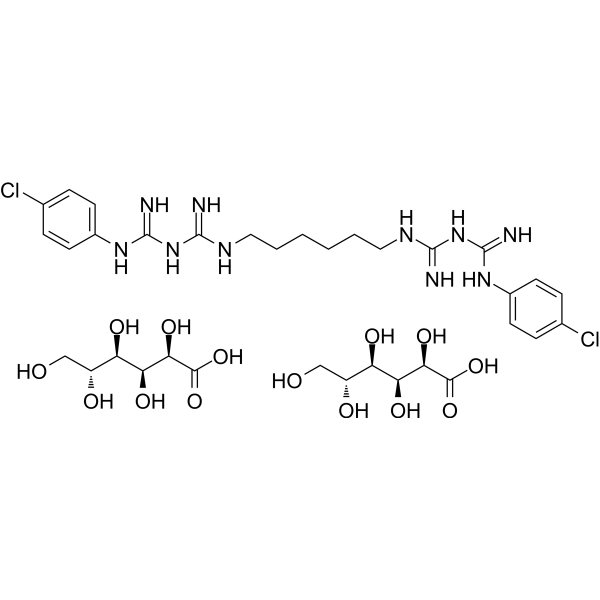
Cat. No.: HY-B0608
CAS No.: 18472-51-0
Chlorhexidine digluconate (20% in water) is a orally active cationic antimicrobial agent that targets microbial cell membranes. Chlorhexidine digluconate (20% in water) binds to cell membrane phospholipids non-specifically, destroys membrane structure and induces leakage of cell contents. Chlorhexidine digluconate (20% in water) has broad-spectrum bactericidal activity against both Gram-positive and Gram-negative bacteria. Chlorhexidine digluconate (20% in water) can interfere with membrane permeability, cause protein precipitation and energy metabolism disorders, such as rapid inhibition of microbial growth and induction of cell death (necrosis or apoptosis) .
loading...
    loading...
13
13 Cited Publications
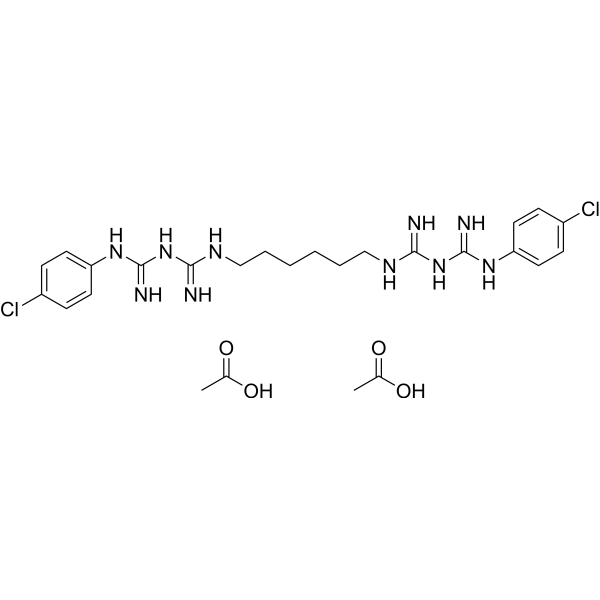
Cat. No.: HY-W013699
CAS No.: 56-95-1
Chlorhexidine diacetate is a orally active cationic antimicrobial agent that targets microbial cell membranes. Chlorhexidine diacetate binds to cell membrane phospholipids non-specifically, destroys membrane structure and induces leakage of cell contents. Chlorhexidine diacetate has broad-spectrum bactericidal activity against both Gram-positive and Gram-negative bacteria. Chlorhexidine diacetate can interfere with membrane permeability, cause protein precipitation and energy metabolism disorders, such as rapid inhibition of microbial growth and induction of cell death (necrosis or apoptosis) .
loading...
    loading...
13
13 Cited Publications
Cat. No.: HY-B1145
CAS No.: 3697-42-5
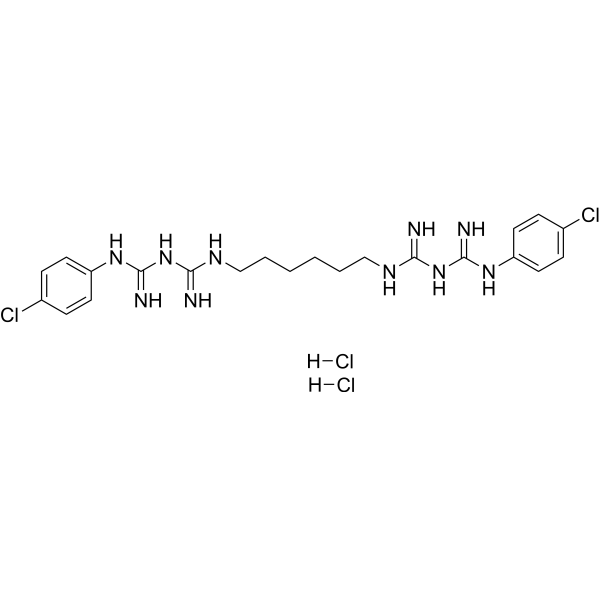
Chlorhexidine dihydrochloride is a orally active cationic antimicrobial agent that targets microbial cell membranes. Chlorhexidine dihydrochloride binds to cell membrane phospholipids non-specifically, destroys membrane structure and induces leakage of cell contents. Chlorhexidine dihydrochloride has broad-spectrum bactericidal activity against both Gram-positive and Gram-negative bacteria. Chlorhexidine dihydrochloride can interfere with membrane permeability, cause protein precipitation and energy metabolism disorders, such as rapid inhibition of microbial growth and induction of cell death (necrosis or apoptosis) .
loading...
    loading...
13
13 Cited Publications
Cat. No.: HY-15651
CAS No.: 848141-11-7
Purity:  99.87%
Synonyms: AZD9668
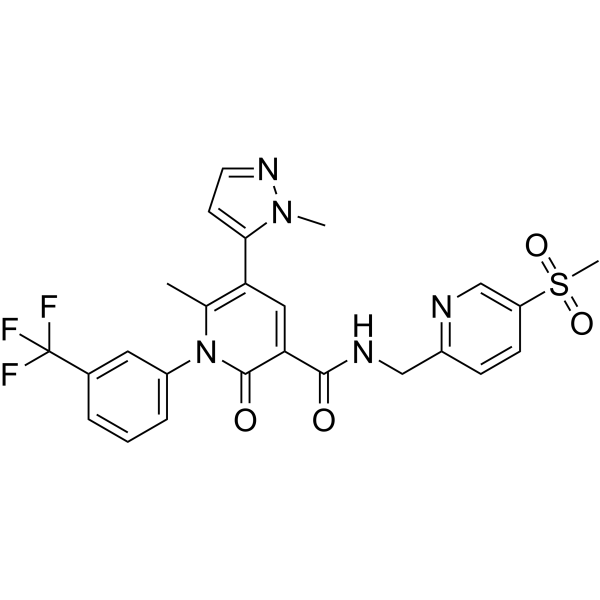
Alvelestat (AZD9668) is an orally active, selective inhibitor of neutrophil elastase. Alvelestat reduces elastase activity, myeloperoxidase release, neutrophil recruitment and activation, and calcium phosphate precipitation; promotes smooth muscle cell colonization and collagen deposition; and inhibits the formation of neutrophil extracellular traps (NETs) as well as NET-derived neutrophil elastase activity. Alvelestat restores endothelial dysfunction, regulates antioxidant factors, improves the expression of endothelial tight junctions, reduces vascular leakage, and accelerates wound healing. Alvelestat prevents pulmonary hemorrhage, matrix protein degradation, airspace enlargement, and small airway wall remodeling; and alleviates cigarette-induced inflammatory responses. Alvelestat inhibits the growth of abdominal aortic aneurysms exacerbated by Porphyromonas gingivalis. Alvelestat can be used in research related to chronic obstructive pulmonary disease, abdominal aortic aneurysm, radiation-induced skin injury, and bronchiectasis .
loading...
    loading...
2
2 Cited Publications
Cat. No.: HY-K1052

MCE Amphotericin B, Sterile (250 μg/mL) is a filtered and sterilized antibiotic solution that can be used directly in cell culture. Amphotericin B is a polyene antifungal antibiotic produced by Streptomyces nodosus. It can bind with sterols to form transmembrane channels, resulting in the leakage of intracellular substances, thus inhibiting fungal and yeast contamination.

loading...
    loading...
1
1 Cited Publications
Cat. No.: HY-N8015
CAS No.: 124-13-0
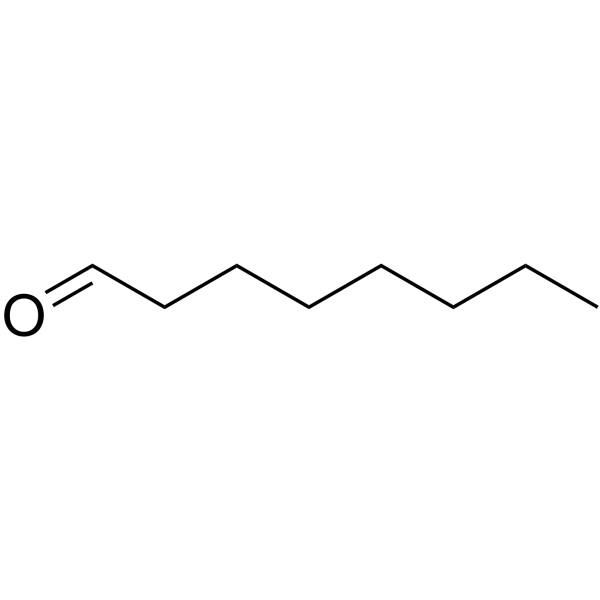
Octanal is a fragrant aldehyde with antioxidant and antibacterial activity. Its antifungal effect against G. citri-aurantii may be related to the disruption of cell membrane integrity and the leakage of cellular components. Additionally, Octanal exhibits cytotoxicity towards HeLa cells, with an IC50 value of 3.5 μg/mL .
loading...
    loading...
1
1 Cited Publications
Cat. No.: HY-127032
CAS No.: 75345-27-6
Purity:  ≥99.0%
Synonyms: Polidronium chloride
Research Areas:  

Infection

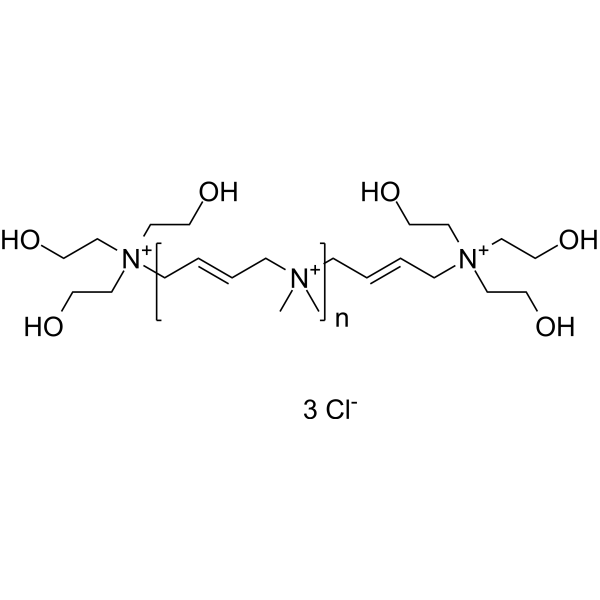
Polyquaternium-1 (Polidronium chloride; PQ-1) is an antimicrobial preservative and an activator of NF-κB. Polyquaternium-1 targets bacterial cell membranes, commonly used in ophthalmic surgery. Polyquaternium-1 adsorbs to the surface of microbial membranes through its polycationic properties, destroying membrane integrity and inducing potassium ion leakage, leading to bacterial death. Polyquaternium-1 exerts antimicrobial effects at a concentration of 0.001% and has low toxicity to mammalian cells. Polyquaternium-1 can be used to prepare products such as glaucoma eye drops (Travoprost preparations containing PQ-1), artificial tears, and contact lens solutions to reduce the ocular surface toxicity of traditional preservatives such as benzalkonium chloride (HY-B2232) .
loading...
    loading...
1
1 Cited Publications
Cat. No.: HY-16485
CAS No.: 560130-42-9
Synonyms: TD-6424 hydrochloride
Target:  

Antibiotic Bacterial

Research Areas:  

Infection

Telavancin hydrochloride (TD-6424 hydrochloride) is a bactericidal agent that exhibits inhibitory activity against Staphylococcus aureus. Telavancin hydrochloride inhibits bacterial cell wall synthesis by binding to the lipid-linked N-acetylglucosamine-N-muramyl pentapeptide (with a D-Ala-D-Ala terminus), a peptidoglycan precursor, and blocks the transglycosylation and transpeptidation steps. Telavancin hydrochloride disrupts bacterial membrane barrier function, induces dissipation of bacterial membrane potential, and causes leakage of cytoplasmic ATP and potassium ions, with its activity restricted exclusively to bacterial membranes. Telavancin hydrochloride can be used in research on bacterial infections, central venous catheter-related bloodstream infections, and Gram-positive bacterial pneumonia .
loading...
    loading...
1
1 Cited Publications
Cat. No.: HY-124298
CAS No.: 168482-84-6
Purity:  99.00%
Target:  

Fluorescent Dye

Research Areas:  

Others

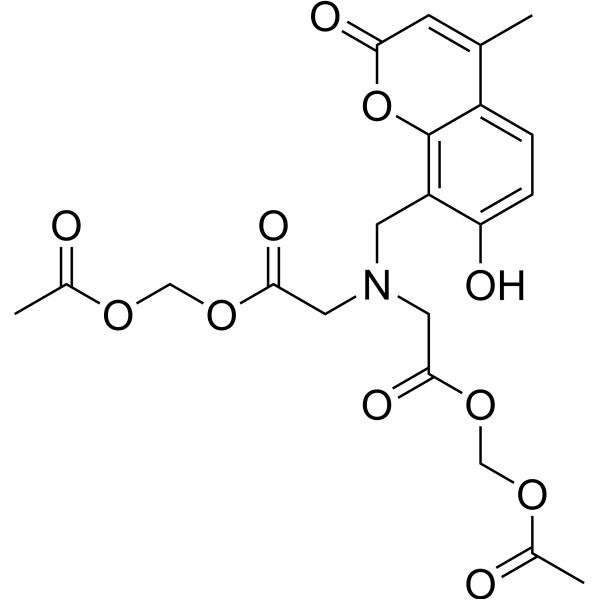
Calcein Blue AM is a cell staining agent. Calcein Blue AM serves as a substrate for intracellular esterases, which hydrolyze its acetoxymethyl (AM) ester group to convert the non-fluorescent reagent into fluorescent Calcein Blue. Calcein Blue AM passively penetrates the plasma membrane of both live and dead cells; it is converted into a polar fluorescent product and retained in the cytoplasm of live cells, whereas dead cells cannot retain the dye. Calcein Blue AM exhibits significant dye leakage, and its fluorescence intensity gradually decreases over time. Calcein Blue AM can be used for endpoint-based cell viability assays and short-term cell tracking experiments with a duration of no more than 4 hours.
loading...
    loading...
1
1 Cited Publications
Cat. No.: HY-N7435
CAS No.: 54814-64-1
Synonyms: (±)-Massoia lactone
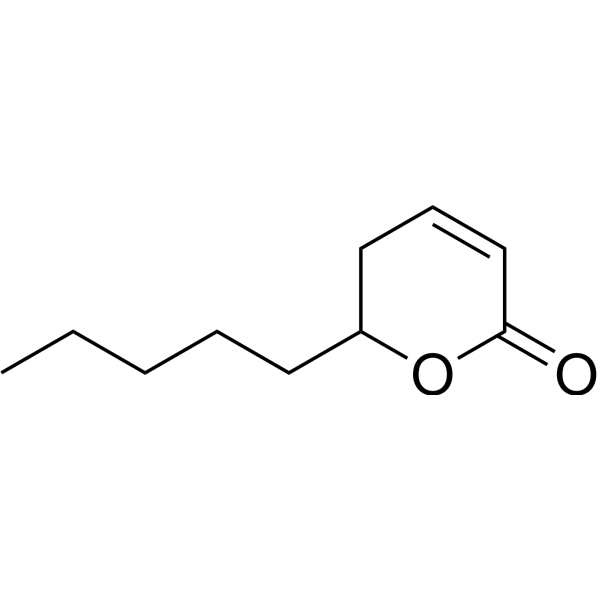
Massoia lactone ((±)-Massoia lactone) is a natural lactone-based biosurfactant with antifungal (fungal), antibiofilm, and cytotoxic activities. Massoia lactone inhibits fungal hyphal growth and spore germination, and induces fungal cell necrosis by forming membrane pores, reducing ergosterol, elevating ROS, and causing leakage of intracellular components. Massoia lactone inhibits the viability and proliferation of tumor cells. Massoia lactone degrades the extracellular polymeric substances of polymicrobial biofilms, penetrates the biofilm matrix, inhibits the growth of planktonic oral bacteria (bacterial), and reduces surface tension through its amphiphilic properties. Massoia lactone is a low-toxicity, biodegradable food additive with a coconut cream aroma, which can be used for flavor improvement and also serves as a quality control marker for Cs-4 mycelium. Massoia lactone can be used for research on Fusarium head blight, malignant tumors, and oral polymicrobial biofilm-associated dental diseases .
loading...
    loading...
Cat. No.: HY-P99116
CAS No.: 1607793-29-2
Synonyms: RG7716; RO-6867461
Faricimab, an overall good safety and tolerability profile, is a bispecific antibody targeting Angiopoietin-2 (Ang-2) and vascular endothelial growth factor-A (VEGF-A). Faricimab prevents retinal vascular leakage, cell death and inflammation in retinal ischemia/reperfusion (I/R) injury and sCNV mouse models. Faricimab demonstrates statistically superior visual acuity gains versus Ranibizumab (HY-P9951). Faricimab can be used for retinal diseases, such as age-related macular degeneration (w-AMD), diabetic macular edema (DME) and macular edema following retinal vein occlusion (RVO) .
loading...
    loading...
Cat. No.: HY-113446
CAS No.: 72025-60-6
Purity:  ≥95.0%
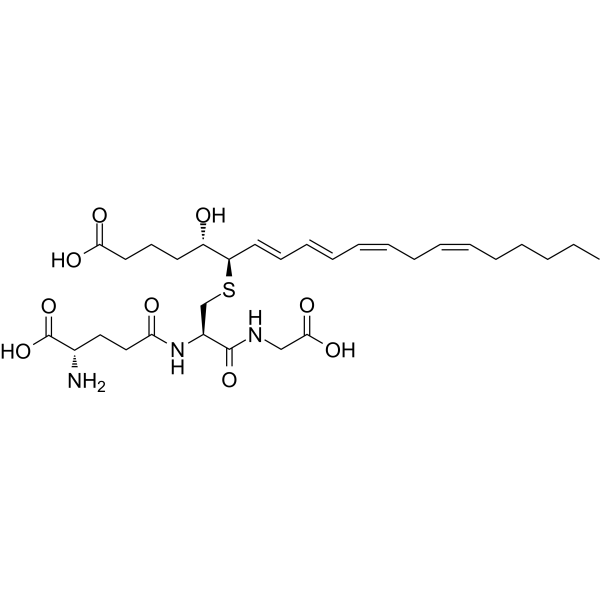
Leukotriene C4 is a eicosanoid lipid mediator and produced by immune cells during type 2 inflammation. Leukotriene C4 can mediate inflammation,allergy, bronchoconstriction, and vascular leakage .
loading...
    loading...
Cat. No.: HY-B1597
CAS No.: 122-18-9
Synonyms: Benzyldimethylhexadecylammonium chloride
Target:  

Bacterial

Research Areas:  

Infection Inflammation/Immunology

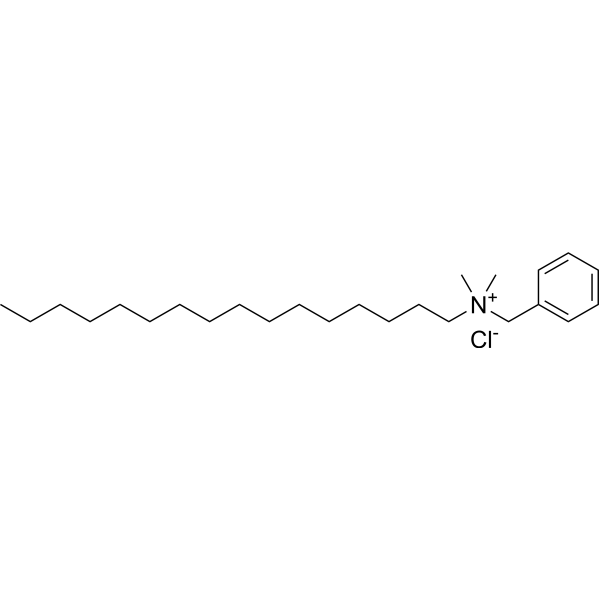
Cetalkonium chloride is an ammonium antiseptic agent used in many topical agents for infections of mouth, throat and eye. Cetalkonium chloride acts as anti-inflammatory amphiphilic agent. Cetalkonium chloride is a cationic surfactant, that improves the precorneal residence time and bioavailability of drugs. Cetalkonium chloride interacts with the negative charges on the bacterial cell membrane, disrupts the integrity of the cell membrane, causes leakage of cell contents and ultimately leading to bacterial death .
loading...
    loading...
Cat. No.: HY-N3677
CAS No.: 14351-29-2
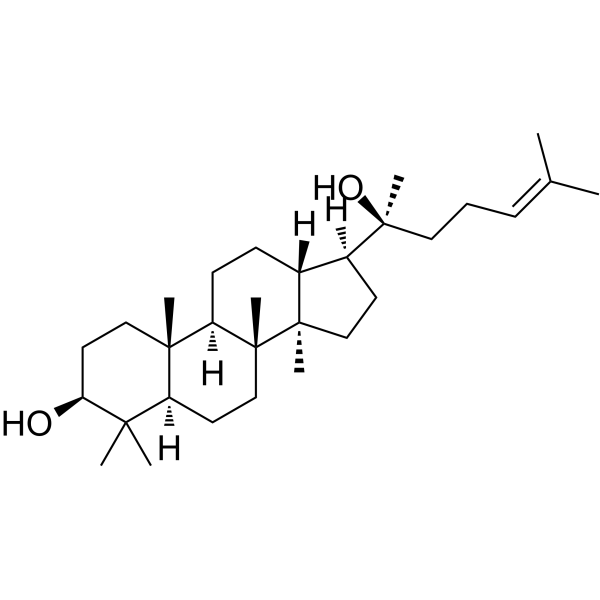
Dammarenediol II is a ginsenoside precursor . Dammarenediol II reduces the activity of O-GlcNAc transferase (OGT) and downregulates the global O-GlcNAcylation level. Dammarenediol II inhibits the phosphorylation of Akt, mTOR and GSK3β. Dammarenediol II inhibits human carboxylesterase activity, VEGF-induced ROS production, stress fiber formation and vascular endothelial cadherin disruption. Dammarenediol II promotes cell apoptosis (apoptosis), increases the levels of cleaved PARP1 and p53, and inhibits retinal microvascular leakage. Dammarenediol II can be used in studies related to liver cancer and diabetic retinopathy .
loading...
    loading...
Cat. No.: HY-D1249
CAS No.: 154071-48-4
Calcein (mixture of isomers), Calcein (HY-D0040) Derivative, is a fluorescent dye (Ex/Em = 495/515 nm). Calcein (mixture of isomers) can be used for the researches for live cell staining, calcium ion detection, bone fluorescence labeling and membrane permeability leakage detection.
loading...
    loading...
Cat. No.: HY-A0248B
CAS No.: 34503-87-2
Target:  

Antibiotic Bacterial

Research Areas:  

Infection Inflammation/Immunology

Polymyxin B2 is a polypeptide antibiotic with particularly potent antibacterial activity against Gram-negative bacteria. Polymyxin B2 kills bacteria by binding to lipopolysaccharide molecules on the bacterial cell membrane, disrupting membrane integrity and causing leakage of intracellular contents. Polymyxin B2 is used in studies related to Pseudomonas aeruginosa infection and acute enteritis .
loading...
    loading...
Cat. No.: HY-W099729
CAS No.: 70445-33-9
Target:  

Bacterial

Research Areas:  

Infection Inflammation/Immunology

Ethylhexylglycerin is an antibacterial agent. Ethylhexylglycerin can induce allergic contact dermatitis. Ethylhexylglycerin inhibits the growth of various bacteria, disrupts the integrity of bacterial cell membranes, and causes proton leakage, reduced ATP levels, morphological abnormalities, and DNA aggregation. Ethylhexylglycerin serves as a skin conditioning agent, deodorant active ingredient, and preservative synergist. Ethylhexylglycerin is applicable to research related to contact dermatitis and bacterial infections .
loading...
    loading...
Cat. No.: HY-N6663
CAS No.: 13466-78-9
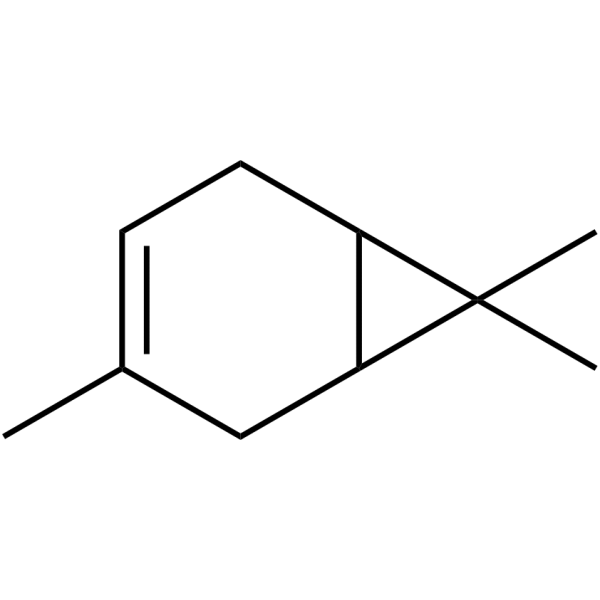
3-Carene is an orally active TCA cycle enzyme inhibitor. 3-Carene inhibits succinate dehydrogenase and malate dehydrogenase as well as pyruvate kinase, disrupting energy metabolism. 3-Carene disrupts cell wall and cell membrane integrity, leading to potassium ion leakage, protein leakage, membrane depolarization, ATP depletion, morphological disruption, and cell lysis. 3-Carene interferes with amino acid metabolism, pantothenate and CoA biosynthesis, purine and pyrimidine metabolism, and aminoacyl-tRNA biosynthesis. 3-Carene enhances GABA receptor-mediated synaptic responses. 3-Carene can be used in research on bacterial infections, inflammation, anxiety, and sleep disorders .
loading...
    loading...

