
249 Results for "

Classical conditioning

" in MedChemExpress (MCE) Product Catalog:
Products (249)

249 Results for "Classical conditioning" in MCE Product Catalog:

19
19 Publications Verification
Cat. No.: HY-P0216
CAS No.: 159432-28-7
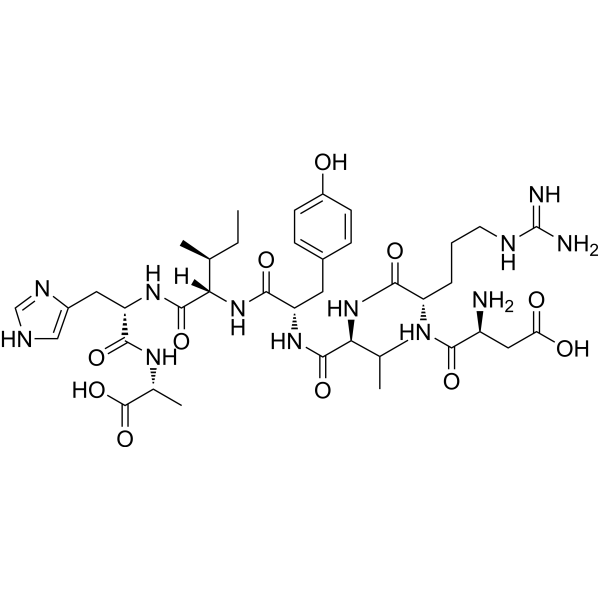
A 779 is a specific antagonist of G-protein coupled receptor (Mas receptor), which is an Ang1-7 receptor distinct from the classical AngII.
loading...
    loading...
8
8 Cited Publications
Cat. No.: HY-19870
CAS No.: 920014-72-8
Synonyms: RM-493; BIM-22493; IRC-022493
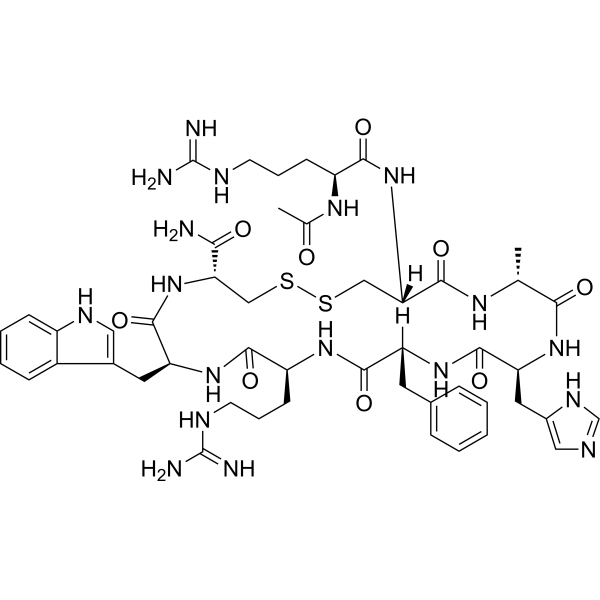
Setmelanotide (RM-493) is a blood-brain barrier-permeable, selective MC4R agonist with a Ki value of 2.1 nM for hMC4R. Setmelanotide activates the CaMKK2/AMPK signaling pathway. Setmelanotide mediates body weight homeostasis, feeding regulation and energy expenditure modulation; it reduces food intake, induces weight loss, decreases obesity severity, increases daytime activity and energy expenditure, lowers levels of leptin, triglycerides, fasting insulin and diastolic blood pressure, improves insulin sensitivity, glucose tolerance and fatty liver condition, and reverses respiratory depression. Setmelanotide is applicable to research related to obesity, hyperinsulinemia, fatty liver and respiratory depression .
loading...
    loading...
8
8 Cited Publications
Cat. No.: HY-19870C
CAS No.: 2759937-80-7
Synonyms: RM-493 monoacetate; BIM-22493 monoacetate; IRC-022493 monoacetate
Setmelanotide monoacetate (RM-493 monoacetate) is a blood-brain barrier-permeable, selective MC4R agonist with a Ki value of 2.1 nM for hMC4R. Setmelanotide monoacetate activates the CaMKK2/AMPK signaling pathway. Setmelanotide monoacetate mediates body weight homeostasis, feeding regulation and energy expenditure modulation; it reduces food intake, induces weight loss, decreases obesity severity, increases daytime activity and energy expenditure, lowers levels of leptin, triglycerides, fasting insulin and diastolic blood pressure, improves insulin sensitivity, glucose tolerance and fatty liver condition, and reverses respiratory depression. Setmelanotide monoacetate is applicable to research related to obesity, hyperinsulinemia, fatty liver and respiratory depression .
loading...
    loading...
7
7 Cited Publications
Cat. No.: HY-101884
CAS No.: 576-19-2
Purity:  99.91%
Synonyms: (+)-Biocytin
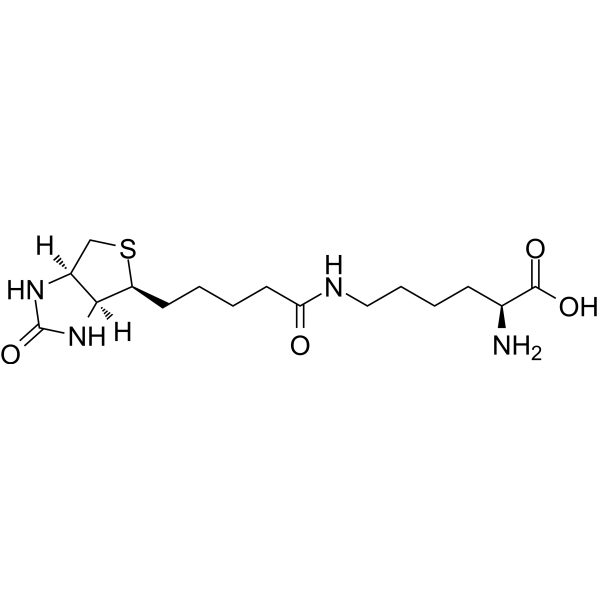
Biocytin is a conjugate of D-biotin and L-lysine, where the carboxylate of D-biotin is coupled with the -amine of L-lysine via a secondary amide bond. Biocytin is a classical neuroanatomical tracer commonly used to map brain connectivity. Biocytin is used as a versatile marker in anterograde, retrograde and intracellular neuroanatomical investigations and in biotinidase assays .
loading...
    loading...
6
6 Cited Publications
Cat. No.: HY-117800
CAS No.: 1564249-38-2
Purity:  99.85%
Synonyms: B106
Target:  

PKC Apoptosis

Research Areas:  

Inflammation/Immunology Cancer

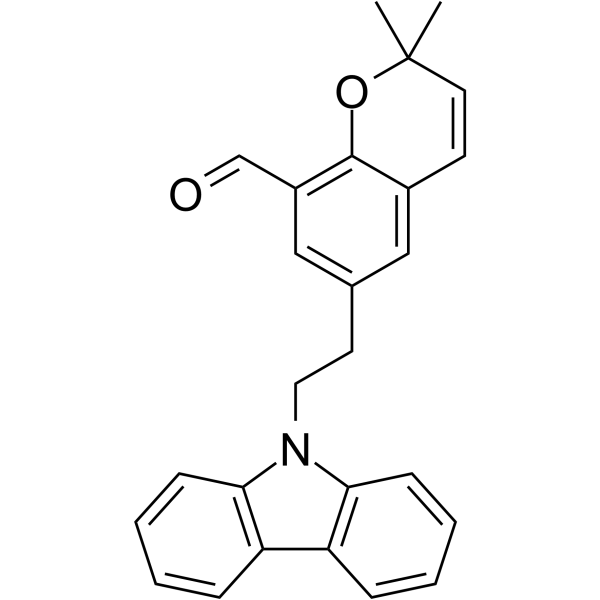
BJE6-106 (B106) is a potent, selective 3 rd generation PKCδ inhibitor with an IC50 of 0.05 μM and targets selectivity over classical PKC isozyme PKCα (IC50=50 μM). BJE6-106 (B106) induces caspase-dependent apoptosis. BJE6-106 (B106) possesses tumor-specific effect.
loading...
    loading...
5
5 Cited Publications
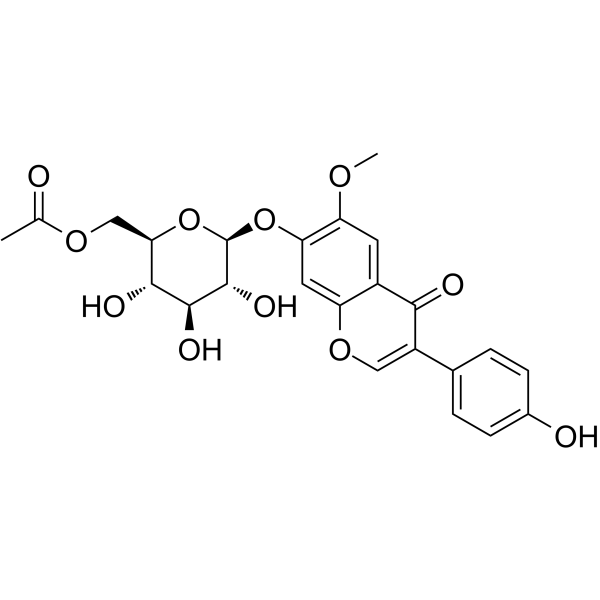
Cat. No.: HY-N4072
CAS No.: 134859-96-4
6''-O-Acetylglycitin, a acetyl glucoside, is one of the isoflavone isomer in soybeans, shows various extents of content reduction dependent on storage temperature, packaging condition, and its isoflavone isomer kind .
loading...
    loading...
5
5 Cited Publications
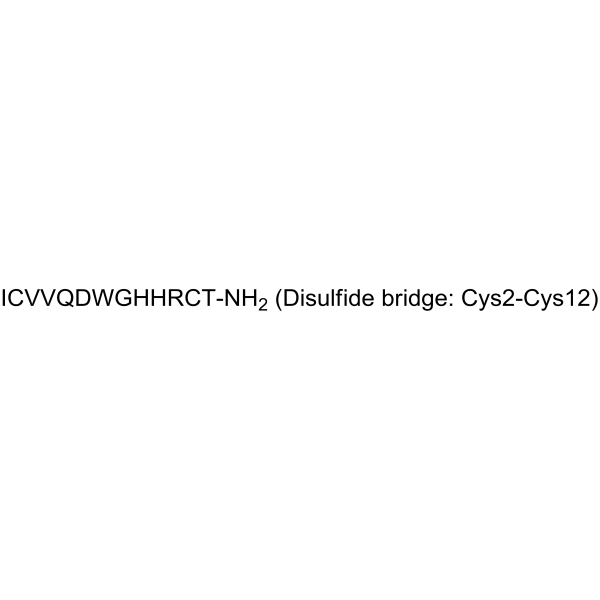
Cat. No.: HY-P1036
CAS No.: 206645-99-0
Target:  

Complement System

Research Areas:  

Others

Compstatin, a 13-residue cyclic peptide, is a potent inhibitor of the complement system C3 with species specificity. Compstatin binds to baboon C3 and is resistant to proteolytic cleavage in baboon blood (similar to humans). Compstatin inhibits only the activation of primates’ complement system. Compstatin exhibits IC50 values of 63 μM and 12 μM for classical and alterative complement pathway, respectively .
loading...
    loading...
5
5 Cited Publications
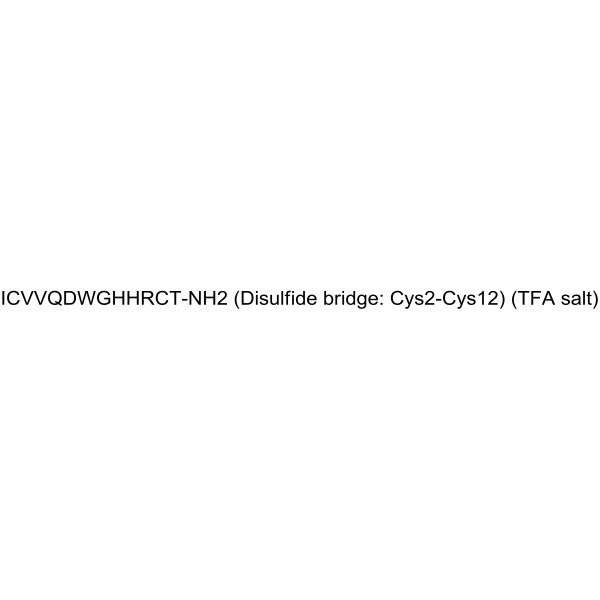
Cat. No.: HY-P1036A
Target:  

Complement System

Research Areas:  

Others

Compstatin TFA, a 13-residue cyclic peptide, is a potent inhibitor of the complement system C3 with species specificity. Compstatin TFA binds to baboon C3 and is resistant to proteolytic cleavage in baboon blood (similar to humans). Compstatin TFA inhibits only the activation of primates’ complement system. Compstatin TFA exhibits IC50 values of 63 μM and 12 μM for classical and alterative complement pathway, respectively .
loading...
    loading...
5
5 Cited Publications
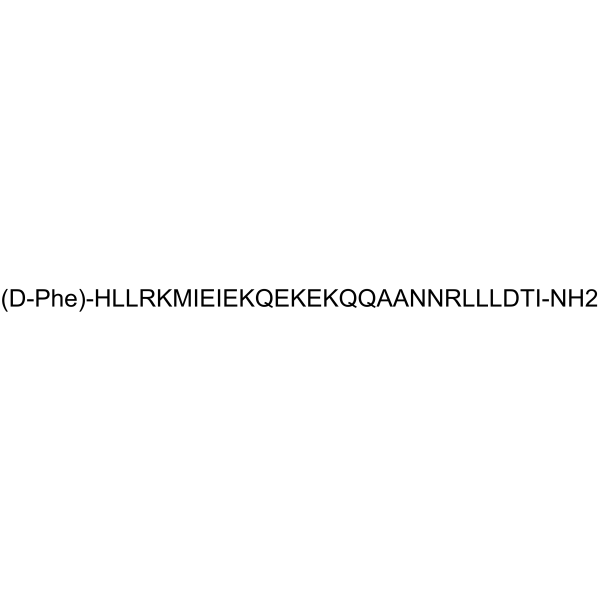
Cat. No.: HY-P1107
CAS No.: 220673-95-0
Synonyms: aSvg-30
Target:  

CRFR

Research Areas:  

Neurological Disease

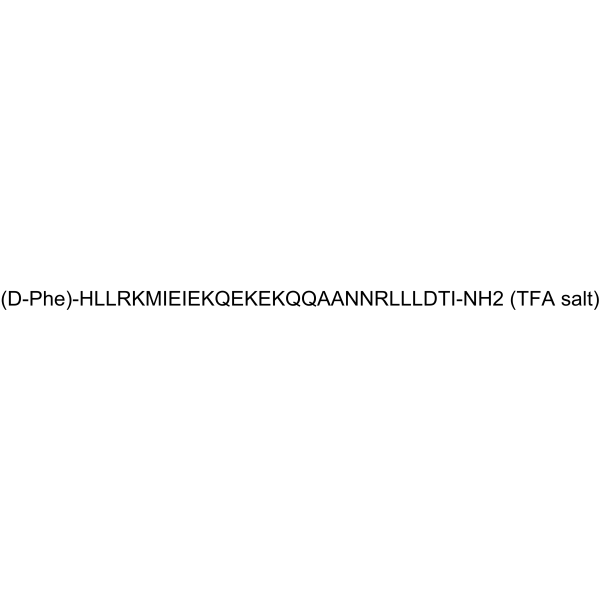
Antisauvagine-30 (aSvg-30) is a selective peptide antagonist of the CRF2 receptor, with an IC50 of 1.1 nM for mouse CRF2. Antisauvagine-30 modulates cAMP signaling, gastric emptying, food intake, fear conditioning, anxiety-like behavior, stress responses, corticosterone levels, c-Fos expression, and CRF expression. Antisauvagine-30 is used in studies of anxiety-related disorders .
loading...
    loading...
5
5 Cited Publications
Cat. No.: HY-P1107A
Synonyms: aSvg-30 TFA
Target:  

CRFR

Research Areas:  

Neurological Disease

Antisauvagine-30 TFA (aSvg-30 TFA) is a selective peptide antagonist of the CRF2 receptor, with an IC50 of 1.1 nM for mouse CRF2. Antisauvagine-30 TFA modulates cAMP signaling, gastric emptying, food intake, fear conditioning, anxiety-like behavior, stress responses, corticosterone levels, c-Fos expression, and CRF expression. Antisauvagine-30 TFA is used in studies of anxiety-related disorders .
loading...
    loading...
4
4 Cited Publications
Cat. No.: HY-110247
CAS No.: 433249-94-6
Purity:  99.67%
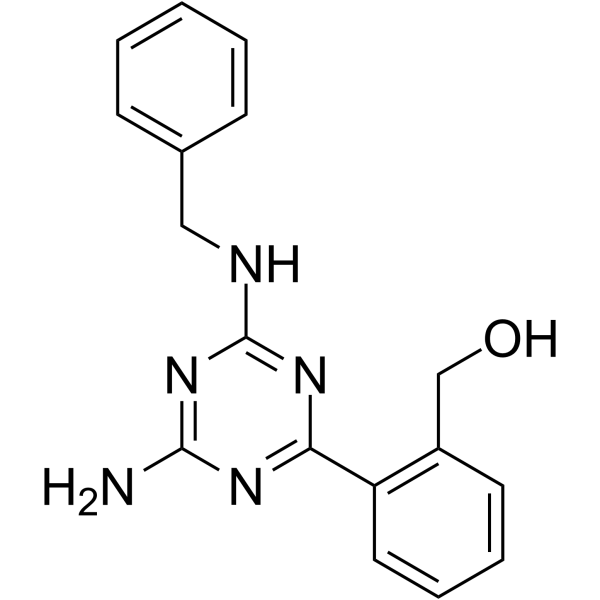
TRAF-STOP inhibitor 6877002 is a selective CD40-TRAF6 interaction inhibitor. TRAF-STOP inhibitor 6877002 exerts anti-atherosclerotic activity by blocking the CD40-TRAF6 signaling pathway, inhibiting classical monocyte activation, leukocyte recruitment, and macrophage activation and migration. TRAF-STOP inhibitor 6877002 reduces the phosphorylation levels of signaling intermediates in the canonical NF-κB pathway .
loading...
    loading...
3
3 Cited Publications
Cat. No.: HY-110279
CAS No.: 1309198-71-7
Purity:  99.58%
Target:  

GPR68

Research Areas:  

Neurological Disease

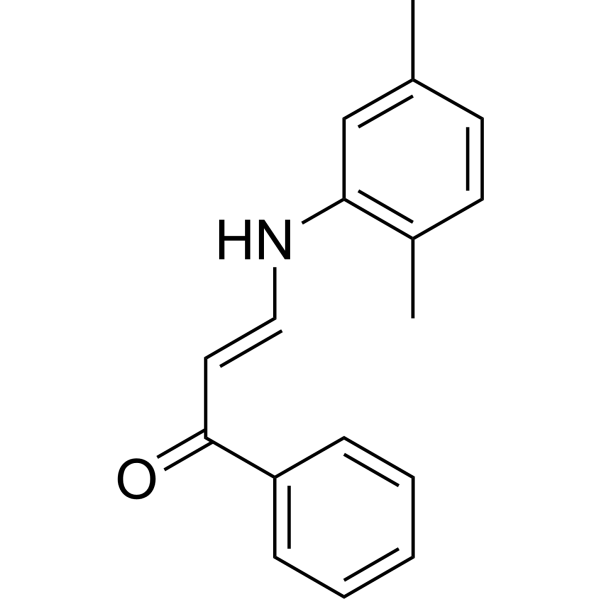
Ogerin, a chemical probe, is a selective GPR68 positive aliasing modulator (PAM) (pEC50=6.83) with a moderate antagonistic effect on A2A (Ki=220 nM). Ogerin inhibits the fear conditioning reflex in mice and also inhibits TGF-β-induced myofibroblast differentiation of fibroblasts from multiple organ systems. Ogerin can be used in the studies of fibrotic diseases and neurological disorders .
loading...
    loading...
3
3 Cited Publications
Cat. No.: HY-108628
CAS No.: 251356-45-3
Purity:  99.36
Target:  

PDGFR

Research Areas:  

Cancer

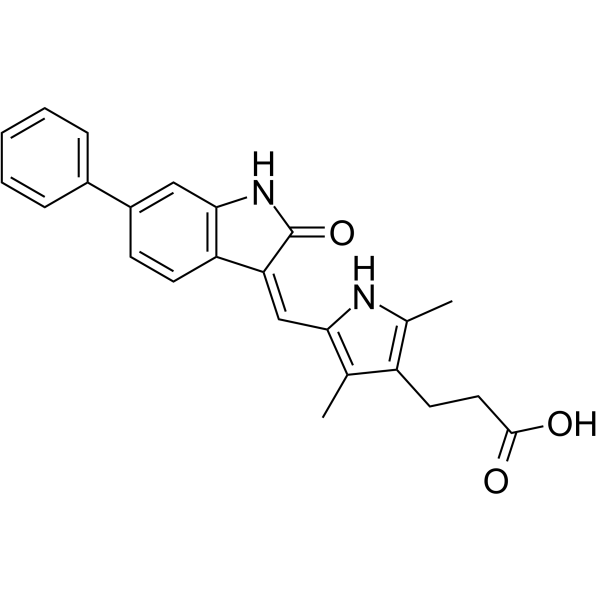
SU16f is a potent and selective PDGFRβ inhibitor with IC50s of 10 nM, 140 nM, 2.29 μM for PDGFRβ, VEGF-R2, FGF-R1, respectively . Neutralization of PDGFRβ receptor by SU16f blocks the promoting role of GC-MSCs (gastric cancer-derived mesenchymal stem cells) conditioned medium in gastric cancer cell proliferation and migration .
loading...
    loading...
3
3 Cited Publications
Cat. No.: HY-P99048
CAS No.: 2072873-06-2
Synonyms: IBI308

Target:  

PD-1/PD-L1

Research Areas:  

Inflammation/Immunology Cancer

Sintilimab (IBI308) is a safe and effectivel humanized IgG4 monoclonal antibody that binds to PD-1 with a KD value of 74 pM. Sintilimab blocks the interaction of PD-1 with its ligands (PD-L1 and PL-L2), consequently helping to restore the endogenous antitumour T-cell response. Sintilimab combined with prebiotics inhibits tumor volume and regulates immune cell subpopulation balance in lung adenocarcinoma mice. Sintilimab can be used for the research of classical Hodgkin's lymphoma, non-small cell lung cancer and oesophageal cancer .
loading...
    loading...
2
2 Cited Publications
Cat. No.: HY-41324
CAS No.: 911-40-0
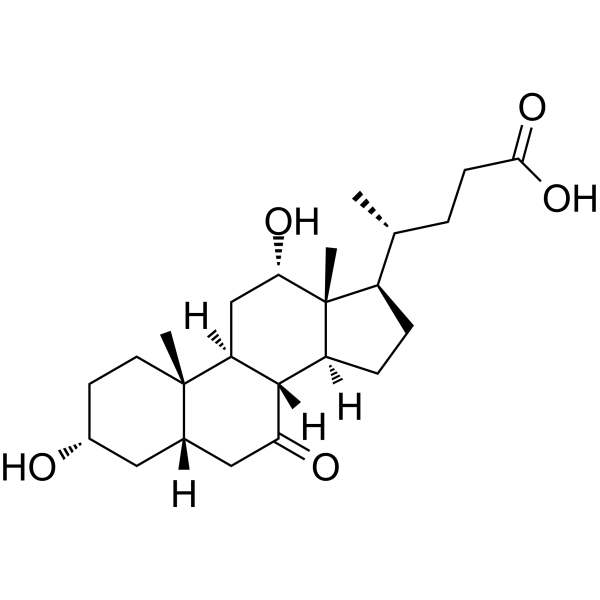
7-keto-Deoxycholic acid is a metabolite of bile acids in Clostridium absonum. 7-keto-Deoxycholic acid is also converted from Lactobacillus and Bifidobacterium with specific condition .
loading...
    loading...
2
2 Cited Publications
Cat. No.: HY-N0543
CAS No.: 97-59-6
Synonyms: 5-Ureidohydantoin
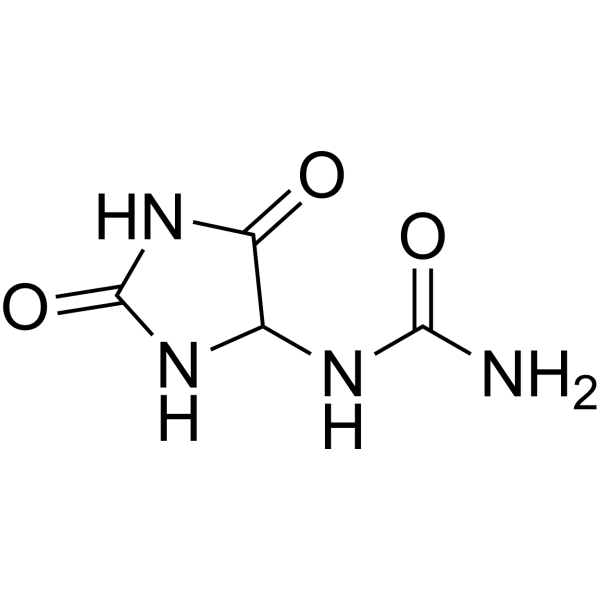
Allantoin is a skin conditioning agent that promotes healthy skin, stimulates new and healthy tissue growth.
loading...
    loading...
2
2 Cited Publications
Cat. No.: HY-P1284
CAS No.: 863987-12-6
Target:  

PKC

Research Areas:  

Neurological Disease Cancer

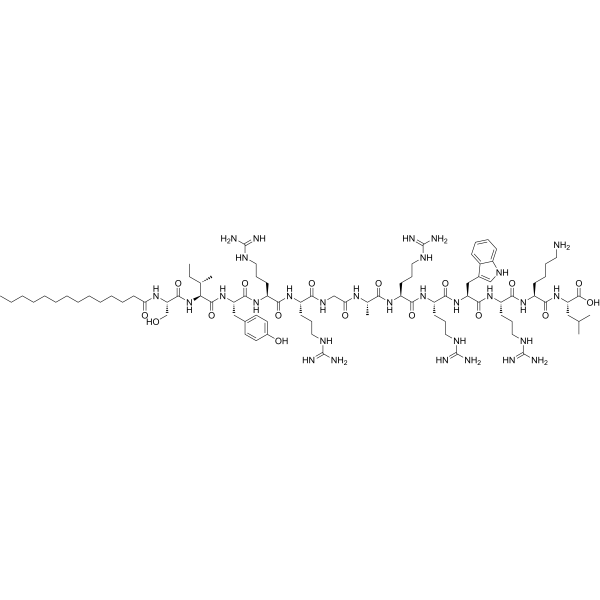
ZIP is a selective peptide inhibitor of PKMζ. ZIP injections can block the impairment in morphine conditioned place preference induced .
loading...
    loading...
2
2 Cited Publications
Cat. No.: HY-B1024
CAS No.: 16485-10-2
Synonyms: DL-Pantothenol; DL-Pantothenyl alcohol
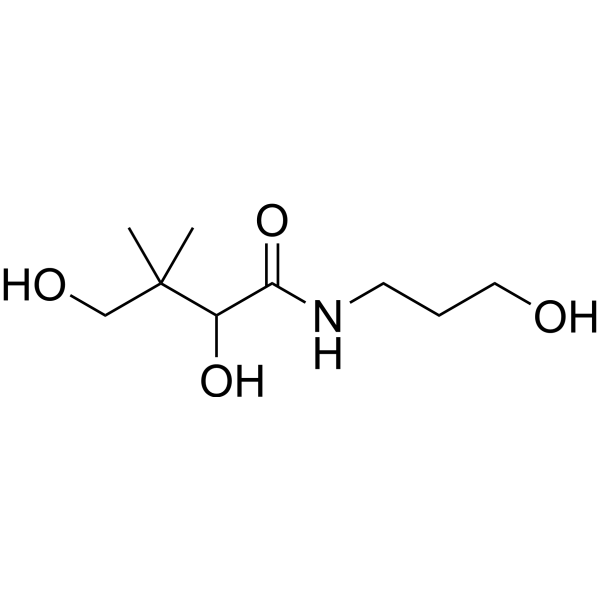
DL-Panthenol (DL-Pantothenol) is a precursor of pantothenic acid. DL-Panthenol easily penetrates the skin and has effects of deep moisturizing, promoting wound healing and anti-inflammation. DL-Panthenol can also be used as a hair conditioner in cosmetics. DL-Panthenol has low acute toxicity, non-sensitizing property, and no significant genotoxicity or reproductive and developmental toxicity. DL-Panthenol can be applied to the research of cosmetics .
loading...
    loading...
2
2 Cited Publications
Cat. No.: HY-101180
CAS No.: 3102-57-6
Purity:  99.85%
Synonyms: Ceramide 2
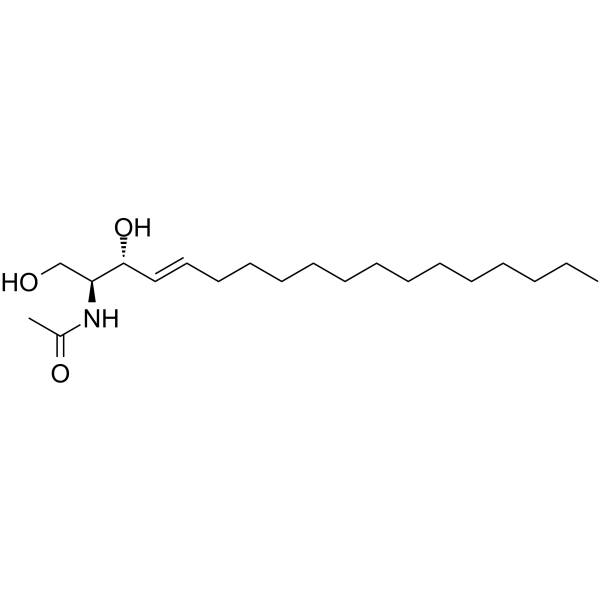
C2 Ceramide (Ceramide 2) is the main lipid of the stratum corneum and a protein phosphatase 1 (PP1) activator. C2 Ceramide activates PP2A and ceramide-activated protein phosphatase (CAPP). C2 Ceramide induces cells differentiation, autophagy and apoptosis, inhibits mitochondrial respiratory chain complex III. C2 Ceramide is also a skin conditioning agent that protects the epidermal barrier from water loss .
loading...
    loading...
2
2 Cited Publications
Cat. No.: HY-15543A
CAS No.: 1215721-40-6
Purity:  99.37%
Target:  

5-HT Receptor

Research Areas:  

Neurological Disease

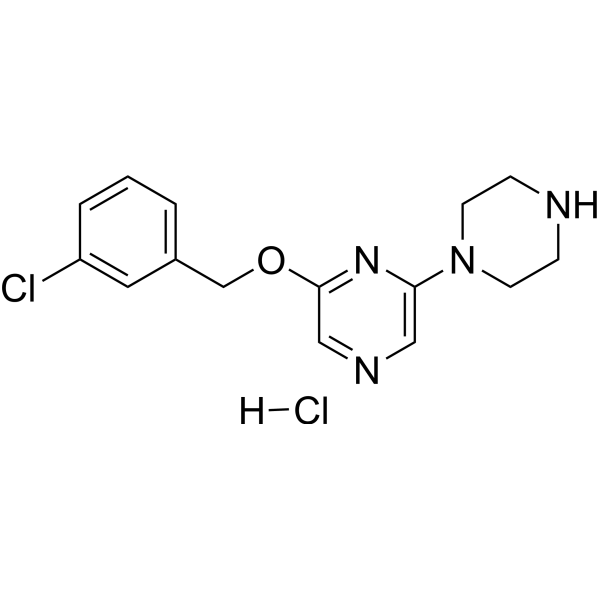
CP-809101 hydrochloride is a potent and highly selective 5-HT2C receptor agonist, with pEC50s of 9.96, 7.19 and 6.81 M for human 5HT2C, 5HT2B and 5HT2A receptor. CP-809101 hydrochloride inhibits conditioned avoidance responding in rats and antagonizes both PCP (phencyclidine hydrochloride)- and d-amphetamine-induced hyperactivity. CP-809101 hydrochloride also reduces food and nicotine dependence in rats, can be used in studies of antipsychotic and nicotine dependence .
loading...
    loading...

