35 Results for "

Cognitive behavior

" in MedChemExpress (MCE) Product Catalog:
Products (35)

35 Results for "Cognitive behavior" in MCE Product Catalog:
14
14 Publications Verification
Cat. No.: HY-12688A
CAS No.: 864167-45-3
Purity:  ≥98.0%
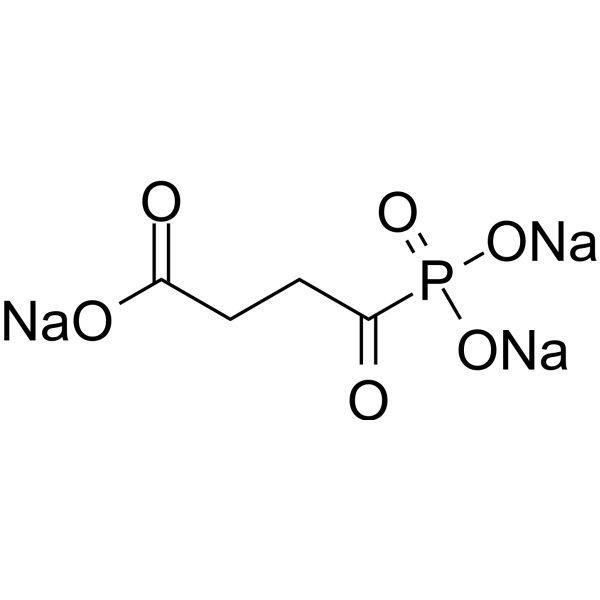
Succinyl phosphonate trisodium salt is a α-Ketoglutarate Dehydrogenase Complex (KGDHC) modulator with neuroprotective activity. Succinyl phosphonate trisodium salt protects this complex, reduces cellular succinyl-CoA concentration, downregulates protein succinylation levels, and inhibits the activity of the α-ketoglutarate dehydrogenase complex. Succinyl phosphonate trisodium salt corrects hypoxic or ethanol-induced behavioral impairments, modulates exploratory behavior and emotional stress responses, and improves hypoxia tolerance. Succinyl phosphonate trisodium salt reduces glutamate excitotoxicity, restores the activity of the α-ketoglutarate dehydrogenase complex, reverses the changes in glutamate dehydrogenase and glutamine synthetase activities induced by β-amyloid (Amyloid-β), modulates cognitive function, and prevents β-amyloid-induced neuronal damage. Succinyl phosphonate trisodium salt improves microglial senescence, alleviates neuroinflammation, reactive oxygen species (ROS) production, lipid peroxidation, and the expression of proinflammatory cytokines. Succinyl phosphonate trisodium salt can be used in the research of Alzheimer's disease, aging-related neuroinflammation, and Parkinson's disease .
loading...
    loading...
3
3 Cited Publications
Cat. No.: HY-12700
CAS No.: 1043495-96-0
Purity:  98.75%
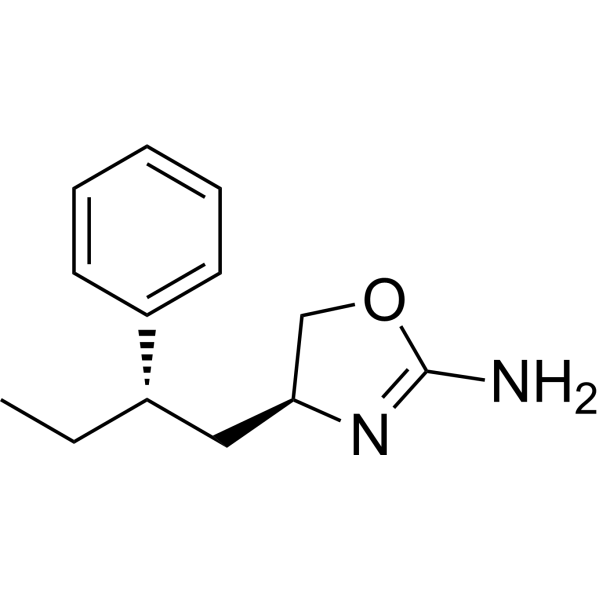
RO5256390 is an orally effective trace amine associated receptor 1 (TAAR1) agonist. RO5256390 exhibits pro-cognitive and antidepressant-like properties in rodent and primate models, showing similar brain activation patterns to Olanzapine (HY-14541). RO5256390 blocks compulsive overeating behavior in rats. RO5256390 can inhibit ATP (HY-B2176)-induced TNF secretion in mouse bone marrow-derived macrophages .
loading...
    loading...
1
1 Cited Publications
Cat. No.: HY-W250122
CAS No.: 32221-81-1
Synonyms: Monosodium glutamate
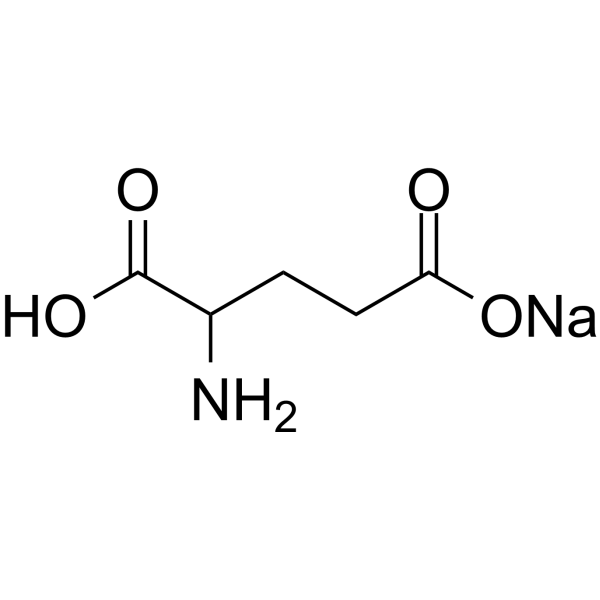
Glutamic acid sodium salt (Monosodium glutamate) is an orally active food flavor enhancer. Glutamic acid sodium salt causes ROS generation, mitochondrial dysfunction, and Apoptosis. Glutamic acid sodium salt upregulates CHOP, Grp78, and Bcl-2. Glutamic acid sodium salt impairs cognition, induces depressive-like behavior, induces hyperalgesia, and induces obesity and insulin resistance. Glutamic acid sodium salt can be used to study neurotoxicity (e.g., brain damage, cognitive impairment), metabolic disorders (e.g., obesity, insulin resistance), hepatotoxicity, and renal toxicity, as well as pain-related disorders .
loading...
    loading...
Cat. No.: HY-103111
CAS No.: 1215566-78-1
Purity:  99.10%
Target:  

mGluR

Research Areas:  

Neurological Disease

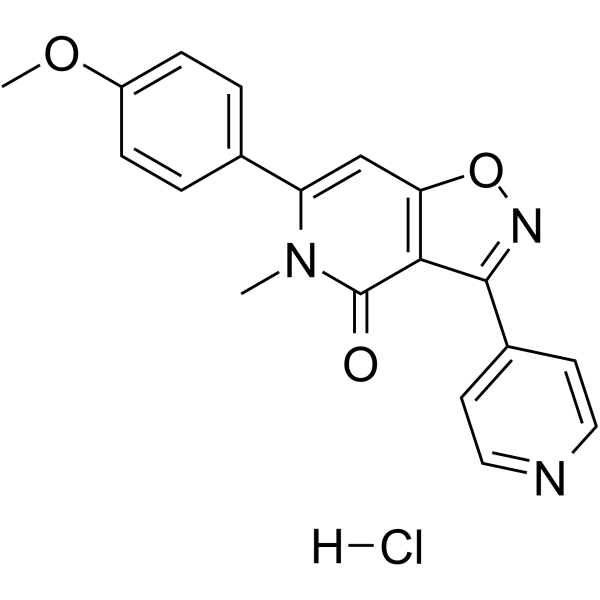
MMPIP hydrochloride is an allosteric metabotropic glutamate receptor 7 (mGluR7) selective antagonist (KB values 24 -30 nM). MMPIP hydrochloride acts as a pharmacological tool for elucidating the roles of mGluR7 on central nervous system functions. MMPIP hydrochloride alleviates pain and normalizes affective and cognitive behavior in neuropathic mice .
loading...
    loading...
Cat. No.: HY-132806
CAS No.: 2230009-48-8
Purity:  99.93%
Synonyms: RG-7816; RO-7017773
Target:  

GABA Receptor

Research Areas:  

Neurological Disease

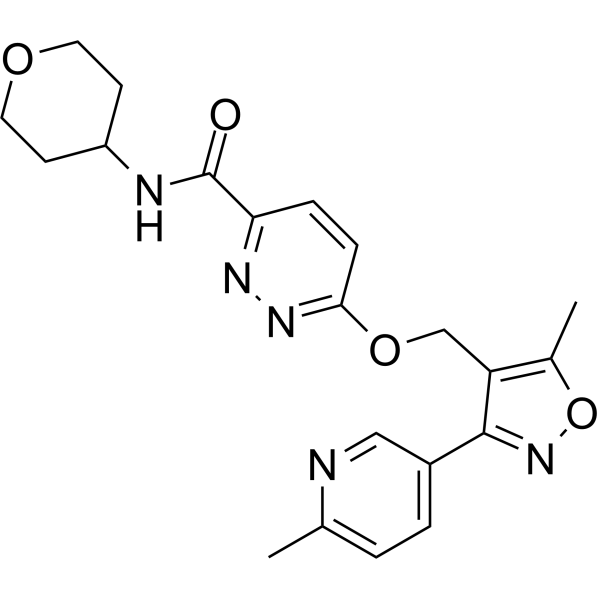
Alogabat is a positive allosteric modulator (PAM) and agonist (Ki <100 nM) of the GABAA α5 receptor, targeting the α5β3γ2 subunit with a Ki of 8.7 nM. Alogabat increases the expression level of α5β3γ2 in oocytes (1.97-fold). GABAA has been implicated in cognitive impairment associated with central nervous system (CNS) disorders, brain cancer (including brain tumors such as medulloblastoma), and can be used in the study of mild cognitive impairment (MCI), amnestic MCI (aMCI), age-associated memory impairment (AAMI), age-related cognitive decline (ARCD), dementia, Alzheimer's disease (AD), prodromal AD, post-traumatic stress disorder (PTSD), schizophrenia, bipolar disorder, amyotrophic lateral sclerosis (ALS), cognitive impairment associated with cancer treatment, mental retardation, Parkinson's disease (PD), autism spectrum disorder, fragile X, Rett syndrome, obsessive-compulsive behavior, and substance addiction .
loading...
    loading...
Cat. No.: HY-172550
CAS No.: 3095336-10-7
Target:  

HCN Channel

Research Areas:  

Neurological Disease

MS7710 is a hyperpolarization-activated cyclic nucleotide-gated (HCN) channel inhibitor with blood-brain barrier permeability and an excellent brain/plasma concentration ratio. MS7710 inhibits HCN channel-mediated Ih current, and reduces the firing frequency and burst activity of dopaminergic neurons in the ventral tegmental area. MS7710 ameliorates chronic social defeat stress-induced deficits in social interaction and impairments in reward-related cognitive flexibility in mice. MS7710 exerts only limited effects on ventral tegmental area dopaminergic neuron activity, social interaction, exploratory behavior, locomotor activity or sucrose preference in control mice. MS7710 is applicable to the research of major depressive disorder .
loading...
    loading...
Cat. No.: HY-17549
CAS No.: 63547-13-7
Synonyms: CRL 40028
Target:  

Adrenergic Receptor

Research Areas:  

Neurological Disease

Adrafinil (CRL 40028) is an orally active vigilance promoting agent. Adrafinil enhances central noradrenergic transmission, improves spontaneous activity, exploratory behavior, discriminative learning ability and response motivation, but impairs visuospatial working memory. Adrafinil antagonizes Prazosin (HY-B0193)-induced hypoactivity and hypothermia, exerts anticonvulsant effects, and induces sustained enhancement of high-frequency electrocortical activity. Adrafinil can be used for research on decreased alertness and specific cognitive deficits .
loading...
    loading...
Cat. No.: HY-W017424
CAS No.: 136-95-8
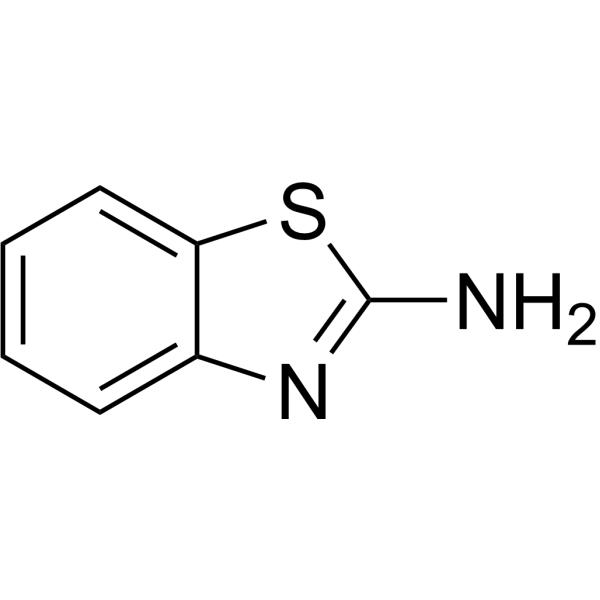
2-Aminobenzothiazole acts as a caspase 3/7 activator, an anticancer cytotoxic agent, and also exhibits neurotoxicity. 2-Aminobenzothiazole drives the apoptotic pathway by activating caspase 3/7, induces mitochondrial inner membrane depolarization, and triggers both early and late apoptosis via a caspase-dependent pathway. In zebrafish models, 2-Aminobenzothiazole induces oxidative damage in brain tissues and inhibits genes related to GABA and 5-HT synthesis pathways. Long-term exposure to 2-Aminobenzothiazole impairs motor ability, social behavior, anxiety-like state and cognitive function. 2-Aminobenzothiazole can be used in studies of human laryngeal carcinoma and related neurotoxicity .
loading...
    loading...
Cat. No.: HY-N1414
CAS No.: 139891-98-8
Category:  

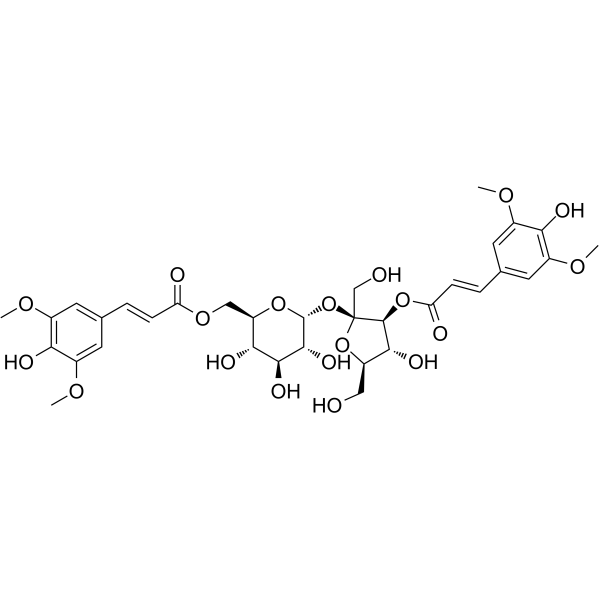
Simple Phenylpropanols Polygalaceae Extract Phenols Polyphenols Phenylpropanoids Plants 500 - Internal Server Error | MedChemExpress

Oops!

Sorry, Something went wrong on our server.
Our team has been notified and is working to fix the issue.