53 Results for "

Collagen formation

" in MedChemExpress (MCE) Product Catalog:
Products (53)

53 Results for "Collagen formation" in MCE Product Catalog:

266
266 Publications Verification
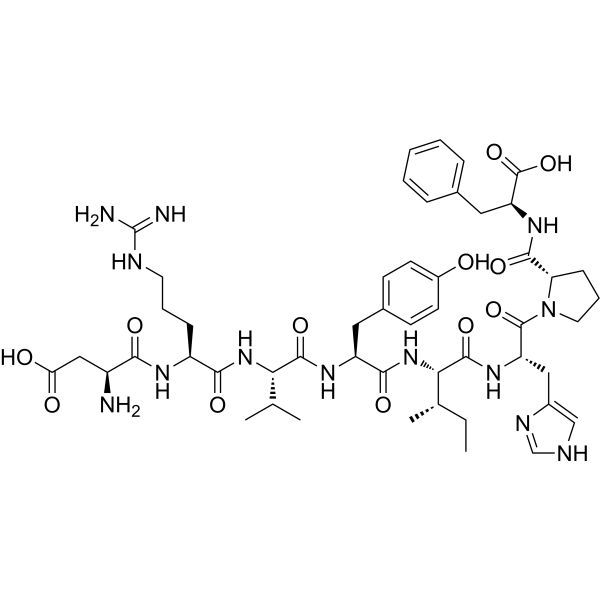
Cat. No.: HY-13948
CAS No.: 4474-91-3
Purity:  99.98%
Synonyms: Angiotensin II; Ang II; DRVYIHPF
Angiotensin II (Angiotensin II) is a vasoconstrictor and a major bioactive peptide of the renin/angiotensin system. Angiotensin II human plays a central role in regulating human blood pressure, which is mainly mediated by interactions between Angiotensin II and the G-protein-coupled receptors (GPCRs) Angiotensin II type 1 receptor (AT1R) and Angiotensin II type 2 receptor (AT2R). Angiotensin II human stimulates sympathetic nervous stimulation, increases aldosterone biosynthesis and renal actions. Angiotensin II human induces growth of vascular smooth muscle cells, increases collagen type I and III synthesis in fibroblasts, leading to thickening of the vascular wall and myocardium, and fibrosis. Angiotensin II human also induces apoptosis. Angiotensin II induces capillary formation from endothelial cells via the LOX-1 dependent redox-sensitive pathway .
loading...
    loading...
266
266 Publications Verification
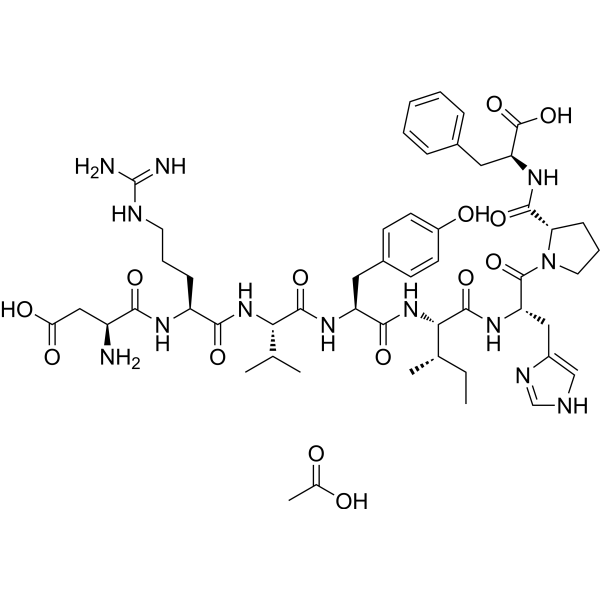
Cat. No.: HY-13948A
CAS No.: 68521-88-0
Purity:  99.62%
Synonyms: Angiotensin II acetate; Ang II acetate; DRVYIHPF acetate
Angiotensin II human (Angiotensin II) acetate is a vasoconstrictor and a major bioactive peptide of the renin/angiotensin system. Angiotensin II human acetate plays a central role in regulating human blood pressure, which is mainly mediated by interactions between Angiotensin II and the G-protein-coupled receptors (GPCRs) Angiotensin II type 1 receptor (AT1R) and Angiotensin II type 2 receptor (AT2R). Angiotensin II human acetate stimulates sympathetic nervous stimulation, increases aldosterone biosynthesis and renal actions. Angiotensin II human acetate induces growth of vascular smooth muscle cells, increases collagen type I and III synthesis in fibroblasts, leading to thickening of the vascular wall and myocardium, and fibrosis. Angiotensin II human acetate also induces apoptosis. Angiotensin II human acetate induces capillary formation from endothelial cells via the LOX-1 dependent redox-sensitive pathway .
loading...
    loading...
266
266 Publications Verification
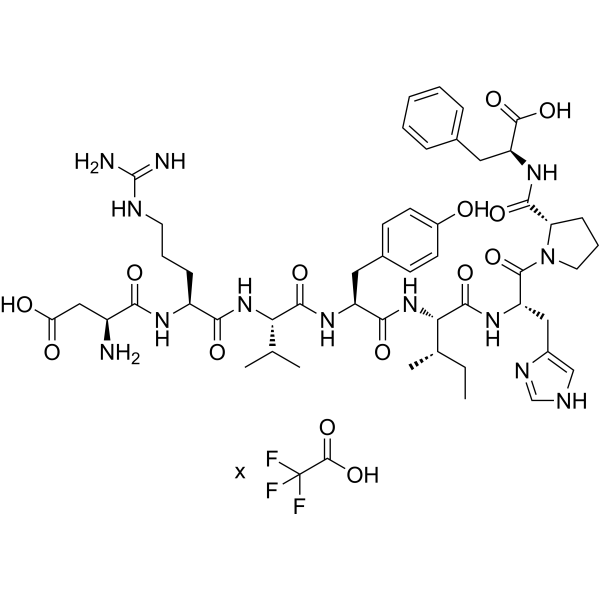
Cat. No.: HY-13948B
CAS No.: 2761969-44-0
Purity:  98.84%
Synonyms: Angiotensin II TFA; Ang II TFA; DRVYIHPF TFA
Angiotensin II human (Angiotensin II) TFA is a vasoconstrictor and a major bioactive peptide of the renin/angiotensin system. Angiotensin II human TFA plays a central role in regulating human blood pressure, which is mainly mediated by interactions between Angiotensin II and the G-protein-coupled receptors (GPCRs) Angiotensin II type 1 receptor (AT1R) and Angiotensin II type 2 receptor (AT2R). Angiotensin II human TFA stimulates sympathetic nervous stimulation, increases aldosterone biosynthesis and renal actions. Angiotensin II human TFA induces growth of vascular smooth muscle cells, increases collagen type I and III synthesis in fibroblasts, leading to thickening of the vascular wall and myocardium, and fibrosis. Angiotensin II human TFA also induces apoptosis. Angiotensin II human TFA induces capillary formation from endothelial cells via the LOX-1 dependent redox-sensitive pathway .
loading...
    loading...
61
61 Cited Publications
Cat. No.: HY-123606
CAS No.: 1652629-23-6
GSK484 is a PAD4 inhibitor that effectively inhibits protein citrullination and the formation of neutrophil extracellular traps (NETs) by blocking the catalytic activity of PAD4. GSK484 suppresses the production of histone H3, MHC-I expression, CD8 + T cell activation, proliferation and inflammatory cytokine release. GSK484 reduces inflammation and bone destruction in collagen-induced rheumatoid arthritis, alleviates pain and mast cell activation in sickle cell disease, and improves myocardial ischemia-reperfusion injury and experimental colitis. In addition, GSK484 restores intestinal microbial homeostasis by reversing ferroptosis-induced dysbiosis. GSK484 can be used to study the disease mechanisms of rheumatoid arthritis, sickle cell disease, thrombosis, myocardial injury, colitis and other conditions .
loading...
    loading...
34
34 Cited Publications
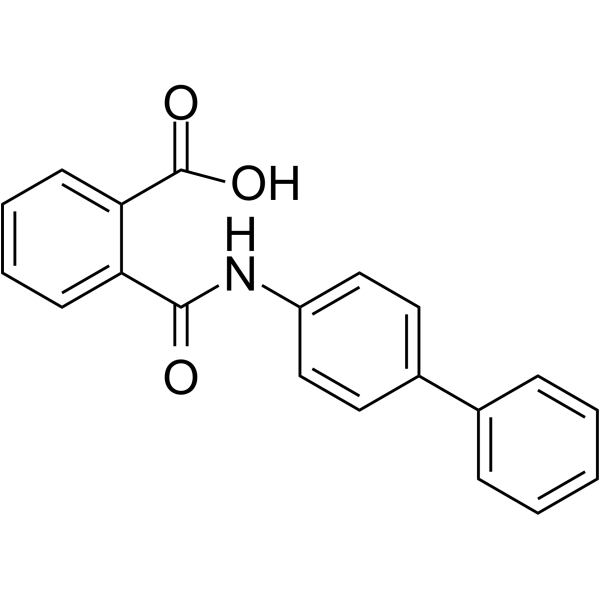
Cat. No.: HY-16268
CAS No.: 4727-31-5
Synonyms: KGN
Target:  

TGF-beta/Smad

Research Areas:  

Inflammation/Immunology

Kartogenin (KGN) is an inducer of chondrogenic tissue formation (EC50: 100 nM). Kartogenin induces chondrogenesis by binding to fibrin A, disrupting its interaction with the transcription factor core binding factor beta subunit (CBFβ), and by modulating the CBFβ-RUNX1 transcriptional program. Kartogenin also promotes tendon-bone junction (TBJ) wound healing by stimulating collagen synthesis. Kartogenin is widely used in cell-free therapy in the field of regeneration for cartilage regeneration and protection, tendon-bone healing, wound healing and limb development. Kartogenin promotes cartilage repair, coordinates limb development, and is also used in osteoarthritis (OA) research .
loading...
    loading...
34
34 Cited Publications
Cat. No.: HY-16268A
CAS No.: 1401168-39-5
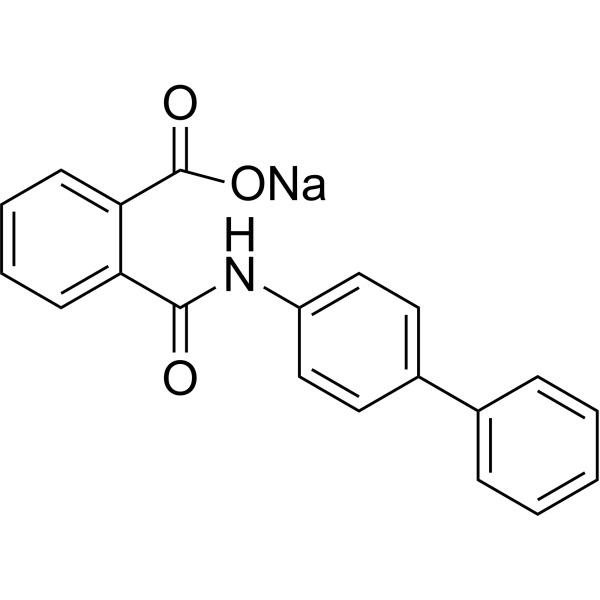
Synonyms: KGN sodium
Target:  

TGF-beta/Smad

Research Areas:  

Inflammation/Immunology

Kartogenin (KGN) sodium is an inducer of chondrogenic tissue formation (EC50: 100 nM). Kartogenin sodium induces chondrogenesis by binding to fibrin A, disrupting its interaction with the transcription factor core binding factor beta subunit (CBFβ), and by modulating the CBFβ-RUNX1 transcriptional program. Kartogenin sodium also promotes tendon-bone junction (TBJ) wound healing by stimulating collagen synthesis. Kartogenin sodium is widely used in cell-free therapy in the field of regeneration for cartilage regeneration and protection, tendon-bone healing, wound healing and limb development. Kartogenin sodium promotes cartilage repair, coordinates limb development, and is also used in osteoarthritis (OA) research .
loading...
    loading...
13
13 Cited Publications
Cat. No.: HY-103701A
CAS No.: 113170-55-1
Purity:  99.97%
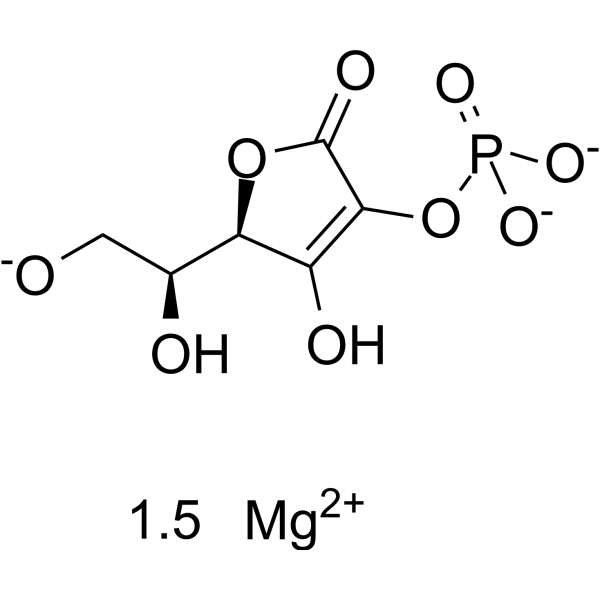
Synonyms: 2-Phospho-L-ascorbic acid magnesium; LAA2P magnesium
L-Ascorbic acid 2-phosphate magnesium (2-Phospho-L-ascorbic acid magnesium) is a long-acting vitamin C derivative that can stimulate collagen formation and expression . L-Ascorbic acid 2-phosphate magnesium (2-Phospho-L-ascorbic acid magnesium) can be used as a culture medium supplement for the osteogenic differentiation of human adipose stem cells (hASCs). L-Ascorbic acid 2-phosphate magnesium (2-Phospho-L-ascorbic acid magnesium) increases alkaline phosphatase (ALP) activity and expression of runx2A in hASCs during the osteogenic differentiation .
loading...
    loading...
13
13 Cited Publications
Cat. No.: HY-107837
CAS No.: 66170-10-3
Purity:  99.45%
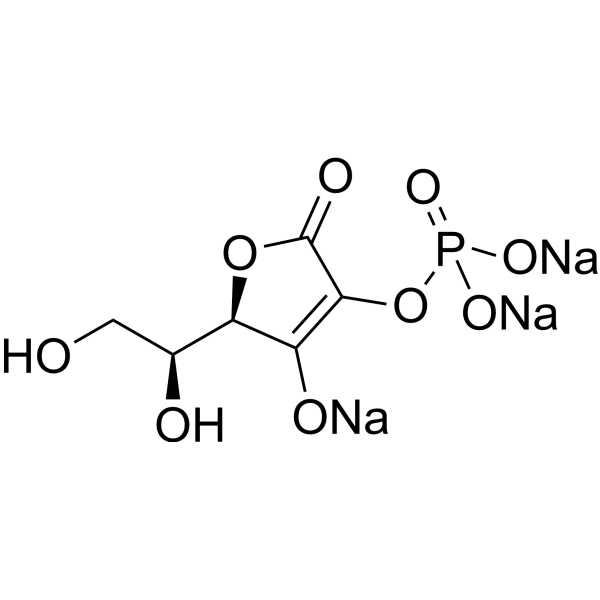
Synonyms: 2-Phospho-L-ascorbic acid trisodium
L-Ascorbic acid 2-phosphate trisodium (2-Phospho-L-ascorbic acid trisodium) is a long-acting vitamin C derivative that can stimulate collagen formation and expression . L-Ascorbic acid 2-phosphate trisodium (2-Phospho-L-ascorbic acid trisodium) can be used as a culture medium supplement for the osteogenic differentiation of human adipose stem cells (hASCs). L-Ascorbic acid 2-phosphate trisodium (2-Phospho-L-ascorbic acid trisodium) increases alkaline phosphatase (ALP) activity and expression of runx2A in hASCs during the osteogenic differentiation .
loading...
    loading...
13
13 Cited Publications
Cat. No.: HY-103701
CAS No.: 23313-12-4
Purity:  36.8%
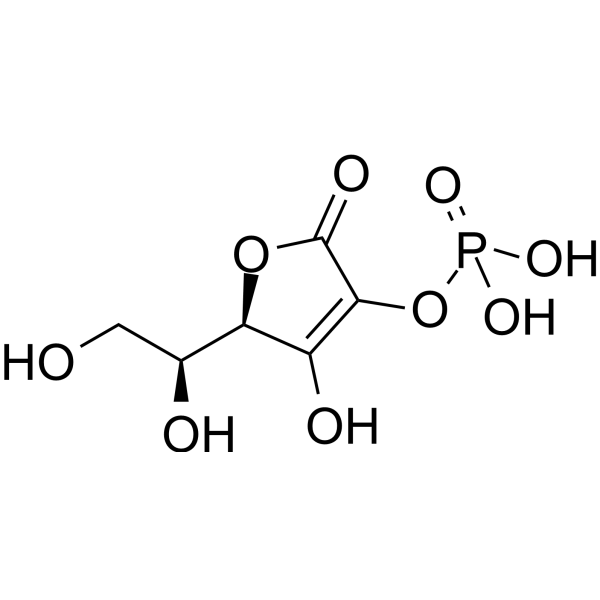
Synonyms: 2-Phospho-L-ascorbic acid; LAA2P
L-ascorbic acid 2-phosphate (2-Phospho-L-ascorbic acid) is a long-acting vitamin C derivative that can stimulate collagen formation and expression . L-ascorbic acid 2-phosphate (2-Phospho-L-ascorbic acid) can be used as a culture medium supplement for the osteogenic differentiation of human adipose stem cells (hASCs). L-ascorbic acid 2-phosphate increases alkaline phosphatase (ALP) activity and expression of runx2A in hASCs during the osteogenic differentiation .
loading...
    loading...
13
13 Cited Publications
Cat. No.: HY-103701B
CAS No.: 1713265-25-8
Purity:  99.63
Synonyms: 2-Phospho-L-ascorbic acid magnesium hydrate; LAA2P magnesium hydrate
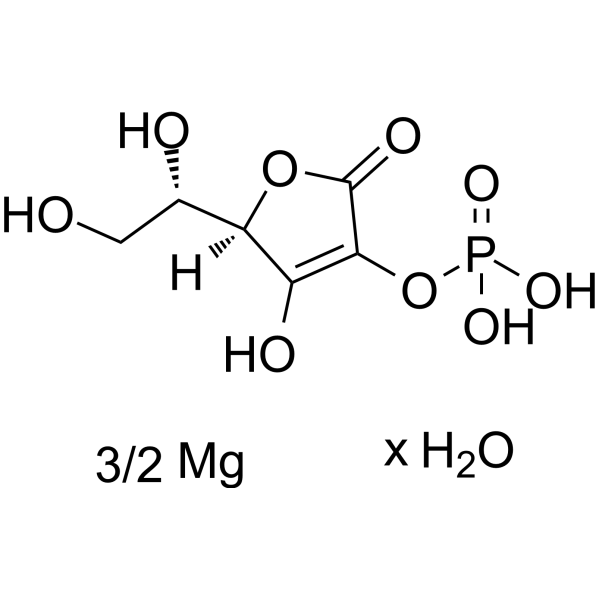
L-ascorbic acid 2-phosphate (2-Phospho-L-ascorbic acid) magnesium hydrate is a long-acting vitamin C derivative that can stimulate collagen formation and expression. L-ascorbic acid 2-phosphate magnesium hydrate can be used as a culture medium supplement for the osteogenic differentiation of human adipose stem cells (hASCs). L-ascorbic acid 2-phosphate magnesium hydrate increases alkaline phosphatase (ALP) activity and expression of runx2A in hASCs during the osteogenic differentiation .
loading...
    loading...
13
13 Cited Publications
Cat. No.: HY-15651
CAS No.: 848141-11-7
Purity:  99.87%
Synonyms: AZD9668
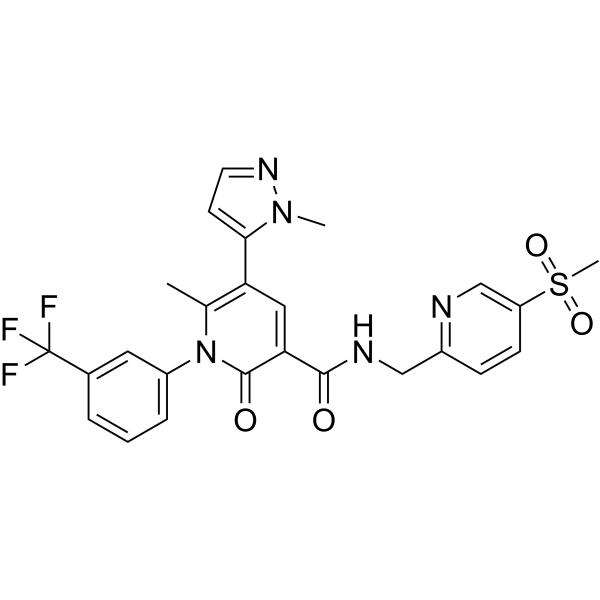
Alvelestat (AZD9668) is an orally active, selective inhibitor of neutrophil elastase. Alvelestat reduces elastase activity, myeloperoxidase release, neutrophil recruitment and activation, and calcium phosphate precipitation; promotes smooth muscle cell colonization and collagen deposition; and inhibits the formation of neutrophil extracellular traps (NETs) as well as NET-derived neutrophil elastase activity. Alvelestat restores endothelial dysfunction, regulates antioxidant factors, improves the expression of endothelial tight junctions, reduces vascular leakage, and accelerates wound healing. Alvelestat prevents pulmonary hemorrhage, matrix protein degradation, airspace enlargement, and small airway wall remodeling; and alleviates cigarette-induced inflammatory responses. Alvelestat inhibits the growth of abdominal aortic aneurysms exacerbated by Porphyromonas gingivalis. Alvelestat can be used in research related to chronic obstructive pulmonary disease, abdominal aortic aneurysm, radiation-induced skin injury, and bronchiectasis .
loading...
    loading...
3
3 Cited Publications
Cat. No.: HY-107588
CAS No.: 916734-43-5
Purity:  99.94%
Target:  

Integrin

Research Areas:  

Cardiovascular Disease

TC-I 15 (TC-I-15) is a type of allosteric collagen-binding integrin α2β1 inhibitor, and it also inhibits α1β1 and α11β1. TC-I 15 inhibits platelet adhesion to collagen and thrombus deposition. TC-I 15 prevents the formation of a pre-metastatic microenvironment by inhibiting the uptake of cancer-associated fibroblast (CAF) extracellular vesicles (EVs) by lung fibroblasts, which reduces the metastasis of salivary gland adenocystic carcinoma (SACC) to the lungs in mouse models, .
loading...
    loading...
3
3 Cited Publications
Cat. No.: HY-112726
CAS No.: 1478364-68-9
Purity:  98.79%
Synonyms: BI-1467335
Target:  

VAP-1 MMP

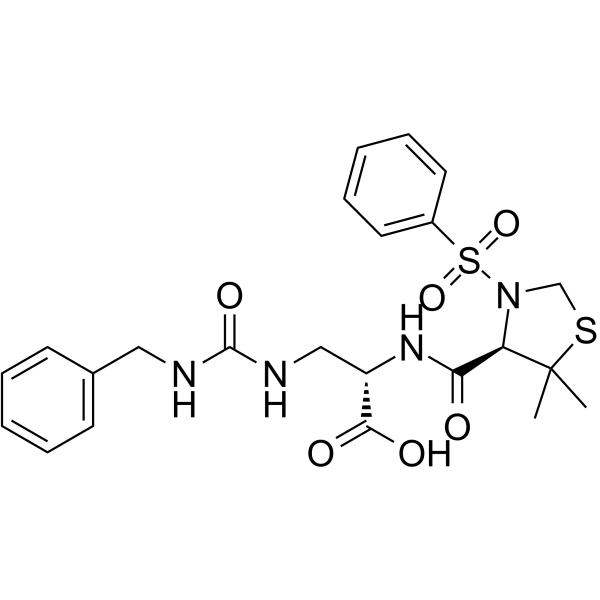
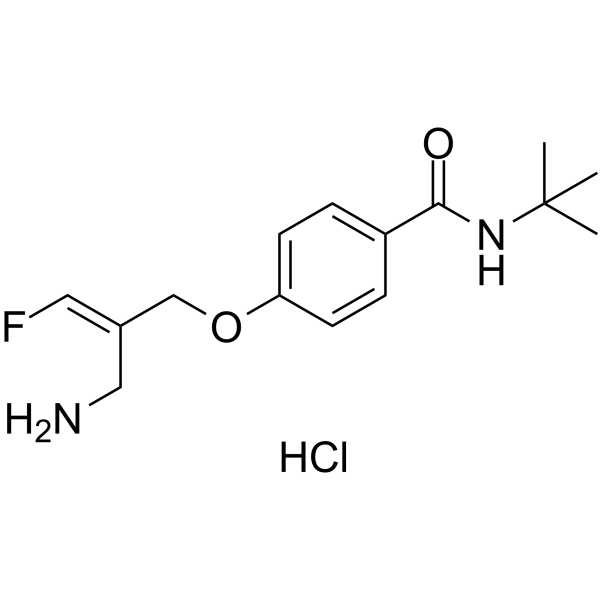
PXS-4728A is an orally active, selective VAP-1/SSAO inhibitor with an IC50 of 5 nM and a Ki of 175 nM. PXS-4728A inhibits the expression of MMP-9. It reduces cell rolling, adhesion and migration, decreases cell infiltration levels, pro-inflammatory cytokines, chemokines and collagen deposition, and improves pulmonary function. PXS-4728A reduces the formation and progression of atherosclerotic plaques, and decreases blood lipid and blood glucose levels as well as body weight gain. PXS-4728A can be used in research related to chronic obstructive pulmonary disease, cystic fibrosis, acute pulmonary inflammation, acute lung injury, bronchiolitis obliterans syndrome, rhinovirus-exacerbated asthma, sepsis, Klebsiella pneumoniae pulmonary infection and atherosclerosis .
loading...
    loading...
1
1 Cited Publications
Cat. No.: HY-E70005H
CAS No.: 9001-12-1
Target:  

Proteasome

Research Areas:  

Cardiovascular Disease

Collagenase, Type VIII is a mixed enzyme derived from Clostridium histolyticum that contains collagenase, a nonspecific protease, and a clostripain. Collagenase, Type VIII can hydrolyze Type VIII collagen and may be used to study the formation of atherosclerosis. Type VIII collagen is a regulator of endothelial cell differentiation and angiogenesis, a substrate for cell adhesion and migration such as smooth muscle cells, and may accumulate in atherosclerosis. After endotoxin activates the expression of Collagenase, Type VIII, it can reduce the production of Type VIII collagen and has the potential to inhibit atherosclerosis .
loading...
    loading...
1
1 Cited Publications
Cat. No.: HY-108036
CAS No.: 439685-79-7
Purity:  ≥98.0%
Synonyms: Hydroxypropyl tetrahydropyrantriol (30% in water)
Research Areas:  

Metabolic Disease

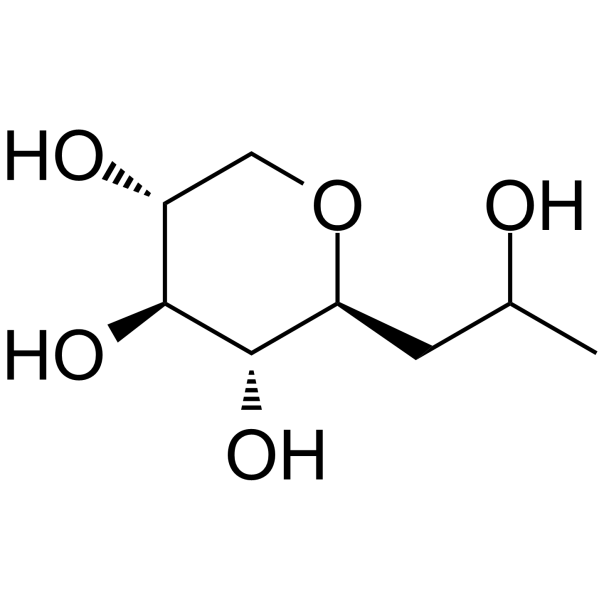
Pro-xylane (30% in water) (Hydroxypropyl tetrahydropyrantriol) is a bioactive C-glycoside that targets the biosynthesis pathway of glycosaminoglycans/mucopolysaccharides (GAGs) in the skin matrix and can be absorbed transdermally. Pro-xylane (30% in water) stimulates the biosynthesis of GAGs in fibroblasts, enhances the structural stability of the skin extracellular matrix, improves skin elasticity and moisturizing ability, and delays wrinkle formation. Pro-xylane (30% in water) can effectively promote the synthesis of collagen fibers and hyaluronic acid in the dermis. Pro-xylane (30% in water) is used in the field of anti-aging cosmetics to improve skin hydration and elasticity. Pro-xylane (30% in water) is eco-friendly and biodegradable .
loading...
    loading...
1
1 Cited Publications
Cat. No.: HY-108036B
CAS No.: 439685-79-7
Purity:  ≥98.0%
Synonyms: Hydroxypropyl tetrahydropyrantriol
Research Areas:  

Metabolic Disease

Pro-xylane (Hydroxypropyl tetrahydropyrantriol) is a bioactive C-glycoside that targets the biosynthesis pathway of glycosaminoglycans/mucopolysaccharides (GAGs) in the skin matrix and can be absorbed transdermally. Pro-xylane stimulates the biosynthesis of GAGs in fibroblasts, enhances the structural stability of the skin extracellular matrix, improves skin elasticity and moisturizing ability, and delays wrinkle formation. Pro-xylane can effectively promote the synthesis of collagen fibers and hyaluronic acid in the dermis. Pro-xylane is used in the field of anti-aging cosmetics to improve skin hydration and elasticity. Pro-xylane is eco-friendly and biodegradable .
loading...
    loading...
1
1 Cited Publications
Cat. No.: HY-A0169A
CAS No.: 79416-27-6
Research Areas:  

Cancer

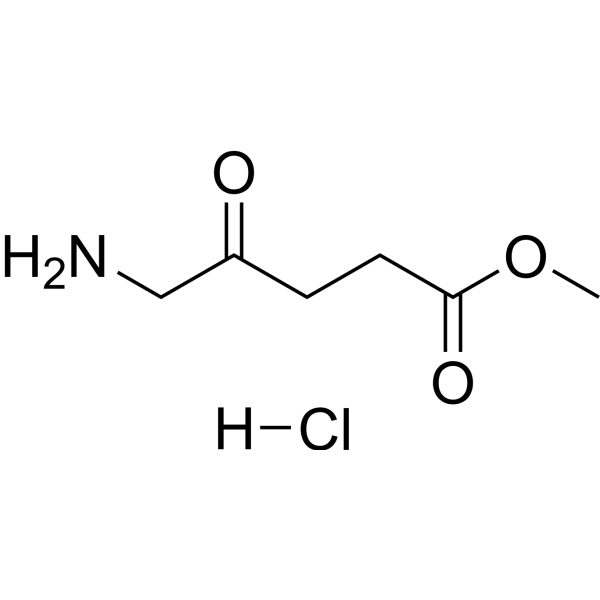
Methyl aminolevulinate hydrochloride is a sensitizer used in photodynamic therapy (PDT). Methyl aminolevulinate hydrochloride penetrates the skin and induces the production of photoactive porphyrins including protoporphyrin IX in cells; upon exposure to appropriate light, it generates ROS, which triggers cellular oxidation and cell death. Methyl aminolevulinate hydrochloride acts as a photo-damage reversing agent through epidermal reconstruction, cytokine-mediated activation of dermal fibroblasts, elastin breakdown, new collagen formation, and compression of dilated capillaries. Methyl aminolevulinate hydrochloride reduces the expression of the proliferation marker Ki-67 and the early skin carcinogenesis marker TP53. Methyl aminolevulinate hydrochloride delays the onset of ultraviolet-induced skin tumors and reduces tumor burden in hairless mice. Methyl aminolevulinate hydrochloride is applicable to research related to actinic keratosis and basal cell carcinoma .
loading...
    loading...
Cat. No.: HY-A0299
CAS No.: 2239-67-0
Synonyms: Tripeptide 29
Target:  

MMP

Research Areas:  

Inflammation/Immunology

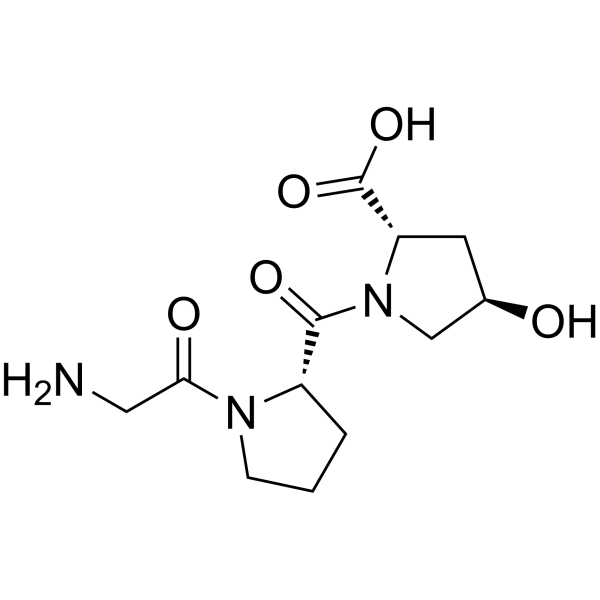
H-Gly-Pro-Hyp-OH is a collagen-derived peptide and also a dipeptidyl peptidase-4 inhibitor.\nH-Gly-Pro-Hyp-OH inhibits the activity of dipeptidyl peptidase-4 in vitro. H-Gly-Pro-Hyp-OH binds to the DNA-binding site of the JUN/FOS complex, blocks the formation of the DNA-JUN/FOS complex, and inhibits transcriptional activity. H-Gly-Pro-Hyp-OH is applicable to research related to skin photoaging, UVB-induced skin aging/photoaging, and thrombosis .
loading...
    loading...
Cat. No.: HY-B1263
CAS No.: 57-15-8
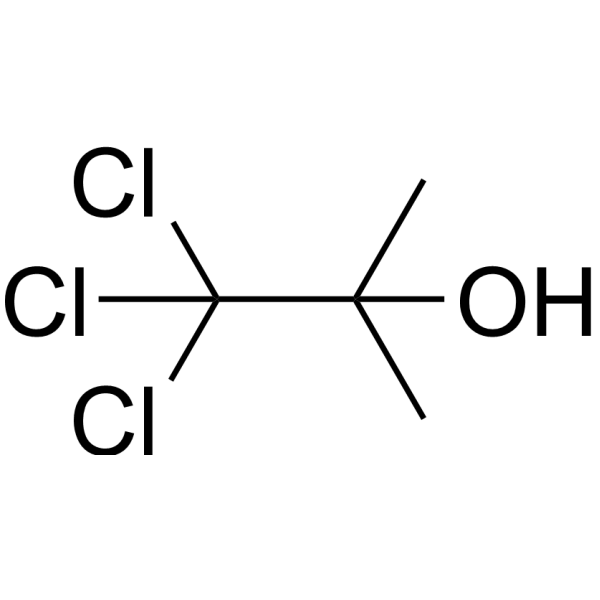
Chlorobutanol is an orally active and potent inhibitor of platelet aggregation and release and a pharmaceutical preservative with antibacterial activity. Chlorobutanol inhibits thromboxane B2 formation, ATP release, and elevation of cytosolic free calcium caused by collagen, ADP, epinephrine, arachidonic acid and thrombin. Chlorobutanol is active against a wide variety of Gram-positive and Gram-negative bacteria, and several mold spores and fungi. Chlorobutanol is widely used in food and cosmetic industry .
loading...
    loading...
Cat. No.: HY-P11328
CAS No.: 245120-10-9
Target:  

Integrin

Research Areas:  

Others

GFOGER peptide is an artificially synthesized collagen-mimetic sequence. GFOGER peptide acts as a ligand for α2β1, α11β1 and α1β1 integrins, thereby supporting integrin-mediated cell adhesion to collagen. GFOGER peptide triggers signaling pathways mediated by the α2β1 integrin receptor and upregulates osteoblast differentiation. GFOGER peptide accelerates and enhances bone formation at sites of refractory femoral defects. GFOGER peptide can be passively adsorbed onto polymer scaffolds for cell-free/growth factor-free bone formation. GFOGER peptide is used in biomaterials such as hydrogels and 3D bioinks for tissue engineering research including bone formation .
loading...
    loading...

