26 Results for "

Cruciferous

" in MedChemExpress (MCE) Product Catalog:
Products (26)

26 Results for "Cruciferous" in MCE Product Catalog:

11
11 Publications Verification
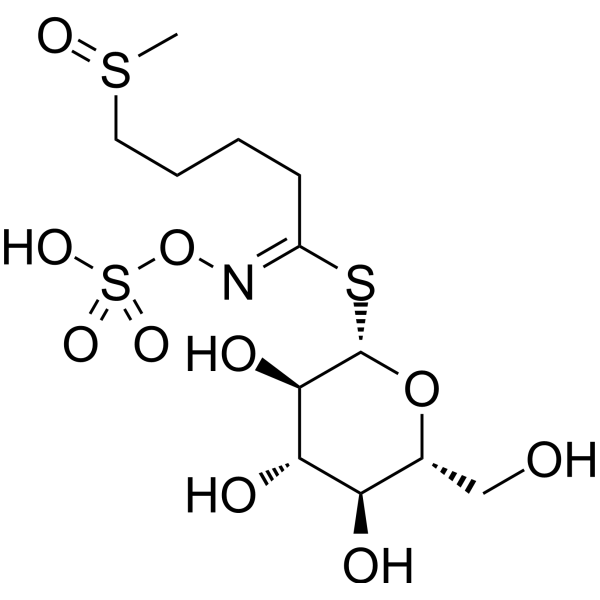
Cat. No.: HY-N4068
CAS No.: 21414-41-5
Glucoraphanin, a natural glucosinolate found in cruciferous vegetable, is a stable precursor of the Nrf2 inducer sulforaphane, which possesses antioxidant, anti-inflammatory, and anti-carcinogenic effects.
loading...
    loading...
5
5 Cited Publications
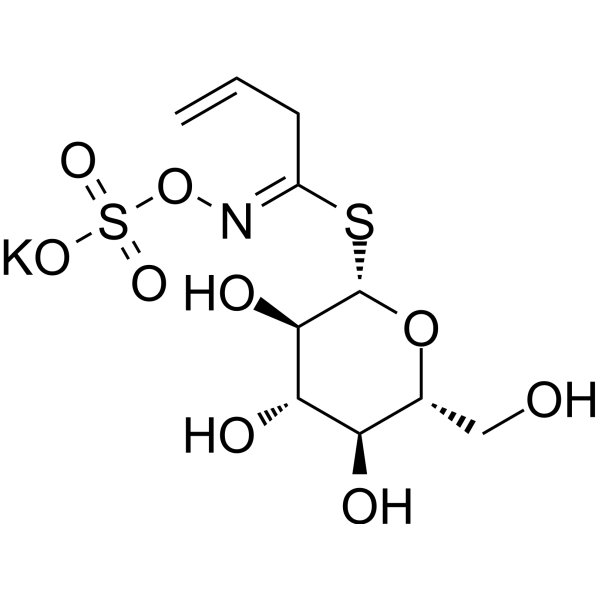
Cat. No.: HY-N0404
CAS No.: 3952-98-5
Synonyms: Allyl-glucosinolate; 2-Propenyl-glucosinolate
Sinigrin (Allyl-glucosinolate) is an orally active glucosinolate found in cruciferous plants. Sinigrin possesses multiple activities such as anti-cancer, antibacterial, antifungal, anti-inflammatory, antioxidant, and inhibition of fat synthesis. Sinigrin can be used in the research of tumors, inflammatory, and metabolic diseases .
loading...
    loading...
5
5 Cited Publications
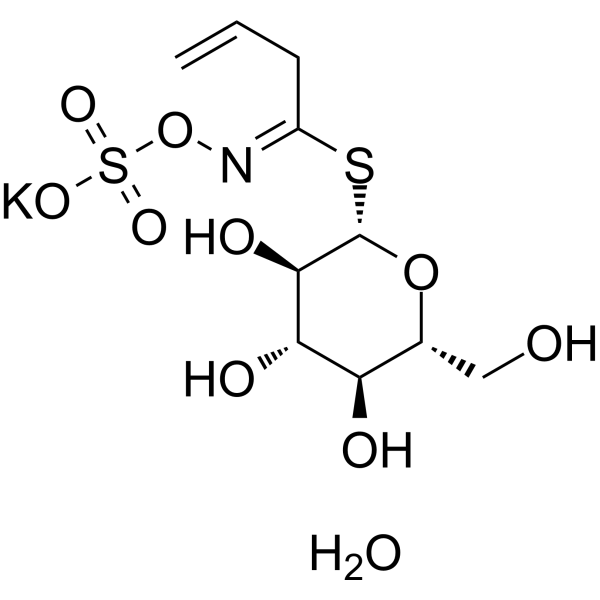
Cat. No.: HY-N2423
CAS No.: 64550-88-5
Synonyms: Allyl-glucosinolate hydrate; 2-Propenyl-glucosinolate hydrate
Sinigrin (Allyl-glucosinolate) hydrate is an orally active glucosinolate found in cruciferous plants. Sinigrin hydrate possesses multiple activities such as anti-cancer, antibacterial, antifungal, anti-inflammatory, antioxidant, and inhibition of fat synthesis. Sinigrin hydrate can be used in the research of tumors, inflammatory, and metabolic diseases .
loading...
    loading...
2
2 Cited Publications
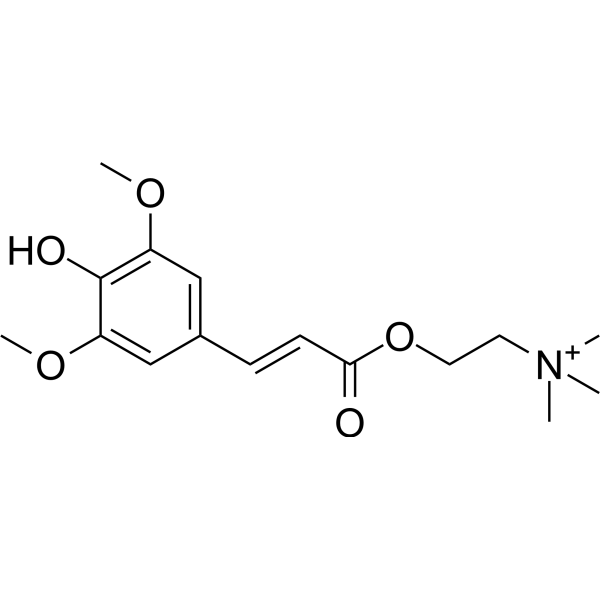
Cat. No.: HY-N5077
CAS No.: 18696-26-9
Sinapine is an alkaloid isolated from seeds of the cruciferous species. Sinapine exhibits anti-inflammatory, anti-oxidant, anti-tumor, anti-angiogenic and radio-protective effects. Sinapine is also an acetylcholinesterase (AChE) inhibitor and can be used for the research of Alzheimer’s disease, ataxia, myasthenia gravis, and Parkinson’s disease .
loading...
    loading...
2
2 Cited Publications
Cat. No.: HY-N0450
CAS No.: 7431-77-8
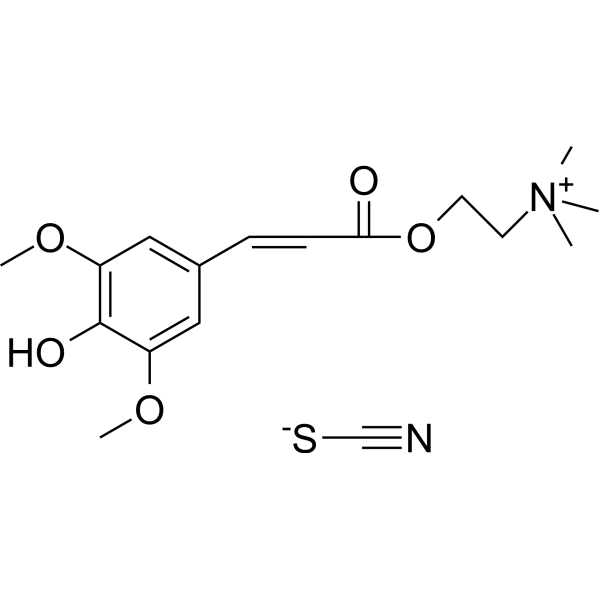
Sinapine thiocyanate is an alkaloid isolated from seeds of the cruciferous species. Sinapine thiocyanate exhibits anti-inflammatory, anti-oxidant, anti-tumor, anti-angiogenic and radio-protective effects. Sinapine thiocyanate is also an acetylcholinesterase (AChE) inhibitor and can be used for the research of Alzheimer’s disease, ataxia, myasthenia gravis, and Parkinson’s disease .
loading...
    loading...
2
2 Cited Publications
Cat. No.: HY-N5056
CAS No.: 13190-34-6
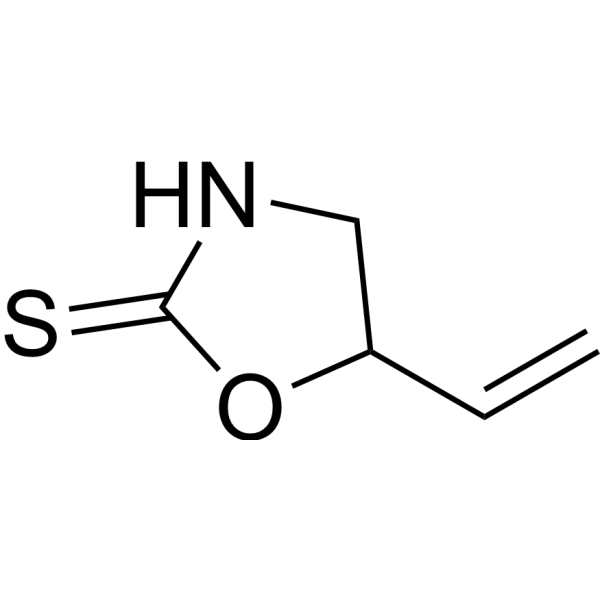
DL-Goitrin, also called (R, S)- report by the spring, consists of the epigoitrin (reported by the R- Spring) and the spring (-S- reported by spring), and the two mutually isomers, and the mixture is the ingredient of cruciferous vegetables .
loading...
    loading...
2
2 Cited Publications
Cat. No.: HY-111334
CAS No.: 105748-59-2
Purity:  99.74%
Synonyms: Brassinine
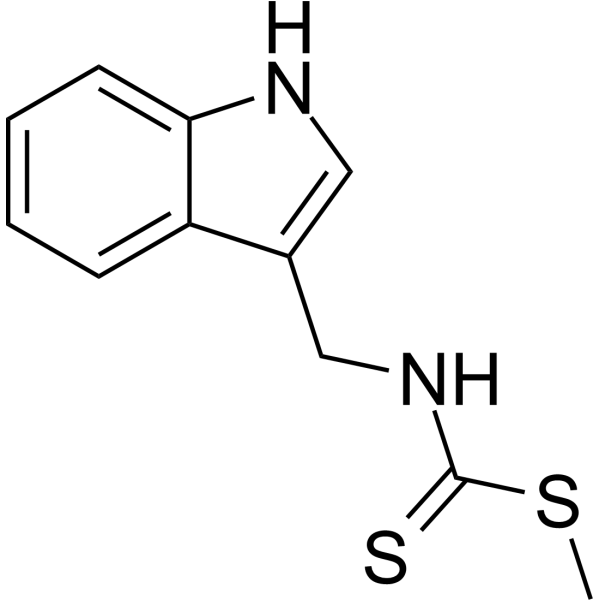
Brassinin is an indole derivative found in cruciferous plants. Brassinin acts as an IDO inhibitor (Ki = 97.7 μM). Brassinin inhibits angiogenesis and induces apoptosis, autophagy, paraptosis, ROS production, and ER stress. Brassinin selectively stimulates lysosomal degradation of Tie2 and promotes lysosomal and proteasomal degradation of FGFR1 in endothelial cells, downregulating AKT and ERK phosphorylation. Brassinin inhibits endothelial cell proliferation, migration, tube formation, spheroid sprouting, and angiogenesis. Brassinin inhibits PI3K/Akt/mTOR/S6K1 signaling, upregulates p21 and p27, and induces G1 phase cell cycle arrest through RB hypophosphorylation. Brassinin inhibits tyrosinase catalytic activity, reduces tyrosinase mRNA, and inhibits MITF nuclear translocation. Brassinin is used for research on triple-negative breast cancer, chronic myeloid leukemia, colon cancer, glioma, atherosclerosis, and skin cancer .
loading...
    loading...
1
1 Cited Publications
Cat. No.: HY-N4321
CAS No.: 5115-71-9
Synonyms: Benzylglucosinolate potassium
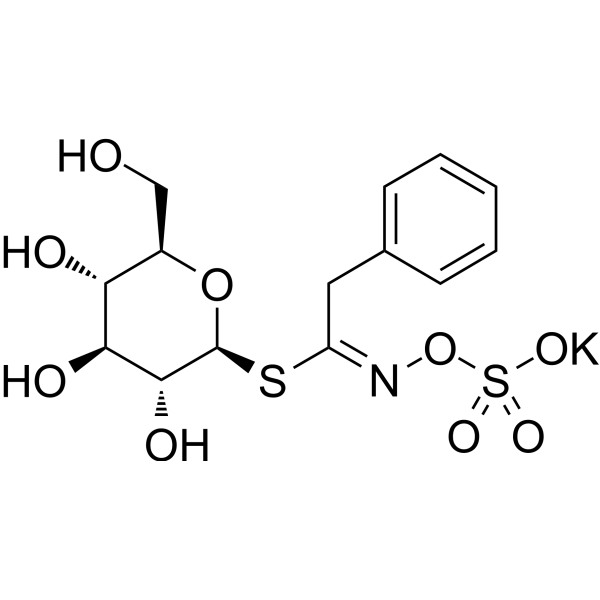
Glucotropaeolin (Benzylglucosinolate) potassium is an orally effective glucosinolate that can be extracted from cruciferous vegetables. Glucotropaeolin potassium exhibits activities including moderate reduction of spontaneous DNA damage in animals, anti-inflammation, antimicrobial action, and anticancer effect. Glucotropaeolin potassium can be used in research related to tendinopathy, late blight, type 2 diabetes, and cancer .
loading...
    loading...
Cat. No.: HY-N4068R
CAS No.: 21414-41-5
Glucoraphanin (Standard) is the analytical standard of Glucoraphanin. This product is intended for research and analytical applications. Glucoraphanin, a natural glucosinolate found in cruciferous vegetable, is a stable precursor of the Nrf2 inducer sulforaphane, which possesses antioxidant, anti-inflammatory, and anti-carcinogenic effects.
loading...
    loading...
Cat. No.: HY-137910
CAS No.: 335104-84-2
Purity:  98.84%
Research Areas:  

Infection

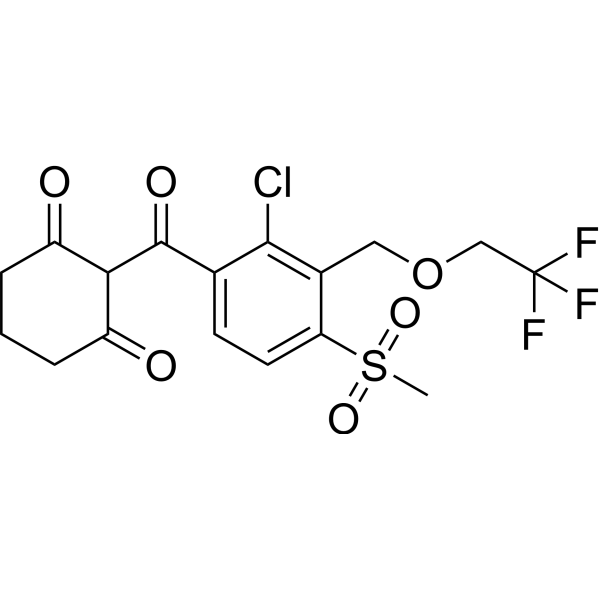
Tembotrione is a herbicide belonging to the HPPD (dioxygenase) inhibitor class with crop selectivity. Tembotrione effectively controls a variety of weeds including broadleaf and gramineous species by disrupting carotenoid synthesis, which leads to chlorophyll degradation and leaf whitening. Mixing Tembotrione with isoxaflutole or adding surfactants optimizes its efficacy and reduces phytotoxicity, with no residual impact on subsequent cruciferous crops, thus helping to increase maize grain yield. The activity of Tembotrione decreases under drought conditions, and under specific conditions (such as double-dose treatment), it may cause reversible yellowing and even yield reduction in crops such as poppy .
loading...
    loading...
Cat. No.: HY-N11822A
CAS No.: 245550-64-5
Target:  

Cytochrome P450

Research Areas:  

Inflammation/Immunology Cancer

Glucoraphasatin potassium is potassium salt of Glucoraphasatin (HY-N11822). Glucoraphasatin is an atypical and orally active glucosinolate found in cruciferous vegetables, including Raphanus sativus. Glucoraphasatin exhibits anti-inflammation and anti-oxidant activity. Glucoraphasatin can affect phase I metabolic enzymes activity. Glucoraphasatin can be converted by the plant enzyme myrosinase into isothiocyanates and shows cytotoxic to cancer cells. Glucoraphasatin can be used for the researches of cancer and inflammation, such as colon cancer .
loading...
    loading...
Cat. No.: HY-137884
CAS No.: 608-08-2
Purity:  99.26%
Synonyms: 3-Acetoxyindole
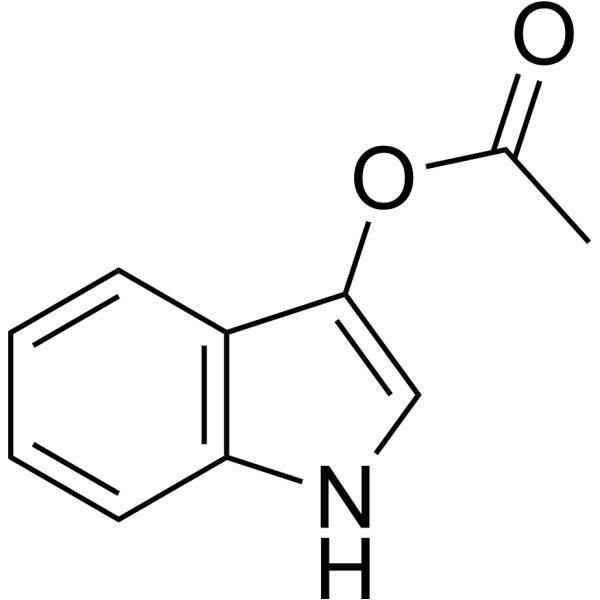
3-Indolyl acetate is an ester derivative of indole that is ubiquitous in various plant tissues, especially in certain cruciferous vegetables such as broccoli and cabbage. 3-Indolyl acetate has unique chemical properties that make it an important signaling molecule in plants, regulating various physiological processes such as growth and defense against pathogens. It also has potential applications in the pharmaceutical industry, as it has been shown to have antitumor and anti-inflammatory effects in some studies.
loading...
    loading...
Cat. No.: HY-116920
CAS No.: 646-23-1
Research Areas:  

Cancer

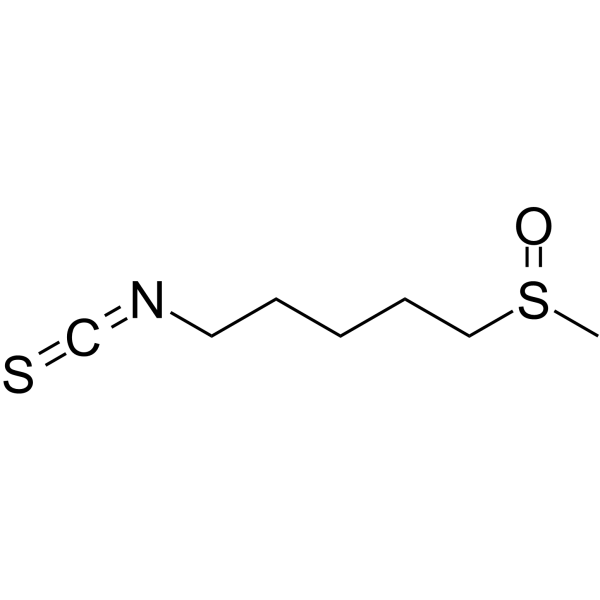
Alyssin, found in Cruciferous Vegetables, exerts anticancer activity in HepG2 by increasing intracellular reactive oxygen species and tubulin depolymerization .
loading...
    loading...
Cat. No.: HY-N0404R
CAS No.: 3952-98-5
Synonyms: Allyl-glucosinolate (Standard); 2-Propenyl-glucosinolate (Standard)
Sinigrin (Standard) (Allyl-glucosinolate (Standard)) is the analytical standard of Sinigrin (HY-N0404). This product is intended for research and analytical applications. Sinigrin (Allyl-glucosinolate) is an orally active glucosinolate found in cruciferous plants. Sinigrin possesses multiple activities such as anti-cancer, antibacterial, antifungal, anti-inflammatory, antioxidant, and inhibition of fat synthesis. Sinigrin can be used in the research of tumors, inflammatory, and metabolic diseases .
loading...
    loading...
Cat. No.: HY-116726
CAS No.: 6071-81-4
Research Areas:  

Cancer

Crambene is an orally active cyanide compound isolated from cruciferous vegetables. Crambene has a cancer-preventive effect and induces significant upregulation of quinone reductase and glutathione S-transferase in vitro and in vivo .
loading...
    loading...
Cat. No.: HY-N5077R
CAS No.: 18696-26-9
Sinapine is an alkaloid isolated from seeds of the cruciferous species. Sinapine exhibits anti-inflammatory, anti-oxidant, anti-tumor, anti-angiogenic and radio-protective effects. Sinapine is also an acetylcholinesterase (AChE) inhibitor and can be used for the research of Alzheimer’s disease, ataxia, myasthenia gravis, and Parkinson’s disease .
loading...
    loading...
Cat. No.: HY-116920A
CAS No.: 167963-06-6
Research Areas:  

Cancer

(R)-Alyssin is a enantiomer of Alyssin (HY-116920). Alyssin, found in Cruciferous Vegetables, exerts anticancer activity in HepG2 by increasing intracellular reactive oxygen species and tubulin depolymerization .
loading...
    loading...
Cat. No.: HY-116920B
CAS No.: 167963-04-4
Research Areas:  

Cancer

(S)-Alyssin is a enantiomer of Alyssin (HY-116920). Alyssin, found in Cruciferous Vegetables, exerts anticancer activity in HepG2 by increasing intracellular reactive oxygen species and tubulin depolymerization .
loading...
    loading...
Cat. No.: HY-N5056R
CAS No.: 13190-34-6
DL-Goitrin (Standard) is the analytical standard of DL-Goitrin. This product is intended for research and analytical applications. DL-Goitrin, also called (R, S)-report by the spring, consists of the epigoitrin (reported by the R-Spring) and the spring (-S-reported by spring), and the two mutually isomers, and the mixture is the ingredient of cruciferous vegetables .
loading...
    loading...
Cat. No.: HY-N5077B
CAS No.: 122-30-5
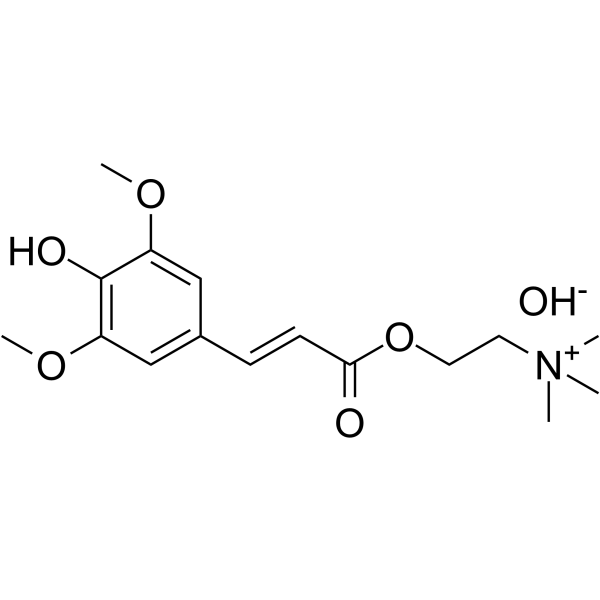
Sinapine hydroxide is an alkaloid isolated from seeds of the cruciferous species. Sinapine hydroxide exhibits anti-inflammatory, anti-oxidant, anti-tumor, anti-angiogenic and radio-protective effects. Sinapine hydroxide is also an acetylcholinesterase (AChE) inhibitor and can be used for the research of Alzheimer’s disease, ataxia, myasthenia gravis, and Parkinson’s disease .
loading...
    loading...

