4149 Results for "

Delivery

" in MedChemExpress (MCE) Product Catalog:
Products (4149)

4149 Results for "Delivery" in MCE Product Catalog:

784
784 Publications Verification
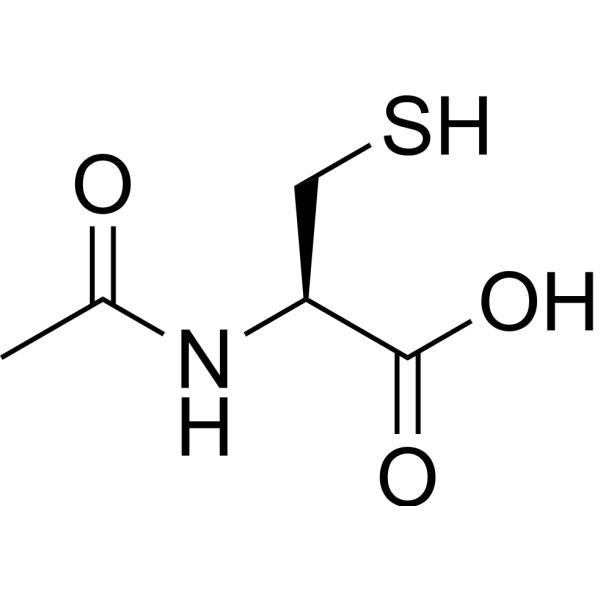
Cat. No.: HY-B0215
CAS No.: 616-91-1
Synonyms: N-Acetylcysteine; N-Acetyl-L-cysteine; NAC
Acetylcysteine (N-Acetylcysteine) is a mucolytic agent that can cross the blood-brain barrier, which reduces the thickness of the mucus. Acetylcysteine is a ROS inhibitor. Acetylcysteine is a cysteine precursor, prevents hemin-induced ferroptosis by neutralizing toxic lipids generated by arachidonate-dependent activity of 5-lipoxygenases. Acetylcysteine induces cell apoptosis. Acetylcysteine also has anti-influenza virus activities. In addition, Acetylcysteine ​​is the most stable form of cysteine ​​during drug delivery and can be used in disulfidptosis studies .
loading...
    loading...
183
183 Cited Publications
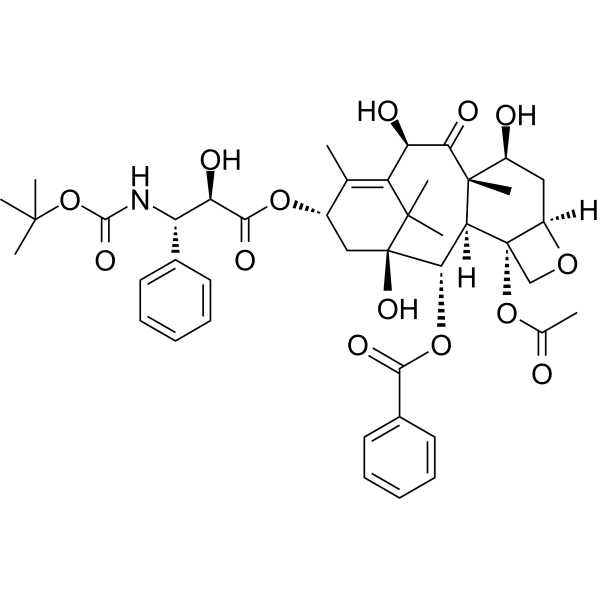
Cat. No.: HY-B0011
CAS No.: 114977-28-5
Synonyms: RP-56976
Docetaxel (RP-56976) is an orally active tubulin stabilizer with antitumor activity. Docetaxel is a P-glycoprotein substrate and is metabolized by CYP3A to inactive products. Docetaxel binds tubulin, promotes tubulin polymerization, and inhibits microtubule depolymerization. Docetaxel induces aberrant mitosis followed by necrotic-like cell death at low concentrations, and induces G2/M mitotic arrest and drives apoptosis at high concentrations. Docetaxel induces renal injury/renal alterations, sex-dependent granule toxicity/uptake, low cardiac delivery, and decreased hepatic SOD/increased catalase/hepatotoxicity. Docetaxel can be used in cancer-related research .
loading...
    loading...
183
183 Cited Publications
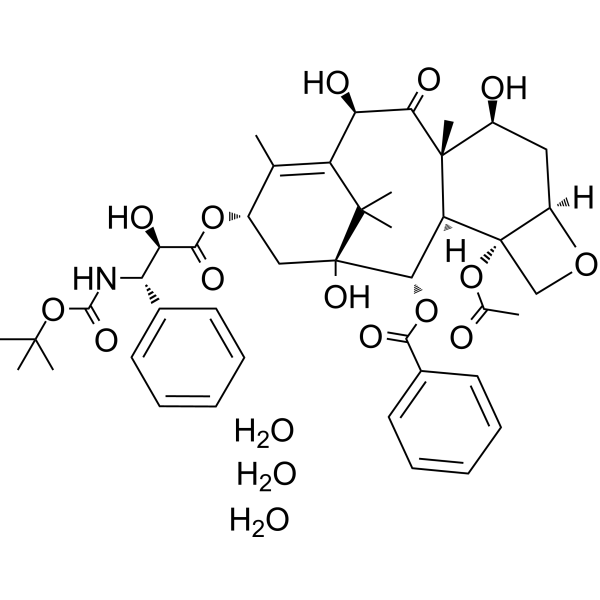
Cat. No.: HY-B0011A
CAS No.: 148408-66-6
Synonyms: RP-56976 Trihydrate
Docetaxel Trihydrate (RP-56976 Trihydrate) is an orally active tubulin stabilizer with antitumor activity. Docetaxel Trihydrate is a P-glycoprotein substrate and is metabolized by CYP3A to inactive products. Docetaxel Trihydrate binds tubulin, promotes tubulin polymerization, and inhibits microtubule depolymerization. Docetaxel Trihydrate induces aberrant mitosis followed by necrotic-like cell death at low concentrations, and induces G2/M mitotic arrest and drives apoptosis at high concentrations. Docetaxel Trihydrate induces renal injury/renal alterations, sex-dependent granule toxicity/uptake, low cardiac delivery, and decreased hepatic SOD/increased catalase/hepatotoxicity. Docetaxel Trihydrate can be used in cancer-related research .
loading...
    loading...
178
178 Cited Publications
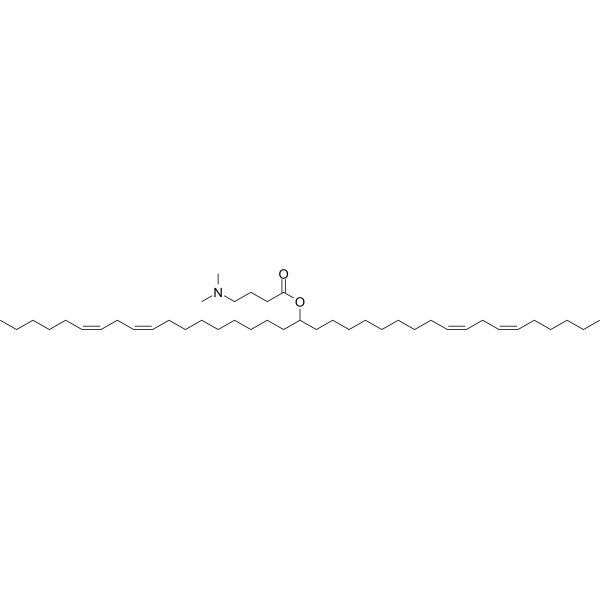
Cat. No.: HY-112251
CAS No.: 1224606-06-7
Purity:  99.68%
Target:  

Liposome

Research Areas:  

Others

D-Lin-MC3-DMA, an ionizable cationic lipid, is a potent siRNA delivery vehicle.
loading...
    loading...
122
122 Cited Publications
Cat. No.: HY-112735
CAS No.: 28728-55-4
Purity:  99.69%
Synonyms: Polybrene; 1,5-Dimethyl-1,5-diazaundecamethylene polymethobromide
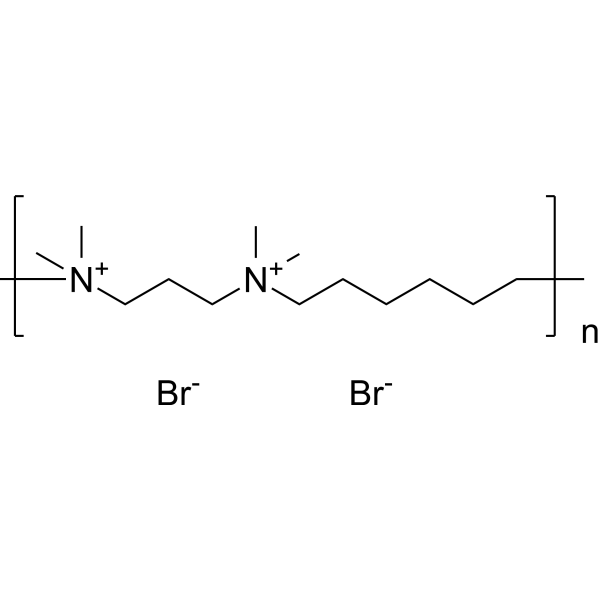
Hexadimethrine bromide (Polybrene) is a cationic polymer used routinely to enhance the efficiency of retrovirus vector-mediated gene transfer .
loading...
    loading...
102
102 Cited Publications
Cat. No.: HY-N0322A
Target:  

Liposome

Cholesterol Water Soluble is a major sterol in mammals, constituting 20-25% of the structural composition of the plasma membrane. The plasma membrane is highly permeable to water but relatively impermeable to ions and protons. Cholesterol Water Soluble plays an important role in determining the fluidity and permeability characteristics of membranes and the function of transporters and signaling proteins. Cholesterol Water Soluble is also an endogenous estrogen-related receptor alpha (ERRα) agonist. Cholesterol Water Soluble can be used to study the effects of cholesterol on potassium currents in inner hair cells .
(Note: This product is a mixture of Cholesterol and Methyl-β-cyclodextrin. The product specifications below only indicate the effective content of Cholesterol.)
loading...
    loading...
79
79 Cited Publications
Cat. No.: HY-N1446A
CAS No.: 25496-72-4
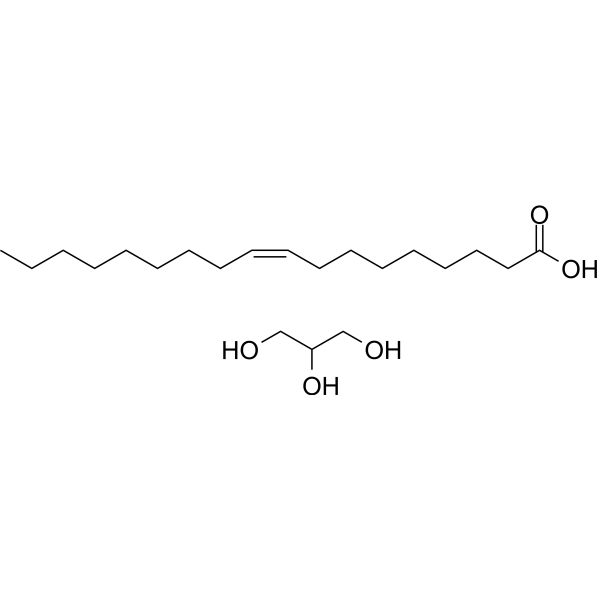
Glycerol Monoleate is a non-toxic, biodegradable, biocompatible, lipophilic glycerol fatty acid ester. Glycerol Monoleate exhibits hemolytic properties. Glycerol Monoleate is combined with bile salts for use as an emulsifier and absorption enhancer. Glycerol Monoleate can be applied in drug delivery systems and in vitro siRNA delivery .
loading...
    loading...
57
57 Cited Publications
Cat. No.: HY-134541
CAS No.: 2089251-47-6
Purity:  99.97%
Target:  

Liposome

Research Areas:  

Infection

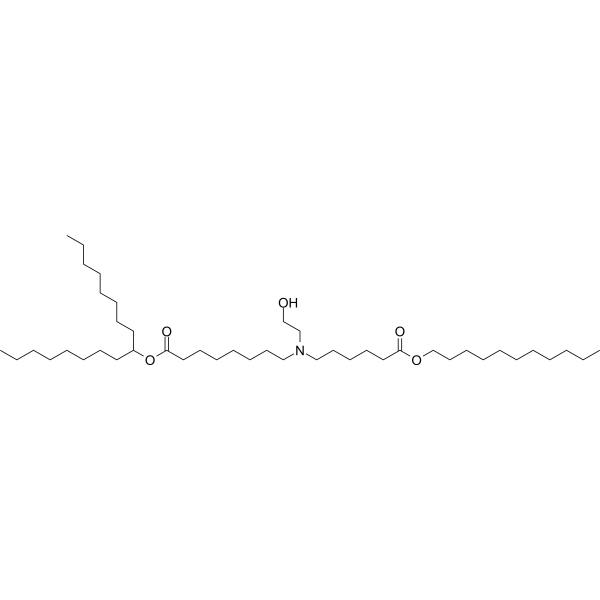
SM-102 is an amino cationic lipid useful in the formation of lipid nanoparticles (LNPs). SM-102 has higher transfection efficiency. SM-102 plays an important role in the effectiveness of lipid nanoparticles (LNPs) in delivering mRNA therapeutics and vaccines .
loading...
    loading...
49
49 Cited Publications
Cat. No.: HY-138170
CAS No.: 2036272-55-4
Purity:  99.81%
Target:  

Liposome SARS-CoV

Research Areas:  

Infection

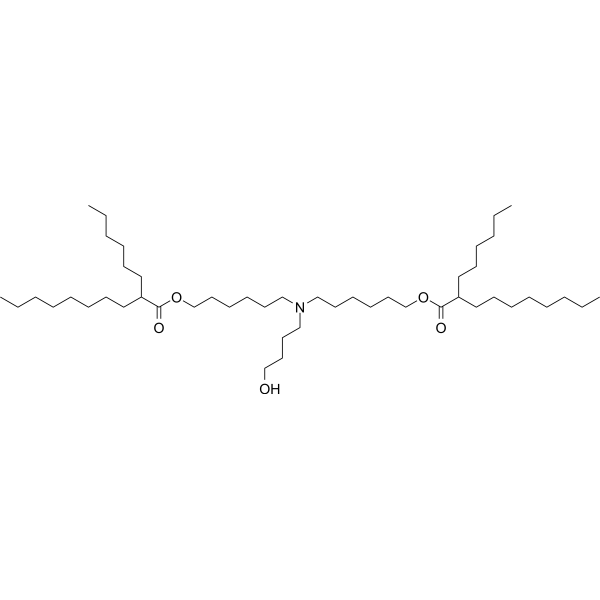
ALC-0315 is an ionisable aminolipid that is responsible for mRNA compaction and aids mRNA cellular delivery and its cytoplasmic release through suspected endosomal destabilization. ALC-0315 can be used to form lipid nanoparticle (LNP) delivery vehicles. Lipid-Nanoparticles have been used in the research of mRNA COVID-19 vaccine .
loading...
    loading...
37
37 Cited Publications
Cat. No.: HY-101103
CAS No.: 128446-35-5
Purity:  99.74%
Synonyms: (2-Hydroxypropyl)-β-cyclodextrin
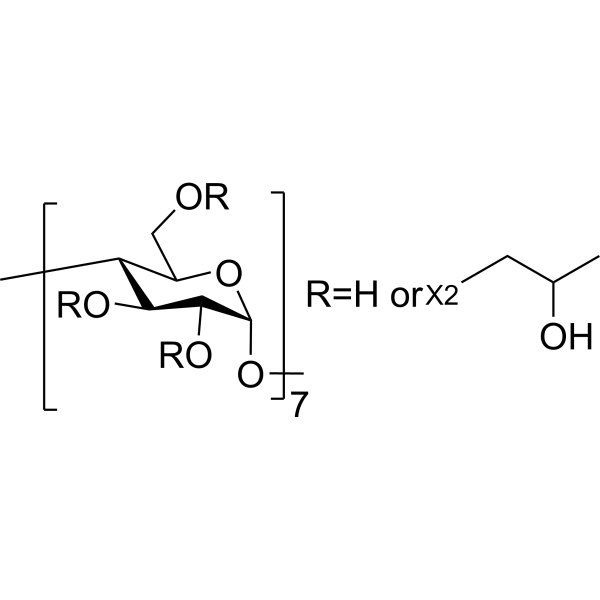
HP-β-CD ((2-Hydroxypropyl)-β-cyclodextrin) is a widely used drug delivery vehicle to improve the stability and bioavailability.
loading...
    loading...
32
32 Cited Publications
Cat. No.: HY-B2247
CAS No.: 34346-01-5
Synonyms: poly(lactic-co-glycolic acid) (50:50)
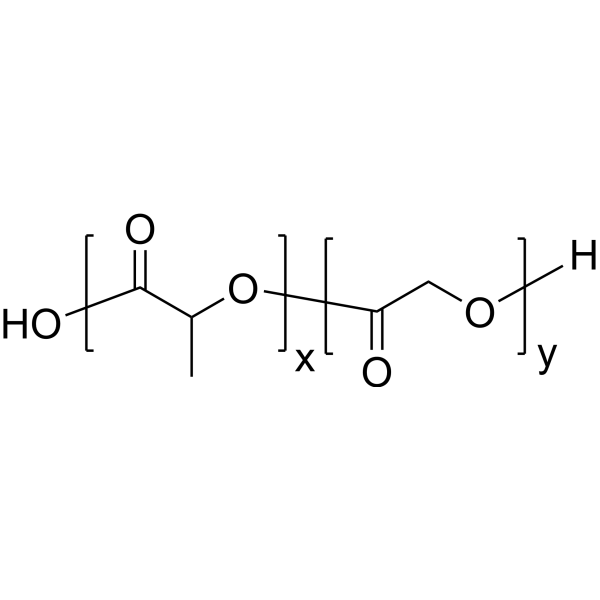
PLGA (50:50) (poly(lactic-co-glycolic acid) (50:50)) is a copolymer of poly lactic acid (PLA) and poly glycolic acid (PGA) which can be used to fabricate devices for drug delivery and tissue engineering applications.
loading...
    loading...
30
30 Cited Publications
Cat. No.: HY-19792
CAS No.: 139504-50-0
Synonyms: DM1; Maytansinoid DM1
Research Areas:  

Cancer

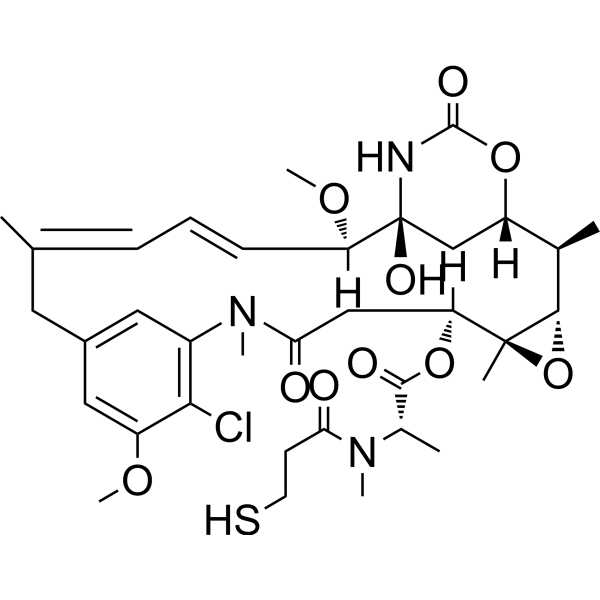
Mertansine (DM1) is a microtubulin inhibitor and is an antibody-conjugatable maytansinoid that is developed to overcome systemic toxicity associated with maytansine and to enhance tumor-specific delivery. Mertansine can be attached to a monoclonal antibody with a linker to create an antibody-drug conjugate (ADC) .
loading...
    loading...
27
27 Cited Publications
Cat. No.: HY-112764
CAS No.: 160743-62-4
Purity:  98.40%
Target:  

Liposome

Research Areas:  

Metabolic Disease

mPEG2000-DMG is used for the preparation of liposome for siRNA delivery with improved transfection efficiency in vitro. mPEG2000-DMG is also used for the lipid nanoparticle for an oral plasmid DNA delivery approach in vivo through a facile surface modification to improve the mucus permeability and delivery efficiency of the nanoparticles .
loading...
    loading...
26
26 Cited Publications
Cat. No.: HY-Y1890
CAS No.: 61791-12-6
Synonyms: Polyoxyethylene(40) Castor Oil; PEG-40 Castor Oil
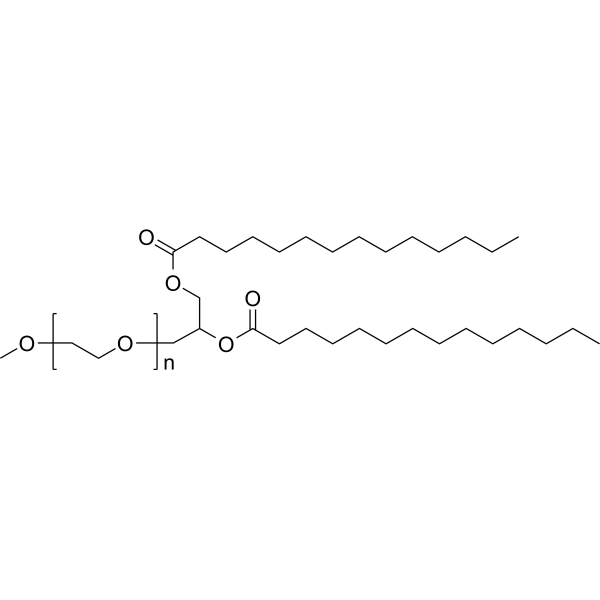
Cremophor EL-40, a polyoxyethylene castor oil derivative, is a nonionic surfactant. Cremophor EL-40 is widely employed to improve dissolution and delivery of agents .
loading...
    loading...
25
25 Cited Publications
Cat. No.: HY-N7131
CAS No.: 38215-36-0
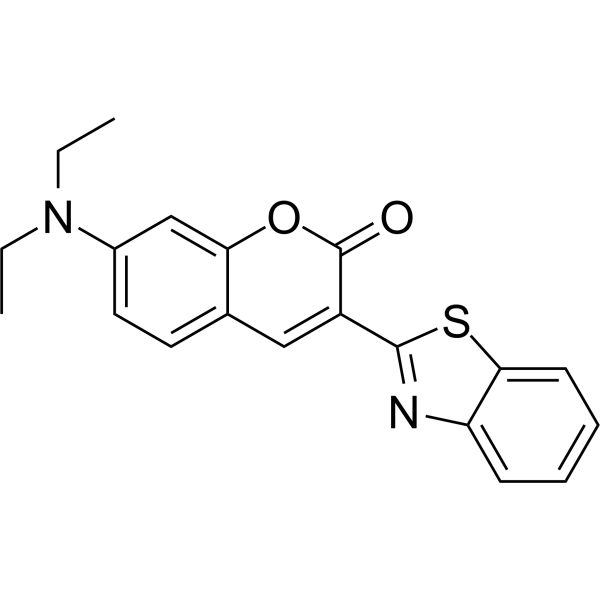
Coumarin 6, a fluorescent dye, is used as a fluorescent probe in a microparticle drug delivery system to conduct in vivo tracking, cell uptake, and transport mechanism studies of drug delivery systems (λexc=450 nm, λem=505 nm) .
loading...
    loading...
23
23 Cited Publications
Cat. No.: HY-W040193
CAS No.: 816-94-4
Synonyms: 1,2-Distearoyl-sn-glycero-3-PC; 1,2-Distearoyl-sn-glycero-3-phosphorylcholine
Target:  

Liposome

Research Areas:  

Others

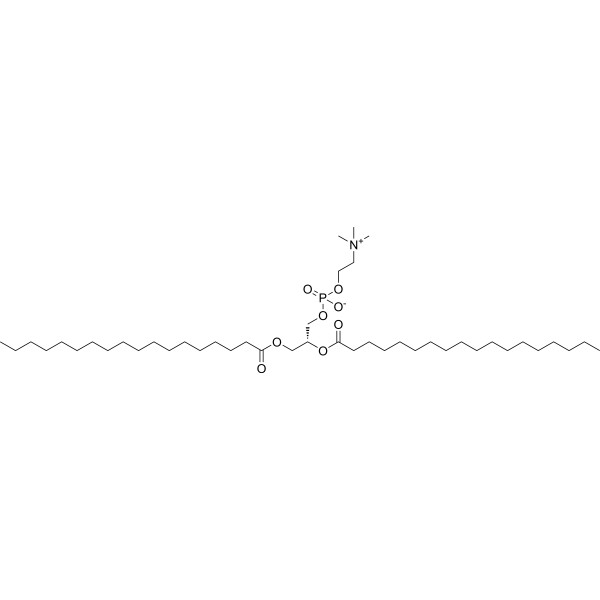
DSPC (1,2-Distearoyl-sn-glycero-3-phosphorylcholine) is a cylindrical-shaped lipid. DSPC is used to synthesize liposomes, and is the lipid component in the lipid nanoparticle (LNP) system .
loading...
    loading...
22
22 Cited Publications
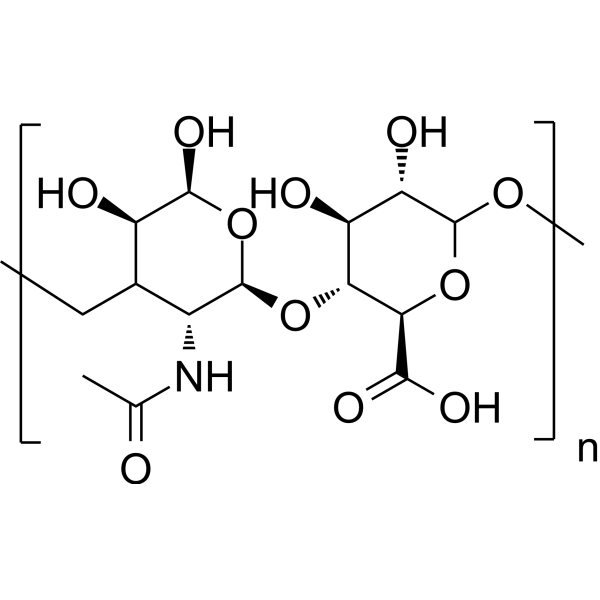
Cat. No.: HY-B0633A
CAS No.: 9004-61-9
Synonyms: Hyaluronan; Hyaluronate
Hyaluronic acid is a biopolymer composed of repeating units of disaccharides with various applications. Hyaluronic acid is a major component of the extracellular matrix (ECM). Hyaluronic acid is synthesized at the plasma membrane. Increased hyaluronic acid levels are associated with tumor cell growth, adhesion, migration, invasion and angiogenesis in digestive cancers. Hyaluronic acid participates in tissue remodeling and rapid cell proliferation in some physiological processes including embryonic morphogenesis and wound-healing. Hyaluronic acid activates the PI3K-Akt signaling. Hyaluronic acid acts as a regulator of cancer-associated lymphangiogenesis. Hyaluronic acid also enhances cell invasion and angiogenesis by promoting proteolytic MMP-9 binding to cell surface or stimulating MMP-9 binding to cell surface. Hyaluronic acid can be used as drug delivery for sodium butyrate to improve the anti-proliferative activity on breast cancer cell line. Hyaluronic acid can be studied in joint diseases, wound healing and cancer .
loading...
    loading...
22
22 Cited Publications
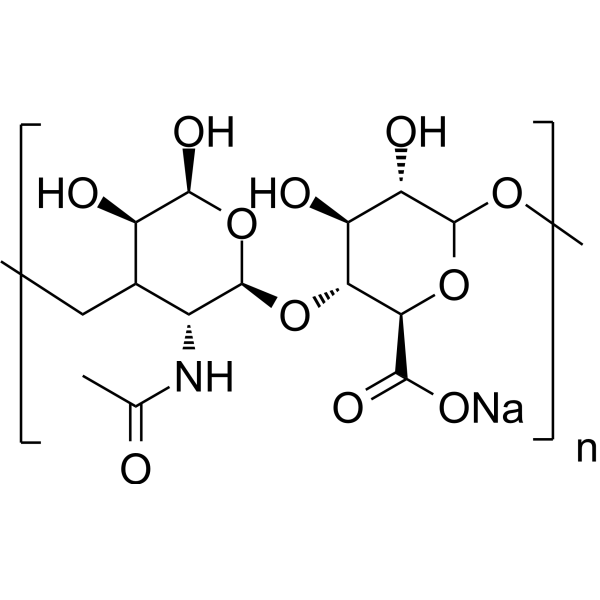
Cat. No.: HY-B0633
CAS No.: 9067-32-7
Synonyms: Sodium hyaluronate
Hyaluronic acid sodium (Sodium hyaluronate) is a biopolymer composed of repeating units of disaccharides with various applications. Hyaluronic acid sodium is a major component of the extracellular matrix (ECM). Hyaluronic acid sodium is synthesized at the plasma membrane. Increased hyaluronic acid sodium levels are associated with tumor cell growth, adhesion, migration, invasion and angiogenesis in digestive cancers. Hyaluronic acid sodium participates in tissue remodeling and rapid cell proliferation in some physiological processes including embryonic morphogenesis and wound-healing. Hyaluronic acid sodium activates the PI3K-Akt signaling. Hyaluronic acid sodium acts as a regulator of cancer-associated lymphangiogenesis. Hyaluronic acid sodium also enhances cell invasion and angiogenesis by promoting proteolytic MMP-9 binding to cell surface or stimulating MMP-9 binding to cell surface. Hyaluronic acid sodium can be used as drug delivery for sodium butyrate to improve the anti-proliferative activity on breast cancer cell line. Hyaluronic acid sodium can be studied in joint diseases, wound healing and cancer .
loading...
    loading...
21
21 Cited Publications
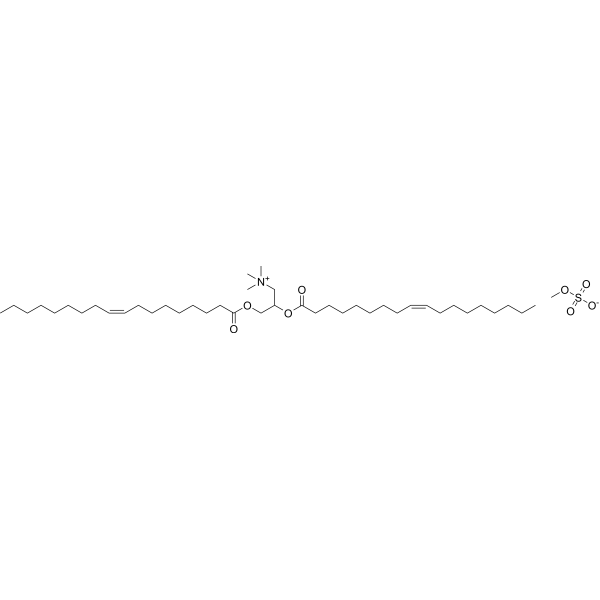
Cat. No.: HY-W127378
CAS No.: 144189-73-1
Synonyms: 1,2-Dioleoyl-3-trimethylammonium-propane methylsulfate
Target:  

Liposome

Research Areas:  

Others

DOTAP methylsulfat is a cationic lipid reagent, a cationic derivative of trimethylammonium, linked to two 18-carbon fatty acid tails, each with a single olefin group. DOTAP methylsulfat can self-assemble with negatively charged ions (such as DNA) to form complexes, which can be adsorbed to the cell membrane surface and enter the cell by electrostatic interaction and endocytosis, respectively. DOTAP methylsulfat promotes endosomal membrane fusion with its own hydrophobic domain, releases DNA into the cytoplasm, and exerts gene delivery function. DOTAP methylsulfat can be widely used in research fields such as gene therapy, cell transfection, and non-viral vector design .
loading...
    loading...
21
21 Cited Publications
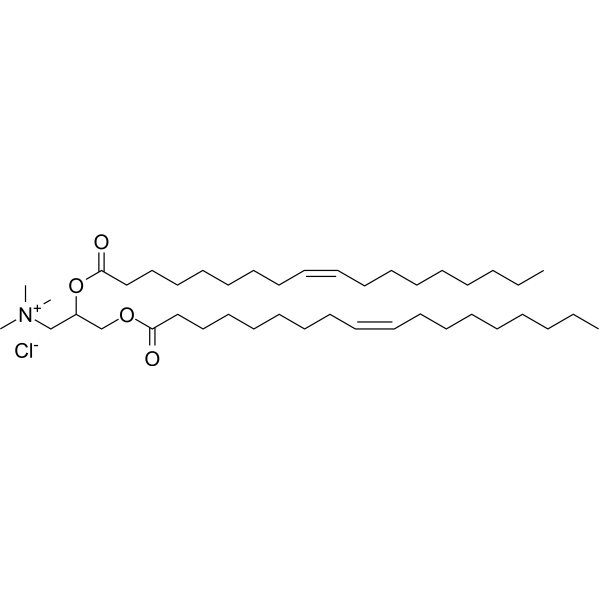
Cat. No.: HY-112754A
CAS No.: 132172-61-3
Purity:  99.91%
Synonyms: 1,2-Dioleoyl-3-trimethylammonium-propane chloride
Target:  

Liposome

Research Areas:  

Others

DOTAP chloride is a useful and effective cationic lipid for transient and stable transfection DNA (plasmids, bacmids) and modified nucleic acids (antisense oligonucleotides) with out the use of helper lipid .
loading...
    loading...

