30 Results for "

Erica floral nectar

" in MedChemExpress (MCE) Product Catalog:
Products (30)

30 Results for "Erica floral nectar" in MCE Product Catalog:

1
1 Cited Publications
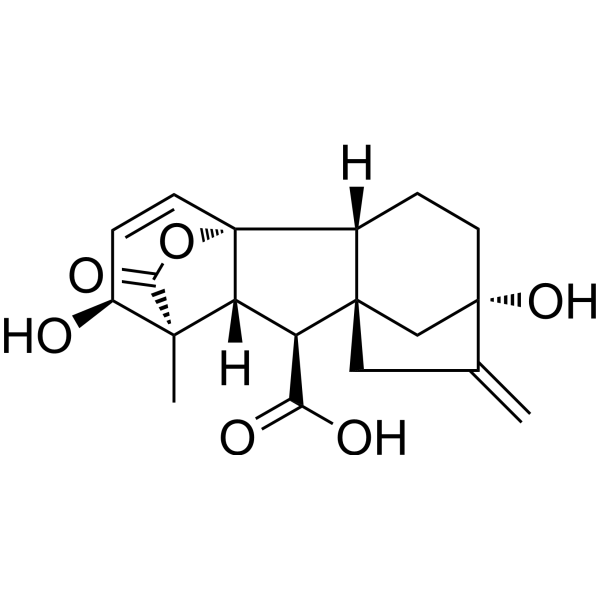
Cat. No.: HY-N1964
CAS No.: 77-06-5
Synonyms: Gibberellin A3
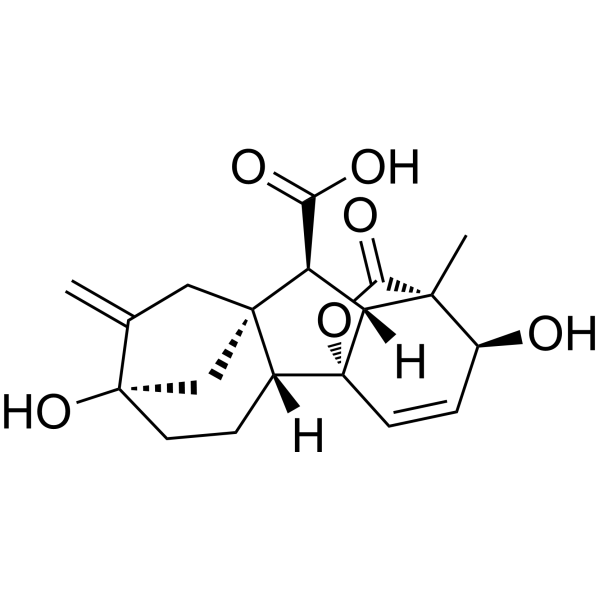
Gibberellic acid (GA3) is a natural plant growth regulator with oral bioactivity. Gibberellic acid governs multiple plant developmental events, including seed germination, cell elongation, floral organ formation, and rice spikelet fertility. Gibberellic acid optimizes root morphology and secondary metabolite production in Echinacea purpurea hairy roots, and serves as a bioactive seed priming agent to improve chilling stress tolerance in chickpea. Gibberellic acid mediates modulation of enzyme activity and secondary metabolism in plants and exerts tissue-specific regulatory effects on antioxidant systems and lipid peroxidation in rats. Gibberellic acid can be used in studies of plant growth, metabolism, and abiotic stress responses .
loading...
    loading...
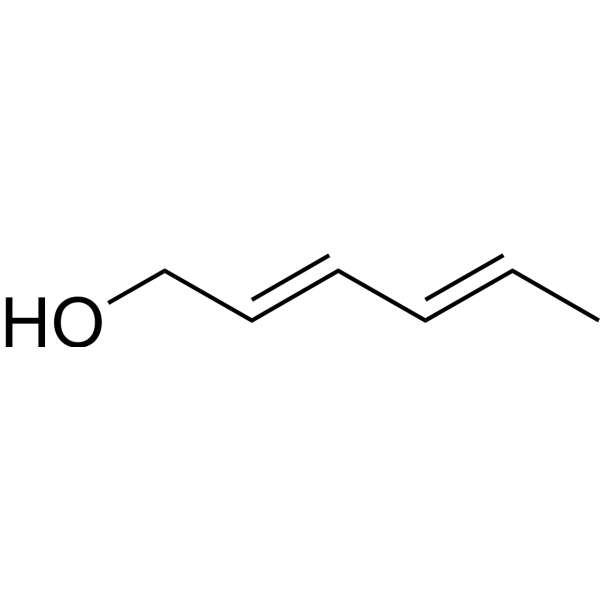
Cat. No.: HY-W017690
CAS No.: 17102-64-6
(2E,4E)-Hexa-2,4-dien-1-ol consists of a six-carbon chain with two conjugated double bonds between carbon atoms 2 and 3 and between carbon atoms 4 and 5, and a The hydroxyl group attached to carbon atom 1. This compound has a floral fragrance and can be found in a variety of plants in nature.
loading...
    loading...
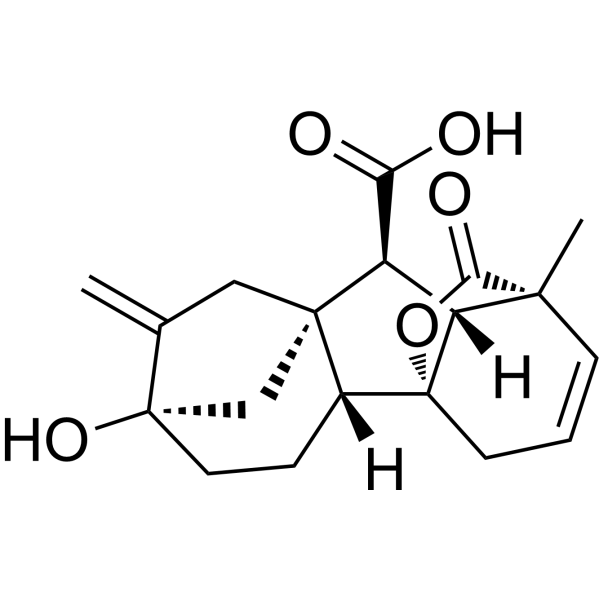
Cat. No.: HY-N9418
CAS No.: 561-56-8
Gibberellin A5 is a plant hormone that promotes floral development .
loading...
    loading...
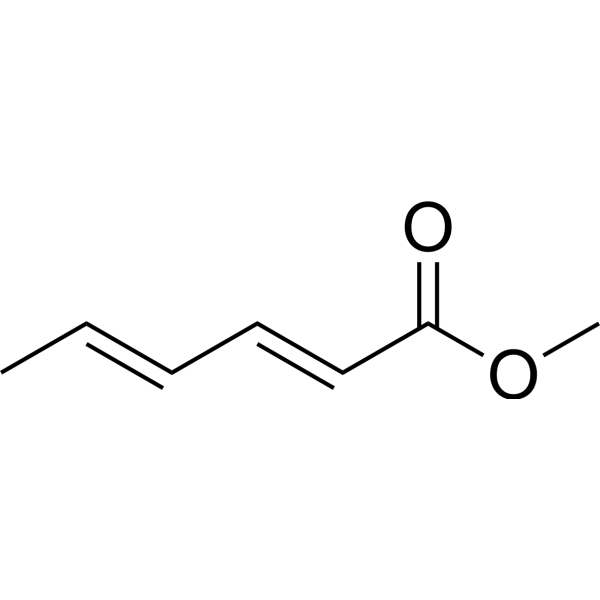
Cat. No.: HY-W068700
CAS No.: 1515-80-6
Methyl sorbate, which is an ester formed by the condensation of methanol and hexa-2,4-dienoic acid, is commonly used as a flavoring agent and fragrance in the food and cosmetic industries due to its fruity, floral, and taste, and in addition , it has also been investigated for its potential use as a starting material in the synthesis of various organic compounds, including pharmaceuticals, agrochemicals, and polymers.
loading...
    loading...
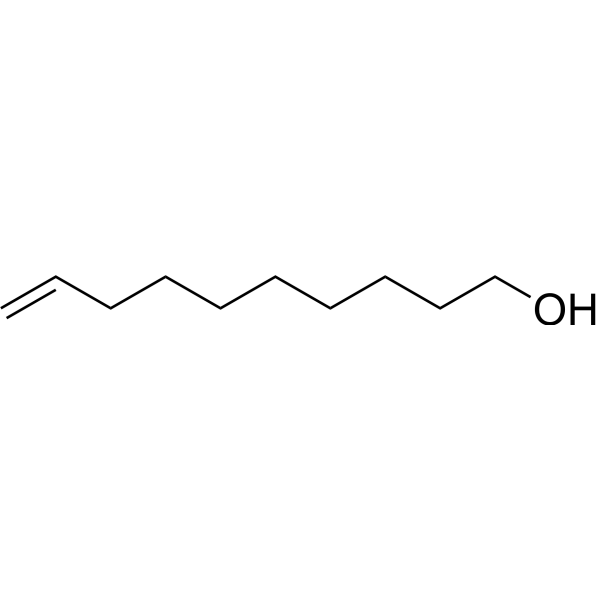
Cat. No.: HY-W105359
CAS No.: 13019-22-2
Synonyms: ω-Decen-1-ol
9-Decen-1-ol has a fatty odour. This compound is used in the flavor and fragrance industry for its pleasant smell, which is often described as sweet, floral and fruity. It can also be used as an intermediate in the synthesis of various organic compounds, including medicine, agricultural chemicals and polymer materials. Its unique chemical properties make it an important ingredient in many commercial products, including soaps, detergents and cosmetics.
loading...
    loading...
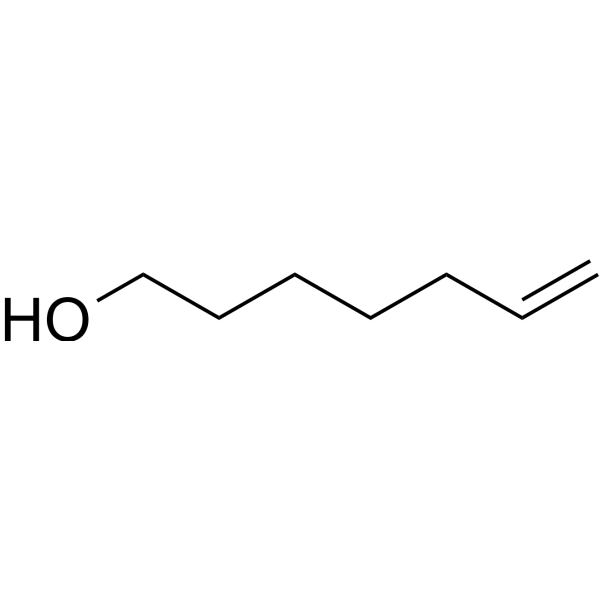
Cat. No.: HY-W127475
CAS No.: 4117-10-6
6-Hepten-1-ol has a floral and green odor and is commonly used as a flavoring agent in the food and beverage industry. In addition, it can be used as an intermediate in the synthesis of various organic compounds, including fragrances, pharmaceuticals, and agrochemicals. Its unique chemical properties make it an important ingredient in a variety of industrial processes, notably in the production of perfumes, air fresheners and cleaning agents.
loading...
    loading...
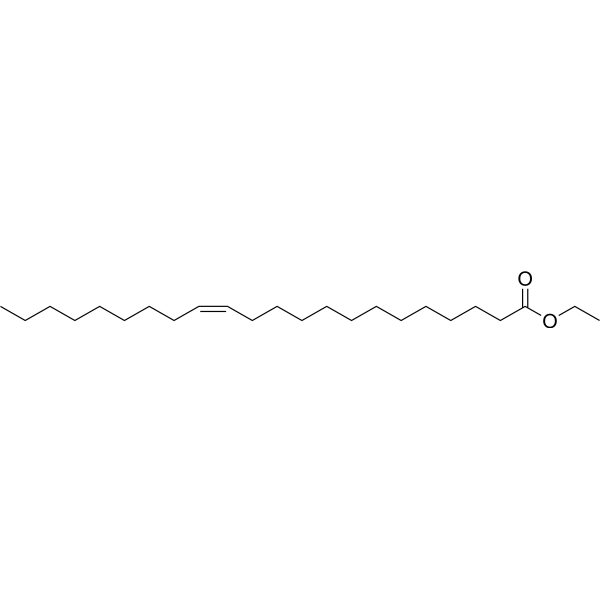
Cat. No.: HY-W099644
CAS No.: 37910-77-3
Synonyms: Ethyl erucate
Research Areas:  

Others

Ethyl docos-13-enoate is a colorless or pale yellow liquid with a sweet floral aroma, used as a flavoring agent in the food industry and as a flavor enhancer in perfumes and colognes. It is also found in some vegetable oils and is used as a surfactant and emulsifier in personal care products. Ethyl docos-13-enoate is a versatile compound used in various industries due to its pleasant odor and ability to mix ingredients together.
loading...
    loading...
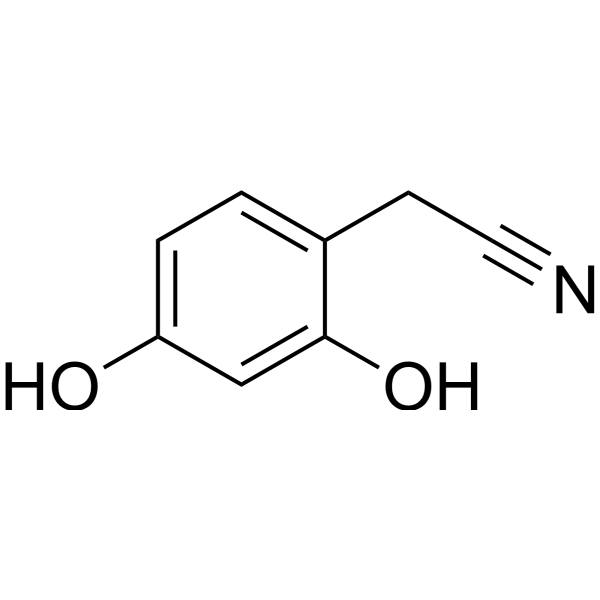
Cat. No.: HY-N0960
CAS No.: 57576-34-8
(2,4-Dihydroxyphenyl)acetonitrile is a natural compound found in Erica scoparia .
loading...
    loading...
Cat. No.: HY-W013521
CAS No.: 6259-76-3
Hexyl salicylate is a type of salicylic acid ester fragrance component used in cosmetics, household cleaners and detergents, featuring a gentle, floral/herbaceous sweet scent .
loading...
    loading...
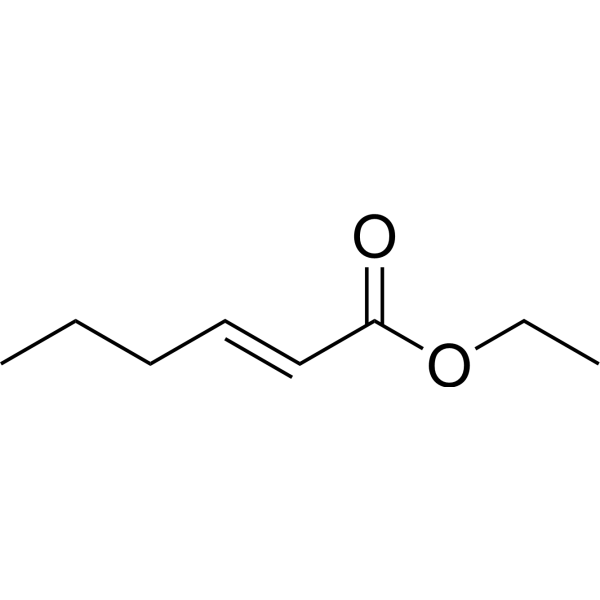
Cat. No.: HY-W017567
CAS No.: 27829-72-7
Synonyms: trans-2-Hexenoic Acid Ethyl Ester
Ethyl (E)-2-hexenoate consists of a six-carbon chain with a double bond between the 2nd and 3rd carbon atoms, an ethyl ester group attached to the 1st carbon atom, and a A methyl group connected by 4 carbon atoms. This compound has a fruity, sweet or floral aroma and is commonly used as a flavoring in foods such as baked goods, confectionary and beverages.
loading...
    loading...
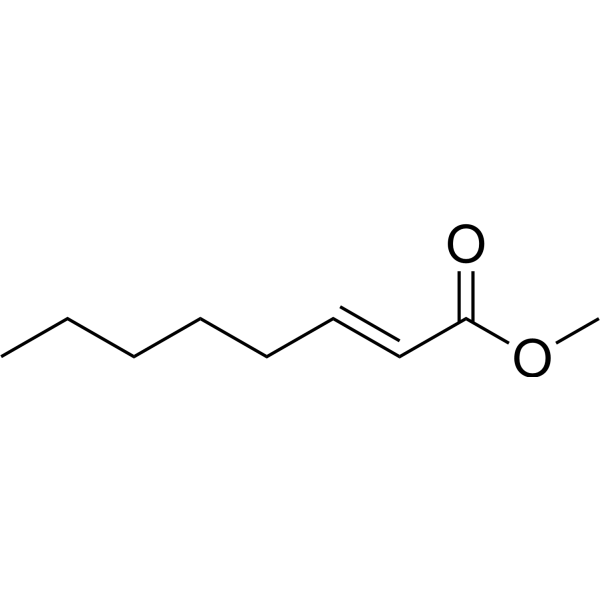
Cat. No.: HY-W039379
CAS No.: 7367-81-9
Synonyms: trans-2-Octenoic acid methyl ester
Methyl (E)-oct-2-enoate is commonly used as an ingredient in perfume, cologne, and food flavor in the perfume and fragrance industry. Its pleasant fragrance and low volatility make it a good choice for adding fruit to various products. A popular choice for incense, in addition to its application in the fragrance and fragrance industry, Methyl (E)-oct-2-enoate is also used as a raw material for the synthesis of other organic compounds, it can be oxidized to form methyl 3-oxobutyrate, Used in the production of pharmaceuticals and agrochemicals. Overall, Methyl (E)-oct-2-enoate is a versatile compound that is used in various industries for its pleasant aroma and reactivity, its fruity and floral notes in fragrances and essences Industry is highly sought after, and its ability to serve as a starting material for other compounds makes it useful in organic synthesis.
loading...
    loading...
Cat. No.: HY-N1964A
CAS No.: 77-06-5
Gibberellic acid, suitable for plant cell culture (GA3, suitable for plant cell culture) is a natural plant growth regulator with oral bioactivity. Gibberellic acid, suitable for plant cell culture governs multiple plant developmental events, including seed germination, cell elongation, floral organ formation, and rice spikelet fertility. Gibberellic acid, suitable for plant cell culture optimizes root morphology and secondary metabolite production in Echinacea purpurea hairy roots, and serves as a bioactive seed priming agent to improve chilling stress tolerance in chickpea. Gibberellic acid, suitable for plant cell culture mediates modulation of enzyme activity and secondary metabolism in plants and exerts tissue-specific regulatory effects on antioxidant systems and lipid peroxidation in rats. Gibberellic acid, suitable for plant cell culture can be used in studies of plant growth, metabolism, and abiotic stress responses .
loading...
    loading...
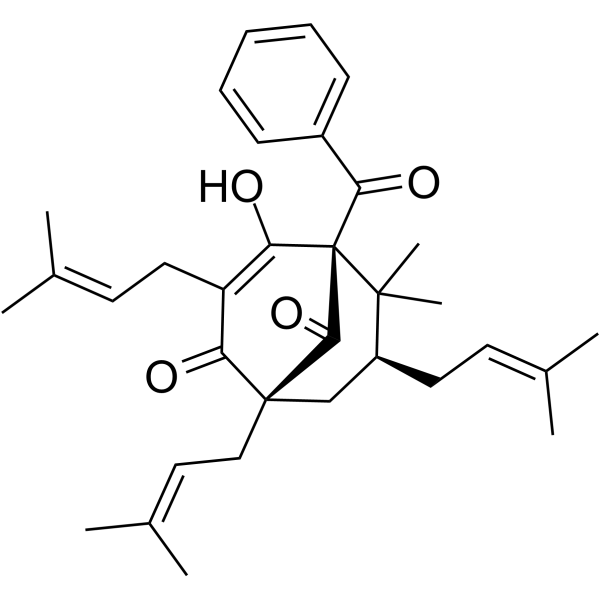
Cat. No.: HY-121458
CAS No.: 351416-47-2
Purity:  ≥99.0%
Nemorosone is the main component of the floral resin of Clusia rosea. Nemorosone has an antiproliferative effect on cancer cells. Nemorosone induces apoptosis in HT-29 and LoVo cells .
loading...
    loading...
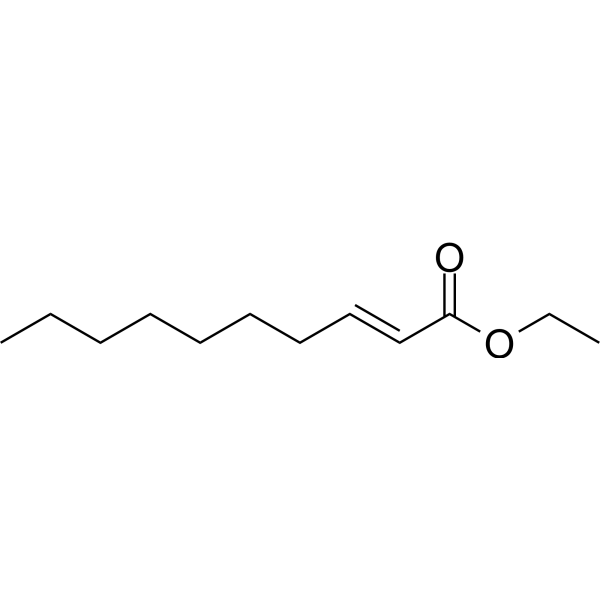
Cat. No.: HY-W127573
CAS No.: 7367-88-6
Ethyl trans-2-decenoate has a fruity and floral aroma and is commonly used as a flavoring agent in the food and beverage industry. In addition, it can be used as an intermediate in the synthesis of various organic compounds, including fragrances and pharmaceuticals. Its unique chemical properties make it an important ingredient in a variety of industrial processes, notably in the production of perfumes and air fresheners.
loading...
    loading...
Cat. No.: HY-125678
CAS No.: 25524-95-2
Jasmine lactone, a volatile substance produced by plants under stress, has a strong odor and is known for its unique jasmine-like floral and fruity scent which is very popular in tea, especially in oolong and black tea. The biosynthesis mechanism of Jasmine lactone in tea is regulated by various stresses, including mechanical damage and low temperature stress. Continuous mechanical damage and low temperature and mechanical damage can enhance the accumulation of Jasmine lactone in tea .
loading...
    loading...
Cat. No.: HY-N1964R
CAS No.: 77-06-5
Synonyms: Gibberellin A3 (Standard)
Gibberellic acid (Standard) is the analytical standard of Gibberellic acid (GA3) (HY-N1964). This product is intended for research and analytical applications. Gibberellic acidis a natural plant growth regulator with oral bioactivity. Gibberellic acid governs multiple plant developmental events, including seed germination, cell elongation, floral organ formation, and rice spikelet fertility. Gibberellic acid optimizes root morphology and secondary metabolite production in Echinacea purpurea hairy roots, and serves as a bioactive seed priming agent to improve chilling stress tolerance in chickpea. Gibberellic acid mediates modulation of enzyme activity and secondary metabolism in plants and exerts tissue-specific regulatory effects on antioxidant systems and lipid peroxidation in rats. Gibberellic acid can be used in studies of plant growth, metabolism, and abiotic stress responses .
loading...
    loading...
Cat. No.: HY-N9418R
CAS No.: 561-56-8
Gibberellin A5 (Standard) is the analytical standard of Gibberellin A5 (HY-N9418). This product is intended for research and analytical applications. Gibberellin A5 is a plant hormone that promotes floral development .
loading...
    loading...
Cat. No.: HY-W099503
CAS No.: 112-06-1
Category:  

Natural Products

Heptyl acetate is a kind of trace short-chain fatty acid ester, which can be found in the fruit essential oil of Shiikuwasha. Heptyl acetate initially has a scent of floral sweet woody notes, and after dilution, it becomes grassy woody. It is the key low-concentration high-olfactory-sensory active component that defines the characteristic fruity aroma of Taiwan fragrant lemon .
loading...
    loading...
Cat. No.: HY-W099618
CAS No.: 30673-38-2
Synonyms: Decanoic acid isobutyl ester
Isobutyl decanoateIt is an organic compound belonging to esters. It is formed by the reaction of isobutanol and capric acid to form a clear, colorless liquid with a fruity and floral aroma. Isobutyl decanoateIt has a variety of applications in the food and fragrance industries, especially as a flavoring and fragrance agent in products such as perfume, cologne and baked goods. In addition, it can also be used as an intermediate in the synthesis of other organic compounds.
loading...
    loading...
Cat. No.: HY-W127421
CAS No.: 2306-91-4
Synonyms: Isopentyl decanoate
Isoamyl decanoateIt is an organic compound belonging to esters. Formed from the reaction of isoamyl alcohol and capric acid, it has a fruity and slightly floral aroma.Isoamyl decanoateIt has a variety of applications in the cosmetic and personal care industries, especially as an emollient and conditioning agent in skin and hair care products. In addition, it is used as a flavoring agent in food and as a solvent in industrial settings.
loading...
    loading...

