132 Results for "

Erythrocytes

" in MedChemExpress (MCE) Product Catalog:
Products (132)

132 Results for "Erythrocytes" in MCE Product Catalog:

32
32 Publications Verification
Cat. No.: HY-N0142
CAS No.: 60-82-2
Synonyms: NSC 407292; RJC 02792
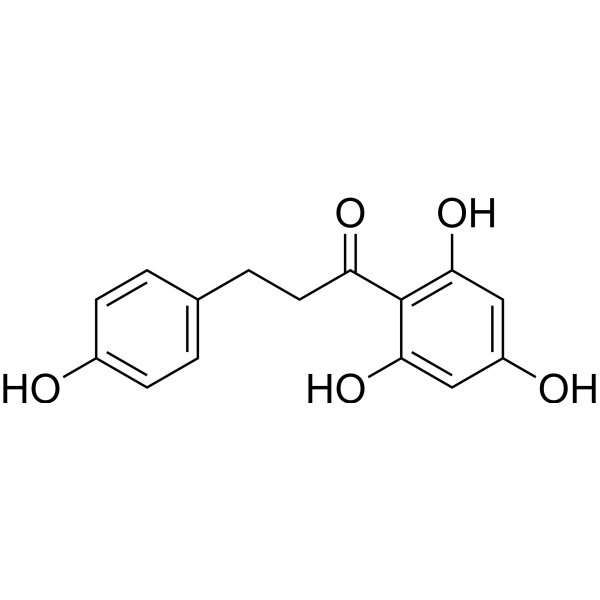
Phloretin (NSC 407292; RJC 02792) is a flavonoid extracted from Malus pumila Mill.,has anti-inflammatory activities. Phloridzin is a specific,competitive and orally active inhibitor of sodium/glucose cotransporters in the intestine (SGLT1) and kidney (SGLT2). Phloretin inhibits Yeast-made GLUT1 as well as Human erythrocyte GLUT1 with IC50values of 49 μM and 61 μM,respectively .Phloretin has the potential for the treatment of rheumatoid arthritis (RA) and allergic airway inflammation .
loading...
    loading...
11
11 Cited Publications
Cat. No.: HY-123962
CAS No.: 421581-52-4
Purity:  98.18%
Target:  

NADPH Oxidase

Research Areas:  

Metabolic Disease

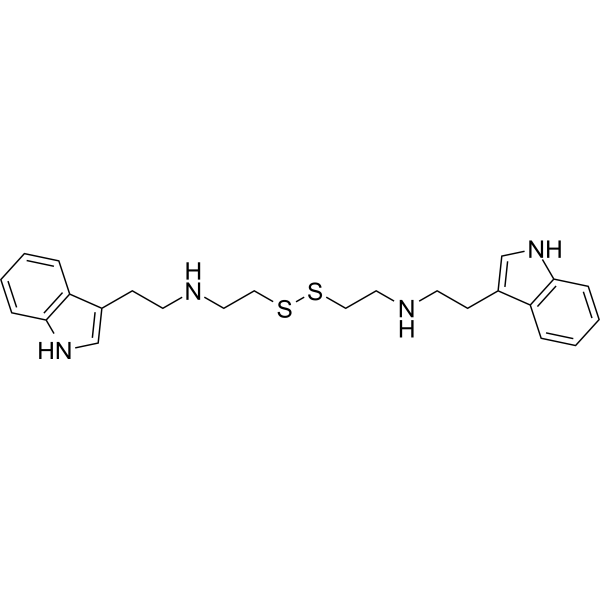
G6PD activator AG1 is a potent and selective glucose-6-phosphate dehydrogenase (G6PD) agonist with an EC50 of 3 μM. G6PD is an oxidoreductase that catalyzes the oxidation of glucose-6-phosphate to 6-phosphogluconolactone and the simultaneous reduction of NAD phosphate (NADP) to reduced NADP (NADPH). G6PD activator AG1 can reduce hemolysis of human erythrocytes .
loading...
    loading...
10
10 Cited Publications
Cat. No.: HY-D0844
CAS No.: 27025-41-8
Synonyms: L-Glutathione oxidized; GSSG; Oxiglutatione
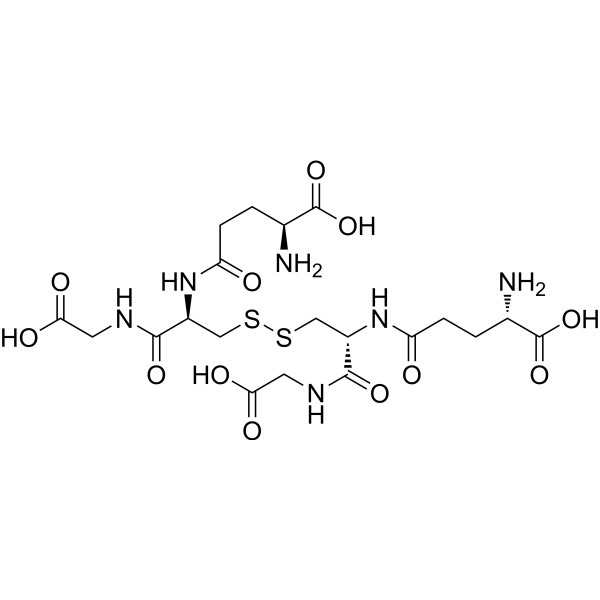
Glutathione oxidized (L-Glutathione oxidized) is produced by the oxidation of glutathione. Detoxification of reactive oxygen species is accompanied by production of glutathione oxidized. Glutathione oxidized can be used for the research of sickle cells and erythrocytes .
loading...
    loading...
8
8 Cited Publications
Cat. No.: HY-14280
CAS No.: 130929-57-6
Purity:  99.97%
Target:  

COMT

Research Areas:  

Neurological Disease Cancer

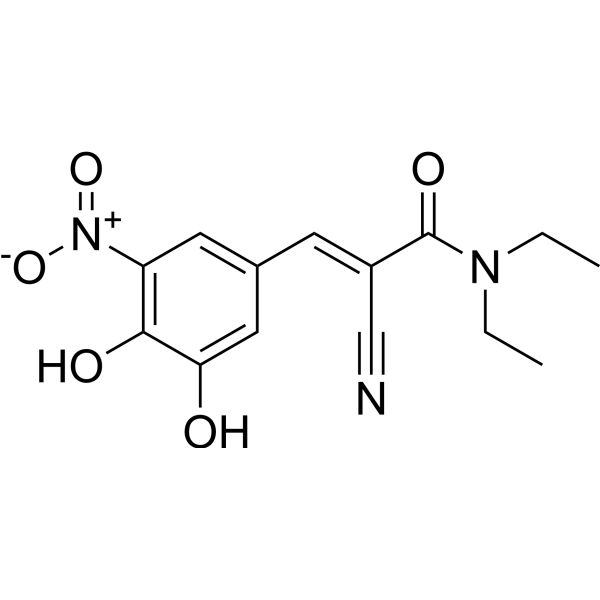
Entacapone is a potent, reversible, peripherally acting and orally active catechol-O-methyltransferase (COMT) inhibitor. Entacapone inhibits COMT from rat brain, erythrocytes and liver with IC50 values of 10 nM, 20 nM, and 160 nM, respectively. Entacapone is selective for COMT over other catecholamine metabolizing enzymes, including MAO-A, MAO-B, phenolsulphotransferase M (PST-M) and PST-P (IC50s>50 μM). Entacapone can be used for the research of Parkinson's disease . Entacapone serves as a inhibitor of FTO demethylation with an IC50 of 3.5 μM, can be used for the research of metabolic disorders .
loading...
    loading...
5
5 Cited Publications
Cat. No.: HY-103319
CAS No.: 57265-65-3
Purity:  99.94%
Synonyms: R 24571
Target:  

Autophagy Calmodulin

Research Areas:  

Neurological Disease Cancer

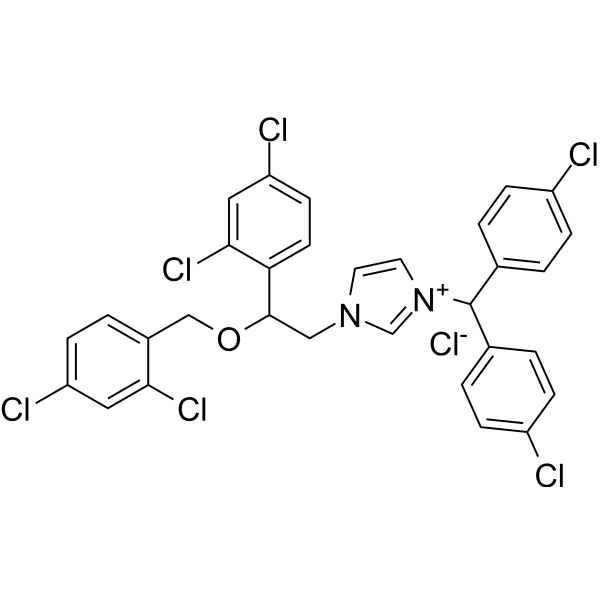
Calmidazolium chloride (R 24571) is a calmodulin antagonist, antagonizing CaM-dependent phosphodiesterase and calmodulin-induced activation of erythrocyte Ca2+-transporting ATPase with IC50s of 0.15 and 0.35 μM, respectively . Also in anti-cancer research . Calmidazolium binds to calmodulin with a Kd of 3 nM.
loading...
    loading...
5
5 Cited Publications
Cat. No.: HY-P99720
CAS No.: 1373715-00-4
Synonyms: ACE-536; luspatercept–aamt
Target:  

TGF-beta/Smad

Research Areas:  

Cardiovascular Disease

Luspatercept (ACE-536) is a recombinant modified ActRIIB fusion protein that binds with transforming growth factor β superfamily ligands. Luspatercept increases the erythrocyte numbers and promotes maturation of erythroid precursors. Luspatercept binds with GDF11 and inhibits Smad2/3 signaling. Luspatercept can be used for the research of anemia .
loading...
    loading...
3
3 Cited Publications
Cat. No.: HY-Y0525
CAS No.: 2997-92-4
Synonyms: 2,2'-Azodiisobutyramidine dihydrochloride
Research Areas:  

Inflammation/Immunology

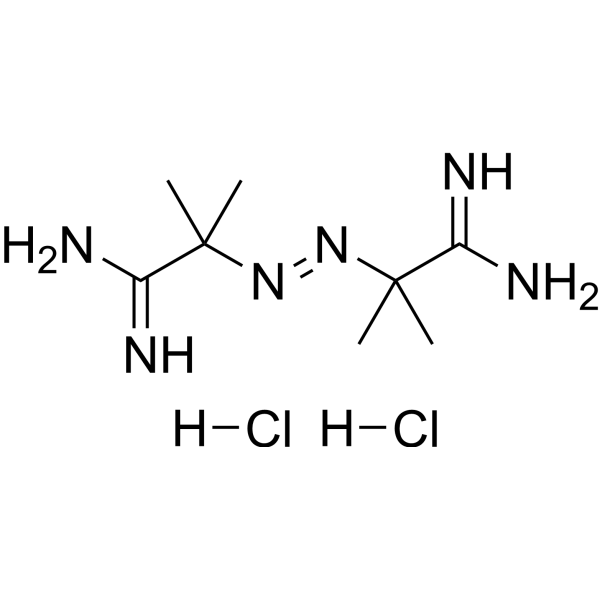
AAPH (2,2'-Azodiisobutyramidine dihydrochloride) has an effect of radical generation. AAPH induces oxidative stress and erythrocyte hemolysis . AAPH decomposes at 37°C to generate an alkyl radical, is used as an initiator. In the presence of oxygen, these alkyl radicals will be converted to peroxyl radicals that can cause lipid peroxidation and loss of erythrocyte membrane integrity, which could ultimately lead to hemolysis .
loading...
    loading...
2
2 Cited Publications
Cat. No.: HY-129064
CAS No.: 9054-89-1
Synonyms: SOD
Target:  

SOD

Research Areas:  

Inflammation/Immunology Cancer

Superoxide dismutase, Porcine erythrocytes (SOD) is the only antioxidant enzyme that scavenges the superoxide anion by converting this free radical to oxygen and hydrogen peroxide, thus preventing peroxynitrite production and further damage. Superoxide dismutase, Porcine erythrocytes is extensively researched and used in anti-inflammatory, antitumor, radiation protection, and antisenility applications .
loading...
    loading...
2
2 Cited Publications
Cat. No.: HY-148788
CAS No.: 2417955-18-9
Purity:  99.83%
Synonyms: GBT-601; GBT-021601
Target:  

Hemoglobin

Research Areas:  

Others

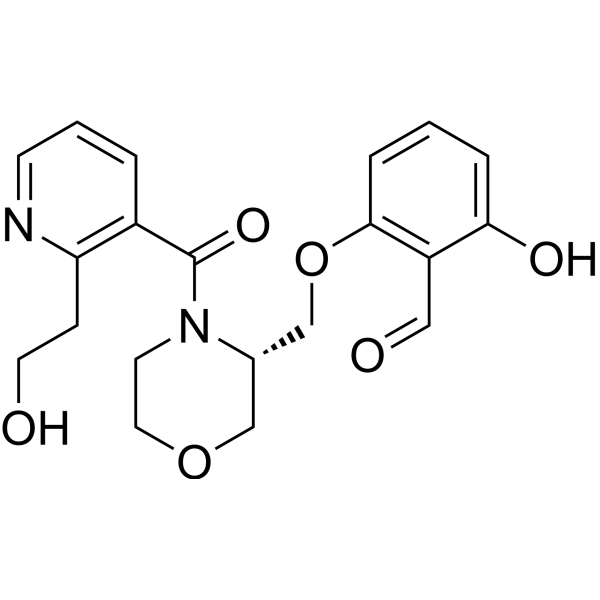
Osivelotor is an orally effective small molecule. Osivelotor is an allosteric regulator of deoxyhemoglobin S (HbS). Osivelotor increases the affinity of HbS to oxygen, inhibits HbS polymerization, and thus prevents erythrocyte sickling in the blood. Osivelotor can be used for research of sickle cell disease (SCD) .
loading...
    loading...
2
2 Cited Publications
Cat. No.: HY-D0844S
CAS No.: 1416898-83-3
Synonyms: L-Glutathione oxidized-13C4,15N2; GSSG-13C4,15N2; Oxiglutatione-13C4,15N2
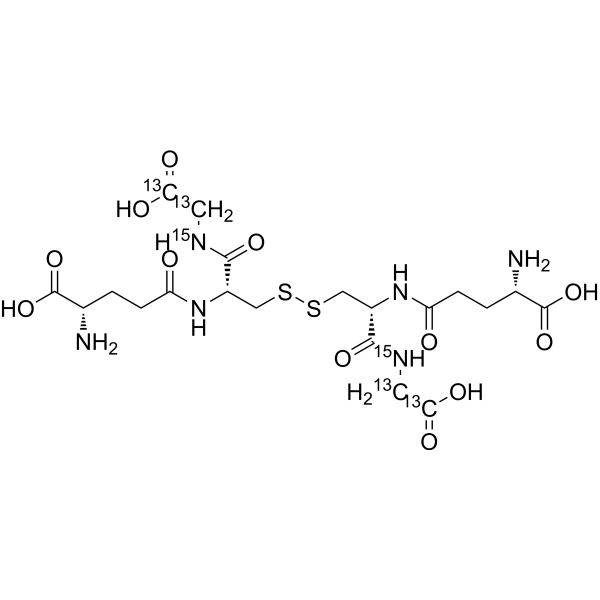
Glutathione oxidized- 13C4, 15N2 is the 13C and 15N labeled Glutathione oxidized (HY-D0844). Glutathione oxidized is produced by the oxidation of glutathione. Detoxification of reactive oxygen species is accompanied by production of glutathione oxidized. Glutathione oxidized can be used for the research of sickle cells and erythrocytes .
loading...
    loading...
2
2 Cited Publications
Cat. No.: HY-B0881
CAS No.: 968-81-0
Target:  

Potassium Channel

Research Areas:  

Metabolic Disease Cancer

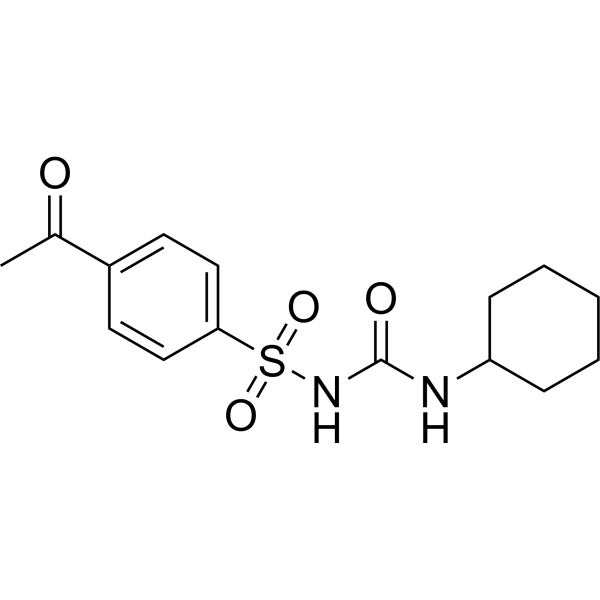
Acetohexamide is an orally active first-generation sulfonylurea agent used in research related to type 2 diabetes and cancer. Acetohexamide exerts reductase activity in human erythrocytes. Acetohexamide stimulates the pancreas to secrete insulin. Acetohexamide inhibits ATP-sensitive potassium channels in the β cells of the pancreas. Acetohexamide can inhibit the formation of circular chemorepellent induced defects (CCIDs) in lymphendothelial cell (LEC) monolayers. Acetohexamide inhibits markers of epithelial-to-mesenchymal-transition and migration. Acetohexamide suppresses the synthesis of 12(S)-HETE. Acetohexamide can potentiate hypoglycaemic action .
loading...
    loading...
1
1 Cited Publications
Cat. No.: HY-B1005
CAS No.: 148-24-3
Synonyms: 8-Quinolinol
Research Areas:  

Cancer

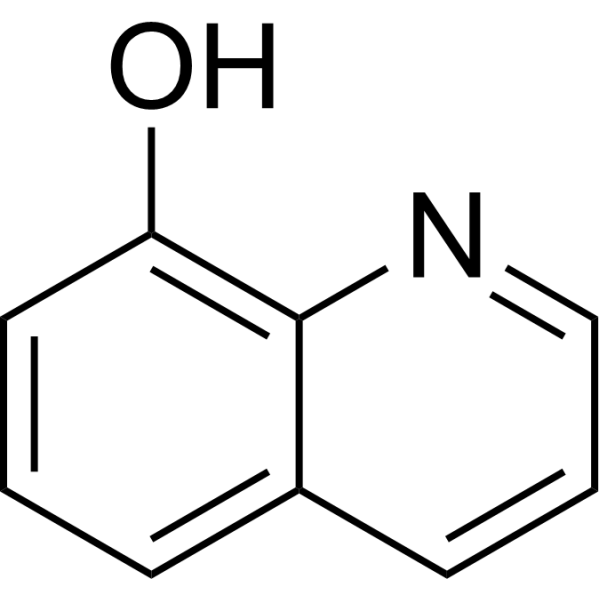
8-Hydroxyquinoline (8-Quinolinol) is a lipophilic metal chelator that can be used as a fungicide .8-Hydroxyquinoline shows the MIC range of 27.56-55.11 μM (4-8 μg/mL) against the clinical isolates of Neisseria gonorrhoeae. 8-Hydroxyquinoline can bind to copper form complexes and transport copper into cells. 8-Hydroxyquinoline increases in the number of micronucleated polychromatic erythrocytes and can also make hair depigmented in mice .
loading...
    loading...
1
1 Cited Publications
Cat. No.: HY-W020014
CAS No.: 78-98-8
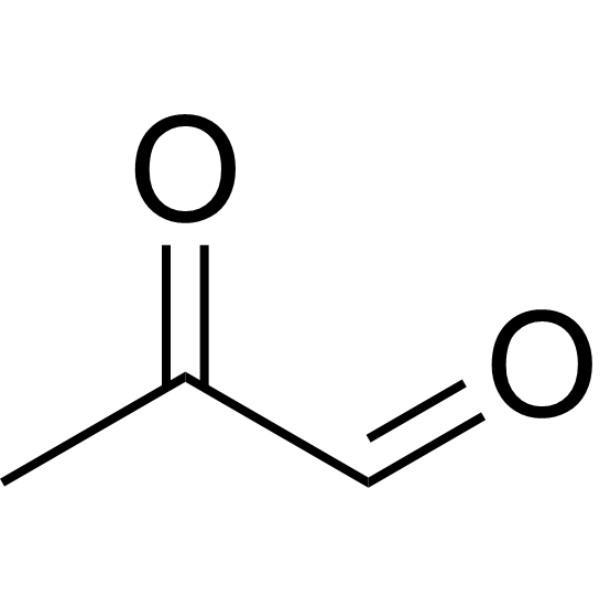
Pyruvic aldehyde (40%w/w in water) is a cell stabilizer. Pyruvic aldehyde (40%w/w in water) can be used for stabilization of cells, such as erythrocytes. Pyruvic aldehyde (40%w/w in water) can be efficiently catalyzed to Lactic acid (HY-B2227) by a Lewis acid catalyst .
loading...
    loading...
1
1 Cited Publications
Cat. No.: HY-N7526
CAS No.: 475-38-7
Synonyms: DHNQ; 5,8-Dihydroxy-1,4-naphthoquinone
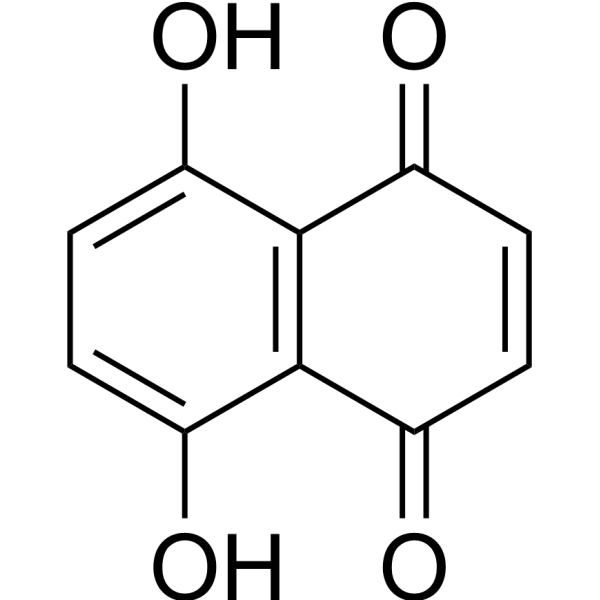
Naphthazarin (DHNQ) is a microtubule depolymerizing agent. Naphthazarin can improve motor function and reduce neuroinflammation in mouse models of Parkinson's disease. Naphthazarin can induce tumor cell apoptosis, autophagy, and cell cycle arrest. Naphthazarin can also induce erythrocyte apoptosis. Naphthazarin can be used in the research of tumors and neurodegenerative diseases .
loading...
    loading...
1
1 Cited Publications
Cat. No.: HY-113854
CAS No.: 1034148-15-6
Purity:  99.90%
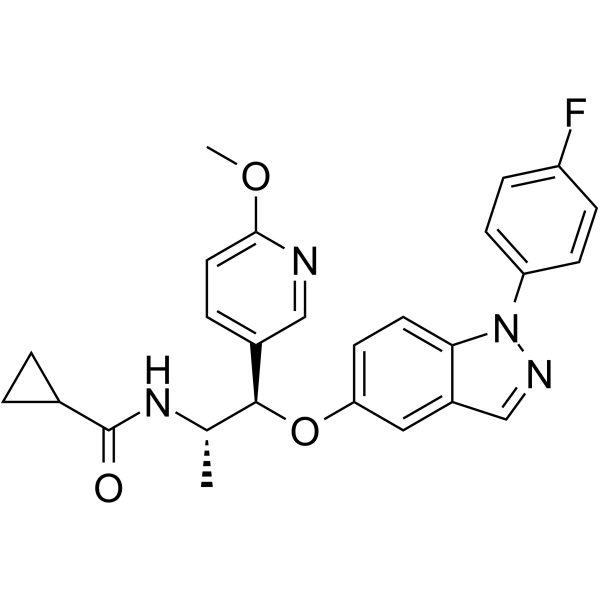
AZD2906 is a selective glucocorticoid receptor (GR) agonist, increases micronucleated immature erythrocytes in the bone marrow of rats. AZD2906 shows IC50s of 2.2, 0.3, 41.6 and 7.5 nM at GR in human, rat PBMC and human, rat whole blood, respectively .
loading...
    loading...
1
1 Cited Publications
Cat. No.: HY-117897
CAS No.: 1361004-87-6
Purity:  98.91%
Target:  

Parasite

Research Areas:  

Infection

CK-2-68 is an inhibitor for complex III in protozoan mitochondrial respiratory chain, by targeting the alternative NADH dehydrogenase (NDH2) of the malarial parasite Plasmodium. CK-2-68 exhibits antimalaria efficacy, that inhibits Plasmodium falciparum infected erythrocytes with an IC50 of 40 nM .
loading...
    loading...
1
1 Cited Publications
Cat. No.: HY-N3087
CAS No.: 13401-40-6
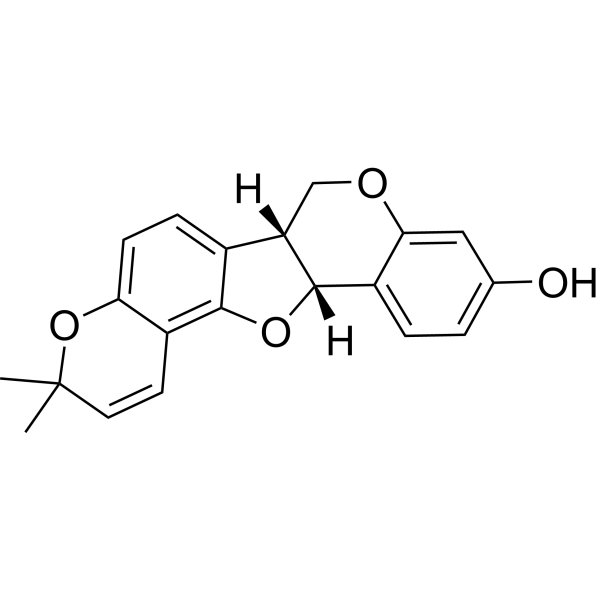
Phaseollin is an isoflavonoid phytoalexin that can be isolated from Phaseolus vulgaris . Phaseollin is toxic to bean hypocotyl and endocarp cells, and causes a complete lysis of sheep erythrocytes .
loading...
    loading...
1
1 Cited Publications
Cat. No.: HY-P1856
CAS No.: 33017-11-7
Proinsulin C-peptide (human) is a peptide consisting of 31 amino acids that links the A and B chains of proinsulin to ensure its correct folding. Proinsulin C-peptide (human) inhibits the high glucose-induced increase in PDGF-β receptor protein expression and the phosphorylation of p42/p44 MAP kinase. Proinsulin C-peptide (human) increases the deformability of erythrocytes derived from type 1 diabetes, inhibits insulin-induced neointimal thickening, and suppresses the proliferation of rat aortic smooth muscle cells cultured under high-glucose conditions .
loading...
    loading...
Cat. No.: HY-P1775
CAS No.: 9001-03-0
Synonyms: EC 4.2.1.1
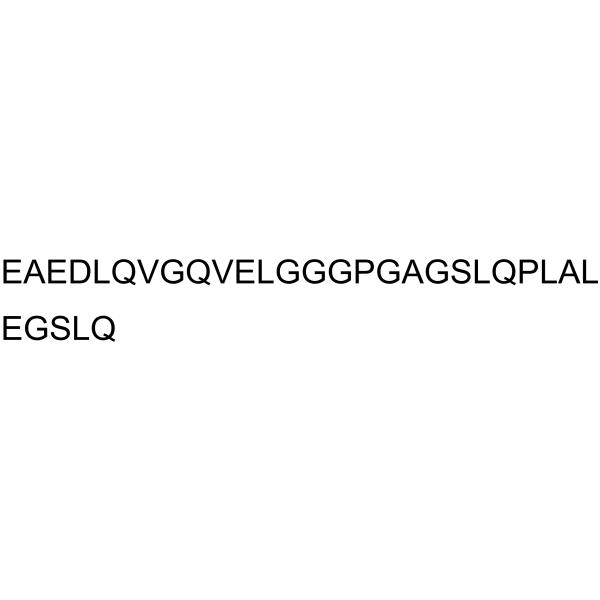
Carbonic anhydrase, Bovine erythrocytes (EC 4.2.1.1) is ubiquitous zinc-containing metalloenzyme present in prokaryotes and eukaryotes. Carbonic anhydrase can catalyze reversible conversion of carbon dioxide to bicarbonate and protons. Carbonic anhydrase can be used for the research of cancer, glaucoma, obesity and epilepsy .

loading...
    loading...
Cat. No.: HY-B0882
CAS No.: 116-38-1
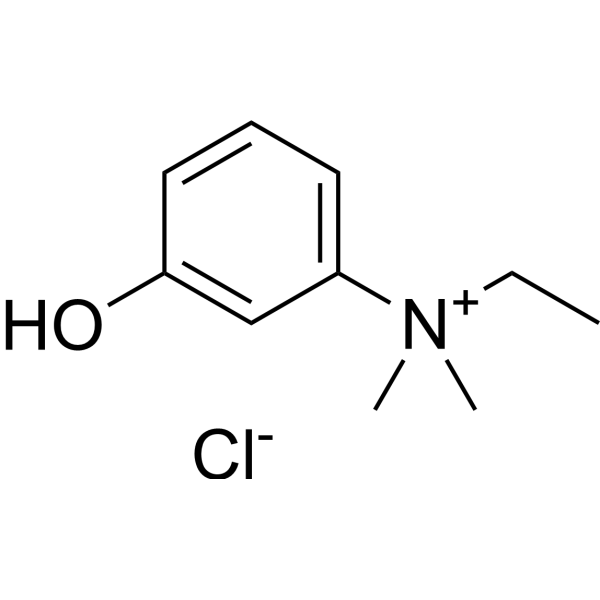
Edrophonium chloride is a short-acting acetylcholinesterase (AChE) inhibitor. Edrophonium chloride has Ki values of 0.2, 0.2, and 0.4 μM and IC50 values of 0.2, 0.05, and 0.5 μM for AChE in human erythrocytes, purified calf forebrain, and purified octopus brain, respectively. Edrophonium chloride can be used to detect early digitalis toxicity and in the study of myasthenia gravis .
loading...
    loading...

