237 Results for "

GLC data

" in MedChemExpress (MCE) Product Catalog:
Products (237)

237 Results for "GLC data" in MCE Product Catalog:

  • Categories Recommended:
    More
1
1 Cited Publications
Cat. No.: HY-P7272
Purity:  ≥ 95%, as determined by reducing SDS-PAGE.
Synonyms: NTF4; Neutrophic Factor 4; Prev. NTF5; NT-4; Neurotrophin-4; NT-5; NT-4/5; Neurotrophic Factor 5; GLC1O; GLC10; Neurotrophin 5 (Neurotrophin 4/5); NT4; Neurotrophic Factor 4; NT5; Neurotrophin 4; Neurotrophin-5
Species:  
Human
Source:  
E. coli
loading...
    loading...
1
1 Cited Publications
Cat. No.: HY-P75232
Purity:  ≥ 85%, as determined by reducing SDS-PAGE.
Synonyms: EFNA5; LERK-7; Prev. EPLG7; Alternative Protein EFNA5; EPH-Related Receptor Tyrosine Kinase Ligand 7; GLC1M; LERK7; EFL5; Ephrin-A5; RAGS; AF1; Ephrin A5; AL-1
Species:  
Mouse
Source:  
HEK293
loading...
    loading...
Cat. No.: HY-154831
CAS No.: 27888-44-4
Purity:  ≥98.0%
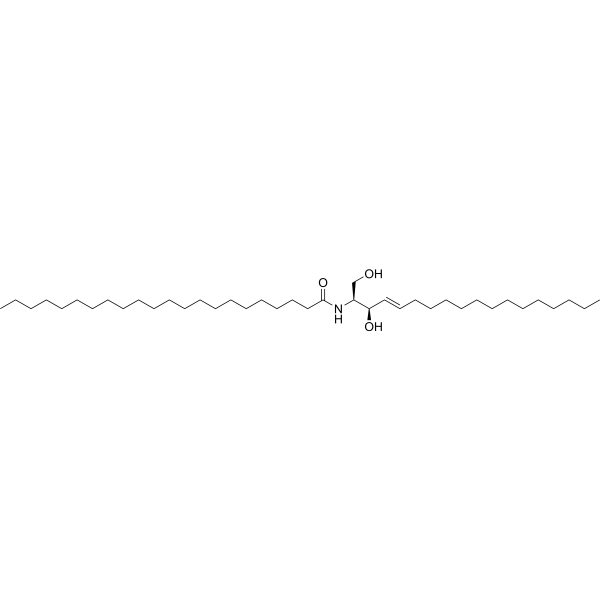
Synonyms: N-Behenoyl-D-erythro-sphingosine; C22-Ceramide; Cer d18:1/22:0
Target:  

Liposome

C22-Ceramide (d18:1/22:0) (N-Behenoyl-D-erythro-sphingosine) is an ultra-long-chain ceramide containing a C22:0 behenoyl acyl chain. C22-Ceramide can be glycosylated via CGT-3 to form C22 glucosylceramide (C22 GlcCer), which in turn maintains clathrin membrane localization and lysosomal homeostasis, inhibits TOR signaling and promotes SKN-1 activation, thereby enhancing oxidative stress resistance and extending the lifespan of C. elegans. C22-Ceramide can be used in research on cardiometabolic diseases such as type 2 diabetes, obesity, dyslipidemia, coronary artery disease and thin-cap fibroatheroma (TCFA), as well as oxidative stress and aging-related studies .
loading...
    loading...
Cat. No.: HY-W145496
CAS No.: 34980-39-7
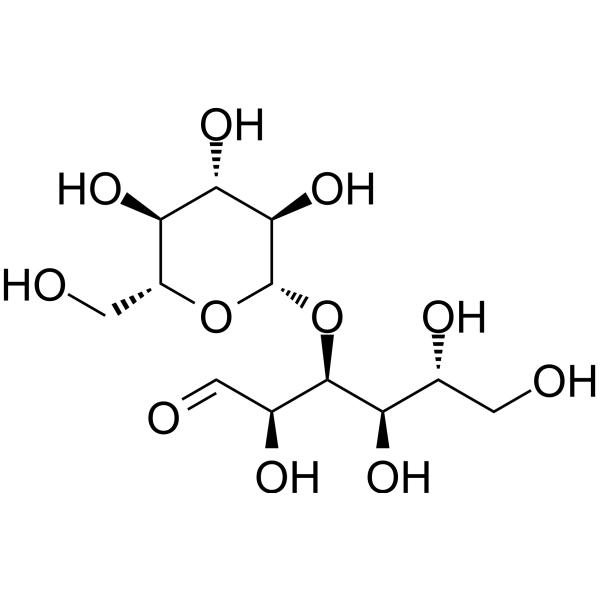
Synonyms: β-D-GLC-(1-3)-D-GLC
Laminaribiose is a disaccharide consisting of two glucose molecules linked by a β-1,3-glycosidic bond. It is ubiquitous in the cell walls of various plants and is a hydrolyzate of the polysaccharide laminarin. Laminaribiose has various applications in biochemical research, especially as a substrate for enzymes involved in carbohydrate metabolism. In addition, it can be used as a carbon source and dietary supplement for certain microorganisms.
loading...
    loading...
Cat. No.: HY-153552A
CAS No.: 2990021-73-1
Purity:  99.89%
Target:  

FAP

Research Areas:  

Cancer

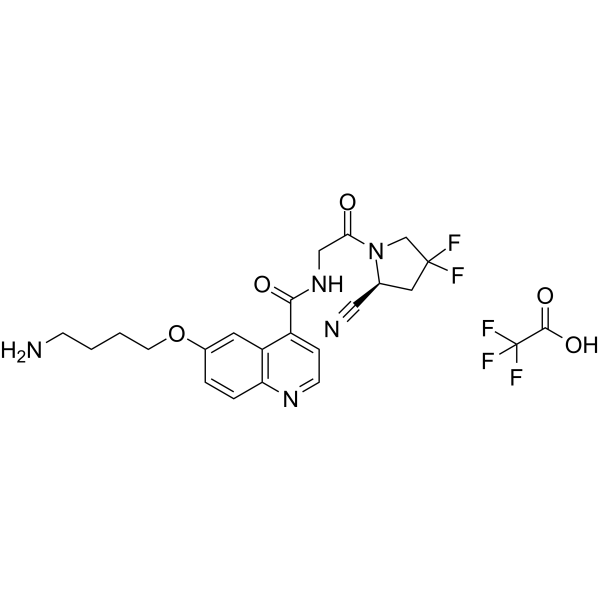
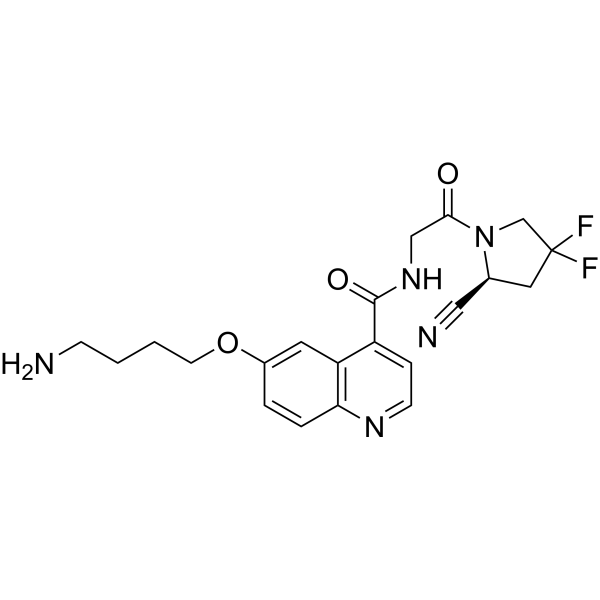
NH2-UAMC1110 TFA is an aminobutoxy derivative of the fibroblast activation protein (FAP) inhibitor UAMC1110 (HY-100684), and is a precursor compound for the synthesis of FAP inhibitor probes, not directly used in bioactivity experiments. For example, NH2-UAMC1110 TFA is involved in the synthesis of the radiotracer FAPI-QS, which exhibits high tumor selectivity and high dose effect, and has been used in tumor diagnosis. NH2-UAMC1110 TFA structurally incorporates an active amino group, allowing it to form covalent bonds with various molecules (such as DOTA, DATA5m, radionuclide chelators, etc.) to synthesize molecular imaging probes or targeted compounds with the ability to target FAP. NH2-UAMC1110 TFA specifically binds to the FAP active site, inhibiting its proline-selective serine protease activity (including dipeptidyl peptidase and endopeptidase activity), blocking FAP-mediated tissue remodeling-related processes. Its key activity is high targeting and high affinity, and its core function is to act as a targeting module coupled with bifunctional chelators (such as DOTA, DATA5m). NH2-UAMC1110 TFA can be applied to diagnostic imaging studies of tumors expressing FAP (such as colorectal cancer, pancreatic cancer, etc.), and also provides molecular tools for targeted research of FAP-related diseases with high FAP expression, such as fibrosis and arthritis .
loading...
    loading...
Cat. No.: HY-145519
CAS No.: 229644-17-1
Target:  

Fluorescent Dye

Research Areas:  

Neurological Disease

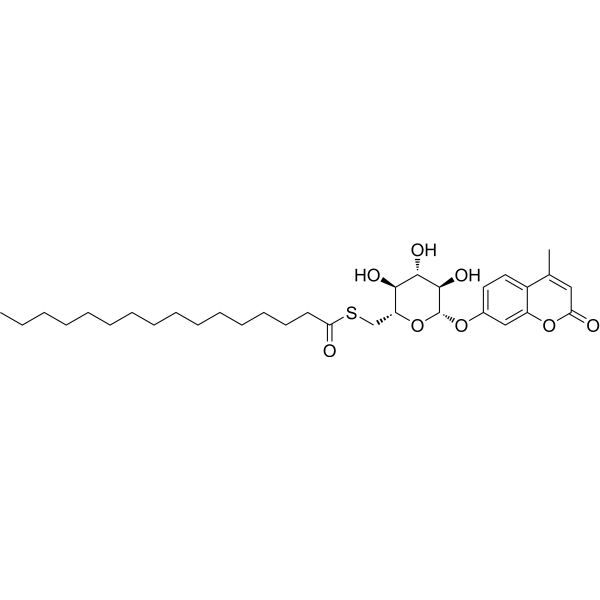
Mu-6S-Palm-β-Glc is a fluorogenic substrate for palmitoyl-protein thioesterase (PPT). Mu-6S-Palm-β-Glc can be used for the research of neuronal ceroid lipofuscin disease in infants .
loading...
    loading...
Cat. No.: HY-114615
CAS No.: 216758-20-2
Purity:  99.7%
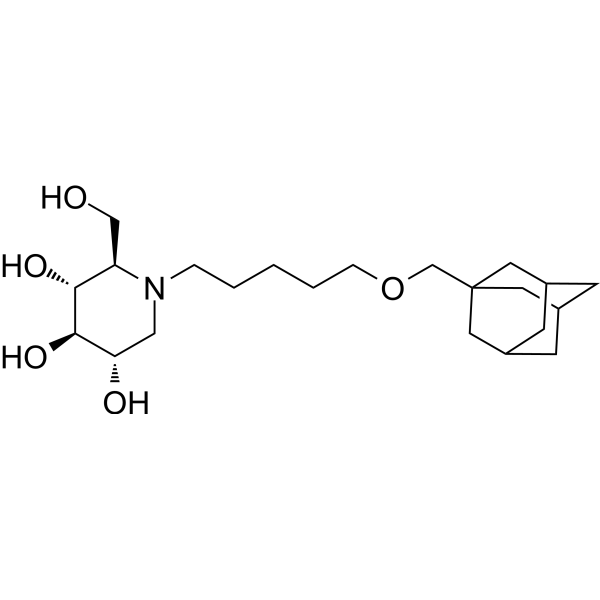
Synonyms: AMP-DNM
AMP-Deoxynojirimycin (AMP-DNM) is a potent ceramide glucosyltransferase and GCase 2 inhibitor. AMP-Deoxynojirimycin also is a GlcCer biosynthesis inhibitor .
loading...
    loading...
Cat. No.: HY-153552
CAS No.: 2758337-19-6
Target:  

FAP

Research Areas:  

Cancer

NH2-UAMC1110 is an aminobutoxy derivative of the fibroblast activation protein (FAP) inhibitor UAMC1110 (HY-100684), and is a precursor compound for the synthesis of FAP inhibitor probes, not directly used in bioactivity experiments. For example, NH2-UAMC1110 is involved in the synthesis of the radiotracer FAPI-QS, which exhibits high tumor selectivity and high dose-response, and has been used for tumor diagnosis. NH2-UAMC1110 introduces an active amino group into its structure, enabling it to form covalent bonds with various molecules (such as DOTA, DATA5m, radionuclide chelators, etc.), thereby synthesizing molecular imaging probes or targeted compounds with the ability to target FAP. NH2-UAMC1110 specifically binds to the FAP active site, inhibiting its proline-selective serine protease activity (including dipeptidyl peptidase and endopeptidase activity), blocking FAP-mediated tissue remodeling processes. Its key activity is high targeting and high affinity, and its core function is to be coupled with bifunctional chelators (such as DOTA, DATA5m) as a targeting module. NH2-UAMC1110 can be applied to diagnostic imaging studies of tumors expressing FAP (such as colorectal cancer, pancreatic cancer, etc.), and also provides molecular tools for targeted research of FAP-related diseases with high FAP expression, such as fibrosis and arthritis .
loading...
    loading...
Cat. No.: HY-170035
CAS No.: 95119-86-1
Synonyms: C18 Glucosyl(β) ceramide (d18:1/18:0); D-glucosyl-β-1,1' N-stearoyl-D-erythro-sphingosine
Target:  

Fungal Wnt β-catenin

Research Areas:  

Infection Neurological Disease Cancer

GlcCer (d18:1/18:0) (C18 Glucosyl(β) ceramide (d18:1/18:0)) is a glycosphingolipids that activates the Wnt/β-catenin pathway by targeting LRP6. GlcCer (d18:1/18:0) drives EMT, migration, invasion and GBA1-mediated liver cancer metastasis. GlcCer (d18:1/18:0) accumulates to impair lysosomal function and induce toxic α-synuclein aggregation. GlcCer (d18:1/18:0) supports growth, sporulation, germination and virulence in Penicillium digitatum. GlcCer (d18:1/18:0) is reduced in demyelinated mouse corpus callosum. GlcCer (d18:1/18:0) can be used for the research of liver cancer, synucleinopathies, fungal, Parkinson’s disease and Gaucher disease .
loading...
    loading...
Cat. No.: HY-E70020
Target:  

Others

Research Areas:  

Others

UDP-Glc dehydrogenase (UGDH) catalyzes is a NAD+-dependent enzyme that catalyzes the two-fold oxidation of UDP-glucose (UDP-Glc) to produce UDP-glucuronic acid. UDP-Glc dehydrogenase (UGDH) is a key enzyme in the nucleotide-sugar interconversion pathway necessary for biosynthesis of many cell-wall polysaccharides .
loading...
    loading...
Cat. No.: HY-E70138
Synonyms: EC:2.4.1.133; B4GALT7
β-1,4-Galactosyltransferase 7 has exclusive specificity for the donor substrate UDP-galactose and all transfer galactose in a β-1,4 linkage to similar acceptor sugars: GlcNAc, Glc, and Xyl. .
loading...
    loading...
Cat. No.: HY-164049
CAS No.: 2490544-50-6
Research Areas:  

Inflammation/Immunology

TG8-260 is a second-generation EP2 antagonist developed to alleviate the pathology of central nervous system and peripheral diseases driven by inflammation. TG8-260 can reduce neuroinflammation and gliosis in the hippocampus of rats after pilocarpine-induced persistent epileptic status. Pharmacokinetic data of TG8-260 showed that its plasma half-life was 2.14 hours and its oral bioavailability was 77.3%. TG8-260 is also a potent inhibitor of CYP450 and shows antagonistic activity in inhibiting EP2 receptor-mediated inflammatory gene expression in BV2-hEP2 microglia, which is suitable for studying anti-inflammatory pathways in animal models of peripheral inflammatory diseases .
loading...
    loading...
Cat. No.: HY-E70028
CAS No.: 223918-15-8
Target:  

Endogenous Metabolite

Research Areas:  

Metabolic Disease

UDP-sugar pyrophosphorylase (BlUSP) is the enzyme capable of activating glucose-1-phosphate (Glc-1-P) to UDP-glucose (UDP-Glc). UDP-sugar pyrophosphorylase (BlUSP) catalyzes a reversible transfer of the uridyl group from UTP to sugar-1-phosphate, producing UDP-sugar and pyrophosphate (PPi) .
loading...
    loading...
Cat. No.: HY-151240
CAS No.: 85305-88-0
Purity:  98%
Target:  

Endogenous Metabolite

Research Areas:  

Neurological Disease

Galactosylceramide (GalC) is a galactosylceramide that has been implicated in many physiological and pathological phenomena. For example, important lysosomal storage disorders such as Gaucher disease (GD) and neurodegenerative diseases are characterized by GlcCer accumulation.
loading...
    loading...
Cat. No.: HY-151643
CAS No.: 1072903-76-4
Target:  

ADC Linkers

Research Areas:  

Others

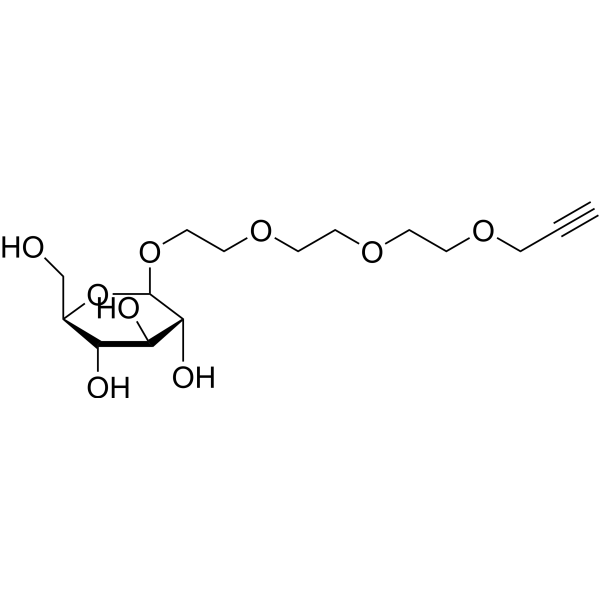
beta-Glc-TEG-Alkyne is a click chemistry reagent containing an alkynes group. beta-Glc-TEG-Alkyne can be used for the research of various biochemical .
loading...
    loading...
Cat. No.: HY-177891
Synonyms: UDP-4N3-GLC disodium
Research Areas:  

Others

UDP-4-azido-4-deoxy-D-Glc disodium is a sugar nucleotide.
loading...
    loading...
Cat. No.: HY-N10526
CAS No.: 41744-59-6
Synonyms: Gala-3Galb-4GLC
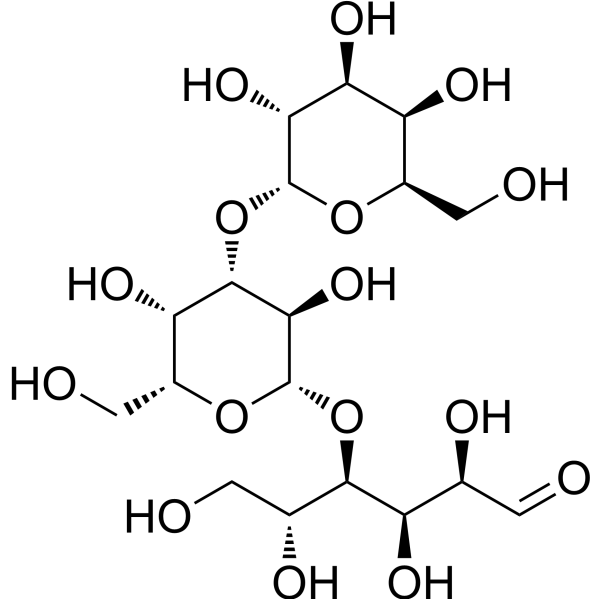
Isoglobotriaose (Gala-3Galb-4Glc) is a glycosphingolipid found in mammalian tissues. Isoglobotriaose is an analogue of Globotriaose, the ganglioside derivatives of them locate in difference position of small intestine, isoglobotriaosylceramide is restricted to the nonepithelial residue, while globotriaosylceramide is in both compartments .
loading...
    loading...
Cat. No.: HY-125826
CAS No.: 121591-98-8
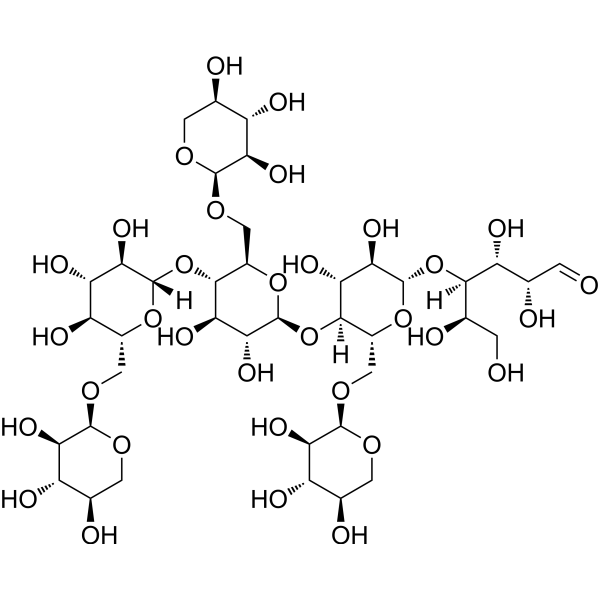
Heptasaccharide Glc4Xyl3, a covalent inhibitor of endo-xyloglucanases, is used for the identification and analysis of diverse xyloglucan-active enzymes in nature[1].
loading...
    loading...
Cat. No.: HY-W145558
CAS No.: 150412-80-9
Synonyms: Gal beta(1-4)GLC-beta-MP
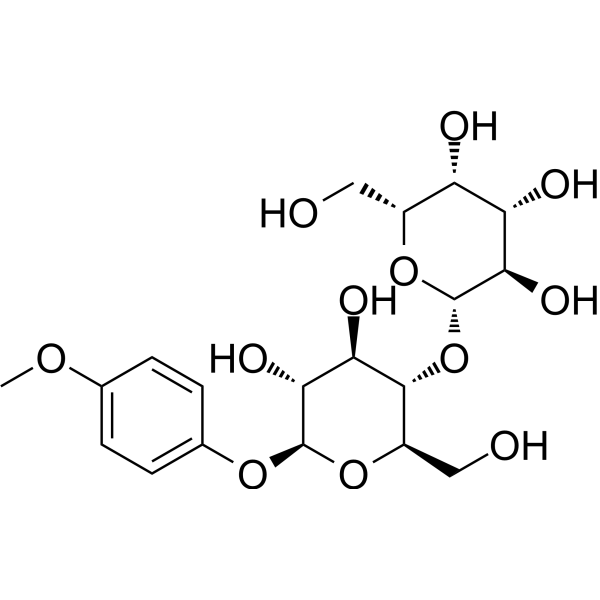
Galβ(1-4)Glc-β-MP is a biochemical reagent that can be used as a biological material or organic compound for life science related research.
loading...
    loading...
Cat. No.: HY-141464
CAS No.: 131287-39-3
Purity:  95.03%
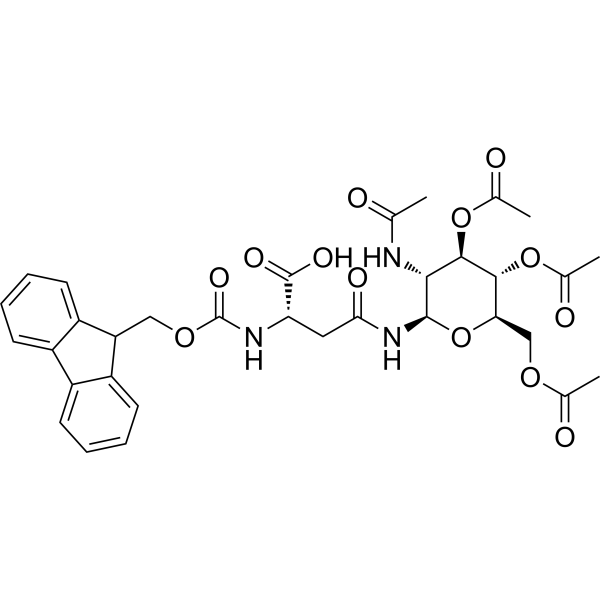
Synonyms: Fmoc-Asn(Ac3AcNH-beta-GLC)-OH
Research Areas:  

Cancer

Fmoc-L-Asn(beta-D-GlcNAc(Ac)3)-OH (Fmoc-Asn(Ac3AcNH-beta-Glc)-OH) is an intermediate. Fmoc-L-Asn(beta-D-GlcNAc(Ac)3)-OH can be used in the synthesis of SiFA (silicon-fluoride acceptor)-octreotate derivatives. SiFA-octreotate analogues, as tumor imaging agents, are useful tool for the research of positron emission tomography (PET) .
loading...
    loading...

