111 Results for "

Hyperglycemia

" in MedChemExpress (MCE) Product Catalog:
Products (111)

111 Results for "Hyperglycemia" in MCE Product Catalog:
513
513 Publications Verification
Cat. No.: HY-10358
CAS No.: 1032350-13-2
Purity:  99.94%
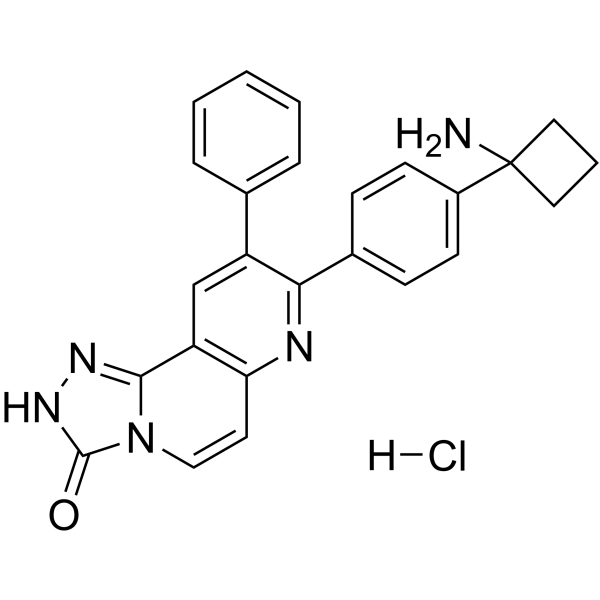
Synonyms: MK-2206 (2HCl)
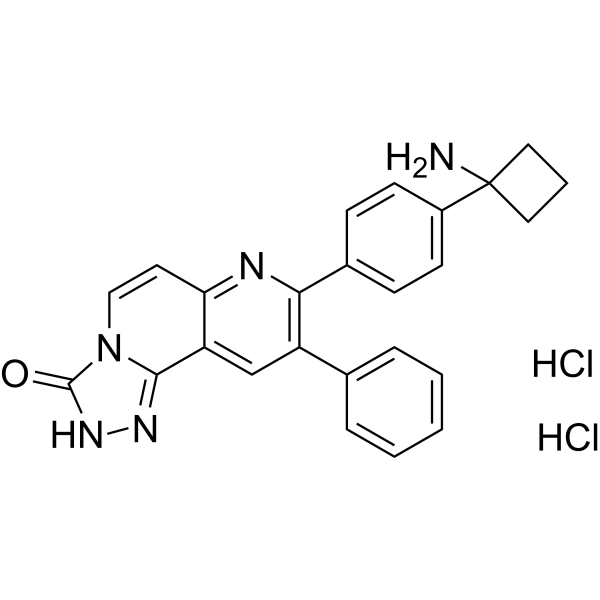
MK-2206 dihydrochloride (MK-2206 2HCl) is an orally active pan-AKT inhibitor, with IC50 values of 8 nM, 12 nM and 65 nM against AKT1, AKT2 and AKT3, respectively. MK-2206 dihydrochloride inhibits the Akt/mTOR signaling pathway and reduces the levels of downstream GSK3β and Mcl-1 via proteasomal degradation. MK-2206 dihydrochloride induces G1-phase cell cycle arrest, apoptosis, epithelial-mesenchymal transition, fibroblast activation and extracellular matrix deposition. MK-2206 dihydrochloride causes transient hyperglycemia and hyperinsulinemia in animals. MK-2206 dihydrochloride can be used in research related to solid tumors, renal fibrosis and hypercholesterolemia .
loading...
    loading...
513
513 Publications Verification
Cat. No.: HY-108232
CAS No.: 1032349-77-1
Purity:  99.72%
MK-2206 is an orally active pan-AKT inhibitor, with IC50 values of 8 nM, 12 nM and 65 nM against AKT1, AKT2 and AKT3, respectively. MK-2206 inhibits the Akt/mTOR signaling pathway and reduces the levels of downstream GSK3β and Mcl-1 via proteasomal degradation. MK-2206 induces G1-phase cell cycle arrest, apoptosis, epithelial-mesenchymal transition, fibroblast activation and extracellular matrix deposition. MK-2206 causes transient hyperglycemia and hyperinsulinemia in animals. MK-2206 can be used in research related to solid tumors, renal fibrosis and hypercholesterolemia .
loading...
    loading...
60
60 Cited Publications
Cat. No.: HY-14452
CAS No.: 125256-00-0
Purity:  99.85%
Synonyms: 125B11
Research Areas:  

Cancer

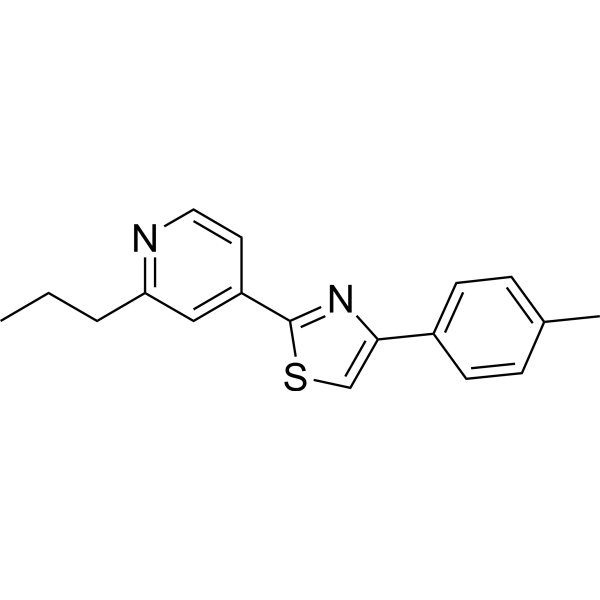
Fatostatin (125B11), a specific inhibitor of SREBP activation, impairs the activation of SREBP-1 and SREBP-2. Fatostatin binds to SCAP (SREBP cleavage-activating protein), and inhibits the ER-Golgi translocation of SREBPs. Fatostatin decreases the transcription of lipogenic genes in cells. Fatostatin possesses antitumor properties, and lowers hyperglycemia in ob/ob mice .
loading...
    loading...
60
60 Cited Publications
Cat. No.: HY-14452A
CAS No.: 298197-04-3
Purity:  99.52%
Synonyms: 125B11 hydrobromide
Research Areas:  

Cancer

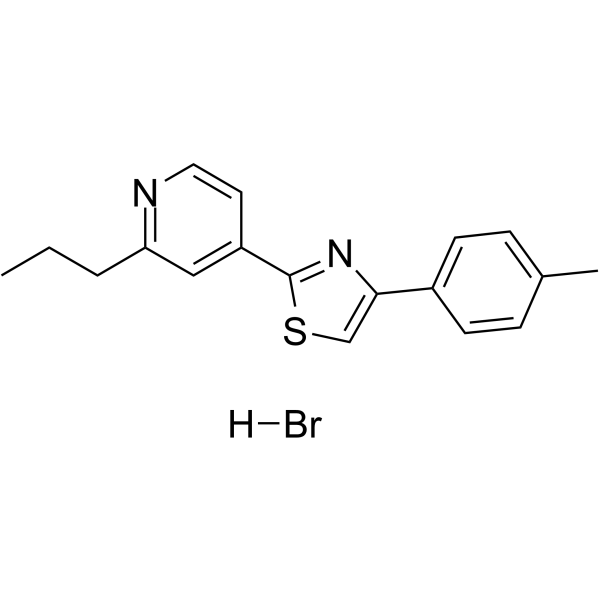
Fatostatin hydrobromide (125B11 hydrobromide), a specific inhibitor of SREBP activation, impairs the activation of SREBP-1 and SREBP-2. Fatostatin hydrobromide binds to SCAP (SREBP cleavage-activating protein), and inhibits the ER-Golgi translocation of SREBPs. Fatostatin hydrobromide decreases the transcription of lipogenic genes in cells. Fatostatin hydrobromide possesses antitumor properties, and lowers hyperglycemia in ob/ob mice .
loading...
    loading...
4
4 Cited Publications
Cat. No.: HY-N2821
CAS No.: 2545-00-8
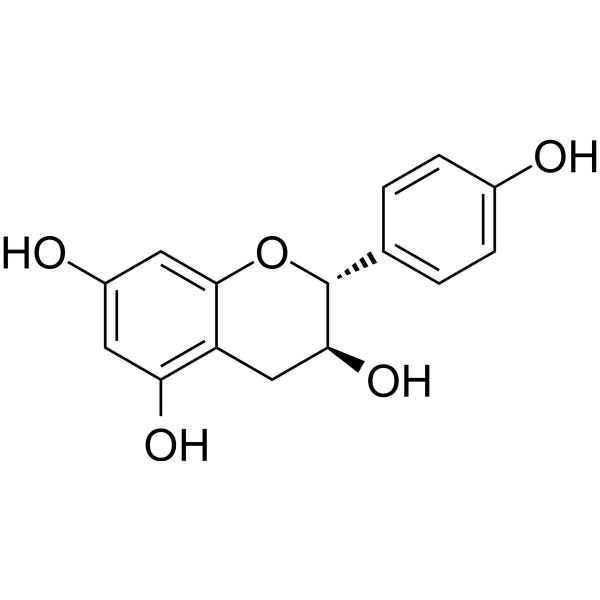
(+)-Afzelechin, isolated from rhizomes of Bergenia ligulata, is an alpha-glucosidase activity inhibitor with an ID50 (50% inhibition dose) value of 0.13 mM. (+)-Afzelechin can delay the absorption of carbohydrates in food to suppress postprandial hyperglycemia and hyperinsulinemia .
loading...
    loading...
3
3 Cited Publications
Cat. No.: HY-19057A
CAS No.: 130466-38-5
Synonyms: MK-467 hydrochloride; L-659066 hydrochloride
Target:  

Adrenergic Receptor

Vatinoxan hydrochloride (MK-467 hydrochloride) is a peripherally selective α2-Adrenoceptor antagonist. Vatinoxan hydrochloride blocks peripheral α2-adrenoceptor-mediated vasoconstriction, bradycardia, hyperglycemia, diuresis, lens opacity, and decreased intraocular pressure, delays pupil dilation, and maintains corneal thickness. Vatinoxan hydrochloride, when combined with Medetomidine (HY-17034)/benzodiazepines, reduces respiratory rate and increases pulse rate, cutaneous microcirculation, tissue oxygenation, peripheral heat loss, and cardiac index, while altering gastrointestinal perfusion and mean arterial pressure, without causing death, hypotension, or hypoglycemia, and blocks vasoconstriction of chelonian resistance arteries .
loading...
    loading...
3
3 Cited Publications
Cat. No.: HY-17553
CAS No.: 135463-81-9
Synonyms: MKC-231
Target:  

iGluR

Research Areas:  

Neurological Disease

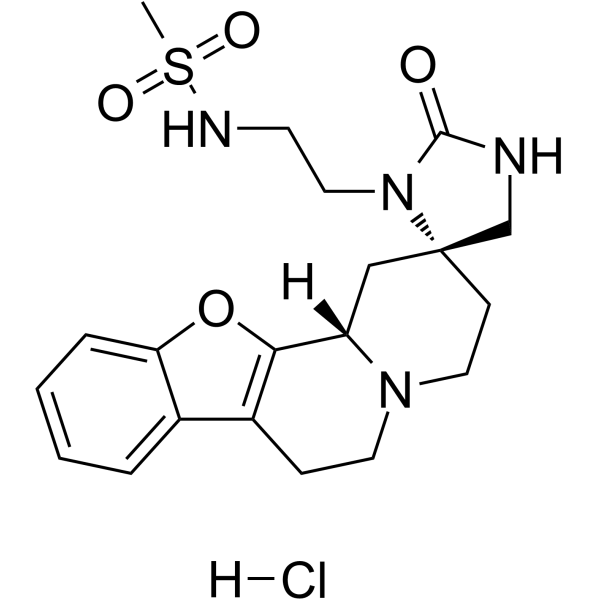
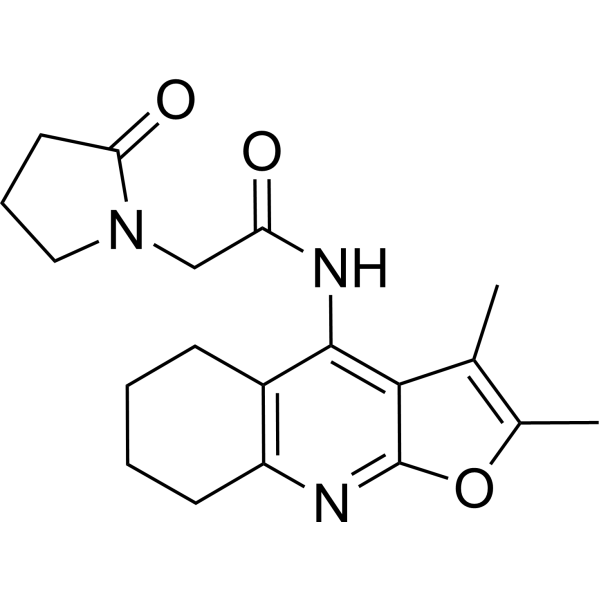
Coluracetam (MKC-231) is an orally taken choline uptake enhancer. Coluracetam can improve the reduced acetylcholine levels in the hippocampus of rats and mice, enhancing learning difficulties, memory deficits, and cognitive impairments. Coluracetam induces a lower degree of hepatic venous hyperglycemia .
loading...
    loading...
3
3 Cited Publications
Cat. No.: HY-19057
CAS No.: 114914-42-0
Synonyms: MK-467; L-659066
Vatinoxan (MK-467) is a peripherally selective α2-Adrenoceptor antagonist. Vatinoxan blocks peripheral α2-adrenoceptor-mediated vasoconstriction, bradycardia, hyperglycemia, diuresis, lens opacity, and decreased intraocular pressure, delays pupil dilation, and maintains corneal thickness. Vatinoxan, when combined with Medetomidine (HY-17034)/benzodiazepines, reduces respiratory rate and increases pulse rate, cutaneous microcirculation, tissue oxygenation, peripheral heat loss, and cardiac index, while altering gastrointestinal perfusion and mean arterial pressure, without causing death, hypotension, or hypoglycemia, and blocks vasoconstriction of chelonian resistance arteries .
loading...
    loading...
2
2 Cited Publications
Cat. No.: HY-B0920
CAS No.: 1156-19-0
Synonyms: U-17835
Target:  

Potassium Channel

Research Areas:  

Metabolic Disease Endocrinology

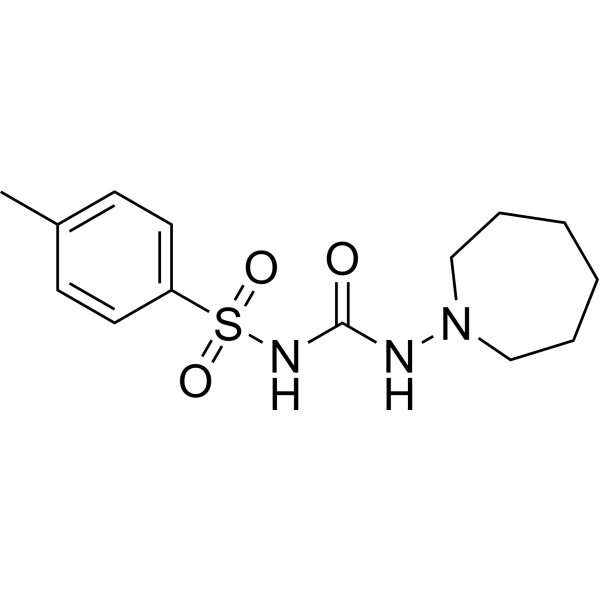
Tolazamide (U-17835) is an orally active sulfonylurea agent that inhibits sulfonylurea receptor 1 (SUR1) linked to the inwardly rectifying potassium channel (IC50 = 4.2 µM in HEK293 cells transfected with the human receptor). Tolazamide has anti-diabetic properties. Tolazamide can lower blood glucose in sulfonylurea class. Tolazamide decreases insulin dose while continuing to maintain adequate metabolic control. Tolazamide is able to improve or normalize hyperglycemia and HbA .
loading...
    loading...
2
2 Cited Publications
Cat. No.: HY-145733
CAS No.: 2247061-09-0
Purity:  99.62%
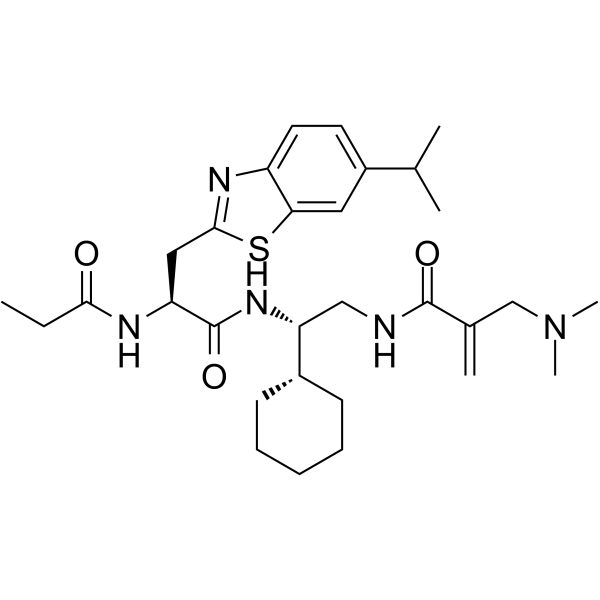
DI-1859 is a DCN1 and cullin 3 inhibitor with a Ki of <1 nM against human DCN1. DI-1859 forms a covalent bond with Cys115 of DCN1, cleaves its dimethylamino group, disrupts the DCN1-UBC12 interaction, and selectively inhibits the neddylation modification of cullin 3 relative to other cullins. DI-1859 inactivates CRL3, promotes the accumulation of NRF2 and SLC7A11, upregulates the expression of HO-1 and NQO1, reduces reactive oxygen species (ROS) levels, enhances insulin signaling, promotes insulin secretion, activates RhoA, regulates the phosphorylation of AKT, without completely blocking the neddylation modification of cullin 3 or restoring the expression of IRS-1. DI-1859 can be used in the research of Acetaminophen (HY-66005)-induced hepatotoxicity, hyperglycemia, metabolic dysfunction-associated steatotic liver disease, insulin resistance, breast cancer and lung cancer .
loading...
    loading...
1
1 Cited Publications
Cat. No.: HY-W006957
CAS No.: 4338-48-1
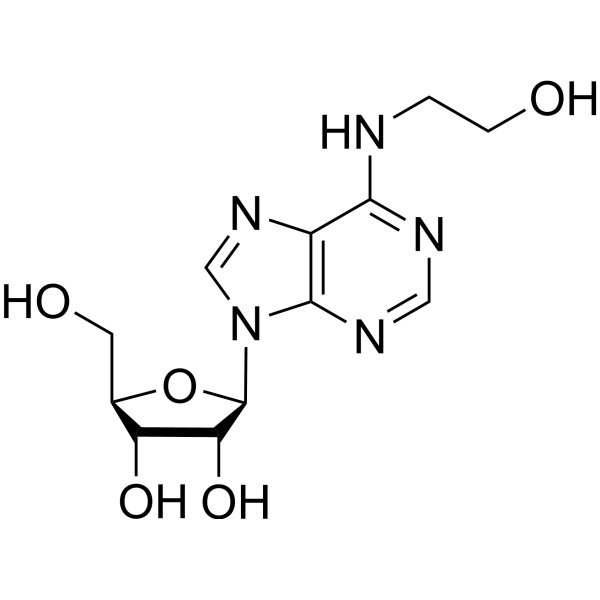
N6-(2-Hydroxyethyl)adenosine is a purine nucleoside analog. N6-(2-Hydroxyethyl)adenosine inhibits NF-κB/Smad signaling pathway, exhibits anti-hyperglycemia, antioxidant, antitumor and anti-inflammatory and insecticidal activities. N6-(2-Hydroxyethyl)adenosine is orally active .
loading...
    loading...
1
1 Cited Publications
Cat. No.: HY-120380
CAS No.: 133314-07-5
Purity:  99.8%
Target:  

MOFs PARP

Research Areas:  

Neurological Disease

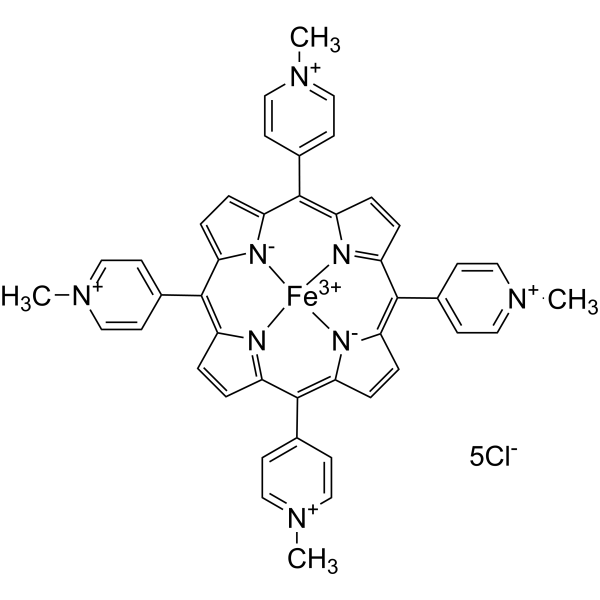
FeTMPyP is an orally active poly (ADP-ribose) polymerase (PARP) inhibitor. FeTMPyP inhibits cell death, nitrotyrosine formation, and depolarization of mitochondrial transmembrane potential. FeTMPyP reduces homocysteine-induced nitrosative stress and partially restores TFEB protein and mRNA levels. FeTMPyP improves functional and behavioral deficits caused by chronic constriction injury in rats. FeTMPyP alleviates acute cerebral infarction in a rat model of middle cerebral artery occlusion with mild hyperglycemia. FeTMPyP can be used in studies related to neuropathic pain, renal aging, ischemic penumbra, and hyperglycemic stroke .
loading...
    loading...
1
1 Cited Publications
Cat. No.: HY-W704574
CAS No.: 77102-28-4
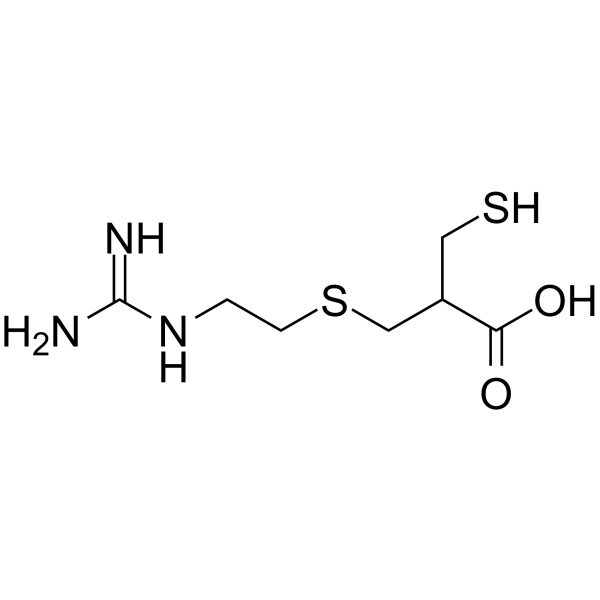
Mergetpa is a reversible Arg-carboxypeptidase inhibitor with high affinity. Mergetpa reduces B1R. Mergetpa blocks the overexpression of IL-1β protein and mRNA in glucose-fed rats. Mergetpa significantly increases the expression of IL-1β protein in the renal cortex. Mergetpa is used to block the conversion of kinins and B2 receptor antagonists into metabolites lacking the C-terminal arginine. Mergetpa inhibits the time-dependent enhancement of the response of isolated rabbit aorta to bradykinin. Mergetpa preserves the chemotactic activity of full-length SDF-1α on cells. Mergetpa reverses hyperglycemia, excessive weight gain, elevated levels of oxidative stress markers and overexpression of inflammatory markers in glucose-fed rats .
loading...
    loading...
1
1 Cited Publications
Cat. No.: HY-Y1091
CAS No.: 923-27-3
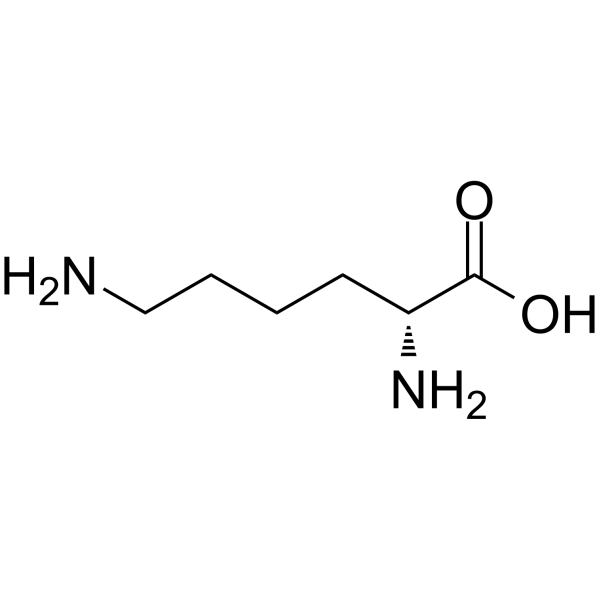
D-Lysine is the D-enantiomer of L-Lysine (HY-N0469). D-Lysine is metabolically inert and not utilized for protein synthesis by mammalian ribosomes. D-Lysine blocks renal uptake of 111In/ 90Y-Octreotide (HY-P0036)-based probes without inhibiting uptake by tumor/receptor tissues, and thus acts as a renoprotective agent in diagnostic imaging and peptide receptor radionuclide therapy (PRRT). D-Lysine specifically inhibits the early steps of non-enzymatic glycation by competing with glucose via its free amino group, theoretically, it can serve as a glycation competitor that "does not interfere with protein synthesis" under chronic hyperglycemia in diabetes. D-Lysine can be used in research related to cancer and diabetes .
loading...
    loading...
1
1 Cited Publications
Cat. No.: HY-Y1804
CAS No.: 7274-88-6
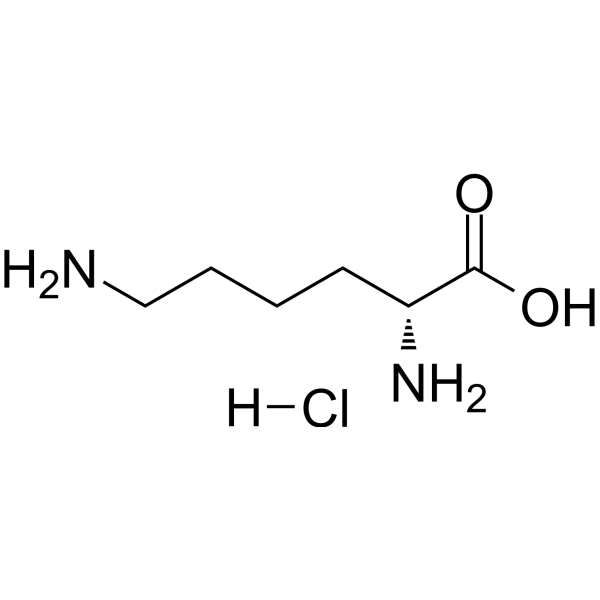
D-Lysine monohydrochloride is the D-enantiomer of L-Lysine (HY-N0469). D-Lysine monohydrochloride is metabolically inert and not utilized for protein synthesis by mammalian ribosomes. D-Lysine monohydrochloride blocks renal uptake of 111In/ 90Y-Octreotide (HY-P0036)-based probes without inhibiting uptake by tumor/receptor tissues, and thus acts as a renoprotective agent in diagnostic imaging and peptide receptor radionuclide therapy (PRRT). D-Lysine monohydrochloride specifically inhibits the early steps of non-enzymatic glycation by competing with glucose via its free amino group, theoretically, it can serve as a glycation competitor that "does not interfere with protein synthesis" under chronic hyperglycemia in diabetes. D-Lysine monohydrochloride can be used in research related to cancer and diabetes .
loading...
    loading...
1
1 Cited Publications
Cat. No.: HY-W540188A
Synonyms: Ketomalonic acid calcium trihydrate; Mesoxalic acid calcium trihydrate; Oxomalonic acid calcium trihydrate
Target:  

Insulin Receptor

Research Areas:  

Metabolic Disease

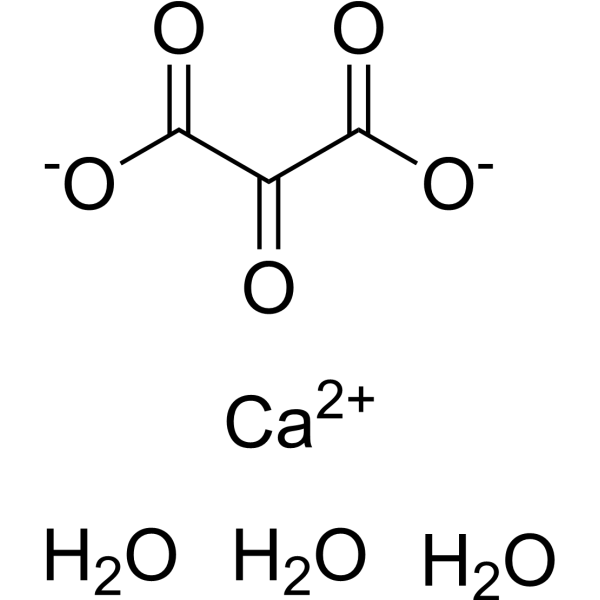
Calcium mesoxalate trihydrate (Ketomalonic acid calcium trihydrate) is an orally active antidiabetic agent. Calcium mesoxalate trihydrate increases pancreatic insulin content. Calcium mesoxalate trihydrate reduces dietary hyperglycemia. Calcium mesoxalate trihydrate inhibits Epinephrine-induced hyperglycemia in rabbits and exacerbates Alloxan (HY-116823)-induced hypoglycemic convulsions. Calcium mesoxalate trihydrate exerts no antidiabetic effect in pancreatectomized dogs and fails to reduce the susceptibility of rabbits to Alloxan-induced diabetes. Calcium mesoxalate trihydrate can be used in diabetes-related research .
loading...
    loading...
1
1 Cited Publications
Cat. No.: HY-19522C
CAS No.: 928821-40-3
Synonyms: MBX-8025 (lysine dihydrate); RWJ-800025 (lysine dihydrate)
Seladelpar Lysine dihydrate (MBX-8025 lysine dihydrate) is an orally active, selective PPAR-δ agonist with an EC50 of 2 nM against hPPAR-δ. Seladelpar Lysine dihydrate reduces serum IL-31 and bile acid levels. It alleviates pruritus symptoms. Seladelpar Lysine dihydrate enhances insulin sensitivity, normalizes levels of hyperglycemia, hyperinsulinemia, glucose disposal capacity, serum lipids and hepatic free cholesterol. It reduces steatosis, hepatic inflammation and improves liver fibrosis. Seladelpar Lysine dihydrate reverses the pathological changes of non-alcoholic steatohepatitis (NASH). It is applicable to research related to primary biliary cholangitis and non-alcoholic steatohepatitis (NASH) .
loading...
    loading...
1
1 Cited Publications
Cat. No.: HY-N2421
CAS No.: 523-92-2
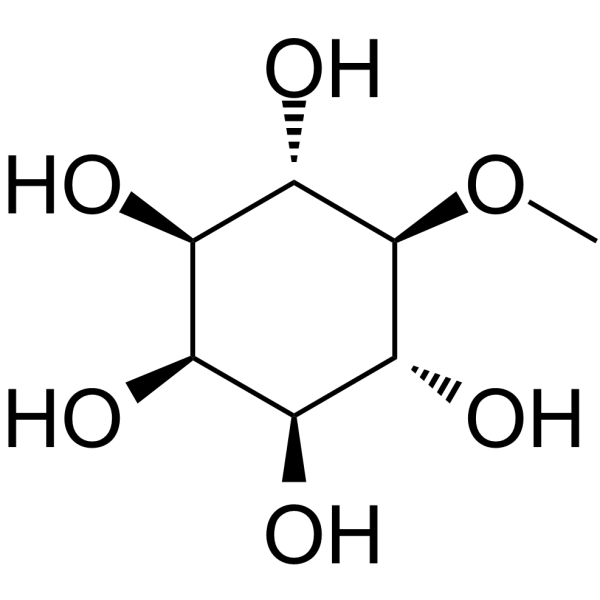
Synonyms: 5-O-Methyl-myo-inositol
Category:  

Natural Products 500 - Internal Server Error | MedChemExpress

Oops!

Sorry, Something went wrong on our server.
Our team has been notified and is working to fix the issue.