
47 Results for "

Ki67

" in MedChemExpress (MCE) Product Catalog:
Products (47)

47 Results for "Ki67" in MCE Product Catalog:

5
5 Cited Publications
Cat. No.: HY-P80506
Synonyms: Proliferation marker protein Ki-67, Antigen identified by monoclonal antibody Ki-67, Antigen Ki-67, Antigen Ki67, MKi67

Host:  

Rabbit

Application:  

IHC-P, IHC-F, ICC/IF, FC, IF-Tissue, mIHC

Reactivity:  

Human, Mouse, Rat

loading...
    loading...
4
4 Cited Publications
Cat. No.: HY-P81234
Synonyms: Antigen identified by monoclonal antibody Ki 67; Antigen Ki67; KiA; Ki67; MKi67; Proliferation related Ki 67 antigen; Antigen Ki-67; Ki67_MOUSE.

Host:  

Rabbit

Application:  

IHC-P, IHC-F, ICC/IF

Reactivity:  

Human

loading...
    loading...
2
2 Cited Publications
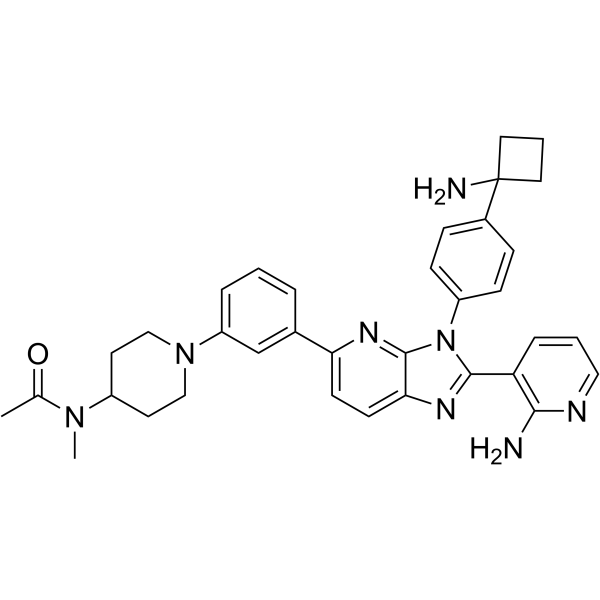
Cat. No.: HY-137458
CAS No.: 1416775-46-6
Purity:  98.03%
Synonyms: ARQ 751
Target:  

Akt CDK TGF-beta/Smad

Research Areas:  

Cancer

Vevorisertib (ARQ 751) is an orally active allosteric AKT inhibitor that blocks AKT phosphorylation. Vevorisertib inhibits tumor cell proliferation through Cyclin D1 and Ki67. Vevorisertib inhibits liver fibrosis through collagen accumulation, alpha-SMA, COL1, and TGF-beta. Vevorisertib reduces total bilirubin. Vevorisertib significantly reduces tumor size in a cirrhotic rat HCC model. Vevorisertib can be used for research on hepatocellular carcinoma .
loading...
    loading...
2
2 Cited Publications
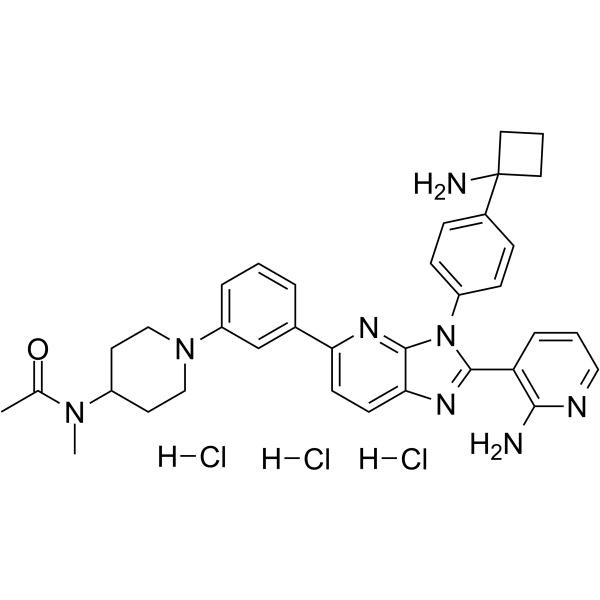
Cat. No.: HY-137458A
CAS No.: 1416775-08-0
Purity:  99.13%
Synonyms: ARQ 751 trihydrochloride
Target:  

Akt CDK TGF-beta/Smad

Research Areas:  

Cancer

Vevorisertib trihydrochloride (ARQ 751 trihydrochloride) is an orally active allosteric AKT inhibitor that blocks AKT phosphorylation. Vevorisertib trihydrochloride inhibits tumor cell proliferation through Cyclin D1 and Ki67. Vevorisertib trihydrochloride inhibits liver fibrosis through collagen accumulation, alpha-SMA, COL1, and TGF-beta. Vevorisertib trihydrochloride reduces total bilirubin. Vevorisertib trihydrochloride significantly reduces tumor size in a cirrhotic rat HCC model. Vevorisertib trihydrochloride can be used for research on hepatocellular carcinoma .
loading...
    loading...
2
2 Cited Publications
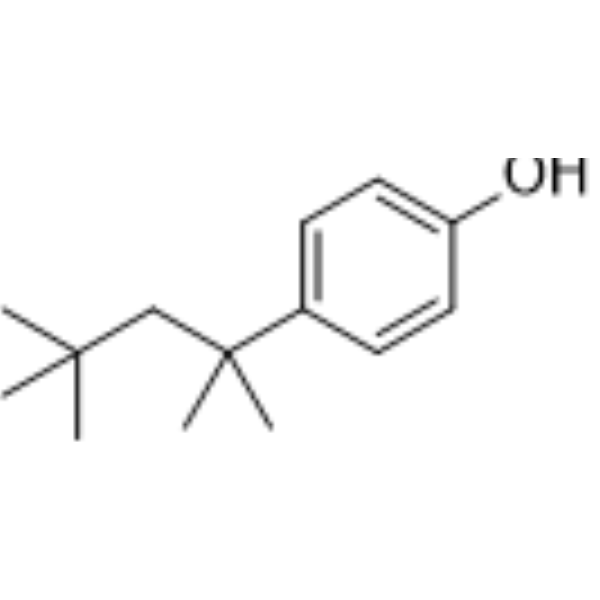
Cat. No.: HY-B1941
CAS No.: 140-66-9
4-tert-Octylphenol, a endocrine-disrupting chemical, is an estrogenic agent. 4-tert-Octylphenol is also a biodegradation product of non-ionic surfactants alkylphenol polyethoxylates. 4-tert-Octylphenol induces apoptosis in neuronal progenitor cells in offspring mouse brain. 4-tert-Octylphenol reduces bromodeoxyuridine (BrdU), mitotic marker Ki67, and phospho-histone H3 (p-Histone-H3), resulting in a reduction of neuronal progenitor proliferation. 4-tert-Octylphenol disrupts brain development and behavior in mice, which is promising for reserch of immune response, neuro-related diseases and ethology .
loading...
    loading...
2
2 Cited Publications
Cat. No.: HY-137458B
Synonyms: ARQ 751 tetrahydrochloride
Target:  

Akt CDK TGF-beta/Smad

Research Areas:  

Cancer

Vevorisertib tetrahydrochloride (ARQ 751 tetrahydrochloride) is an orally active allosteric AKT inhibitor that blocks AKT phosphorylation. Vevorisertib tetrahydrochloride inhibits tumor cell proliferation through Cyclin D1 and Ki67. Vevorisertib tetrahydrochloride inhibits liver fibrosis through collagen accumulation, alpha-SMA, COL1, and TGF-beta. Vevorisertib tetrahydrochloride reduces total bilirubin. Vevorisertib tetrahydrochloride significantly reduces tumor size in a cirrhotic rat HCC model. Vevorisertib tetrahydrochloride can be used for research on hepatocellular carcinoma .
loading...
    loading...
1
1 Cited Publications
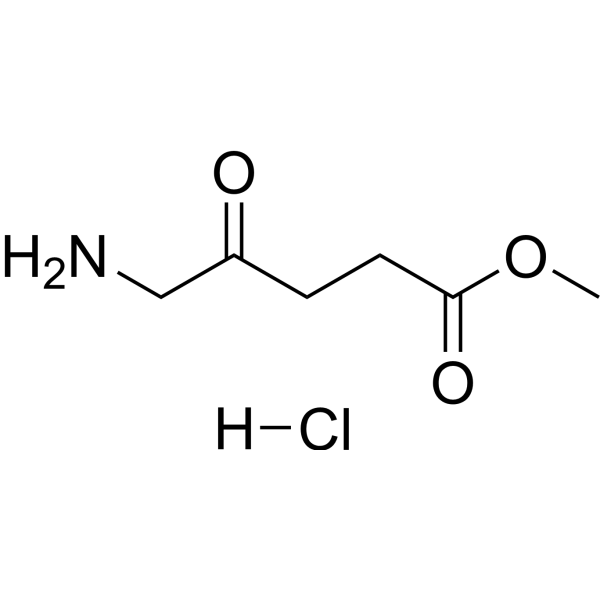
Cat. No.: HY-A0169A
CAS No.: 79416-27-6
Research Areas:  

Cancer

Methyl aminolevulinate hydrochloride is a sensitizer used in photodynamic therapy (PDT). Methyl aminolevulinate hydrochloride penetrates the skin and induces the production of photoactive porphyrins including protoporphyrin IX in cells; upon exposure to appropriate light, it generates ROS, which triggers cellular oxidation and cell death. Methyl aminolevulinate hydrochloride acts as a photo-damage reversing agent through epidermal reconstruction, cytokine-mediated activation of dermal fibroblasts, elastin breakdown, new collagen formation, and compression of dilated capillaries. Methyl aminolevulinate hydrochloride reduces the expression of the proliferation marker Ki-67 and the early skin carcinogenesis marker TP53. Methyl aminolevulinate hydrochloride delays the onset of ultraviolet-induced skin tumors and reduces tumor burden in hairless mice. Methyl aminolevulinate hydrochloride is applicable to research related to actinic keratosis and basal cell carcinoma .
loading...
    loading...
1
1 Cited Publications
Cat. No.: HY-114858
CAS No.: 16470-02-3
Purity:  99.51%
Research Areas:  

Cancer

Epiblastin A is an ATP-competitive casein kinase 1 (CK1) inhibitor that inhibits CK1α, CK1δ, and CK1ε. Epiblastin A inhibits the kinase activity of STK10, BRSK1, EEF2K, EGFR, MKNK2, and RIPK2. Epiblastin A inhibits Ki-67 expression, induces Oct4-GFP expression, and enhances the conversion of mouse epiblast stem cells to embryonic stem cells. Epiblastin A selectively reduces the cell viability of colorectal cancer cell lines HCT116, HT29, and DLD1. Epiblastin A can be used in colorectal cancer-related research .
loading...
    loading...
1
1 Cited Publications
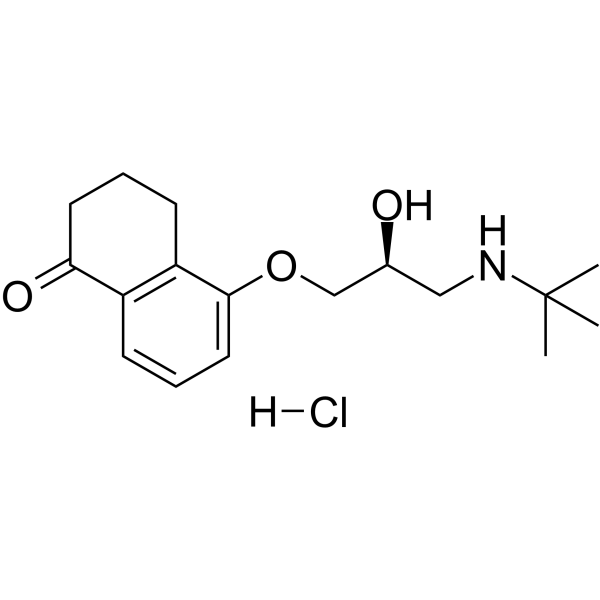
Cat. No.: HY-B1035
CAS No.: 27912-14-7
Synonyms: l-Bunolol hydrochloride
Levobunolol (l-Bunolol) hydrochloride is a non-selective β-adrenergic antagonist and vasodilator. By blocking calcium ion influx and reducing the sensitivity of vascular smooth muscle to calcium, Levobunolol hydrochloride effectively dilates the ciliary arteries and increases ocular blood flow, so it is widely used in research on glaucoma and ocular hypertension. Levobunolol hydrochloride inhibits the β-receptor signaling pathway and the expression of related proliferation markers (such as CK3, CK14, CK19, Ki67) in corneal cells. In rabbit models, Levobunolol hydrochloride not only does not inhibit corneal epithelial regeneration, but also accelerates the healing of mechanical injury without adverse effects. Levobunolol hydrochloride also inhibits histamine-induced vasoconstriction and intracellular calcium elevation, exhibiting unique vascular regulatory activity. Levobunolol hydrochloride protects ocular blood flow and promotes corneal repair .
loading...
    loading...
1
1 Cited Publications
Cat. No.: HY-P84338
Synonyms: KiA; Ki-67; MKi67

Host:  

Mouse

Application:  

WB, IHC-P, FC, ELISA

Reactivity:  

Human, Mouse, Rat, Rabbit, Monkey

loading...
    loading...
1
1 Cited Publications
Cat. No.: HY-P80505
Synonyms: Proliferation marker protein Ki-67, Antigen identified by monoclonal antibody Ki-67, Antigen Ki-67, Antigen Ki67, MKi67

Host:  

Mouse

Application:  

IHC-P

Reactivity:  

Human, Mouse

loading...
    loading...
1
1 Cited Publications
Cat. No.: HY-P86608
Synonyms: MKi67; Antigen Ki-67

Host:  

Rabbit

Application:  

WB, IHC-P, ICC/IF, ELISA

Reactivity:  

Human, Mouse, Rat

loading...
    loading...
Cat. No.: HY-150082
CAS No.: 865317-32-4
Purity:  99.13%
Target:  

CDK DNA/RNA Synthesis

Research Areas:  

Cancer

CP681301 is a potent CDK5 inhibitor. CP681301 shows antiproliferative activity. CP681301 decreases the expression of CD133, OLIG2, SOX2, KI67, pCDK5 protein level in GSCs (Glioma stem cells). CP681301 reduces self-renewal in mouse glioma xenografts. CP681301 shows anti-tumor activity in Drosophila .
loading...
    loading...
Cat. No.: HY-P99809
CAS No.: 2254059-25-9
Synonyms: MK-1308

Target:  

CTLA-4

Research Areas:  

Cancer

Quavonlimab (MK-1308) is a humanized IgG1 monoclonal antibody targeting CTLA-4. As a competitive inhibitor of CTLA-4, Quavonlimab blocks the binding of CTLA-4 to its ligands CD80 and CD86. Quavonlimab increases interferon production, expands and activates T cells, reduces tumor regulatory T cells, inhibits tumor growth, and induces the proliferation of Ki67-positive CD4 and CD8 cells. Quavonlimab can be used in studies related to solid tumors .
loading...
    loading...
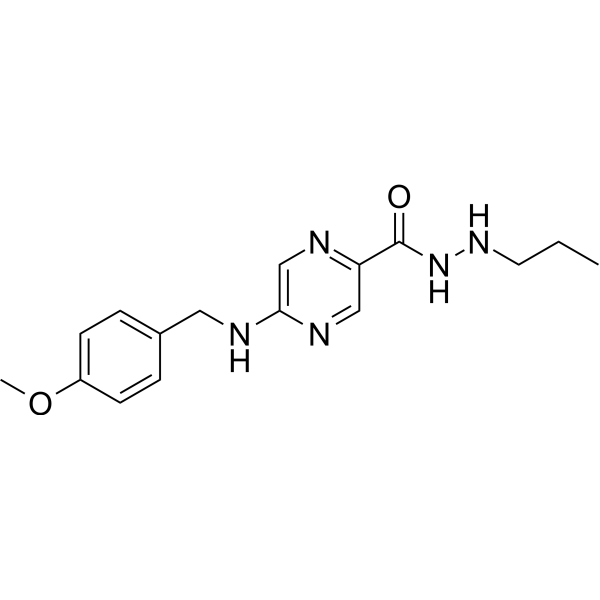
Cat. No.: HY-156096
CAS No.: 3033039-28-7
HDAC3-IN-2 (compound 4i) is a pyrazinyl hydrazide-based HDAC3 inhibitor (IC50: 14 nM) that efficiently targets triple-negative breast cancer cells. HDAC3-IN-2 is cytotoxic with an IC50 of 0.55 μM against 4T1 and an IC50 of 0.74 μM against MDA-MB-231. HDAC3-IN-2 has anti-tumor efficacy in vivo in tumor-bearing mouse models, selectively increasing the acetylation levels of H3K9, H3K27 and H4K12, increasing the contents of apoptosis-related caspase-3, caspase-7 and cytochrome c, and reducing Proliferation-related Bcl-2, CD44, EGFR, and Ki-67 levels .
loading...
    loading...
Cat. No.: HY-119715
CAS No.: 486414-35-1
Target:  

CDK Apoptosis

Research Areas:  

Inflammation/Immunology Cancer

AG-012986 is a pan-CDK inhibitor with Ki values of 44 nM (CDK1), 9.2 nM (CDK4), 94 nM (CDK2), and IC50 values of 22 nM (CDK5), 4 nM (CDK9). AG-012986 causes apoptosis of T-cells by targeting upstream kinases in the p38 Mitogen-activated protein kinase (MAPK) pathway and impairing cellular survival. AG-012986 induces cell cycle arrest, retinoblastoma protein hypophosphorylation, and reduces Ki-67 expression. AG-012986 exerts antiproliferative activity in tumor cells, demonstrates antitumor efficacy in human xenograft models, and causes retinal and peripheral neurotoxicity, plus immune cell toxicity. AG-012986 can be used for the research of colon carcinoma, non-small cell lung carcinoma, lung carcinoma, breast carcinoma, ovarian tumor, pancreatic carcinoma, osteosarcoma, lymphoma, leukemia, retinotoxicity .
loading...
    loading...
Cat. No.: HY-162382
CAS No.: 2764833-47-6
Target:  

PI3K Akt mTOR

Research Areas:  

Cancer

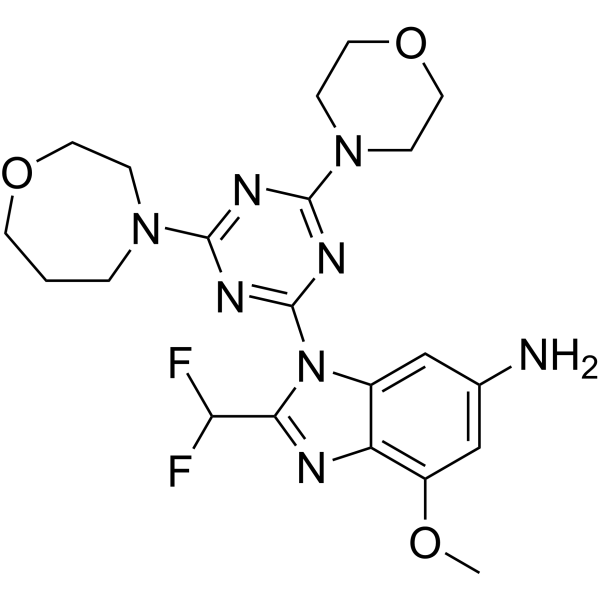
KTC1101 is an orally active pan-PI3K inhibitor. KTC1101 can inhibit the PI3K signaling pathway, reduce downstream AKT and mTOR phosphorylation, and reduces the expression of Ki67. The anti-tumor effect of KTC1101 has a dual mechanism of action: directly inhibiting tumor cell growth and dynamically enhancing immune response .
loading...
    loading...
Cat. No.: HY-169265
CAS No.: 452350-43-5
Target:  

Bcl-2 Family

Research Areas:  

Others

BRD-K20733377 is an inhibitor for Bcl-2, and exhibits selective cytotoxicity against senescent cells, that inhibits the viability of Etoposide (HY-13629)-induced IMR-90 senescent cell with an IC50 of 10.7 μM. BRD-K20733377 reduces the mRNA expression of aging-related genes p16, p21 and KI67 in aged mouse model .
loading...
    loading...
Cat. No.: HY-P991664
AG01 is a monoclonal antibody against progranulin (GP88). AG01 inhibits triple-negative breast cancer (TNBC) cell proliferation and migration, reduces the expression of phosphorylated protein kinases p-Src, p-AKT, and p-ERK, and reduces the expression of oncogenic proteins such as Axl, c-MET, HIF-1α, and VEGF. AG01 inhibits tumor growth and Ki67 expression in a TNBC xenograft mouse model. AG01 can be used in the research of TNBC and other cancers .
loading...
    loading...
Cat. No.: HY-155244
CAS No.: 3026677-37-9
Purity:  99.85%
Research Areas:  

Inflammation/Immunology

12R-LOX-IN-2 (compound 7b) is an inhibitor of 12R-lipoxygenase (12R-LOX). 12R-LOX-IN-2 inhibits imiquimod (IMQ)-induced hyperproliferation of psoriatic keratinocytes and suppresses colony formation. 12R-LOX-IN-2 also reduced the protein level of Ki67 and the mRNA expression of IL-17A in IMQ-induced cells. 12R-LOX-IN-2 can be used in research into psoriasis and other skin-related inflammatory diseases .
loading...
    loading...

