64 Results for "

LXR-alpha

" in MedChemExpress (MCE) Product Catalog:
Products (64)

64 Results for "LXR-alpha" in MCE Product Catalog:

52
52 Publications Verification
Cat. No.: HY-10626
CAS No.: 293754-55-9
Purity:  99.93%
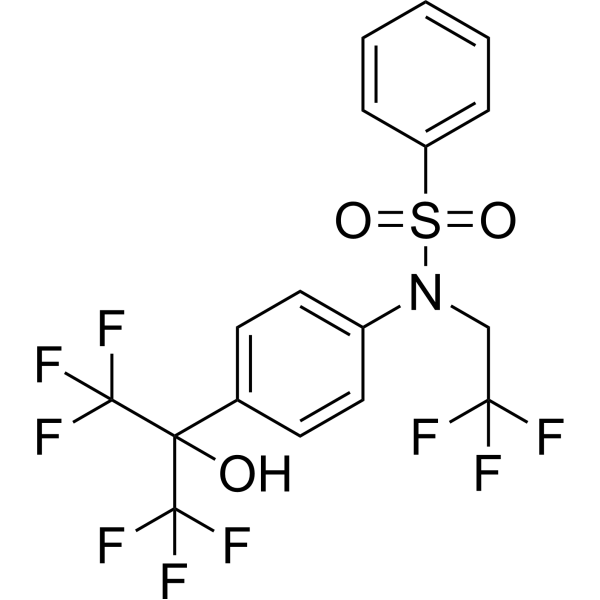
T0901317 is an orally active and highly selective LXR agonist with an EC50 of 20 nM for LXRα . T0901317 activates FXR with an EC50 of 5 μM . T0901317 is RORα and RORγ dual inverse agonist with Ki values of 132 nM and 51 nM, respectively . T0901317 induces apoptosis and inhibits the development of atherosclerosis in low-density lipoprotein (LDL) receptor-deficient mice .
loading...
    loading...
39
39 Cited Publications
Cat. No.: HY-108688
CAS No.: 1221277-90-2
Purity:  99.37%
Target:  

LXR

Research Areas:  

Metabolic Disease

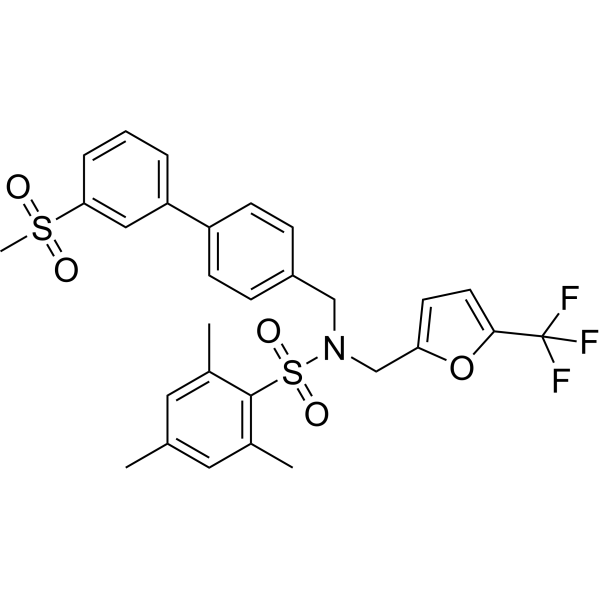
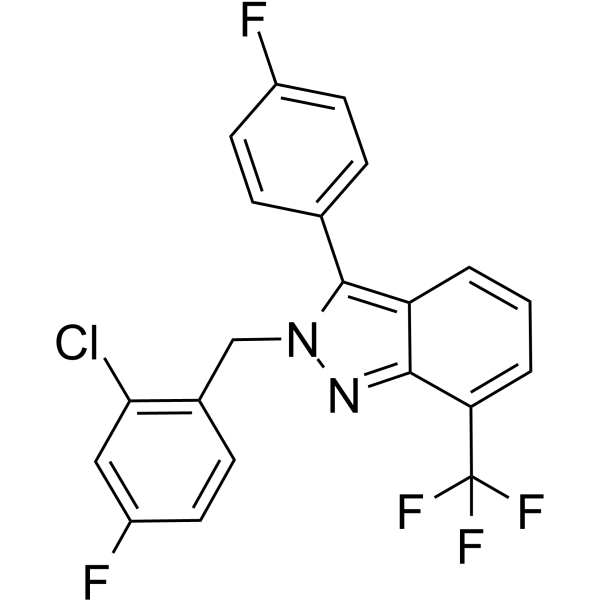
GSK2033 is a LXR antagonist with pIC50s of 7 and 7.4 for LXRα or LXRβ, respectively.
loading...
    loading...
31
31 Cited Publications
Cat. No.: HY-10627A
CAS No.: 405911-17-3
Purity:  99.96%
Target:  

LXR

Research Areas:  

Cardiovascular Disease Cancer

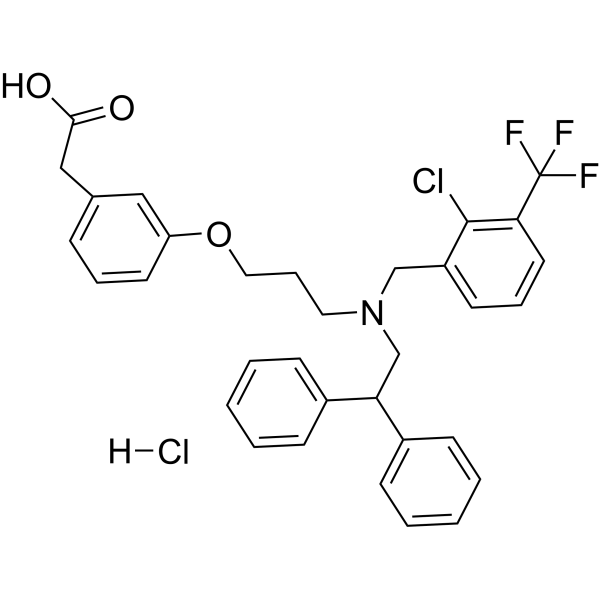
GW3965 hydrochloride is a potent and selective liver X receptor (LXR) agonist with EC50s of 190 nM and 30 nM for hLXRα and hLXRβ, respectively .
loading...
    loading...
31
31 Cited Publications
Cat. No.: HY-10627
CAS No.: 405911-09-3
Target:  

LXR

Research Areas:  

Cardiovascular Disease

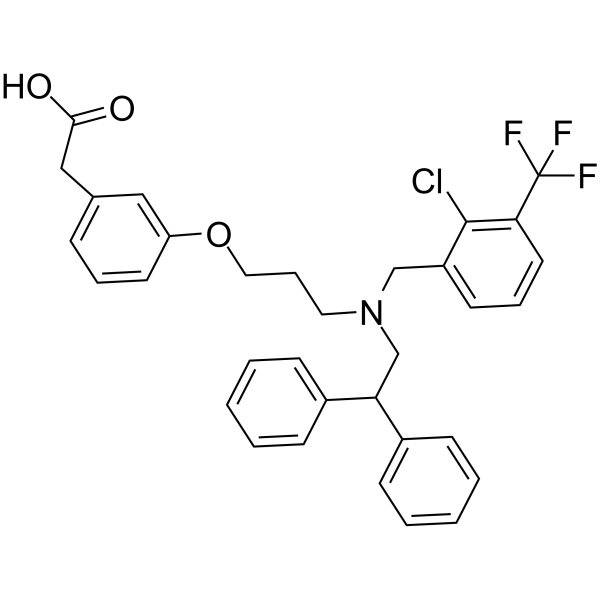
GW3965 is a potent, selective liver X receptor (LXR) agonist with EC50s of 190 nM and 30 nM for hLXRα and hLXRβ, respectively .
loading...
    loading...
15
15 Cited Publications
Cat. No.: HY-10629
CAS No.: 875787-07-8
Purity:  99.95%
Synonyms: WAY 252623
Target:  

LXR

Research Areas:  

Metabolic Disease Cancer

LXR-623 is a brain-penetrant partial LXRα and full LXRβ agonist, with IC50s of 24 nM and 179 nM, respectively.
loading...
    loading...
4
4 Cited Publications
Cat. No.: HY-N1178
CAS No.: 1059-14-9
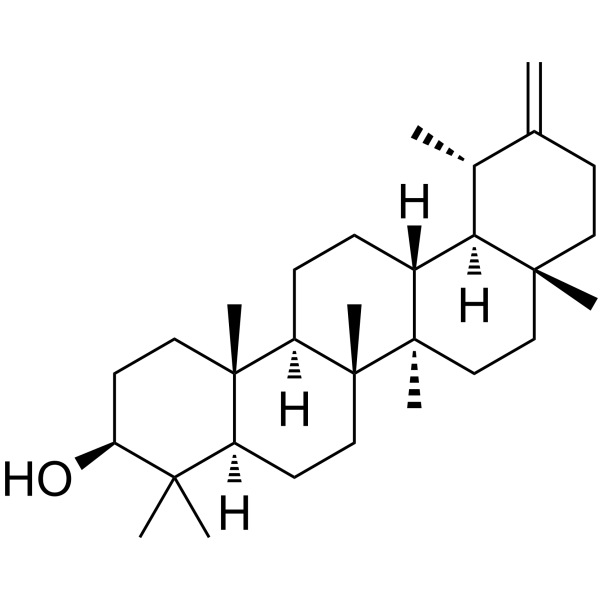
Taraxasterol is a pentacyclic triterpenoid compound isolated from Taraxacum mongolicum. Taraxasterol is an LXRα activator, with metabolic and anti-inflammatory effects. Taraxasterol may be used in research on immune-inflammatory diseases .
loading...
    loading...
4
4 Cited Publications
Cat. No.: HY-112813
CAS No.: 2247372-59-2
Purity:  99.42%
Research Areas:  

Metabolic Disease

TUG-1375 is an agonist of free fatty acid receptor 2 (FFA2/GPR43), with a pKi of 6.69. TUG-1375 is inactive on FFA3, FFA4, PPARα, PPARγ, PPARδ, LXRα or LXRβ .
loading...
    loading...
3
3 Cited Publications
Cat. No.: HY-101442
CAS No.: 1416153-62-2
Purity:  99.89%
Target:  

LXR

Research Areas:  

Metabolic Disease

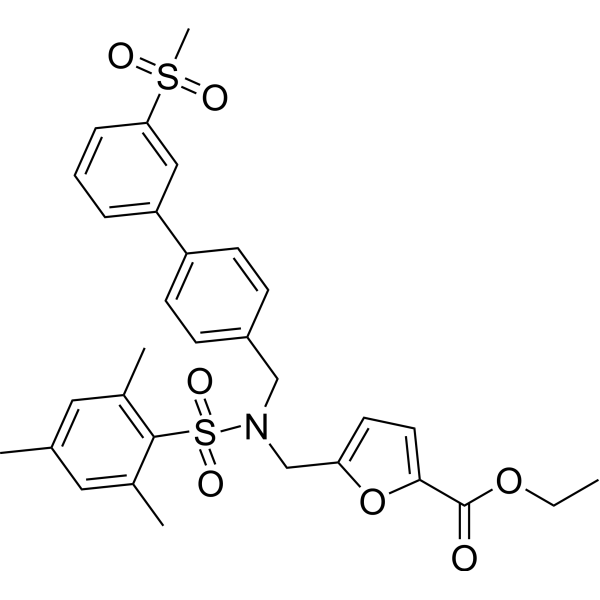
SR9238 is a synthetic liver X receptor (LXR) inverse agonist with IC50s of 214 nM and 43 nM for LXRα and LXRβ, respectively.
loading...
    loading...
2
2 Cited Publications
Cat. No.: HY-W014589
CAS No.: 96-76-4
Synonyms: 2,4-DTBP
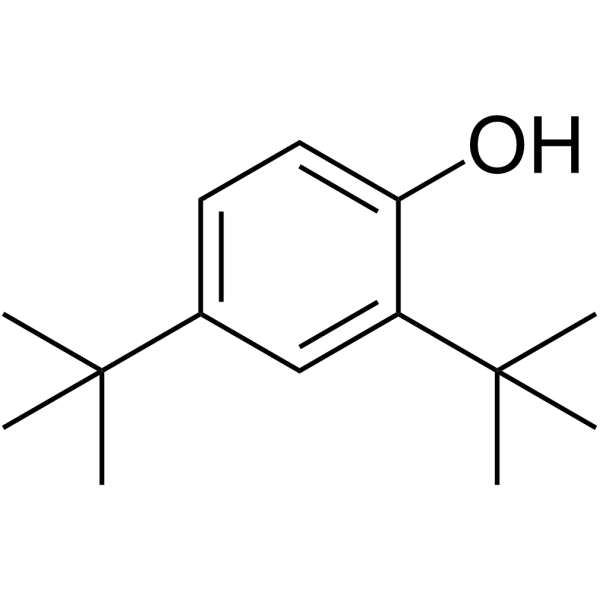
2,4-Di-tert-butylphenol (2,4-DTBP) is an orally active RXRα activator and a human estrogen receptor ligand with anti-inflammatory and antioxidant activities, which can induce apoptosis in tumor cells. 2,4-Di-tert-butylphenol can activate the RXRα subtype in LXRα/RXRα, PPARγ/RXRα, and hormone receptor β/RXRα. 2,4-Di-tert-butylphenol also has antiviral and antifungal activities and has the potential to inhibit Aβ-induced neurotoxicity. 2,4-Di-tert-butylphenol can be used as an intermediate in the preparation of antioxidants and UV stabilizers, and is also used in the manufacture of drugs and fragrances .
loading...
    loading...
2
2 Cited Publications
Cat. No.: HY-N1970
CAS No.: 31721-94-5
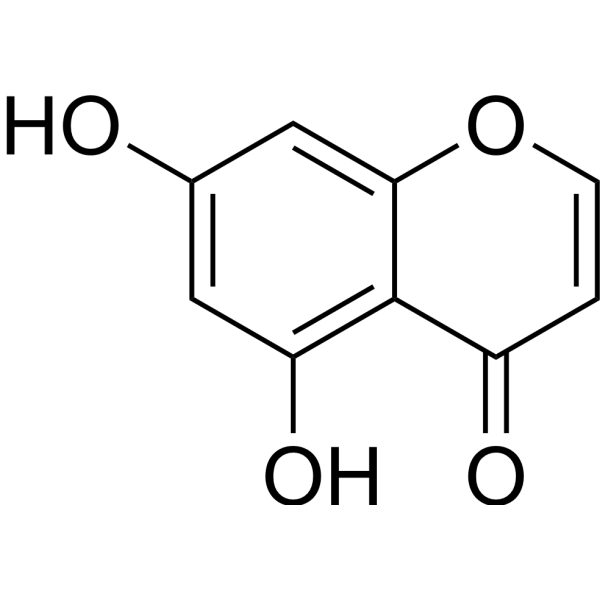
5,7-Dihydroxychromone is a flavonoid compound with antioxidant properties. 5,7-Dihydroxychromone induces Nrf2 nuclear translocation, increases Nrf2/ARE binding activity, and up-regulates Nrf2-dependent antioxidant genes HO-1, NQO1, GCLc. 5,7-Dihydroxychromone attenuates excessive ROS generation, inhibits activated caspase-3, caspase-9, cleaved PARP expression, and prevents neuronal apoptosis and cell death. 5,7-Dihydroxychromone increases LXRα and PPARγ mRNA expression, induces preadipocyte differentiation, and regulates blood glucose levels. 5,7-Dihydroxychromone inhibits radial growth of soil pathogenic fungi, radicle elongation of select seedlings, and transiently inhibits Bradyrhizobium sp. growth in high mannitol medium. 5,7-Dihydroxychromone can be used for the research of Parkinson’s disease, type 2 diabetes mellitus and pathogenic fungal infection .
loading...
    loading...
2
2 Cited Publications
Cat. No.: HY-123402
CAS No.: 264206-85-1
Purity:  99.19%
Target:  

LXR

Research Areas:  

Metabolic Disease

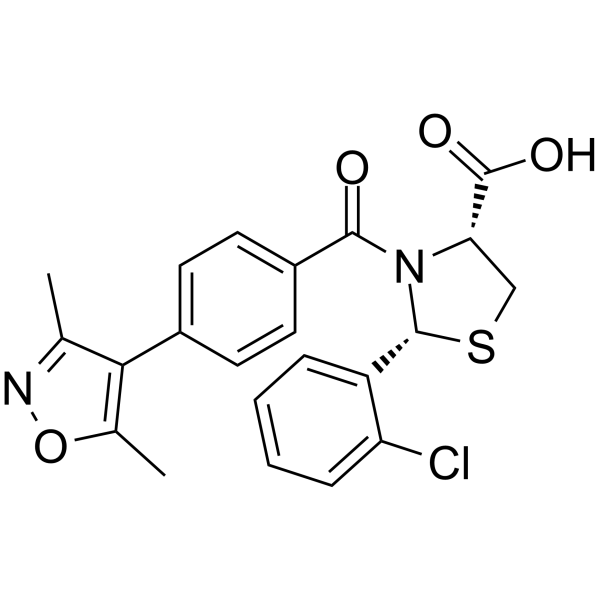
GSK3987 is a pan LXRα/β agonist with EC50s of 50 nM, 40 nM for LXRα-SRC1 and LXRβ-SRC1, respectively. GSK3987 increases the expression of ABCA1 and SREBP-1c. GSK3987 induces cellular cholesterol efflux and triglyceride accumulation .
loading...
    loading...
1
1 Cited Publications
Cat. No.: HY-N0835
CAS No.: 34080-08-5
Synonyms: 20(S)-APPT; g-PPT
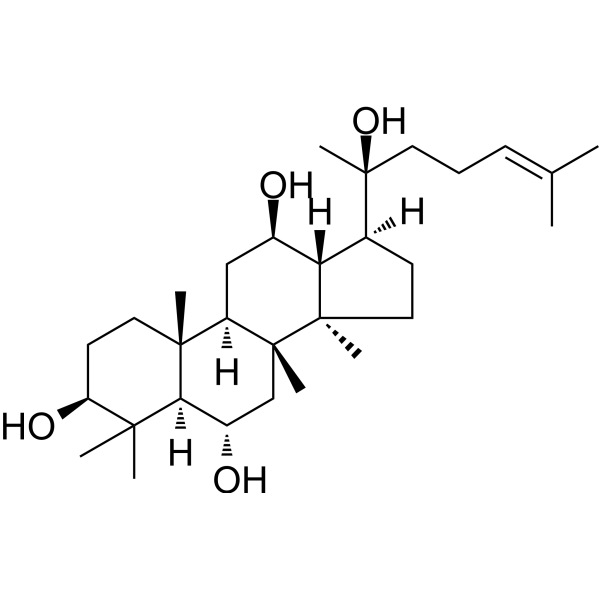
(20S)-Protopanaxatriol is a metabolite of ginsenoside. (20S)-Protopanaxatriol works through the glucocorticoid receptor (GR) and estrogen receptor (ER), and is also a LXRα inhibitor. (20S)-Protopanaxatriol shows a broad spectrum of antitumor effects .
loading...
    loading...
1
1 Cited Publications
Cat. No.: HY-19919
CAS No.: 918348-67-1
Synonyms: EXEL04286652; XL-652; BMS-788
Target:  

LXR

Research Areas:  

Metabolic Disease

BMS-779788 is a LXR partial agonist with IC50 values of 68 nM for LXRα and 14 nM for LXRβ.
loading...
    loading...
1
1 Cited Publications
Cat. No.: HY-18282
CAS No.: 898800-26-5
Target:  

LXR

AZ876 is a selective, orally active agonist of liver X receptor (LXRα/β) (Ki=0.007 μM [LXRα, human], 0.011 μM [LXRβ, human]. AZ876 induces the expression of target genes such as ABCA1 and ABCG1, promotes reverse cholesterol transport (RCT) and regulates lipid metabolism and anti-inflammatory effects. AZ876 increases cardiac polyunsaturated fatty acid levels, reduces myocardial fibrosis, and reduces lesion area and monocyte adhesion in atherosclerosis models. AZ876 can be used in cardiovascular disease research, such as preventing and treating β-adrenergic-induced cardiac diastolic dysfunction and inhibiting the progression of atherosclerosis .
loading...
    loading...
1
1 Cited Publications
Cat. No.: HY-117006
CAS No.: 1031195-19-3
Purity:  98.55%
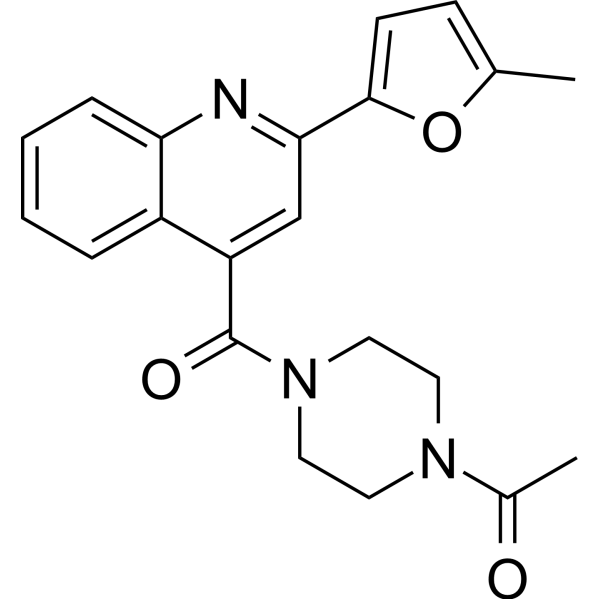
Synonyms: 1-{4-[2-(5-Methylfuran-2-yl)quinoline-4-carbonyl]piperazin-1-yl}ethan-1-one
Target:  

Sirtuin

Research Areas:  

Cardiovascular Disease

E1231 is an orally active activator of Sirtuin 1 (SIRT1) (EC50=0.83 μM), to modulate cholesterol and lipid metabolism. E1231 interactes with SIRT1 (KD=9.61 μM) and deacetylated liver X receptor-alpha (LXRα), and increases ATP-binding cassette transporter A1 (ABCA1) expression. E1231 also reduces atherosclerotic plaque development in ApoE -/- mice model. E1231 can be used for research in cholesterol and lipid disorder-related diseases .
loading...
    loading...
1
1 Cited Publications
Cat. No.: HY-P80423
Synonyms: LXRA, NR1H3, Oxysterols receptor LXR-alpha, Liver X receptor alpha, Nuclear receptor subfamily 1 group H member 3

Host:  

Rabbit

Application:  

WB, ICC/IF, IHC-P, FC

Reactivity:  

Human, Mouse, Rat

loading...
    loading...
1
1 Cited Publications
Cat. No.: HY-P87801
Synonyms: LXRA, NR1H3, Oxysterols receptor LXR-alpha, Liver X receptor alpha, Nuclear receptor subfamily 1 group H member 3

Host:  

Rabbit

Application:  

WB, ICC/IF, ELISA

Reactivity:  

Human, Mouse, Rat

loading...
    loading...
Cat. No.: HY-N15574
CAS No.: 6901-60-6
Saringosterol is an orally active steroid found in Sargassum muticum. Saringosterol is a LXR agonist. Saringosterol can lower cholesterol levels and inhibit the mRNA and protein expression of peroxisome proliferator-activated receptor γ (PPARγ) and CCAAT enhancer-binding protein α (C/EBPα). Saringosterol has anti-obesity, anti-atherosclerosis, anti-Mycobacterium tuberculosis and anti-depressant activities .
loading...
    loading...
Cat. No.: HY-128671
CAS No.: 574-25-4
Purity:  98.08%
Synonyms: 6TI; 6-Mercaptopurine riboside
Target:  

PPAR LXR JNK NO Synthase

Research Areas:  

Metabolic Disease

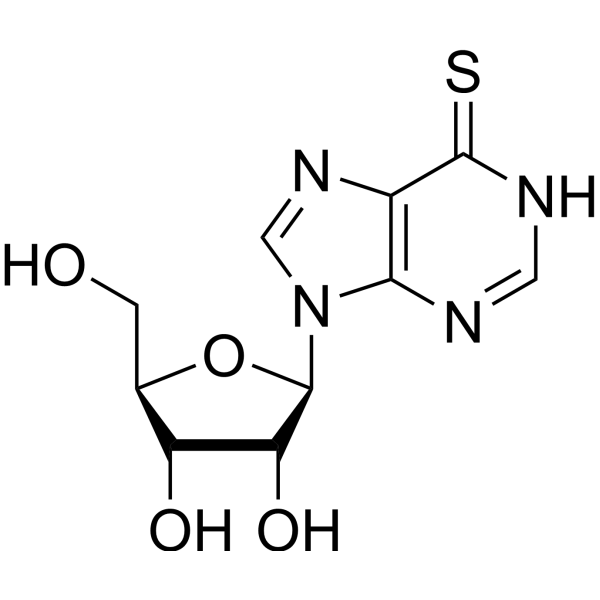
6-Thioinosine (6TI) is a purine antimetabolite and an anti-adipogenic agent. 6-Thioinosine reduces the mRNA levels of PPARγ and C/EBPα and downregulates the mRNA levels of PPARγ target genes (LPL, CD36, aP2, and LXRα). 6-Thioinosine exerts its anti-adipogenic effects by downregulating PPARγ through JNK-dependent iNOS upregulation. 6-Thioinosine can be used to study adipocyte dysfunction .
loading...
    loading...
Cat. No.: HY-144549
CAS No.: 1779524-90-1
Purity:  99.95%
Target:  

LXR

Research Areas:  

Cardiovascular Disease

LXR (Liver X receptor) agonist 1 is potent LXR agonist with AC50s of 1.5 nM and 12 nM for LXR-α and LXR-β, respectively. LXR agonist 1 has the potential for the research of atherosclerosis .
loading...
    loading...

