242 Results for "

Mesenchymal

" in MedChemExpress (MCE) Product Catalog:
Products (242)

242 Results for "Mesenchymal" in MCE Product Catalog:

513
513 Publications Verification
Cat. No.: HY-108232
CAS No.: 1032349-77-1
Purity:  99.72%
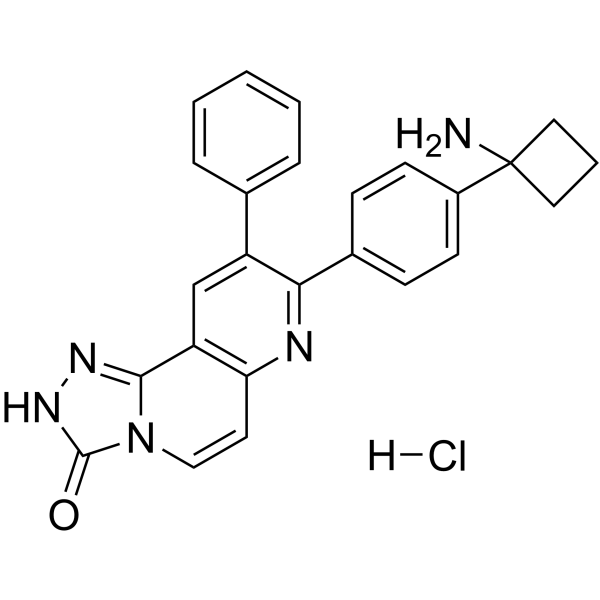
MK-2206 is an orally active pan-AKT inhibitor, with IC50 values of 8 nM, 12 nM and 65 nM against AKT1, AKT2 and AKT3, respectively. MK-2206 inhibits the Akt/mTOR signaling pathway and reduces the levels of downstream GSK3β and Mcl-1 via proteasomal degradation. MK-2206 induces G1-phase cell cycle arrest, apoptosis, epithelial-mesenchymal transition, fibroblast activation and extracellular matrix deposition. MK-2206 causes transient hyperglycemia and hyperinsulinemia in animals. MK-2206 can be used in research related to solid tumors, renal fibrosis and hypercholesterolemia .
loading...
    loading...
513
513 Publications Verification
Cat. No.: HY-10358
CAS No.: 1032350-13-2
Purity:  99.94%
Synonyms: MK-2206 (2HCl)
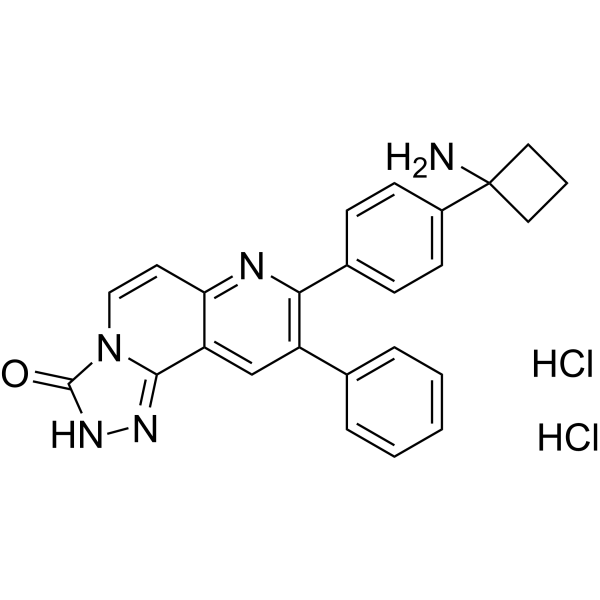
MK-2206 dihydrochloride (MK-2206 2HCl) is an orally active pan-AKT inhibitor, with IC50 values of 8 nM, 12 nM and 65 nM against AKT1, AKT2 and AKT3, respectively. MK-2206 dihydrochloride inhibits the Akt/mTOR signaling pathway and reduces the levels of downstream GSK3β and Mcl-1 via proteasomal degradation. MK-2206 dihydrochloride induces G1-phase cell cycle arrest, apoptosis, epithelial-mesenchymal transition, fibroblast activation and extracellular matrix deposition. MK-2206 dihydrochloride causes transient hyperglycemia and hyperinsulinemia in animals. MK-2206 dihydrochloride can be used in research related to solid tumors, renal fibrosis and hypercholesterolemia .
loading...
    loading...
138
138 Cited Publications
Cat. No.: HY-15244
CAS No.: 1217486-61-7
Purity:  99.88%
Synonyms: BYL-719
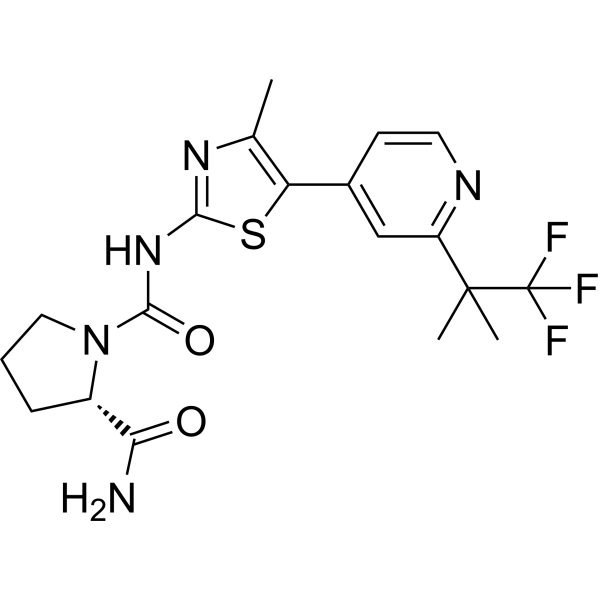
Alpelisib (BYL-719) is an orally active PI3Kα-selective inhibitor that blocks the conversion of PIP2 to PIP3, thereby inhibiting pathways including PI3K/AKT/mTOR, MAPK/ERK, Notch and JAK-STAT. Alpelisib also induces apoptosis, G0/G1 phase arrest and senescence; it significantly inhibits the proliferation, self-renewal, stemness and epithelial-mesenchymal transition (EMT) of tumor cells, reduces cancer stem cell populations and decreases the expression of stem cell markers. Alpelisib not only enhances the sensitivity to Eribulin (HY-13442) and exerts a synergistic effect with Paclitaxel (HY-B0015), but may also induce drug resistance by upregulating the SGK3/GSK3β/β-catenin signaling pathway. Alpelisib can be applied to research related to breast cancer, gastric cancer and lipomas associated with PTEN hamartoma tumor syndrome .
loading...
    loading...
138
138 Cited Publications
Cat. No.: HY-15244A
CAS No.: 1584128-91-5
Synonyms: BYL-719 hydrochloride
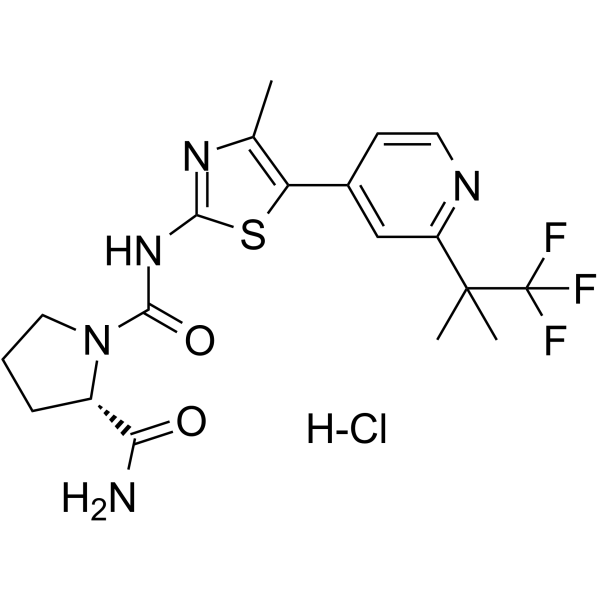
Alpelisib (BYL-719) hydrochloride is an orally active PI3Kα-selective inhibitor that blocks the conversion of PIP2 to PIP3, thereby inhibiting pathways including PI3K/AKT/mTOR, MAPK/ERK, Notch and JAK-STAT. Alpelisib hydrochloride also induces apoptosis, G0/G1 phase arrest and senescence; it significantly inhibits the proliferation, self-renewal, stemness and epithelial-mesenchymal transition (EMT) of tumor cells, reduces cancer stem cell populations and decreases the expression of stem cell markers. Alpelisib hydrochloride not only enhances the sensitivity to Eribulin (HY-13442) and exerts a synergistic effect with Paclitaxel (HY-B0015), but may also induce drug resistance by upregulating the SGK3/GSK3β/β-catenin signaling pathway. Alpelisib hydrochloride can be applied to research related to breast cancer, gastric cancer and lipomas associated with PTEN hamartoma tumor syndrome .
loading...
    loading...
85
85 Cited Publications
Cat. No.: HY-N0488A
CAS No.: 57-22-7
Synonyms: Leurocristine; NSC-67574; 22-Oxovincaleukoblastine
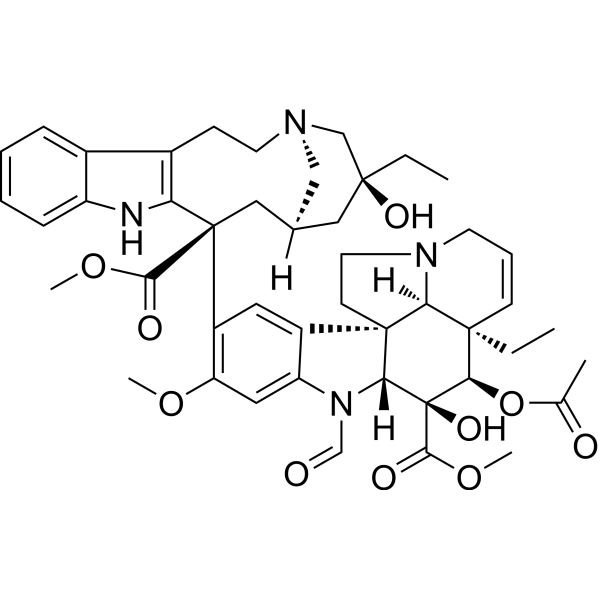
Vincristine (Leurocristine; NSC-67574; 22-Oxovincaleukoblastine) is a microtubule inhibitor that disrupts microtubule polymerization by binding to β-tubulin (with a Ki of 85 nM in bovine), arrests the cell cycle and induces apoptosis. Vincristine inhibits cell replication, tumor blood flow and the proliferation of various cancer cells, while triggering effects such as oxidative stress, inflammation, calcium overload, epithelial-mesenchymal transition and peripheral neuropathic pain. Vincristine upregulates the expression of various transporters and nuclear receptors, and enriches gastric cancer stem-like cells. Vincristine is used in research related to various tumors including acute lymphoblastic leukemia, lymphoma, melanoma, gastric cancer, solid tumors and sarcomas .
loading...
    loading...
85
85 Cited Publications
Cat. No.: HY-N0488
CAS No.: 2068-78-2
Synonyms: Leurocristine sulfate; NSC-67574 sulfate; 22-Oxovincaleukoblastine sulfate
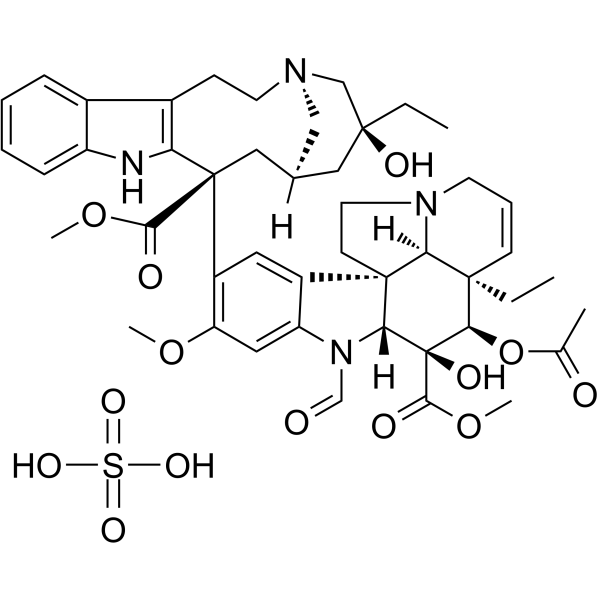
Vincristine (Leurocristine; NSC-67574; 22-Oxovincaleukoblastine) sulfate is a microtubule inhibitor that disrupts microtubule polymerization by binding to β-tubulin (with a Ki of 85 nM in bovine), arrests the cell cycle and induces apoptosis. Vincristine sulfate inhibits cell replication, tumor blood flow and the proliferation of various cancer cells, while triggering effects such as oxidative stress, inflammation, calcium overload, epithelial-mesenchymal transition and peripheral neuropathic pain. Vincristine sulfate upregulates the expression of various transporters and nuclear receptors, and enriches gastric cancer stem-like cells. Vincristine sulfate is used in research related to various tumors including acute lymphoblastic leukemia, lymphoma, melanoma, gastric cancer, solid tumors and sarcomas .
loading...
    loading...
36
36 Cited Publications
Cat. No.: HY-N0088
CAS No.: 498-02-2
Synonyms: Acetovanillone
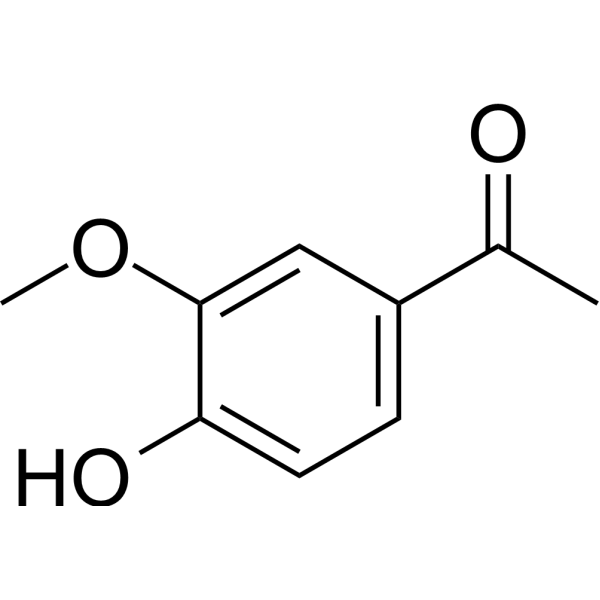
Apocynin is a selective NADPH-oxidase inhibitor with an IC50 of 10 μM . Apocynin improves acute lung inflammation in Carrageenan (HY-125474)-induced pleurisy mice model . Apocynin can also be used for cancer research . Apocynin reverses the aging process in mesenchymal stem cells to promote osteogenesis and increases bone mass .
loading...
    loading...
20
20 Cited Publications
Cat. No.: HY-16900
CAS No.: 61413-54-5
Synonyms: (R,S)-Rolipram; (±)-Rolipram; ZK 62711
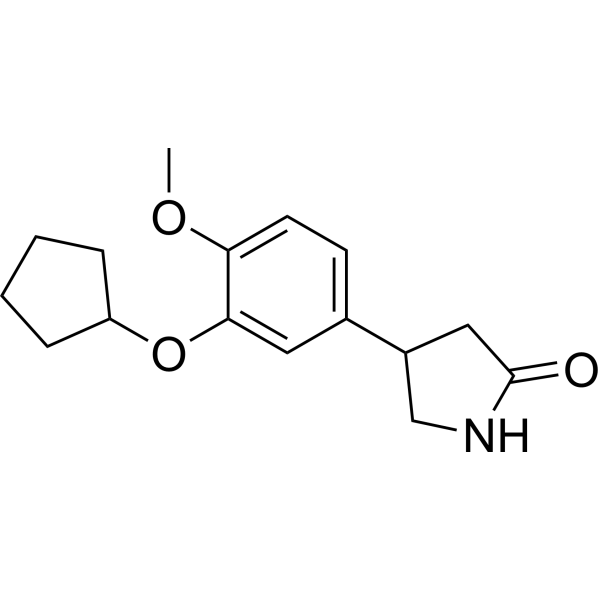
Rolipram is a PDE4 inhibitor, with blood-brain barrier permeability, that reverses β-amyloid-induced learning and memory impairment in rats. Rolipram elevates intracellular cAMP and clevels and regulates the cAMP/CREB signaling pathway, thereby alleviating neuroinflammation and apoptotic responses. Rolipram promotes neuronal differentiation of human bone marrow mesenchymal stem cells and inhibits Methamphetamine- and morphine-induced hyperlocomotion in mice. Rolipram also reduces the viability of glioblastoma stem-like cells and enhances Bevacizumab (HY-P9906)-induced cell death. Rolipram inhibits the expression of proinflammatory cytokines and enhances central noradrenergic transmission. Rolipram is mainly used in studies related to various central nervous system diseases including Alzheimer's disease, major depressive disorder, glioblastoma multiforme, and multiple sclerosis .
loading...
    loading...
14
14 Cited Publications
Cat. No.: HY-112005
CAS No.: 4004-05-1
Purity:  98.80%
Synonyms: Dioleoylphosphatidylethanolamine; 1,2-Dioleoyl-sn-glycero-3-phosphoethanolamine
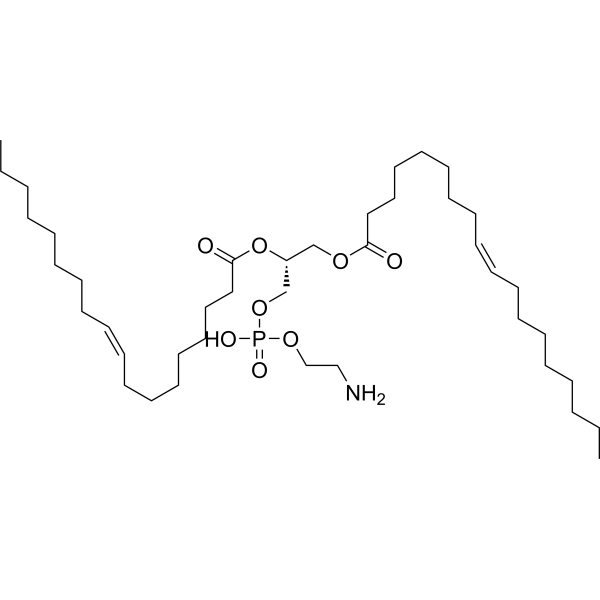
DOPE (Dioleoylphosphatidylethanolamine; 1,2-Dioleoyl-sn-glycero-3-phosphoethanolamine) is an orally active inhibitor of ferroptosis with anti-inflammatory and intestinal barrier maintenance activities. DOPE regulates the expression of ACSL4, SLC7A11 and GPX4 to restore the redox system balance, thereby reducing the levels of lipid peroxides, iron ions and intestinal inflammatory factors (IL-1β and IL-6). DOPE promotes the migration and proliferation of intestinal epithelial cells and increases the level of tight junction proteins; it also destabilizes endosomal membranes, mediates the conjugation of RVG peptides with mesenchymal stem cell-derived exosomes to enhance brain targeting. DOPE can be applied to research related to neonatal necrotizing enterocolitis and Alzheimer's disease .
loading...
    loading...
6
6 Cited Publications
Cat. No.: HY-111431
CAS No.: 3233-58-7
Purity:  99.87%
Synonyms: p-Tolyl sulfate
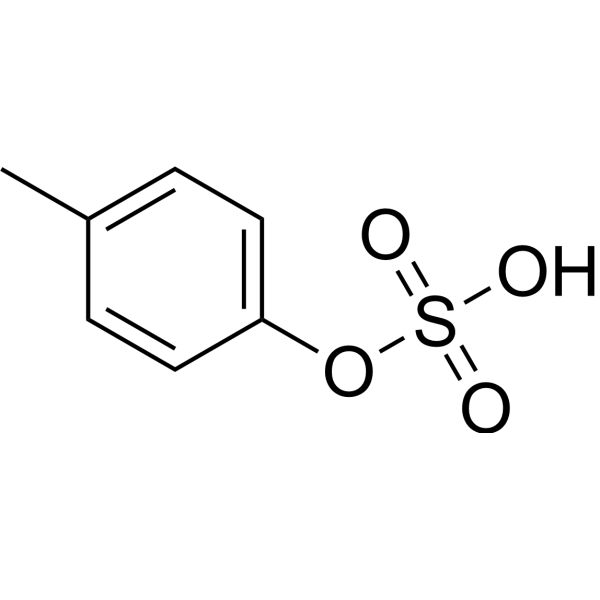
p-Cresyl sulfate (p-Tolyl sulfate) is a uremic toxin, that can cause renal damage and dysfunction. p-Cresyl sulfate shows antiproliferation activity. p-Cresyl sulfate increases the protein expression of HIF-1α and VHL, decreases the protein expression of HIF-2α. p-Cresyl sulfate induces epithelial-mesenchymal transition (EMT). p-Cresyl sulfate activates the JNK and p38 MAPK signaling pathways .
loading...
    loading...
5
5 Cited Publications
Cat. No.: HY-103038
CAS No.: 1883510-31-3
Purity:  98.06%
Target:  

c-Myc Autophagy

Research Areas:  

Cancer

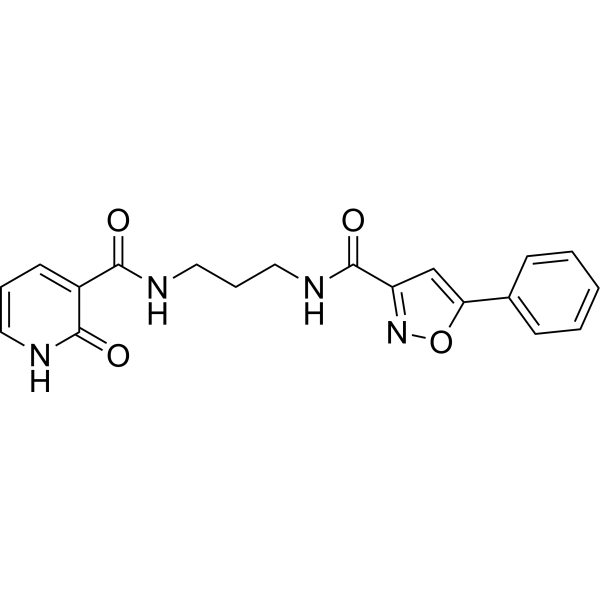
ML327 is a blocker of MYC which can also de-repress E-cadherin transcription and reverse Epithelial-to-Mesenchymal Transition (EMT).
loading...
    loading...
4
4 Cited Publications
Cat. No.: HY-103473
CAS No.: 67247-12-5
Purity:  99.93%
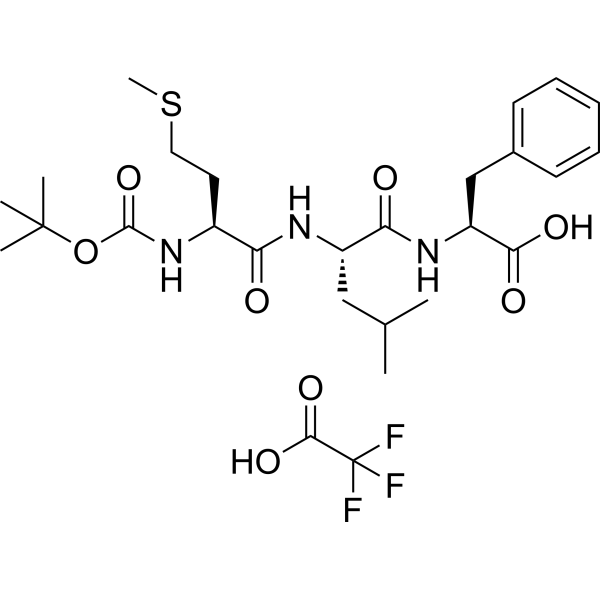
Synonyms: Boc-Met-Leu-Phe-OH
Research Areas:  

Inflammation/Immunology

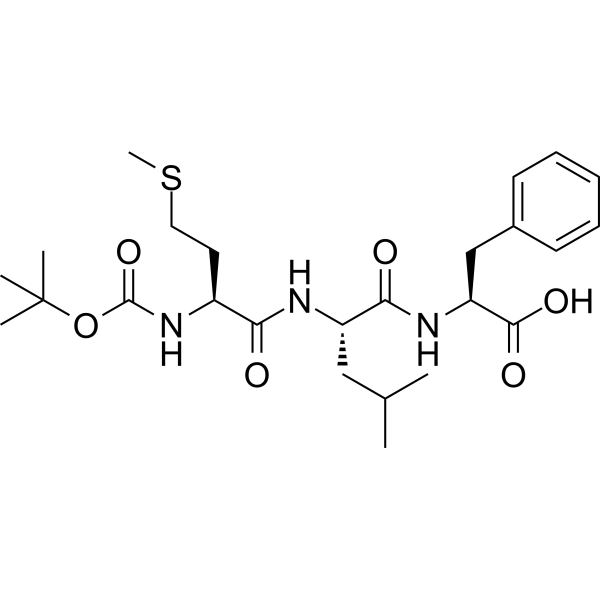
Boc-MLF (Boc-Met-Leu-Phe-OH) is a competitive FPR1 antagonist. Boc-MLF inhibits fMLF-induced neutrophil activation through FPR. Boc-MLF inhibits receptor-induced inflammation and cell migration. Boc-MLF inhibits amniotic epithelial-mesenchymal transition. Boc-MLF reduces pro-inflammatory cytokine levels. Boc-MLF increases collagen expression in fetal membranes. Boc-MLF reverses fetal membrane epithelial cell collapse, increases villi, and reduces mucus attachment. Boc-MLF can be used in research on premature rupture of fetal membranes .
loading...
    loading...
4
4 Cited Publications
Cat. No.: HY-103473A
Purity:  99.48%
Synonyms: Boc-Met-Leu-Phe-OH TFA
Research Areas:  

Inflammation/Immunology

Boc-MLF TFA (Boc-Met-Leu-Phe-OH TFA) is a competitive FPR1 antagonist. Boc-MLF TFA inhibits fMLF-induced neutrophil activation through FPR. Boc-MLF TFA inhibits receptor-induced inflammation and cell migration. Boc-MLF TFA inhibits amniotic epithelial-mesenchymal transition. Boc-MLF TFA reduces pro-inflammatory cytokine levels. Boc-MLF TFA increases collagen expression in fetal membranes. Boc-MLF TFA reverses fetal membrane epithelial cell collapse, increases villi, and reduces mucus attachment. Boc-MLF TFA can be used in research on premature rupture of fetal membranes .
loading...
    loading...
4
4 Cited Publications
Cat. No.: HY-N0772
CAS No.: 24699-16-9
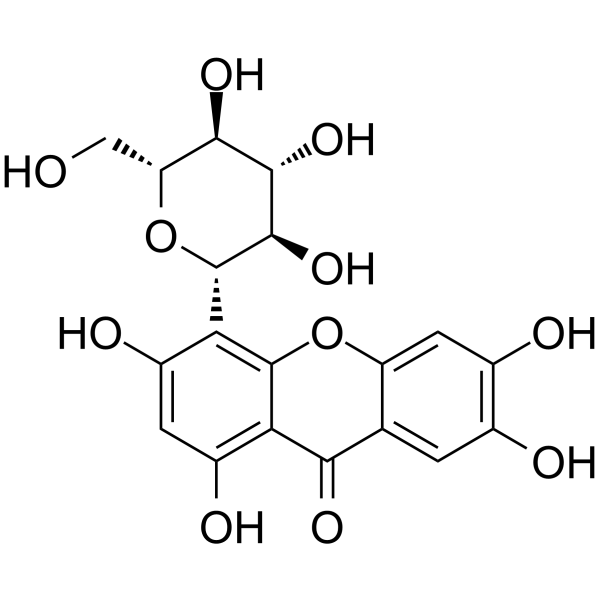
Isomangiferin is an orally active xanthone C-glucoside, and its chemical structure is similar to Mangiferin (HY-N0290). Isomangiferin is an effective VEGFR-2 kinase inhibitor, which can induces cell apoptosis, inhibit the growth, metastasis and angiogenesis of breast cancer. Isomangiferin exerts anti-inflammatory effects by inhibiting the HMGB1/NLRP3/NF-κB signaling pathway, thereby improving the renal function indicators of diabetic mice. Isomangiferin exhibits inhibitory effects on various bacteria and herpes simplex virus type 1 (HSV-1). Isomangiferin promotes the migration and osteogenic differentiation of bone marrow mesenchymal stem cells (BMSCs) and reduces cell apoptosis and the production of ROS by activating the AMPK/ACC pathway, thereby facilitating fracture healing .
loading...
    loading...
3
3 Cited Publications
Cat. No.: HY-108628
CAS No.: 251356-45-3
Purity:  99.36
Target:  

PDGFR

Research Areas:  

Cancer

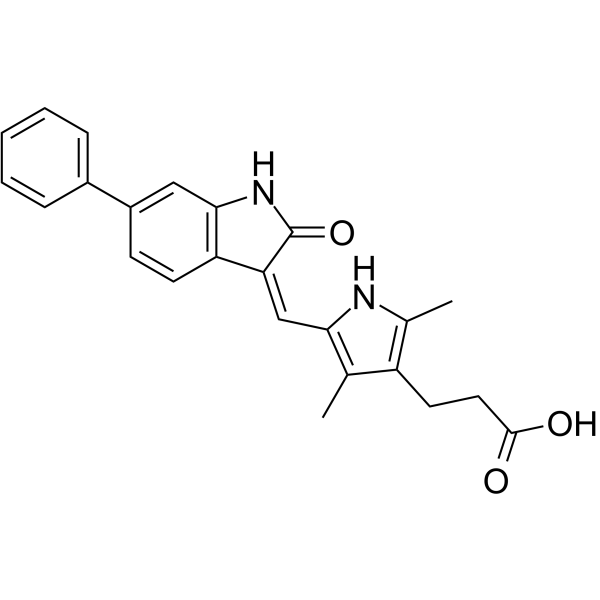
SU16f is a potent and selective PDGFRβ inhibitor with IC50s of 10 nM, 140 nM, 2.29 μM for PDGFRβ, VEGF-R2, FGF-R1, respectively . Neutralization of PDGFRβ receptor by SU16f blocks the promoting role of GC-MSCs (gastric cancer-derived mesenchymal stem cells) conditioned medium in gastric cancer cell proliferation and migration .
loading...
    loading...
3
3 Cited Publications
Cat. No.: HY-B1057
CAS No.: 23327-57-3
Synonyms: Fenazoxine hydrochloride
Target:  

β-catenin

Research Areas:  

Neurological Disease Cancer

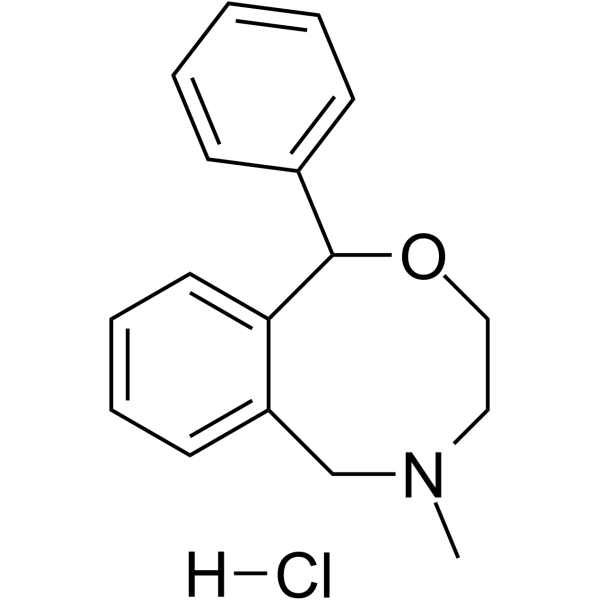
Nefopam hydrochloride (Fenazoxine hydrochloride) is a centrally-acting but non-opioid analgesic drug, for the relief of moderate to severe pain. Nefopam hydrochloride targets β-catenin protein level in mesenchymal cells in-vitro and in-vivo .
loading...
    loading...
3
3 Cited Publications
Cat. No.: HY-122826
CAS No.: 2243076-67-5
Purity:  98.90%
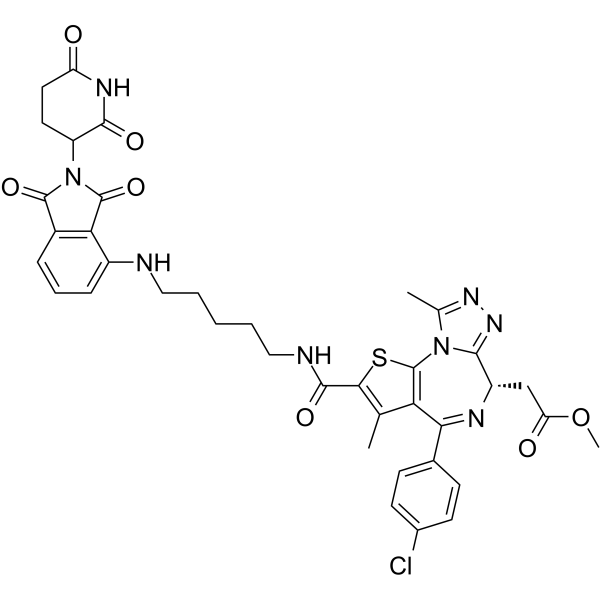
ZXH-3-26 is a CRBN-recruiting BRD4 PROTAC degrader with a DC50/5h of approximately 5 nM. ZXH-3-26 drives the ubiquitination and degradation of BRD4 by recruiting BRD4BD1 to the CRL4 CRBN E3 ubiquitin ligase complex, thereby inhibiting the dynamic distribution of super-enhancers. ZXH-3-26 reverses TNF-α-induced impairment of the immunosuppressive function of mesenchymal stem cells, and affects RNA synthesis and the transcriptional elongation process of Pol II. ZXH-3-26 can be used in studies related to inflammatory arthritis, malignant tumors, and HIV latency .
loading...
    loading...
3
3 Cited Publications
Cat. No.: HY-N4185
CAS No.: 61153-77-3
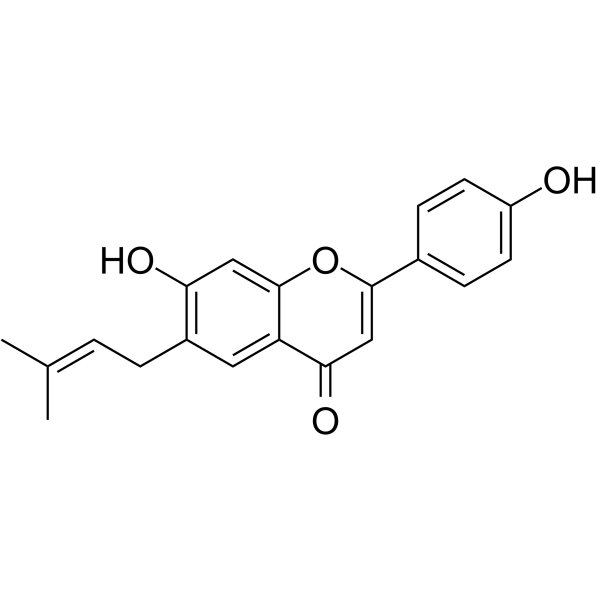
Licoflavone A is an orally active PTP1B/VEGFR-2 inhibitor, with an IC50 of 54.5 μM against PTP1B, an IC50 of 14.36 μM and a Kd of 142.38 nM against human VEGFR-2. Licoflavone A blocks the PI3K/AKT and MEK/ERK signaling pathways. Licoflavone A induces G1 phase cell cycle arrest, apoptosis via the intrinsic mitochondrial pathway (apoptosis), and inhibits migration, invasion and epithelial-mesenchymal transition (EMT) of gastric cancer cells. Licoflavone A inhibits the proliferation of gastric cancer cells in vitro and in xenograft models. Licoflavone A reduces the expression levels of HIF-1α, GLUT1, LDHA, PKM2 and HK2 in hypoxic gastric cancer cells, decreases glucose uptake and suppresses glycolysis. Licoflavone A can be used in research related to gastric cancer, type 2 diabetes and obesity .
loading...
    loading...
2
2 Cited Publications
Cat. No.: HY-B0449
CAS No.: 3963-95-9
Target:  

Bacterial Antibiotic

Research Areas:  

Infection

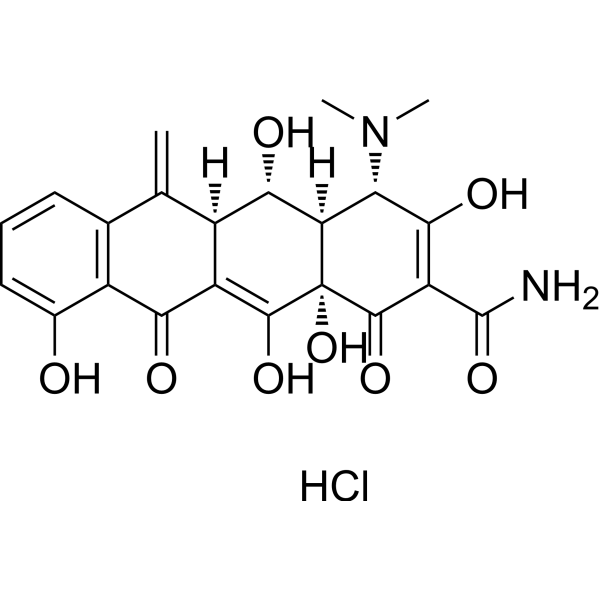
Methacycline hydrochloride is a tetracycline antibiotic and can inhibits bacterial protein synthesis. Methacycline hydrochloride is a potent epithelial-mesenchymal transition (EMT) inhibitor. Methacycline hydrochloride blocks EMT in vitro and fibrogenesis in vivo without directly affecting TGF-β1 Smad signaling. Methacycline hydrochloride is an antimicrobial and has the potential for pulmonary fibrosis .
loading...
    loading...
2
2 Cited Publications
Cat. No.: HY-N10335
CAS No.: 64761-48-4
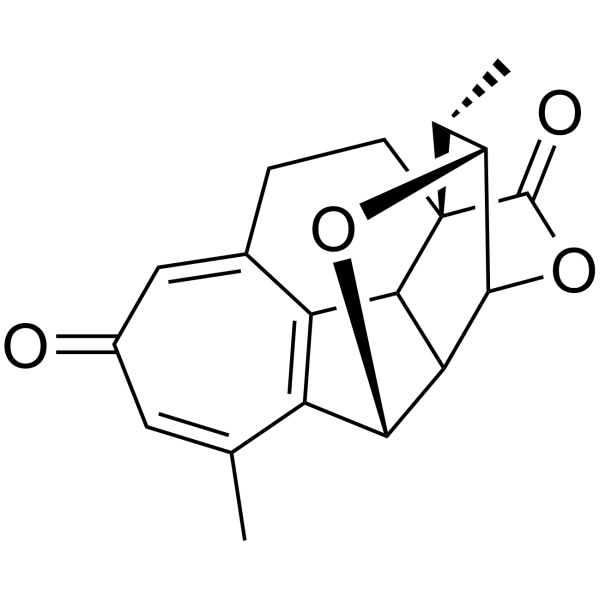
Harringtonolide is a potent RACK1 inhibitor (IC50=39.66 μM in A375 cells). Harringtonolide inhibits the epithelial-mesenchymal transition (EMT) process and cell proliferation by affecting the interaction between FAK and RACK1. Harringtonolide has plant growth inhibitory, antiviral, anti-inflammatory, and antiproliferation activities .
loading...
    loading...

