2008 Results for "

Multiple

" in MedChemExpress (MCE) Product Catalog:
Products (2008)

2008 Results for "Multiple" in MCE Product Catalog:

327
327 Publications Verification
Cat. No.: HY-15452
CAS No.: 49843-98-3
Purity:  99.85%
Synonyms: EX-527
Target:  

Sirtuin

Research Areas:  

Inflammation/Immunology Cancer

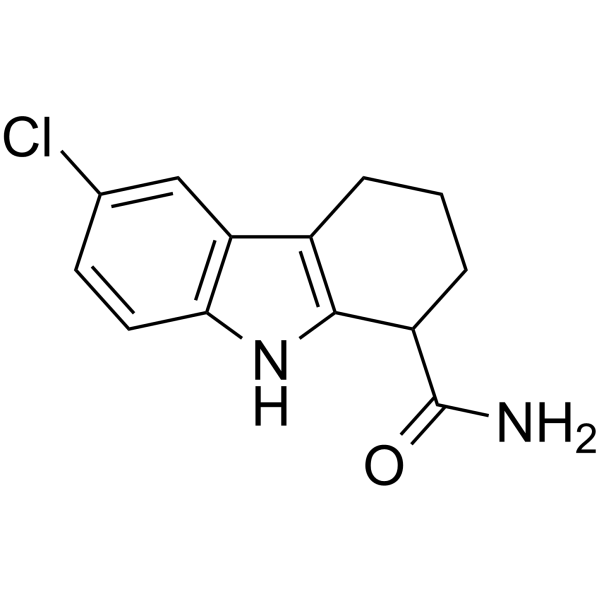
Selisistat (EX-527) is a potent and selective SirT1 (Sir2 in Drosophila melanogaster) inhibitor with an IC50 of 123 nM for SirT1. Selisistat alleviates pathology in multiple animal and cell models of Huntington's disease .
loading...
    loading...
286
286 Cited Publications
Cat. No.: HY-10227
CAS No.: 179324-69-7
Purity:  99.91%
Synonyms: PS-341; LDP-341; NSC 681239
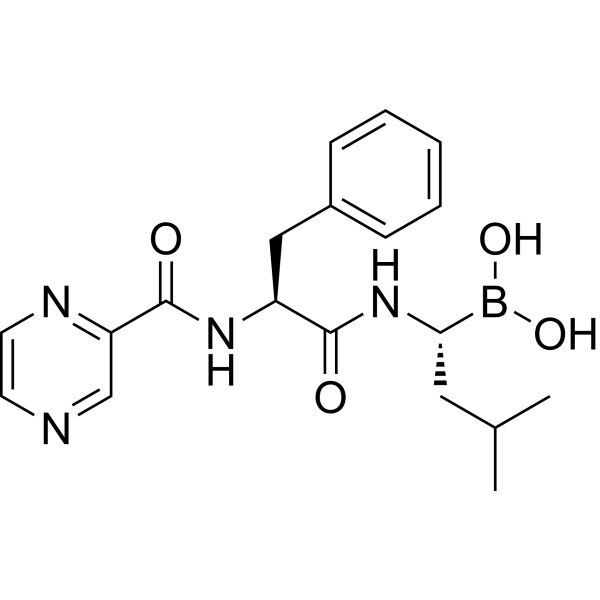
Bortezomib (PS-341) is a reversible and selective proteasome inhibitor, and potently inhibits 20S proteasome (Ki=0.6 nM) by targeting a threonine residue. Bortezomib disrupts the cell cycle, induces apoptosis, and inhibits NF-κB. Bortezomib is the first proteasome inhibitor anticancer agent. Bortezomib can be used for the study of multiple myeloma (MM) . Bortezomib effectively inhibits TREM2 expression in tumor-associated macrophages (TAMs) .
loading...
    loading...
246
246 Cited Publications
Cat. No.: HY-K0023

Phosphatase Inhibitor Cocktail Ⅲ (100× in DMSO) is a mixture of multiple phosphatase inhibitors that effectively inhibit serine/threonine phosphatases and alkaline phosphatases, and is used to preserve the phosphorylation status of proteins.The 1 mL volume is defined as the base specification. All larger sizes correspond to incremental volumes of this base.

loading...
    loading...
166
166 Cited Publications
Cat. No.: HY-10087
CAS No.: 923564-51-6
Purity:  99.72%
Synonyms: ABT-263
Target:  

Bcl-2 Family

Research Areas:  

Cancer

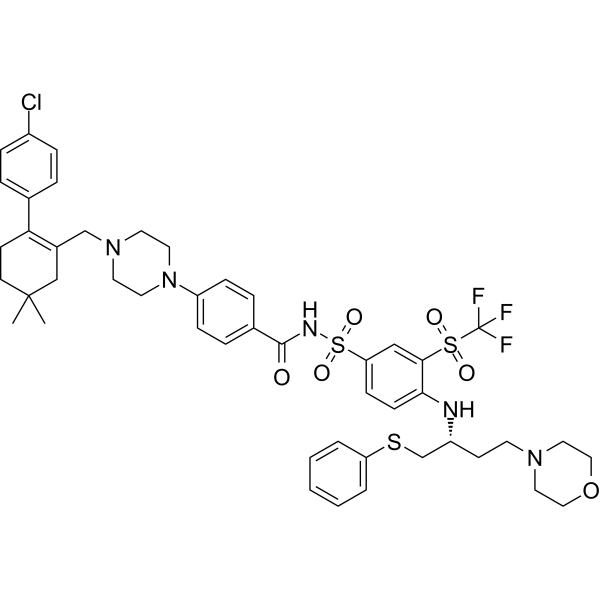
Navitoclax (ABT-263) is a potent and orally active Bcl-2 family protein inhibitor that binds to multiple anti-apoptotic Bcl-2 family proteins, such as Bcl-xL, Bcl-2 and Bcl-w, with a Ki of less than 1 nM .
loading...
    loading...
99
99 Cited Publications
Cat. No.: HY-W303895
CAS No.: 6113-16-2
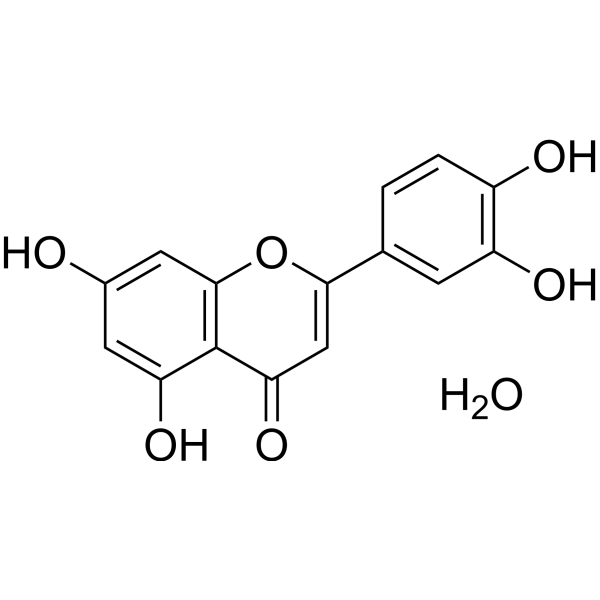
Luteolin (monohydrate) is the monohydrate of Luteolin. Luteolin (Luteoline), a flavonoid, is also a potent Nrf2 inhibitor. Luteolin has anti-inflammatory and anticancer properties, induces apoptosis and cell cycle arrest in multiple human cancer cell lines, including non-small lung cancer cells, and inhibits cell metastasis and angiogenesis .
loading...
    loading...
97
97 Cited Publications
Cat. No.: HY-14596
CAS No.: 446-72-0
Purity:  99.82%
Synonyms: NPI 031L
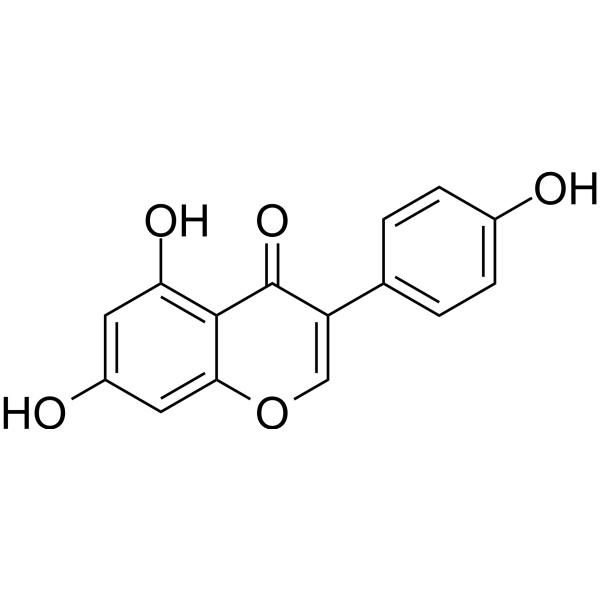
Genistein, a soy isoflavone, is a multiple tyrosine kinases (e.g., EGFR) inhibitor which acts as a chemotherapeutic agent against different types of cancer, mainly by altering apoptosis, the cell cycle, and angiogenesis and inhibiting metastasis.
loading...
    loading...
90
90 Cited Publications
Cat. No.: HY-10224A
CAS No.: 960055-56-5
Purity:  98.67%
Synonyms: LBH589 lactate; NVP-LBH589 lactate
Target:  

HDAC HIV Autophagy Apoptosis

Research Areas:  

Infection Cancer

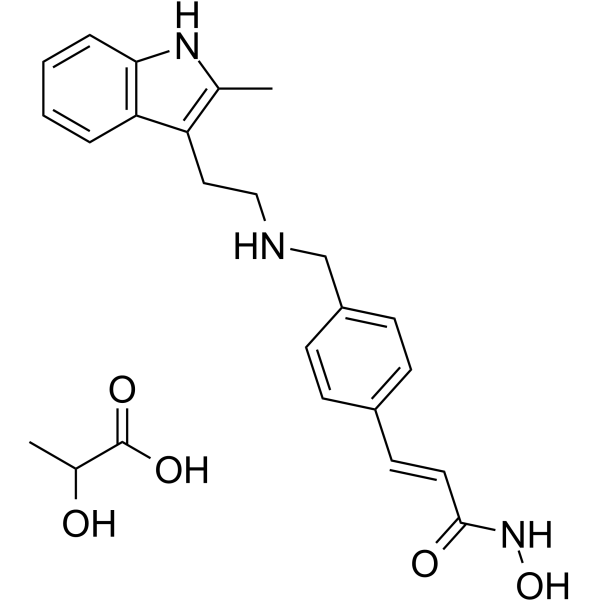
Panobinostat lactate is a potent and orally active non-selective HDAC inhibitor. Panobinostat lactate has antineoplastic activities. Panobinostat lactate effectively disrupts HIV latency. Panobinostat lactate induces cell apoptosis and autophagy. Panobinostat lactate can be used for the study of refractory or relapsed multiple myeloma .
loading...
    loading...
90
90 Cited Publications
Cat. No.: HY-10224
CAS No.: 404950-80-7
Purity:  99.37%
Synonyms: LBH589; NVP-LBH589; MTX 110
Target:  

HDAC Autophagy HIV Apoptosis

Research Areas:  

Cancer

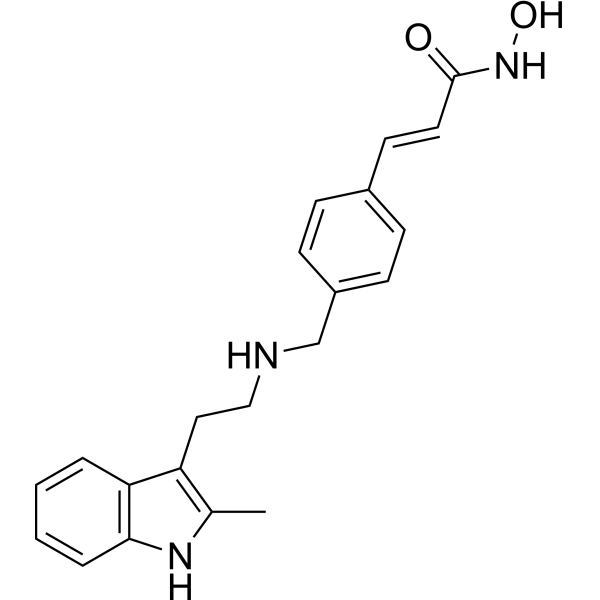
Panobinostat (LBH589; NVP-LBH589) is a potent and orally active non-selective HDAC inhibitor, and has antineoplastic activities . Panobinostat induces HIV-1 virus production even at low concentration range 8-31 nM, stimulates HIV-1 expression in latently infected cells . Panobinostat induces cell apoptosis and autophagy. Panobinostat can be used for the study of refractory or relapsed multiple myeloma .
loading...
    loading...
79
79 Cited Publications
Cat. No.: HY-135853
CAS No.: 2492423-29-5
Purity:  99.85%
Synonyms: EIDD-2801; MK-4482
Research Areas:  

Infection

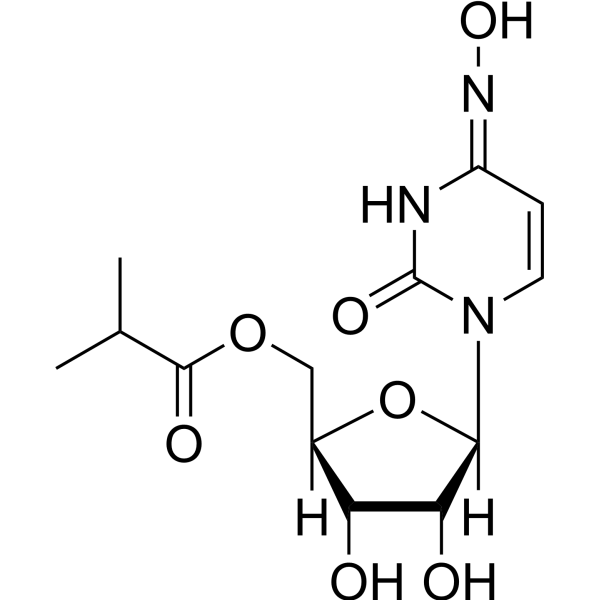
Molnupiravir (EIDD-2801) is an orally bioavailable proagent of the ribonucleoside analog EIDD-1931. Molnupiravir has broad spectrum antiviral activity against influenza virus and multiple coronaviruses, such as SARS-CoV-2, MERS-CoV, SARS-CoV. Molnupiravir has the potential for the research of COVID-19, and seasonal and pandemic influenza .
loading...
    loading...
72
72 Cited Publications
Cat. No.: HY-13443
CAS No.: 141758-74-9
Purity:  99.95%
Synonyms: Exenatide
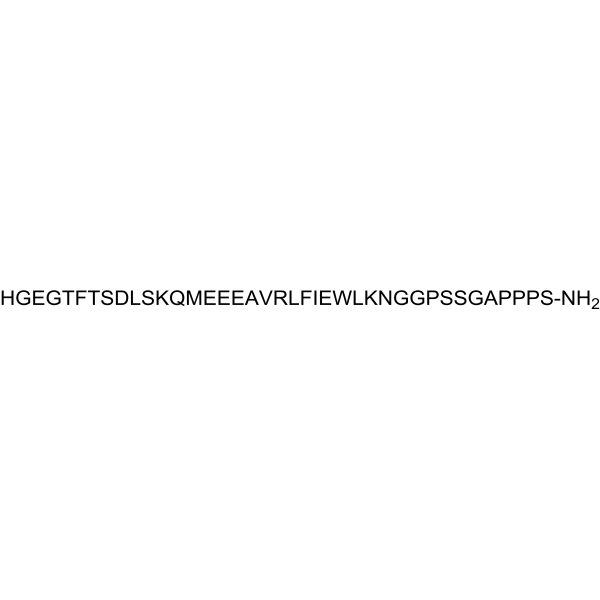
Exendin‑4 (Exenatide) is an orally active, blood-brain barrier-permeable glucagon-like peptide-1 receptor (GLP‑1 receptor) agonist that resists degradation mediated by dipeptidyl peptidase IV. Exendin‑4 mediates multiple glucose-regulating effects, including stimulation of glucose-dependent insulin secretion, inhibition of glucagon production, increase in β-cell mass, delay of gastric emptying, reduction of food intake, improvement of peripheral insulin sensitivity, and restoration of normal islet structure. Exendin‑4 inhibits oxidative stress, alleviates inflammatory responses, and reduces neuronal apoptosis. Exendin‑4 reduces the aggregation level of mutant huntingtin, improves motor function, prolongs survival time, and regulates the expression levels of leptin and ghrelin. Exendin‑4 can be used in research related to type 2 diabetes, acute ischemic stroke, and Huntington's disease .
loading...
    loading...
72
72 Cited Publications
Cat. No.: HY-13443A
CAS No.: 914454-01-6
Purity:  99.91%
Synonyms: Exenatide acetate
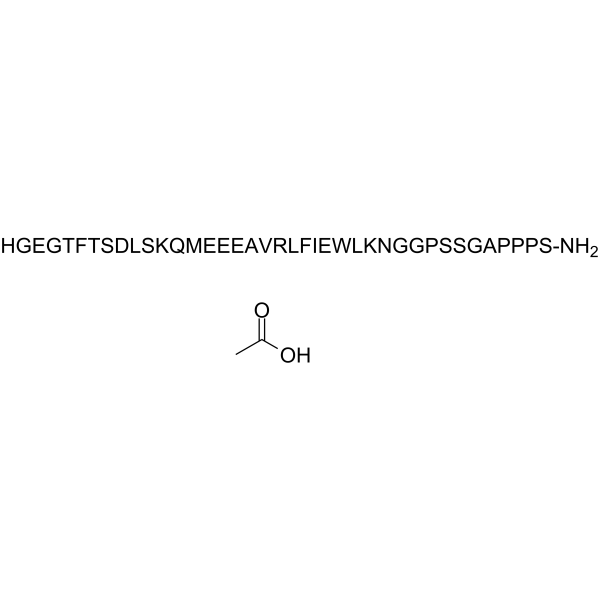
Exendin-4 acetate (Exenatide acetate) is an orally active, blood-brain barrier-permeable glucagon-like peptide-1 receptor (GLP‑1 receptor) agonist that resists degradation mediated by dipeptidyl peptidase IV. Exendin-4 acetate mediates multiple glucose-regulating effects, including stimulation of glucose-dependent insulin secretion, inhibition of glucagon production, increase in β-cell mass, delay of gastric emptying, reduction of food intake, improvement of peripheral insulin sensitivity, and restoration of normal islet structure. Exendin-4 acetate inhibits oxidative stress, alleviates inflammatory responses, and reduces neuronal apoptosis. Exendin-4 acetate reduces the aggregation level of mutant huntingtin, improves motor function, prolongs survival time, and regulates the expression levels of leptin and ghrelin. Exendin-4 acetate can be used in research related to type 2 diabetes, acute ischemic stroke, and Huntington's disease .
loading...
    loading...
70
70 Cited Publications
Cat. No.: HY-17363
CAS No.: 624-49-7
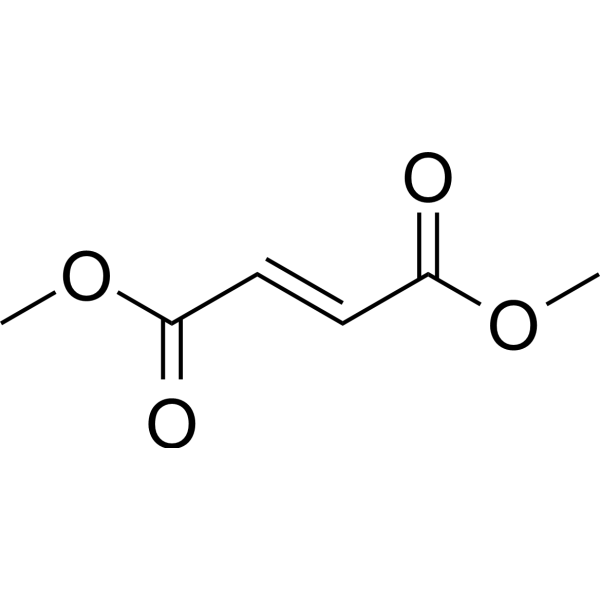
Dimethyl fumarate (DMF) is an orally active and brain-penetrant Nrf2 activator and induces upregulation of antioxidant gene expression. Dimethyl fumarate induces necroptosis in colon cancer cells through GSH depletion/ROS increase/MAPKs activation pathway, and also induces cell autophagy. Dimethyl fumarate can be used for multiple sclerosis research .
loading...
    loading...
64
64 Cited Publications
Cat. No.: HY-14650
CAS No.: 53-43-0
Purity:  99.93%
Synonyms: Prasterone; Dehydroisoandrosterone; Dehydroepiandrosterone
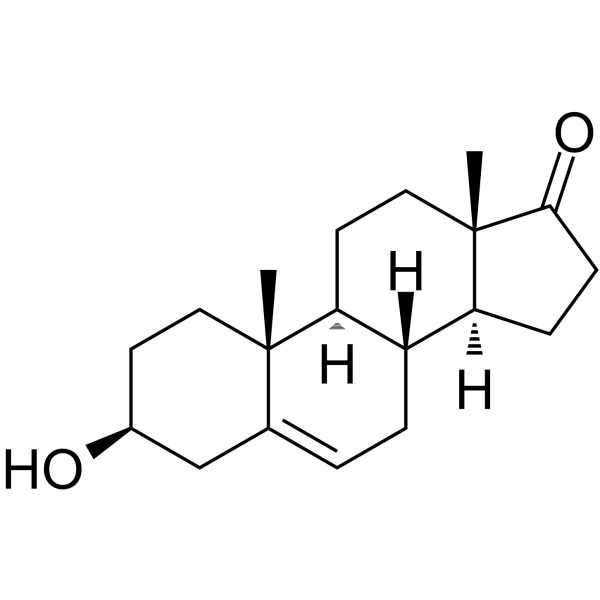
DHEA (Prasterone) is one of the most abundant steroid hormones. DHEA (Prasterone) mediates its action via multiple signaling pathways involving specific membrane receptors and via transformation into androgen and estrogen derivatives (e.g., androgens, estrogens, 7α and 7β DHEA, and 7α and 7β epiandrosterone derivatives) acting through their specific receptors.
loading...
    loading...
60
60 Cited Publications
Cat. No.: HY-12044
CAS No.: 1140909-48-3
Purity:  99.90%
Synonyms: XL184 S-malate; BMS-907351 S-malate
Target:  

VEGFR Apoptosis

Research Areas:  

Cancer

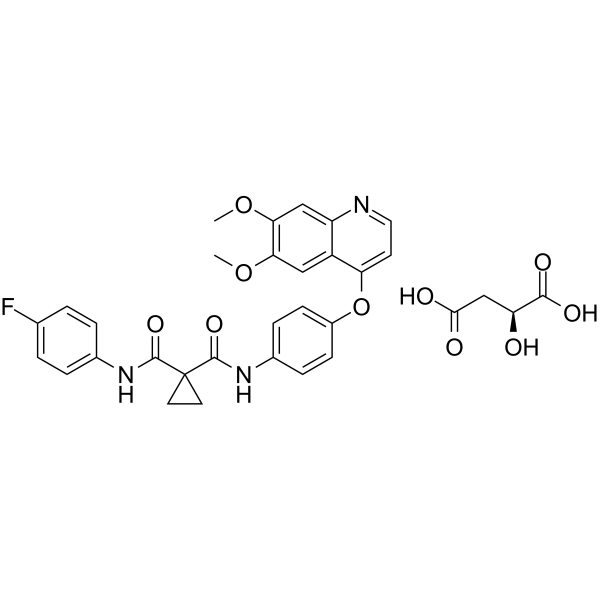
Cabozantinib S-malate (XL184 S-malate) is a potent multiple receptor tyrosine kinases inhibitor that inhibits VEGFR2, c-Met, Kit, Axl and Flt3 with IC50s of 0.035, 1.3, 4.6, 7 and 11.3 nM, respectively.
loading...
    loading...
54
54 Cited Publications
Cat. No.: HY-W404916
CAS No.: 23795-03-1
Probenecid sodium is an orally active, blood-brain barrier-permeable Pannexin 1 channel inhibitor. Probenecid sodium exhibits anti-inflammatory, antiviral, and neuroprotective activities. Probenecid sodium can be used in research related to multiple sclerosis, focal cerebral ischemic injury, influenza virus infection, and nephropathy .
loading...
    loading...
48
48 Cited Publications
Cat. No.: HY-10465
CAS No.: 1009119-65-6
Purity:  99.68%
Synonyms: BMS-790052 dihydrochloride; EBP 883 dihydrochloride
Target:  

HCV

Research Areas:  

Infection

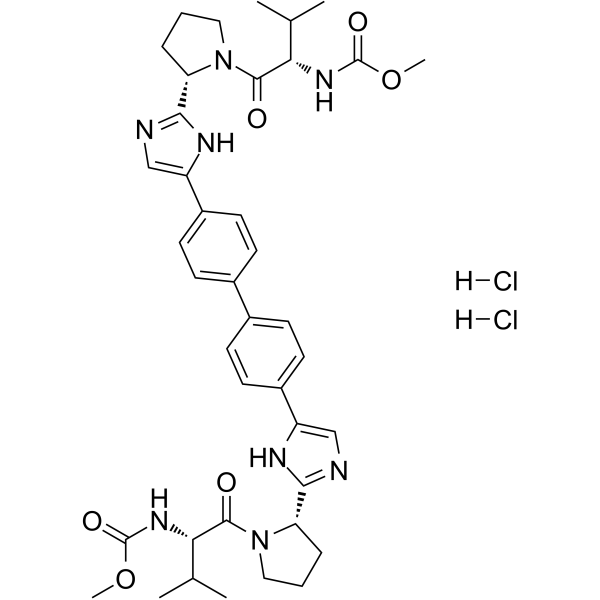
Daclatasvir dihydrochloride (BMS-790052 dihydrochloride) is a potent and orally active HCV NS5A protein inhibitor with EC50s range of 9-146 pM for multiple HCV replicon genotypes. Daclatasvir dihydrochloride is also an organic anion transporting polypeptide 1B (OATP1B) and OATP1B3 inhibitor with IC50s of 1.5 μM and 3.27 μM, respectively .
loading...
    loading...
48
48 Cited Publications
Cat. No.: HY-10466
CAS No.: 1009119-64-5
Purity:  98.68%
Synonyms: BMS-790052; EBP 883
Target:  

HCV

Research Areas:  

Infection

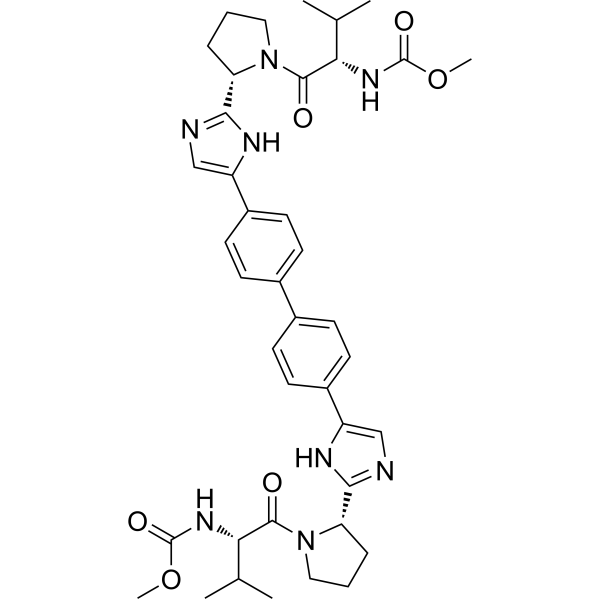
Daclatasvir (BMS-790052) is a potent and orally active HCV NS5A protein inhibitor with EC50s range of 9-146 pM for multiple HCV replicon genotypes. Daclatasvir is also a organic anion transporting polypeptide 1B (OATP1B) and OATP1B3 inhibitor with IC50s of 1.5 µM and 3.27 µM, respectively .
loading...
    loading...
47
47 Cited Publications
Cat. No.: HY-N0176
CAS No.: 71939-50-9
Synonyms: Dihydroqinghaosu; β-Dihydroartemisinin; Artenimol
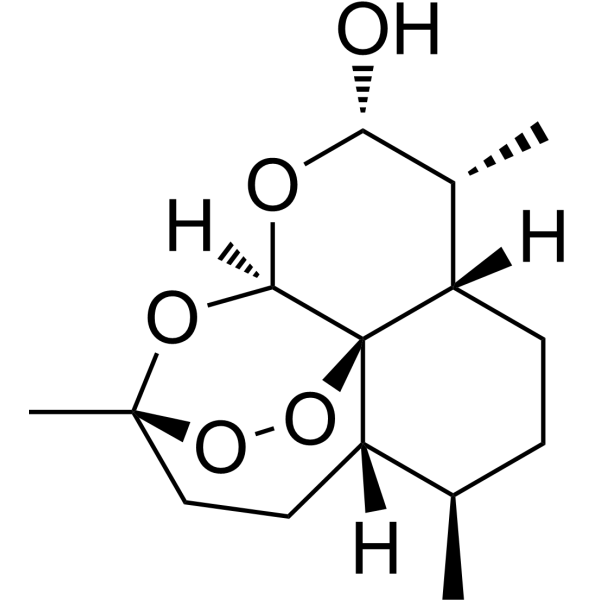
Dihydroartemisinin is an orally active metabolite of rtemisinin (HY-B0094) and antimalarial agent. Dihydroartemisinin induces Autophagy by inhibiting NF-κB activation. Dihydroartemisinin promotes ROS accumulation. Dihydroartemisinin exhibits anticancer activity in esophageal cancer cells. Dihydroartemisinin shows schistosomicidal activity against juvenile and adult worms of Schistosoma japonicum, reduces worm burden, and displays antiparasitic activity. Dihydroartemisinin can be used in research related to multiple myeloma, promyelocytic leukemia, esophageal cancer, and Schistosoma japonicum infection .
loading...
    loading...
40
40 Cited Publications
Cat. No.: HY-12137
CAS No.: 755038-65-4
Purity:  99.87%
Synonyms: BI 6727
Research Areas:  

Cancer

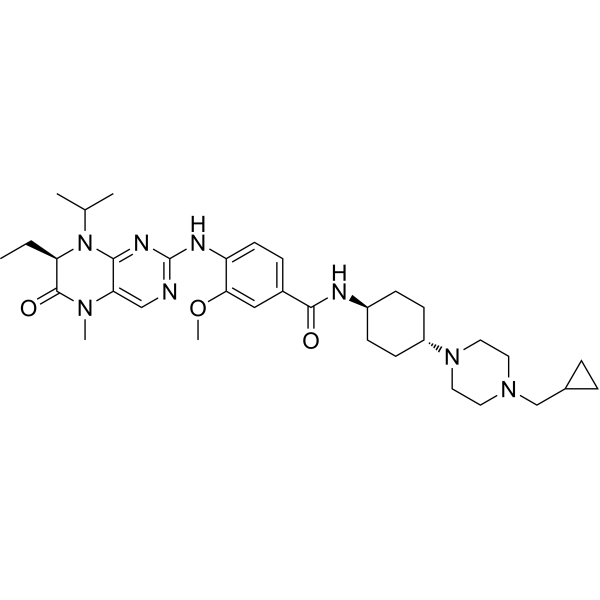
Volasertib (BI 6727) is an orally active, highly potent and ATP-competitive Polo-like kinase 1 (PLK1) inhibitor with an IC50 of 0.87 nM. Volasertib inhibits PLK2 and PLK3 with IC50s of 5 and 56 nM, respectively. Volasertib induces mitotic arrest and apoptosis. Volasertib, a dihydropteridinone derivative, shows marked antitumor activity in multiple cancer models .
loading...
    loading...
40
40 Cited Publications
Cat. No.: HY-12137A
CAS No.: 946161-17-7
Synonyms: BI 6727 trihydrochloride
Research Areas:  

Cancer

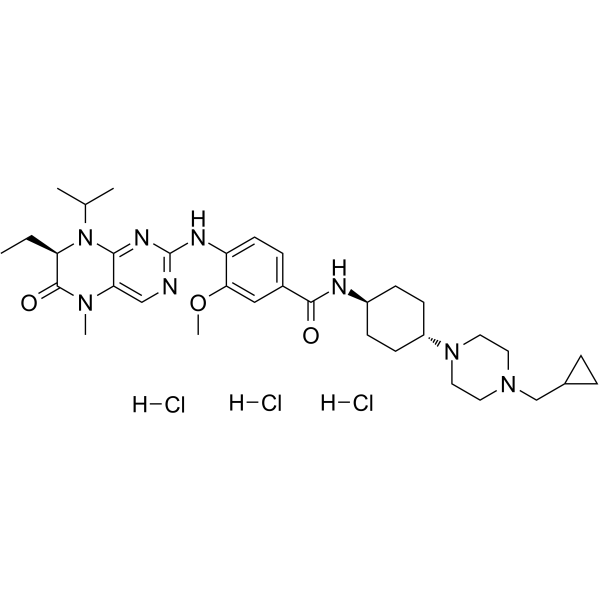
Volasertib (BI 6727) trihydrochloride is an orally active, highly potent and ATP-competitive Polo-like kinase 1 (PLK1) inhibitor with an IC50 of 0.87 nM. Volasertib trihydrochloride inhibits PLK2 and PLK3 with IC50s of 5 and 56 nM, respectively. Volasertib trihydrochloride induces mitotic arrest and apoptosis. Volasertib trihydrochloride, a dihydropteridinone derivative, shows marked antitumor activity in multiple cancer models .
loading...
    loading...

