


77 Results for "

NK cell activation

" in MedChemExpress (MCE) Product Catalog:
Products (77)

77 Results for "NK cell activation" in MCE Product Catalog:

82
82 Publications Verification
Cat. No.: HY-12005
CAS No.: 162359-56-0
Purity:  99.95%
Synonyms: FTY720
Target:  

LPL Receptor PAK

Research Areas:  

Inflammation/Immunology Cancer

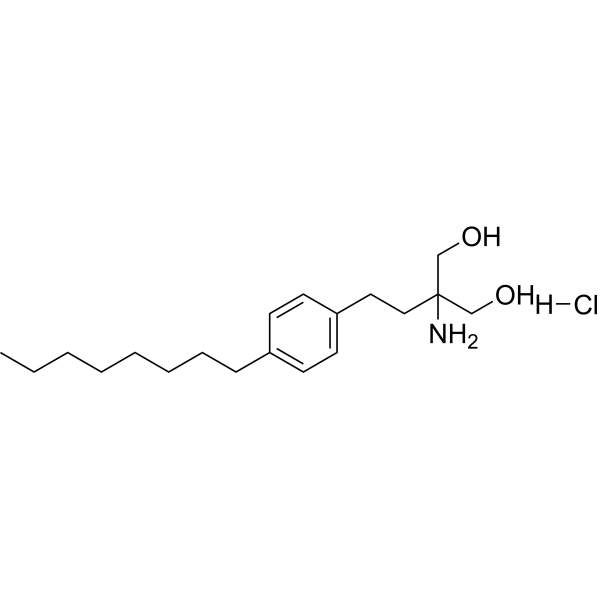
Fingolimod (FTY720) hydrochloride is a sphingosine 1-phosphate (S1P) antagonist with IC50 of 0.033 nM in K562 and NK cells. Fingolimod hydrochloride is also a pak1 activator and immunosuppressant .
loading...
    loading...
82
82 Publications Verification
Cat. No.: HY-11063
CAS No.: 162359-55-9
Purity:  99.97%
Synonyms: FTY720 free base
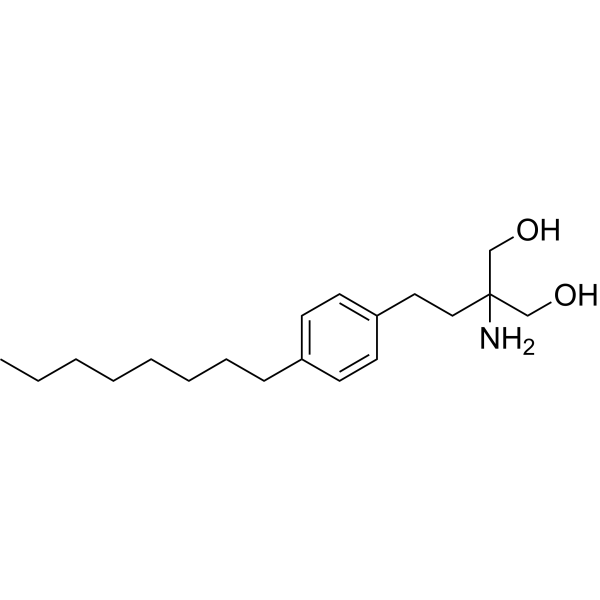
Fingolimod (FTY720 free base) is a brain-penetrant sphingosine 1-phosphate (S1P) antagonist with an IC50 of 0.033 nM in K562 and NK cells. Fingolimod also is a pak1 activator, a immunosuppressant .
loading...
    loading...
64
64 Cited Publications
Cat. No.: HY-A0003
CAS No.: 191732-72-6
Synonyms: CC-5013
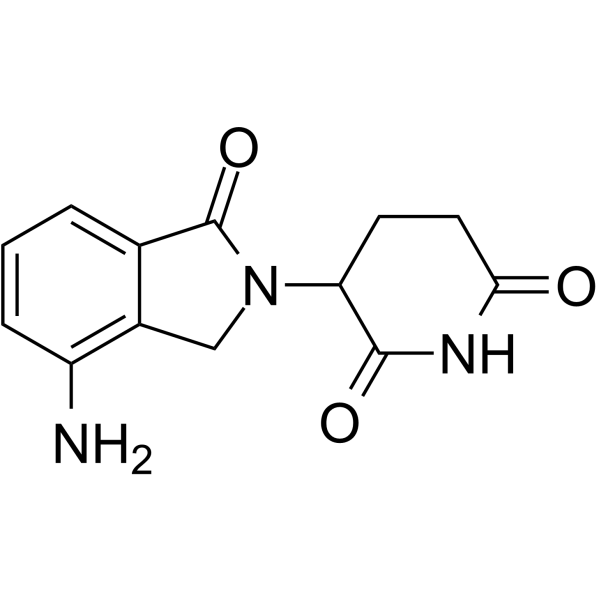
Lenalidomide (CC-5013) is an orally active immunomodulatory agent that binds CRBN as a molecular glue to alter substrate specificity, inducing ubiquitination and proteasome-dependent degradation of IKZF1, IKZF3 and CK1α. Lenalidomide induces apoptosis by degrading IKZF1/3, and activates p53 by degrading CK1α. Lenalidomide promotes IL-2 release and effector functions of CD8 + T/NK cells, while inhibiting TNF-α secretion and M1-type pyroptosis. Lenalidomide can be used in research related to hematological malignancies, acute liver failure and acute kidney injury .
loading...
    loading...
64
64 Cited Publications
Cat. No.: HY-A0003B
CAS No.: 847871-99-2
Synonyms: CC-5013 hemihydrate
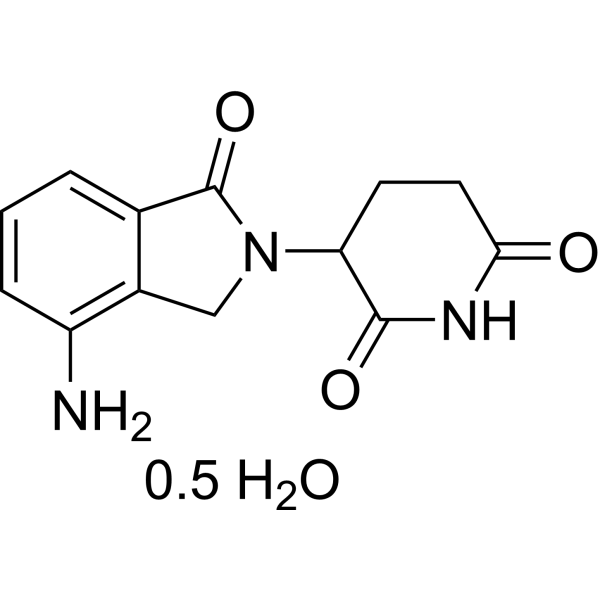
Lenalidomide hemihydrate (CC-5013 hemihydrate) is an orally active immunomodulatory agent that binds CRBN as a molecular glue to alter substrate specificity, inducing ubiquitination and proteasome-dependent degradation of IKZF1, IKZF3 and CK1α. Lenalidomide hemihydrate induces apoptosis by degrading IKZF1/3, and activates p53 by degrading CK1α. Lenalidomide hemihydrate promotes IL-2 release and effector functions of CD8 + T/NK cells, while inhibiting TNF-α secretion and M1-type pyroptosis. Lenalidomide hemihydrate can be used in research related to hematological malignancies, acute liver failure and acute kidney injury .
loading...
    loading...
17
17 Cited Publications
Cat. No.: HY-N0637
CAS No.: 552-58-9
Synonyms: Huazhongilexone
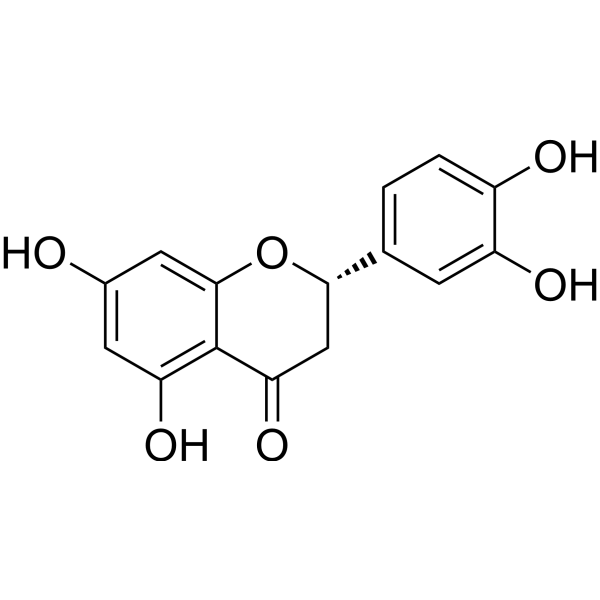
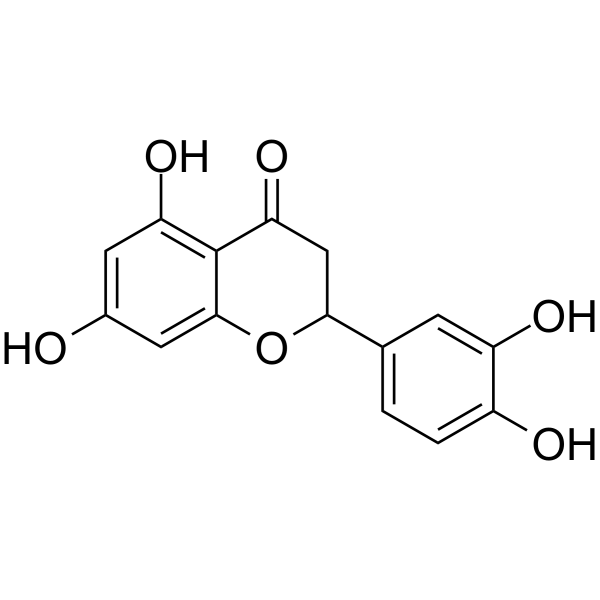
Eriodictyol ((±)-Huazhongilexone; Dihydroluteolin) is an orally active TRPV1 receptor antagonist (IC50=44-47 nM, rTRPV1) with antioxidant and anti-inflammatory activities. Eriodictyol effectively inhibits lipid peroxidation and the release of proinflammatory cytokines by specifically antagonizing the TRPV1 receptor and activating the Nrf2 signaling pathway. Eriodictyol reduces the levels of ICAM-1, VEGF, eNOS and TNF-α in the retina and maintains the integrity of the blood-retinal barrier. Eriodictyol alleviates oxidative stress-induced apoptosis and hyperalgesia, enhances the activity and cytotoxicity of immune cells (such as B lymphocytes, NK cells and macrophages), and increases the levels of antioxidant enzymes simultaneously. Eriodictyol can be used in the research of diabetic retinopathy, acute lung injury and various pain-related diseases .
loading...
    loading...
5
5 Cited Publications
Cat. No.: HY-N7075
CAS No.: 9005-80-5
Inulin is an orally active prebiotic targeting the intestinal microbiota, selectively promoting the proliferation and activity of beneficial bacteria such as bifidobacteria and lactic acid bacteria, and playing a role in regulating the intestinal microecology. The functions of Inulin include: Fermentation by probiotics in the colon to produce short-chain fatty acids (such as butyrate and propionate), lowering the intestinal pH and inhibiting the overgrowth of harmful bacteria; Enhancing the intestinal barrier function and reducing endotoxin translocation; Directly scavenging free radicals (such as superoxide free radicals, hydroxyl free radicals) and activating antioxidant enzymes (SOD, CAT) to reduce oxidative stress. Inulin can also be used in the study of intestinal diseases (constipation, IBD), metabolic syndrome (diabetes, obesity) and liver damage by regulating glucose and lipid metabolism (such as reducing triglycerides, improving insulin sensitivity) and immune response (enhancing NK cell activity, inhibiting inflammatory factors)[1][2][3][4].
loading...
    loading...
4
4 Cited Publications
Cat. No.: HY-W013375
CAS No.: 76721-89-6
Target:  

Neprilysin

Research Areas:  

Neurological Disease

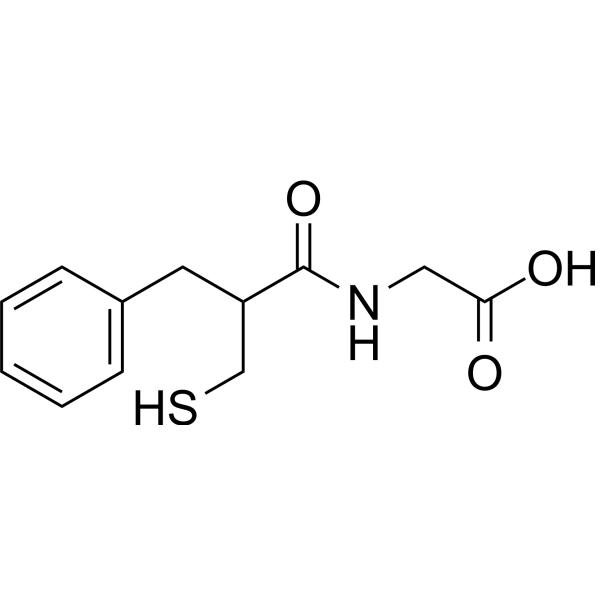
Thiorphan is a selective neprilysin (NEP) inhibitor with an IC50 of 6.9 nM. Thiorphan competitively binds to NEP and blocks its activity, preventing the degradation of neuropeptides such as substance P (SP) and neurokinin NKA. In the field of neonatal brain injury research, Thiorphan can increase the levels of SP and NKA, activate NK1 and NK2 receptors and downstream transduction pathways, and inhibit excessive activation of NMDA receptors. Thus, Thiorphan can protect neocortical neurons from excitotoxic cell death. Thiorphan may also inhibit NEP from enhancing bronchoconstriction and can be used in the study of respiratory diseases .
loading...
    loading...
2
2 Cited Publications
Cat. No.: HY-162080
CAS No.: 374705-10-9
Research Areas:  

Cancer

METTL1-WDR4-IN-1 (Compound 1) is a selective competitive inhibitor of the methyltransferase complex METTL1-WDR4 (IC50 = 144 μM). METTL1-WDR4-IN-1 inhibits the m 7G methyltransferase activity of the METTL1-WDR4 complex, blocking m 7G modification of PKM mRNA, reducing PKM2 protein expression, disrupting the METTL1/PKM2/H3K9la positive feedback loop, and simultaneously inhibiting PKM2 nuclear translocation-mediated CD155 transcriptional activation. METTL1-WDR4-IN-1 can inhibit tumor cell proliferation, weaken glycolytic metabolism, reverse tumor immune evasion (restoring NK cell and CD8 + T cell function), and regulate RNA epigenetic modification and the tumor immune microenvironment. METTL1-WDR4-IN-1 can be used in immunotherapy research for cancers such as colorectal cancer, and is particularly suitable for use in combination with PKM2 inhibitors to enhance anti-tumor treatment efficacy .
loading...
    loading...
2
2 Cited Publications
Cat. No.: HY-108420
CAS No.: 6314-70-1
Purity:  98.10%
Target:  

CDK

Research Areas:  

Cancer

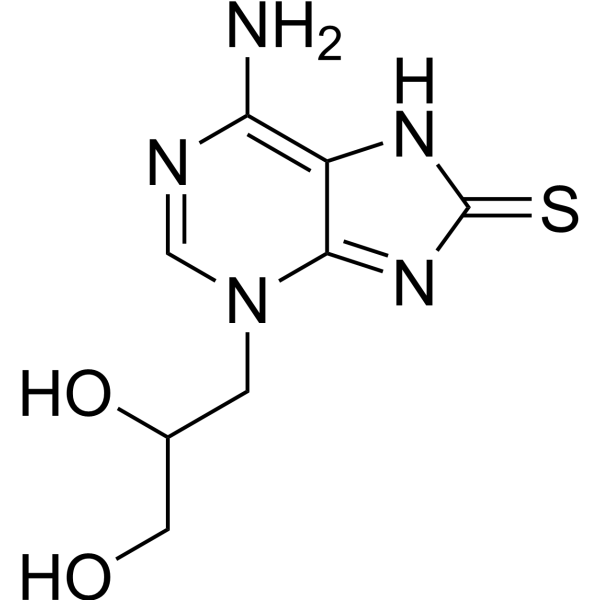
INK4C-IN-2 is a p18 INK4C inhibitor. NK4C-IN-2 promotes hematopoietic stem cells (HSCs) division by inhibiting INK4C and activating CDK4/6, with an ED50 of 5.21 nM. INK4C-IN-2 shows no cytotoxic to normal 32D cells, HSCs, leukemia cell lines and myeloma cell lines .
loading...
    loading...
2
2 Cited Publications
Cat. No.: HY-162080A
Research Areas:  

Cancer

METTL1-WDR4-IN-1 (Compound 1) TFA is a selective competitive inhibitor of the methyltransferase complex METTL1-WDR4 (IC50=144 μM). METTL1-WDR4-IN-1 TFA inhibits the m 7G methyltransferase activity of the METTL1-WDR4 complex, blocking the m 7G modification of PKM mRNA, reducing PKM2 protein expression, disrupting the METTL1/PKM2/H3K9la positive feedback loop, and simultaneously inhibiting PKM2 nuclear translocation-mediated CD155 transcriptional activation. METTL1-WDR4-IN-1 TFA can inhibit tumor cell proliferation, weaken glycolytic metabolism, reverse tumor immune evasion (restoring NK cell and CD8 + T cell function), and regulate RNA epigenetic modification and the tumor immune microenvironment. METTL1-WDR4-IN-1 TFA can be used in immunotherapy research for cancers such as colorectal cancer, and is particularly suitable for use in combination with PKM2 inhibitors to enhance anti-tumor treatment efficacy .
loading...
    loading...
1
1 Cited Publications
Cat. No.: HY-P990680
Anti-Mouse CD40 Antibody (FGK4.5/FGK45) is an agonistic rat-derived IgG2a monoclonal antibody targeting mouse CD40. Anti-Mouse CD40 Antibody (FGK4.5/FGK45) enhances T cells responses, dendritic cells maturation and NK cells activation. Anti-Mouse CD40 Antibody (FGK4.5/FGK45) can be used for the researches of cancer, infection, inflammation and immunology, such as CT26 tumor, vesicular stomatitis virus (VSV) infection and transplantation .
loading...
    loading...
1
1 Cited Publications
Cat. No.: HY-125938
CAS No.: 21238-33-5
Purity:  98.98%
Synonyms: Cycloartenol ferulate; Cycloartenol ferulic acid ester
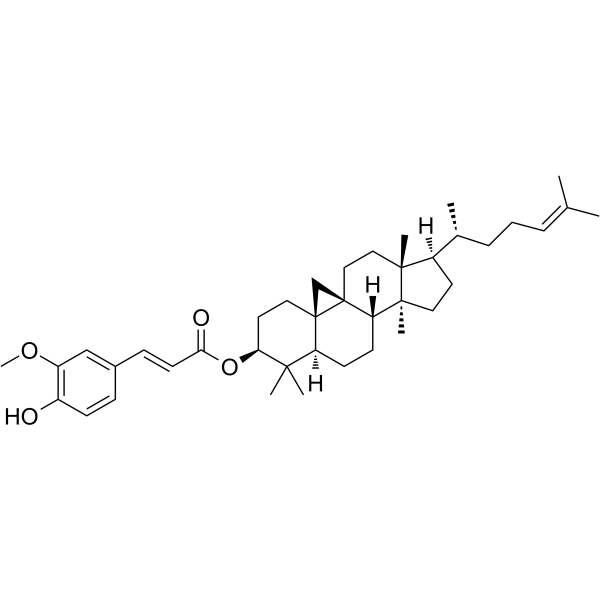
Cycloartenyl ferulate (Cycloartenol ferulate; Cycloartenol ferulic acid ester) is a derivative of γ-oryzanol (HY-B2194) with multiple biological activities including antioxidant, anti-inflammatory, and anti-tumor properties. Cycloartenyl ferulate selectively binds to IFNγR1 (binding affinity Kd = 0.5 μM) to activate the canonical JAK1/2-STAT1 signaling pathway. Cycloartenyl ferulate inhibits paraquat (PQ)-triggered apoptosis and ROS in HK2 cells. Cycloartenyl ferulate enhances the activation and cytolytic activity of natural killer (NK) cells by upregulating the expression of NK cell activation receptors (NKG2D, NKp30, NKp44) and the release of cytotoxic molecules and cytokine IFNγ. Cycloartenyl ferulate exerts anti-cancer effects in tumor mice models. Cycloartenyl ferulate can be used for the study of cancer and allergic inflammation intervention .
loading...
    loading...
1
1 Cited Publications
Cat. No.: HY-134261A
Synonyms: 8-Bromoadenosine-5'-O-diphosphoribose disodium
8-Br-ADPR disodium (8-Bromoadenosine-5'-O-diphosphoribose) is a TRPM2 inhibitor and ADPR signaling pathway antagonist. 8-Br-ADPR disodium inhibits glucagon-mediated nuclear calcium signaling and downstream CaMKII/CREB phosphorylation by blocking ADPR-induced TRPM2 activation. 8-Br-ADPR disodium significantly reduces gluconeogenic gene expression and blood glucose levels in diabetic models. 8-Br-ADPR disodium effectively blocks ADPR-mediated calcium signal transduction in NK cells, inhibits immune synapse formation, granzyme B release and cytolytic activity against melanoma cells. 8-Br-ADPR disodium is widely used in studies related to diseases such as diabetes, melanoma and lymphoma .
loading...
    loading...
1
1 Cited Publications
Cat. No.: HY-P10869
dCNP binds to NPR-B/C receptor, activates cGMP signaling pathway, and regulates vascular function. dCNP exhibits anti-hypoxia property through downregulation of hypoxia-related genes expressions like HIF1α and HIF2α. dCNP inhibits the induction of tumor stroma and exhibits anti-fibrosis activity. dCNP upregulates CTLs, NK cells, and conventional type 1 dendritic cells in tumors, and activates immune responses .
loading...
    loading...
Cat. No.: HY-N0594
CAS No.: 14259-55-3
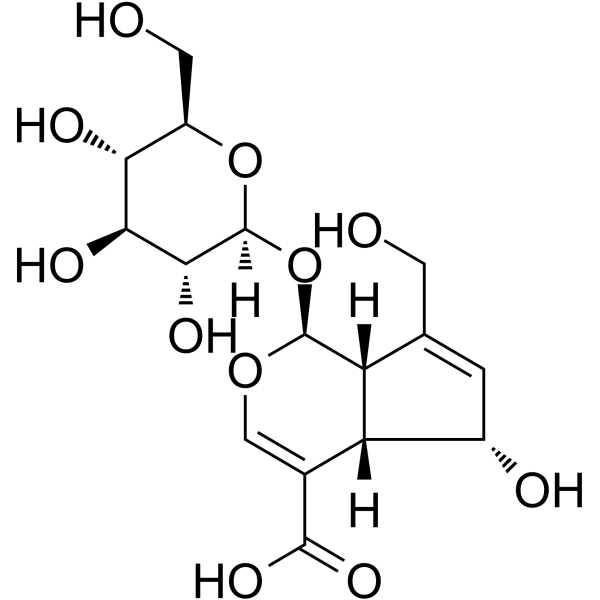
Deacetylasperulosidic Acid is an orally active antioxidant. Deacetylasperulosidic Acid exerts a definite in vivo antioxidant effect and alleviates oxidative stress injury by enhancing SOD activity. In atopic dermatitis models, Deacetylasperulosidic Acid corrects Th2-skewed immune imbalance and reduces allergy-related factors; in immunosuppression models, it activates cellular immunity, enhances NK cell activity and IL-2 production. Deacetylasperulosidic Acid can be used in the research of atopic dermatitis .
loading...
    loading...
Cat. No.: HY-N2424
CAS No.: 525-82-6
Synonyms: 2-Phenyl-4-chromone
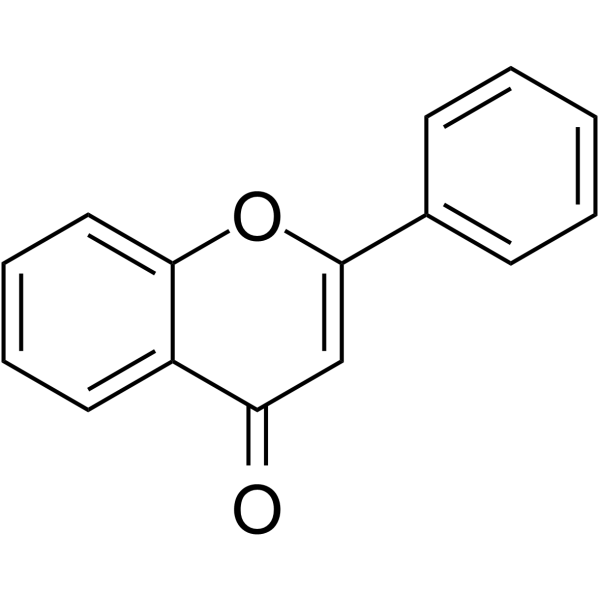
Flavone is an anti-tumor compound that targets cell cycle regulatory proteins (such as cyclin B1) and apoptosis-related factors (such as p21waf1, PIG3). Flavone selectively induces mitochondrial-mediated apoptosis pathways in tumor cells, inhibits cyclin B1 protein expression, upregulates p21waf1, and activates p63/p73 proteins. Flavone has immunomodulatory functions that enhance natural killer cell (NK cell) activity and lymphocyte proliferation. Flavone is used in cancer research, especially for its inhibitory potential in solid tumor models such as esophageal cancer and liver cancer .
loading...
    loading...
Cat. No.: HY-W746708
CAS No.: 79335-75-4
FK-565 is a synthetic immunomodulatory peptide with a nucleotide oligomerization domain-1 (NOD1) ligand. FK-565 can activate macrophages, NK cells, and peritoneal exudative cells, enhancing the innate immune response. FK-565 has antiviral activity against a variety of viruses in vivo, and its effect is achieved through immunomodulation rather than direct viral inhibition. FK-565 can induce mouse models of arteritis and coronary arteritis (Kawasaki disease-like disease) through a NOD1-mediated mechanism. FK-565 can be used for research on viral infections and inflammatory vascular diseases .
loading...
    loading...
Cat. No.: HY-N0637A
CAS No.: 4049-38-1
Synonyms: (±)-Huazhongilexone; Dihydroluteolin
(±)-Eriodictyol ((±)-Huazhongilexone; Dihydroluteolin) is an orally active TRPV1 receptor antagonist (IC50=44-47 nM, rTRPV1) with antioxidant and anti-inflammatory activities. (±)-Eriodictyol effectively inhibits lipid peroxidation and the release of proinflammatory cytokines by specifically antagonizing the TRPV1 receptor and activating the Nrf2 signaling pathway. (±)-Eriodictyol reduces the levels of ICAM-1, VEGF, eNOS and TNF-α in the retina and maintains the integrity of the blood-retinal barrier. (±)-Eriodictyol alleviates oxidative stress-induced apoptosis and hyperalgesia, enhances the activity and cytotoxicity of immune cells (such as B lymphocytes, NK cells and macrophages), and increases the levels of antioxidant enzymes simultaneously. (±)-Eriodictyol can be used in the research of diabetic retinopathy, acute lung injury and various pain-related diseases .
loading...
    loading...
Cat. No.: HY-P99752
CAS No.: 2315268-27-8
Synonyms: ALKS 4230; RDB-1450

Target:  

Interleukin Related

Research Areas:  

Inflammation/Immunology Cancer

Nemvaleukin alfa (ALKS 4230) is a IL-2 fusion protein that selectively binds to intermediate-affinity IL-2R. Nemvaleukin alfa is an activator of NK and effector T cells. Nemvaleukin alfa can be used for research of cancer .
loading...
    loading...
Cat. No.: HY-108738
CAS No.: 152923-56-3
Purity:  99.18%
Synonyms: Ro 24-7375
Daclizumab (Ro 24-7375) is a humanized, monoclonal antibody that blocks CD25 (α-subunit of the high-affinity interleukin-2 receptor (IL-2R-HA)). Daclizumab inhibits effector T cell activation, regulatory T cell (Treg) expansion and survival, and activation-induced T-cell apoptosis. Daclizumab increases IL-2 bioavailability to bind to the intermediate-affinity IL-2R (IL-2R-IA), driving the expansion of anti-inflammatory CD56bright natural killer (NK) cells. Daclizumab can be used for multiple sclerosis and cancer research .
loading...
    loading...

