46 Results for "

PFC pollution

" in MedChemExpress (MCE) Product Catalog:
Products (46)

46 Results for "PFC pollution" in MCE Product Catalog:

5
5 Cited Publications
Cat. No.: HY-W115718
CAS No.: 370-81-0
Research Areas:  

Neurological Disease

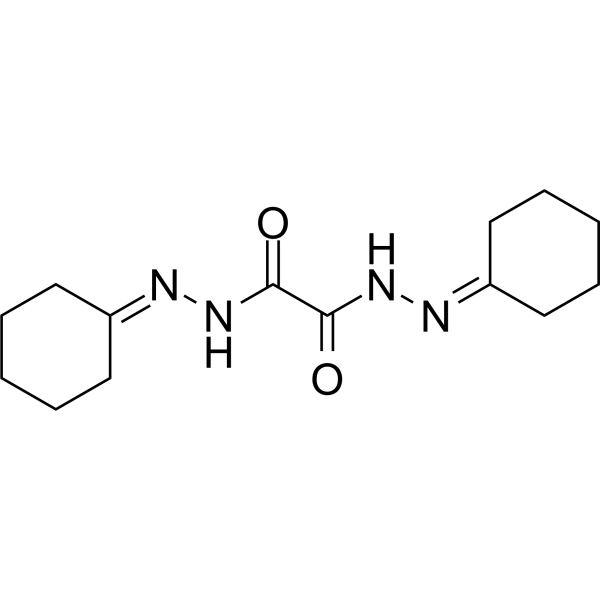
Cuprizone is a copper chelating agent that forms a deep blue copper ketone complex with copper (II). The copper ketone reaction can be used in colorimetric tests for the presence of trace copper. Cuprizone can be used to induce some schizophrenia-like behavior in mice. Cuprizone acts on copper enzymes, including SOD1, cytochrome oxidase, and DβH, thereby causing oxidative stress and increasing DA levels in certain brain regions such as the medial prefrontal cortex (PFC) .
loading...
    loading...
4
4 Cited Publications
Cat. No.: HY-107370
CAS No.: 83015-26-3
Synonyms: Tomoxetine; (R)-Tomoxetine
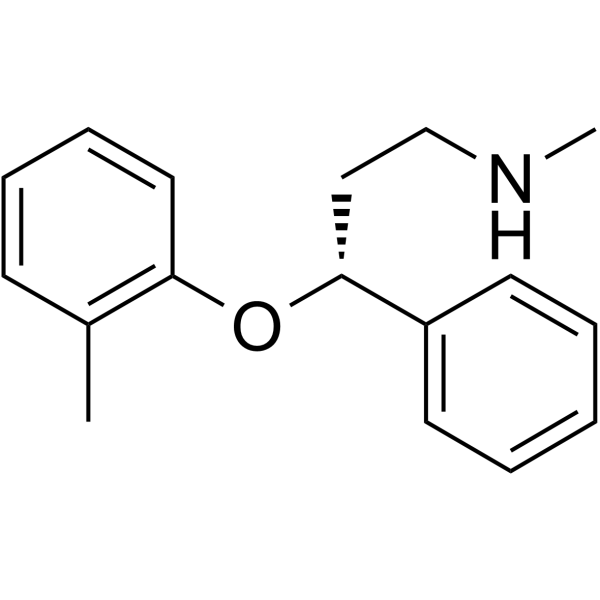
Atomoxetine (Tomoxetine) is a selective noradrenaline reuptake inhibitor with Ki values of 5, 77 and 1451 nM for norepinephrine (NE), serotonin (5-HT) and dopamine (DA) transporters, respectively. Atomoxetine (Tomoxetine) increases of DAEX and NEEX in the PFC and enhances catecholaminergic neurotransmission. Atomoxetine (Tomoxetine) is a potent Na + channels (VGSCs) blocker. Atomoxetine (Tomoxetine) can be used for attention-deficit hyperactivity disorder (ADHD) research .
loading...
    loading...
3
3 Cited Publications
Cat. No.: HY-W034953
CAS No.: 52698-84-7
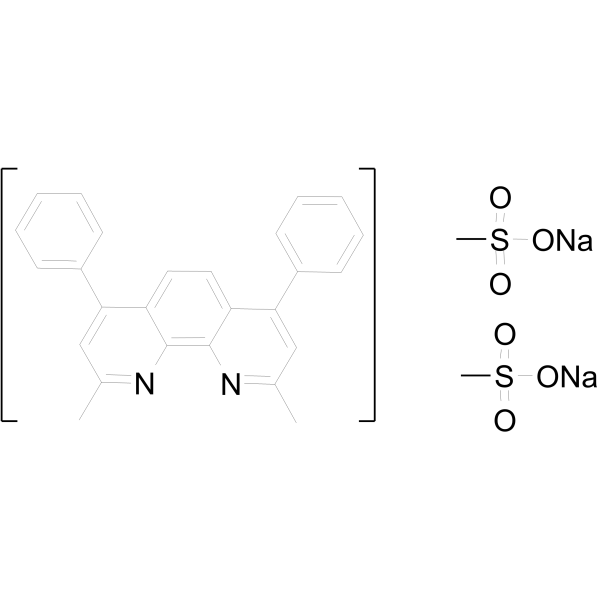
Bathocuproine disulfonate disodium (BCS) is an organic compound used as a highly sensitive colorimetric reagent for copper ions in biochemical and analytical applications. It has a bright yellow color and absorbs light at specific wavelengths, so it can be used to detect and quantify trace copper. In biochemical applications, BCS is commonly used to study the role of copper ions in various biological processes. Copper is an essential nutrient for many organisms, but it can also be toxic in high concentrations, so accurate measurement of copper levels is important to understand its impact on living systems. In terms of analysis, BCS is often used in environmental monitoring and water quality testing to detect copper pollution. It can detect copper even at very low concentrations, making it an invaluable tool for identifying potential sources of pollution and assessing the impact of industrial activities on aquatic ecosystems.
loading...
    loading...
3
3 Cited Publications
Cat. No.: HY-17416
CAS No.: 29110-48-3
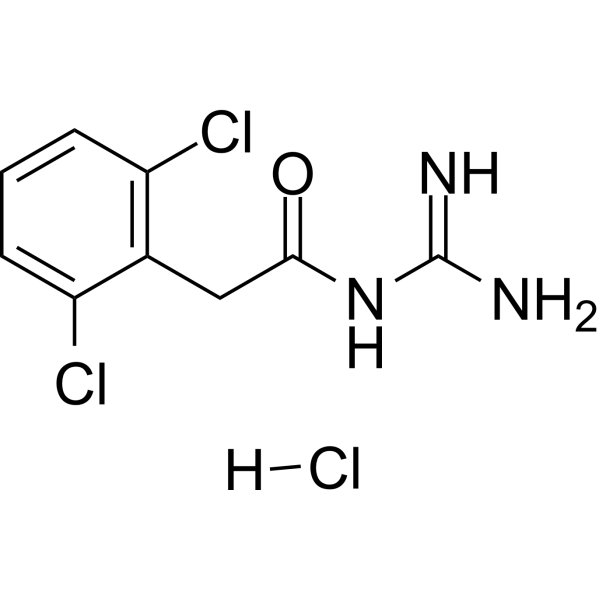
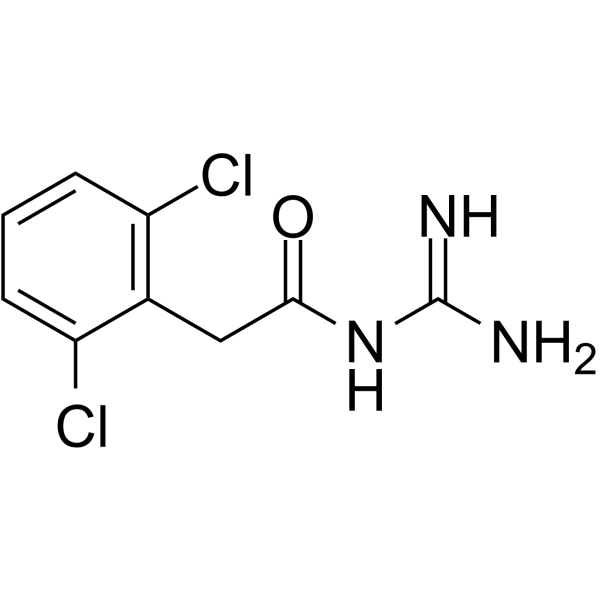
Guanfacine hydrochloride is an orally active and blood-brain barrier permeability noradrenergic α2A agonist and has high selective for the α2A receptor subtype. Guanfacine has effects in producing hypotension and sedation. Guanfacine can be used for the research of a variety of prefrontal cortex (PFC) cognitive disorders, including tourette's syndrome and attention deficit hyperactivity disorder (ADHD) .
loading...
    loading...
3
3 Cited Publications
Cat. No.: HY-17416A
CAS No.: 29110-47-2
Guanfacine is an orally active noradrenergic α2A agonist and has high selective for the α2A receptor subtype. Guanfacine has effects in producing hypotension and sedation. Guanfacine can be used for the research of a variety of prefrontal cortex (PFC) cognitive disorders, including tourette's syndrome and attention deficit hyperactivity disorder (ADHD) .
loading...
    loading...
1
1 Cited Publications
Cat. No.: HY-B1727
CAS No.: 85-01-8
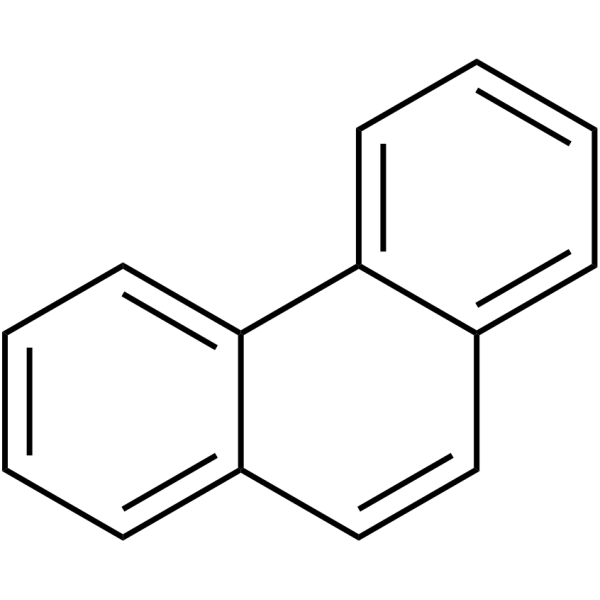
Phenanthrene is an orally active polycyclic aromatic hydrocarbon (PAH) that induces inflammation, oxidative stress, and apoptosis. Additionally, phenanthrene is commonly used to detect or assess PAH pollution in the environment .
loading...
    loading...
Cat. No.: HY-118103
CAS No.: 360-68-9
Purity:  ≥99.0%
Synonyms: 5β-Cholestan-3β-ol
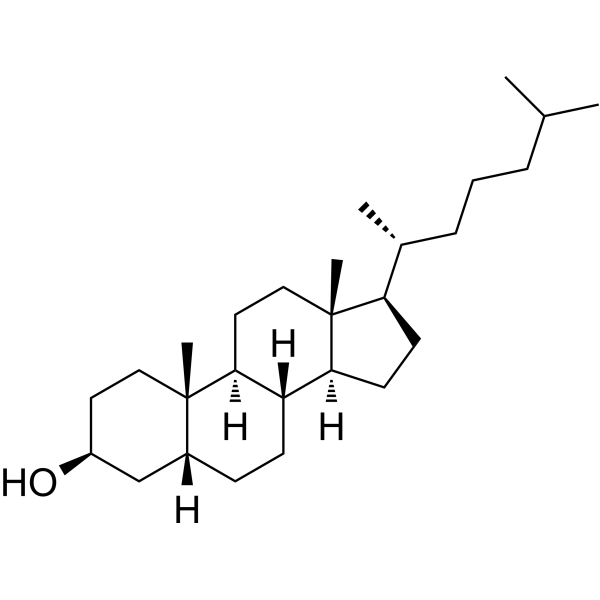
Coprostanol (5β-Cholestan-3β-ol) is a fecal sterol formed by microbial reduction of cholesterol in the intestines of man and higher animals. Coprostanol can be used as an indicator sterol of fecal pollution. Coprostanol has been recognized as a good indicator of pollution of water resources by sewage discharges. Coprostanol can serve as a potential biological indicator for cerebral chondrodystrophy (CTX) .
loading...
    loading...
Cat. No.: HY-21193
CAS No.: 2706-90-3
Synonyms: PFPeA; Perfluorovaleric acid
Perfluoropentanoic acid (PFPeA), a short-chain perfluorinated compound, serves as an important indicator of perfluorinated compound pollution in ecosystems. Perfluoropentanoic acid exhibits certain toxicity to mice .
loading...
    loading...
Cat. No.: HY-135712
CAS No.: 1936-15-8
Synonyms: Acid Orange GG
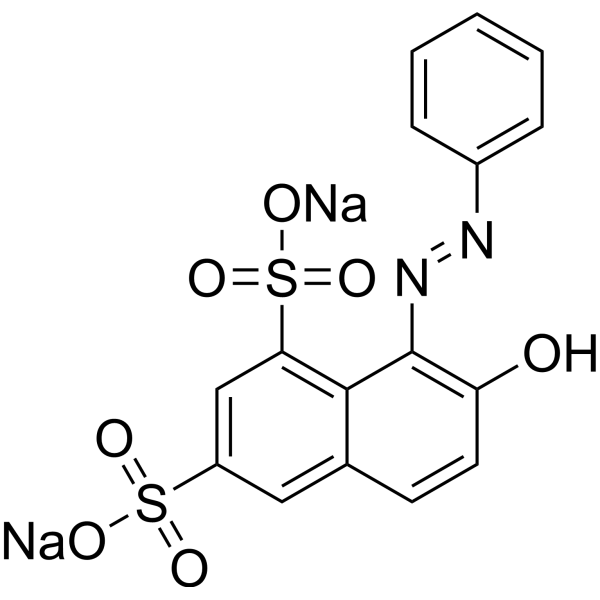
Orange G is an azo dye commonly found in textile wastewater and is mainly used for textile dyeing. Orange G has a coloring function and can give textiles a specific color. The stability and potential hazards of Orange G in the environment are often used to study the removal effects of various wastewater treatment technologies on difficult-to-degrade organic pollutants, especially the degradation of azo dyes. Related research focuses on how to destroy the azo bond of Orange G through chemical, physical or biological methods to achieve harmless treatment to solve the problem of textile wastewater pollution .
loading...
    loading...
Cat. No.: HY-Y1219H
CAS No.: 112926-00-8
Silica gel, high-purity grade, 200-400 mesh is a low-density, high-surface-area, high-purity inert additive that can be used to prepare chromatographic column sieve plates based on the sol-gel method. Silica gel, high-purity grade prevents DNA degradation by absorbing water from plant leaves, and is suitable for the preservation of field-collected samples for subsequent DNA extraction, restriction endonuclease digestion, PCR amplification and gene sequencing. It can also be reused after being saturated with water. Silica gel, high-purity grade can provide a non-toxic, inert aquatic environment for embedded cells, allowing nutrients, oxygen and metabolic waste to diffuse freely and blocking external pollution, thereby maintaining the activity of fibroblasts and epithelial cells .
loading...
    loading...
Cat. No.: HY-165151
CAS No.: 28925-89-5
Synonyms: Urochrome hydrochloride
Target:  

Endogenous Metabolite

Research Areas:  

Others

Urobilin hydrochloride is the metabolite of Hemoglobin (HY-P2995), that can be excreted through urine and feces in many mammals. Urobilin hydrochloride can be used as an indicator of human waste pollution .
loading...
    loading...
Cat. No.: HY-124619
CAS No.: 186452-09-5
Purity:  99.79%
Target:  

EAAT HIV

Research Areas:  

Neurological Disease

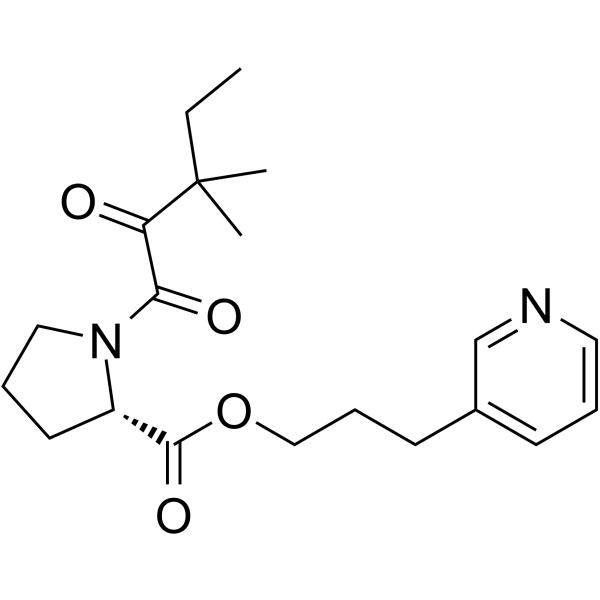
GPI-1046 is an orally active, antibiotic-free immunophilin ligand that reduces ethanol intake by upregulating glutamate transporter 1 (GLT1) in the prefrontal cortex (PFC) and nucleus accumbens core (NAc-core). GPI-1046 improves human immunodeficiency virus (HIV)-associated sensory neuropathy (HIV-SN) by attenuating store-operated calcium (SOC) entry. GPI-1046 has neuroprotective activity .
loading...
    loading...
Cat. No.: HY-W012683
CAS No.: 142-73-4
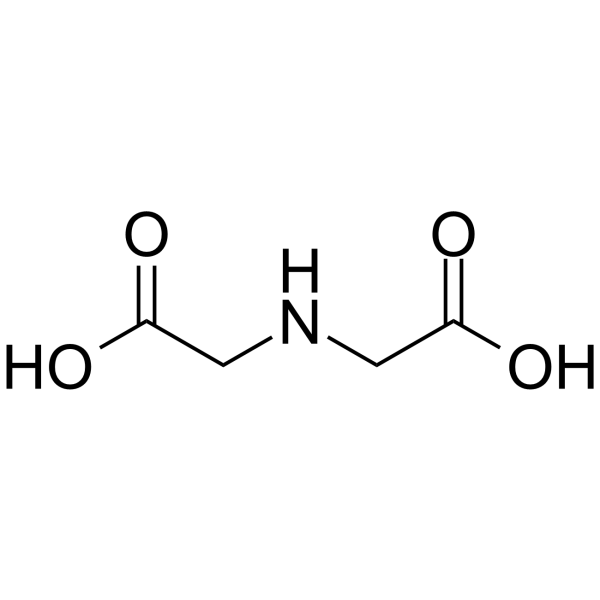
Iminodiacetic acid is a metal ion chelator targeting Cr 6+, Cd 2+, Ni 2+, and Pb 2+. Iminodiacetic acid selectively and irreversibly binds metal ions through the coordination of carboxyl and imino groups, reduces the toxicity of metal ions and promotes their adsorption and separation. Iminodiacetic acid has the functions of heavy metal ion removal and coordination complex stabilization. Iminodiacetic acid is often used in environmental pollution control (such as heavy metal adsorption in water) and coordination chemistry (such as metal ion detection and separation) research .
loading...
    loading...
Cat. No.: HY-171702
Research Areas:  

Others

8PPD-Q, a para-phenylenediamine quinonec, is a rubber antioxidant. 8PPD-Q has superior antioxidant and anti-ozone activities but is toxic to the aquatic species, especially salmonids. 8PPD-Q can be used for environmental pollution research .
loading...
    loading...
Cat. No.: HY-118103S
Synonyms: 5β-Cholestan-3β-ol-d5
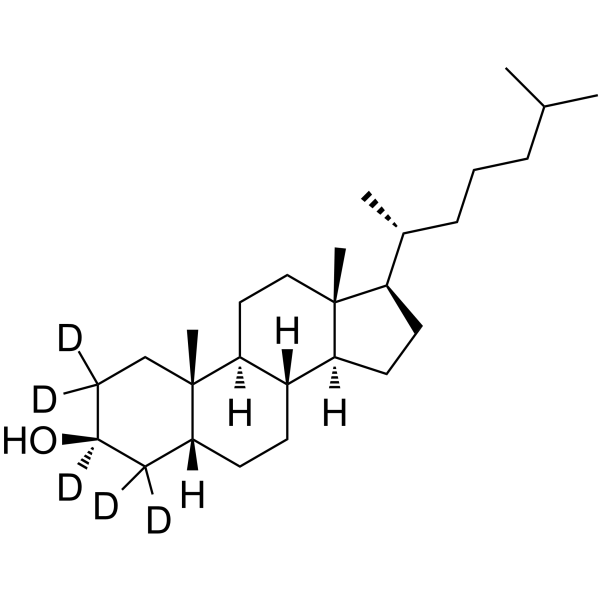
Coprostanol-d5 (5β-Cholestan-3β-ol-d5) is the deuterium labeled Coprostanol. Coprostanol (5β-Cholestan-3β-ol) is a fecal sterol formed by microbial reduction of cholesterol in the intestines of man and higher animals. Coprostanol can be used as an indicator sterol of fecal pollution. Coprostanol has been recognized as a good indicator of pollution of water resources by sewage discharges. Coprostanol can serve as a potential biological indicator for cerebral chondrodystrophy (CTX).
loading...
    loading...
Cat. No.: HY-P11057
Target:  

Fluorescent Dye

Research Areas:  

Others

FGGH is a water-soluble peptide-based probe. FGGH performs the sequential detection of Cu 2+ and S 2- by fluorescence and colorimetry with high sensitivity (LOD: 1.42 and 22.2 nM for Cu 2+ and S 2-, respectively) (Ex=488 nm, Em=525 nm), and images both two ions in living cells and zebrafish models with low cytotoxicity. FGGH can be used for in vivo imaging and environmental pollution monitoring research .
loading...
    loading...
Cat. No.: HY-Y1219E
CAS No.: 112926-00-8
Silica gel, high-purity grade, 130-270 mesh is a low-density, high-surface-area, high-purity inert additive that can be used to prepare chromatographic column sieve plates based on the sol-gel method. Silica gel, high-purity grade prevents DNA degradation by absorbing water from plant leaves, and is suitable for the preservation of field-collected samples for subsequent DNA extraction, restriction endonuclease digestion, PCR amplification and gene sequencing. It can also be reused after being saturated with water. Silica gel, high-purity grade can provide a non-toxic, inert aquatic environment for embedded cells, allowing nutrients, oxygen and metabolic waste to diffuse freely and blocking external pollution, thereby maintaining the activity of fibroblasts and epithelial cells .
loading...
    loading...
Cat. No.: HY-B2035
CAS No.: 51218-49-6
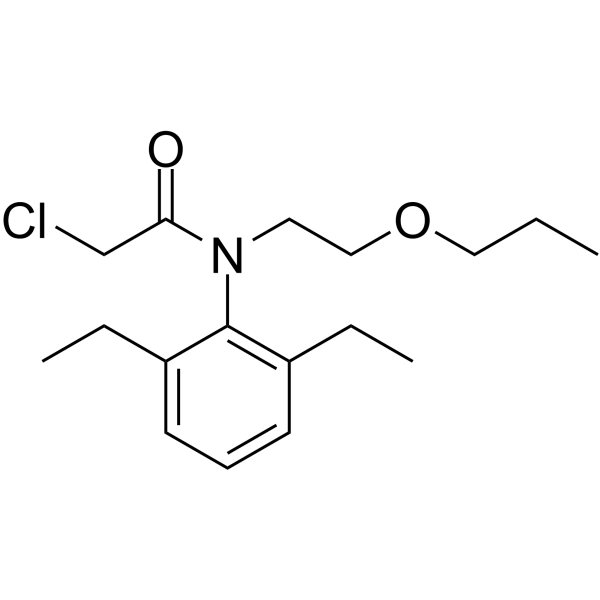
Pretilachlor is a chloroacetamide herbicide with biological activities including endocrine disruption, oxidative stress induction, apoptosis induction, and immunotoxicity. Pretilachlor exerts its effects by interfering with hormone metabolism, inducing oxidative stress, activating apoptotic pathways, and inhibiting immune functions. Pretilachlor upregulates the transcription of P53, Mdm2, and Bbc3, and increases the activities of Caspase3 and Caspase9; it upregulates the transcription of genes in the HPG/HPT axis and the activity of aromatase; it induces oxidative stress, elevates ROS levels, and upregulates CAT, SOD, and GPX. Pretilachlor downregulates the transcription of CXCL-C1C, IL-1β, and IL-8. Pretilachlor disrupts the normal physiological processes and embryonic development of fish, exhibiting significant toxicity. Pretilachlor can be used in studies related to weeding, environmental pollution, and behavioral toxicity in fish .
loading...
    loading...
Cat. No.: HY-138933
CAS No.: 16423-19-1
Target:  

Endogenous Metabolite

(±)-Geosmin is a natural organic compound with biological activity that causes earthy aroma. (±)-Geosmin plays an important role in microbial metabolism and is commonly used as a fragrance in food and air. (±)-Geosmin has also been studied for detecting soil and water pollution.
loading...
    loading...
Cat. No.: HY-Y1219I
CAS No.: 112926-00-8
Silica gel, high-purity grade, 70-230 mesh is a low-density, high-surface-area, high-purity inert additive that can be used to prepare chromatographic column sieve plates based on the sol-gel method. Silica gel, high-purity grade prevents DNA degradation by absorbing water from plant leaves, and is suitable for the preservation of field-collected samples for subsequent DNA extraction, restriction endonuclease digestion, PCR amplification and gene sequencing. It can also be reused after being saturated with water. Silica gel, high-purity grade can provide a non-toxic, inert aquatic environment for embedded cells, allowing nutrients, oxygen and metabolic waste to diffuse freely and blocking external pollution, thereby maintaining the activity of fibroblasts and epithelial cells .
loading...
    loading...

