
77 Results for "

PH change

" in MedChemExpress (MCE) Product Catalog:
Products (77)

77 Results for "PH change" in MCE Product Catalog:

25
25 Publications Verification
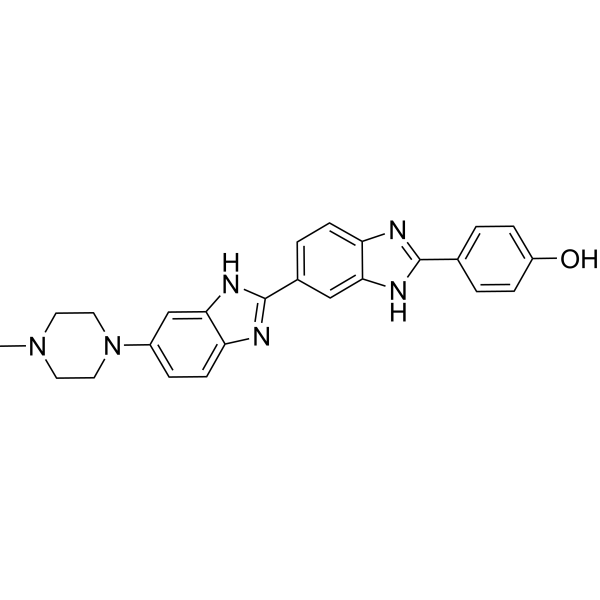
Cat. No.: HY-15558
CAS No.: 23491-44-3
Purity:  99.11%
Synonyms: bisBenzimide H 33258; H 33258
Hoechst 33258 is a blue to blue-green fluorescent live cell dye that can label DNA. Hoechst 33258 can specifically bind to the minor groove of DNA (and tends to bind to A/T-rich DNA), resulting in a significant increase in fluorescence intensity. Hoechst 33258 can cross the cell membrane and cause changes in DNA structure, such as G2/M phase arrest. Hoechst 33258 can bind to live or fixed cells, and the fluorescence intensity increases with increasing solution pH. As a DNA-specific probe, Hoechst 33258 can be used to detect DNA content, analyze cell cycle, etc. The excitation wavelength of Hoechst 33258 is 350-365 nm, and the emission wavelength is 460-490 nm .
loading...
    loading...
3
3 Cited Publications
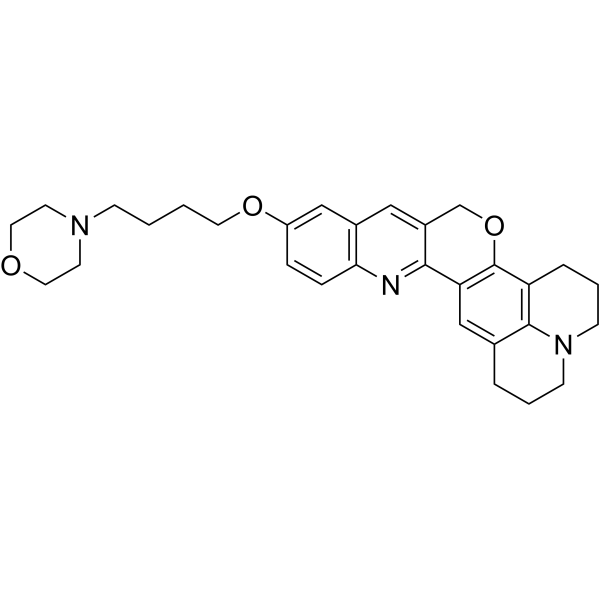
Cat. No.: HY-D2119
CAS No.: 2089438-23-1
CQ-Lyso is a lysosome-targeting chromenoquinoline. CQ-Lyso is a fluorescent probe for measuring the pH of lysosomes in living cells using only single wavelength excitation. CQ-Lyso can visualize the dynamic pH changes in lysosomes .
loading...
    loading...
2
2 Cited Publications
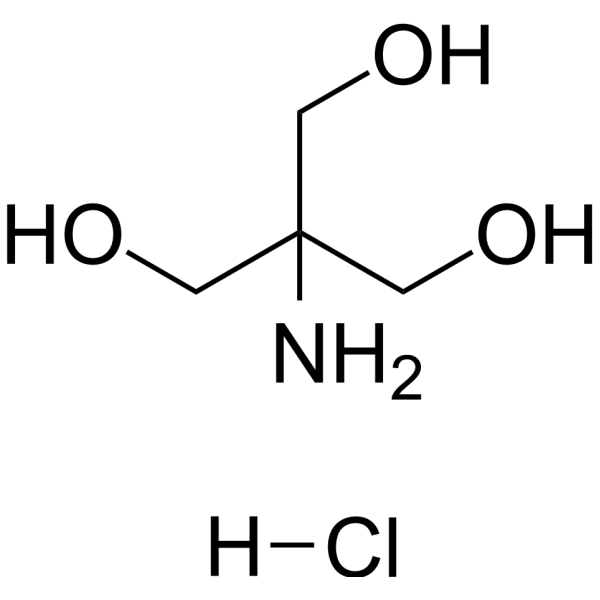
Cat. No.: HY-D0227F
CAS No.: 1185-53-1
Synonyms: Tris HCl (≥99%, reagent grade); Tris hydrochloride (≥99%, reagent grade)
THAM hydrochloride (≥99%, reagent grade), also known as Tris-HCl, is a buffer commonly used in various biochemical and molecular biology applications to maintain a stable pH environment. Tris-HCl has unique chemical properties that allow it to resist changes in pH when acidic or basic substances are added, which makes it useful for stabilizing biological samples or reagents. It is commonly used in electrophoresis and protein purification procedures.
loading...
    loading...
2
2 Cited Publications
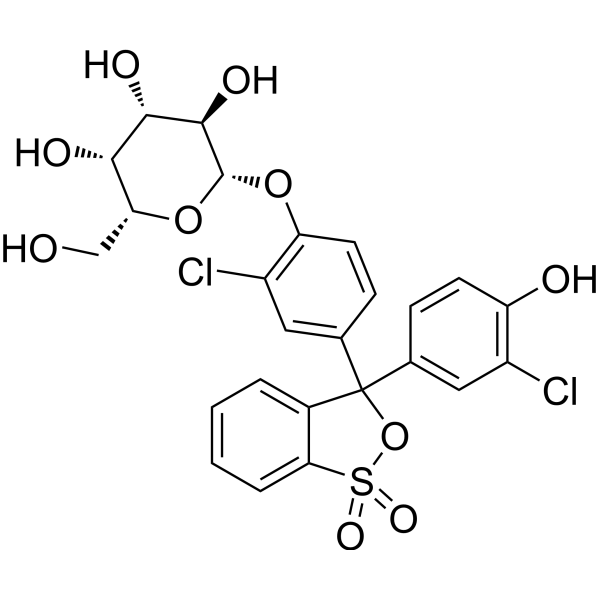
Cat. No.: HY-D1224
CAS No.: 99792-79-7
Synonyms: CPRG
Chlorophenol red-β-D-galactopyranoside (CPRG) is an efficient and sensitive chromogenic substrate for β-galactosidase (HY-P2869), widely used in colorimetric assays. Chlorophenol red-β-D-galactopyranoside itself appears pale yellow. When it is specifically hydrolyzed by β-galactosidase, it releases chlorophenol red. The released chlorophenol red turns purple-red under alkaline or neutral pH conditions. This color change from yellow to red can be quantitatively detected at wavelengths of 540-572 nm using visible spectrophotometry .
loading...
    loading...
1
1 Cited Publications
Cat. No.: HY-D0169
CAS No.: 143-74-8
Synonyms: PHenolsulfonePHthalein
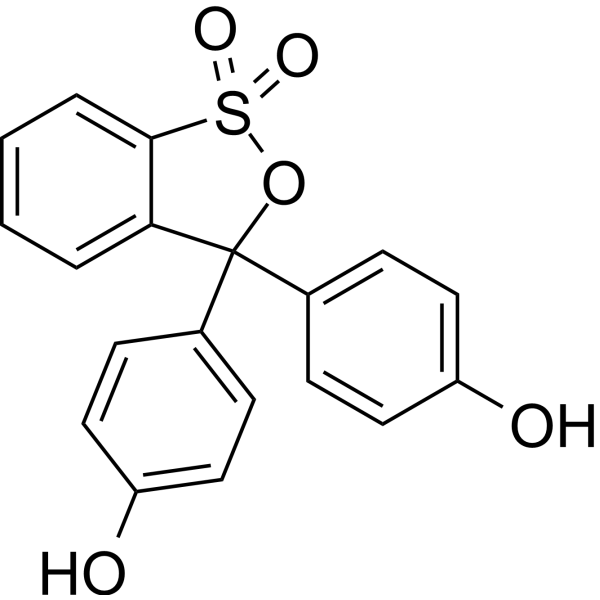
Phenol red (Phenolsulfonephthalein) is a pH indicator dye, relying on a distinct color change from pink to yellow in case of a positive reaction .
loading...
    loading...
1
1 Cited Publications
Cat. No.: HY-W110798
CAS No.: 115-39-9
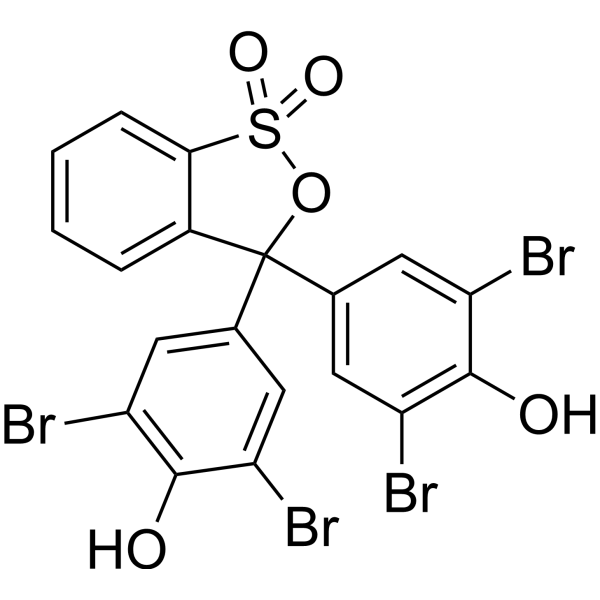
Bromophenol blue indicator (3.0-4.6) is a synthetic dye commonly used as an acid-base indicator with a transition range of pH 3.0-4.6. Bromophenol blue indicator (3.0-4.6) is water soluble and changes color from yellow to blue as the pH of the solution changes from acidic to basic. Its unique chemical properties make it an important ingredient in a variety of scientific applications, especially in biochemistry and molecular biology. In addition, it can be used as a stain in microbiology and histology. However, Bromophenol blue indicator (3.0-4.6) has potential irritating and staining properties.
loading...
    loading...
1
1 Cited Publications
Cat. No.: HY-D0169A
CAS No.: 34487-61-1
Synonyms: PHenolsulfonePHthalein sodium salt
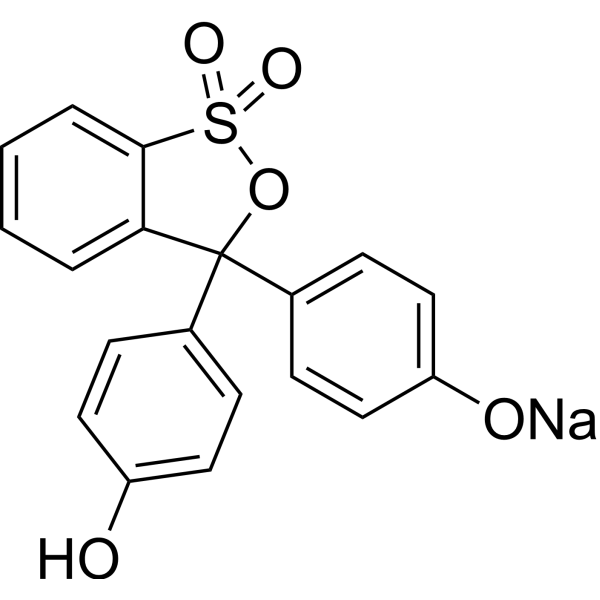
Phenol red (Phenolsulfonephthalein) sodium salt is a pH indicator dye. Phenol Red sodium salt is also an antagonist of rat P2X1R. Phenol Red sodium salt enhances the halogenating activity of myeloperoxidase. Phenol Red sodium salt shows a distinct color change from pink to yellow in a positive pH reaction .
loading...
    loading...
1
1 Cited Publications
Cat. No.: HY-D0011
CAS No.: 62625-28-9
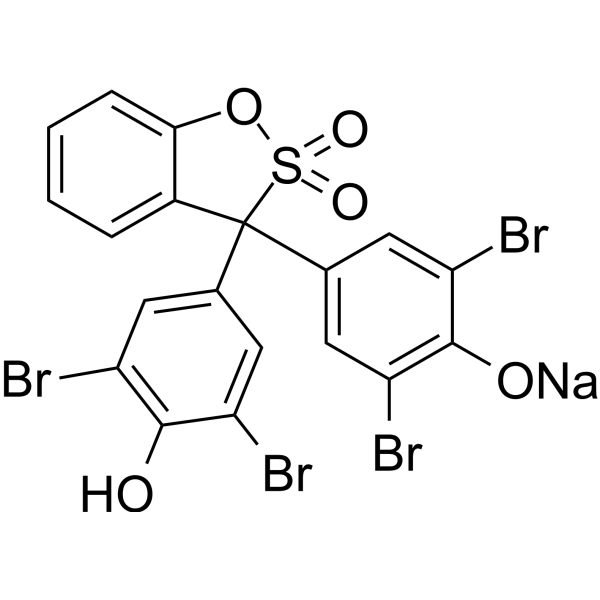
Bromophenol blue sodium is a pH indicator. It changes from yellow at pH 3.0 to blue at pH 4.6. Bromophenol blue sodium is also used as a tracking dye to monitor the process of agarose gel electrophoresis and polyacrylamide gel electrophoresis .
loading...
    loading...
Cat. No.: HY-A0104D
CAS No.: 9004-65-3
Synonyms: Hypromellose (Type I,Viscosity:4000mPa.s); (Hydroxypropyl)methyl cellulose (Type I,Viscosity:4000mPa.s); Celacol HPM 5000 (Type I,Viscosity:4000mPa.s)
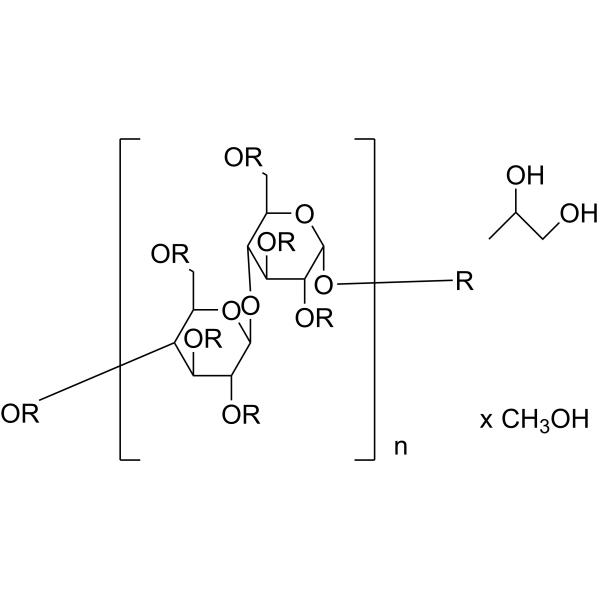
HPMC (Hypromellose) (Type I, Viscosity: 4000mPa.s) is a primary sodium alginate and controlled release hydrophilic polymer with an average viscosity of 4000mPa.s. The viscosity of HPMC may change due to concentration, pH, temperature or the presence of metal ions. When the pH is above 10, the viscosity decreases .
loading...
    loading...
Cat. No.: HY-118907
CAS No.: 547-58-0
Purity:  99.41%
Target:  

Fluorescent Dye

Research Areas:  

Others

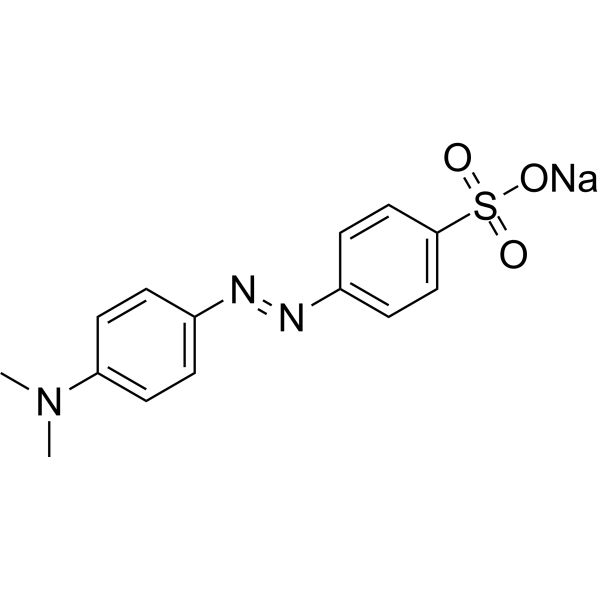
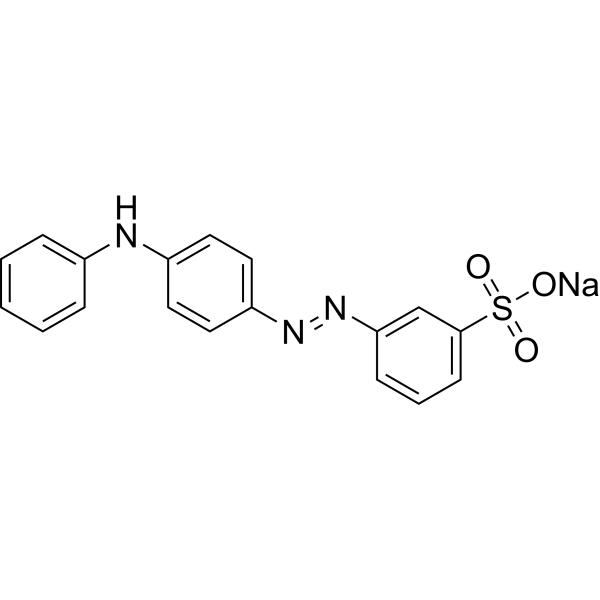
Methyl Orange is a soluble azo dye commonly used as an acid-base indicator and for staining cells and tissue sections, as well as for dyeing textiles. Methyl Orange appears red at a pH of 3.1 and changes to bright yellow as the pH increases to 4.4. Methyl Orange (500 mg/L) exhibits cytotoxicity and can cause DNA damage .
loading...
    loading...
Cat. No.: HY-D0219
CAS No.: 76-61-9
Synonyms: ThymolsulPHonePHthalein
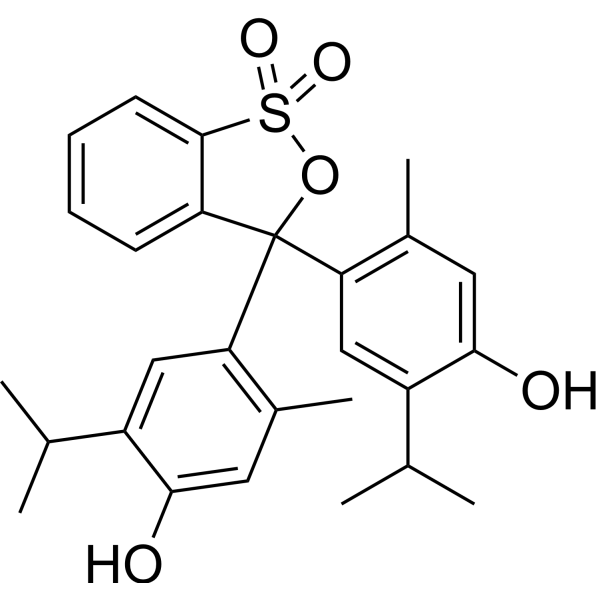
Thymol blue is a reversible pH indicator that responds to the pH of the solution through structural changes of protonation and deprotonation. Thymol blue is red (HI - form) under acidic conditions and blue (I 2- form) under alkaline conditions. Quantitative detection is achieved through the absorption peak shift (435 nm/596 nm) of the UV-visible spectrum. Thymol blue selectively responds to pH changes, changing from red to yellow at pH 1.2-2.8 and from yellow to blue at pH 8.0-9.6. Thymol blue can be fixed in a silica gel matrix through sol-gel technology to form a solid-state sensor for in-situ pH measurement in the marine environment and acid-base monitoring in the biomedical field[1][2].
loading...
    loading...
Cat. No.: HY-Y0699
CAS No.: 493-52-7
Target:  

Fluorescent Dye

Research Areas:  

Others

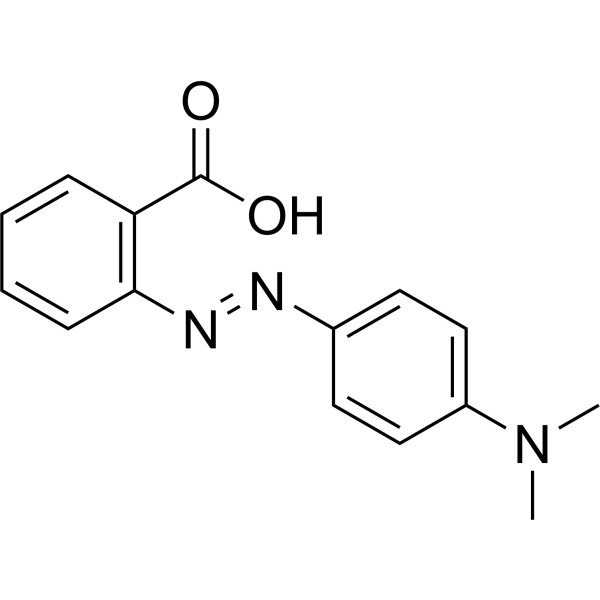
Methyl red is a pH-sensitive acid-base indicator and colorimetric reagent with a pKa of 5.1. Methyl red achieves visual judgment of the titration endpoint through reversible structural changes of protonation (red, pH < 4.4) and deprotonation (yellow, pH > 6.2). Methyl red is widely used in acid-base titration in chemical analysis and buffer pH monitoring in biochemistry .
loading...
    loading...
Cat. No.: HY-P4116
CAS No.: 2293160-09-3
Synonyms: PHLIP
Target:  

Inhibitory Antibodies

Research Areas:  

Metabolic Disease Cancer

pH-Low Insertion Peptide (pHLIP) is a short, pH-responsive peptide capable of inserting across a cell membrane to form a transmembrane helix at acidic pH. pH-Low Insertion Peptide targets the acidic tumor microenvironment for tumors at early and metastatic stages with high specificity, used as a specific ligand. pH-Low Insertion Peptide successfully modify polylysine polymers to have the pH-responsive capability. pH-Low Insertion Peptide-based targeting of cancer presents an opportunity to monitor metabolic changes, and to selectively deliver imaging and therapeutic agents to tumors .
loading...
    loading...
Cat. No.: HY-W110794
CAS No.: 548-62-9
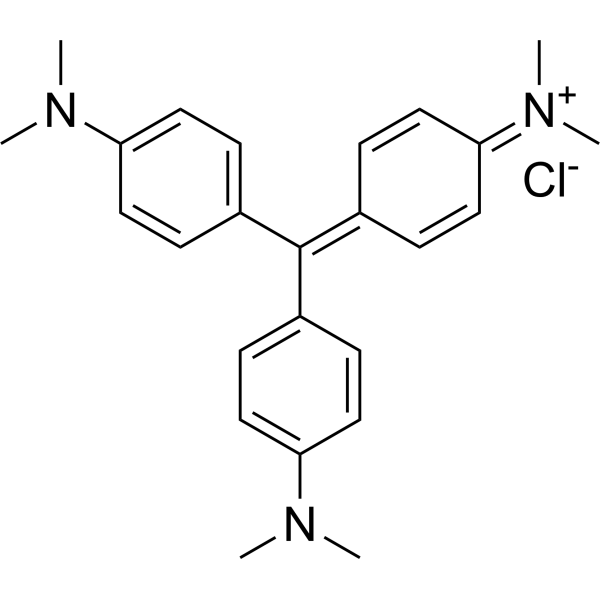
Crystal violet, IND (0.0-2.0) is a specialized indicator suitable for strongly acidic systems, which reflects changes in pH within the range of 0.0-2.0 through color changes. Crystal violet, IND (0.0-2.0) is widely used in acid-base titration, chemical analysis, and industrial testing fields .
loading...
    loading...
Cat. No.: HY-D1602
CAS No.: 217075-07-5
Target:  

Fluorescent Dye

Research Areas:  

Others

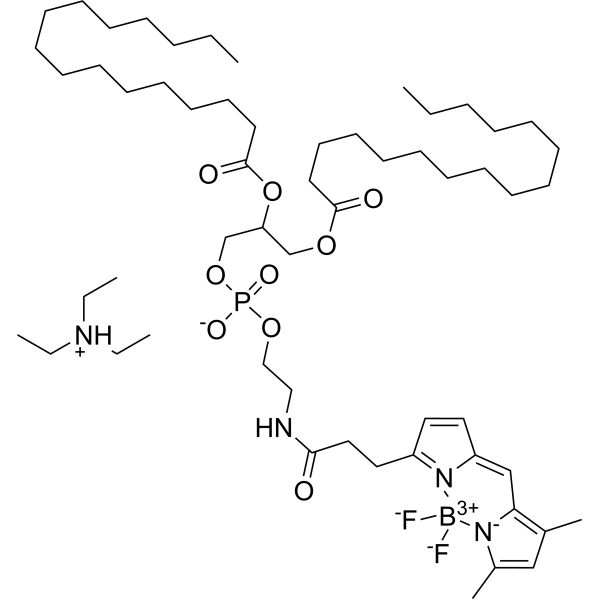
BODIPY FL-DHPE is a fluorescent lipid probe composed of phosphatidylethanolamine (DHPE) labeled with a BODIPY FL fluorophore, which is used for fluorescent labeling of cell membranes, differentiation between liposome membrane fusion and endocytic pathways, and studies of membrane dynamics. The two C16 alkyl chains of BODIPY FL-DHPE insert into the lipid bilayer of membranes, and its fluorescence exhibits concentration dependence: it exists as monomers and emits green fluorescence at low mole fractions; it forms dimers with a red-shifted emission peak at high mole fractions; this spectral change is independent of enzymes, pH, and membrane potential. When liposomes enter the plasma membrane via membrane fusion, the dye is diluted, leading to attenuation of the dimer peak and enhancement of the monomer peak; when entry occurs via endocytosis, the dye remains in endosomes at high concentration with no change in the dimer peak, allowing differentiation between the two uptake pathways. Ex = 488 nm; monomer Em = 515 nm, dimer Em ≈ 620 nm .
loading...
    loading...
Cat. No.: HY-105028
CAS No.: 120210-48-2
Purity:  99.32%
Synonyms: CP-66248
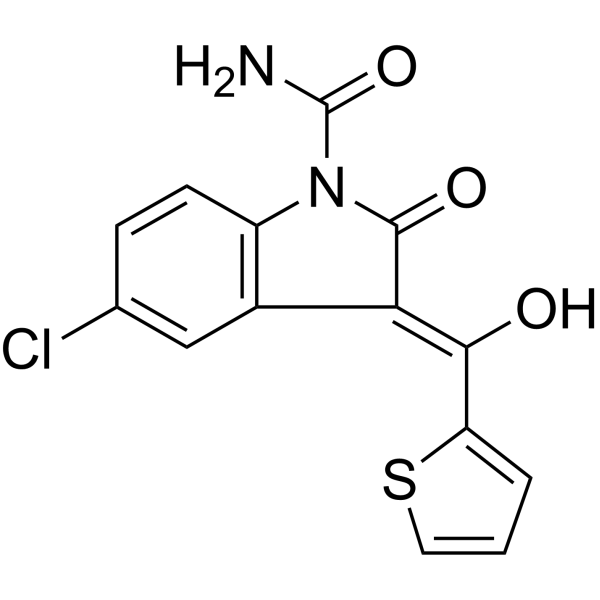
Tenidap (CP-66248) is an orally active dual inhibitor of 5-LOX and COX with anti-inflammatory and immunomodulatory properties. Tenidap downregulates the expression of IL-1 receptors in chondrocytes, reduces the release of pro-inflammatory cytokines such as IL-1, IL-6 and TNF-α, and inhibits MMP production and cartilage degradation. Tenidap also blocks bone resorption and leukocyte adhesion to vascular endothelium, interferes with ion and pH changes associated with mouse sperm capacitation, and selectively enhances the activity of hKir2.3 channels (EC50=1.3 μM). Tenidap is applicable to research related to rheumatoid arthritis .
loading...
    loading...
Cat. No.: HY-W087928
CAS No.: 115-40-2
Bromocresol purple is a pH indicator, whose color changes from yellow to purple when the pH increases from 5.2 to 6.8. Bromocresol purple can be used for detecting yeast cells with plasma membrane damage and measuring serum albumin concentrations .
loading...
    loading...
Cat. No.: HY-128369
CAS No.: 587-98-4
Purity:  ≥85.0%
Synonyms: Metanil Yellow
Acid Yellow 36 (Metanil Yellow) is an azo dye and a pH indicator. Acid Yellow 36 changes its color from red at pH 1.2 to yellow at pH 2.3. Acid Yellow 36 is used in the leather, paper and textile industries. Acid Yellow 36 acts as a bifunctional inducer of specific isozymes of P-450 and cytosolic enzymes .
loading...
    loading...
Cat. No.: HY-78035
CAS No.: 616-02-4
Synonyms: Methylmaleic anhydride
Citraconic anhydride (Methylmaleic anhydride) is a derivative of maleic anhydride (HY-Z0060) and novel antigen retrieval solution. Citraconic anhydride reversibly blocks protein amino groups, stabilizing specific enzymes and improving their catalytic performance. Citraconic anhydride reacts with free amino groups on proteins (especially lysine residues), converting positively charged NH3 + into carboxyl groups, thereby disrupting methylene bridge crosslinks caused by Formaldehyde during antigen retrieval. Citraconic anhydride functionalizes Isotactic polypropylene. Citraconic anhydride precisely responds to pH changes to achieve reversible modification. Citraconic anhydride is irritating to skin and eyes .
loading...
    loading...
Cat. No.: HY-W011271
CAS No.: 10010-67-0
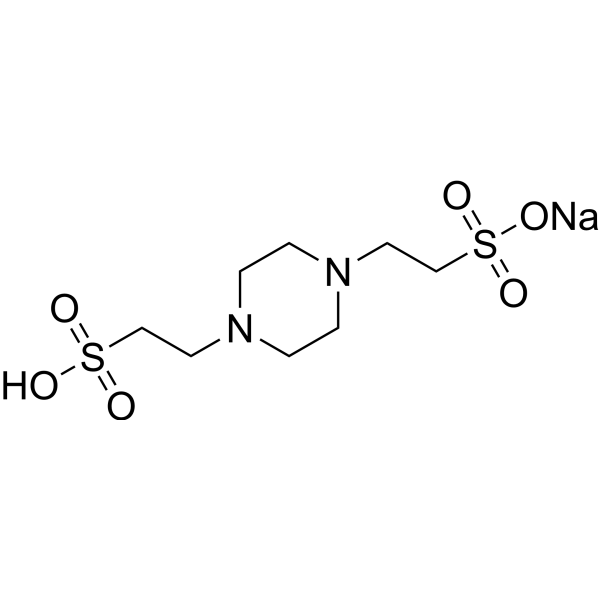
Synonyms: 1,4-Piperazinediethanesulfonic acid monosodium
PIPES (1,4-Piperazinediethanesulfonic acid) monosodium is a pH buffer that can be mixed with another disodium salt form of PIPES. By changing the ratio and total amount of the PIPES monosodium and disodium buffers, the pH and ionic strength of the medium can be changed .
loading...
    loading...

