3 Results for "

PLGA core

" in MedChemExpress (MCE) Product Catalog:
Products (3)

3 Results for "PLGA core" in MCE Product Catalog:

Cat. No.: HY-W440823A
CAS No.: 474922-26-4
Synonyms: DSPE-PEG1000-NH2 ammonium
Target:  

Liposome

Research Areas:  

Cancer

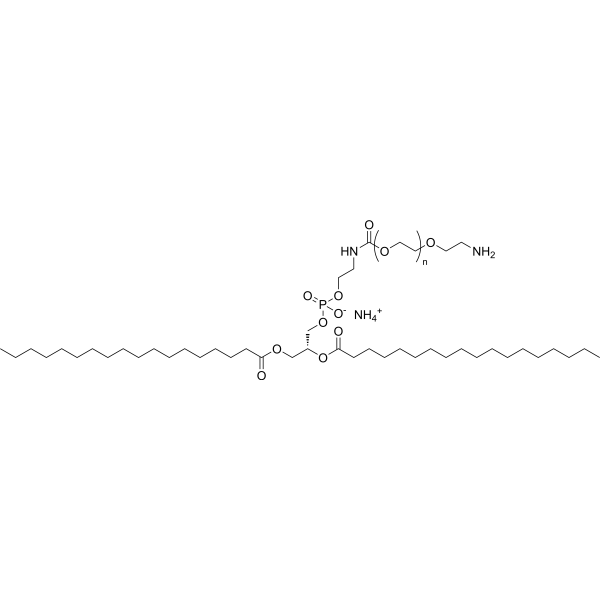
DSPE-PEG1000-Amine (DSPE-PEG1000-NH2) ammonium is a 1,2-distearoyl-sn-glycero-3-phosphoethanolamine-polyethylene glycol conjugate with a terminal amino group. DSPE-PEG1000-Amine ammonium can functionalize the surface of PLGA-lecithin-PEG core-shell nanoparticles to introduce positive surface charges. The amino group of DSPE-PEG1000-Amine ammonium can be converted into an aromatic aldehyde to react with the acetone-protected aromatic hydrazide on the surface of bovine carbonic anhydrase (BCA) molecules .
loading...
    loading...
Cat. No.: HY-148776
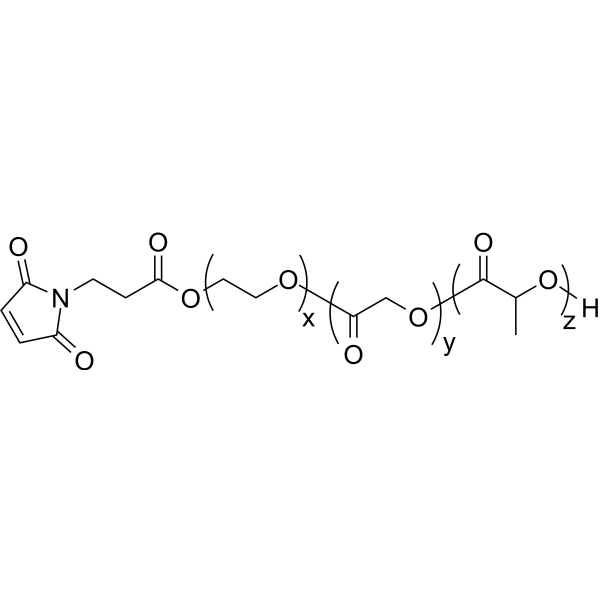
PLGA-PEG-MAL (20kDA-5.0kDA, LA:GA ratio 50:50) is a degradable amphiphilic polymer nanocarrier of poly (lactic acid-co-glycolic acid)-block-poly (ethylene glycol) (PLGA-PEG-Mal) that allows covalent modification of functional molecules. PLGA-PEG-MAL (20kDA-5.0kDA, LA:GA ratio 50:50) serves as a core polymer for nanoparticle synthesis, and also acts as a nanoparticle component for site-specific antibody conjugation to construct artificial antigen-presenting cells. PLGA-PEG-MAL (20kDA-5.0kDA, LA:GA ratio 50:50) is applicable for drug delivery-related research .
loading...
    loading...
Cat. No.: HY-W010713
CAS No.: 2669-65-0
Synonyms: Fimaporfin free base
Target:  

Photosensitizer

Research Areas:  

Cancer

Meso-tetraphenylchlorin (TPCS2a) is a photosensitizer with poor water solubility, which limits its use in the blood circulation. However, TPCS2a@NPs nanoparticles can be prepared based on polylactic-co-polyethylene glycol acid (PLGA) polymer core loaded with TPCS2. Such nanoparticles can be coated with mesenchymal stem cell-derived plasma membranes (mMSCs) to form mMSC-TPCS2a@NPs, which prolongs blood circulation time and improves tumor targeting ability. Compared with uncoated TPCS2a@NPs, mMSC-TPCS2a@NPs can reduce macrophage uptake by 54% to 70% under different conditions. Both nanoparticle forms are effectively accumulated in MCF7 and MDA-MB-231 breast cancer cells, while uptake in normal breast epithelial cells MCF10A is significantly lower .
loading...
    loading...

