
66 Results for "

Peptidic

" in MedChemExpress (MCE) Product Catalog:
Products (66)

66 Results for "Peptidic" in MCE Product Catalog:

19
19 Publications Verification
Cat. No.: HY-143216
CAS No.: 2647530-73-0
Purity:  99.22%
Synonyms: S-217622
Target:  

SARS-CoV Virus Protease

Research Areas:  

Infection

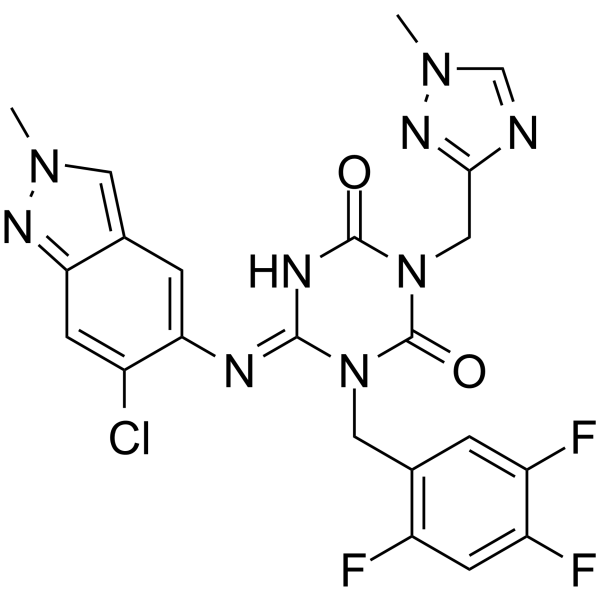
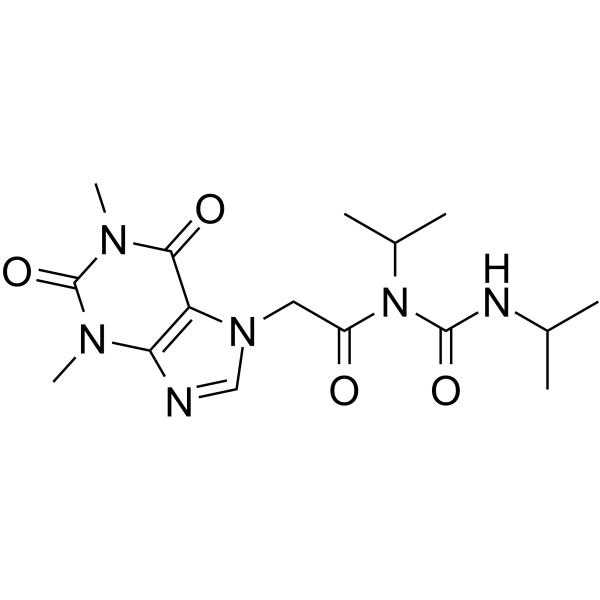
Ensitrelvir (S-217622) is the first orally active non-covalent, non-peptidic, SARS-CoV-2 3CL protease inhibitor (IC50=13 nM) .
loading...
    loading...
19
19 Publications Verification
Cat. No.: HY-P0118B
Synonyms: P144 diammonium
Research Areas:  

Cancer

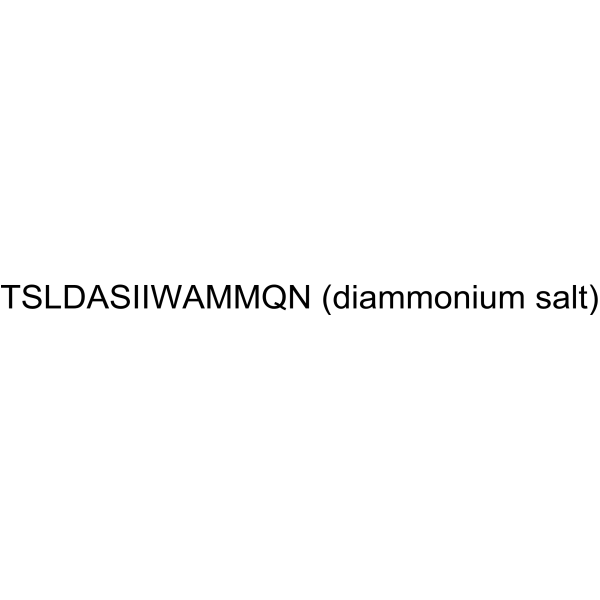
Disitertide (P144) diammonium is a peptidic transforming growth factor-beta 1 (TGF-β1) inhibitor specifically designed to block the interaction with its receptor. Disitertide diammonium is also a PI3K inhibitor and an apoptosis inducer .
loading...
    loading...
19
19 Publications Verification
Cat. No.: HY-P0118
CAS No.: 272105-42-7
Synonyms: P144
Research Areas:  

Cancer

Disitertide (P144) is a peptidic transforming growth factor-beta 1 (TGF-β1) inhibitor specifically designed to block the interaction with its receptor. Disitertide (P144) is also a PI3K inhibitor and an apoptosis inducer .
loading...
    loading...
19
19 Publications Verification
Cat. No.: HY-143216A
CAS No.: 2757470-18-9
Purity:  99.99%
Synonyms: S-217622 fumarate
Target:  

SARS-CoV Virus Protease

Research Areas:  

Infection

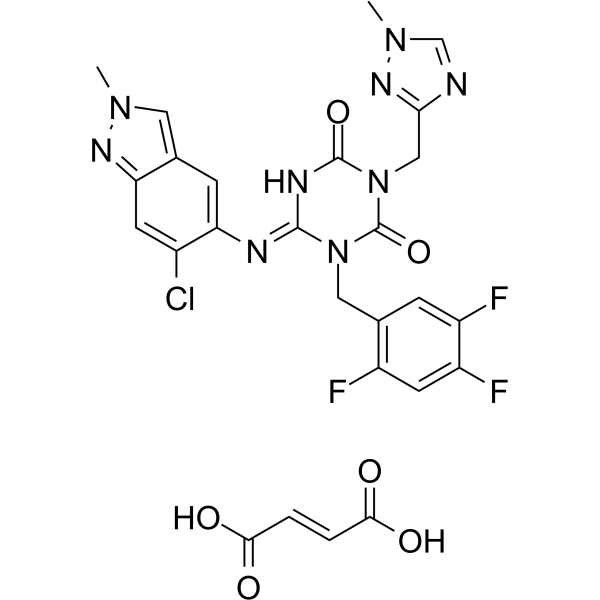
Ensitrelvir (S-217622) fumarate is the first orally active non-covalent, non-peptidic, SARS-CoV-2 3CL protease inhibitor (IC50=13 nM) .
loading...
    loading...
14
14 Cited Publications
Cat. No.: HY-10472
CAS No.: 1194044-20-6
Purity:  99.62%
Target:  

Beta-secretase

Research Areas:  

Neurological Disease

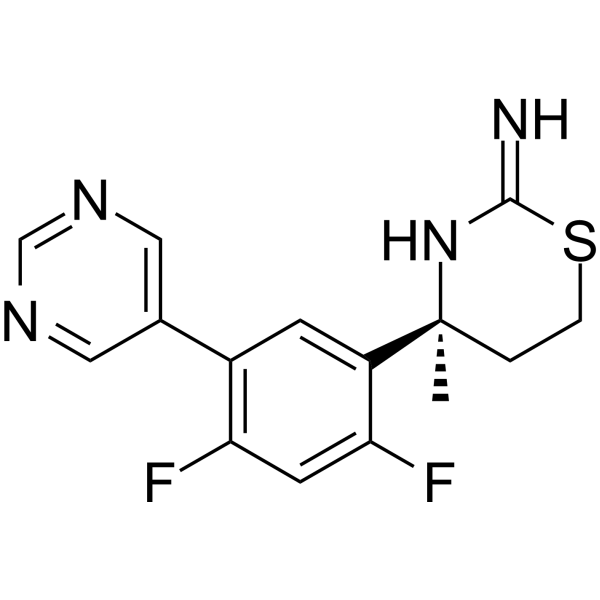
LY2811376 is the first orally available non-peptidic β-secretase (BACE1) inhibitor with IC50 of 239 nM-249 nM, that acts to decrease Aβ secretion with EC50 of 300 nM, and demonstrates to have 10-fold selectivity towards BACE1 over BACE2, and more than 50-fold inhibition over other aspartic proteases including cathepsin D, pepsin, or renin.
loading...
    loading...
9
9 Cited Publications
Cat. No.: HY-106178
CAS No.: 219639-75-5
Purity:  99.98%
Synonyms: 3D53
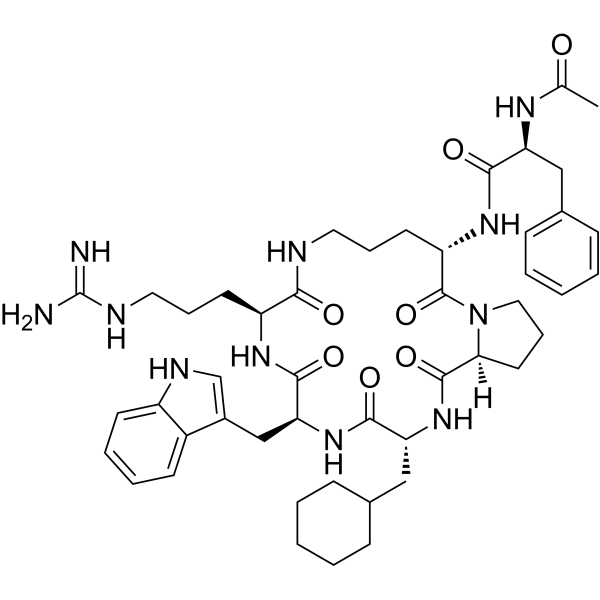
PMX-53 (3D53) is a synthetic peptidic and a potent and orally active complement C5a receptor (CD88) antagonist with an IC50 of 20 nM. PMX-53 is also a low-affinity MrgX2 agonist that stimulates MrgX2-mediated mast cell degranulation. PMX-53 specifically binds to C5aR1 and does not bind to the second C5aR (C5L2) and C3aR. PMX-53 has anti-inflammatory, anticancer and antiatherosclerotic effects .
loading...
    loading...
8
8 Cited Publications
Cat. No.: HY-P1717
CAS No.: 1427001-89-5
Synonyms: Cp40
Research Areas:  

Inflammation/Immunology

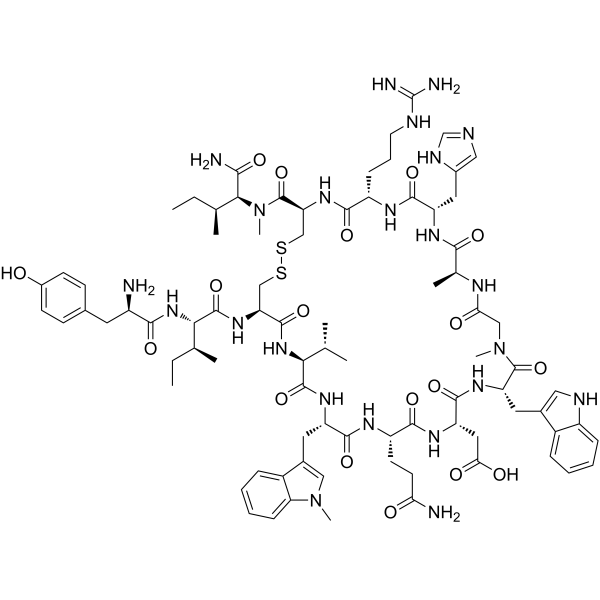
AMY-101 (Cp40), a peptidic inhibitor of the central complement component C3 (KD = 0.5 nM), inhibits naturally occurring periodontitis in non-human primates (NHPs). AMY-101 (Cp40) exhibits a favorable anti-inflammatory activity in models with COVID-19 severe pneumonia with systemic hyper inflammation .
loading...
    loading...
8
8 Cited Publications
Cat. No.: HY-P1717B
Synonyms: Cp40 acetate
Research Areas:  

Inflammation/Immunology

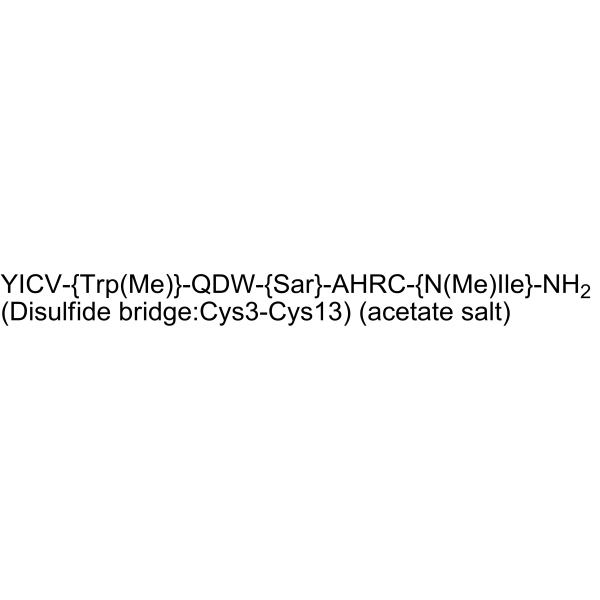
AMY-101 acetate (Cp40 acetate), a peptidic inhibitor of the central complement component C3 (KD = 0.5 nM), inhibits naturally occurring periodontitis in non-human primates (NHPs). AMY-101 acetate (Cp40 acetate) exhibits a favorable anti-inflammatory activity in models with COVID-19 severe pneumonia with systemic hyper inflammation .
loading...
    loading...
8
8 Cited Publications
Cat. No.: HY-P1717A
CAS No.: 1789738-04-0
Synonyms: Cp40 TFA
Research Areas:  

Inflammation/Immunology

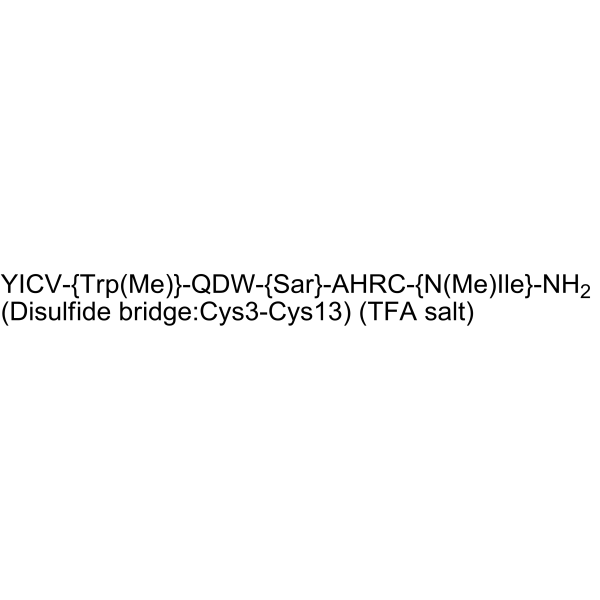
AMY-101 TFA (Cp40 TFA), a peptidic inhibitor of the central complement component C3 (KD = 0.5 nM), inhibits naturally occurring periodontitis in non-human primates (NHPs). AMY-101 (Cp40) exhibits a favorable anti-inflammatory activity in models with COVID-19 severe pneumonia with systemic hyper inflammation .
loading...
    loading...
4
4 Cited Publications
Cat. No.: HY-122542B
CAS No.: 157379-44-7
Purity:  99.28%
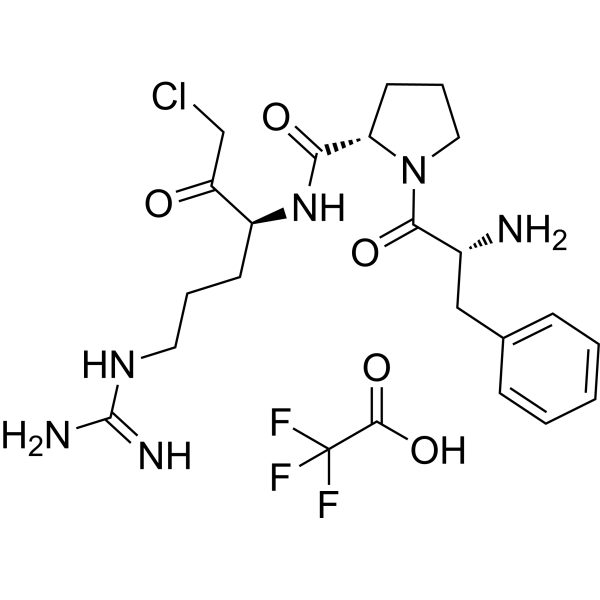
PPACK TFA is a potent, peptidic inhibitor targeting thrombin and granzyme GZMK. PPACK TFA specifically blocks the activities of thrombin and GZMK, thereby inhibiting thrombin-mediated PAR-1 cleavage, as well as downstream inflammatory and procoagulant signaling pathways. Through stabilizing IκB proteins, blocking NF-κB activation and reducing systemic levels of proinflammatory/procoagulant biomarkers, PPACK TFA exerts multiple effects including anti-inflammatory, antithrombotic, barrier repair, and inhibition of atherosclerotic plaque progression. PPACK TFA binds to platelets without interference from kininogen, effectively limiting acute thrombus growth and reducing eosinophil infiltration and goblet cell hyperplasia in asthma models. PPACK TFA is an important tool molecule for investigating the mechanisms of atherosclerosis, asthma and related thromboinflammatory diseases .
loading...
    loading...
4
4 Cited Publications
Cat. No.: HY-122542A
CAS No.: 82188-90-7
Synonyms: Pebac; D-Phenylalanyl-prolyl-arginyl Chloromethyl Ketone; D-Phe-Pro-Arg-CH2Cl
PPACK dihydrochloride is a potent, peptidic inhibitor targeting thrombin and granzyme GZMK. PPACK dihydrochloride specifically blocks the activities of thrombin and GZMK, thereby inhibiting thrombin-mediated PAR-1 cleavage, as well as downstream inflammatory and procoagulant signaling pathways. Through stabilizing IκB proteins, blocking NF-κB activation and reducing systemic levels of proinflammatory/procoagulant biomarkers, PPACK dihydrochloride exerts multiple effects including anti-inflammatory, antithrombotic, barrier repair, and inhibition of atherosclerotic plaque progression. PPACK dihydrochloride binds to platelets without interference from kininogen, effectively limiting acute thrombus growth and reducing eosinophil infiltration and goblet cell hyperplasia in asthma models. PPACK dihydrochloride is an important tool molecule for investigating the mechanisms of atherosclerosis, asthma and related thromboinflammatory diseases .
loading...
    loading...
2
2 Cited Publications
Cat. No.: HY-P1682A
Synonyms: POL6326 TFA
Target:  

CXCR Arrestin

Research Areas:  

Cancer

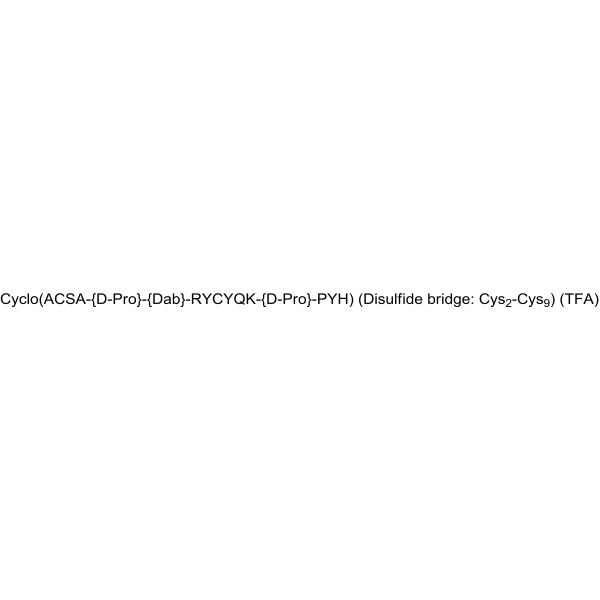
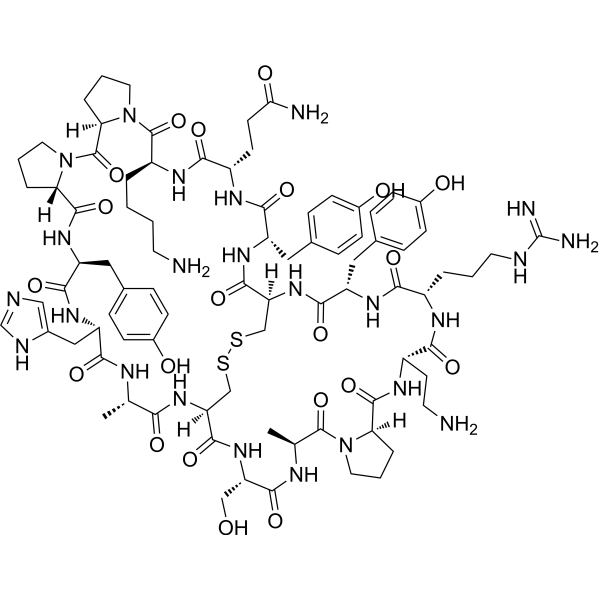
Balixafortide TFA (POL6326 TFA) is a potent, selective, well-tolerated peptidic CXCR4 antagonist with an IC50 < 10 nM. Balixafortide TFA shows 1000-fold selective for CXCR4 than a large panel of receptors including CXCR7. Balixafortide TFA blocks β-arrestin recruitment and calcium flux with IC50s < 10 nM. Balixafortide TFA is also a potent hematopoietic stem and progenitor cell (HSPC) mobilizing agent. Anti-cancer effects .
loading...
    loading...
2
2 Cited Publications
Cat. No.: HY-P1682
CAS No.: 1051366-32-5
Synonyms: POL6326
Target:  

CXCR Arrestin

Research Areas:  

Cancer

Balixafortide (POL6326) is a potent, selective, well-tolerated peptidic CXCR4 antagonist with an IC50 < 10 nM. Balixafortide shows 1000-fold selective for CXCR4 than a large panel of receptors including CXCR7. Balixafortide blocks β-arrestin recruitment and calcium flux with IC50s < 10 nM. Balixafortide is also a potent hematopoietic stem and progenitor cell (HSPC) mobilizing agent. Anti-cancer effects .
loading...
    loading...
2
2 Cited Publications
Cat. No.: HY-114091
CAS No.: 820223-77-6
Purity:  ≥99.0%
Target:  

MMP

Research Areas:  

Inflammation/Immunology

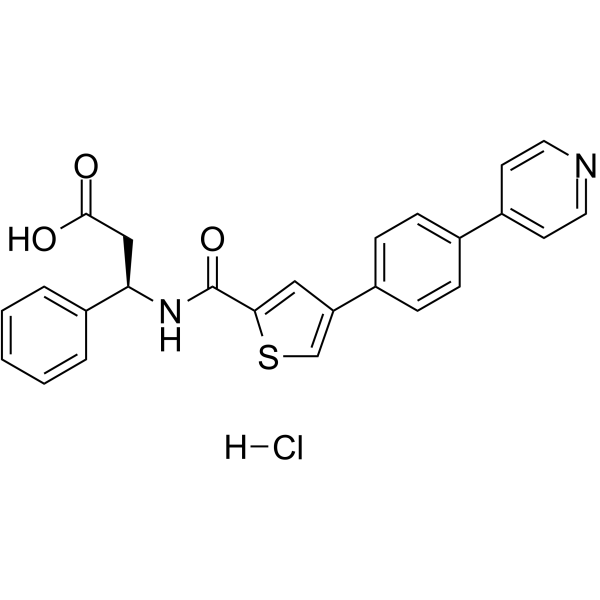
PF-00356231 hydrochloride is a specific, non-peptidic, non-zinc chelating ligand and inhibitor of matrix metalloproteinase MMP-12 (IC50=1.4 μM). PF-00356231 hydrochloride binds to MMP-12 and forms PF-00356231/MMP-12 complex. PF-00356231 hydrochloride shows potency against MMP-13, MMP-8, MMP-9, MMP-3 with IC50s of 0.00065, 1.7, 0.98, 0.39 μM, respectively .
loading...
    loading...
1
1 Cited Publications
Cat. No.: HY-137322
CAS No.: 1372206-64-8
Purity:  99.84%
THX-B is a potent and non-peptidic p75 NTR (neurotrophin receptor p75) antagonist. THX-B can be used in the research of diabetic kidney disease, neurodegenerative and inflammatory disorders .
loading...
    loading...
1
1 Cited Publications
Cat. No.: HY-103351
CAS No.: 429676-93-7
Target:  

Cathepsin

Research Areas:  

Inflammation/Immunology

Cathepsin G Inhibitor I (Compound 7) is a potent, selective, reversible, competitive, non-peptidic Cathepsin G inhibitor (IC50 = 53 nM; Ki = 63 nM). Cathepsin G Inhibitor I can be used in research related to immune disorders .
loading...
    loading...
1
1 Cited Publications
Cat. No.: HY-111866
CAS No.: 1801547-16-9
Purity:  99.89%
Research Areas:  

Metabolic Disease Cancer

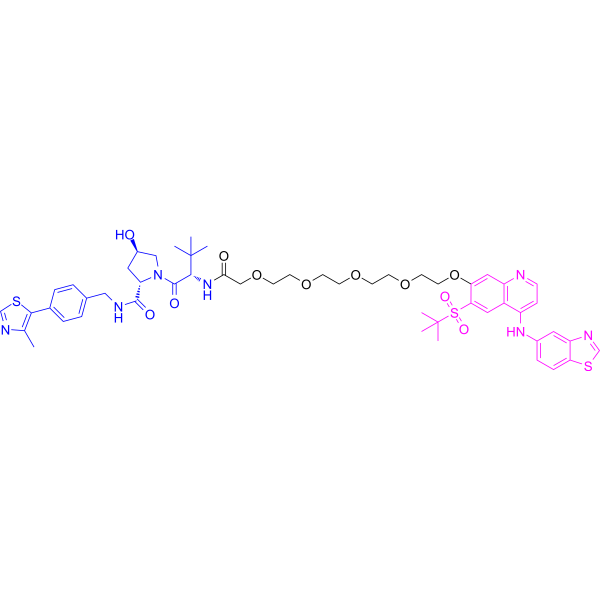
PROTAC RIPK degrader-2 is a non-peptidic PROTAC degrader targeting RIPK2, with a DC50 of 1.5 nM. PROTAC RIPK degrader-2 recruits VHL or cereblon E3 ubiquitin ligases, induces ubiquitination and proteasomal degradation of RIPK2, acts via substoichiometric catalysis, and inhibits downstream pro-inflammatory signaling pathways. PROTAC RIPK degrader-2 inhibits the NOD2/RIPK2 pathway and suppresses MDP (HY-127090)-stimulated TNFα release in human whole blood. PROTAC RIPK degrader-2 can be used in studies related to acute monocytic leukemia and glucose metabolism .
loading...
    loading...
1
1 Cited Publications
Cat. No.: HY-A0279A
CAS No.: 3131-03-1
Synonyms: Mikamycin B; Mikamycin IA
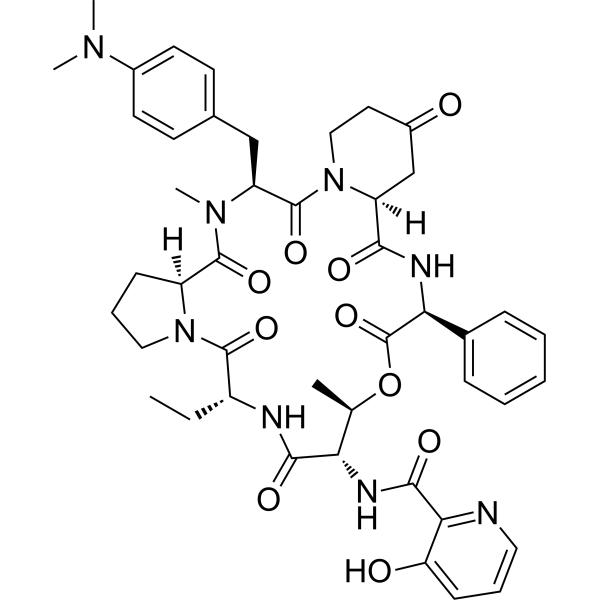
Pristinamycin IA (Mikamycin B) is a cycle-peptidic macrolactone antibiotic. Pristinamycin IA is a substrate of P-glycoprotein and inhibits its function. Pristinamycin IA is active against StaphyloEoccus and Srreptococcus .
loading...
    loading...
1
1 Cited Publications
Cat. No.: HY-P1206
CAS No.: 174688-78-9
Target:  

Somatostatin Receptor

Research Areas:  

Neurological Disease

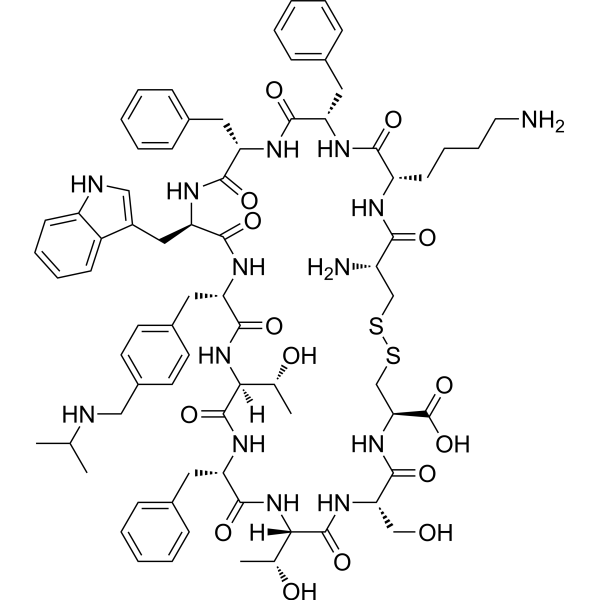
CH 275 is a peptidic somatostatin analog that acts as an agonist of SST1 (IC50 = 30.9 nM, Ki = 52 nM). The IC50 values of CH 275 for sst3, sst4, sst2, and sst5 are 345 nM, >1 μM, >10 μM, and >10 μM, respectively. CH 275 binds to SSTR1 via the IAmp9-Asp137 ion pair interaction and the hydrophobic interaction between the isopropyl group of IAmp9 and Leu107, and reduces the extracellular acidification rate. CH 275 induces weak sst1 internalization, exerts immunosuppressive effects on macrophages, and decreases macrophage viability, MCP-1 expression/secretion, and IL-8 secretion, but does not alter proMMP-9 secretion or IL-8 mRNA levels. CH 275 reduces hippocampal β-amyloid levels and alleviates plaque pathology without inducing hippocampal microglial activation. CH 275 is used in research on Alzheimer's disease, Parkinson's disease, and depression .
loading...
    loading...
1
1 Cited Publications
Cat. No.: HY-18006
CAS No.: 177707-12-9
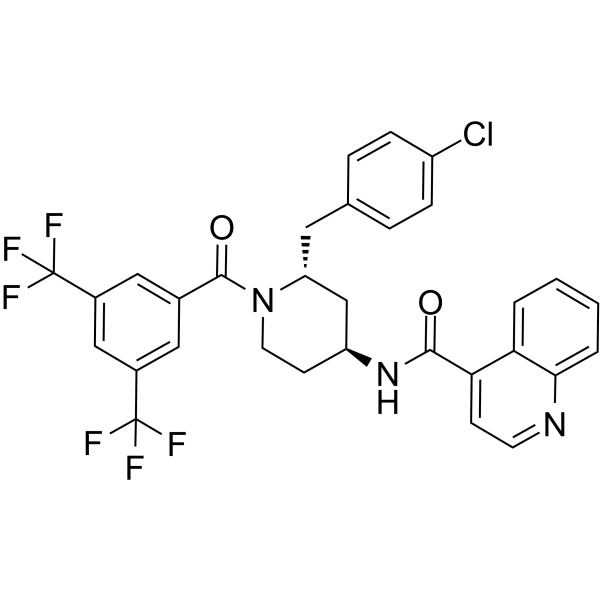
NKP608 is a non-peptidic derivative of 4-aminopiperidine, a highly selective, orally active, neurokinin-1 (NK1) receptor antagonist with IC50 of 2.6 nM. NKP608 is active both in vitro and in vivo, showing extremely low affinity for NK2, NK3 receptors. NKP608 exerts its effects by blocking the NK₁ receptor, regulate cell proliferation and apoptosis, affect neurotransmitter functions and gastric mucosal repair mechanisms, and suppress the Wnt/β-catenin pathway in antitumor research. NKP608 is applicable to research related to various diseases, including cough, anxiety disorders, depression, gastric mucosal injury, and colorectal cancer .
loading...
    loading...

