48 Results for "

RNA biosynthesis

" in MedChemExpress (MCE) Product Catalog:
Products (48)

48 Results for "RNA biosynthesis" in MCE Product Catalog:

6
6 Publications Verification
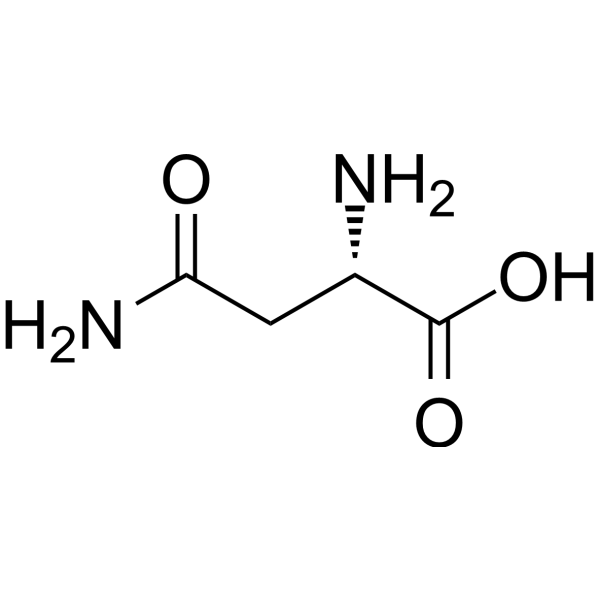
Cat. No.: HY-N0667
CAS No.: 70-47-3
Synonyms: (-)-Asparagine; Asn; Asparamide
L-Asparagine is an essential amino acid for leukemic cells and a substrate for L-Asparaginase. L-Asparaginase is a potent anti-leukemic enzyme that promotes asparagine (Asn) and glutamine (Gln) depletion and inhibits protein biosynthesis in lymphoblasts. Removal of L-asparagine from plasma by L-Asparaginase results in inhibition of RNA and DNA synthesis and subsequent apoptosis. L-Asparaginase has cell-killing ability in vitro and in vivo, and selectively inhibits the growth of cancer cells with low asparagine synthetase (AASNS) expression. L-Asparagine can be used as a biomarker and sensor for the study of childhood acute lymphoblastic leukemia .
loading...
    loading...
6
6 Publications Verification
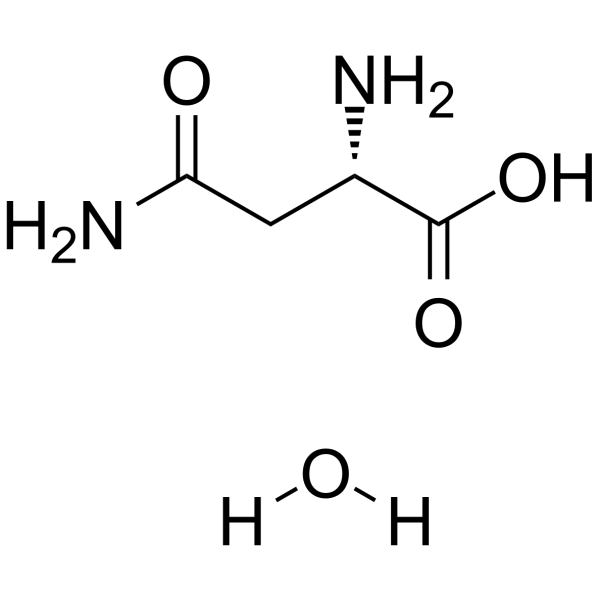
Cat. No.: HY-W017443
CAS No.: 5794-13-8
L-Asparagine monohydrate is an essential amino acid for leukemic cells and a substrate for L-Asparaginase. L-Asparaginase is a potent anti-leukemic enzyme that promotes asparagine (Asn) and glutamine (Gln) depletion and inhibits protein biosynthesis in lymphoblasts. Removal of L-asparagine from plasma by L-Asparaginase results in inhibition of RNA and DNA synthesis and subsequent apoptosis. L-Asparaginase has cell-killing ability in vitro and in vivo, and selectively inhibits the growth of cancer cells with low asparagine synthetase (AASNS) expression. L-Asparagine monohydrate can be used as a biomarker and sensor for the study of childhood acute lymphoblastic leukemia .
loading...
    loading...
5
5 Cited Publications
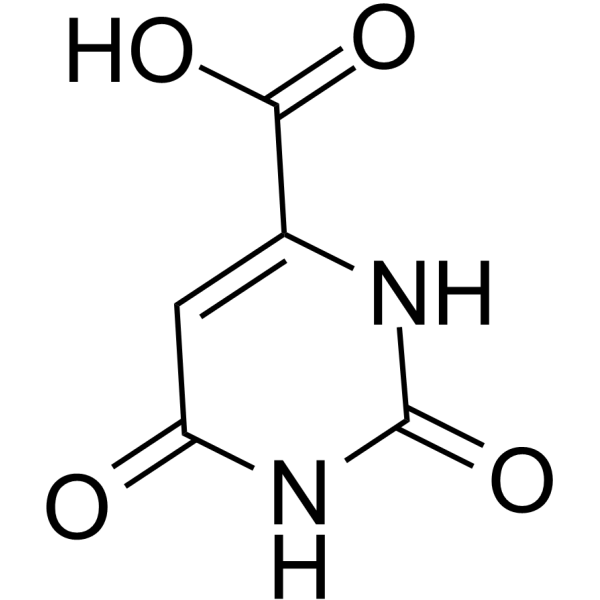
Cat. No.: HY-N0157
CAS No.: 65-86-1
Synonyms: 6-Carboxyuracil; Vitamin B13
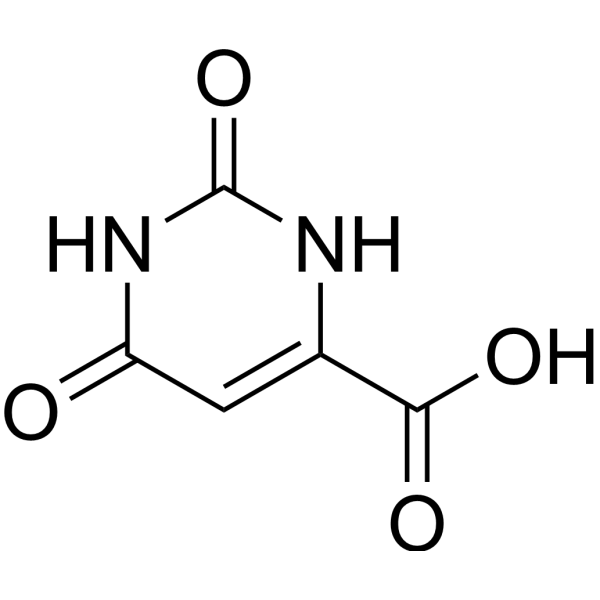
Orotic acid (6-Carboxyuracil), a precursor in biosynthesis of pyrimidine nucleotides and RNA, is released from the mitochondrial dihydroorotate dehydrogenase (DHODH) for conversion to UMP by the cytoplasmic UMP synthase enzyme. Orotic acid is a marker for measurement in routine newborn screening for urea cycle disorders. Orotic acid can induce hepatic steatosis and hepatomegaly in rats .
loading...
    loading...
5
5 Cited Publications
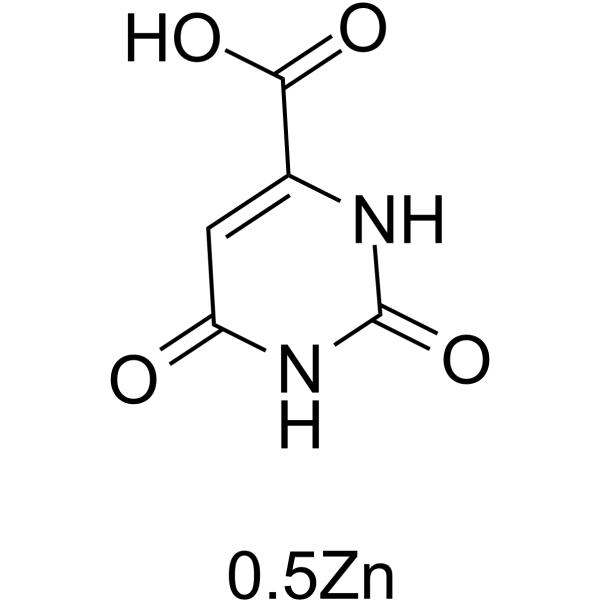
Cat. No.: HY-N0157A
CAS No.: 68399-76-8
Synonyms: 6-Carboxyuracil zinc; Vitamin B13 zinc
Orotic acid (zinc), a precursor in biosynthesis of pyrimidine nucleotides and RNA, is released from the mitochondrial dihydroorotate dehydrogenase (DHODH) for conversion to UMP by the cytoplasmic UMP synthase enzyme. Orotic acid (zinc) is a marker for measurement in routine newborn screening for urea cycle disorders. Orotic acid (zinc) can induce hepatic steatosis and hepatomegaly in rats .
loading...
    loading...
3
3 Cited Publications
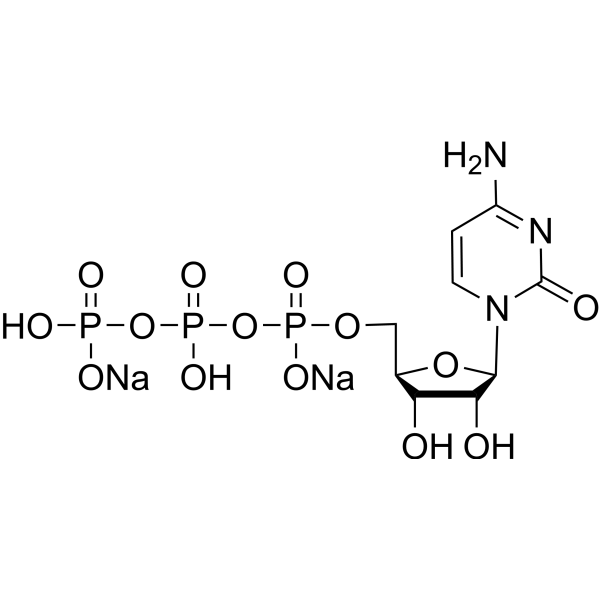
Cat. No.: HY-W013100
CAS No.: 36051-68-0
Synonyms: Cytidine triphosphate disodium; 5'-CTP disodium
Cytidine-5'-triphosphate (Cytidine triphosphate; 5'-CTP) disodium is a nucleoside triphosphate, that is invovled in biosynthesis of DNA, RNA and lipid. Cytidine triphosphate synthase can catalyze the formation of cytidine 5′-triphosphate from uridine 5′-triphosphate (UTP). Cytidine 5′-triphosphate disodium is an essential biomolecule in the de novo pyrimidine biosynthetic pathway in T. gondii .
loading...
    loading...
2
2 Cited Publications
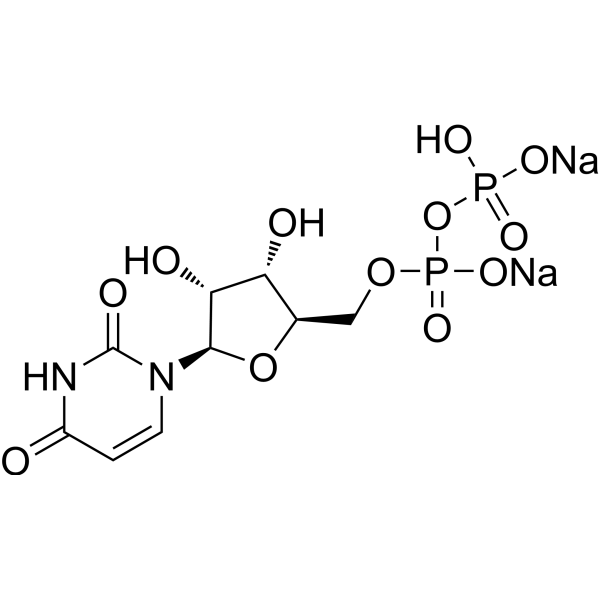
Cat. No.: HY-W010832
CAS No.: 27821-45-0
Synonyms: UDP disodium salt
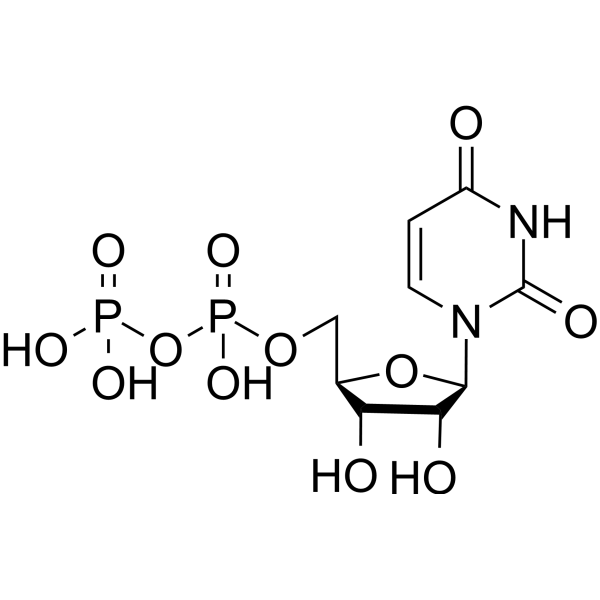
Uridine-5'-diphosphate (UDP) disodium salt is an important nucleotide made of uracil, ribose, and a pyrophosphate group. Uridine-5'-diphosphate disodium salt is a potent, selective human P2Y6 receptor native agonist (EC50 = 300 nM; pEC50 = 6.52). Uridine-5'-diphosphate disodium salt, an endogenous metabolite, catalyzes the glucuronidation of a wide array of substrates and is used in nucleic acid (RNA) biosynthesis .
loading...
    loading...
2
2 Cited Publications
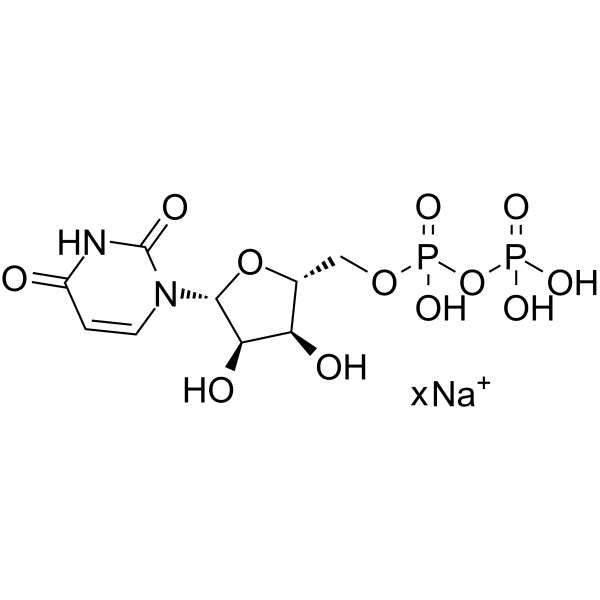
Cat. No.: HY-W010820
CAS No.: 21931-53-3
Synonyms: UDP sodium salt
Uridine-5'-diphosphate (UDP) sodium salt is an important nucleotide made of uracil, ribose, and a pyrophosphate group. Uridine-5'-diphosphate sodium salt is a potent, selective human P2Y6 receptor native agonist (EC50 = 300 nM; pEC50 = 6.52). Uridine-5'-diphosphate sodium salt, an endogenous metabolite, catalyzes the glucuronidation of a wide array of substrates and is used in nucleic acid (RNA) biosynthesis .
loading...
    loading...
1
1 Cited Publications
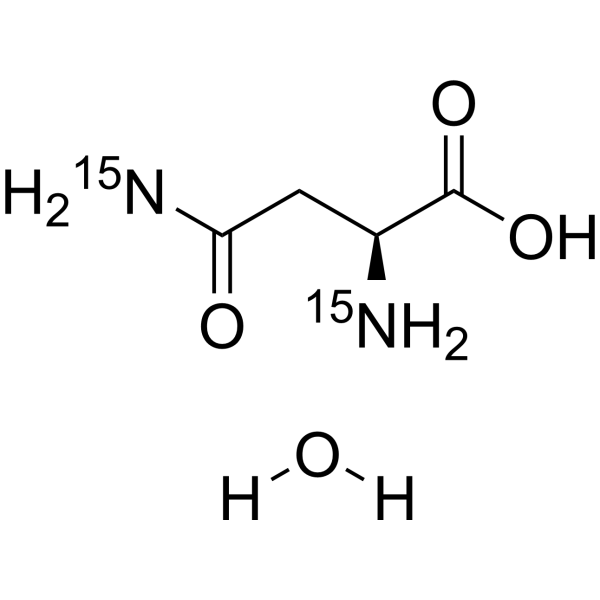
Cat. No.: HY-N0667S2
CAS No.: 287484-32-6
Synonyms: (-)-Asparagine-15N2 monohydrate; Asn-15N2 monohydrate; Asparamide-15N2 monohydrate
L-Asparagine- 15N2 monohydrate is the 15N-labeled L-Asparagine monohydrate (HY-W017443). L-Asparagine monohydrate is an essential amino acid for leukemic cells and a substrate for L-Asparaginase. L-Asparaginase is a potent anti-leukemic enzyme that promotes asparagine (Asn) and glutamine (Gln) depletion and inhibits protein biosynthesis in lymphoblasts. Removal of L-asparagine from plasma by L-Asparaginase results in inhibition of RNA and DNA synthesis and subsequent apoptosis. L-Asparaginase has cell-killing ability in vitro and in vivo, and selectively inhibits the growth of cancer cells with low asparagine synthetase (AASNS) expression. L-Asparagine monohydrate can be used as a biomarker and sensor for the study of childhood acute lymphoblastic leukemia .
loading...
    loading...
1
1 Cited Publications
Cat. No.: HY-113226
CAS No.: 314-50-1
Purity:  95.3%
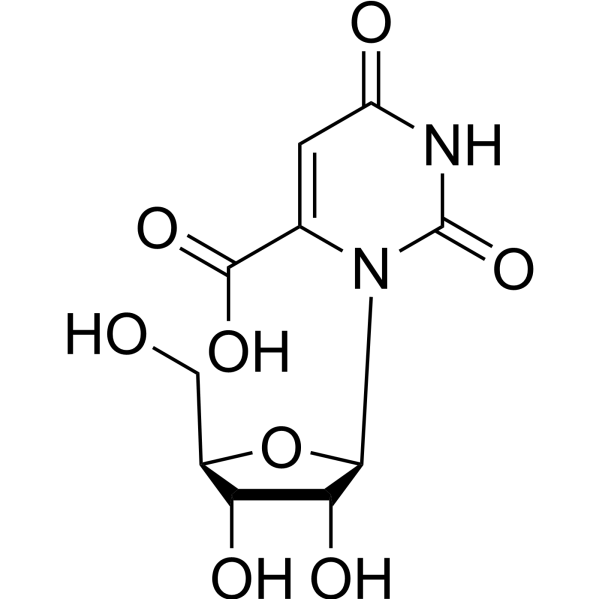
Orotidine, a nucleotide, is an intermediate in pyrimidine nucleotide biosynthesis in RNA and DNA. Orotidine is mainly found in bacteria, fungi and plants .
loading...
    loading...
1
1 Cited Publications
Cat. No.: HY-N0667S5
CAS No.: 2483831-59-8
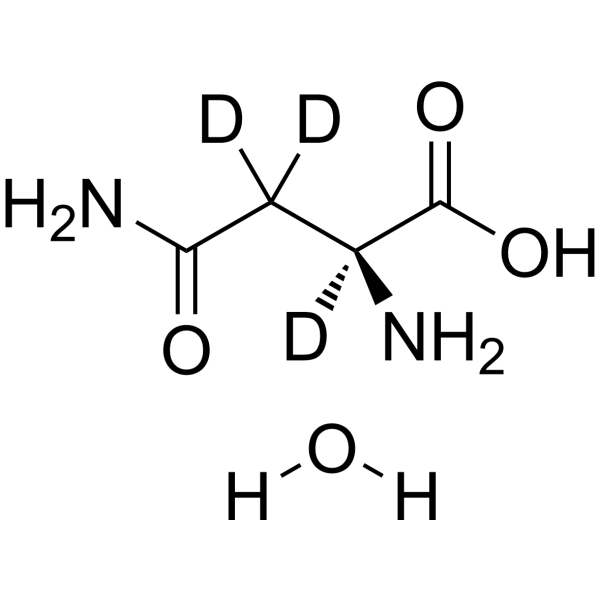
L-Asparagine-d3 hydrate is the deuterium labeled L-Asparagine (HY-N0667). L-Asparagine is an essential amino acid for leukemic cells and a substrate for L-Asparaginase. L-Asparaginase is a potent anti-leukemic enzyme that promotes asparagine (Asn) and glutamine (Gln) depletion and inhibits protein biosynthesis in lymphoblasts. Removal of L-asparagine from plasma by L-Asparaginase results in inhibition of RNA and DNA synthesis and subsequent apoptosis. L-Asparaginase has cell-killing ability in vitro and in vivo, and selectively inhibits the growth of cancer cells with low asparagine synthetase (AASNS) expression. L-Asparagine can be used as a biomarker and sensor for the study of childhood acute lymphoblastic leukemia .
loading...
    loading...
Cat. No.: HY-125818I
CAS No.: 36051-68-0
Synonyms: Cytidine triphosphate disodium salt, 100 mM Solution, PCR Grade; 5'-CTP disodium salt, 100 mM Solution, PCR Grade
CTP (Cytidine triphosphate; 5'-CTP disodium salt) disodium salt, 100 mM Solution, PCR Grade is an immediate-use solution of cytidine triphosphate diodium salt. CTP is one of the four basic raw materials for RNA biosynthesis. CTP disodium salt is mainly used in molecular biology applications such as in vitro transcription (IVT), RNA synthesis and labeling .
loading...
    loading...
Cat. No.: HY-113359
CAS No.: 58-98-0
Synonyms: UDP
Uridine-5'-diphosphate (UDP) is an important nucleotide made of uracil, ribose, and a pyrophosphate group. Uridine-5'-diphosphate is a potent, selective human P2Y6 receptor native agonist (EC50 = 300 nM; pEC50 = 6.52). Uridine-5'-diphosphate disodium salt, an endogenous metabolite, catalyzes the glucuronidation of a wide array of substrates and is used in nucleic acid (RNA) biosynthesis .
loading...
    loading...
Cat. No.: HY-N0157R
CAS No.: 65-86-1
Synonyms: 6-Carboxyuracil (Standard); Vitamin B13 (Standard)
Orotic acid (Standard) is the analytical standard of Orotic acid. This product is intended for research and analytical applications. Orotic acid (6-Carboxyuracil), a precursor in biosynthesis of pyrimidine nucleotides and RNA, is released from the mitochondrial dihydroorotate dehydrogenase (DHODH) for conversion to UMP by the cytoplasmic UMP synthase enzyme. Orotic acid is a marker for measurement in routine newborn screening for urea cycle disorders. Orotic acid can induce hepatic steatosis and hepatomegaly in rats .
loading...
    loading...
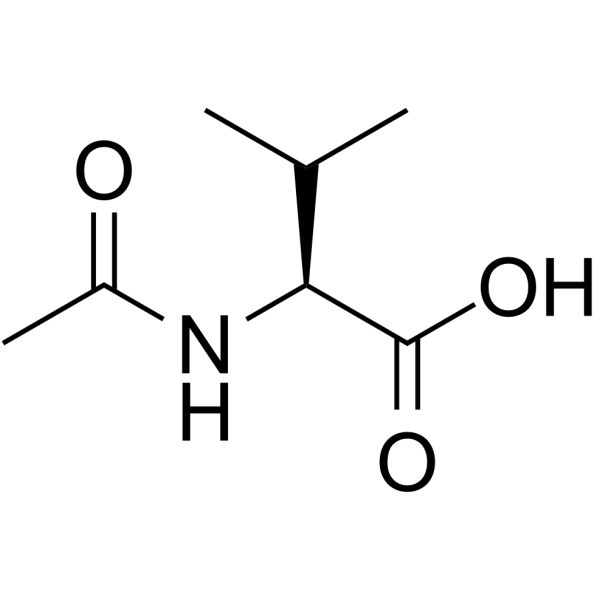
Cat. No.: HY-W015466
CAS No.: 96-81-1
Acetylvaline is a class of amino acid derivative metabolites. The expression abundance of Acetylvaline is upregulated under heat stress conditions; it participates in the regulation of amino acid biosynthesis, cysteine and methionine metabolic pathways, and mediates the physiological processes of antioxidant defense and energy metabolism reprogramming in Magallana sikamea. Acetylvaline can be released from acetylvalyl-RNA of Turnip Yellow Mosaic Virus (TYMV) by N‑acylaminoacyl‑tRNA hydrolase. Acetylvaline can be used in metabolism-related research .
loading...
    loading...
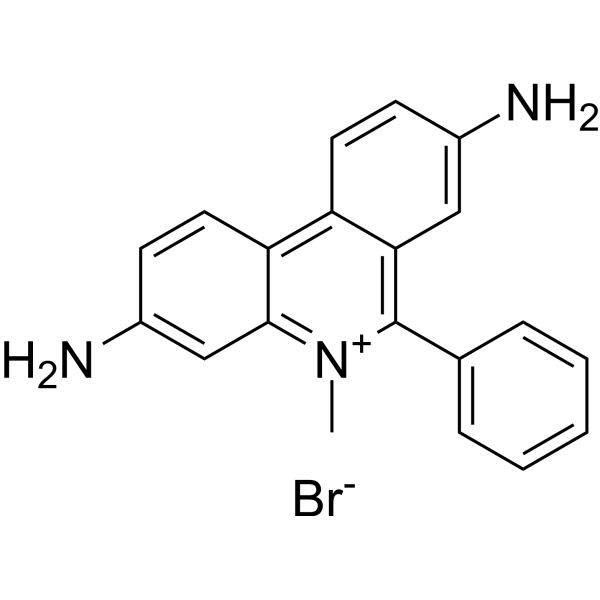
Cat. No.: HY-D0788
CAS No.: 518-67-2
Research Areas:  

Infection

Dimidium bromide is a phenanthridine cationic fluorescent dye with trypanocidal activity and antibacterial activity. Dimidium bromide is a nucleic acid intercalating binding molecule that can bind both DNA and RNA, and its fluorescence signal is significantly enhanced upon binding; it can inhibit the biosynthesis of DNA and RNA. Dimidium bromide can stain the nucleoplasm and nucleoli of various living plant leaf cells, with a fluorescence emission peak at 600 nm under an excitation wavelength of 525 nm. Dimidium bromide can be used in fluorescence imaging-related research .
loading...
    loading...
Cat. No.: HY-N0667R
CAS No.: 70-47-3
Synonyms: (-)-Asparagine (Standard); Asn (Standard); Asparamide (Standard)
L-Asparagine (Standard) is the analytical standard of L-Asparagine (HY-N0667). This product is intended for research and analytical applications. L-Asparagine is an essential amino acid for leukemic cells and a substrate for L-Asparaginase. L-Asparaginase is a potent anti-leukemic enzyme that promotes asparagine (Asn) and glutamine (Gln) depletion and inhibits protein biosynthesis in lymphoblasts. Removal of L-asparagine from plasma by L-Asparaginase results in inhibition of RNA and DNA synthesis and subsequent apoptosis. L-Asparaginase has cell-killing ability in vitro and in vivo, and selectively inhibits the growth of cancer cells with low asparagine synthetase (AASNS) expression. L-Asparagine can be used as a biomarker and sensor for the study of childhood acute lymphoblastic leukemia .
loading...
    loading...
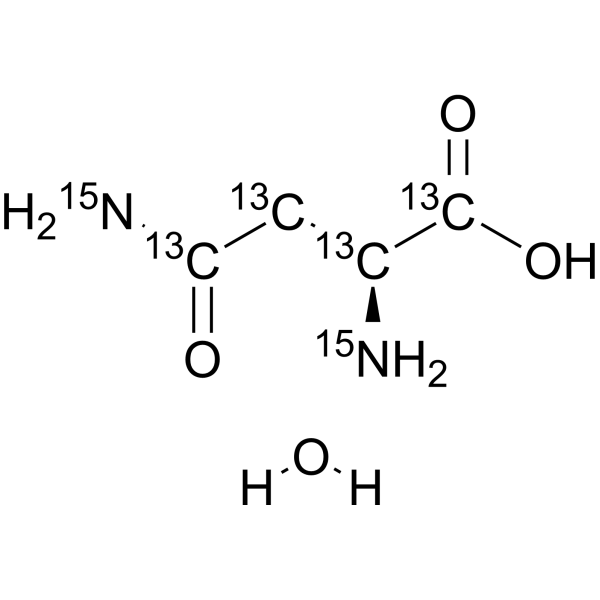
Cat. No.: HY-W017443S
CAS No.: 202406-87-9
L-Asparagine- 13C4, 15N2 monohydrateis the 13C-labeled and 15N-labeled L-Asparagine monohydrate (HY-W017443). L-Asparagine monohydrate is an essential amino acid for leukemic cells and a substrate for L-Asparaginase. L-Asparaginase is a potent anti-leukemic enzyme that promotes asparagine (Asn) and glutamine (Gln) depletion and inhibits protein biosynthesis in lymphoblasts. Removal of L-asparagine from plasma by L-Asparaginase results in inhibition of RNA and DNA synthesis and subsequent apoptosis. L-Asparaginase has cell-killing ability in vitro and in vivo, and selectively inhibits the growth of cancer cells with low asparagine synthetase (AASNS) expression. L-Asparagine monohydrate can be used as a biomarker and sensor for the study of childhood acute lymphoblastic leukemia .
loading...
    loading...
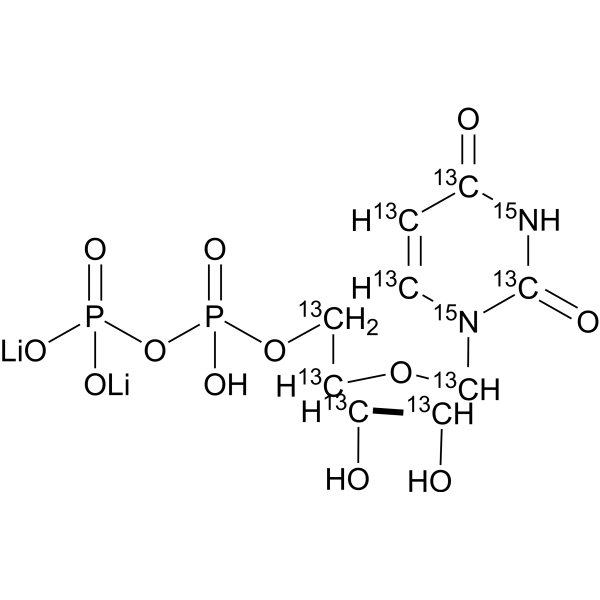
Cat. No.: HY-113359AS2
Purity:  99.5%
Synonyms: UDP-13C9,15N2 dilithium
Uridine 5'-diphosphate- 13C9, 15N2 (UDP- 13C9, 15N2) dilithium is the 13C9, 15N2-labeled Uridine 5'-diphosphate (HY-113359). Uridine-5'-diphosphate is an important nucleotide made of uracil, ribose, and a pyrophosphate group. Uridine-5'-diphosphate is a potent, selective human P2Y6 receptor native agonist (EC50 = 300 nM; pEC50 = 6.52). Uridine-5'-diphosphate disodium salt, an endogenous metabolite, catalyzes the glucuronidation of a wide array of substrates and is used in nucleic acid (RNA) biosynthesis .
loading...
    loading...
Cat. No.: HY-N0667S3
CAS No.: 286460-82-0
Synonyms: (-)-Asparagine-13C4 monohydrate; Asn-13C4 monohydrate; Asparamide-13C4 monohydrate
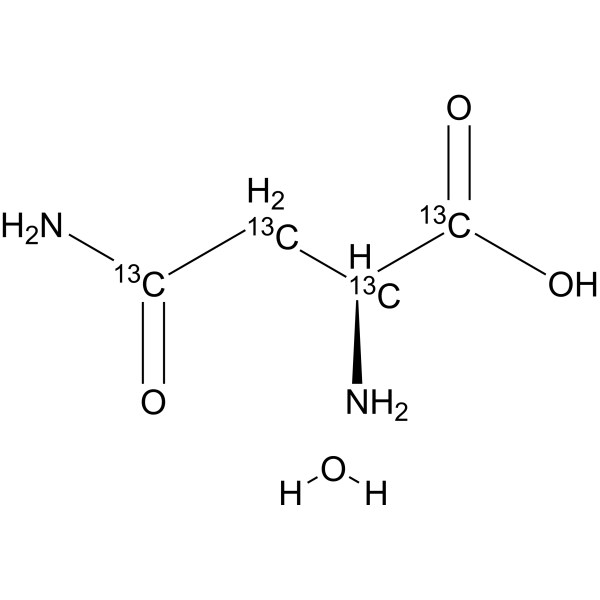
L-Asparagine- 13C4 monohydrate is the 13C-labeled L-Asparagine monohydrate (HY-W017443). L-Asparagine monohydrate is an essential amino acid for leukemic cells and a substrate for L-Asparaginase. L-Asparaginase is a potent anti-leukemic enzyme that promotes asparagine (Asn) and glutamine (Gln) depletion and inhibits protein biosynthesis in lymphoblasts. Removal of L-asparagine from plasma by L-Asparaginase results in inhibition of RNA and DNA synthesis and subsequent apoptosis. L-Asparaginase has cell-killing ability in vitro and in vivo, and selectively inhibits the growth of cancer cells with low asparagine synthetase (AASNS) expression. L-Asparagine monohydrate can be used as a biomarker and sensor for the study of childhood acute lymphoblastic leukemia .
loading...
    loading...
Cat. No.: HY-118578
CAS No.: 57646-30-7
Purity:  99.3%
Synonyms: CGA 38140
Research Areas:  

Infection

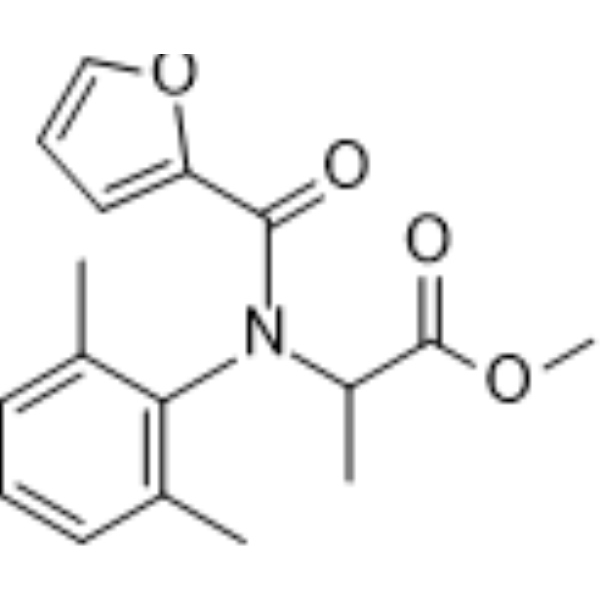
Furalaxyl (CGA 38140) is an acylalanine fungicide with high selectivity against the order Peronosporales. Furalaxyl inhibits mycelial growth of Pythium ultimum. Furalaxyl inhibits fungal protein and nucleic acid synthesis, with RNA synthesis being more strongly inhibited than DNA synthesis. The primary mode of action of Furalaxyl is considered to involve impairment of fungal RNA biosynthesis and associated effects on mitosis. Furalaxyl is applicable for studies on oomycete growth inhibition, fungal RNA biosynthesis, and pesticide photodegradation .
loading...
    loading...

