13 Results for "

Ranunculaceae

" in MedChemExpress (MCE) Product Catalog:
Products (13)

13 Results for "Ranunculaceae" in MCE Product Catalog:

5
5 Cited Publications
Cat. No.: HY-N6810
CAS No.: 89-83-8
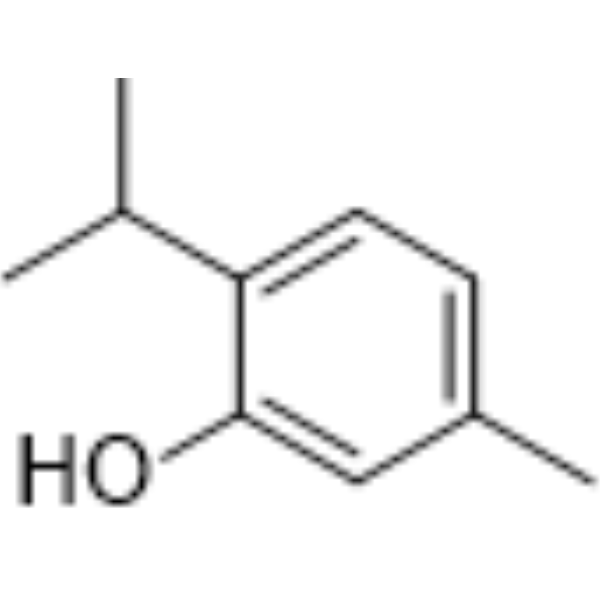
Thymol is a TRPA1 agonist. Thymol induces cancer cell apoptosis. Thymol is the main monoterpene phenol occurring in essential oils isolated from plants belonging to the Lamiaceae family, and other plants such as those belonging to the Verbenaceae, Scrophulariaceae, Ranunculaceae and Apiaceae families. Thymol has antioxidant, anti-inflammatory, antibacterial and antifungal effects .
loading...
    loading...
Cat. No.: HY-N6810R
CAS No.: 89-83-8
Thymol (Standard) is the analytical standard of Thymol. This product is intended for research and analytical applications. Thymol is a TRPA1 agonist. Thymol induces cancer cell apoptosis. Thymol is the main monoterpene phenol occurring in essential oils isolated from plants belonging to the Lamiaceae family, and other plants such as those belonging to the Verbenaceae, Scrophulariaceae, Ranunculaceae and Apiaceae families. Thymol has antioxidant, anti-inflammatory, antibacterial and antifungal effects .
loading...
    loading...
Cat. No.: HY-N0278
CAS No.: 508-44-1
Synonyms: Pulsatilla camphor; Anemonine; trans-Anemonin
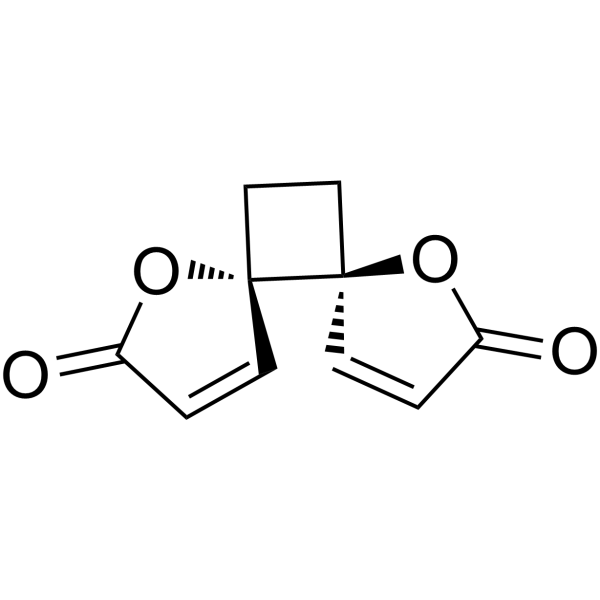
Anemonin (Pulsatilla camphor; Anemonine; trans-Anemonin) is a naturally occurring bislactone small molecule derived from Ranunculaceae with blood-brain barrier permeability, possessing a variety of activities including anti-inflammatory, antioxidant, neuroprotective, melanogenesis-inhibiting, and antiparasitic effects. Anemonin inhibits iNOS to reduce NO release; it inhibits PKC-θ protein expression and downregulates the pro-inflammatory factors TNF-α, IL-1β, and IL-6; it enhances the activities of the antioxidant enzymes SOD, CAT, and GSH-Px, and reduces MDA and ROS levels. Anemonin modulates the Bcl-2 / Bax / caspase-3 pathway to inhibit apoptosis; it downregulates melanogenesis-related molecules including MITF, TYR, TRP1, and TRP2, thereby inhibiting melanin synthesis in human melanocytes. Anemonin inhibits Leishmania and Schistosoma mansoni. Anemonin is used in research related to diseases such as hyperpigmentation, cerebral ischemia/reperfusion injury, inflammation, sepsis-induced acute lung injury, acute ulcerative colitis, leishmaniasis, and schistosomiasis .
loading...
    loading...
Cat. No.: HY-N0278A
CAS No.: 90921-11-2
Synonyms: (Rac)-Pulsatilla camphor; (Rac)-Anemonine
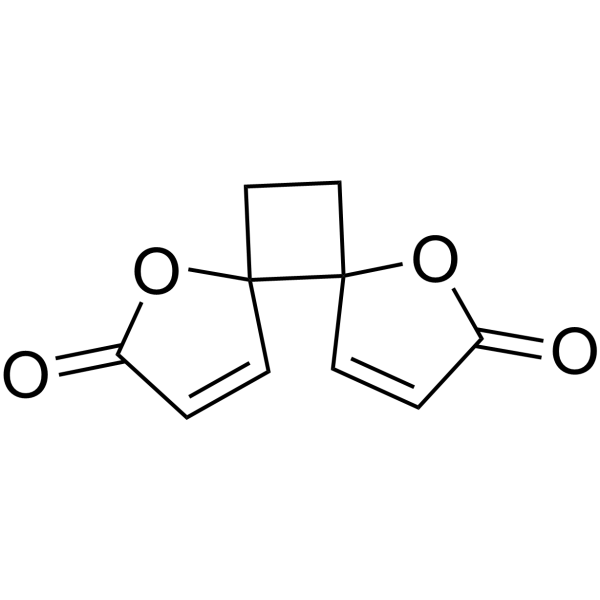
(Rac)-Anemonin ((Rac)-Pulsatilla camphor; (Rac)-Anemonine) is an isomer of Anemonin. Anemonin is a naturally occurring bislactone small molecule derived from Ranunculaceae with blood-brain barrier permeability, possessing a variety of activities including anti-inflammatory, antioxidant, neuroprotective, melanogenesis-inhibiting, and antiparasitic effects. Anemonin inhibits iNOS to reduce NO release; it inhibits PKC-θ protein expression and downregulates the pro-inflammatory factors TNF-α, IL-1β, and IL-6; it enhances the activities of the antioxidant enzymes SOD, CAT, and GSH-Px, and reduces MDA and ROS levels. Anemonin modulates the Bcl-2 / Bax / caspase-3 pathway to inhibit apoptosis; it downregulates melanogenesis-related molecules including MITF, TYR, TRP1, and TRP2, thereby inhibiting melanin synthesis in human melanocytes. Anemonin inhibits Leishmania and Schistosoma mansoni. Anemonin is used in research related to diseases such as hyperpigmentation, cerebral ischemia/reperfusion injury, inflammation, sepsis-induced acute lung injury, acute ulcerative colitis, leishmaniasis, and schistosomiasis .
loading...
    loading...
Cat. No.: HY-N16595
CAS No.: 86695-18-3
Tatsiensine is a diterpenoid alkaloid. Tatsiensine can be isolated from a China-specific Delphinium plant (family Ranunculaceae), Delphinium pachycentrum Hemsl. Tatsiensine can be used in the research of inflammatory diseases .
loading...
    loading...
Cat. No.: HY-N6610
CAS No.: 108-28-1
Protoanemonin is a natural unsaturated γ-lactone small molecule derived from plants of the Ranunculaceae family, possessing various activities such as plant growth regulation, antibacterial, and antifungal effects. Protoanemonin is a quorum sensing inhibitor that inhibits Pseudomonas aeruginosa quorum sensing, downregulates virulence factor expression, and activates the iron starvation response pathway. Protoanemonin possesses broad-spectrum antibacterial and antifungal activities, and also has antimutagenic activity. Protoanemonin exhibits bidirectional plant growth regulatory effects, promoting plant tissue elongation at low concentrations and inhibiting plant tissue elongation at high concentrations. Protoanemonin can be used in research related to bacterial quorum sensing, microbial metabolism, antibacterial and antifungal activity, antimutagenesis, and plant growth regulation .
loading...
    loading...
Cat. No.: HY-125702
CAS No.: 366814-43-9
Synonyms: Chinensioside B
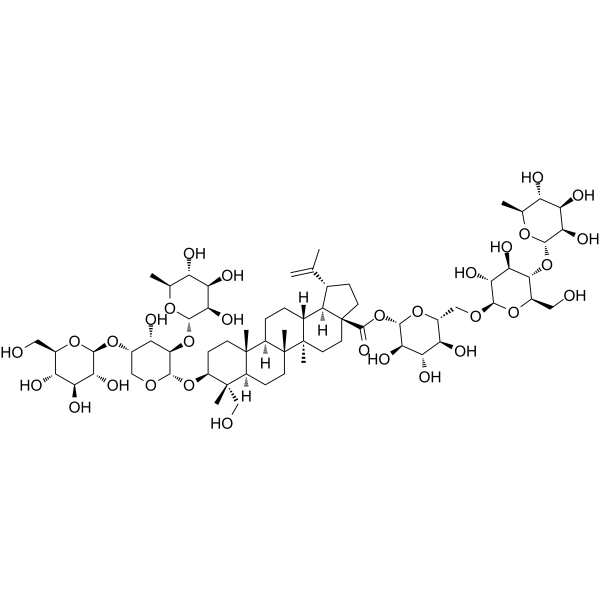
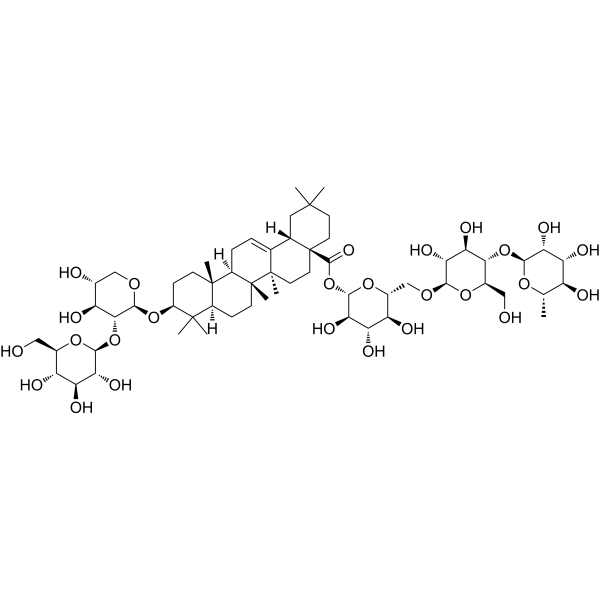
Pulsatilloside E (Chinensioside B) is a triterpenoidal saponin isolated from the roots of Pulsatilla chinensis (Ranunculaceae) .
loading...
    loading...
Cat. No.: HY-N12138
CAS No.: 140400-67-5
Flaccidoside III is a triterpenoid isolated from the aerial parts of N. sativa (Ranunculaceae). Flaccidoside III inhibits α-Glucosidase (IC50: 256.7 μM) and has potential antioxidant and antidiabetic activities .
loading...
    loading...
Cat. No.: HY-N6810S
CAS No.: 1219798-93-2
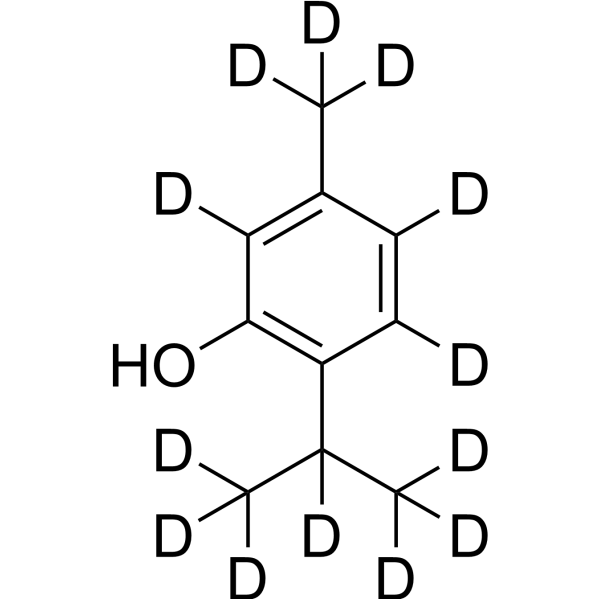
Thymol-d13 is the deuterium labeled Thymol . Thymol is the main monoterpene phenol occurring in essential oils isolated from plants belonging to the Lamiaceae family, and other plants such as those belonging to the Verbenaceae, Scrophulariaceae, Ranunculaceae and Apiaceae families. Thymol has antioxidant, anti-inflammatory, antibacterial and antifungal effects .
loading...
    loading...
Cat. No.: HY-N16776
CAS No.: 86695-19-4
Deacetyltatsiensine is a diterpenoid alkaloid isolated from the Delphinium plant of the Ranunculaceae family .
loading...
    loading...
Cat. No.: HY-N7002
CAS No.: 41849-35-8
Synonyms: 10-Hydroxy aconitine
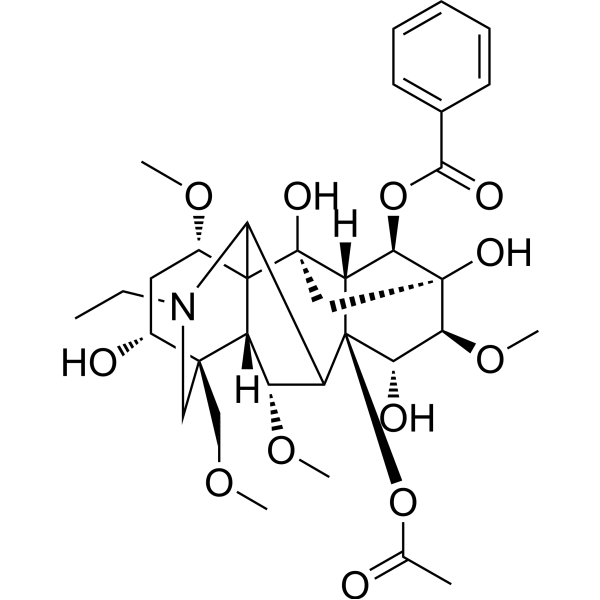
Nagarine, an alkaloid isolated from the roots of Aconitum nagarum Stapf (Ranunculaceae), is used to treat Rheumatic and neuralgic disorders .
loading...
    loading...
Cat. No.: HY-N18059
CAS No.: 19741-46-9
Synonyms: 6-Hydroxyhetisan-11-one
Spiradine A (6-Hydroxyhetisan-11-one) is a C20 diterpenoid alkaloid present in the roots of Thalictrum sessile (Ranunculaceae), and is originally isolated from Spiraea japonica (Rosaceae). Spiradine A may possess anti-inflammatory and analgesic activities .
loading...
    loading...
Cat. No.: HY-N18196
CAS No.: 256925-93-6
25-O-Acetylcimigenol-3-O-alpha-l-arabinoside (compound 2) is a cycloartane glycoside. 25-O-Acetylcimigenol-3-O-alpha-l-arabinoside can be found in the rhizomes of Cimicifuga dahurica (Ranunculaceae) .
loading...
    loading...
  • 1

