27 Results for "

Rb phosphorylation

" in MedChemExpress (MCE) Product Catalog:
Products (27)

27 Results for "Rb phosphorylation" in MCE Product Catalog:

18
18 Publications Verification
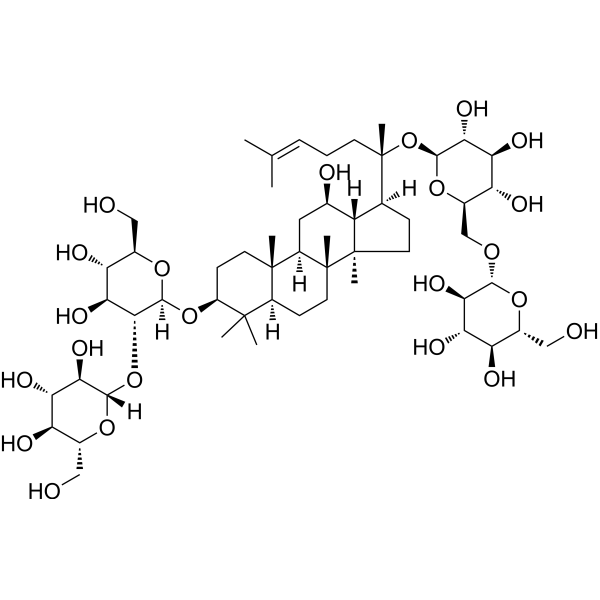
Cat. No.: HY-N0039
CAS No.: 41753-43-9
Synonyms: Gypenoside III
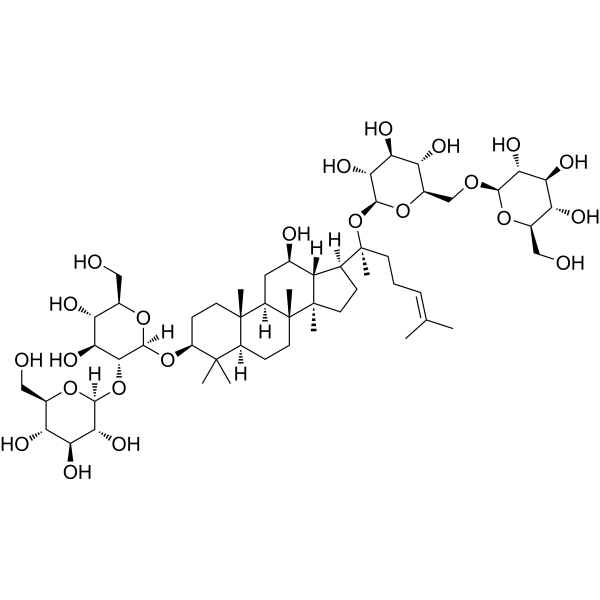
Ginsenoside Rb1, a main constituent of the root of Panax ginseng, inhibits Na +, K +-ATPase activity with an IC50 of 6.3±1.0 μM. Ginsenoside also inhibits IRAK-1 activation and phosphorylation of NF-κB p65 .
loading...
    loading...
5
5 Cited Publications
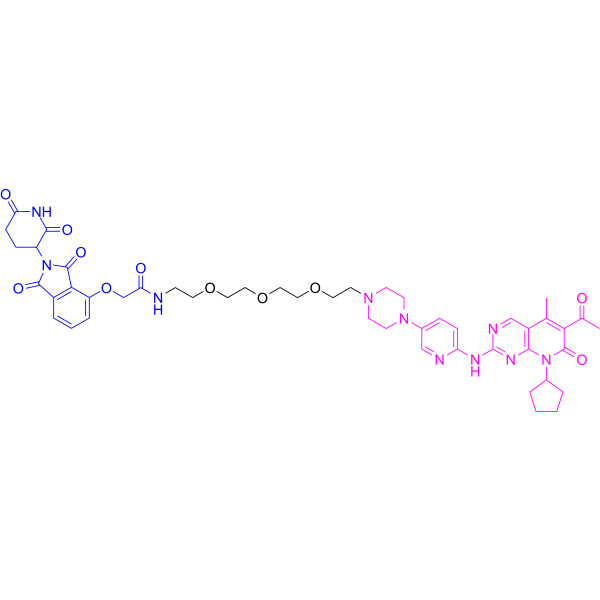
Cat. No.: HY-111556
CAS No.: 2361493-16-3
Purity:  ≥98.0%
Target:  

PROTACs CDK Apoptosis

Research Areas:  

Cancer

BSJ-03-123 is a selective PROTAC degrader of CDK6. BSJ-03-123 degrades CDK6, thereby inhibiting Rb S780 phosphorylation and inducing G1 phase arrest, while remodeling cell cycle and transcriptional signaling, with no effect on CDK4-dependent cancer cells. BSJ-03-123 reduces CDK6 protein levels in mouse ovarian tissues, increases the proportion of primordial follicles, and induces granulosa cell apoptosis, without impairing the ability of oocytes to resume meiosis and mature to the MII stage. BSJ-03-123 alleviates uveitis by blocking the HDACs-CDK6/ID2 axis. BSJ-03-123 can be used in studies related to acute myeloid leukemia, mantle cell lymphoma and autoimmune uveitis .
loading...
    loading...
2
2 Cited Publications
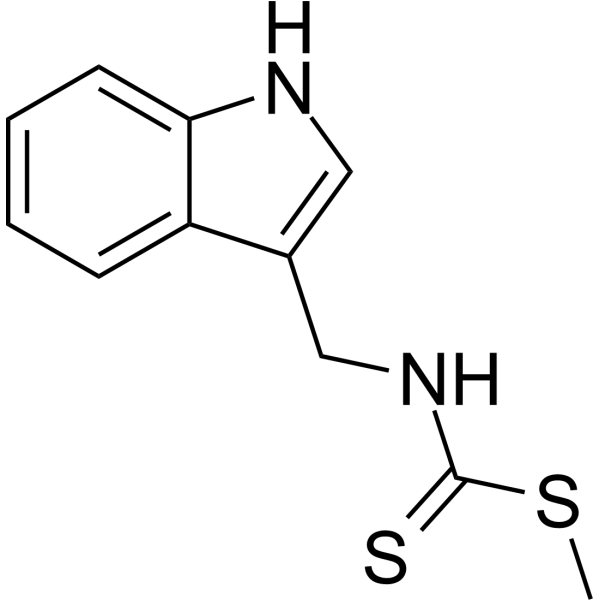
Cat. No.: HY-111334
CAS No.: 105748-59-2
Purity:  99.74%
Synonyms: Brassinine
Brassinin is an indole derivative found in cruciferous plants. Brassinin acts as an IDO inhibitor (Ki = 97.7 μM). Brassinin inhibits angiogenesis and induces apoptosis, autophagy, paraptosis, ROS production, and ER stress. Brassinin selectively stimulates lysosomal degradation of Tie2 and promotes lysosomal and proteasomal degradation of FGFR1 in endothelial cells, downregulating AKT and ERK phosphorylation. Brassinin inhibits endothelial cell proliferation, migration, tube formation, spheroid sprouting, and angiogenesis. Brassinin inhibits PI3K/Akt/mTOR/S6K1 signaling, upregulates p21 and p27, and induces G1 phase cell cycle arrest through RB hypophosphorylation. Brassinin inhibits tyrosinase catalytic activity, reduces tyrosinase mRNA, and inhibits MITF nuclear translocation. Brassinin is used for research on triple-negative breast cancer, chronic myeloid leukemia, colon cancer, glioma, atherosclerosis, and skin cancer .
loading...
    loading...
1
1 Cited Publications
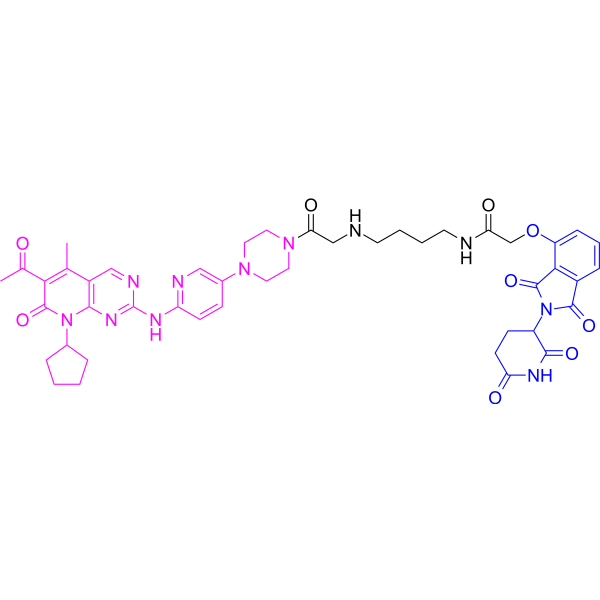
Cat. No.: HY-148530
CAS No.: 2417408-46-7
Purity:  99.22%
Target:  

PROTACs CDK FOXM1

Research Areas:  

Cancer

YX-2-107 is a PROTAC (IC50= 4.4 nM) that selectively degrades CDK6. YX-2-107 effectively inhibits RB phosphorylation and FOXM1 expression in vitro and inhibits the development of Ph + ALL in rats. YX-2-107 can be used in the study of Ph chromosome-positive (Ph +) acute lymphoblastic leukemia (ALL) .
loading...
    loading...
1
1 Cited Publications
Cat. No.: HY-149428
CAS No.: 2918262-09-4
Purity:  98.01%
Research Areas:  

Cancer

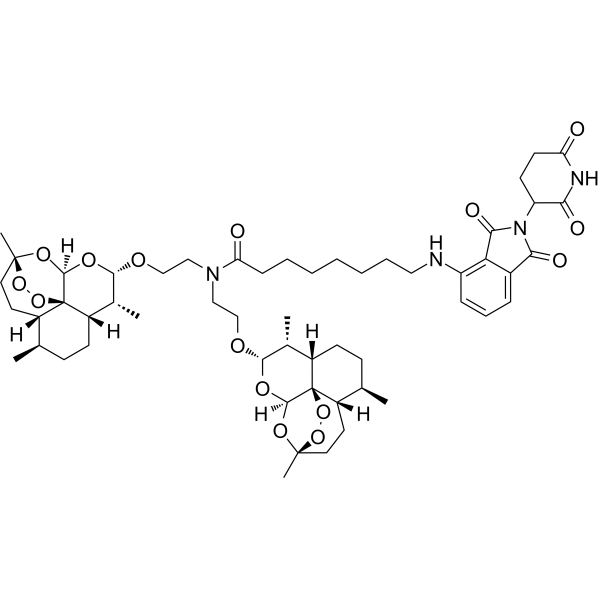
AD4 is a PROTAC that induces the degradation of PCLAF by recruiting cereblon. AD4 is also an artemisinin derivative. AD4 directly binds to PCLAF with a KD of 6.1 μM, and induces apoptosis and G1-phase cell cycle arrest. By degrading PCLAF, AD4 upregulates p21, reduces Rb phosphorylation, downregulates Bcl-2 and upregulates Bax, thereby activating the p21/Rb axis. AD4 can be used in studies related to acute B-lymphoblastic leukemia and PCLAF-dependent anticancer mechanisms .
loading...
    loading...
Cat. No.: HY-P991266

Research Areas:  

Inflammation/Immunology

SM-17 is a human monoclonal antibody targeting IL-17RB. SM-17 binds to human IL-17RB, inhibits the dimerization of IL-17RA/IL-17RB, blocks IL-25-induced phosphorylation of ERK1/2 and STAT5, and suppresses Th2-mediated inflammatory responses. SM-17 inhibits the secretion of IL-5, IL-9, IL-13 and IL-4, impairs the proliferation/expansion of ILC2 and Th2 cells, and restores filaggrin expression. SM-17 reduces immune cell infiltration, epidermal hyperplasia, goblet cell hyperplasia, collagen deposition, ear swelling and scratching behavior in animal models. SM-17 can be used in research related to atopic dermatitis and allergic asthma .
loading...
    loading...
Cat. No.: HY-142076
CAS No.: 2078047-99-9
Purity:  99.32%
Target:  

CDK

Research Areas:  

Cancer

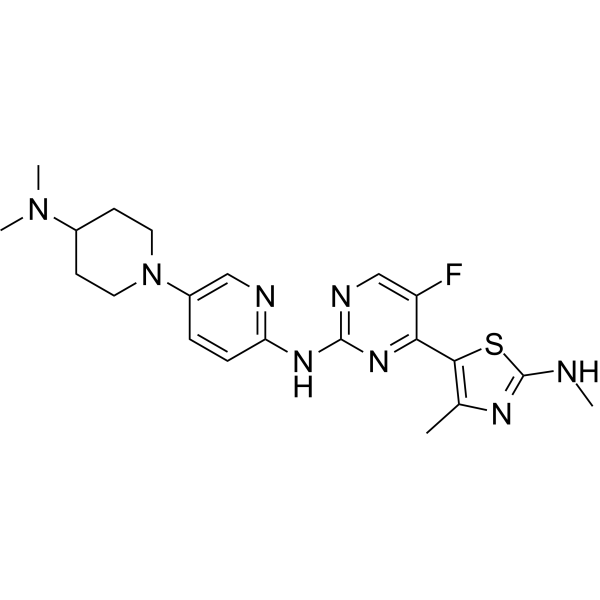
CDK4/6-IN-15 is an orally active and selective CDK4/6 inhibitor. CDK4/6-IN-15 potently inhibits cancer cells growth. CDK4/6-IN-15 arrests cell cycle at G1 phase and suppresses retinoblastoma tumour suppressor protein (Rb) phosphorylation at S780 and E2 factor (E2F)-regulated gene expression .
loading...
    loading...
Cat. No.: HY-149209
CAS No.: 3034487-84-5
Purity:  99.76%
Research Areas:  

Metabolic Disease Cancer

LL-K8-22 is a dual degrader of CDK8 and cyclin C HyT, with DC50 values of 2.52 μM and 2.64 μM, respectively. LL-K8-22 inhibits phosphorylation of STAT1 Ser 727, phosphorylation of the C-terminal domain Ser 2/5 of RNA polymerase II, and phosphorylation of Rb. LL-K8-22 represses E2F- and MYC-driven transcriptional programs and exhibits antiproliferative effects. LL-K8-22 synchronously induces proteasome-dependent selective degradation of CDK8 and cyclin C without degrading CDK19, other CDK family members, or other cyclins. LL-K8-22 can be used in the research of triple-negative breast cancer and colon cancer .
loading...
    loading...
Cat. No.: HY-159805
CAS No.: 2813260-27-2
Target:  

CDK

Research Areas:  

Cancer

CDK2-IN-31 is a CCNE1:CDK2 complex inhibitor with an IC50 of 0.13 μM. CDK2-IN-31 binds to a cryptic allosteric pocket at the CCNE1:CDK2 interface, inducing structural rearrangements of the CDK2 A-loop that disrupt the kinase's active conformation and interfere with substrate binding. CDK2-IN-31 inhibits phosphorylation of retinoblastoma protein 1 (RB1) in CCNE1-dependent ovarian cancer cells. CDK2-IN-31 impairs coenrichment of protein PRC1 with CCNE1-N112C:CDK2 complexes. CDK2-IN-31 can be used for the research of ovarian cancer .
loading...
    loading...
Cat. No.: HY-N0039R
CAS No.: 41753-43-9
Synonyms: Gypenoside III (Standard)
Ginsenoside Rb1 (Standard) is the analytical standard of Ginsenoside Rb1. This product is intended for research and analytical applications. Ginsenoside Rb1, a main constituent of the root of Panax ginseng, inhibits Na +, K +-ATPase activity with an IC50 of 6.3±1.0 μM. Ginsenoside also inhibits IRAK-1 activation and phosphorylation of NF-κB p65 .
loading...
    loading...
Cat. No.: HY-142076A
Purity:  99.04%
Target:  

CDK

Research Areas:  

Cancer

CDK4/6-IN-15 hydrochloride is an orally active and selective CDK4/6 inhibitor. CDK4/6-IN-15 hydrochloride potently inhibits cancer cells growth. CDK4/6-IN-15 hydrochloride arrests cell cycle at G1 phase and suppresses retinoblastoma tumour suppressor protein (Rb) phosphorylation at S780 and E2 factor (E2F)-regulated gene expression .
loading...
    loading...
Cat. No.: HY-156646
CAS No.: 2397678-18-9
Synonyms: BPI-16350
Target:  

CDK

Research Areas:  

Cancer

Tibremciclib (BPI-16350) is an orally active CDK4/6 inhibitor. Tibremciclib selectively inhibits CDK4/cyclin D1 and CDK6/cyclin D1 with IC50 values of 2.21 nM and 0.407 nM, respectively. Tibremciclib blocks Rb phosphorylation and cell cycle progression, and induces G1 phase arrest in Rb-positive tumor cells, exhibiting broad-spectrum anti-tumor cell proliferation activity. Tibremciclib inhibits MATE1 and MATE2-K. Tibremciclib dose-dependently inhibits tumor growth in xenograft models, and shows synergistic effects when combined with Fulvestrant (HY-13636). Tibremciclib can be used for research related to breast cancer .
loading...
    loading...
Cat. No.: HY-168057
CAS No.: 3024971-78-3
Target:  

PROTACs CDK

Research Areas:  

Cancer

PROTAC CDK2 Degrader-1 (Compound 41) is a PROTAC degrader for cyclin-dependent kinase 2 (CDK2). PROTAC CDK2 Degrader-1 inhibits the phosphorylation of RB protein in CDK2 dependent cell line OVCAR3 with an IC50 of 100-500 nM .
loading...
    loading...
Cat. No.: HY-E70678
Target:  

CDK

Research Areas:  

Cancer

CDK3 is a major player driving retinoblastoma (Rb) phosphorylation during the G0/G1 transition and in the early G1 phase of the cell cycle. CDK3 interacts with various transcription factors involved in cell proliferation, differentiation, and transformation driven by the EGFR/Ras signaling pathway. CDK3/CycE1 Recombinant Human Active Protein Kinase is an ortholog of CDK3 .
loading...
    loading...
Cat. No.: HY-E70677
Target:  

CDK

Research Areas:  

Cancer

CDK3 is a major player driving retinoblastoma (Rb) phosphorylation during the G0/G1 transition and in the early G1 phase of the cell cycle. CDK3 interacts with various transcription factors involved in cell proliferation, differentiation, and transformation driven by the EGFR/Ras signaling pathway. CDK3/CycC Recombinant Human Active Protein Kinase is an ortholog of CDK3 .
loading...
    loading...
Cat. No.: HY-E70680
Target:  

CDK

Research Areas:  

Cancer

CDK3 is a major player driving retinoblastoma (Rb) phosphorylation during the G0/G1 transition and in the early G1 phase of the cell cycle. CDK3 interacts with various transcription factors involved in cell proliferation, differentiation, and transformation driven by the EGFR/Ras signaling pathway. CDK3/CycO Recombinant Human Active Protein Kinase is an ortholog of CDK3 .
loading...
    loading...
Cat. No.: HY-P10797
TAT-N24 is a cell-penetrating peptide and also an inhibitor of p55PIK. TAT-N24 disrupts the interactions between p55PIK and p53, PCNA or Rb, blocks the p53-dependent ubiquitin-mediated degradation process, and inhibits the nuclear translocation and phosphorylation of NF-κB p65. TAT-N24 enhances MMS-induced p53-dependent cell apoptosis, inhibits DNA synthesis, reduces the expression of Cyclin D1, and induces cell cycle arrest at the G0/G1 or S phase. TAT-N24 inhibits the activation of NLRP3 and NLRC4 inflammasomes, reduces the expression of ZBP1-PANoptosome components, and suppresses PANoptosis. TAT-N24 can be used in research related to leukemia, colon cancer, cervical cancer, liver cancer, corneal neovascularization, restenosis and acute glaucoma .
loading...
    loading...
Cat. No.: HY-E70679
Target:  

CDK

Research Areas:  

Cancer

CDK3 is a major player driving retinoblastoma (Rb) phosphorylation during the G0/G1 transition and in the early G1 phase of the cell cycle. CDK3 interacts with various transcription factors involved in cell proliferation, differentiation, and transformation driven by the EGFR/Ras signaling pathway. CDK3/CycE2 Recombinant Human Active Protein Kinase is an ortholog of CDK3 .
loading...
    loading...
Cat. No.: HY-189130
CAS No.: 2699091-14-8
Target:  

CDK c-Myc

Research Areas:  

Cancer

CDK4/6-IN-30 is a selective, orally active CDK4 and CDK6 inhibitor with IC50 values of 10 nM and 16 nM, respectively. CDK4/6-IN-30 induces cell cycle arrest at G1 phase, inhibits RB phosphorylation, and decreases c-MYC and Cyclin D1 levels. CDK4/6-IN-30 exhibits anticancer activity against breast cancer. CDK4/6-IN-30 can be used for research on breast cancer .
loading...
    loading...
Cat. No.: HY-189637
Research Areas:  

Cancer

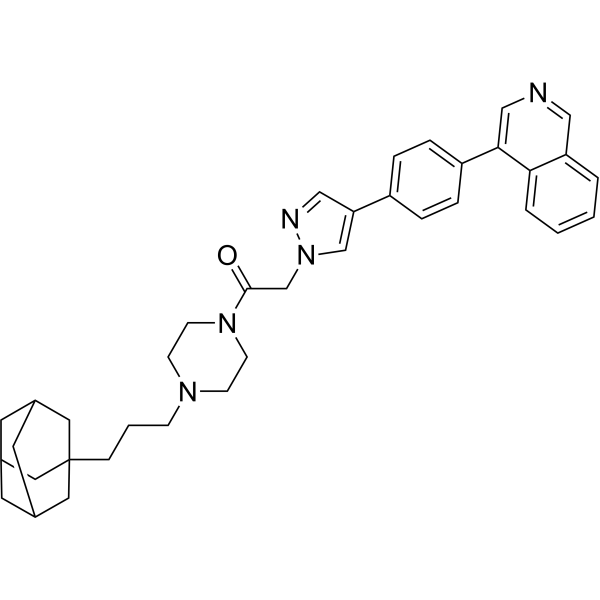
PLK2-IN-1 is a selective PLK2 inhibitor (IC50 0.78 μM). PLK2-IN-1 induces Apoptosis and cell cycle arrest, reduces AKT and mTOR phosphorylation, and decreases Cyclin E expression as well as downregulates the CDK2/Rb/E2F1 axis. PLK2-IN-1 inhibits tumor growth in colorectal cancer xenograft models. PLK2-IN-1 can be used for research on colorectal cancer .
loading...
    loading...

