

21 Results for "

SCID

" in MedChemExpress (MCE) Product Catalog:
Products (21)

21 Results for "SCID" in MCE Product Catalog:

1
1 Cited Publications
Cat. No.: HY-P99588
CAS No.: 705287-60-1
Synonyms: MYO-029

Target:  

TGF-β Receptor

Research Areas:  

Metabolic Disease

Stamulumab (MYO-029) is a recombinant human IgG1λ antibody that binds to myostatin and neutralizes its activity by preventing binding to its endogenous high-affinity receptor ActRIIB. Stamulumab leads to muscle fiber hypertrophy and not hyperplasia in SCID mice. Stamulumab has the potential for Becker muscular dystrophy (BMD), facioscapulohumeral dystrophy (FSHD), and limb-girdle muscular dystrophy (LGMD) research .
loading...
    loading...
Cat. No.: HY-P99488
CAS No.: 2574591-89-0
Synonyms: JSP-191; AMG-191

Target:  

c-Kit

Research Areas:  

Inflammation/Immunology Cancer

Briquilimab (JSP-191 or AMG-191) is a humanized IgG1 monoclonal antibody that binds human CD117 (c-Kit). Briquilimab blocks the interaction between CD117 receptor and stem cell factor on various CD117 expressing tissues. Briquilimab can lead to inhibition of SCF/c-Kit signaling and MC apoptosis. Briquilimab is a non-toxic approach to target and deplete HSC, enabling blood and immune reconstitution with minimal toxicity with the other agents being used for transient immune suppression to prevent immunologic rejection. Briquilimab can be used in various disease research such as severe combined immunodeficiency (SCID), myelodyplastic syndromes (MDS), acute myeloid leukemia (AML), chronic spontaneous urticarial (CSU), chronic inducible urticarial (CIndU) and asthema .
loading...
    loading...
Cat. No.: HY-B1817
CAS No.: 557-34-6
Zinc acetate acts as an immune response modulator. Zinc acetate enhances the expression of HSP-70 mRNA. Zinc acetate restores the proliferation and cytokine production capacities of splenocytes. Zinc acetate reduces the Apoptosis level of splenocytes in endotoxemic mice. Zinc acetate increases plasma zinc levels and improves survival rates in mice with LPS-induced lethal endotoxemia. Zinc acetate induces rapid death of prostate cancer cell lines in vitro. Zinc acetate inhibits the growth of prostate cancer xenografts in SCID mice. Zinc acetate can be used in endotoxemia research .
loading...
    loading...
Cat. No.: HY-172760
CAS No.: 3104363-32-5
Target:  

SARS-CoV

Research Areas:  

Infection

CIM-834 is an orally effective inhibitor of SARS-CoV-2 membrane protein. CIM-834 can prevent the assembly of infectious virus particles without inhibiting the synthesis of viral RNA. CIM-834 can reduce the viral titer in the lungs of SCID mice infected nasally with SARS-CoV-2, block the spread of SARS-CoV-2 among Syrian hamsters, and inhibit the replication of SARS-CoV-2 (including variants) and SARS-CoV. CIM-834 can be used in related research on COVID-19 .
loading...
    loading...
Cat. No.: HY-P991200

Target:  

HCV Claudin

Research Areas:  

Infection

OM-7D3-B3 is an antibody-based antiviral agent targeting the tight junction protein CLDN1 (Kd=4 nM). By binding to the first extracellular domain of CLDN1, OM-7D3-B3 disrupts the formation of the CLDN1-CD81 co-receptor complex, thereby effectively inhibiting the entry of hepatitis C virus (HCV). OM-7D3-B3 not only prevents de novo and chronic HCV infections in humanized liver chimeric mice and uPA-SCID mice transplanted with human livers, but also exhibits favorable safety with no toxic effects observed. OM-7D3-B3 serves as a critical tool for research on HCV infection mechanisms and antiviral drug development .
loading...
    loading...
Cat. No.: HY-169240
CAS No.: 2925583-17-9
Target:  

MDM-2/p53

Research Areas:  

Cancer

MX69-102 (compound MX69-102) is an MDM-2/p53 inhibitor, inducing MDM2 degradation, resulting in p53 activation and cancer cell apoptosis. MX69-102 shows effective inhibition on xenografted human MDM2-overexpressing ALL in SCID mice. .
loading...
    loading...
Cat. No.: HY-W099584
CAS No.: 110-36-1
Synonyms: Myristic SCID butyl ester
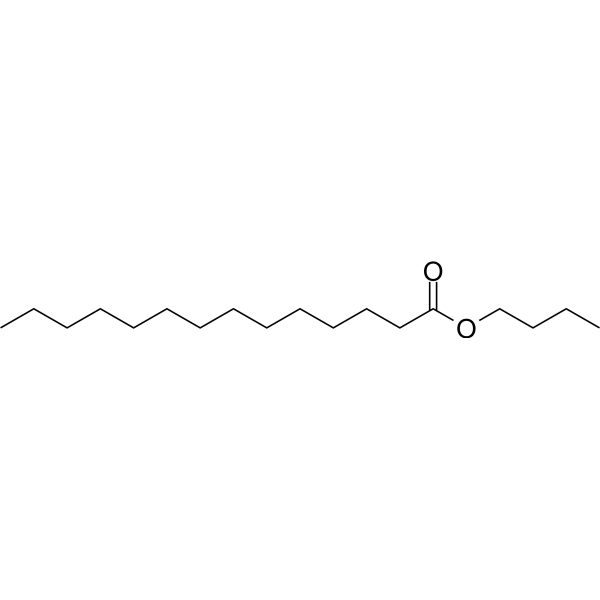
Butyl tetradecanoate is a biochemical reagent that can be used as a biological material or organic compound for life science related research.
loading...
    loading...
Cat. No.: HY-P991542
CAS No.: 1931954-95-8

Target:  

CD19

Research Areas:  

Cancer

GBR-401 is a humanized anti-CD19 monoclonal antibody with high affinity for FcγRIIIa. GBR-401 exerts a potent in vitro and in vivo cytotoxic activity against various B-cell malignancies. GBR-401 induces cell death by antibody dependent cellular cytotoxicity (ADCC) and direct killing effect. GBR-401 demonstrates potent activity of depleting malignant B cells and prolongs mice survival in multiple xenograft severe combined immunodeficiency (SCID) mice models .
loading...
    loading...
Cat. No.: HY-174437
CAS No.: 3047195-48-9
Target:  

FLT3 Apoptosis

Research Areas:  

Cancer

FLT3-IN-32 is a potent and orally active FLT3 inhibitor. FLT3-IN-32 shows high selectivity for FLT3 and efficiently inhibits FLT3-activating mutations and induces apoptosis. FLT3-IN-32 shows good tolerability in non-tumor bearing mice. FLT3-IN-32 demonstrates outstanding anti-tumor efficacy in MV4-11 bearing NOD/SCID mice, prolonging the survival noticeably. FLT3-IN-32 can be used for the research of acute myeloid leukemia .
loading...
    loading...
Cat. No.: HY-RS11152
Research Areas:  

Others

Prkdc Mouse Pre-designed siRNA Set A contains three designed siRNAs for Prkdc gene (Mouse), as well as a negative control, a positive control, and a FAM-labeled negative control.

loading...
    loading...
Cat. No.: HY-P991433

Target:  

TNF Receptor

Research Areas:  

Cancer

BIIB036 is a human IgG1 monoclonal antibody (mAb) targeting TNFRSF12A/Fn14. BIIB036 inhibits the growth of patient-derived primary colorectal tumors in SCID mice .
loading...
    loading...
Cat. No.: HY-118912
CAS No.: 457937-39-2
BMH-9 (Compound Z54) is a modulator for nuclear receptor subfamily 2, group F, member 6 (NR2F6) (also known as nuclear orphan receptor Ear2) . BMH-9 is an activator for p53 signaling pathway through interaction with DNA. BMH-9 inhibits proliferation of human cancer cells, exhibits antitumor efficacy in NOD-SCID mouse models .
loading...
    loading...
Cat. No.: HY-172617
CAS No.: 877810-03-2
Research Areas:  

Cancer

APD-94 is a dual inhibitor targeting tubulin and Bmi-1. APD-94 interfers tubulin normal polymerization. APD-94 suppresses the expression of Bmi-1. APD-94 causes cell cycle arrest at the G2/M phase in cancer cells and induces apoptosis, thus inhibiting cancer cell proliferation. APD-94 represses the growth of HT29 cell xenografts in NOD/SCID mice. APD-94 can be used for colorectal cancer study .
loading...
    loading...
Cat. No.: HY-P991935

Target:  

Apoptosis

Research Areas:  

Cancer

ANT1034 is humanized anti-CD52 antibody. ANT1034 directs antibody dependent and complement dependent cell cytotoxicity, induces Apoptosis when cross-linked or in the presence of a cross-linking antibody. ANT1034 leads to increased survival in a SCID CD52 tumour xenograft model. ANT1034 can be used for the research of B cell malignancies .
loading...
    loading...
Cat. No.: HY-181821
Target:  

Parasite Na+/K+ ATPase

Research Areas:  

Infection

MMV1581361 is a PfATP4 inhibitor and an orally active, transmission-blocking agent with nanomolar activity against Plasmodium falciparum blood-stage isolates. MMV1581361 disrupts sodium ion (Na +) homeostasis in Plasmodium falciparum. MMV1581361 inhibits male gamete exflagellation, reduces oocyst intensity, and blocks transmission of Plasmodium falciparum. MMV1581361 demonstrates efficacy in the humanized Plasmodium falciparum NOD scid IL2Rγ null mouse model. MMV1581361 can be used for the research of malaria .
loading...
    loading...
Cat. No.: HY-118874H
Research Areas:  

Cancer

G4232 is an immune-silent BCL2 antisense oligonucleotide that binds to BCL2 mRNA to induce target degradation and inhibit Bcl-2 protein translation. G4232 carries 5'-methylcytosine in its two CpG motifs, which eliminates CpG-mediated immunostimulatory activity and does not cause significant splenomegaly or elevated plasma IL-12 levels in SCID mice. G4232 induces Apoptosis. G4232 inhibits tumor growth in a melanoma xenograft model. G4232 can be used in studies of melanoma and prostate cancer .
loading...
    loading...
Cat. No.: HY-184178A
Target:  

Apoptosis

Research Areas:  

Cancer

HF-125 is an orally active, highly selective small-molecule inhibitor of Tribbles 2 (TRIB2). HF-125 promotes the destabilization and degradation of TRIB2 protein via the proteasome pathway. HF-125 downregulates neuroendocrine markers, induces cell cycle arrest and apoptosis, inhibits tumor cell colony formation and invasion, and reverses tumor cell resistance to Enzalutamide (HY-70002). HF-125 significantly inhibits tumor growth in SCID mouse xenograft models, and exerts synergistic inhibitory effects when combined with Enzalutamide. HF-125 can be used in research related to prostate cancer .
loading...
    loading...
Cat. No.: HY-148640
CAS No.: 2253985-29-2
Research Areas:  

Cancer

WK500B is a potent and orally active BCL6 inhibitor with a KD of 1.61 μM. WK500B engages intracellular BCL6 and disrupts BCL6‑corepressor interactions to reactivate BCL6 target genes. WK500B exerts cytotoxicity against diffuse large B‑cell lymphoma cells and induces apoptosis and cell cycle arrest. WK500B suppresses germinal center formation in C57BL/6 mice and DLBCL tumor growth in SCID xenograft models without observable toxicity. WK500B can be used for the study of diffuse large B‑cell lymphoma (DLBCL) .
loading...
    loading...
Cat. No.: HY-L008
747 compounds

The Janus kinase (JAK)/signal transducer and activator of transcription (STAT) pathway is central to signaling by cytokine receptors, a superfamily of more than 30 transmembrane proteins that recognize specific cytokines, and is critical in blood formation and immune response. Canonical JAK/STAT signaling begins with the association of cytokines and their corresponding transmembrane receptors. Activated JAKs then phosphorylate latent STAT monomers, leading to dimerization, nuclear translocation, and DNA binding. In mammals, there are four JAKs (JAK1, JAK2, JAK3, TYK2) and seven STATs (STAT1, STAT2, STAT3, STAT4, STAT5a, STAT5b, STAT6). Since the JAK/STAT pathway plays a major role in many fundamental processes, such as apoptosis and inflammation, dysfunctional proteins in the pathway may lead to a number of diseases. For example, alterations in JAK/STAT signalling can result in cancer and diseases affecting the immune system, such as severe combined immunodeficiency disorder (SCID).

MCE provides 747 compounds that can be used in the study of the JAK/STAT signaling pathway and related diseases.

Cat. No.: HY-P86677
Synonyms: B220; CD 45; CD-45; cd45 antigen; ec3.1.3.48; CD45R; GP180; GP180; GP 180; L CA; LCA; L-CA; Leukocyte common antigen; LY5; Ly-5 glycoprotein; Protein tyrosine phosphatase receptor type C; Protein tyrosine phosphatase receptor type c polypeptide; protein tyrosine phosphatase, receptor type, C; Receptor-type tyrosine-protein phosphatase C; PTPRC; PTPRC_HUMAN; SCID due to PTPRC deficiency; T200; T200 glycoprotein; T200 leukocyte common antigen; Human homolog of severe combined immunodeficiency due to PTPRC deficiency.

Host:  

Rabbit

Application:  

WB, IHC-P, IHC-F, IF-Tissue

Reactivity:  

Human

loading...
    loading...

