
556 Results for "

SMAD reporter vector

" in MedChemExpress (MCE) Product Catalog:
Products (556)

556 Results for "SMAD reporter vector" in MCE Product Catalog:

153
153 Publications Verification
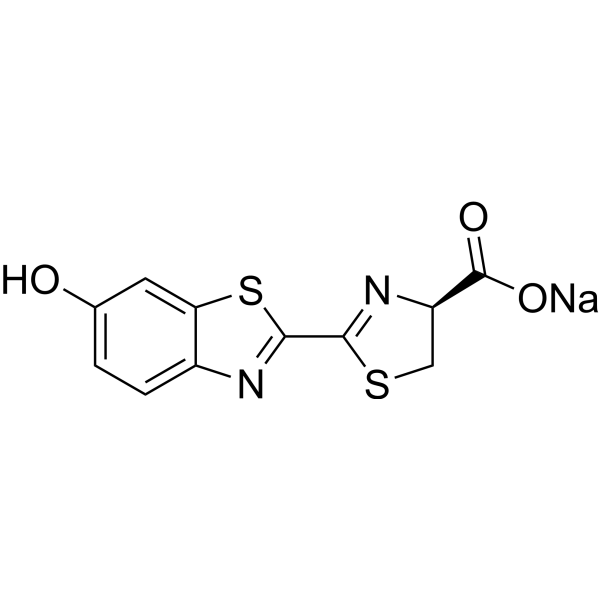
Cat. No.: HY-12591
CAS No.: 103404-75-7
Purity:  99.92%
Synonyms: D-(-)-Luciferin sodium; Firefly luciferin sodium; Beetle Luciferin sodium
D-luciferin sodium is the natural substrate of the enzyme luciferase (Luc) that catalyzes the production of the typical yellowgreen light of fireflies. The 560 nm chemiluminescence from this reaction peaks within seconds, with light output that is proportional to luciferase concentration when the substrate luciferin is present in excess. The luciferase (luc) gene is a popular reporter gene for research and agent screening. Chemiluminescent techniques are virtually background-free, making the luc reporter gene ideal for detecting low-level gene expression. As little as 0.02 pg of luciferase can be reliably measured in a standard scintillation counter. In addition to its role as a reporter of gene expression, luciferase is commonly used in an extremely sensitive assay for ATP . We of er the firefly luciferase (HY-P1004A), luciferin free acid (HY-12591A), as well as its water-soluble sodium salts (HY-12591) and potassium salts (HY-12591B) .
loading...
    loading...
153
153 Publications Verification
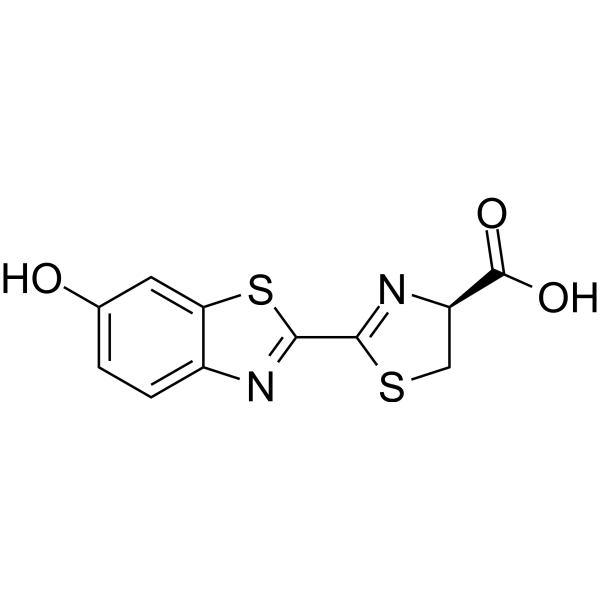
Cat. No.: HY-12591A
CAS No.: 2591-17-5
Purity:  99.54%
Synonyms: D-(-)-Luciferin; Firefly luciferin; Beetle Luciferin
D-luciferin is the natural substrate of the enzyme luciferase (Luc) that catalyzes the production of the typical yellowgreen light of fireflies. The 560 nm chemiluminescence from this reaction peaks within seconds, with light output that is proportional to luciferase concentration when the substrate luciferin is present in excess. The luciferase (luc) gene is a popular reporter gene for research and agent screening. Chemiluminescent techniques are virtually background-free, making the luc reporter gene ideal for detecting low-level gene expression. As little as 0.02 pg of luciferase can be reliably measured in a standard scintillation counter. In addition to its role as a reporter of gene expression, luciferase is commonly used in an extremely sensitive assay for ATP . We of er the firefly luciferase (HY-P1004A), luciferin free acid (HY-12591A), as well as its water-soluble sodium salts (HY-12591) and potassium salts (HY-12591B) .
loading...
    loading...
153
153 Publications Verification
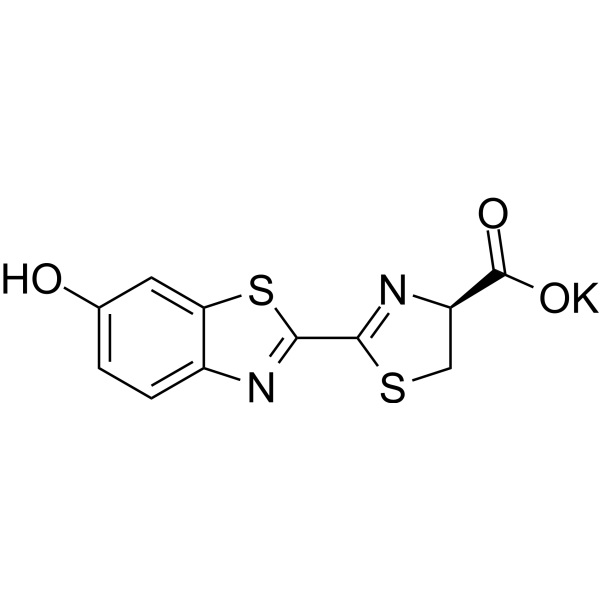
Cat. No.: HY-12591B
CAS No.: 115144-35-9
Purity:  99.97%
Synonyms: D-(-)-Luciferin potassium; Firefly luciferin potassium; Beetle Luciferin potassium
D-luciferin potassium is the natural substrate of the enzyme luciferase (Luc) that catalyzes the production of the typical yellowgreen light of fireflies. The 560 nm chemiluminescence from this reaction peaks within seconds, with light output that is proportional to luciferase concentration when the substrate luciferin is present in excess. The luciferase (luc) gene is a popular reporter gene for research and agent screening. Chemiluminescent techniques are virtually background-free, making the luc reporter gene ideal for detecting low-level gene expression. As little as 0.02 pg of luciferase can be reliably measured in a standard scintillation counter. In addition to its role as a reporter of gene expression, luciferase is commonly used in an extremely sensitive assay for ATP . We offer the firefly luciferase (HY-P1004A), luciferin free acid (HY-12591A), as well as its water-soluble sodium salts (HY-12591) and potassium salts (HY-12591B) .
loading...
    loading...
122
122 Cited Publications
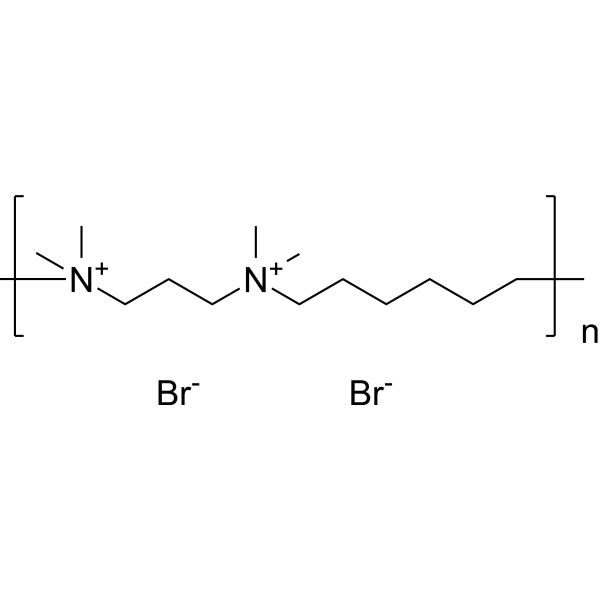
Cat. No.: HY-112735
CAS No.: 28728-55-4
Purity:  99.69%
Synonyms: Polybrene; 1,5-Dimethyl-1,5-diazaundecamethylene polymethobromide
Hexadimethrine bromide (Polybrene) is a cationic polymer used routinely to enhance the efficiency of retrovirus vector-mediated gene transfer .
loading...
    loading...
116
116 Cited Publications
Cat. No.: HY-13013
CAS No.: 521984-48-5
Purity:  99.62%
Target:  

TGF-beta/Smad

Research Areas:  

Inflammation/Immunology

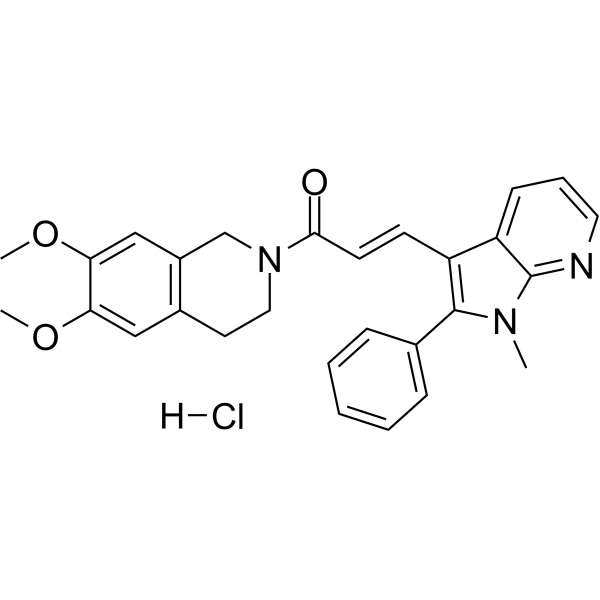
SIS3 is a potent and selective inhibitor of Smad3 with an IC50 of 3 μM for Smad3 phosphorylation. SIS3 inhibits the myofibroblast differentiation of fibroblasts by TGF-β1 .
loading...
    loading...
116
116 Cited Publications
Cat. No.: HY-100444
CAS No.: 521985-36-4
Purity:  98.11%
Target:  

TGF-beta/Smad

Research Areas:  

Inflammation/Immunology

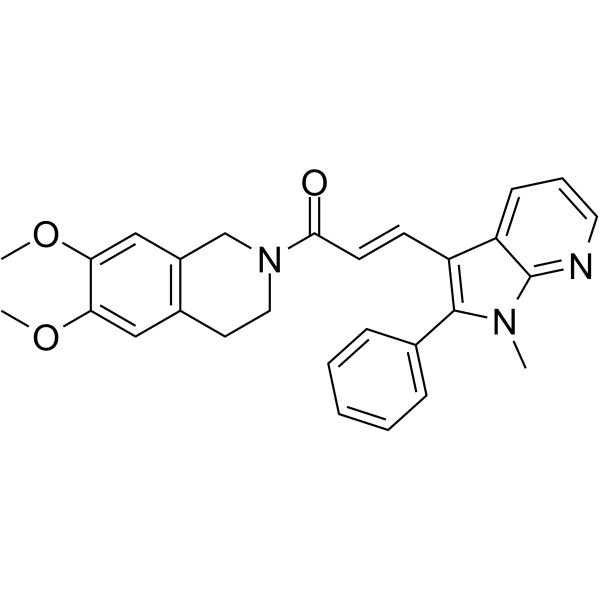
SIS3 free base is a potent and selective inhibitor of Smad3 phosphorylation. SIS3 free base inhibits the myofibroblast differentiation of fibroblasts by TGF-β1. SIS3 free base does not affect the phosphorylation of Smad2 .
loading...
    loading...
91
91 Cited Publications
Cat. No.: HY-114180
CAS No.: 2262452-06-0
Purity:  99.95%
Synonyms: RU320521
Research Areas:  

Metabolic Disease

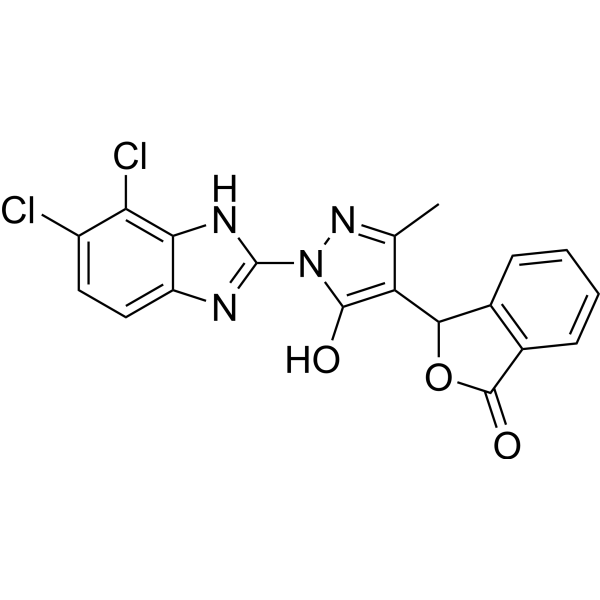
RU.521 (RU320521) is a potent and selective cyclic GMP-AMP synthase (cGAS) inhibitor and inhibits cGAS-mediated interferon upregulation. RU.521 suppresses dsDNA-activated reporter activity with an IC50 of 0.7 μM. RU.521 reduces constitutive expression of interferon in macrophages from a mouse model of Aicardi-Goutières syndrome (AGS) .
loading...
    loading...
23
23 Cited Publications
Cat. No.: HY-N0158
CAS No.: 16837-52-8
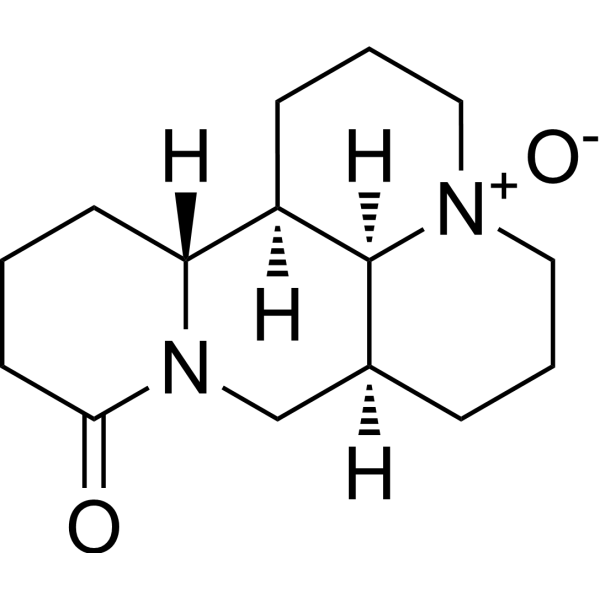
Oxymatrine, an alkaloid from Sophora flavescens Alt. with anti-inflammatory, antifibrosis, and antitumor effects, inhibits the iNOS expression and TGF-β/Smad pathway. Oxymatrine inhibits bocavirus minute virus of canines (MVC) replication, reduces viral gene expression and decreases apoptosis induced by viral infection .
loading...
    loading...
21
21 Cited Publications
Cat. No.: HY-W127378
CAS No.: 144189-73-1
Synonyms: 1,2-Dioleoyl-3-trimethylammonium-propane methylsulfate
Target:  

Liposome

Research Areas:  

Others

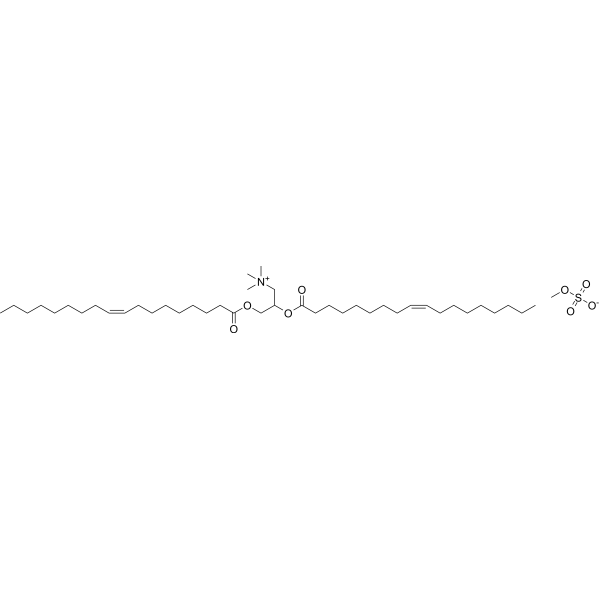
DOTAP methylsulfat is a cationic lipid reagent, a cationic derivative of trimethylammonium, linked to two 18-carbon fatty acid tails, each with a single olefin group. DOTAP methylsulfat can self-assemble with negatively charged ions (such as DNA) to form complexes, which can be adsorbed to the cell membrane surface and enter the cell by electrostatic interaction and endocytosis, respectively. DOTAP methylsulfat promotes endosomal membrane fusion with its own hydrophobic domain, releases DNA into the cytoplasm, and exerts gene delivery function. DOTAP methylsulfat can be widely used in research fields such as gene therapy, cell transfection, and non-viral vector design .
loading...
    loading...
20
20 Cited Publications
Cat. No.: HY-N0439
CAS No.: 16830-15-2
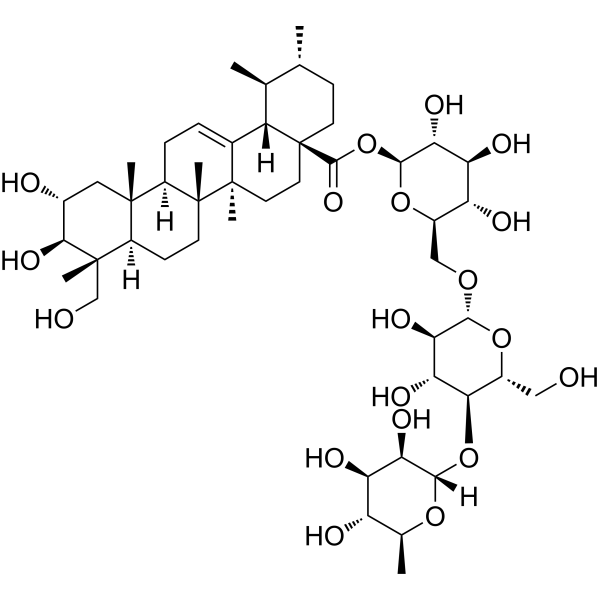
Asiaticoside, a trisaccaride triterpene from Centella asiatica, suppresses TGF-β/Smad signaling through inducing Smad7 and inhibiting TGF-βRI and TGF-βRII in keloid fibroblasts; Asiaticoside shows antioxidant, anti-inflammatory, and anti-ulcer properties.
loading...
    loading...
13
13 Cited Publications
Cat. No.: HY-116084
CAS No.: 1184-78-7
Purity:  ≥98.0%
Trimethylamine N-oxide is a gut microbe-dependent metabolite of dietary choline and other trimethylamine-containing nutrients. Trimethylamine N-oxide induces inflammation by activating the ROS/NLRP3 inflammasome. Trimethylamine N-oxide also accelerates fibroblast-myofibroblast differentiation and induces cardiac fibrosis by activating the TGF-β/smad2 signaling pathway .
loading...
    loading...
13
13 Cited Publications
Cat. No.: HY-108915
CAS No.: 62637-93-8
Purity:  ≥98.0%
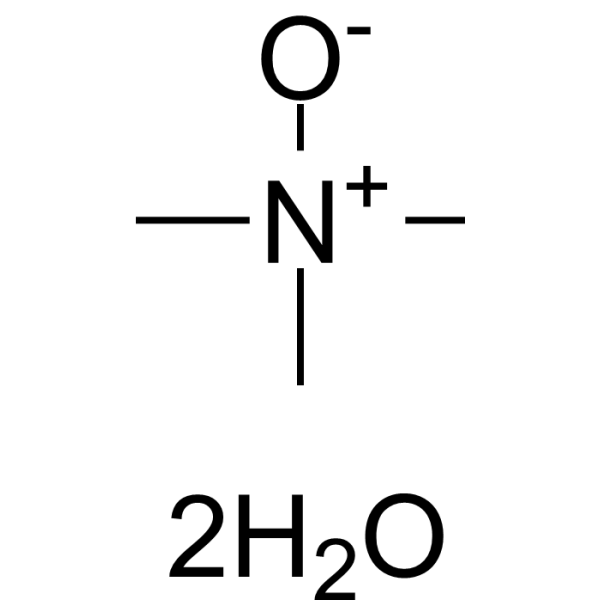
Trimethylamine N-oxide dihydrate is a gut microbe-dependent metabolite of dietary choline and other trimethylamine-containing nutrients. Trimethylamine N-oxide dihydrate induces inflammation by activating the ROS/NLRP3 inflammasome. Trimethylamine N-oxide dihydrate also accelerates fibroblast-myofibroblast differentiation and induces cardiac fibrosis by activating the TGF-β/smad2 signaling pathway .
loading...
    loading...
12
12 Cited Publications
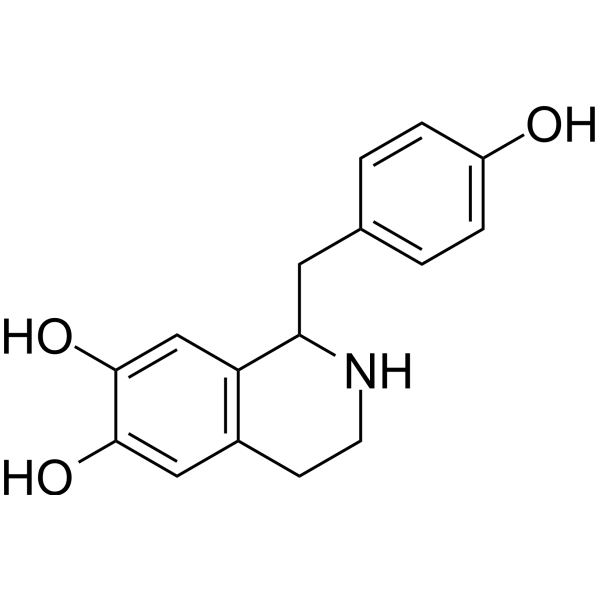
Cat. No.: HY-N2037A
CAS No.: 11041-94-4
Synonyms: Norcoclaurine hydrochloride
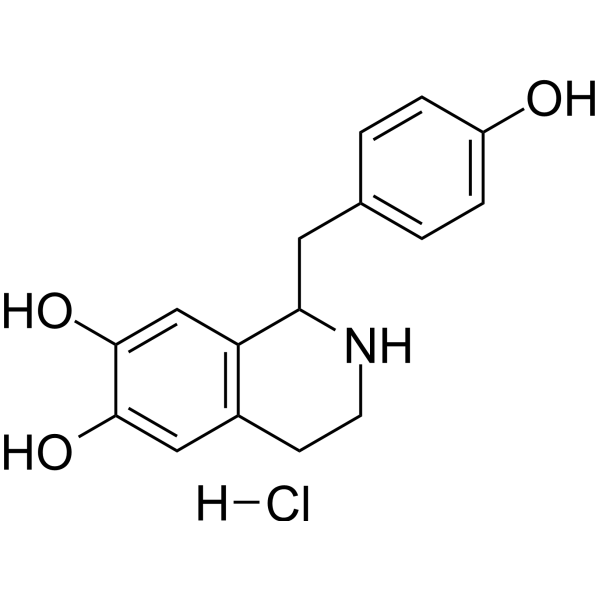
Higenamine hydrochloride is a selective LSD1 inhibitor (IC50=1.47 μM) that can be isolated from aconite. Higenamine hydrochloride has anti-inflammatory and antibacterial activity. Higenamine (Norcoclaurine) can attenuate IL-1β-induced Apoptosis through ROS-mediated PI3K/Akt signaling pathway. Higenamine hydrochloride protects brain cells from oxygen deprivation. Higenamine can promote bone formation in osteoporosis through the SMAD2/3 pathway. Higenamine hydrochloride can be used to study cancer, inflammation, cardiorenal syndrome and other diseases .
loading...
    loading...
12
12 Cited Publications
Cat. No.: HY-N2037
CAS No.: 5843-65-2
Synonyms: Norcoclaurine; Demethyl-Coclaurine
Higenamine (Norcoclaurine), a β2-AR agonist with antioxidant capability, is a key component of the Chinese herb aconite root that prescribes for treating symptoms of heart failure in the oriental Asian countries. Higenamine is also a α1-adrenergic receptor antagonist with hypotensive effect. is a selective LSD1 inhibitor (IC50=1.47 μM) that can be isolated from aconite. Higenamine hydrochloride has anti-inflammatory and antibacterial activity. Higenamine protects myocyte Apoptosis and ischemia/reperfusion (I/R) injury through selective activation of beta2-adrenergic receptor (β2-AR). Higenamine also reduces I/R-induced myocardial infarction in mice. Higenamine can attenuate IL-1β-induced Apoptosis through ROS-mediated PI3K/Akt signaling pathway. Higenamine protects brain cells from oxygen deprivation. Higenamine can promote bone formation in osteoporosis through the SMAD2/3 pathway. Higenamine can be used to study cancer, inflammation, cardiorenal syndrome and other diseases .
loading...
    loading...
11
11 Cited Publications
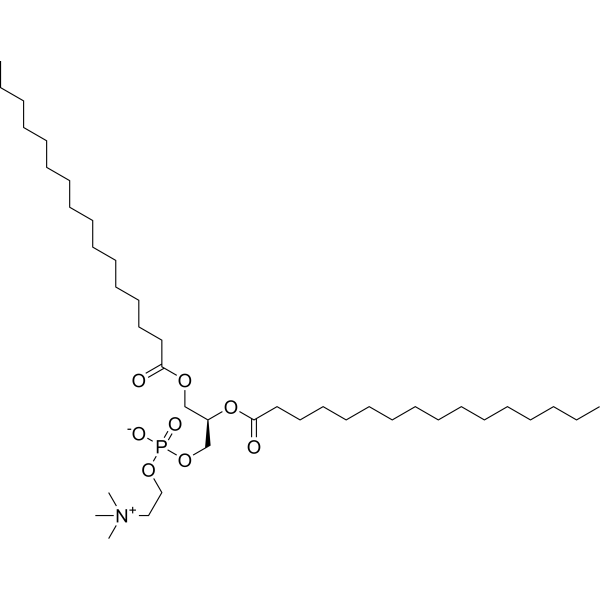
Cat. No.: HY-109506
CAS No.: 63-89-8
Purity:  99.91%
Synonyms: 129Y83
Category:  

Lipids

DPPC (129Y83) is a phosphoglyceride that can be used to prepare lipid monolayers, bilayers, and liposomes. DPPC is the main lipid component of pulmonary surfactant. Dppc-liposome can be effectively used as a delivery vector to induce an immune response against GSL antigen in mice .
loading...
    loading...
10
10 Cited Publications
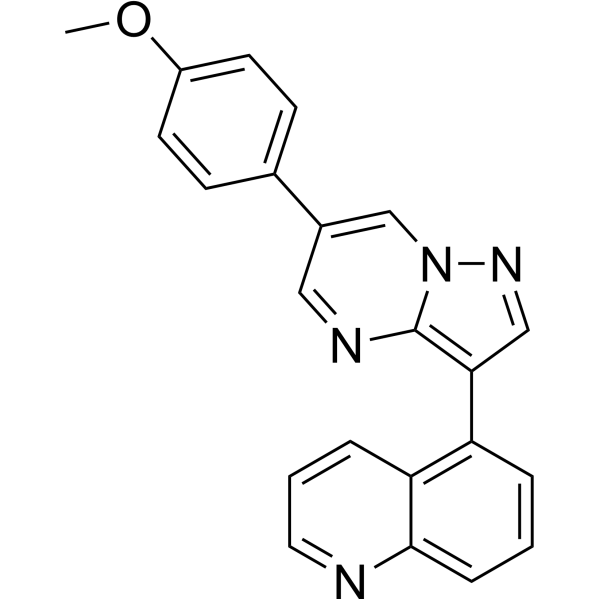
Cat. No.: HY-12274
CAS No.: 1062368-49-3
Purity:  99.94%
Synonyms: LDN 193719
Target:  

TGF-β Receptor

Research Areas:  

Cancer

ML347 (LDN193719) is a highly selective ALK1/ALK2 inhibitor. ML347 has IC50 values of 46 and 32 nM against ALK1 and ALK2, respectively, >300-fold selective over ALK3. ML347 block the phosphorylation of Smad1/5 by TGF-β1 .
loading...
    loading...
10
10 Cited Publications
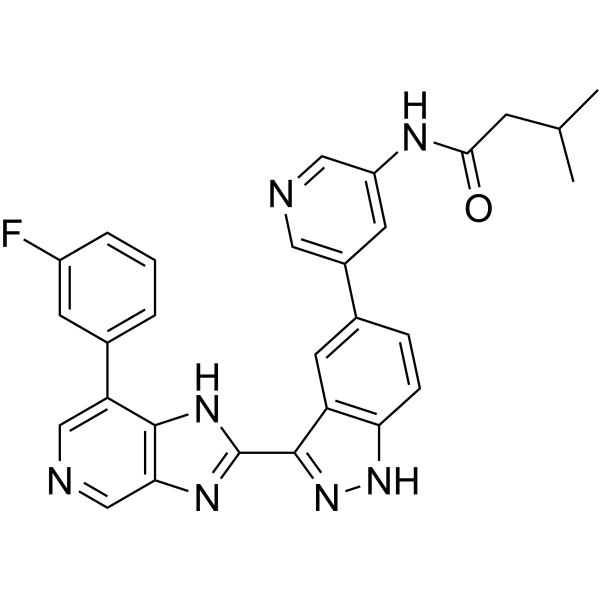
Cat. No.: HY-109049
CAS No.: 1467093-03-3
Purity:  98.85%
Synonyms: SM04690; Lorecivivint
Target:  

Wnt

Research Areas:  

Inflammation/Immunology Cancer

Adavivint (SM04690; Lorecivivint) is a potent and selective inhibitor of canonical Wnt signaling, with an EC50 of 19.5 nM via a high-throughput TCF/LEF-reporter assay in SW480 colon cancer cells .
loading...
    loading...
10
10 Cited Publications
Cat. No.: HY-16714
CAS No.: 33173-53-4
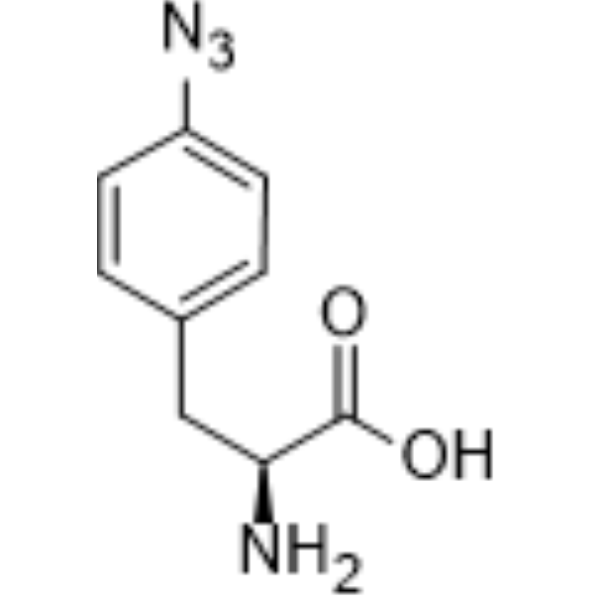
Synonyms: p-Azidophenylalanine; p-Azido-L-phenylalanine
Research Areas:  

Others

4-Azido-L-phenylalanine is an unnatural amino acid, which is used as an effective vibrational reporter of local protein environments. 4-Azido-L-phenylalanine is a click chemistry reagent, it contains an Azide group and can undergo copper-catalyzed azide-alkyne cycloaddition reaction (CuAAc) with molecules containing Alkyne groups. It can also undergo strain-promoted alkyne-azide cycloaddition (SPAAC) reactions with molecules containing DBCO or BCN groups.
loading...
    loading...
10
10 Cited Publications
Cat. No.: HY-16714A
CAS No.: 34670-43-4
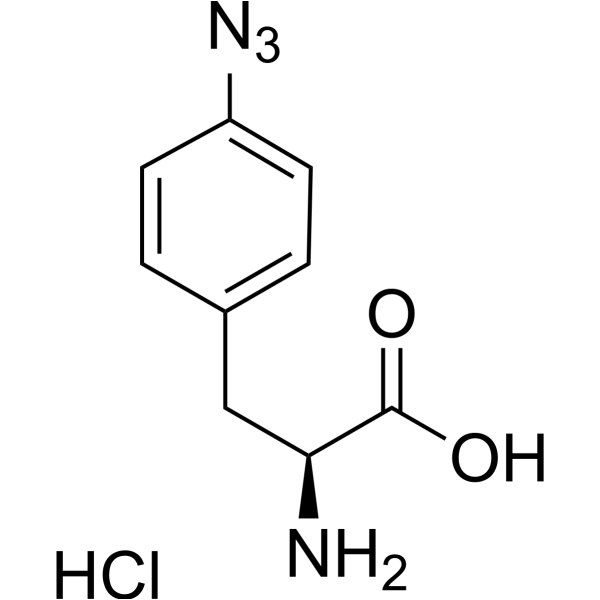
Synonyms: p-Azidophenylalanine hydrochloride; p-Azido-L-phenylalanine hydrochloride
Research Areas:  

Others

4-Azido-L-phenylalanine hydrochloride is an unnatural amino acid, which is used as an effective vibrational reporter of local protein environments. 4-Azido-L-phenylalanine (hydrochloride) is a click chemistry reagent, it contains an Azide group and can undergo copper-catalyzed azide-alkyne cycloaddition reaction (CuAAc) with molecules containing Alkyne groups. It can also undergo strain-promoted alkyne-azide cycloaddition (SPAAC) reactions with molecules containing DBCO or BCN groups.
loading...
    loading...
10
10 Cited Publications
Cat. No.: HY-124697
CAS No.: 100874-08-6
Purity:  99.98%
Target:  

TGF-β Receptor

Research Areas:  

Cancer

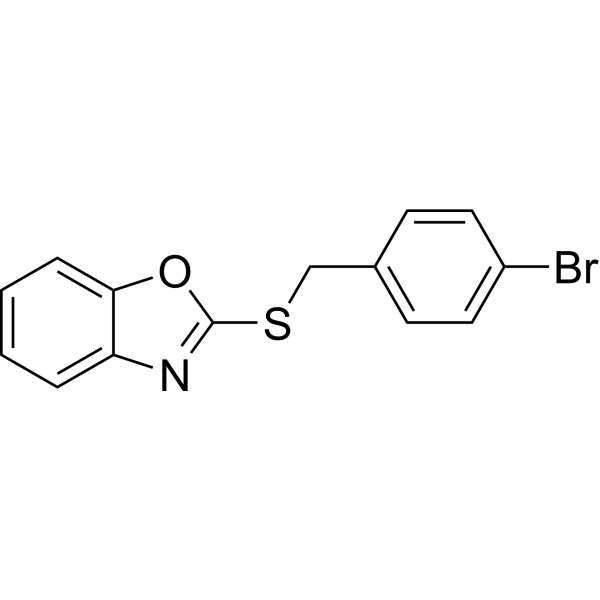
BMP signaling agonist sb4 is a potent benzoxazole bone morphogenetic protein 4 (BMP4) signaling agonist with a EC50 value of 74 nM, activates BMP signaling by stabilizing intracellular p-SMAD-1/5/9. BMP signaling agonist sb4 activates BMP4 target genes (inhibitors of DNA binding,?Id1?and?Id3) canonical BMP signaling .
loading...
    loading...

