144 Results for "

STAT proteins

" in MedChemExpress (MCE) Product Catalog:
Products (144)

144 Results for "STAT proteins" in MCE Product Catalog:

49
49 Publications Verification
Cat. No.: HY-15205
CAS No.: 888216-25-9
Purity:  99.94%
Synonyms: STA-9090
Target:  

HSP Apoptosis

Research Areas:  

Cancer

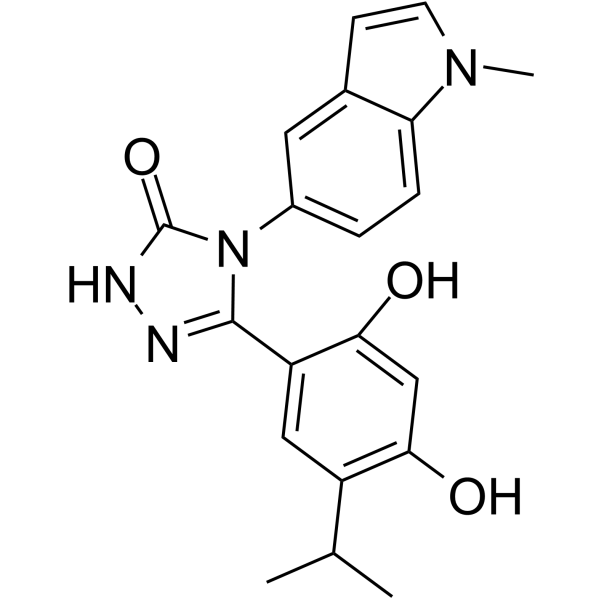
Ganetespib (STA-9090) is a heat shock protein 90 (HSP90) inhibitor which exhibits potent cytotoxicity in a wide variety of hematological and solid tumor cell lines. Ganetespib has antiangiogenic effects in colorectal cancer mediated through inhibition of HIF-1α and STAT3 .
loading...
    loading...
loading...
    loading...
12
12 Cited Publications
Cat. No.: HY-13287
CAS No.: 1025065-69-3
Purity:  99.35%
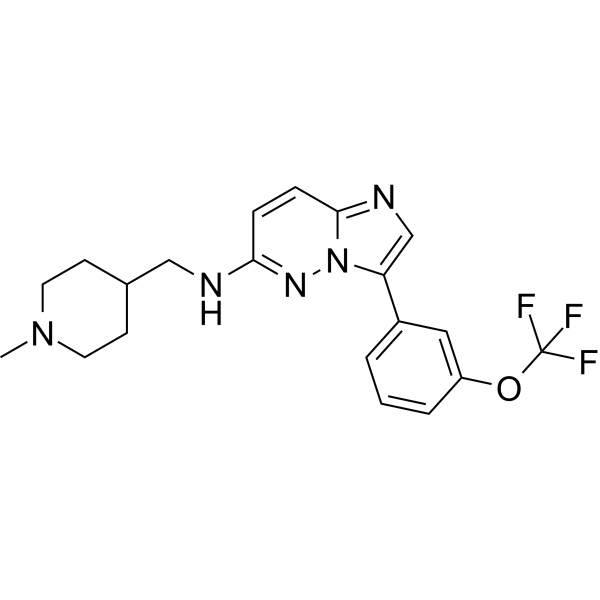
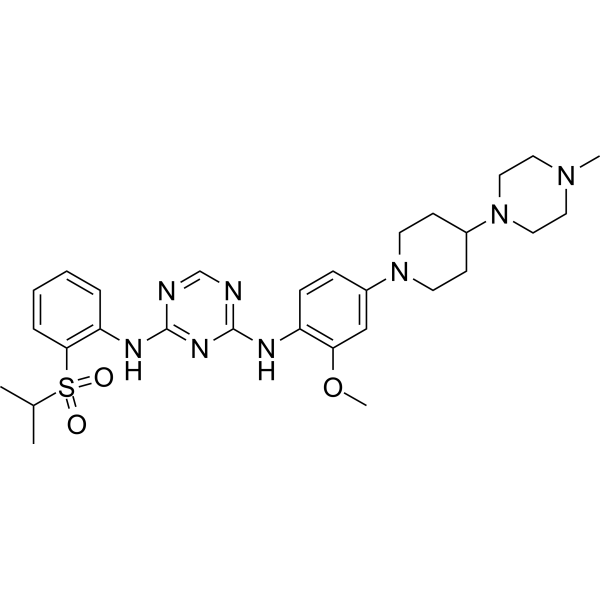
SGI-1776 free base is an orally active Pim kinase and FLT3 inhibitor with IC50 values of 7 nM, 363 nM, 69 nM, and 44 nM for Pim-1, Pim-2, Pim-3, and FLT3, respectively. SGI-1776 free base downregulates C/EBP-α, PPAR-γ, FAS, Leptin, and RANTES, and decreases STAT-3 phosphorylation. SGI-1776 free base induces Apoptosis, cell cycle arrest, mitochondrial depolarization, and reduces RNA synthesis, protein synthesis, and Mcl-1. SGI-1776 free base inhibits adipogenesis and lipid accumulation. SGI-1776 free base has anticancer activity against leukemia .
loading...
    loading...
6
6 Cited Publications
Cat. No.: HY-N0201
CAS No.: 73069-13-3
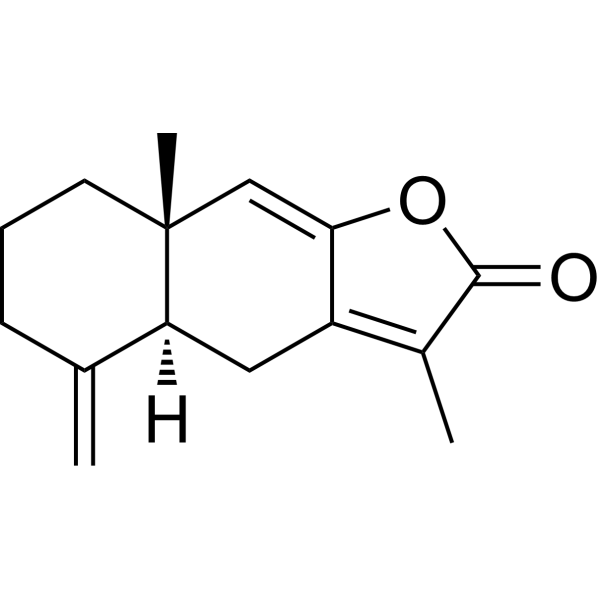
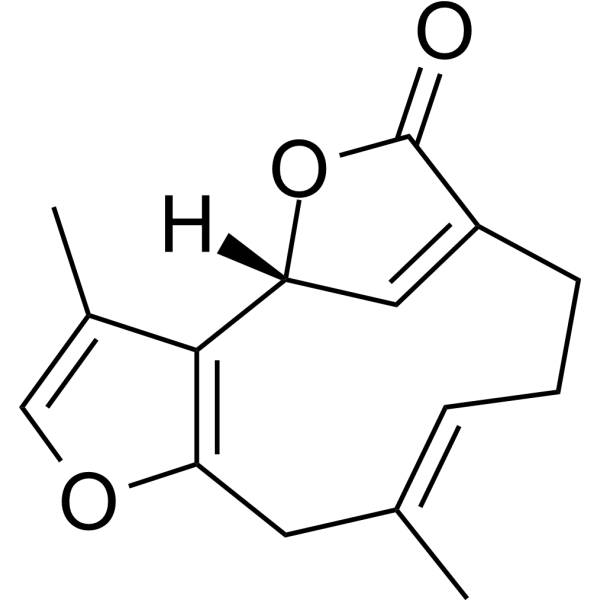
Atractylenolide I is a sesquiterpene derived from the rhizome of Atractylodes macrocephala, possesses diverse bioactivities, such as neuroprotective, anti-allergic, anti-inflammatory and anticancer properties. Atractylenolide I reduces protein levels of phosphorylated JAK2 and STAT3 in A375 cells, and acts as a TLR4-antagonizing agent.
loading...
    loading...
6
6 Cited Publications
Cat. No.: HY-13326
CAS No.: 1097917-15-1
Purity:  99.88%
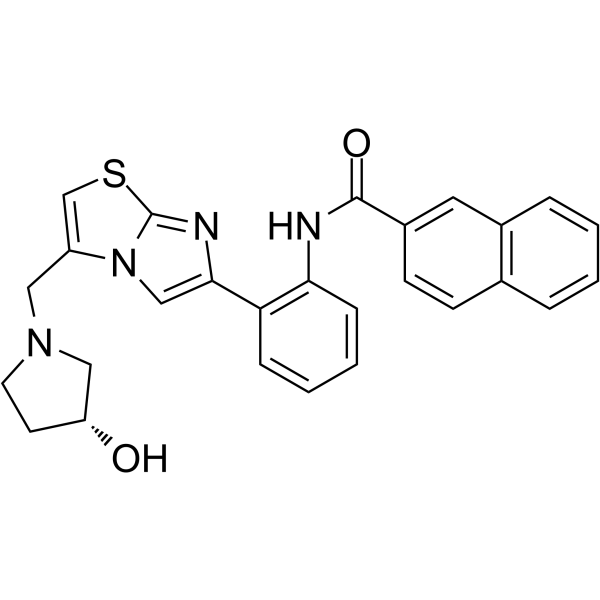
ASP3026 is a selective and orally active inhibitor of anaplastic lymphoma kinase (ALK). ASP3026 is a selective and oral active anaplastic lymphoma kinase (ALK) inhibitor with a IC50 value of 3.5 nM. ASP3026 can inhibit the phosphorylation of IGF-1R, STAT3, AKT and JNK proteins, and induce the cleavage of caspase 3 and PARP. It also inhibited ROS and ACK. ASP3026 can be used in anti-tumor research .
loading...
    loading...
4
4 Cited Publications
Cat. No.: HY-19759
CAS No.: 1001908-89-9
Target:  

Sirtuin Apoptosis

Research Areas:  

Cancer

SRT 2183 is a selective Sirtuin-1 (SIRT1) activator with an EC1.5 value of 0.36 μM . SRT 2183 induces growth arrest and apoptosis, concomitant with deacetylation of STAT3 and NF-κB, and reduction of c-Myc protein levels .
loading...
    loading...
3
3 Cited Publications
Cat. No.: HY-N0781
CAS No.: 728-61-0
Linderalactone is an important sesquiterpene lactone isolated from Lindera aggregata. Linderalactone inhibits cancer growth by modulating the expression of apoptosis-related proteins and inhibition of JAK/STAT signalling pathway. Linderalactone also inhibits the proliferation of the lung cancer A-549 cells with an IC50 of 15 µM .
loading...
    loading...
2
2 Cited Publications
Cat. No.: HY-113066A
CAS No.: 7415-69-2
Purity:  ≥95.0%
Synonyms: GDP disodium salt
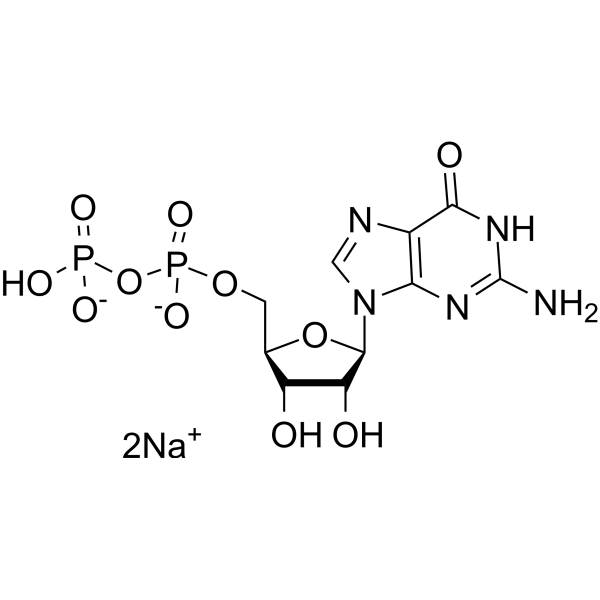
Guanosine 5'-diphosphate (GDP) disodium salt, a purine nucleoside diphosphate, is interconverted to guanosine by the action of exonucleotidase and phosphorylation of nucleoside to guanine. Guanosine 5'-diphosphate disodium salt activates adenosine 5'-triphosphate-sensitive K + channel and is used to study the kinetics and characteristics of GTPases such as those associated with G-protein coupled receptors (GPCR). Guanosine 5'-diphosphate disodium salt is a potential iron mobilizer, which prevents the Hepcidin (HY-P70400)-ferroportin interaction and modulates the interleukin-6 (IL-6)/stat-3 pathway. Elevated levels of guanosine 5’-diphosphate are associated with the pathogenesis of neurological diseases. Guanosine 5'-diphosphate disodium salt is promising for the research of inflammation, such as anemia of inflammation (AI) .
loading...
    loading...
2
2 Cited Publications
Cat. No.: HY-148813
CAS No.: 2984506-77-4
Purity:  99.73%
Target:  

PROTACs STAT

Research Areas:  

Cancer

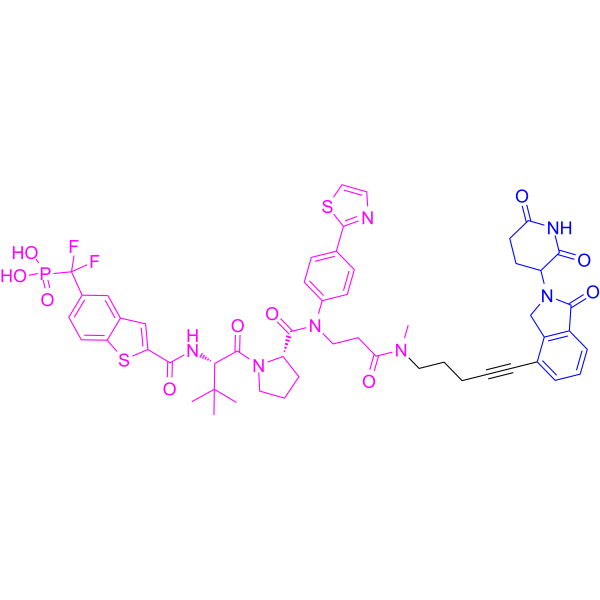
AK-2292 is a potent and selective STAT5 PROTAC degrader, with a DC50 of 0.10 μM. AK-2292 induces degradation of STAT5A/B proteins in vitro and in vivo. AK-2292 can induce tumor regression in acute myeloid leukemia and chronic myeloid leukemia xenograft mouse models . AK-2292 is a click chemistry reagent, it contains an Alkyne group and can undergo copper-catalyzed azide-alkyne cycloaddition (CuAAc) with molecules containing Azide groups.
loading...
    loading...
2
2 Cited Publications
Cat. No.: HY-123919
CAS No.: 2229037-19-6
Purity:  98.15%
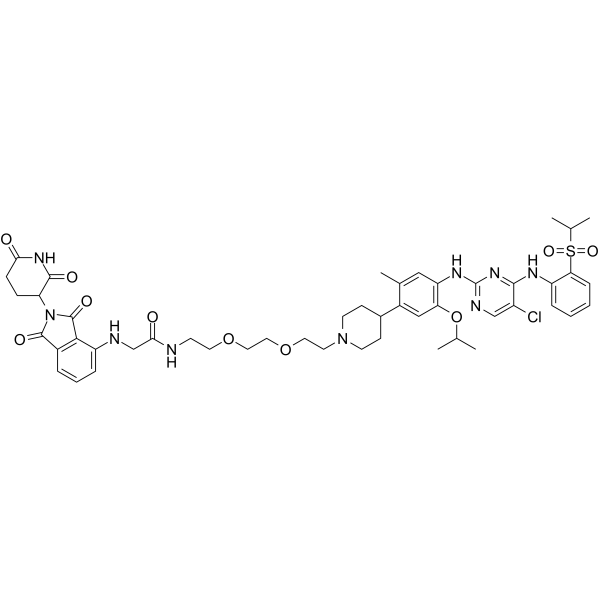
TL13-112 is a ALK PROTAC degrader. TL13-112 degrades the NPM-ALK protein by recruiting the CRBN E3 ligase, thereby blocking oncogenic signal transduction such as STAT3, ERK and AKT, and relieving the transcriptional repression of CD45, CCR7 and PI3Kδ. TL13-112 can be used in related research on anaplastic large cell lymphoma .
loading...
    loading...
2
2 Cited Publications
Cat. No.: HY-N0735
CAS No.: 104112-82-5
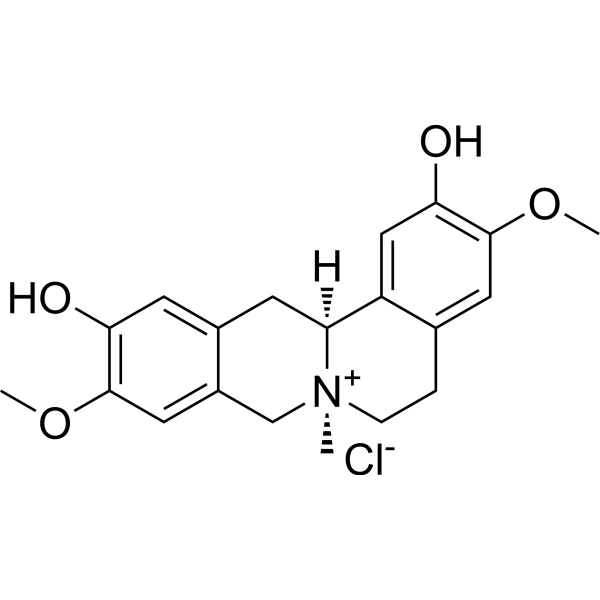
Phellodendrine chloride is an orally active plant alkaloid. Phellodendrine chloride inhibits the proliferation of KRAS-mutated pancreatic cancer cells by suppressing macropinocytosis and glutamine metabolism, inducing ROS accumulation and mitochondrial apoptosis. Phellodendrine chloride promotes autophagy by activating the AMPK/mTOR pathway, alleviating intestinal damage in ulcerative colitis. Phellodendrine chloride can alleviate gouty arthritis by inhibiting the IL-6/STAT3 signaling pathway. Phellodendrine chloride suppresses allergic reactions by altering the conformation of MRGPRB3/MRGPRX2 protein, thereby inhibiting the activation of PKC and subsequent downstream MAPK and NF-κB signaling. Phellodendrine chloride inhibits the AKT/NF-κB pathway and down-regulates the expression of COX-2, thereby protecting zebrafish embryos from oxidative stress. Phellodendrine chloride has an anti-major depressive disorder (MDD) effect by down-regulating CHRM1, HTR1A, and the PI3K/Akt signaling pathway .
loading...
    loading...
2
2 Cited Publications
Cat. No.: HY-118119
CAS No.: 938069-71-7
Purity:  99.12%
CAY10526 is an inhibitor of Y-box binding protein 1 (YB-1) and microsomal prostaglandin E2 synthase 1 (mPGES1). CAY10526 inhibits the production of PGE2 by suppressing YB-1 and mPGES1. CAY10526 induces cell apoptosis (apoptosis) and inhibits the JAK/STAT, TGF-β/Smad3 and PI3K/AKT signaling pathways. CAY10526 can be used in research related to melanoma, prostate cancer, esophageal adenocarcinoma, T-cell lymphoma, etc .
loading...
    loading...
2
2 Cited Publications
Cat. No.: HY-N2000
CAS No.: 2798-25-6
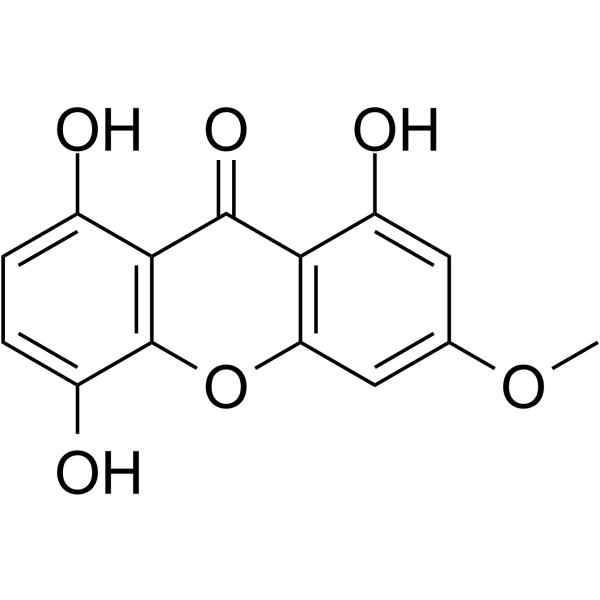
Bellidifolin is an orally active compound with antiproliferative, anti-inflammatory and antioxidant properties. Bellidifolin modulates key signaling pathways including STAT3, PI3K-Akt, mTOR and BRD4, and inhibits the viral protein R (Vpr). Bellidifolin induces cell cycle arrest and apoptosis, exerts significant antifibrotic effects, and protects the heart, liver and nervous system. Bellidifolin is applicable to the research of various diseases such as lung cancer, non-alcoholic fatty liver disease, myocardial hypertrophy and ischemic cranial nerve injury .
loading...
    loading...
2
2 Cited Publications
Cat. No.: HY-N0818
CAS No.: 51415-02-2
Synonyms: Calenduloside F
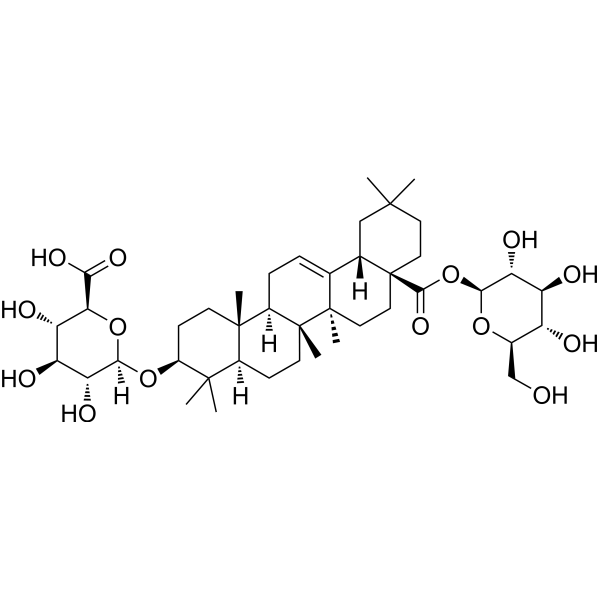
Chikusetsusaponin IVa is an orally active protein kinase activator. Chikusetsusaponin IVa binds to YAP with a KD value of 0.388 mM. Chikusetsusaponin IVa reduces inflammatory mediators (IL-6, IL-10, COX-2) expression, NO production, promotes ROS generation, induces Apoptosis, inhibits MAPK, TAZ, and regulates Nrf2, JAK/STAT. Chikusetsusaponin Iva has anti-H9N2 AIV and anti-endometrial cancer activities. Chikusetsusaponin Iva shows anti-inflammatory, hepatoprotective and osteoprotective effects .
loading...
    loading...
1
1 Cited Publications
Cat. No.: HY-116940
CAS No.: 365542-77-4
Purity:  99.37%
Target:  

Oct3/4 Notch STAT

Research Areas:  

Cancer

Sm4 is a selective and orally active SOX18 inhibitor. Sm4 inhibits SOX18-DNA binding (IC50 = 97.5 μM); Sm4 disrupts the SOX18-RBPJ protein-protein interaction (IC50 = 42.3 μM). Sm4 blocks SOX18 DNA binding, disrupts multiple SOX18 protein-protein interactions with RBPJ, DDX1, DDX17, ILF3, SOX7 and STAT1, modulates SOX18 chromatin binding dynamics. Sm4 exerts anti‑angiogenic and anti‑lymphangiogenic effects, reduces tumor vascular density, triggers vascular defects in zebrafish, prolongs survival in mouse metastatic cancer models. Sm4 can be used for the research of breast cancer .
loading...
    loading...
1
1 Cited Publications
Cat. No.: HY-N0193R
CAS No.: 88495-63-0
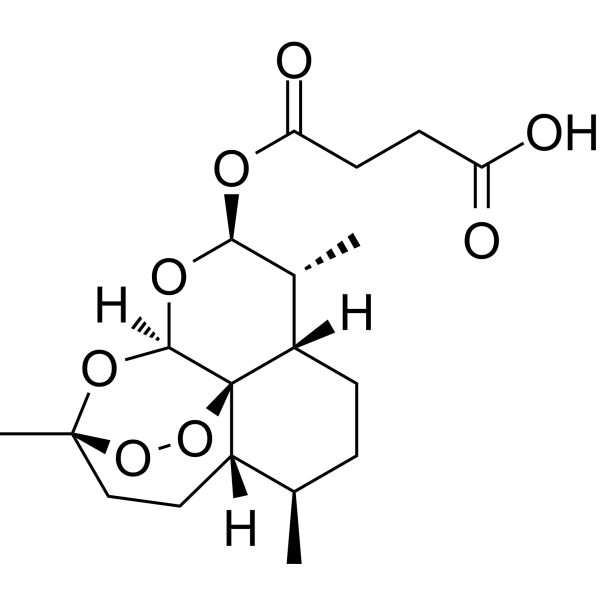
Artesunate (Standard) is the analytical standard of Artesunate. This product is intended for research and analytical applications. Artesunate is an inhibitor of both STAT-3 and exported protein 1 (EXP1).
loading...
    loading...
1
1 Cited Publications
Cat. No.: HY-123467
CAS No.: 28957-08-6
Purity:  99.68%
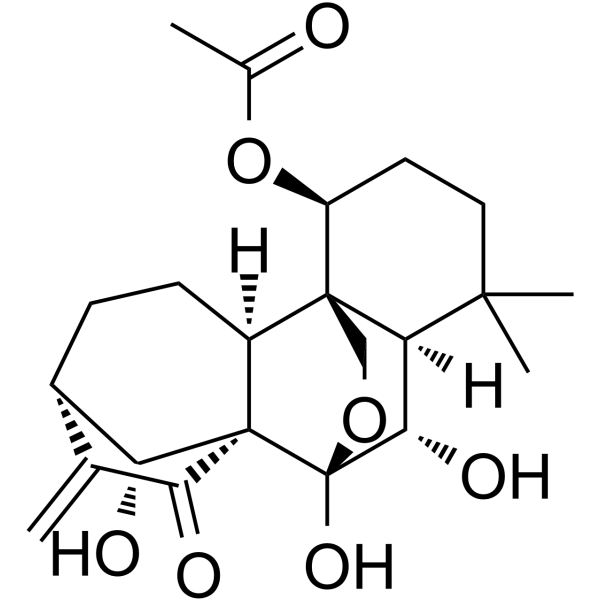
Lasiokaurin is an anticancer agent. Lasiokaurin can be isolated from Rabdosia rubescens (Hemsl.) H. Hara. Lasiokaurin inhibits the function of the PDPK1-AKT axis, with a Kd value of 75.93 μM for PDPK1. Lasiokaurin inhibits mTOR, STAT3, MAPK and NF-κB. Lasiokaurin reduces the mRNA and protein expression levels of PLK1. Lasiokaurin decreases DNA synthesis levels, induces cell Apoptosis, and regulates Autophagy processes. Lasiokaurin inhibits tumor growth in xenograft models. Lasiokaurin can be used in research related to nasopharyngeal carcinoma, triple-negative breast cancer .
loading...
    loading...
1
1 Cited Publications
Cat. No.: HY-119024
CAS No.: 112170-24-8
Purity:  98.88%
Target:  

SHP1 STAT

Research Areas:  

Cancer

BCI-137 is a Argonaute 2 (AGO2) inhibitor. By inhibiting AGO2 function, reducing PTPN6/SHP-1 protein levels and enhancing STAT1 phosphorylation, BCI-137 restores the sensitivity of tumor cells to IFN-γ. BCI-137 effectively enhances the recruitment, activation and cytotoxicity of CD8 + T cells. BCI-137 exerts a synergistic effect with anti-PD-1 antibodies and significantly reduces tumor volume in preclinical mouse models. BCI-137 exhibits favorable safety profiles and does not cause significant weight loss or death in mice. BCI-137 can be used in research related to bladder cancer, colorectal cancer, melanoma and other related fields .
loading...
    loading...
Cat. No.: HY-169179
CAS No.: 2984505-88-4
Target:  

PROTACs STAT

Research Areas:  

Cancer

AK-1690 is a selective PROTAC degrader targeting STAT6 (DC50=1 nM) with a Ki of 6 nM against human STAT6. AK-1690 degrades STAT6 via the interaction of STAT6 with cereblon and a ubiquitin-like process. AK-1690 effectively depletes STAT6 protein in mouse liver and lung tissues, and is applicable to research related to leukemia, Hodgkin's lymphoma, follicular lymphoma, etc. .
loading...
    loading...
Cat. No.: HY-156730
CAS No.: 2502186-79-8
Purity:  96.17%
Target:  

Molecular Glues STAT

Research Areas:  

Cancer

KT-333 is a molecular glues that degrades STAT3 protein. KT-333 mediates the selective degradation of STAT3 through the ubiquitin-proteasome system by binding to STAT3 protein and E3 ubiquitin ligase von Hippel-Lindau protein (VHL). KT-333 has strong selectivity for STAT3 protein degradation and good antitumor activity. KT-333 can be used in the study of hematologic malignancies such as large granular lymphocytic leukemia (LGL-L), peripheral T-cell lymphoma (PTCL), and cutaneous T-cell lymphoma (CTCL) .
loading...
    loading...

