491 Results for "

Signaling molecule

" in MedChemExpress (MCE) Product Catalog:
Products (491)

491 Results for "Signaling molecule" in MCE Product Catalog:

550
550 Publications Verification
Cat. No.: HY-11109
CAS No.: 243984-11-4
Purity:  98.92%
Synonyms: TAK-242; CLI-095
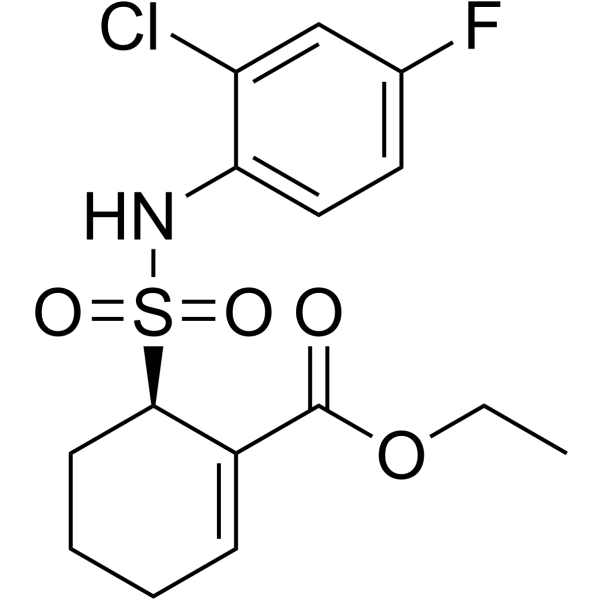
Resatorvid (TAK-242) is a selective Toll-like receptor 4 (TLR4) inhibitor. Resatorvid inhibits NO, TNF-α and IL-6 production with IC50s of 1.8 nM, 1.9 nM and 1.3 nM, respectively. Resatorvid downregulates expression of TLR4 downstream signaling molecules MyD88 and TRIF. Resatorvid inhibits autophagy and plays pivotal role in various inflammatory diseases .
loading...
    loading...
182
182 Cited Publications
Cat. No.: HY-B2176
CAS No.: 56-65-5
Synonyms: Adenosine 5'-triphosphate
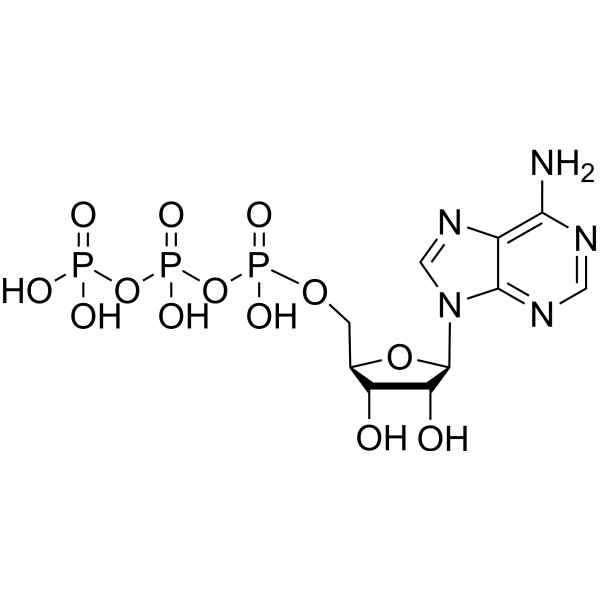
ATP (Adenosine 5'-triphosphate) is a central component of energy storage and metabolism in vivo. ATP provides the metabolic energy to drive metabolic pumps and serves as a coenzyme in cells. ATP is an important endogenous signaling molecule in immunity and inflammation. ATP can activate the NLRP3 inflammasome and induce IL-1β and chemokines secretion. ATP has anti-bacterial infection effects and can protect mice against bacterial infection in mice .
loading...
    loading...
182
182 Cited Publications
Cat. No.: HY-B2176B
CAS No.: 74804-12-9
Synonyms: Adenosine 5'-triphosphate dimagnesium
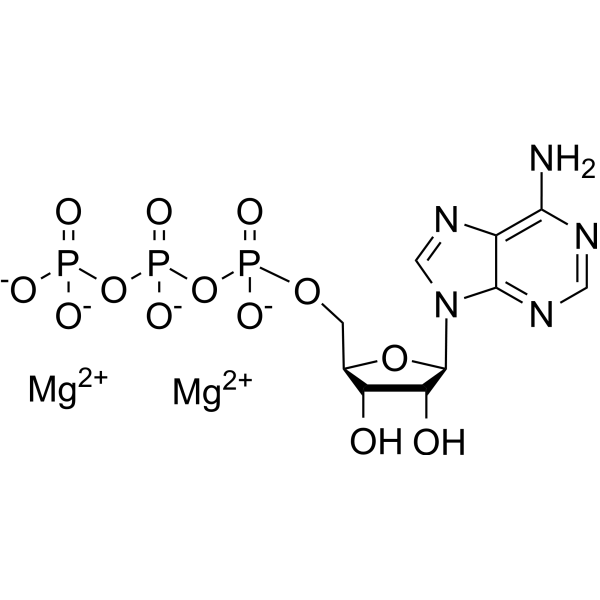
ATP (Adenosine 5'-triphosphate) dimagnesium is a central component of energy storage and metabolism in vivo. ATP dimagnesium provides the metabolic energy to drive metabolic pumps and serves as a coenzyme in cells. ATP dimagnesium is an important endogenous signaling molecule in immunity and inflammation. ATP dimagnesium can activate the NLRP3 inflammasome and induce IL-1β and chemokines secretion. ATP dimagnesium has anti-bacterial infection effects and can protect mice against bacterial infection in mice .
loading...
    loading...
182
182 Cited Publications
Cat. No.: HY-B2176A
CAS No.: 51963-61-2
Synonyms: Adenosine-5'-triphosphate disodium trihydrate
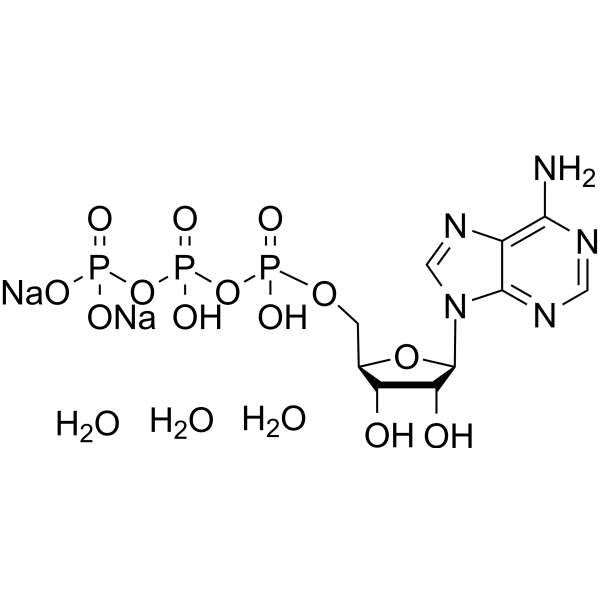
ATP (Adenosine 5'-triphosphate) disodium trihydrate is a central component of energy storage and metabolism in vivo. ATP disodium trihydrate provides the metabolic energy to drive metabolic pumps and serves as a coenzyme in cells. ATP disodium trihydrate is an important endogenous signaling molecule in immunity and inflammation. ATP disodium trihydrate can activate the NLRP3 inflammasome and induce IL-1β and chemokines secretion. ATP disodium trihydrate has anti-bacterial infection effects and can protect mice against bacterial infection in mice .
loading...
    loading...
179
179 Cited Publications
Cat. No.: HY-B0345A
CAS No.: 987-65-5
Synonyms: Adenosine 5'-triphosphate disodium salt; Disodium adenosine triphosphate
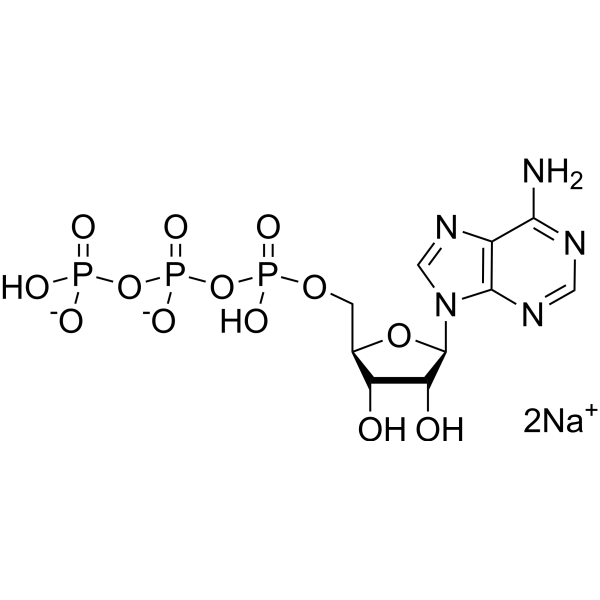
ATP disodium salt (Adenosine 5'-triphosphate disodium salt) is a central component of energy storage and metabolism in vivo, provides the metabolic energy to drive metabolic pumps and serves as a coenzyme in cells. ATP disodium salt is an important endogenous signaling molecule in immunity and inflammation .
loading...
    loading...
175
175 Cited Publications
Cat. No.: HY-W010735
CAS No.: 34369-07-8
Synonyms: Adenosine 5'-triphosphate disodium salt hydrate
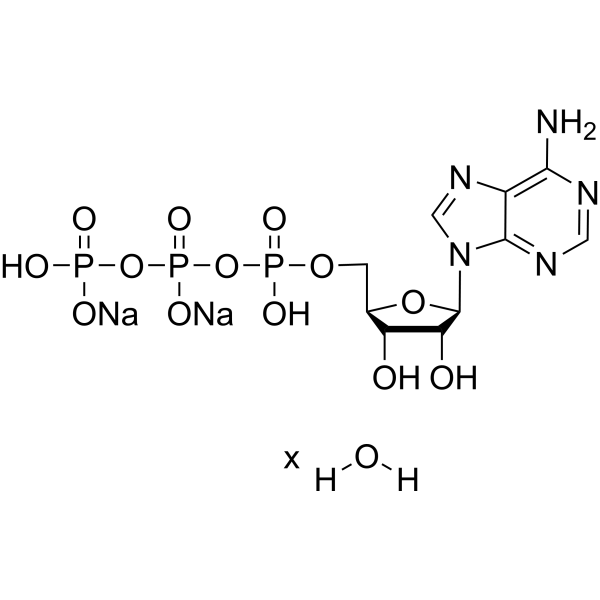
ATP (Adenosine 5'-triphosphate) disodium salt hydrate is a central component of energy storage and metabolism in vivo. ATP disodium salt hydrate provides the metabolic energy to drive metabolic pumps and serves as a coenzyme in cells. ATP disodium salt hydrate is an important endogenous signaling molecule in immunity and inflammation. ATP disodium salt hydrate can activate the NLRP3 inflammasome and induce IL-1β and chemokines secretion. ATP disodium salt hydrate has anti-bacterial infection effects and can protect mice against bacterial infection in mice .
loading...
    loading...
172
172 Cited Publications
Cat. No.: HY-B2176C
CAS No.: 42373-41-1
Synonyms: Adenosine 5'-triphosphate dipotassium
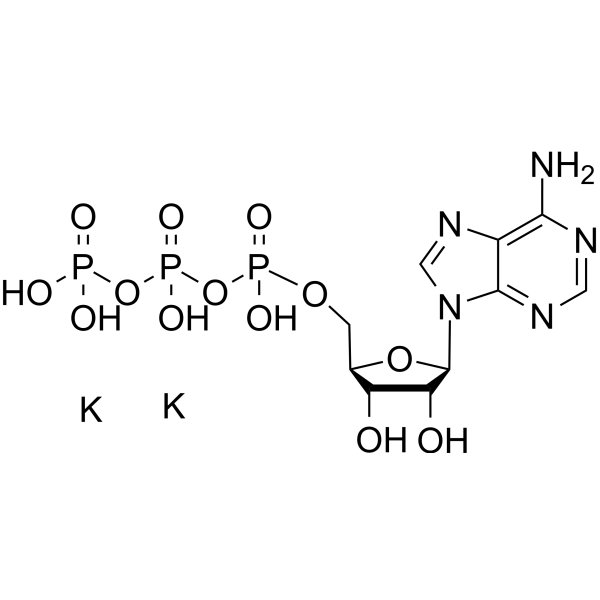
ATP (Adenosine 5'-triphosphate) dipotassium is a central component of energy storage and metabolism in vivo. ATP dipotassium provides the metabolic energy to drive metabolic pumps and serves as a coenzyme in cells. ATP dipotassium is an important endogenous signaling molecule in immunity and inflammation. ATP dipotassium can activate the NLRP3 inflammasome and induce IL-1β and chemokines secretion. ATP dipotassium has anti-bacterial infection effects and can protect mice against bacterial infection in mice .
loading...
    loading...
172
172 Cited Publications
Cat. No.: HY-B2176E
CAS No.: 1476-84-2
Synonyms: Adenosine 5'-triphosphate magnesium
ATP (Adenosine 5'-triphosphate) magnesium is a central component of energy storage and metabolism in vivo. ATP magnesium provides the metabolic energy to drive metabolic pumps and serves as a coenzyme in cells. ATP magnesium is an important endogenous signaling molecule in immunity and inflammation. ATP magnesium can activate the NLRP3 inflammasome and induce IL-1β and chemokines secretion. ATP magnesium has anti-bacterial infection effects and can protect mice against bacterial infection in mice .
loading...
    loading...
172
172 Cited Publications
Cat. No.: HY-B2176I
CAS No.: 987-65-5
Synonyms: Adenosine 5'-triphosphate disodium salt, 100 mM Solution, PCR Grade
ATP (Adenosine 5'-triphosphate) disodium salt, 100 mM Solution, PCR Grade is a central component of energy storage and metabolism in vivo. ATP disodium salt, 100 mM Solution, PCR Grade provides the metabolic energy to drive metabolic pumps and serves as a coenzyme in cells. ATP disodium salt, 100 mM Solution, PCR Grade is an important endogenous signaling molecule in immunity and inflammation. ATP disodium salt, 100 mM Solution, PCR Grade can activate the NLRP3 inflammasome and induce IL-1β and chemokines secretion. ATP disodium salt, 100 mM Solution, PCR Grade has anti-bacterial infection effects and can protect mice against bacterial infection in mice .
loading...
    loading...
70
70 Cited Publications
Cat. No.: HY-N0003
CAS No.: 35354-74-6
Synonyms: NSC 293100
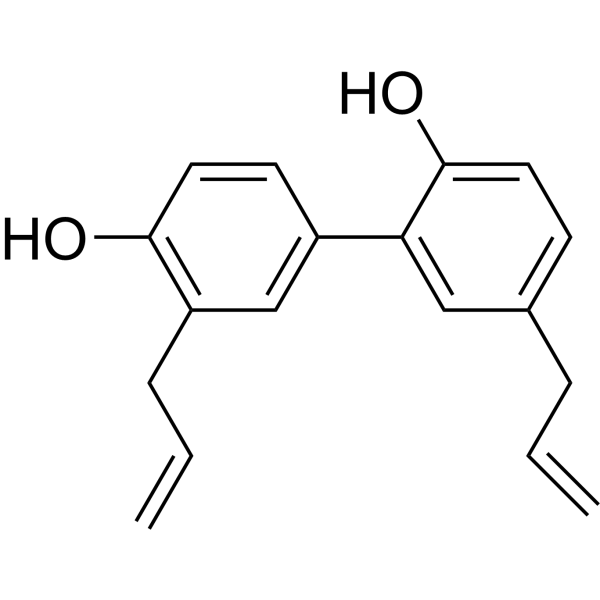
Honokiol is a bioactive, biphenolic phytochemical that possesses potent antioxidative, anti-inflammatory, antiangiogenic, and anticancer activities by targeting a variety of signaling molecules. It inhibits the activation of Akt. Honokiol can readily cross the blood brain barrier .
loading...
    loading...
65
65 Cited Publications
Cat. No.: HY-B0389
CAS No.: 50-99-7
Synonyms: Glucose; D-(+)-Glucose; Dextrose
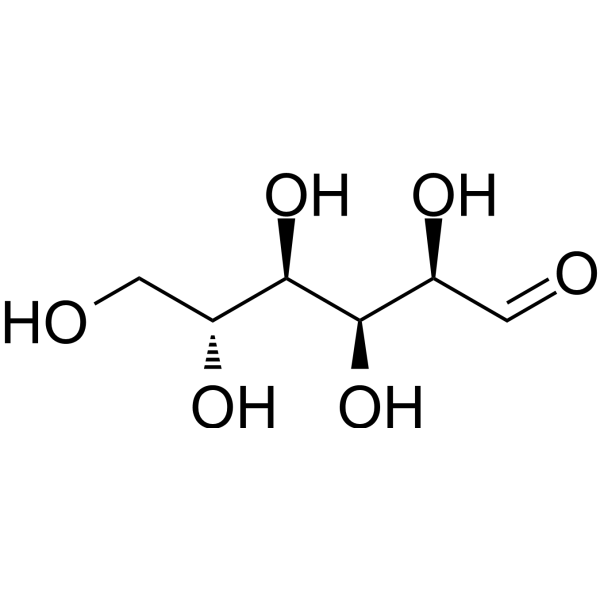
D-Glucose is the naturally occurring form of glucose and the most abundant monosaccharide. D-Glucose is a critical components of the general metabolism, and serve as critical signaling molecules in relation to both cellular metabolic status and biotic or abiotic stress response .
loading...
    loading...
33
33 Cited Publications
Cat. No.: HY-13771A
CAS No.: 2898-95-5
Purity:  99.06%
Synonyms: Ursodeoxycholate sodium; Ursodiol sodium; UCDA sodium
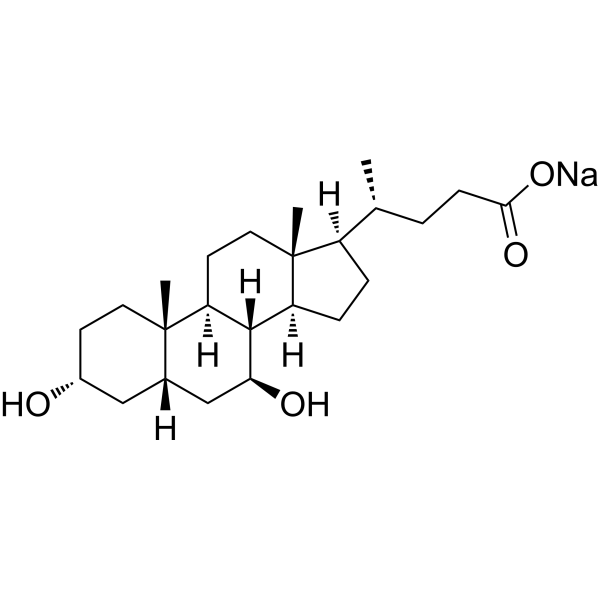
Ursodeoxycholic acid (Ursodeoxycholate) sodium is a secondary bile acid issued from the transformation of (cheno)deoxycholic acid by intestinal bacteria, acting as a key regulator of the intestinal barrier integrity and essential for lipid metabolism. Ursodeoxycholic acid sodium acts as signaling molecule, exerting its effects by interacting with bile acid activated receptors, including G-protein coupled bile acid receptor 5 (TGR5, GPCR19) and the farnesoid X receptor (FXR). Ursodeoxycholic acid sodium can be used for the research of a variety of hepatic and gastrointestinal diseases. Orally active .
loading...
    loading...
33
33 Cited Publications
Cat. No.: HY-13771
CAS No.: 128-13-2
Purity:  99.94%
Synonyms: Ursodeoxycholate; Ursodiol; UDCA
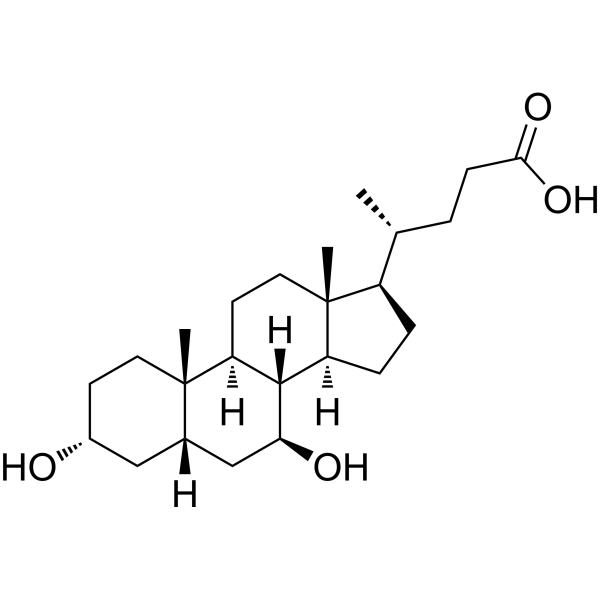
Ursodeoxycholic acid (Ursodeoxycholate) is a secondary bile acid issued from the transformation of (cheno)deoxycholic acid by intestinal bacteria, acting as a key regulator of the intestinal barrier integrity and essential for lipid metabolism. Ursodeoxycholic acid acts as signaling molecule, exerting its effects by interacting with bile acid activated receptors, including G-protein coupled bile acid receptor 5 (TGR5, GPCR19) and the farnesoid X receptor (FXR). Ursodeoxycholic acid can be used for the research of a variety of hepatic and gastrointestinal diseases. Ursodeoxycholic acid also reduces ACE2 expression and is beneficial for reducing SARS-CoV-2 infection. Orally active .
loading...
    loading...
30
30 Cited Publications
Cat. No.: HY-B1511
CAS No.: 60-92-4
Synonyms: Cyclic adenosine monophosphate; Adenosine cyclic 3', 5'-monophosphate; cAMP
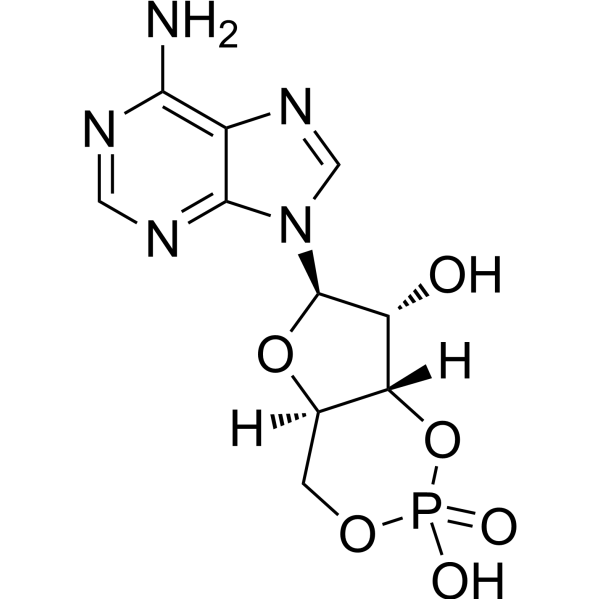
Cyclic AMP (Cyclic adenosine monophosphate), adenosine triphosphate derivative, is an intracellular signaling molecule responsible for directing cellular responses to extracellular signals. Cyclic AMP is an important second messenger in many biological processes .
loading...
    loading...
30
30 Cited Publications
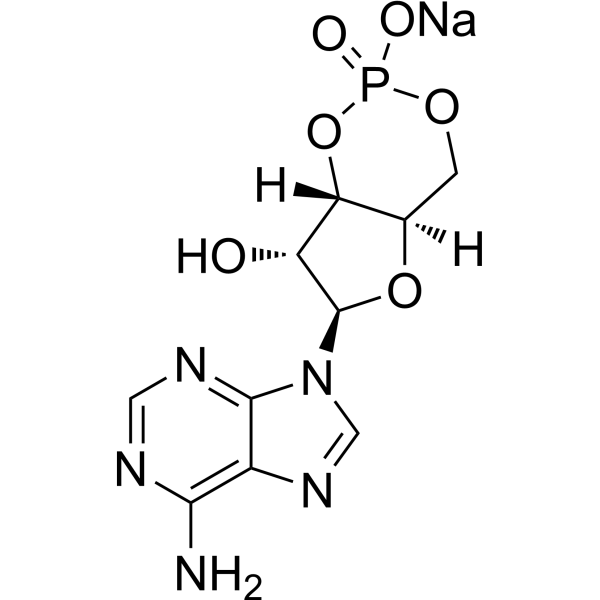
Cat. No.: HY-B1511A
CAS No.: 37839-81-9
Synonyms: Cyclic adenosine monophosphate sodium; Adenosine cyclic 3', 5'-monophosphate sodium; cAMP sodium
Cyclic AMP (Cyclic adenosine monophosphate) sodium, adenosine triphosphate derivative, is an intracellular signaling molecule responsible for directing cellular responses to extracellular signals. Cyclic AMP sodium is an important second messenger in many biological processes .
loading...
    loading...
19
19 Cited Publications
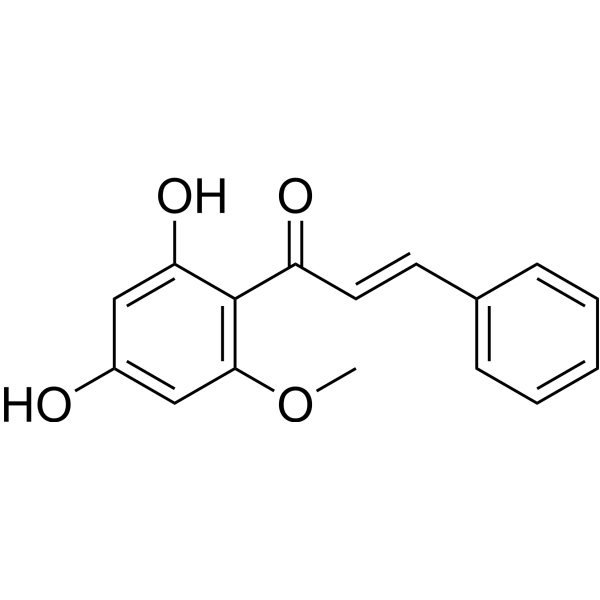
Cat. No.: HY-N0279
CAS No.: 18956-16-6
Synonyms: Cardamomin; Alpinetin chalcone
Cardamonin can be found from cardamom, and can target various signaling molecules, transcriptional factors, cytokines and enzymes. Cardamonin can inhibit mTOR, NF-κB, Akt, STAT3, Wnt/β-catenin and COX-2. Cardamonin shows anticancer, anti-inflammatory, antimicrobial and antidiabetic activities .
loading...
    loading...
13
13 Cited Publications
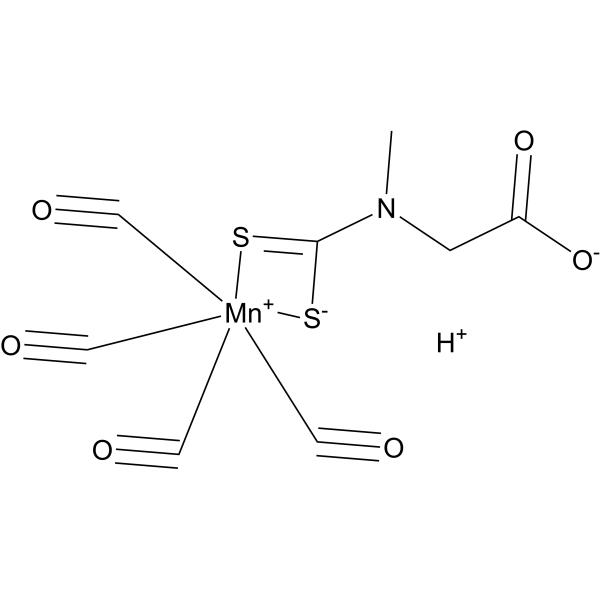
Cat. No.: HY-109804
CAS No.: 1001015-18-4
Purity:  98.27%
Research Areas:  

Inflammation/Immunology

CORM-401 is an oxidant-sensitive CO-releasing molecule. CORM-401 induces NO increase in the regulation of endothelial calcium signalling. CORM-401 reduces TNF-α/CHX and H2O2-induced ROS production. CORM-401 uncouples mitochondrial respiration and inhibits glycolysis .
loading...
    loading...
13
13 Cited Publications
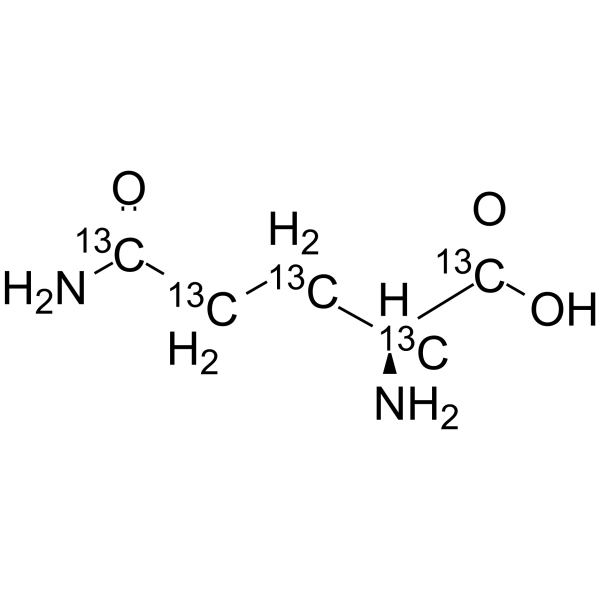
Cat. No.: HY-N0390S1
CAS No.: 184161-19-1
Synonyms: L-Glutamic acid 5-amide-13C5
L-Glutamine- 13C5 is the 13C-labeled L-Glutamine (HY-N0390). L-Glutamine is an orally active nutritional agent and cellular metabolism regulator. L-Glutamine is taken up in a Na +-dependent manner and targets multiple key molecules including glutaminase, mTORC1, NF-κB, STAT-3 and HIF-1α. L-Glutamine enhances glutaminolytic catabolism, drives the conversion of glutamate to α-ketoglutarate, thereby regulating gene expression, integrating metabolic signals, mediating glutamine flux and maintaining redox homeostasis. L-Glutamine also promotes cell proliferation, osteogenic differentiation and fracture healing, exerts neuroprotective and cardioprotective effects, and inhibits osteoarthritis. L-Glutamine can be applied to research related to osteoporosis, osteoarthritis, ischemic stroke and acute cantharidin-induced cardiotoxicity .
loading...
    loading...
9
9 Cited Publications
Cat. No.: HY-123834
CAS No.: 824983-91-7
Purity:  99.85%
Target:  

FLAP ATM/ATR

Research Areas:  

Cancer

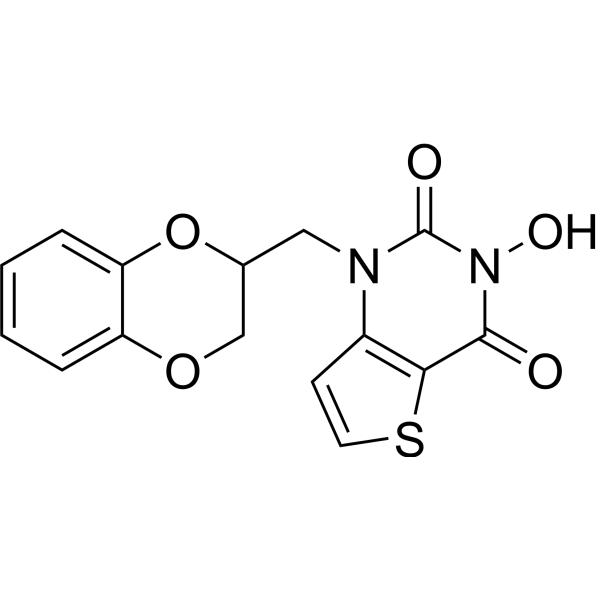
FEN1-IN-1 (compound 1) is a small molecule flap endonuclease 1 (FEN1) inhibitor with antitumor activity. FEN1-IN-1 binds to the active site of FEN1 and partly achieves inhibition by the co-ordination of Mg 2+ ions. FEN1-IN-1 initiaties a DNA damage response and activates the ATM checkpoint signalling pathway, the phosphorylation of histone H2AX and the ubiquitination of FANCD2 in mammalian cells. FEN1-IN-1 is promising for research of cancers .
loading...
    loading...
8
8 Cited Publications
Cat. No.: HY-P1934
CAS No.: 14705-60-3
Synonyms: Cyclo(phenylalanylprolyl); A-64863
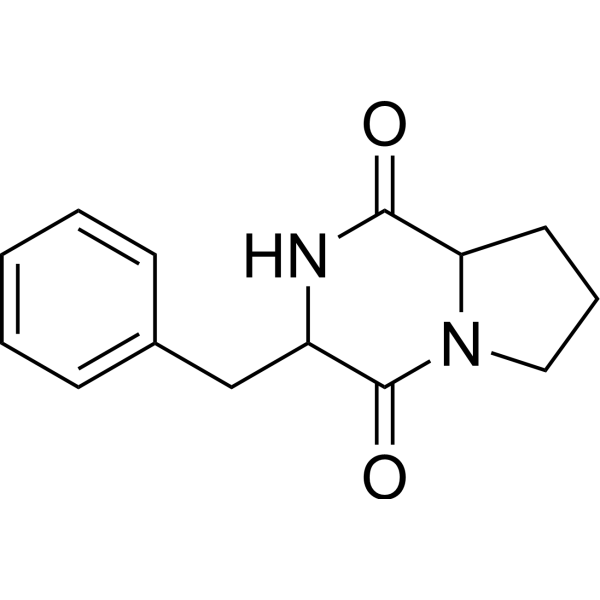
Cyclo(Phe-Pro) (Cyclo(phenylalanylprolyl)) is a quorum-sensing molecule of Vibrio vulnificus that specifically interacts with RIG-I, inhibiting RIG-I polyubiquitination, suppressing IRF-3 activation, and reducing type I interferon production. Cyclo(Phe-Pro) enhances susceptibility to HCV and influenza virus and also alleviates plant aluminum toxicity stress. The mechanism of Cyclo(Phe-Pro) involves the regulation of host immune signaling pathways, bacterial virulence gene expression, and plant antioxidant systems, making it a promising candidate for research in viral infections, bacterial virulence regulation, and agricultural stress resistance .
loading...
    loading...

