
90 Results for "

Spectral characterization

" in MedChemExpress (MCE) Product Catalog:
Products (90)

90 Results for "Spectral characterization" in MCE Product Catalog:

27
27 Publications Verification
Cat. No.: HY-D0080
CAS No.: 74515-25-6
Target:  

Fluorescent Dye

Research Areas:  

Cancer

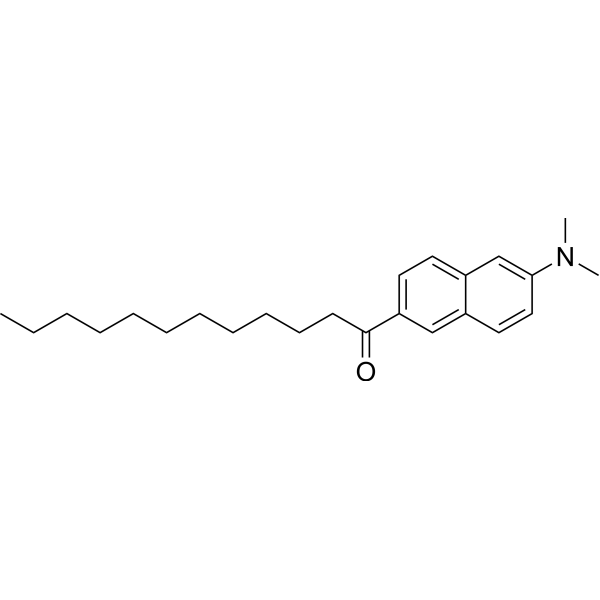
Laurdan is a membrane-permeable fluorescent probe that displays spectral sensitivity to the phospholipid phase of the cell membrane to which it is bound. Quantitation of generalized polarization (GP) of Laurdan can be used to identify phospholipid phase (Ex/Em = 370/440-490 nm).
loading...
    loading...
7
7 Cited Publications
Cat. No.: HY-128692
CAS No.: 67769-47-5
Purity:  99.67%
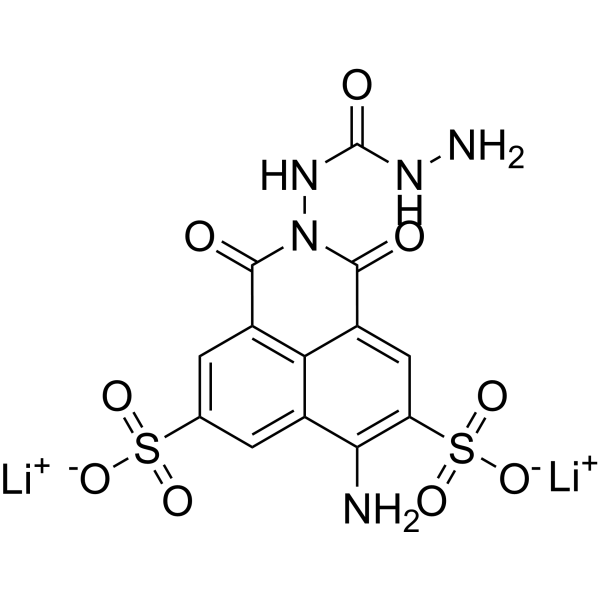
Luc Yellow CH dilithium is a high-intensity fluorescent probe containing free hydrazyl groups. Luc Yellow CH can react with fatty aldehydes at room temperature. Luc Yellow CH serves as a biological tracer to monitor neuronal branching, regeneration, gap junction detection and characterization, and selective ablation of cells after aldehyde fixation. Luc Yellow CH displays the maximum excitation/emission of 430 nm/540 nm, respectively .
loading...
    loading...
7
7 Cited Publications
Cat. No.: HY-W127715
CAS No.: 71206-95-6
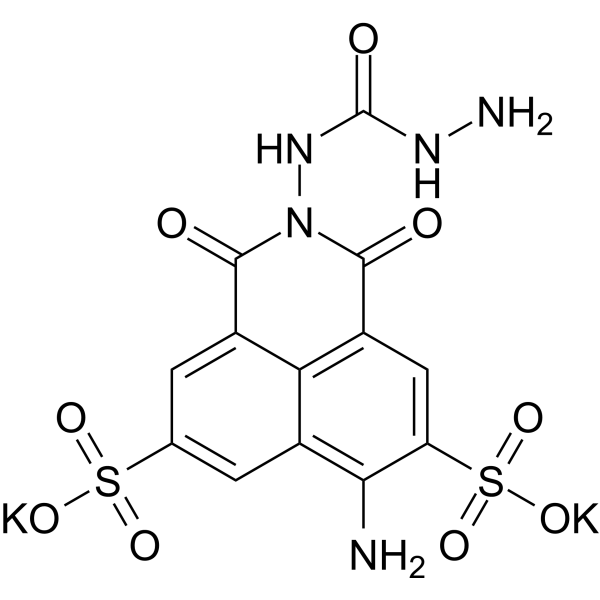
Lucifer Yellow CH dipotassium is a high-intensity fluorescent probe containing free hydrazyl groups. Lucifer Yellow CH can react with fatty aldehydes at room temperature. Lucifer Yellow CH serves as a biological tracer to monitor neuronal branching, regeneration, gap junction detection and characterization, and selective ablation of cells after aldehyde fixation. Lucifer yellow CH displays the maximum excitation/emission of 430 nm/540 nm, respectively .
loading...
    loading...
3
3 Cited Publications
Cat. No.: HY-135368
CAS No.: 2351898-91-2
Purity:  ≥98.0%
Target:  

Fluorescent Dye

Research Areas:  

Others

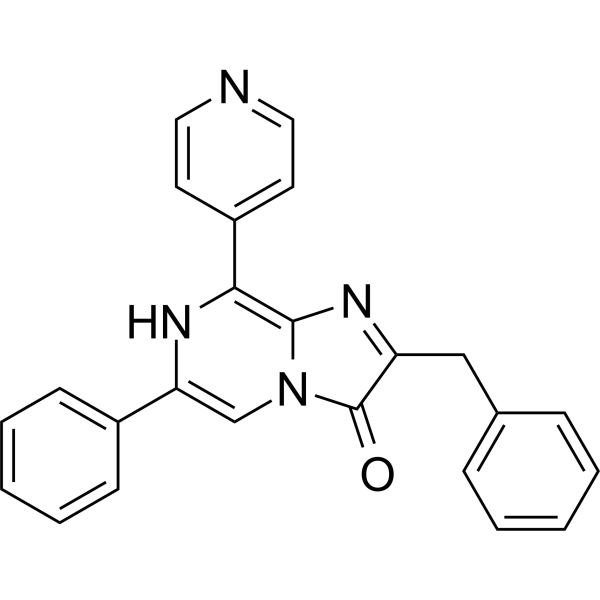
8pyDTZ is a pyridyl diphenylterazine (DTZ) analog and an ATP-independent pyridyl substrate of LumiLuc luciferase. 8pyDTZ exhibits spectrally shifted emission. 8pyDTZ has excellent biocompatibility and superior in vivo sensitivity. 8pyDTZ can be used for in vivo luminescence imaging .
loading...
    loading...
1
1 Cited Publications
Cat. No.: HY-D1040
CAS No.: 1449612-07-0
Synonyms: Cyanine 5.5 carboxylic acid
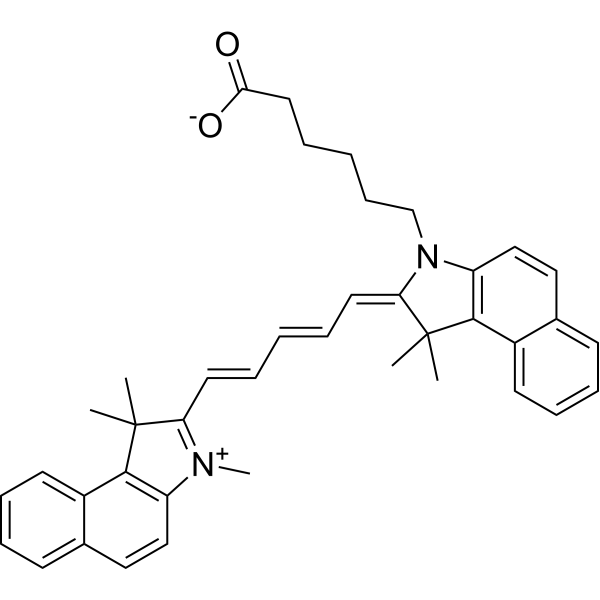
Cy5.5-COOH (Cyanine 5.5 carboxylic acid) is a fluorescent dye that emits fluorescence at 710 nm upon excitation at 650 nm. Cy5.5-COOH possesses excellent spectral properties, including a narrow absorption spectrum, high sensitivity, and stability. Cy5.5-COOH can be used for bioimaging and disease diagnosis .
loading...
    loading...
1
1 Cited Publications
Cat. No.: HY-D1445
Synonyms: DND-160
Target:  

Fluorescent Dye

Research Areas:  

Metabolic Disease

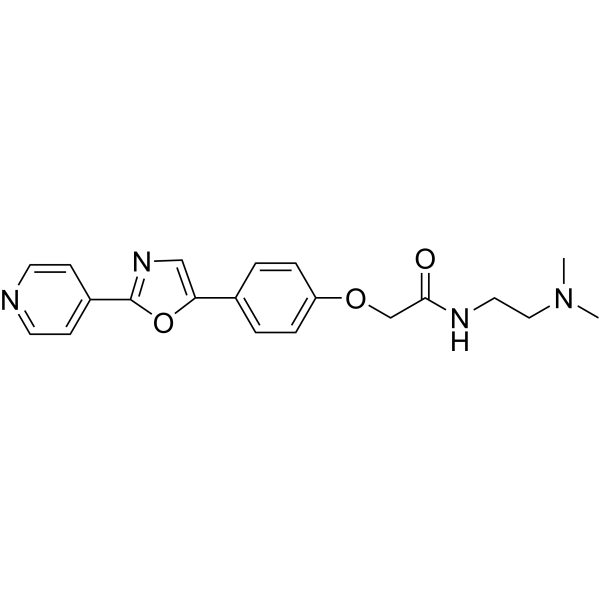
PDMPO, a lysosome pH indicator, is an excellent fluorescent acidotropic reagent for fluorescence imaging. PDMPO is a potent tool with which to study acidic organelles of live cells. PDMPO exhibits pH-dependent dual-excitation and dual-emission spectral peaks. PDMPO produces a blue fluorescence in weakly acidic organelles and shifts to yellow in more acidic lysosomes. (Abs=329 nm; Em=440/540 nm) .
loading...
    loading...
Cat. No.: HY-E70097
Target:  

Sialyltransferase

Research Areas:  

Others

Sialidase (α2-3-6-8-9) is a broadly specific sialidase that cuts linear and branched non-reducing terminal sialic acid residues from glycoproteins, glycopeptides, and oligosaccharides. Sialidase (α2-3-6-8-9) can be used for in vitro and in vivo polysaccharide analysis and characterization as well as complete glycoprotein remodeling .
loading...
    loading...
Cat. No.: HY-126192
CAS No.: 566169-93-5
Purity:  ≥95.0%
Synonyms: PiB; 6-OH-BTA-1
Pittsburgh Compound B (PiB) is a blood-brain barrier-permeable, specific Aβ deposition PET tracer that binds to Aβ(1-40) fibrils with a Ki value of 678.4 nM. Through click chemical modification (a clickable Pittsburgh Compound B derivative is prepared by introducing a PEG3 linker and an alkynyl group at the 6-hydroxy site of Pittsburgh Compound B, followed by covalent conjugation with azide-labeled fluorescent dyes or affinity tags via copper-catalyzed azide-alkyne cycloaddition (CuAAC)), Pittsburgh Compound B and its conjugates can be used for fluorescence imaging, ultrastructural studies, and enrichment and characterization of Aβ complexes. Pittsburgh Compound B is applicable to Alzheimer's disease research .
loading...
    loading...
Cat. No.: HY-W011426
CAS No.: 142-91-6
Synonyms: Propan-2-yl hexadecanoate
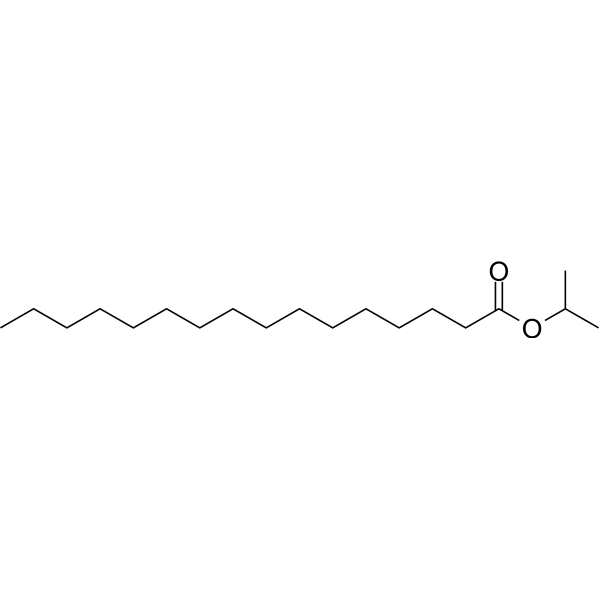
Isopropyl palmitate is an fatty acid ester. Isopropyl palmitate can be used for design and characterization of bioactive bilayer films. The bilayer membrane not only has the ability to scavenge free radicals and inhibit lipid peroxidation, but also can inhibit the growth of known foodborne pathogens. Isopropyl palmitate can be used as an excipient, such as lubricant, oily carrier, solvent, controlled-release transdermal film. Pharmaceutical excipients, or pharmaceutical auxiliaries, refer to other chemical substances used in the pharmaceutical process other than pharmaceutical ingredients. Pharmaceutical excipients generally refer to inactive ingredients in pharmaceutical preparations, which can improve the stability, solubility and processability of pharmaceutical preparations. Pharmaceutical excipients also affect the absorption, distribution, metabolism, and elimination (ADME) processes of co-administered drugs .
loading...
    loading...
Cat. No.: HY-133091
CAS No.: 31005-02-4
Purity:  99.84%
Synonyms: 7-O-Ethylumbelliferone
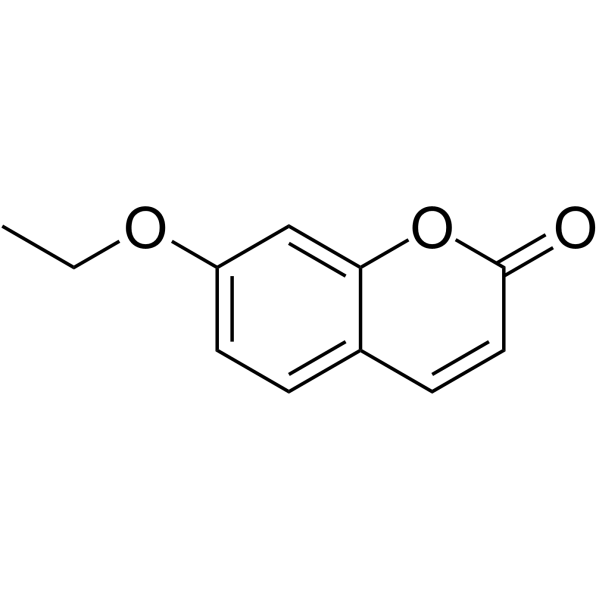
7-Ethoxycoumarin is a substrate of cytochrome P450 (CYP450). 7-Ethoxycoumarin has been used for the functional characterization of various CYPs and for the generation of 7-hydroxycoumarin (HY-N0573) .
loading...
    loading...
Cat. No.: HY-DY1025
CAS No.: 74515-25-6
Laurdan (solution) is a membrane-permeable fluorescent probe that displays spectral sensitivity to the phospholipid phase of the cell membrane to which it is bound. Quantitation of generalized polarization (GP) of Laurdan can be used to identify phospholipid phase.
Solvent and concentration: DMSO: 5 mM
loading...
    loading...
Cat. No.: HY-W040254
CAS No.: 89889-52-1
Target:  

Fluorescent Dye

Research Areas:  

Others

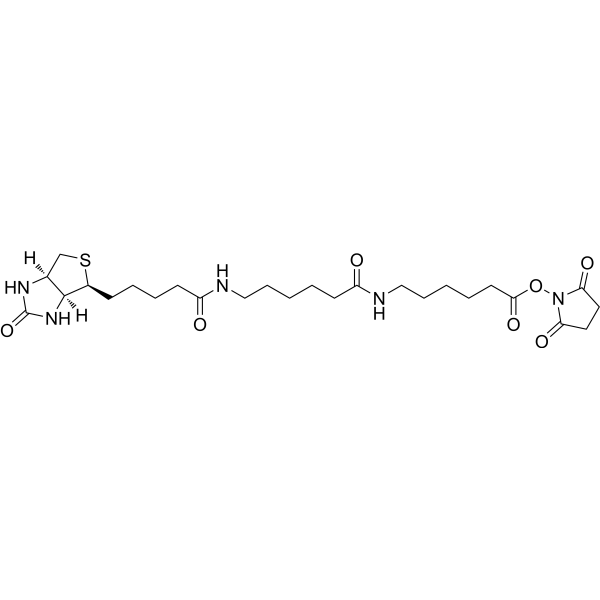
Biotin-LC-LC-NHS is a biotinylation reagent that contains an NHS moiety, which can react efficiently with primary amino (-NH2). Biotin-LC-LC-NHS enables simple and efficient biotinylation of antibodies, proteins, and any other primary amine-containing biomolecules in solution. Biotin-LC-LC-NHS can be used to biotinylate small molecules such as Paclitaxel (HY-B0015) for use in binding site characterization.
loading...
    loading...
Cat. No.: HY-145601
CAS No.: 2230490-29-4
Purity:  98.45%
Synonyms: TT 00420
Target:  

Aurora Kinase FGFR VEGFR

Research Areas:  

Cancer

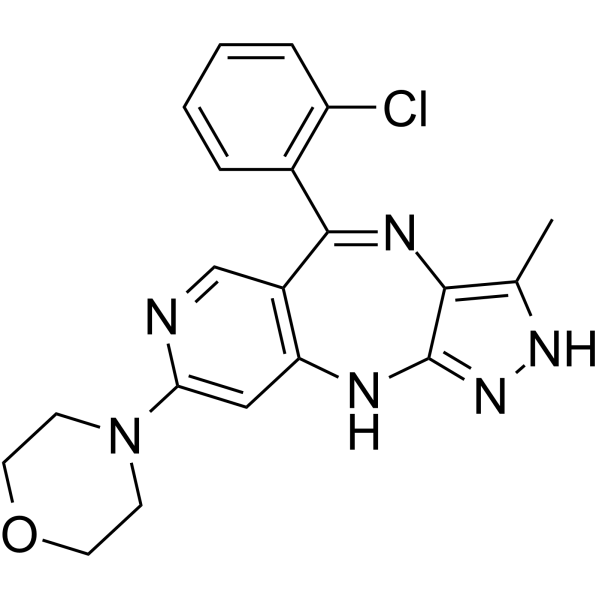
Tinengotinib (TT00420) is an orally active, spectrally selective small molecule kinase inhibitor targeting Aurora A/B (IC50=1.2-3.3 nM), FGFR1/2/3 (IC50=1.5-3.5 nM), VEGFRs, JAK1/2 and CSF1R. Tinengotinib blocks Aurora kinase-mediated cell cycle progression (inducing G2/M arrest), inhibits FGFR/JNK-JUN signaling pathway and activates MEK/ERK-dependent apoptotic pathway. Tinengotinib has the activity of anti-tumor proliferation, inducing apoptosis, inhibiting angiogenesis and regulating tumor microenvironment. Tinengotinib can be used in the study of triple-negative breast cancer (TNBC), gallbladder cancer and tumor immune microenvironment .
loading...
    loading...
Cat. No.: HY-D1602
CAS No.: 217075-07-5
Target:  

Fluorescent Dye

Research Areas:  

Others

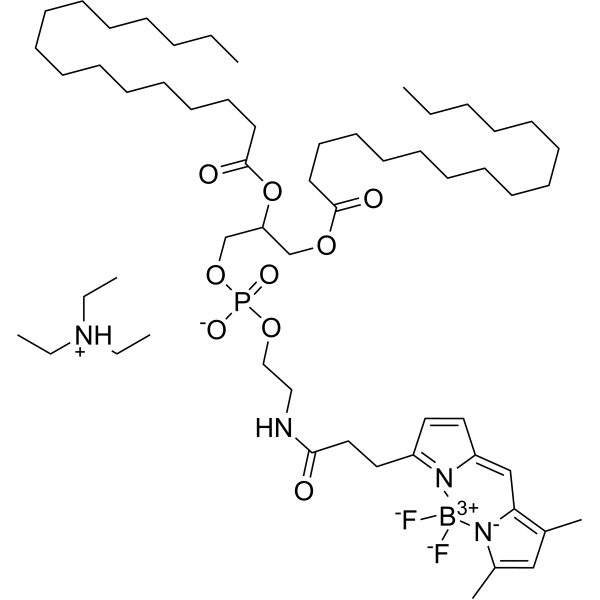
BODIPY FL-DHPE is a fluorescent lipid probe composed of phosphatidylethanolamine (DHPE) labeled with a BODIPY FL fluorophore, which is used for fluorescent labeling of cell membranes, differentiation between liposome membrane fusion and endocytic pathways, and studies of membrane dynamics. The two C16 alkyl chains of BODIPY FL-DHPE insert into the lipid bilayer of membranes, and its fluorescence exhibits concentration dependence: it exists as monomers and emits green fluorescence at low mole fractions; it forms dimers with a red-shifted emission peak at high mole fractions; this spectral change is independent of enzymes, pH, and membrane potential. When liposomes enter the plasma membrane via membrane fusion, the dye is diluted, leading to attenuation of the dimer peak and enhancement of the monomer peak; when entry occurs via endocytosis, the dye remains in endosomes at high concentration with no change in the dimer peak, allowing differentiation between the two uptake pathways. Ex = 488 nm; monomer Em = 515 nm, dimer Em ≈ 620 nm .
loading...
    loading...
Cat. No.: HY-114907
CAS No.: 596-03-2
Purity:  ≥95.0%
Synonyms: Eosinic acid; Solvent Red 72
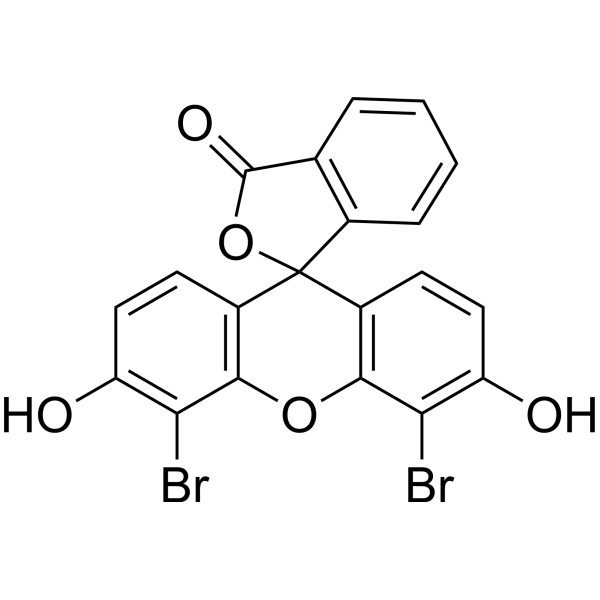
4',5'-Dibromofluorescein (Eosinic acid) is a fluorescein derivative that can used as a ligand for studying of protein properties by spectral analysis .
loading...
    loading...
Cat. No.: HY-P5979
CAS No.: 1071466-49-3
Target:  

LRRK2

Research Areas:  

Neurological Disease

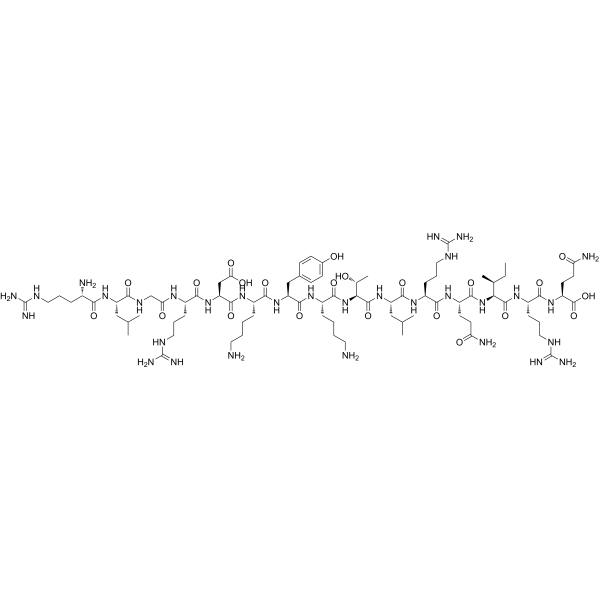
LRRKtide is a polypeptide substrate. LRRKtide is a specific phosphorylation substrate of LRRK2, a kinase associated with Parkinson's disease, and its phosphorylation site is a threonine residue. LRRKtide can be used for characterization of the catalytic properties of LRRK2, as well as studies on kinase activity and inhibition. LRRKtide is applicable to research related to Parkinson's disease .
loading...
    loading...
Cat. No.: HY-D1474
CAS No.: 33628-03-4
Target:  

Wnt

Research Areas:  

Cancer

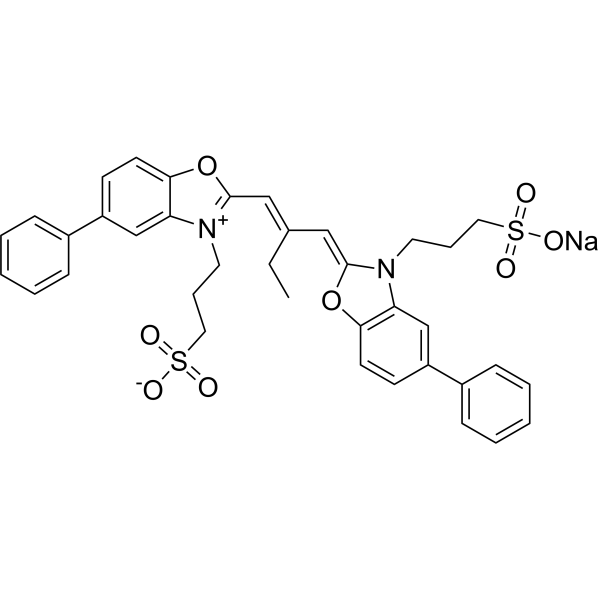
WNT7A-IN-1 sodium (1365-0109), a WNT7A inhibitor, disrupts the protein-protein interaction between WNT7A and its receptor FZD5, resulting in the upregulation of MHC-I expression. WNT7A-IN-1 sodium significantly increases the expression of MHC-I and p-p65,while concurrently reducing the expression of active β-catenin . WNT7A-IN-1 sodium (compound F) is also a photographic sensitizer in the green spectral region .
loading...
    loading...
Cat. No.: HY-D2017
CAS No.: 1251752-59-6
Target:  

Fluorescent Dye

Research Areas:  

Others

ATTO 550 is a fluorescent dye in the orange spectral range, commonly used as a fluorescent probe for the labeling and detection of biomolecules. ATTO 550 can be used to label nucleic acids, proteins, and small molecules, and is widely applied in super-resolution imaging, flow cytometry, fluorescence lifetime imaging (FLIM), fluorescence resonance energy transfer (FRET), and fluorescence intensity-based cell uptake and binding assays. The excitation/emission wavelengths of ATTO 550 are approximately Ex/Em = 554/576 nm .
loading...
    loading...
Cat. No.: HY-111178
CAS No.: 90280-13-0
Purity:  99.18%
Synonyms: BisfluoroModafinil; CRL-40940; NLS-4
Target:  

Dopamine Transporter

Research Areas:  

Neurological Disease

Lauflumide (BisfluoroModafinil) is a selective dopamine reuptake inhibitor and wake-promoting agent. Lauflumide inhibits the dopamine transporter (DAT). Lauflumide induces sustained wakefulness without eliciting hyperlocomotion, stereotypy or abnormal behaviors in Mus musculus (house mice). Lauflumide reduces non-rapid eye movement (NREM) sleep rebound in rats, modulates electroencephalogram (EEG) spectral composition, and produces anti-aggressive effects. Lauflumide alleviates circadian rhythm disturbances in rats, increases spontaneous activity in fatigued rats, and facilitates their recovery from severe fatigue. Lauflumide can be used in research related to excessive daytime sleepiness as well as chronic severe fatigue/chronic fatigue syndrome (CFS) .
loading...
    loading...
Cat. No.: HY-E70574
Research Areas:  

Others

Trypsin/Lys-C complex protease (MS grade) combines Trypsin and Lys-C, two recombinant proteases, to achieve efficient peptide bond hydrolysis. Trypsin specifically cleaves the C-terminal peptide bonds of arginine (R) and lysine (K), while Lys-C specifically cleaves the C-terminal peptide bonds of lysine (K). This combination overcomes issues such as the slower digestion rate of lysine and arginine by rTrypsin, PTM changes on lysine, or hydrophobic C-termini (such as proline) that can lead to missed cleavage. Trypsin/Lys-C complex protease (MS grade) can be used to process complex protein samples that are difficult to enzymatically digest. Trypsin/Lys-C complex protease (MS grade) can be used for protein characterization, single-cell proteomics and large cohort proteomics studies.
loading...
    loading...

