46 Results for "

Striga infestation

" in MedChemExpress (MCE) Product Catalog:
Products (46)

46 Results for "Striga infestation" in MCE Product Catalog:

9
9 Publications Verification
Cat. No.: HY-17598
CAS No.: 22662-39-1
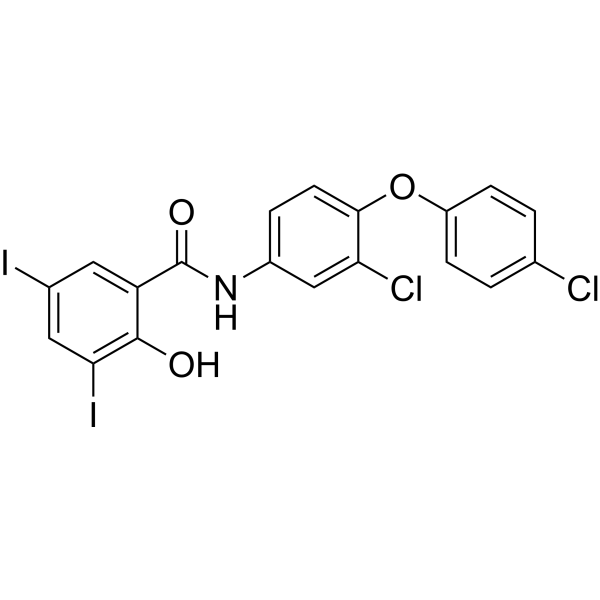
Rafoxanide is a poent, orally active halogenated salicylaniline agent with antiparasitic activity. Rafoxanide interferes with energy metabolism in trematodes by uncoupling oxidative phosphorylation. Rafoxanide is also found to be a potent inhibitor of the BRAF V600E mutant protein, which is important in colorectal cancer. Rafoxanide can be used for the control of infestation with Hemonchus species or Fasciola species in sheep and cattle as well as Oestrus ovis in sheep. Rafoxanide can also be used for cancer research .
loading...
    loading...
8
8 Cited Publications
Cat. No.: HY-17595
CAS No.: 31431-39-7
Research Areas:  

Infection Cancer

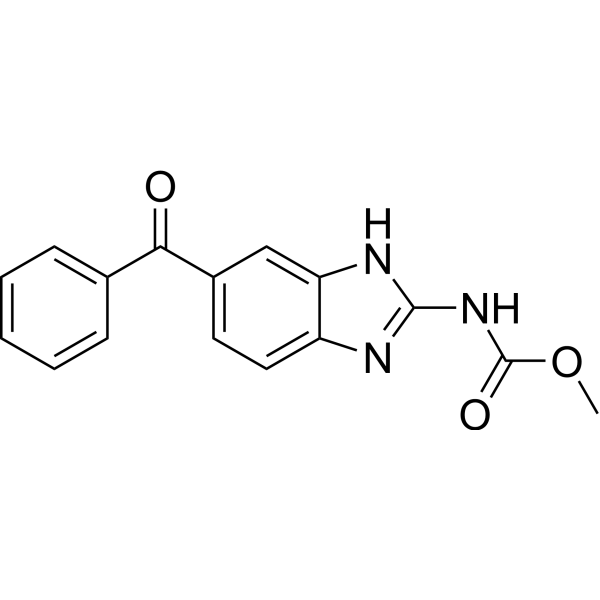
Mebendazole is a highly effective, broad-spectrum antihelmintic against nematode infestations. Mebendazole also exhibits inhibitory effect against glioblastoma multiforme (GBM), inhibits Hedgehog pathway and tubulin polymerization. Mebendazole is orally active and can cross CNS penetration .
loading...
    loading...
1
1 Cited Publications
Cat. No.: HY-129434A
CAS No.: 21651-62-7
Purity:  99.69%
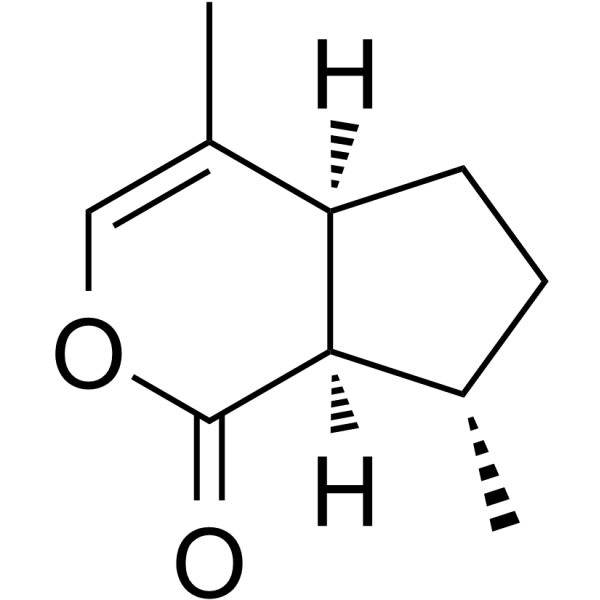
4aα,7α,7aα-Nepetalactone is an iridoid compound, a TRPA1 agonist, a repellent, and an attractant. 4aα,7α,7aα-Nepetalactone can be isolated from the oil of N. crispa. 4aα,7α,7aα-Nepetalactone induces repellent responses in three sap-sucking pests (Chinese psyllid, Asian citrus psyllid, and western flower thrips) via PKCα. Nepetalactone attracts two predatory lady beetles (Harmonia axyridis and Propylea japonica) through CaMKII. 4aα,7α,7aα-Nepetalactone causes mortality in Pogonomyrmex sp. ants. 4aα,7α,7aα-Nepetalactone can be used in studies related to bacterial infections and mandibulate pest infestations .
loading...
    loading...
1
1 Cited Publications
Cat. No.: HY-114899
CAS No.: 35575-96-3
Purity:  96.46%
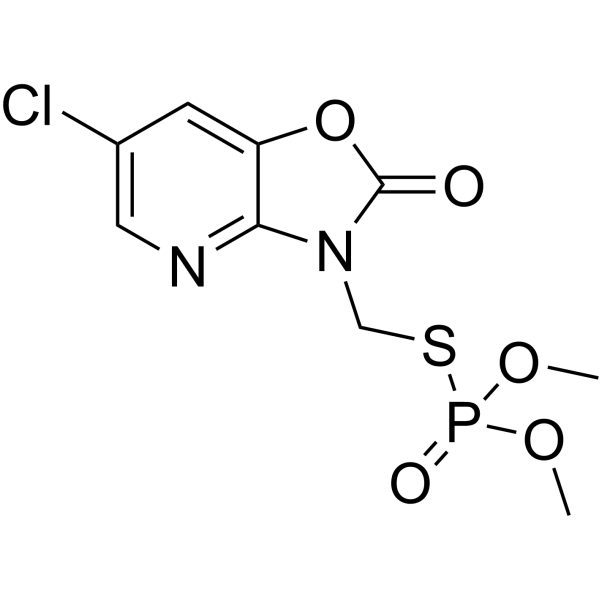
Azamethiphos is an acetylcholinesterase inhibitor and insecticide. Azamethiphos covalently binds to acetylcholinesterase via phosphorylation, inhibits its activity, causes acetylcholine to accumulate in cholinergic synapses, triggers uncontrolled excitation of cholinergic sites, induces paralysis and leads to death. Azamethiphos can be used as a bath insecticide in salmonid aquaculture to control sea lice infestations, and it exerts acute toxicity to European lobster larvae, including mortality and movement disorders .
loading...
    loading...
Cat. No.: HY-N6661
CAS No.: 1196-01-6
Synonyms: (-)-Verbenone
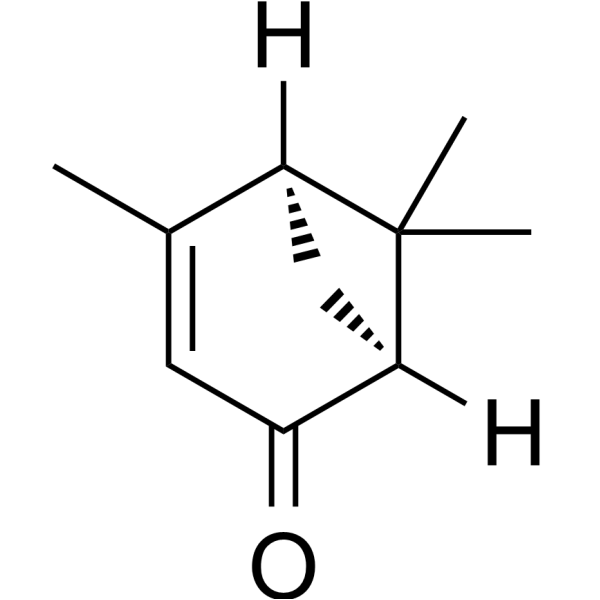
Verbenone is a naturally derived monoterpene ketone and an anti-aggregation pheromone/attractant inhibitor. Verbenone interferes with the responses of Dendroctonus brevicomis and Dendroctonus ponderosae to baited traps. Verbenone can be used in studies related to bark beetle infestations of trees .
loading...
    loading...
Cat. No.: HY-B1072
CAS No.: 26002-80-2
Research Areas:  

Infection

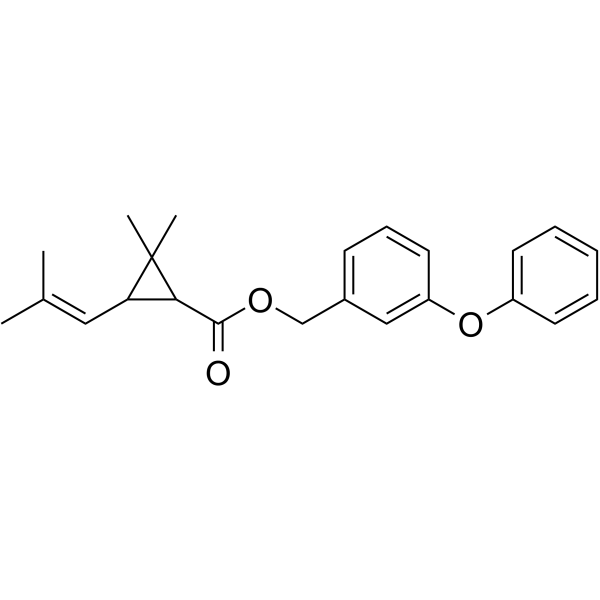
Phenothrin is a Type I pyrethroid insecticide. Phenothrin induces dose-dependent DNA damage in human peripheral blood lymphocytes and hepatocytes, and exhibits definite genotoxic potential. Phenothrin acts as an insecticide for pest control in agriculture, households and public health, as well as for the elimination of human head lice infestations .
loading...
    loading...
Cat. No.: HY-128421
CAS No.: 505-52-2
Purity:  99.93%
Synonyms: Brassylic Acid
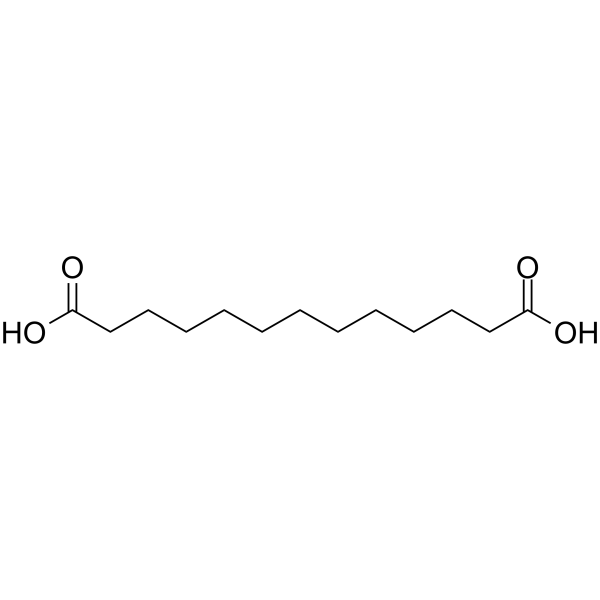
Tridecanedioic acid (Brassylic Acid) is a long-chain fatty acid and an endogenous serum metabolite. Tridecanedioic acid is positively correlated with the intestinal genus Tuzzerella in non-alcoholic steatohepatitis (NASH) mice fed a MCD diet. Tridecanedioic acid accumulates at high levels in Brassica napus germplasm tolerant to Plutella xylostella (diamondback moth), thereby participating in plant defense. Tridecanedioic acid can be used in studies related to Plutella xylostella infestation .
loading...
    loading...
Cat. No.: HY-Y1004
CAS No.: 112-30-1
Synonyms: Decyl alcohol
1-Decanol (Decyl alcohol) is a nematicidal agent derived from Houttuynia cordata, with an LC50 of 31.5 μg/mL against potato cyst nematodes (PCN). 1-decanol directly damages nematode surface structures, induces cellular apoptosis, and disrupts the oxidative stress regulation system, while also downregulating defense-related metabolic pathways in potato, thereby promoting the reallocation of metabolic resources from defense to growth. 1-Decanol can be used for the research of potato cyst nematode infestation .
loading...
    loading...
Cat. No.: HY-N3270
CAS No.: 3187-58-4
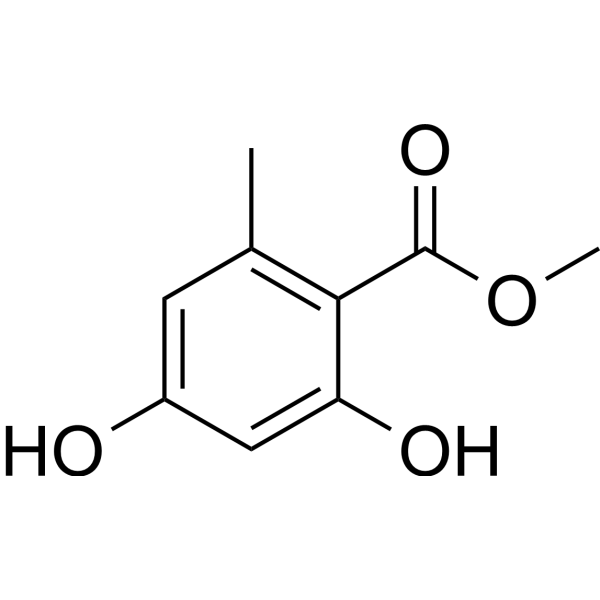
Methyl orsellinate acts as an antiviral agent and insecticide. Methyl orsellinate exhibits enzyme inhibitory activity, with an IC50 of 59.6 µM against porcine leukocyte 5-lipoxygenase (5-LOX); it inhibits soybean 15-lipoxygenase (15-LOX), and shows weak inhibitory activity against acetylcholinesterase (AChE) and glutathione S-transferase (GST). Methyl orsellinate displays contact toxicity against adult Drosophila suzukii. Methyl orsellinate shows anti-HSV-1 activity. Methyl orsellinate can be used in studies related to *Drosophila suzukii* infestation and HSV-1 infection .
loading...
    loading...
Cat. No.: HY-W663938
CAS No.: 400882-07-7
Cyflumetofen is a non-systemic acylacetonitrile Acaricide. Cyflumetofen interferes with the Wnt/β-catenin signaling pathway, induces Apoptosis, and reduces the level of tight junction proteins. Cyflumetofen upregulates the expression of Pink1, Parkin and Lrrk2 genes associated with the pathogenesis of Parkinson's disease in zebrafish larvae. Cyflumetofen induces developmental toxicity and oxidative stress in zebrafish larvae, damages neurons, reduces motor activity, alters brain tissue structure, and disrupts blood-brain barrier structure. Cyflumetofen exhibits acaricidal activity against spider mites. Cyflumetofen can be used in studies related to Parkinson's disease and infestations by spider mites (Tetranychus urticae, Tetranychus kanzawai, Panonychus citri) .
loading...
    loading...
Cat. No.: HY-17595R
CAS No.: 31431-39-7
Mebendazole (Standard) is the analytical standard of Mebendazole. This product is intended for research and analytical applications. Mebendazole is a highly effective, broad-spectrum antihelmintic against nematode infestations. Mebendazole also exhibits inhibitory effect against glioblastoma multiforme (GBM), inhibits Hedgehog pathway and tubulin polymerization. Mebendazole is orally active and can cross CNS penetration .
loading...
    loading...
Cat. No.: HY-W004297
CAS No.: 1454-84-8
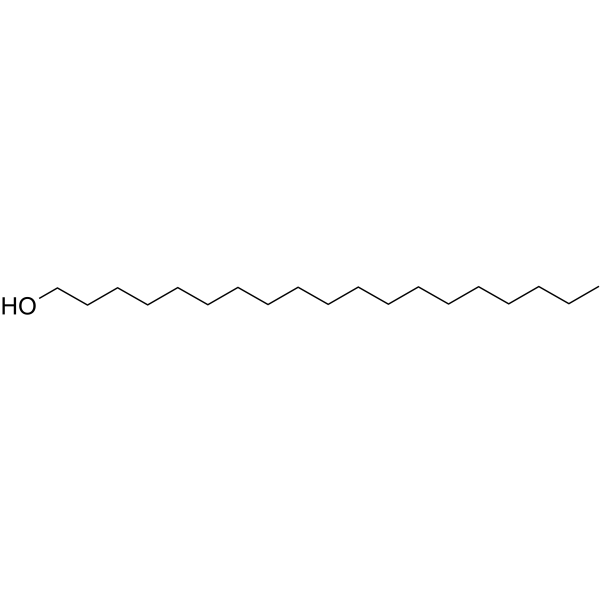
1-Nonadecanol is an endogenous metabolite that can be produced by Pantoea agglomerans from Medicago sativa rhizosphere, present in Neotinea ustulata scent and Heracleum thomsonii essential oil. 1-Nonadecanol exerts antimicrobial activity against Streptococcus pneumonia, Klebsiella, and S. aureus. 1-Nonadecanol can be used for the research of bacterial infections and pea aphid infestation .
loading...
    loading...
Cat. No.: HY-W106742
CAS No.: 622-85-5
Synonyms: Propyl phenyl ether
Research Areas:  

Infection

Propoxybenzene (Propyl phenyl ether) is a dialkoxybenzene intermediate. Propoxybenzene has antiparasitic activity. Propoxybenzene can be used in the study of Varroa mite infestation .
loading...
    loading...
Cat. No.: HY-34204
CAS No.: 6921-64-8
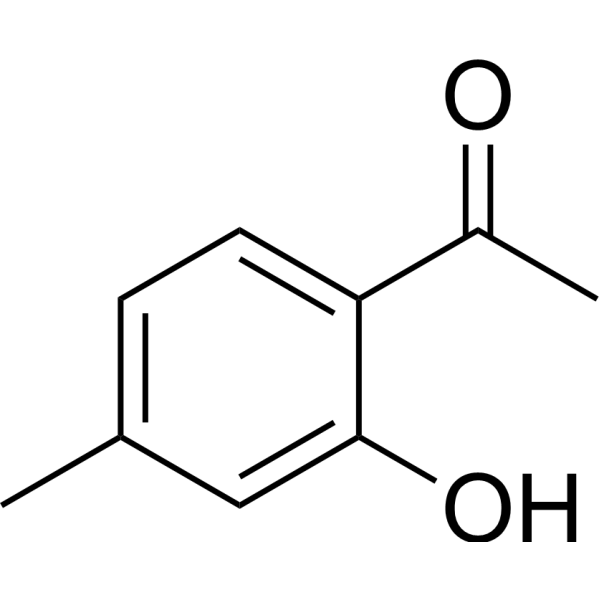
2'-Hydroxy-4'-methylacetophenone is an acetophenone (HY-Y0989) derivative and acaricide that can be isolated from the roots of Angelica koreana. 2'-Hydroxy-4'-methylacetophenone exhibits toxicity against mites. It serves as a starting material for the synthesis of flavonoid derivatives. 2'-Hydroxy-4'-methylacetophenone can be used in studies related to infestations of house dust mites and stored food mites .
loading...
    loading...
Cat. No.: HY-B2021
CAS No.: 102851-06-9
Target:  

Insecticide

Research Areas:  

Neurological Disease

τ-Fluvalinate is an insecticide and in-hive miticide, with its mechanism involving interfering with nervous systems. τ-Fluvalinate binds to the open state of Varroa destructor (VdNaV1) and Apis mellifera (AmNaV1) voltage-dependent sodium channels, with EC50 values of 160 nM and 60 nM respectively. τ-Fluvalinate has higher affinity for AmNaV1, which causes sublethal toxicity to honeybees. τ-Fluvalinate can be applied for research on Varroa destructor infestation in honeybee colonies .
loading...
    loading...
Cat. No.: HY-W585959
CAS No.: 62235-06-7
(E,E)-4,8,12-Trimethyl-1,3,7,11-tridecatetraene (TMTT), a sesquiterpene, is the major herbivore-induced plant volatile that help in defense directly by acting as repellants and indirectly by recruiting insects' natural enemies. (E,E)-4,8,12-Trimethyl-1,3,7,11-tridecatetraene attractes Asian corn borer (ACB, Ostrinia furnacalis) larvae. External supplementation with (E,E)-4,8,12-Trimethyl-1,3,7,11-tridecatetraene hampered the larvae's ability to locate pre-infested maize .
loading...
    loading...
Cat. No.: HY-169009
CAS No.: 382608-09-5
(Rac)-Spirotetramat-enol is a ligand of acetyl-CoA carboxylase (ACC) that can be used for the synthesis of PROTAC ACC degrader-1 (HY-169008). (Rac)-Spirotetramat-enol binds to the carboxyltransferase domain and inhibits ACC activity in insects and spider mites. (Rac)-Spirotetramat-enol exhibits insecticidal activity against nymphs of the black bean aphid. (Rac)-Spirotetramat-enol can be used in studies related to black bean aphid infestation .
loading...
    loading...
Cat. No.: HY-125284
CAS No.: 2305752-57-0
Synonyms: SPL7
Target:  

Parasite

Research Areas:  

Others

Sphynolactone-7 (SPL7) is an active site-targeting and selective strigolactone receptor (ShHTL7) agonist. Sphynolactone-7 is effective for reducing Striga parasitism without impinging on host strigolactone-related processes .
loading...
    loading...
Cat. No.: HY-117375
CAS No.: 23233-88-7
Target:  

Parasite

Research Areas:  

Infection

Brotianide is a potent anti-parasitic agent. Brotianide can be used to study liver fluke and gastric fluke infestations .
loading...
    loading...
Cat. No.: HY-114800
CAS No.: 1060376-43-3
Synonyms: RG4; SOP
Target:  

Parasite

Research Areas:  

Others

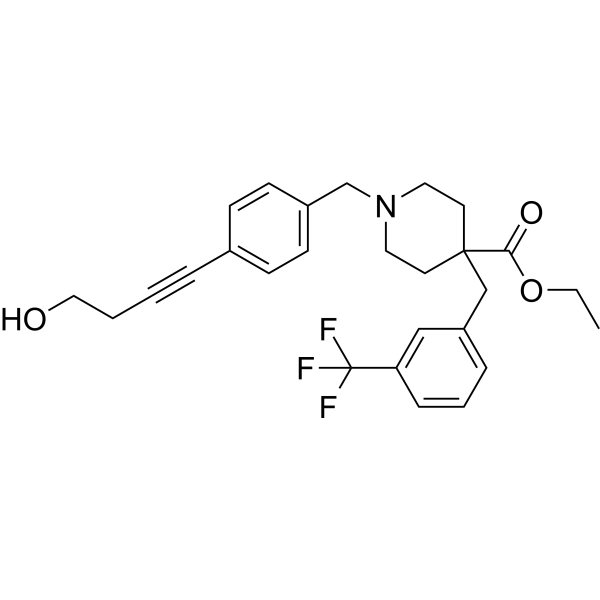
Soporidine is an antagonist of germination of the parasitic plant Striga hermonthica. Soporidine specifically inhibits a S. hermonthica strigolactone receptor and inhibits the parasite's germination . Soporidine is a click chemistry reagent, it contains an Alkyne group and can undergo copper-catalyzed azide-alkyne cycloaddition (CuAAc) with molecules containing Azide groups.
loading...
    loading...

