34 Results for "

Synthetic lethality

" in MedChemExpress (MCE) Product Catalog:
Products (34)

34 Results for "Synthetic lethality" in MCE Product Catalog:

59
59 Publications Verification
Cat. No.: HY-141520
CAS No.: 2603528-97-6
Purity:  99.75%
Target:  

DNA/RNA Synthesis

Research Areas:  

Cancer

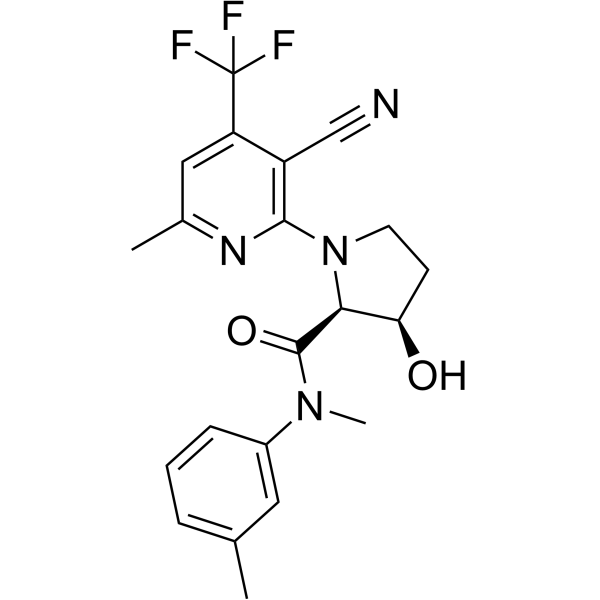
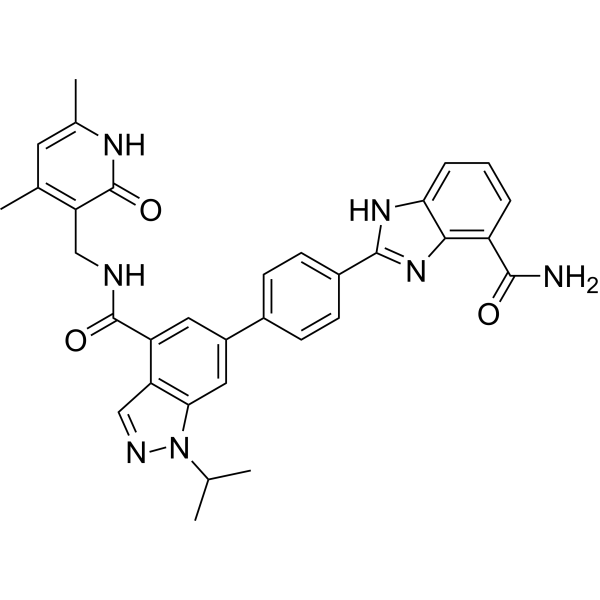
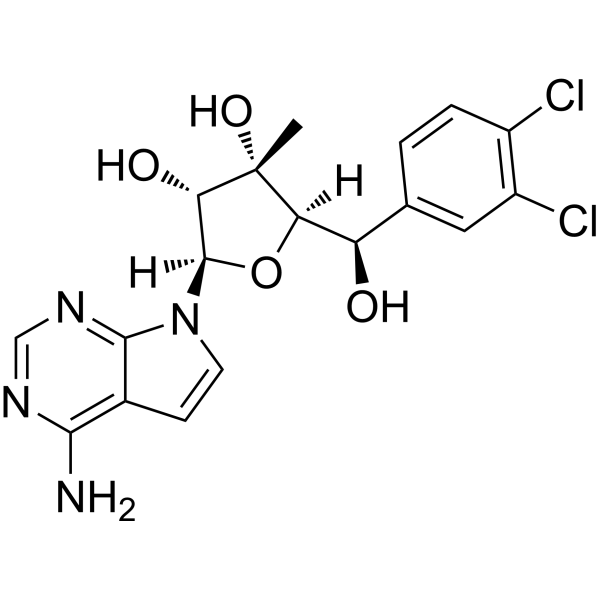
ART558 is a potent, selective and allosteric DNA polymerase theta (Polθ) inhibitor (IC50=7.9 nM). ART558 elicits BRCA-gene synthetic lethality and DNA damage. ART558 can be used for the research of cancer, such as breast cancer .
loading...
    loading...
19
19 Cited Publications
Cat. No.: HY-N4115
CAS No.: 84-36-6
Synonyms: Su 3118
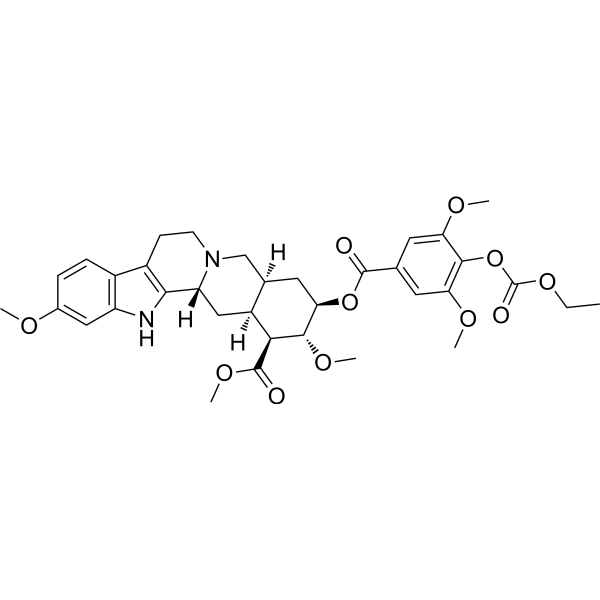
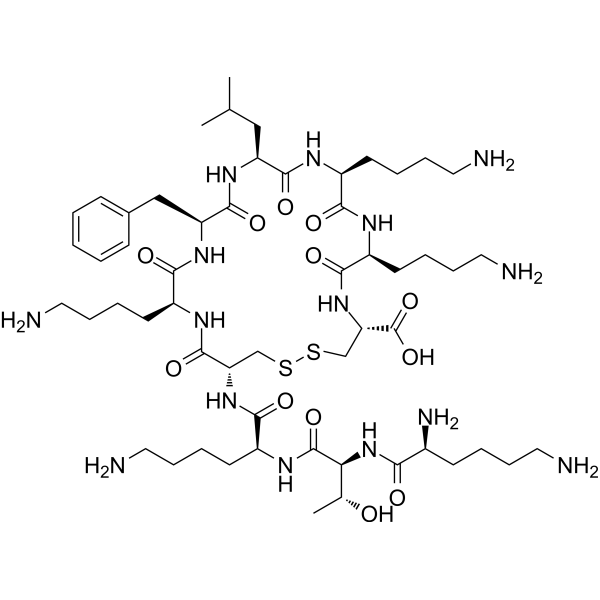
Syrosingopine (Su 3118) is an orally active lactate transporters (MCT1/MCT4) dual inhibitor, which can reduce glycolysis and induce synthetic lethality in cancer cells when combine with metformin. Syrosingopine shows anti-hypertensive activity by depleting peripheral stores of norepinephrine .
loading...
    loading...
1
1 Cited Publications
Cat. No.: HY-158116
CAS No.: 3026500-20-6
Purity:  99.76%
Synonyms: RO7589831; VVD-133214
Target:  

DNA/RNA Synthesis

Research Areas:  

Cancer

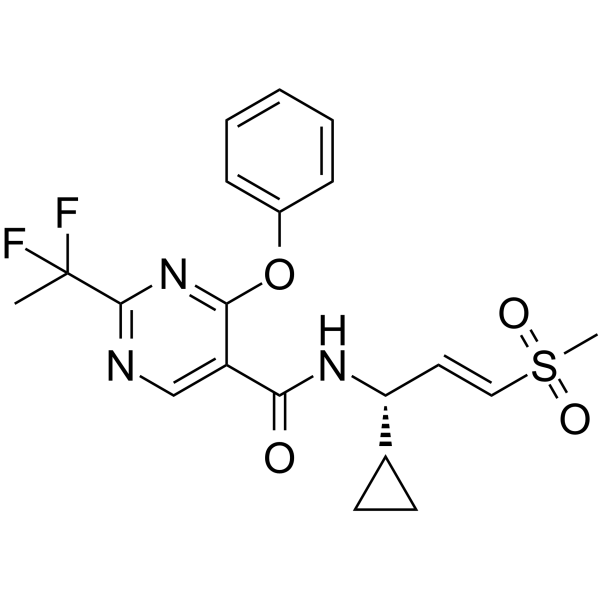
VVD-214 is a synthetic lethal allosteric inhibitor of WRN helicase with an IC50 of 0.1316 µM. VVD-214 covalently binds to cysteine 727 of WRN and inhibits ATP hydrolysis and helicase activity. VVD-214 is potent in causing double-stranded DNA breaks, nuclear swelling, and cell death in high microsatellite instability (MSI) cancers .
loading...
    loading...
1
1 Cited Publications
Cat. No.: HY-B0824
CAS No.: 82657-04-3
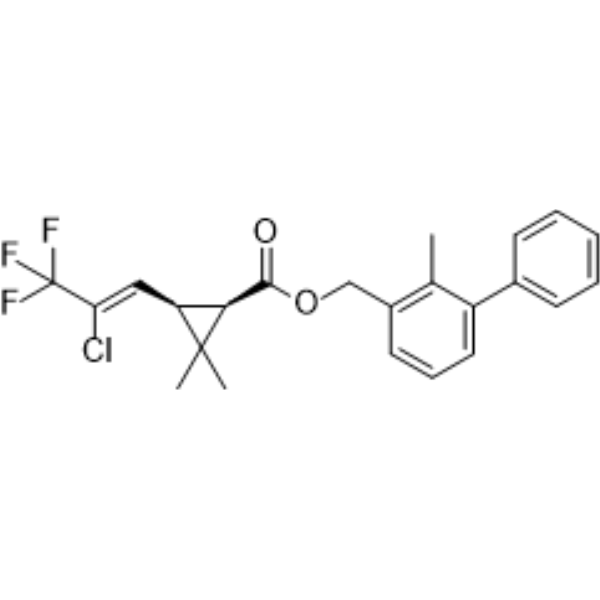
Bifenthrin is a synthetic pyrethroid insecticide. Bifenthrin prolongs the opening time of Nav1.8 sodium channels, leading to membrane depolarization and conductance block in the insect nervous system, thereby disrupting neural function. Bifenthrin was effective in inhibiting A. gambiae (LD50=0.15 ng/mg) and C. quinquefasciatus (LD50=0.16 ng/mg). Bifenthrin has good lethality against susceptible and resistant mosquitoes and is very effective in inhibiting blood sucking and can be developed as a mosquito-removal netting material .
loading...
    loading...
Cat. No.: HY-159607
CAS No.: 2755761-78-3
Target:  

PROTACs SWI/SNF Complex

Research Areas:  

Cancer

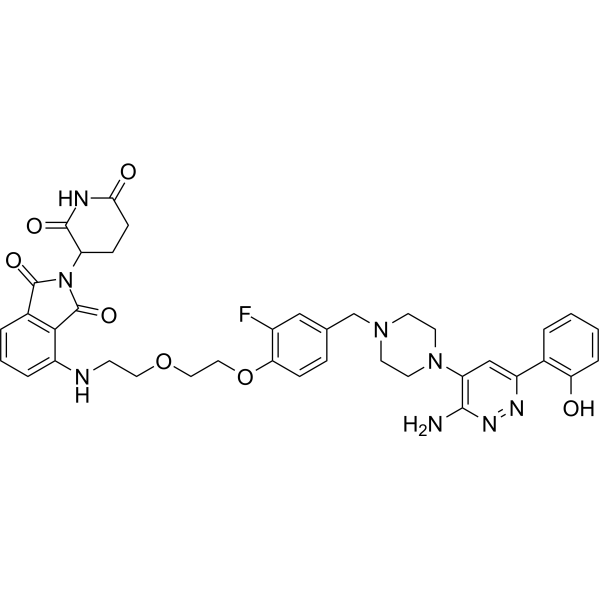
PRT3789 is a selective SMARCA2 PROTAC degrader (DC50 in HeLa cell: 0.72 nM for SMARCA2, 14 nM for SMARCA4). PRT3789 forms a stable ternary complex with Von Hippel-Lindau (VHL) E3 ligase, induces polyubiquitination at SMARCA2-specific lysine residues, and drives proteasome-dependent SMARCA2 degradation. PRT3789 disrupts SWI/SNF chromatin remodeling complex integrity, induces dissociation of specific subunits, suppresses oncogenic gene expression, reduces chromatin accessibility, and upregulates antigen processing/presentation-related gene expression. PRT3789 induces synthetic lethality, inhibits proliferation and colony formation, and drives tumor growth inhibition and regression in SMARCA4-deficient contexts. PRT3789 can be used for the research of SMARCA4-mutated solid tumors, non-small cell lung cancer, endometrial cancer, colorectal cancer, bladder cancer, esophageal cancer, ovarian cancer, and gastric cancer .
loading...
    loading...
Cat. No.: HY-153361
CAS No.: 2951015-29-3
Purity:  98.80%
Target:  

PROTACs SWI/SNF Complex

Research Areas:  

Inflammation/Immunology Cancer

YD23 is a selective SMARCA2 PROTAC degrader with DC50 values of 64 nM and 297 nM in H1792 cells and H1975 cells. YD23 induces degradation of SMARCA2, which is synthetic lethal to SMARCA4. YD23 reduces chromatin accessibility only in SMARCA4 deficient cells, including cell cycle and cell growth regulatory genes. YD23 selectively inhibits growth of SMARCA4 mutant lung cancer cells. YD23 has potent tumor growth inhibitory activity in SMARCA4-mutant xenografts. YD23 can be used for the study of non-small cell lung cancer (NSCLC) .
loading...
    loading...
Cat. No.: HY-162386
CAS No.: 324530-92-9
Research Areas:  

Cancer

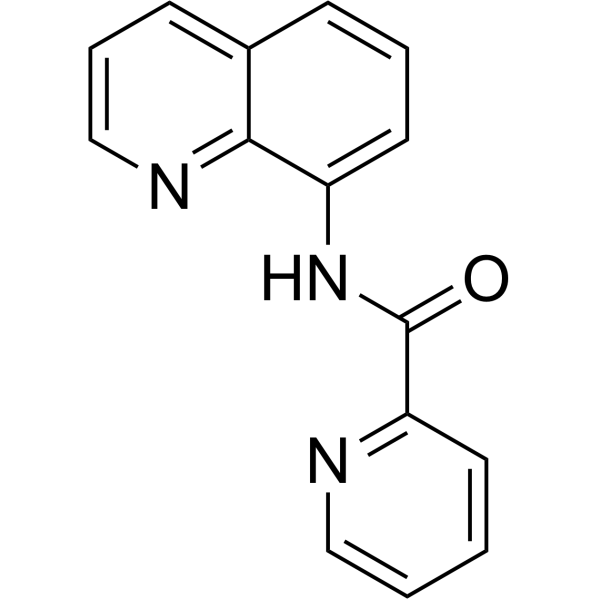
UM4118 is a potent copper-selective non-genotoxic copper ionophore that induces cuproptosis in acute myeloid leukemia cells. UM4118 exhibits stronger activity against SF3B1G12C mutant acute myeloid leukemia cells. UM4118 transports extracellular copper into cells, elevates intracellular and mitochondrial copper levels, and triggers lipoylated DLAT aggregation, proteotoxic stress, iron-sulfur cluster protein depletion, reduced lipoylated protein levels, and maximal mitochondrial respiratory damage. UM4118 cytotoxicity can be enhanced by supplementation with extracellular copper, abolished by copper chelation, and shows synthetic lethal effects in the absence of iron-sulfur cluster biosynthesis/transport genes. UM4118 can be used for the study of acute myeloid leukemia .
loading...
    loading...
Cat. No.: HY-B0871
CAS No.: 84087-01-4
Research Areas:  

Others

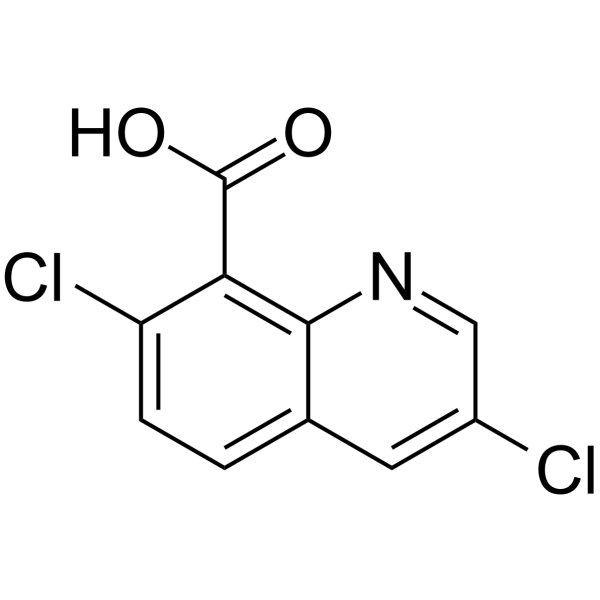
Quinclorac is a highly selective quinoline carboxylic acid synthetic auxin herbicide. Quinclorac weakly inhibits HPPD, accompanied by a transient decrease in carotenoids. Quinclorac upregulates ACC synthase (ACS), leading to the co-accumulation of ethylene and cyanide, while increasing the ABA/IAA ratio, which induces ROS burst, membrane lipid peroxidation (MDA) and lethal growth inhibition. Residual Quinclorac in soil can cause abnormal growth of subsequent tobacco crops. In calli of Phaseolus vulgaris, Quinclorac induces oxidative stress (increased MDA and decreased RGR), but cells after stepwise pressurized acclimation acquire a constitutive antioxidant state, which remains stable after de-acclimation and tolerates oxidative damage caused by Quinclorac. Quinclorac can be used in studies related to herbicide action mechanisms, bioremediation of soil residues, and adaptive responses of plant cells to oxidative stress .
loading...
    loading...
Cat. No.: HY-155798
CAS No.: 2871057-47-3
Research Areas:  

Cancer

BBI-2779 is a highly selective, orally active CHK1 inhibitor with a CHK1 IC50 of 0.3 nM. BBI-2779 leverages transcription-replication conflicts on extrachromosomal DNA (ecDNA) to induce synthetic lethality, replication stress, DNA damage and cell death in ecDNA-positive tumor cells. BBI-2779 blocks ecDNA-mediated acquired resistance to targeted therapies and inhibits tumor growth in mouse models of gastric cancer. BBI-2779 is applicable to ecDNA-positive cancer-related research .
loading...
    loading...
Cat. No.: HY-P3912A
Target:  

Interleukin Related

Research Areas:  

Infection

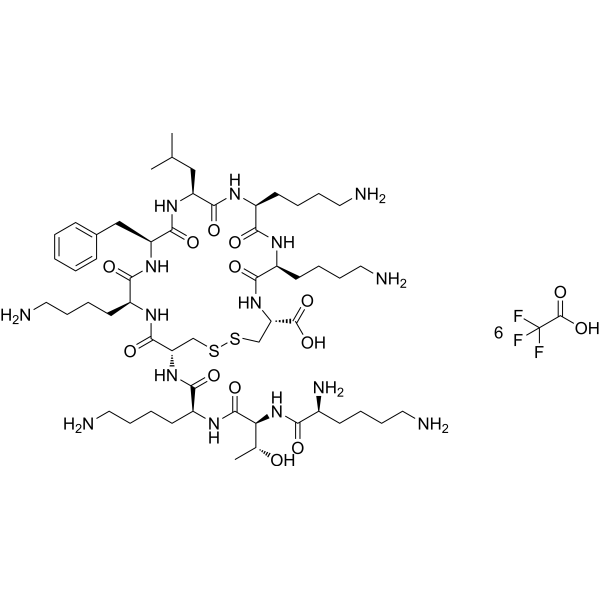
Endotoxin inhibitor TFA is a synthetic peptide that binds lipid A with high affinity, thereby detoxifying LPS (HY-D1056) and preventing LPS-induced cytokine release in vivo. Endotoxin inhibitor TFA inhibits the febrile response to LPS with very low toxicity and lethality .
loading...
    loading...
Cat. No.: HY-P3912
CAS No.: 147396-10-9
Target:  

COX Interleukin Related

Research Areas:  

Infection

Endotoxin inhibitor a synthetic peptide that binds lipid A with high affinity, thereby detoxifying LPS (HY-D1056) and preventing LPS-induced cytokine release in vivo. Endotoxin inhibitor inhibits the febrile response to LPS with very low toxicity and lethality .
loading...
    loading...
Cat. No.: HY-145268
CAS No.: 863761-17-5
Target:  

Cadherin

Research Areas:  

Cancer

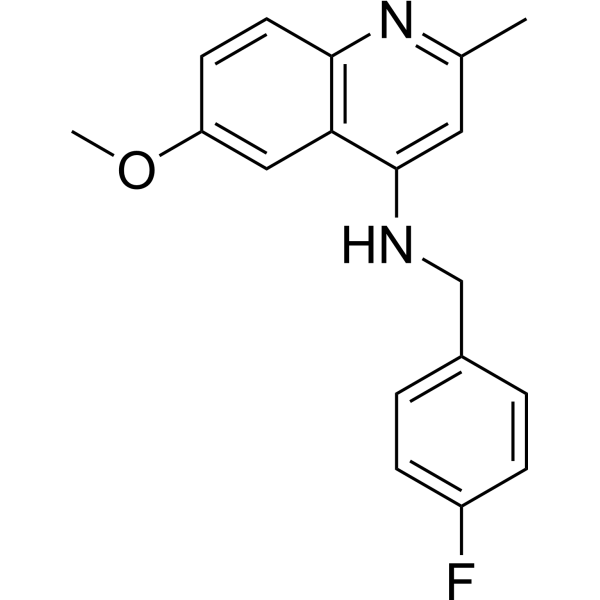
SLEC-11 is a CDH1/E-cadherin modulator that potently inhibits cell death in E-cadherin-deficient cells (EC50=8.2 μM). SLEC-11 can be used to study potential synthetic lethal therapies for gastric cancer .
loading...
    loading...
Cat. No.: HY-149952
CAS No.: 2923800-62-6
Target:  

ATM/ATR

Research Areas:  

Cancer

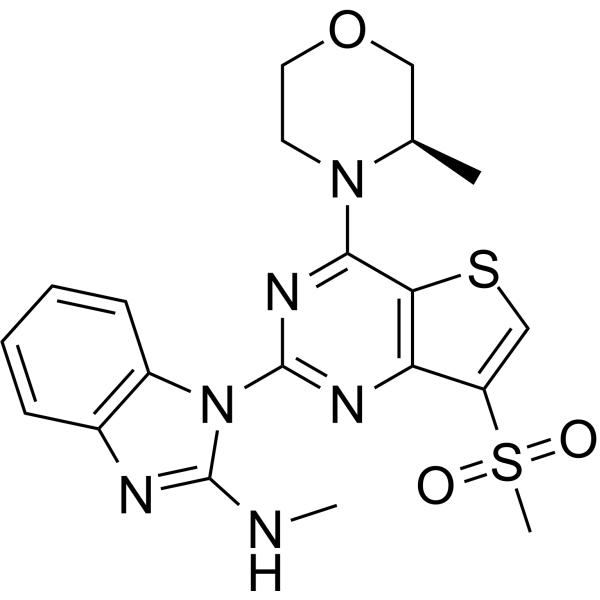
ATR-IN-23 (Compound 34) is a potent and selective ATR inhibitor with an IC50 of 1.5 nM. ATR-IN-23 has potent antiproliferative effects on LoVo cells and synthetic lethality on HT-29 cells, and can be used in the study of DNA damage response (DDR)-deficient cancers .
loading...
    loading...
Cat. No.: HY-N4115R
CAS No.: 84-36-6
Synonyms: Su 3118 (Standard)
Syrosingopine (Su 3118) is an orally active lactate transporters (MCT1/MCT4) dual inhibitor, which can reduce glycolysis and induce synthetic lethality in cancer cells when combine with metformin. Syrosingopine shows anti-hypertensive activity by depleting peripheral stores of norepinephrine .
loading...
    loading...
Cat. No.: HY-174217
CAS No.: 3058652-58-4
Target:  

DNA/RNA Synthesis

Research Areas:  

Cancer

WRN-IN-19 (Compound (S)-27) is a covalent WRN helicase inhibitor, with pIC50 (0 h/4 h) = 5.4/7.5 in the DNA-unwinding 5 endpoint assays. WRN-IN-19 shows synthetic lethality in MSI-H (high microsatellite instability) cancer cells .
loading...
    loading...
Cat. No.: HY-153141
CAS No.: 2035018-15-4
Target:  

RNA MTase

Research Areas:  

Cancer

MP-1 is a potent Fumarate hydratase-dependent hit. MP-1 engages an array of functional cysteines, including one lying in the Zn-finger domain of the tRNA methyltransferase enzyme TRMT1. MP-1 causes fumarate hydratase-dependent synthetic lethality in a metastatic hereditary leiomyomatosis and renal cell carcinoma cell line .
loading...
    loading...
Cat. No.: HY-141520G
CAS No.: 2603528-97-6
ART558 (GMP) is ART558 (HY-141520) produced by using GMP guidelines. GMP small molecules works appropriately as an auxiliary reagent for cell therapy manufacture. ART558 is a potent, selective and allosteric DNA polymerase theta (Polθ) inhibitor (IC50=7.9 nM). ART558 elicits BRCA-gene synthetic lethality and DNA damage. ART558 can be used for the research of cancer, such as breast cancer .
loading...
    loading...
Cat. No.: HY-161083
CAS No.: 3026744-15-7
Research Areas:  

Cancer

PARP/EZH2-IN-2 (compound 12e) is a dual target PARP1 and EZH2 inhibitor, with IC50 values of 6.89 and 27.34 nM, respectively. PARP/EZH2-IN-2 shows anticancer activity, with no toxicity to normal cells. PARP/EZH2-IN-2 achieves synthetic lethality indirectly by inhibiting EZH2 to increase the sensitivity to PARP1, and induces cell death by regulating excessive autophagy .
loading...
    loading...
Cat. No.: HY-141876
CAS No.: 2278356-90-2
PRT543 is an orally active selective PRMT5 inhibitor. PRT543 reduces intracellular symmetric dimethylarginine (sDMA) levels, downregulates the expression of genes related to DNA damage repair and DNA replication pathways, and induces abnormal alternative splicing. PRT543 inhibits the MYB, NOTCH1 and PI3K/AKT signaling pathways, promotes nuclear translocation of FOXO1, upregulates the pro-apoptotic protein BAX, and enhances cellular sensitivity to BCL-2 inhibition. PRT543 disrupts the normal RNA splicing process and exerts a synthetic lethal effect on myeloid tumor cells carrying splicing factor mutations. PRT543 can be used in research related to various cancers including breast cancer, ovarian cancer and acute myeloid leukemia .
loading...
    loading...
Cat. No.: HY-162896
CAS No.: 3029132-46-2
Research Areas:  

Cancer

And1 degrader 1 is an acidic nucleoplasmic DNA-binding protein 1 (And1) molecular glue-like degrader. And1 degrader 1 binds to the WD40 domain of And1 in a 'V' conformation to induce And1 degradation via the ubiquitin-proteasome pathway. And1 degrader 1 exhibits antiproliferative activity via synthetic lethal interaction with a PARP1 inhibitor to inhibit proliferation of cancer cells. And1 degrader 1 can be used for the research of non-small cell lung cancer (NSCLC) .
loading...
    loading...

