29 Results for "

TRP-1

" in MedChemExpress (MCE) Product Catalog:
Products (29)

29 Results for "TRP-1" in MCE Product Catalog:

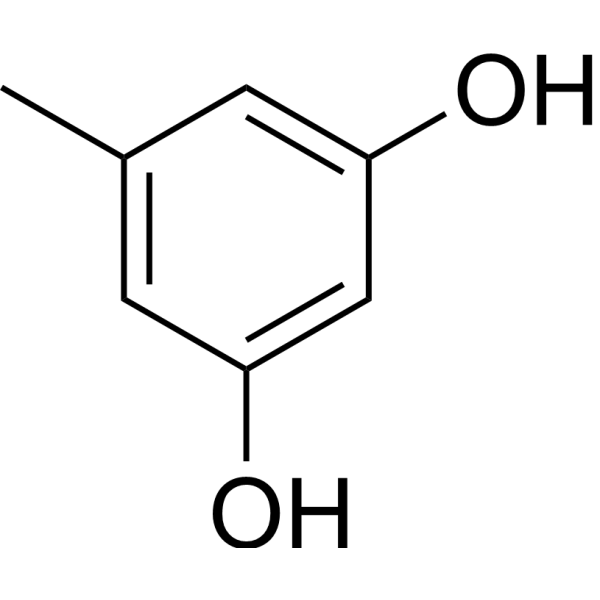
Cat. No.: HY-D0168
CAS No.: 504-15-4
Synonyms: 3,5-Dihydroxytoluene
Orcinol (3,5-Dihydroxytoluene) is an organic compound used in biological dyeing and proteomics research. Orcinol inhibits melanogenesis in B16F10 cells by upregulating the MAPK/ERK signaling pathway, and suppresses the expression of MITF, tyrosinase (TYR), TRP1, and DCT. Orcinol exhibits certain DPPH radical scavenging activity. In addition, Orcinol can alter nitrogen balance in animals. Orcinol holds promise for research in cancer and metabolic diseases [1] .
loading...
    loading...
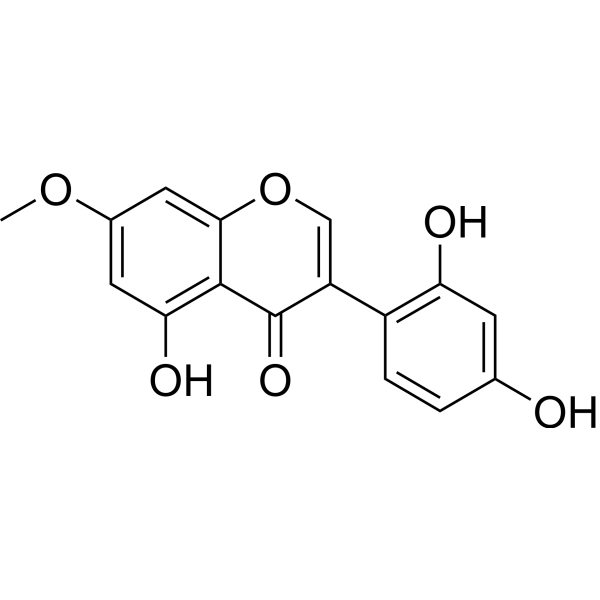
Cat. No.: HY-N2983
CAS No.: 32884-36-9
Cajanin is a potent and orally active anti-melanogenic agent. Cajanin shows antiproliferative activity in MNT1 Cells. Cajanin efficiently decreases the melanin content. Cajanin down-regulates the mRNA and protein expression levels of MITF, tyrosinase, TRP-1 and Dct (TRP-2). Cajanin induces cell cycle arrest at G2/M and S phase. Cajanin stimulates osteoblast proliferation. Cajanin has the potential for the research of human hyperpigmented disorders and menopausal osteoporosis [1] .
loading...
    loading...
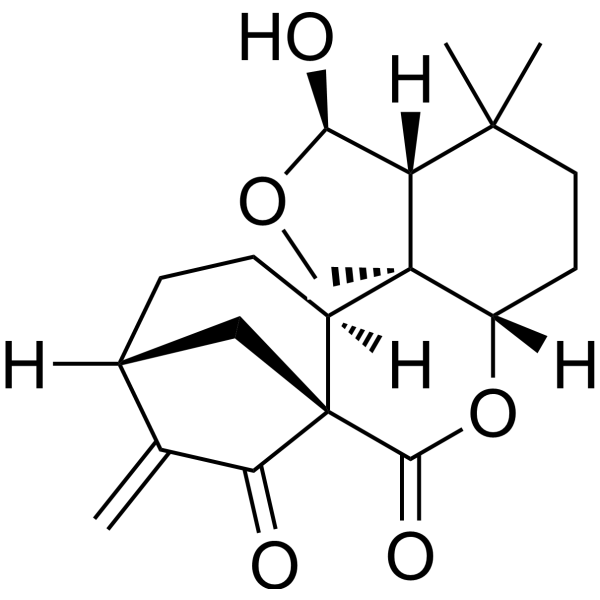
Cat. No.: HY-134046
CAS No.: 10391-08-9
Synonyms: Isodocarpin
(-)-Isodocarpin (Isodocarpin), a diterpenoid, is a potent melanogenesis inhibitor with an IC50 of 0.19 μM in B16 4A5 cells. (-)-Isodocarpin inhibits the expression of tyrosinase, tyrosine-related protein (TRP)-1, and TRP-2 mRNA [1].
loading...
    loading...
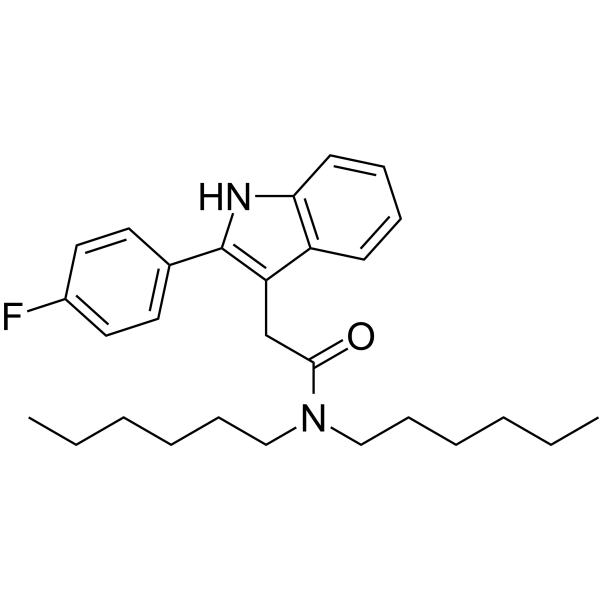
Cat. No.: HY-101059
CAS No.: 142720-24-9
Purity:  99.95%
FGIN-1-27 is a blood-brain barrier-penetrant TSPO ligand with a Ki value of 5 nM. FGIN 1-27 inhibits PKC-β, PKA/CREB, p38/ERK MAPK, MITF, tyrosinase, TRP-1, and TRP-2, thereby inhibiting melanogenesis and pigmentation. FGIN-1-27 alleviates X-ray radiation-induced astrocyte mitochondrial hyperfunction, reduces ROS and superoxide production, inhibits excessive activation of A1-type astrocytes, downregulates GFAP and C3 protein expression, and restores astrocyte proliferative capacity. FGIN-1-27 produces anticonvulsant effects in normal mice; in diazepam-withdrawn mice, the brain MDR pathway becomes subsensitive, and the anticonvulsant activity disappears. FGIN-1-27 attenuates pigmentation in zebrafish embryos and ameliorates UVB-induced skin pigmentation in guinea pigs. FGIN-1-27 directly stimulates testicular Leydig cells while upregulating luteinizing hormone levels, causing an acute increase in serum testosterone in male rats. FGIN 1-27 can be used for research related to hyperpigmentation, epilepsy, brain injury, and other diseases [1] .
loading...
    loading...
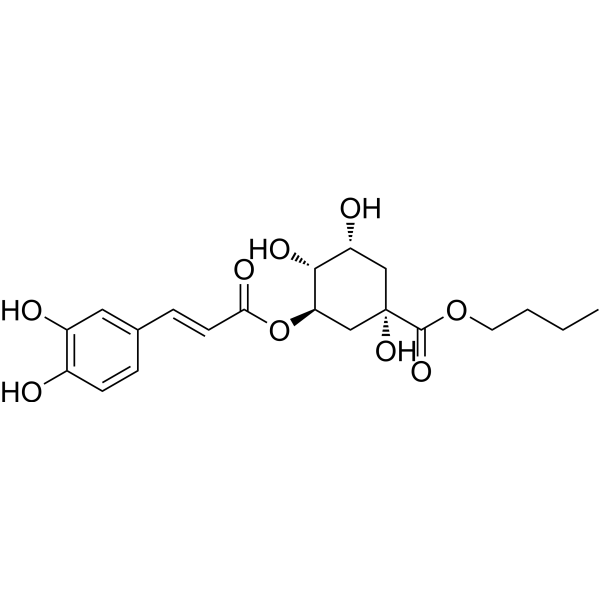
Cat. No.: HY-N10016
CAS No.: 132741-56-1
Chlorogenic acid butyl ester, a caffeoylquinic acid, is a potent melanogenesis inhibitor. Chlorogenic acid butyl ester inhibits the expression of microphtalmia-associated transcription factor (MITF), tyrosinase, tyrosinerelated protein 1 (TRP-1), and TRP-2. Chlorogenic acid butyl ester also shows antioxidant activity [1].
loading...
    loading...
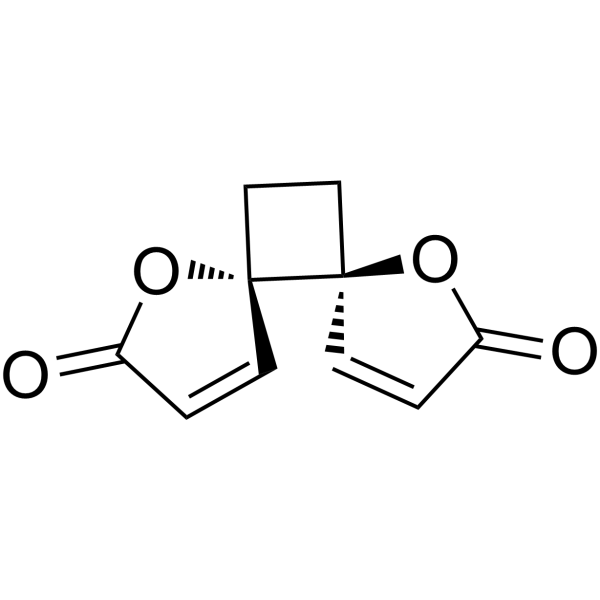
Cat. No.: HY-N0278
CAS No.: 508-44-1
Synonyms: Pulsatilla camphor; Anemonine; trans-Anemonin
Anemonin (Pulsatilla camphor; Anemonine; trans-Anemonin) is a naturally occurring bislactone small molecule derived from Ranunculaceae with blood-brain barrier permeability, possessing a variety of activities including anti-inflammatory, antioxidant, neuroprotective, melanogenesis-inhibiting, and antiparasitic effects. Anemonin inhibits iNOS to reduce NO release; it inhibits PKC-θ protein expression and downregulates the pro-inflammatory factors TNF-α, IL-1β, and IL-6; it enhances the activities of the antioxidant enzymes SOD, CAT, and GSH-Px, and reduces MDA and ROS levels. Anemonin modulates the Bcl-2 / Bax / caspase-3 pathway to inhibit apoptosis; it downregulates melanogenesis-related molecules including MITF, TYR, TRP1, and TRP2, thereby inhibiting melanin synthesis in human melanocytes. Anemonin inhibits Leishmania and Schistosoma mansoni. Anemonin is used in research related to diseases such as hyperpigmentation, cerebral ischemia/reperfusion injury, inflammation, sepsis-induced acute lung injury, acute ulcerative colitis, leishmaniasis, and schistosomiasis [1] .
loading...
    loading...
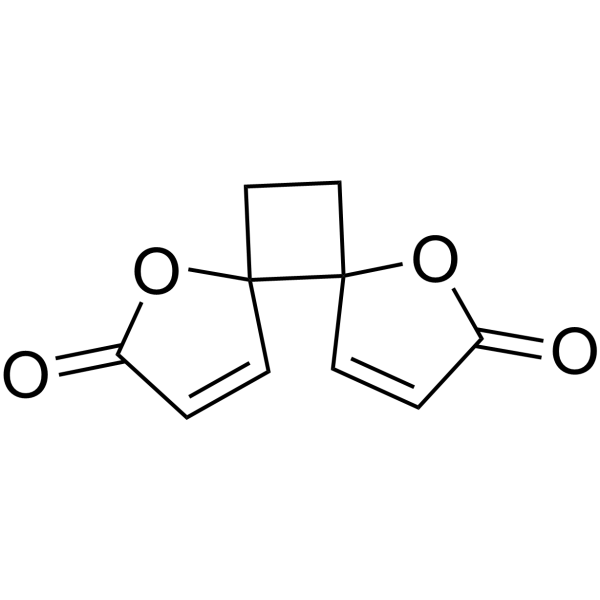
Cat. No.: HY-N0278A
CAS No.: 90921-11-2
Synonyms: (Rac)-Pulsatilla camphor; (Rac)-Anemonine
(Rac)-Anemonin ((Rac)-Pulsatilla camphor; (Rac)-Anemonine) is an isomer of Anemonin. Anemonin is a naturally occurring bislactone small molecule derived from Ranunculaceae with blood-brain barrier permeability, possessing a variety of activities including anti-inflammatory, antioxidant, neuroprotective, melanogenesis-inhibiting, and antiparasitic effects. Anemonin inhibits iNOS to reduce NO release; it inhibits PKC-θ protein expression and downregulates the pro-inflammatory factors TNF-α, IL-1β, and IL-6; it enhances the activities of the antioxidant enzymes SOD, CAT, and GSH-Px, and reduces MDA and ROS levels. Anemonin modulates the Bcl-2 / Bax / caspase-3 pathway to inhibit apoptosis; it downregulates melanogenesis-related molecules including MITF, TYR, TRP1, and TRP2, thereby inhibiting melanin synthesis in human melanocytes. Anemonin inhibits Leishmania and Schistosoma mansoni. Anemonin is used in research related to diseases such as hyperpigmentation, cerebral ischemia/reperfusion injury, inflammation, sepsis-induced acute lung injury, acute ulcerative colitis, leishmaniasis, and schistosomiasis [1] .
loading...
    loading...
Cat. No.: HY-P73568
Purity:  ≥ 95%, as determined by reducing SDS-PAGE.
Synonyms: TYRP1; tyrosinase related protein 1; TRP; CAS2; CATB; GP75; OCA3; TRP1; TYRP; b-PROTEIN; brown; isa; MELANOMA ANTIGEN GP75; 5,6-Dihydroxyindole-2-Carboxylic Acid Oxidase; tyrosinase-related protein 1; TRP-1; Tyrp-1; TYRRP
Species:  
Human
Source:  
HEK293
loading...
    loading...
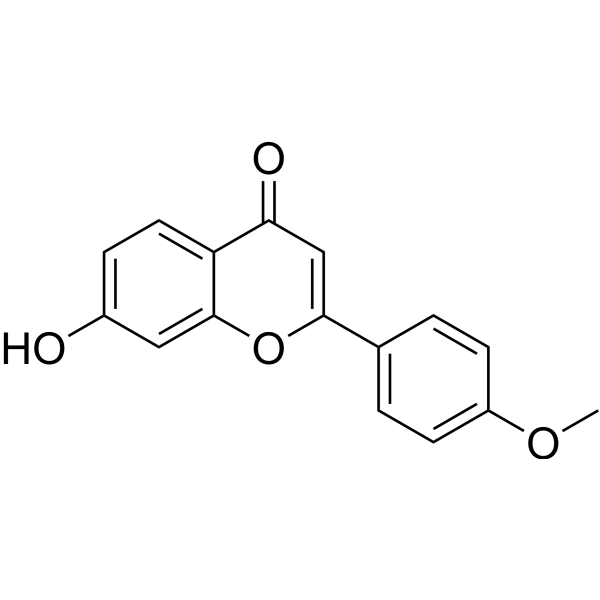
Cat. No.: HY-N8719
CAS No.: 487-24-1
Synonyms: 7-Hydroxy-4'-methoxyflavone
Pratol (7-Hydroxy-4'-methoxyflavone) is an NF-κB inhibitor. Pratol also inhibits NO, PGE2, TNF-α, IL-1β, and IL-6 production. Pratol increases the phosphorylation of p38 MAPK, JNK, and ERK, decreases AKT phosphorylation, and upregulates MITF, tyrosinase, TRP-1, and TRP-2 through a PKA-dependent signaling pathway. Pratol reduces iNOS and COX-2 protein expression, inhibits p65 phosphorylation, and protects IκBα from degradation, thereby inhibiting NF-κB nuclear translocation. Pratol can be used in research on hypopigmentary disorders, inflammatory diseases, cervical cancer, and colon cancer [1] .
loading...
    loading...
Cat. No.: HY-P11636A
Target:  

Inhibitory Antibodies

Research Areas:  

Inflammation/Immunology

TRP-1(106-130) acetate is a peptide sequence derived from tyrosinase-related protein 1 (TRP-1), which can be used to specifically activate and amplify T cells that recognize this antigen sequence [1].
loading...
    loading...
Cat. No.: HY-P11636
CAS No.: 2844316-27-2
Target:  

Inhibitory Antibodies

Research Areas:  

Inflammation/Immunology

TRP-1(106-130) is a peptide sequence derived from tyrosinase-related protein 1 (TRP-1), which can be used to specifically activate and amplify T cells that recognize this antigen sequence [1].
loading...
    loading...
Cat. No.: HY-P82582
Synonyms: CAS2; CATB; GP75; OCA3; TRP1; TYRP; TYRP1; TYRRP

Host:  

Rabbit

Application:  

WB, IHC-P, IP

Reactivity:  

Human

loading...
    loading...
Cat. No.: HY-101059R
CAS No.: 142720-24-9
FGIN 1-27 (Standard) is the analytical standard of FGIN 1-27 (HY-101059). This product is intended for research and analytical applications. FGIN-1-27 is a blood-brain barrier-penetrant TSPO ligand with a Ki value of 5 nM. FGIN 1-27 inhibits PKC-β, PKA/CREB, p38/ERK MAPK, MITF, tyrosinase, TRP-1, and TRP-2, thereby inhibiting melanogenesis and pigmentation. FGIN-1-27 alleviates X-ray radiation-induced astrocyte mitochondrial hyperfunction, reduces ROS and superoxide production, inhibits excessive activation of A1-type astrocytes, downregulates GFAP and C3 protein expression, and restores astrocyte proliferative capacity. FGIN-1-27 produces anticonvulsant effects in normal mice; in diazepam-withdrawn mice, the brain MDR pathway becomes subsensitive, and the anticonvulsant activity disappears. FGIN-1-27 attenuates pigmentation in zebrafish embryos and ameliorates UVB-induced skin pigmentation in guinea pigs. FGIN-1-27 directly stimulates testicular Leydig cells while upregulating luteinizing hormone levels, causing an acute increase in serum testosterone in male rats. FGIN 1-27 can be used for research related to hyperpigmentation, epilepsy, brain injury, and other diseases [1] .
loading...
    loading...
Cat. No.: HY-RS18847
Research Areas:  

Others

Tyrp1 Mouse Pre-designed siRNA Set A contains three designed siRNAs for Tyrp1 gene (Mouse), as well as a negative control, a positive control, and a FAM-labeled negative control.

loading...
    loading...
Cat. No.: HY-RS15104
Research Areas:  

Others

TRPC1 Human Pre-designed siRNA Set A contains three designed siRNAs for TRPC1 gene (Human), as well as a negative control, a positive control, and a FAM-labeled negative control.

loading...
    loading...
Cat. No.: HY-RS11245
Research Areas:  

Others

PRSS1 Human Pre-designed siRNA Set A contains three designed siRNAs for PRSS1 gene (Human), as well as a negative control, a positive control, and a FAM-labeled negative control.

loading...
    loading...
Cat. No.: HY-RS15119
Research Areas:  

Others

TRPS1 Human Pre-designed siRNA Set A contains three designed siRNAs for TRPS1 gene (Human), as well as a negative control, a positive control, and a FAM-labeled negative control.

loading...
    loading...
Cat. No.: HY-RS19749
Research Areas:  

Others

Trps1 Mouse Pre-designed siRNA Set A contains three designed siRNAs for Trps1 gene (Mouse), as well as a negative control, a positive control, and a FAM-labeled negative control.

loading...
    loading...
Cat. No.: HY-RS11645
Research Areas:  

Others

RANBP2 Human Pre-designed siRNA Set A contains three designed siRNAs for RANBP2 gene (Human), as well as a negative control, a positive control, and a FAM-labeled negative control.

loading...
    loading...
Cat. No.: HY-P81502
Synonyms: CAS2; CATB; GP75; OCA3; TRP1; TYRP; TYRP1; TYRRP; DHICA oxidase

Host:  

Rabbit

Application:  

IHC-P

Reactivity:  

Human

loading...
    loading...

