
48 Results for "

Transgenic Mice

" in MedChemExpress (MCE) Product Catalog:
Products (48)

48 Results for "Transgenic Mice" in MCE Product Catalog:

282
282 Publications Verification
Cat. No.: HY-13757A
CAS No.: 10540-29-1
Purity:  99.78%
Synonyms: ICI 47699; (Z)-Tamoxifen; trans-Tamoxifen
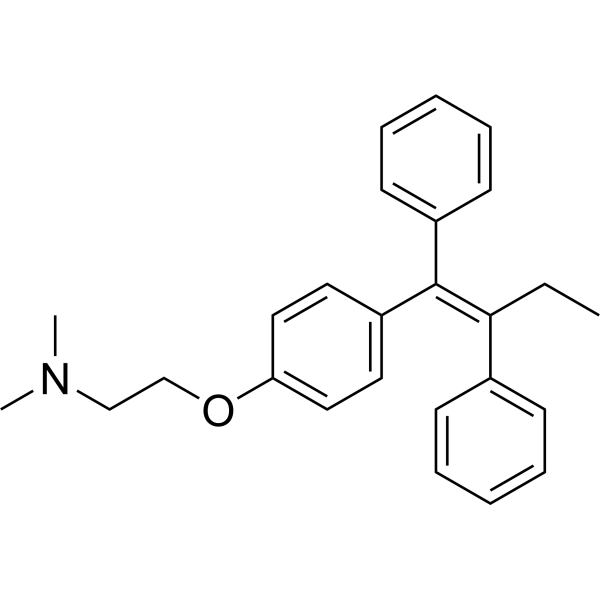
Tamoxifen (ICI 47699) is an orally active, selective estrogen receptor modulator (SERM) which blocks estrogen action in breast cells and can activate estrogen activity in other cells, such as bone, liver, and uterine cells. Tamoxifen is a potent Hsp90 activator and enhances the Hsp90 molecular chaperone ATPase activity. Tamoxifen also potent inhibits infectious EBOV Zaire and Marburg (MARV) with IC50 of 0.1 μM and 1.8 μM, respectively. Tamoxifen activates autophagy and induces apoptosis. Tamoxifen can also be dissolved in corn oil (HY-Y1888) for use in inducing gene knockout in CreER transgenic mice. Tamoxifen has better solubility in corn oil compared to Tamoxifen Citrate (HY-13757) .
loading...
    loading...
282
282 Publications Verification
Cat. No.: HY-13757
CAS No.: 54965-24-1
Purity:  99.93%
Synonyms: ICI 46474; (Z)-Tamoxifen Citrate; trans-Tamoxifen Citrate
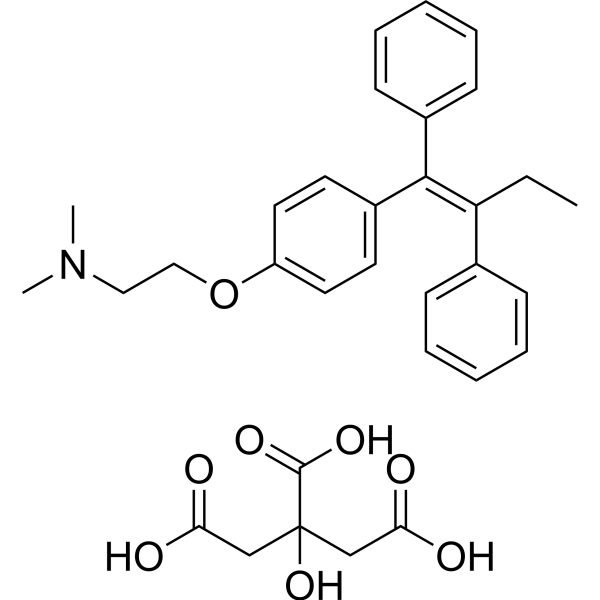
Tamoxifen Citrate (ICI 46474) is an orally active, selective estrogen receptor modulator (SERM) which blocks estrogen action in breast cells and can activate estrogen activity in other cells, such as bone, liver, and uterine cells.Tamoxifen Citrate is a potent Hsp90 activator and enhances the Hsp90 molecular chaperone ATPase activity. Tamoxifen Citrate also potent inhibits infectious EBOV Zaire and Marburg (MARV) with IC50 of 0.1 μM and 1.8 μM, respectively. Tamoxifen Citrate activates autophagy and induces apoptosis. Tamoxifen Citrate can also be used to induce gene knockout in CreER transgenic mice .
loading...
    loading...
62
62 Cited Publications
Cat. No.: HY-16950
CAS No.: 68047-06-3
Synonyms: (Z)-4-Hydroxytamoxifen; trans-4-Hydroxytamoxifen; (Z)-Afimoxifene
Target:  

Estrogen Receptor/ERR

Research Areas:  

Cancer

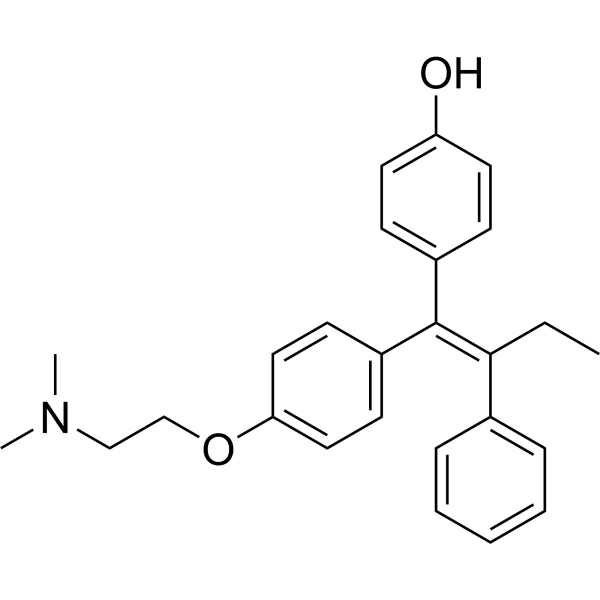
4-Hydroxytamoxifen ((Z)-4-Hydroxytamoxifen) is an orally active, selective estrogen receptor modulator (SERM). 4-Hydroxytamoxifen ((Z)-4-Hydroxytamoxifen) is also the active metabolic form of Tamoxifen (HY-13757A) in vivo and can be used to induce gene knockout in transgenic mice expressing CreER .
loading...
    loading...
6
6 Cited Publications
Cat. No.: HY-103157
CAS No.: 4079-26-9
Purity:  99.59%
Synonyms: NSC168807
Target:  

Autophagy Ferroptosis

Research Areas:  

Cardiovascular Disease

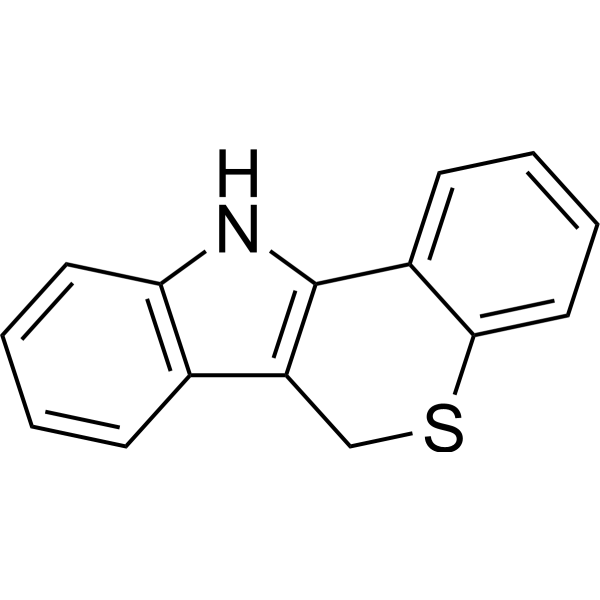
PD146176 (NSC168807), a 15-Lipoxygenase (15-LO) inhibitor, inhibits rabbit reticulocyte 15-LO (Ki=197 nM, IC50=0.54 μM). PD146176 reverses cognitive impairment, brain amyloidosis, and tau pathology by stimulating autophagy in aged triple transgenic mice .
loading...
    loading...
4
4 Cited Publications
Cat. No.: HY-P99156
CAS No.: 1673516-98-7
Synonyms: BMS-986016

Target:  

LAG-3

Research Areas:  

Cancer

Relatlimab (BMS-986016) is a human monoclonal antibody anti-LAG-3 antibody generated by immunization of transgenic mice bearing human immunoglobulin miniloci with recombinant LAG-3 protein. Relatlimab blocks LAG-3/MHC II interaction with an IC50 value of 0.67 nM and LAG-3/FGL1 interaction with an IC50 value of 0.019 nM. Relatlimab can be used in research of cancer .
loading...
    loading...
2
2 Cited Publications
Cat. No.: HY-N6608
CAS No.: 57-47-6
Synonyms: Eserine
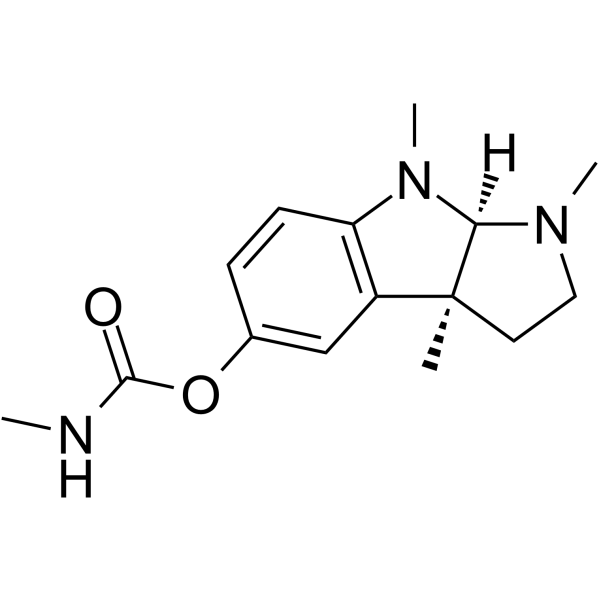
Physostigmine (Eserine) is a reversible acetylcholinesterase (AChE) inhibitor. Physostigmine can crosses the blood-brain barrier and stimulates central cholinergic neurotransmission. Physostigmine can reverse memory deficits in transgenic mice with Alzheimer's disease. Physostigmine is also an antidote for anticholinergic poisoning .
loading...
    loading...
2
2 Cited Publications
Cat. No.: HY-B1266
CAS No.: 57-64-7
Synonyms: Eserine salicylate
Target:  

Cholinesterase (ChE)

Research Areas:  

Neurological Disease

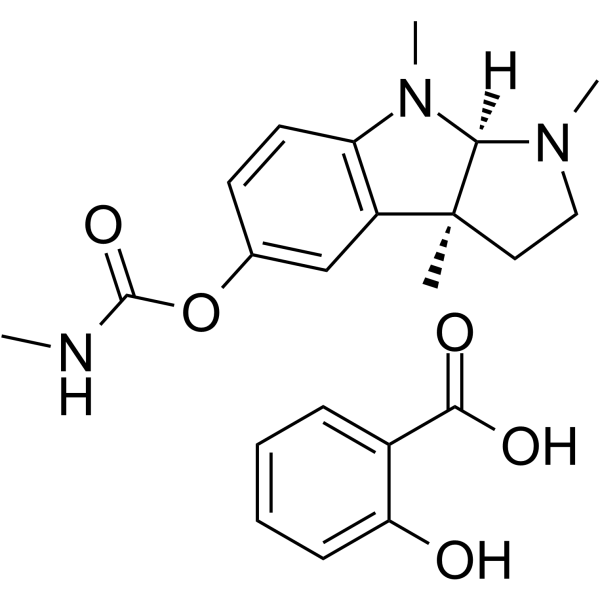
Physostigmine salicylate (Eserine salicylate) is a reversible acetylcholinesterase (AChE) inhibitor. Physostigmine salicylate crosses the blood-brain barrier and stimulates central cholinergic neurotransmission. Physostigmine salicylate can reverse memory deficits in transgenic mice with Alzheimer's disease. Physostigmine salicylate is also an antidote for anticholinergic poisoning .
loading...
    loading...
2
2 Cited Publications
Cat. No.: HY-N2320
CAS No.: 64-47-1
Synonyms: Eserine hemisulfate
Target:  

Cholinesterase (ChE)

Research Areas:  

Neurological Disease

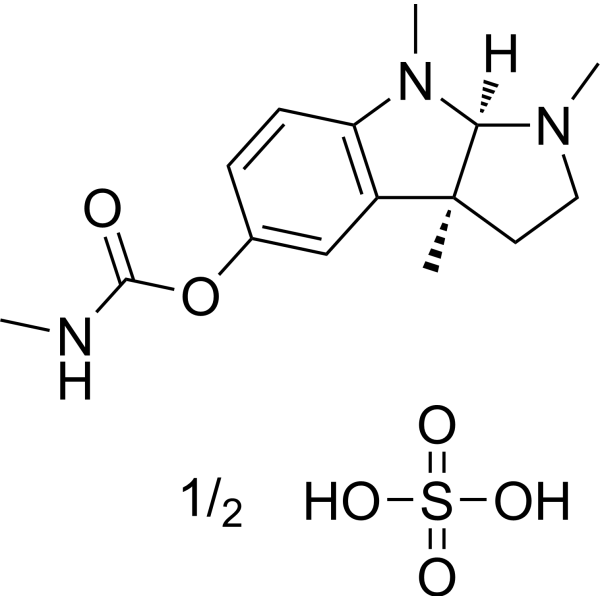
Physostigmine hemisulfate (Eserine hemisulfate) is a reversible acetylcholinesterase (AChE) inhibitor. Physostigmine hemisulfate can crosses the blood-brain barrier and stimulates central cholinergic neurotransmission. Physostigmine hemisulfate can reverse memory deficits in transgenic mice with Alzheimer's disease. Physostigmine hemisulfate is also an antidote for anticholinergic poisoning .
loading...
    loading...
2
2 Cited Publications
Cat. No.: HY-N1414A
CAS No.: 76656-80-9
3′,6-Disinapoylsucrose is a type of oligosaccharide that's effective when taken orally, and it has antidepressant, anti-anxiety, and antioxidant properties. 3′,6-Disinapoylsucrose inhibits neuronal apoptosis by lowering the ratio of Bax to Bcl-2 in hippocampal neurons, and it enhances cognitive function in APP/PS1 transgenic mice by activating the CREB/BDNF signaling pathway .
loading...
    loading...
1
1 Cited Publications
Cat. No.: HY-100384
CAS No.: 537034-15-4
Purity:  97.26%
Target:  

HDAC

Research Areas:  

Neurological Disease Cancer

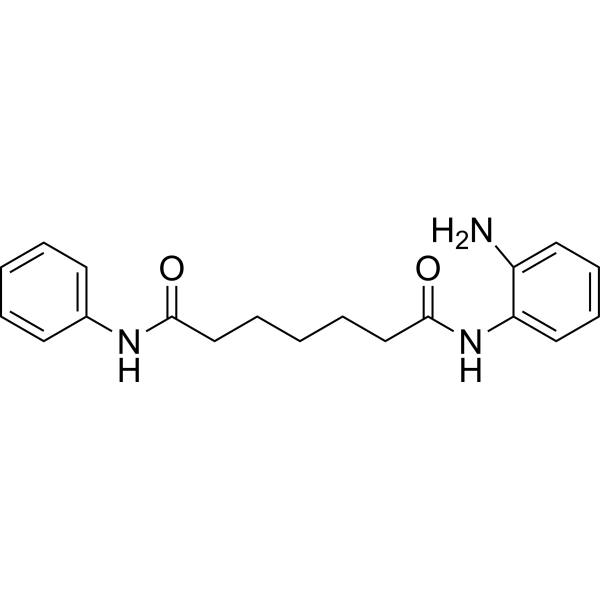
NKL 22 is a potent and selective inhibitor of histone deacetylases (HDAC), with IC50 values of 199 and 69 nM for HDAC1 and HDAC3, respectively. NKL 22 can reverse abnormal expression of HD‑related genes and restore the levels of key genes including Ppp1r1b in Huntington's disease transgenic mice. NKL 22 can be used for the researches of Huntington's disease and cancer .
loading...
    loading...
Cat. No.: HY-145313
CAS No.: 2765453-51-6
Purity:  99.91%
Target:  

Tau Protein

Research Areas:  

Neurological Disease

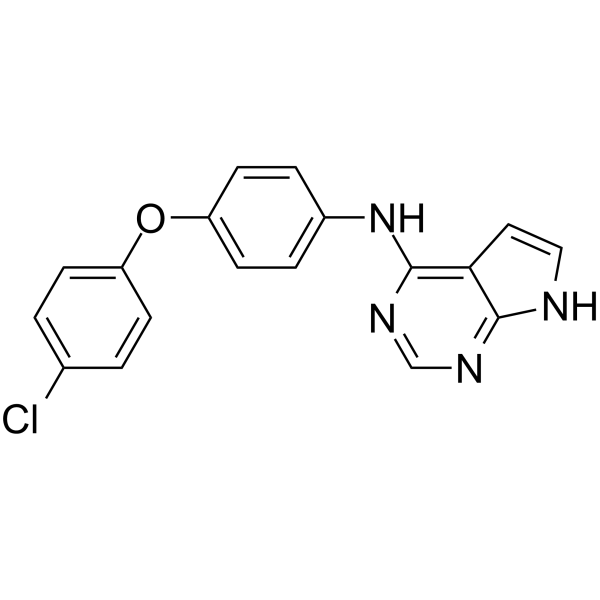
TTBK1-IN-2 (compound 29) is a potent Tau-Tubulin kinase (TTBK1) inhibitor with IC50s of 0.24 and 4.22 µM, respectively. TTBK1-IN-2 reveals good brain penetration in vivo and is able to reduce TDP-43 phosphorylation not only in cell cultures but also in the spinal cord of transgenic TDP-43 mice .
loading...
    loading...
Cat. No.: HY-158424
CAS No.: 2565657-20-5
Purity:  99.62%
Target:  

LDLR

Research Areas:  

Cardiovascular Disease

LSN3353871 is an orally active inhibitor of lipoprotein (a) (Lp (a)) formation, with Kd values of 756 nM (apo (a) KIV8), 605 nM (apo (a) KIV7-8), and 423 nM (apo (a) KIV5-8), respectively, and an IC50 of 1.69 μM against apo (a) KIV5-8. LSN3353871 reduces circulating Lp (a) levels in transgenic mice and cynomolgus monkeys. LSN3353871 can be used in the research of atherosclerotic cardiovascular disease and calcific aortic valve disease .
loading...
    loading...
Cat. No.: HY-156397
Purity:  99.42%
Target:  

AMPK YAP

Research Areas:  

Cancer

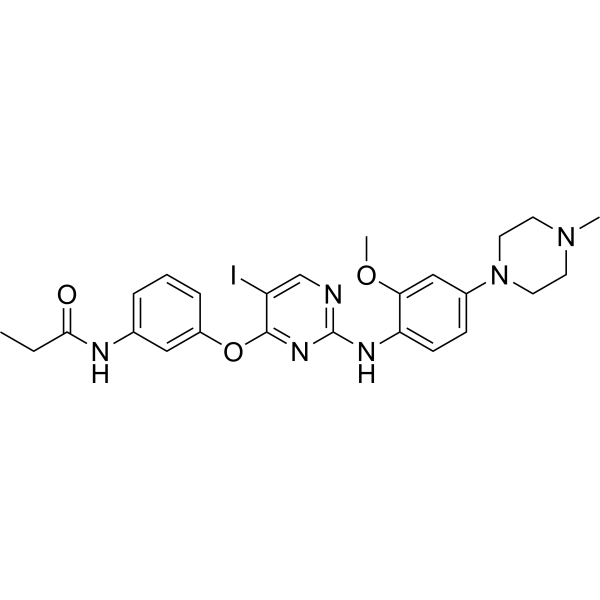
HTH-02-006 is a NUAK2 inhibitor, with an IC50 value of 126 nM. HTH-02-006 inhibits NUAK2-mediated signaling by reducing phosphorylation of its substrate MYPT1 at S445 and downstream MLC. HTH-02-006 shows growth inhibitory efficacy in YAP-high cancer cells (HuCCT-1, SNU475). HTH-02-006 significantly suppresses YAP-induced hepatomegaly (reduced liver/body weight ratio) in TetO-YAP S127A transgenic mice and demonstrates significant anti-tumor efficacy in mice bearing HMVP2 prostate cancer allografts. HTH-02-006 can be used for the study of liver cancer and prostate cancer .
loading...
    loading...
Cat. No.: HY-101954
CAS No.: 475650-36-3
Synonyms: ORI-9020; SB-9000
Target:  

HBV

Research Areas:  

Infection

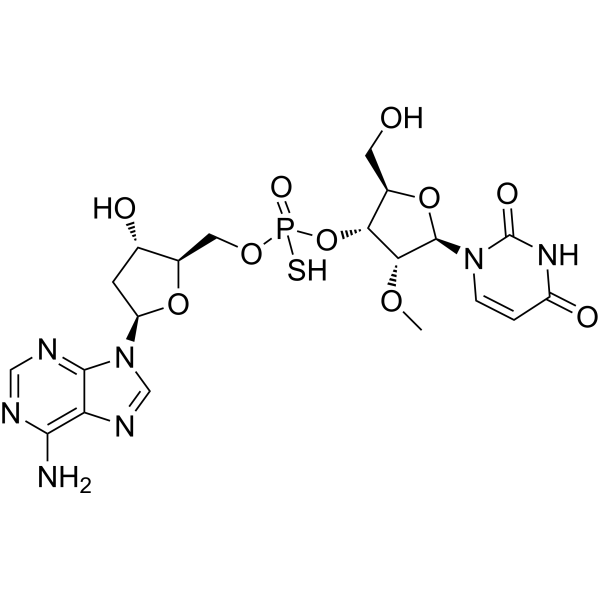
Inarigivir (ORI-9020) is a dinucleotide antiviral drug that can significantly reduce liver HBV DNA in transgenic mice expressing hepatitis B virus. Inarigivir (ORI-9020) act as a RIG-I agonist to activate cellular innate immune responses .
loading...
    loading...
Cat. No.: HY-101954A
CAS No.: 2172788-92-8
Purity:  99.04%
Synonyms: ORI-9020 ammonium; SB-9000 ammonium
Target:  

HBV

Research Areas:  

Infection Inflammation/Immunology

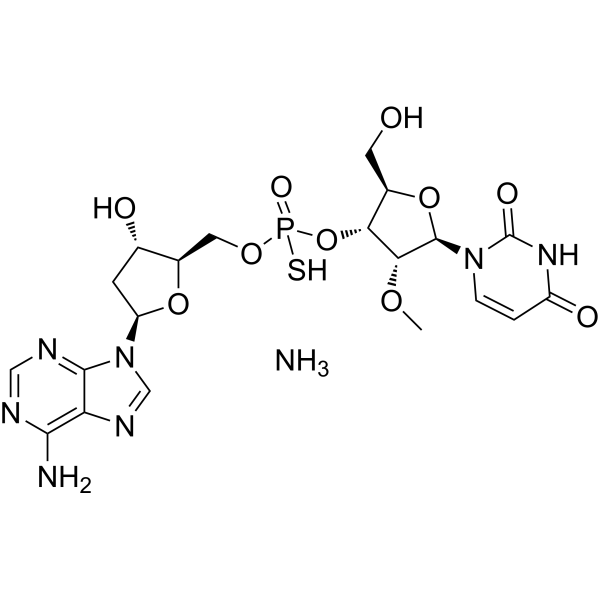
Inarigivir (ORI-9020) ammonium is a dinucleotide antiviral drug that can significantly reduce liver HBV DNA in transgenic mice expressing hepatitis B virus. Inarigivir (ORI-9020) ammonium acts as a RIG-I (Retinoic acid-inducible gene-I) agonist to activate cellular innate immune responses .
loading...
    loading...
Cat. No.: HY-139973
CAS No.: 2140911-49-3
Purity:  99.21%
Target:  

Amyloid-β

Research Areas:  

Neurological Disease

OAB-14, is a Bexarotene (HY-14171) derivative, improves Alzheimer's disease-related pathologies and cognitive impairments by increasing β-amyloid clearance in APP/PS1 mice. OAB-14 effectively ameliorates the dysfunction of the endosomal-autophagic-lysosomal pathway in APP/PS1 transgenic mice .
loading...
    loading...
Cat. No.: HY-P4885
CAS No.: 161818-04-8
Synonyms: AβpE3-40
Target:  

Amyloid-β

Research Areas:  

Neurological Disease

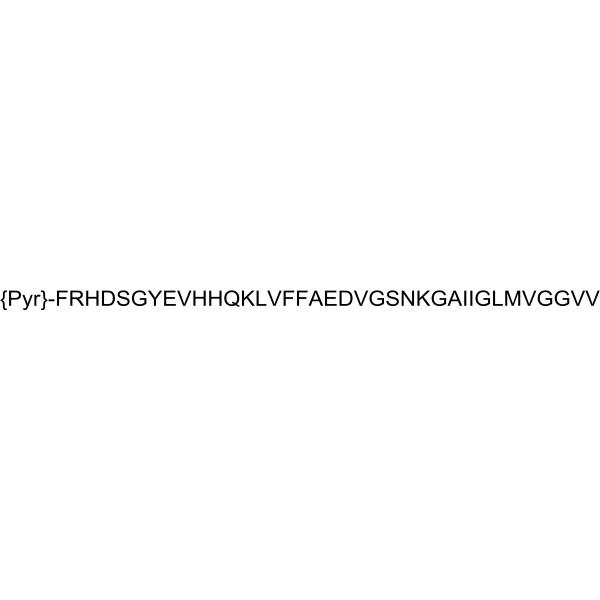
Glp-Amyloid-β (3-40) Peptide (human) (AβpE3-40) is a minor amounts of pyroglutamate-modified Aβ isolated from from 24-month-old Amyloid precursor protein (APP) transgenic Mice .
loading...
    loading...
Cat. No.: HY-125172
CAS No.: 300670-16-0
Synonyms: Polyglutamine Aggregation inhibitor III
Target:  

Huntingtin

Research Areas:  

Others

C2-8 is an inhibitor of polyglutamine (polyQ) aggregation (IC50s=25 and 0.05 μM for recombinant HDQ51 and in PC12 cells, respectively). It also inhibits polyQ aggregation in organotypic hippocampal slice cultures isolated from R6/2 transgenic mice and reduces neurodegeneration in a dose-dependent manner in a Drosophila model of Huntington's disease. C2-8 (100 and 200 mg/kg) reduces huntingtin aggregate size, reduces neuronal atrophy, and improves motor performance in a rotarod test in the R6/2 transgenic mouse model of Huntington's disease.
loading...
    loading...
Cat. No.: HY-165061
CAS No.: 7019-85-4
Synonyms: Sciadonic acid
Target:  

Apolipoprotein

Research Areas:  

Inflammation/Immunology

5(Z),11(Z),14(Z)-Eicosatrienoic acid (Sciadonic acid), a polyunsaturated fatty acid sourced from maritime pine seed oil, gymnospermae leaves and seeds, and freshwater gastropods, has been shown to reduce high-density lipoprotein and ApoA1 levels in transgenic mice expressing human ApoA1 when included in their diet. In vitro studies indicate that it diminishes cholesterol efflux, and when applied topically in its methyl ester form, it alleviates inflammatory processes, likely by displacing arachidonic acid from phospholipid pools and lowering concentrations of downstream inflammatory mediators such as prostaglandin E2 and leukotrienes.
loading...
    loading...
Cat. No.: HY-124187
CAS No.: 493015-74-0
Purity:  ≥98.0%
Synonyms: Ethyl pinolenate
Research Areas:  

Others

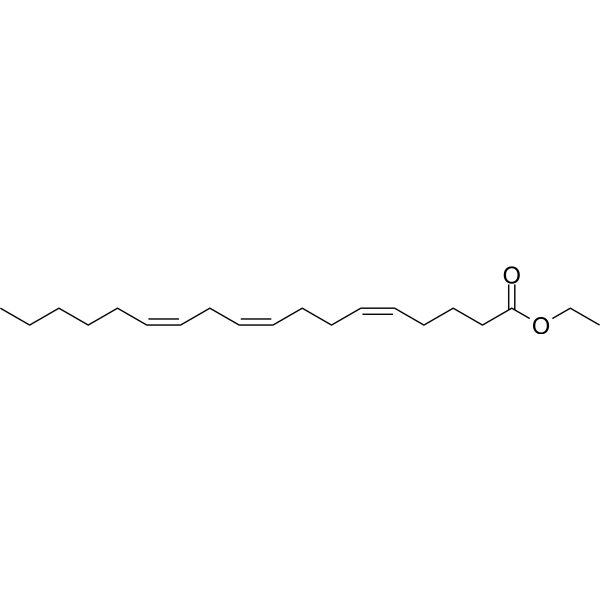
Pinolenic acid is a polyunsaturated fatty acid found in the seed oils of red pine (Pinus orientalis) and maritime pine (Pinus pinaster). Both oils were found to have lipid-lowering properties. A diet containing marine pine nut oil (MPSO) reduces HDL and ApoA1 levels in transgenic mice expressing human ApoA1. MPSO was found to reduce cholesterol efflux in vitro. Korean pine nut oil supplements may help obesity by reducing appetite. People who take this oil experience an increase in the satiety hormones CCK and GLP-1 and a decrease in appetite. The activity of the oil is attributed to pinolenic acid. Pinolenic acid is not metabolized to arachidonic acid and can reduce the level of arachidonic acid in the phosphatidylinositol fraction of HepG2 cells from 15.9% to 7.0%. Pinolenic acid ethyl ester is a neutral, more lipophilic form of the free acid.
loading...
    loading...

