7 Results for "

UV-B rays

" in MedChemExpress (MCE) Product Catalog:
Products (7)

7 Results for "UV-B rays" in MCE Product Catalog:

Cat. No.: HY-101059
CAS No.: 142720-24-9
Purity:  99.95%
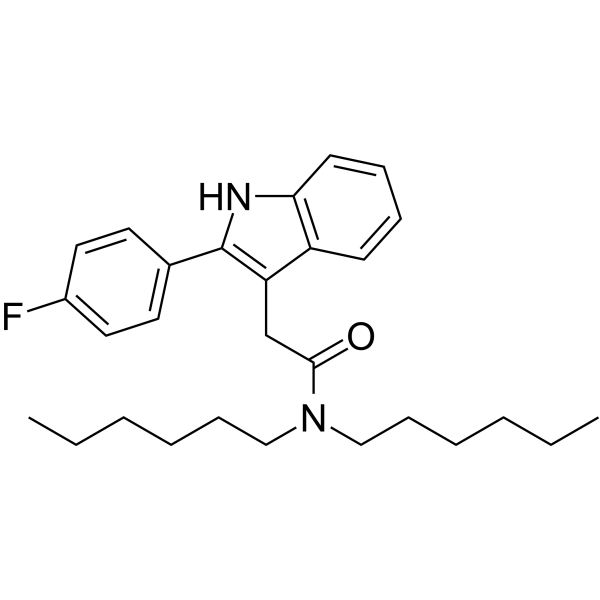
FGIN-1-27 is a blood-brain barrier-penetrant TSPO ligand with a Ki value of 5 nM. FGIN 1-27 inhibits PKC-β, PKA/CREB, p38/ERK MAPK, MITF, tyrosinase, TRP-1, and TRP-2, thereby inhibiting melanogenesis and pigmentation. FGIN-1-27 alleviates X-ray radiation-induced astrocyte mitochondrial hyperfunction, reduces ROS and superoxide production, inhibits excessive activation of A1-type astrocytes, downregulates GFAP and C3 protein expression, and restores astrocyte proliferative capacity. FGIN-1-27 produces anticonvulsant effects in normal mice; in diazepam-withdrawn mice, the brain MDR pathway becomes subsensitive, and the anticonvulsant activity disappears. FGIN-1-27 attenuates pigmentation in zebrafish embryos and ameliorates UVB-induced skin pigmentation in guinea pigs. FGIN-1-27 directly stimulates testicular Leydig cells while upregulating luteinizing hormone levels, causing an acute increase in serum testosterone in male rats. FGIN 1-27 can be used for research related to hyperpigmentation, epilepsy, brain injury, and other diseases .
loading...
    loading...
Cat. No.: HY-B0929
CAS No.: 118-60-5
Synonyms: Octyl salicylate; 2-Ethylhexyl salicylate
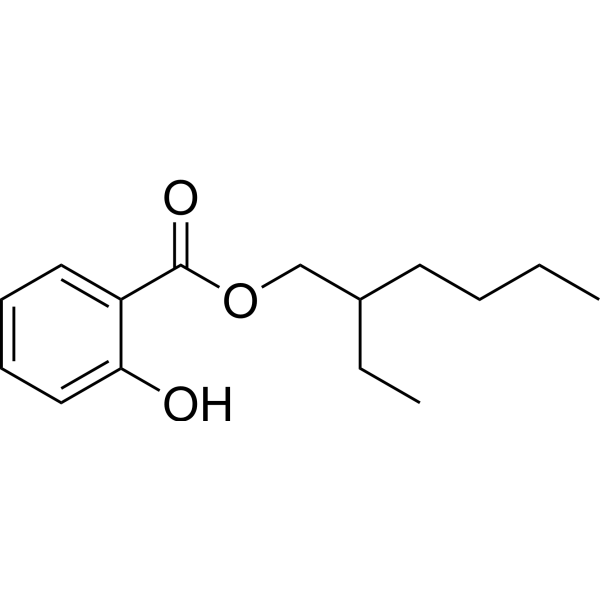
Octisalate (Octyl salicylate) is an organic compound with high lipophilicity, which is used in sunscreens and cosmetics that absorbs UVB rays .
loading...
    loading...
Cat. No.: HY-B1234R
CAS No.: 5466-77-3
Synonyms: Octyl methoxycinnamate (Standard)
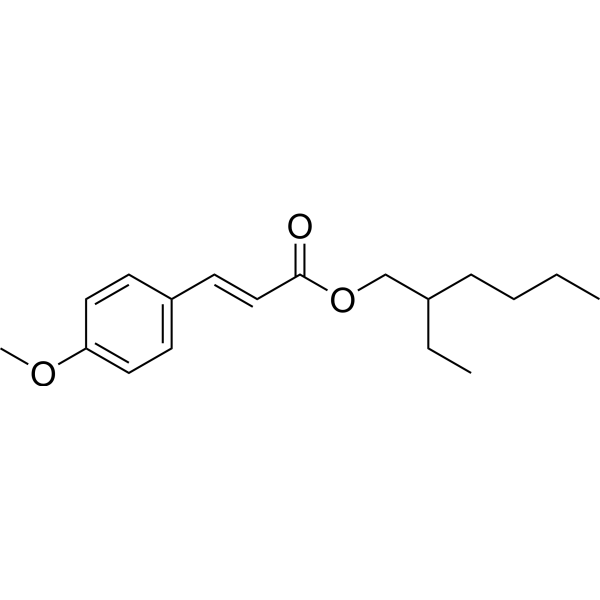
Octinoxate (Standard) is the analytical standard of Octinoxate. This product is intended for research and analytical applications. Octinoxate (Octyl methoxycinnamate) is an organic compound that is an ingredient in some sunscreens and lip balms, primarily used is in sunscreens and other cosmetics to absorb UV-B rays from the sun, protecting the skin from damage and can be used to reduce the appearance of scars. Octinoxate also has a complex androgenic and estrogenic effect .
loading...
    loading...
Cat. No.: HY-B1234A
CAS No.: 83834-59-7
Synonyms: (E)-Octyl methoxycinnamate
Research Areas:  

Endocrinology

(E)-Octinoxate is the isomer of Octinoxate (HY-B1234). Octinoxate is an organic compound that is an ingredient in some sunscreens and lip balms, primarily used is in sunscreens and other cosmetics to absorb UV-B rays from the sun, protecting the skin from damage and can be used to reduce the appearance of scars. Octinoxate also has a complex androgenic and estrogenic effect .
loading...
    loading...
Cat. No.: HY-B0929R
CAS No.: 118-60-5
Synonyms: Octyl salicylate (Standard); 2-Ethylhexyl salicylate (Standard)
Research Areas:  

Others

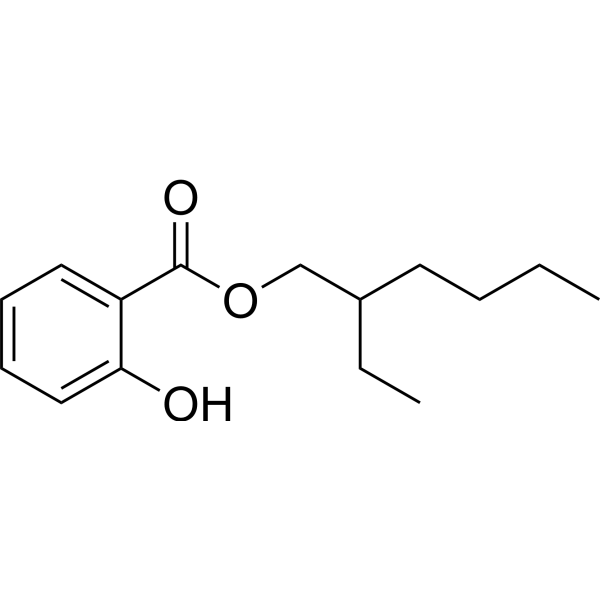
Octisalate (Standard) is the analytical standard of Octisalate. This product is intended for research and analytical applications. Octisalate is an organic compound used in sunscreens and cosmetics that absorbs UVB rays.
loading...
    loading...
Cat. No.: HY-W714767
CAS No.: 2469274-09-5
Synonyms: Octyl salicylate-d4; 2-Ethylhexyl salicylate-d4
Octisalate-d4 (Octyl salicylate-d4; 2-Ethylhexyl salicylate-d4) is the deuterium labeled Octisalate (HY-B0929). Octisalate (Octyl salicylate) is an organic compound with high lipophilicity, which is used in sunscreens and cosmetics that absorbs UVB rays .
loading...
    loading...
Cat. No.: HY-101059R
CAS No.: 142720-24-9
FGIN 1-27 (Standard) is the analytical standard of FGIN 1-27 (HY-101059). This product is intended for research and analytical applications. FGIN-1-27 is a blood-brain barrier-penetrant TSPO ligand with a Ki value of 5 nM. FGIN 1-27 inhibits PKC-β, PKA/CREB, p38/ERK MAPK, MITF, tyrosinase, TRP-1, and TRP-2, thereby inhibiting melanogenesis and pigmentation. FGIN-1-27 alleviates X-ray radiation-induced astrocyte mitochondrial hyperfunction, reduces ROS and superoxide production, inhibits excessive activation of A1-type astrocytes, downregulates GFAP and C3 protein expression, and restores astrocyte proliferative capacity. FGIN-1-27 produces anticonvulsant effects in normal mice; in diazepam-withdrawn mice, the brain MDR pathway becomes subsensitive, and the anticonvulsant activity disappears. FGIN-1-27 attenuates pigmentation in zebrafish embryos and ameliorates UVB-induced skin pigmentation in guinea pigs. FGIN-1-27 directly stimulates testicular Leydig cells while upregulating luteinizing hormone levels, causing an acute increase in serum testosterone in male rats. FGIN 1-27 can be used for research related to hyperpigmentation, epilepsy, brain injury, and other diseases .
loading...
    loading...

