


82 Results for "

acid resistivity

" in MedChemExpress (MCE) Product Catalog:
Products (82)

82 Results for "acid resistivity" in MCE Product Catalog:

72
72 Publications Verification
Cat. No.: HY-13443A
CAS No.: 914454-01-6
Purity:  99.91%
Synonyms: Exenatide acetate
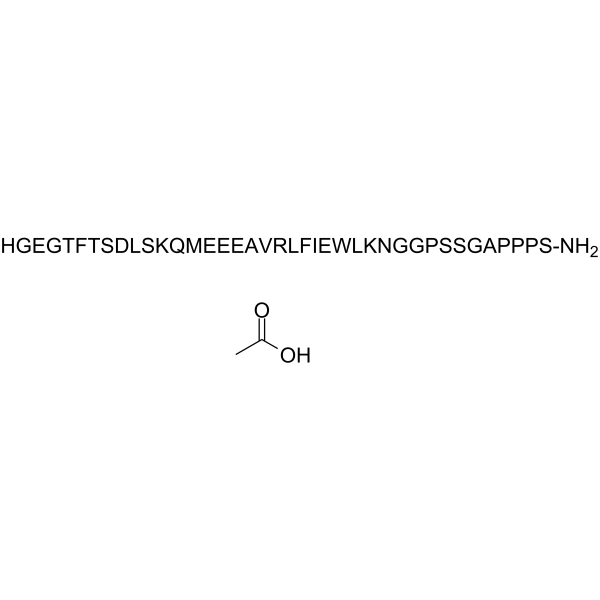
Exendin-4 acetate (Exenatide acetate) is an orally active, blood-brain barrier-permeable glucagon-like peptide-1 receptor (GLP‑1 receptor) agonist that resists degradation mediated by dipeptidyl peptidase IV. Exendin-4 acetate mediates multiple glucose-regulating effects, including stimulation of glucose-dependent insulin secretion, inhibition of glucagon production, increase in β-cell mass, delay of gastric emptying, reduction of food intake, improvement of peripheral insulin sensitivity, and restoration of normal islet structure. Exendin-4 acetate inhibits oxidative stress, alleviates inflammatory responses, and reduces neuronal apoptosis. Exendin-4 acetate reduces the aggregation level of mutant huntingtin, improves motor function, prolongs survival time, and regulates the expression levels of leptin and ghrelin. Exendin-4 acetate can be used in research related to type 2 diabetes, acute ischemic stroke, and Huntington's disease .
loading...
    loading...
72
72 Publications Verification
Cat. No.: HY-13443
CAS No.: 141758-74-9
Purity:  99.95%
Synonyms: Exenatide
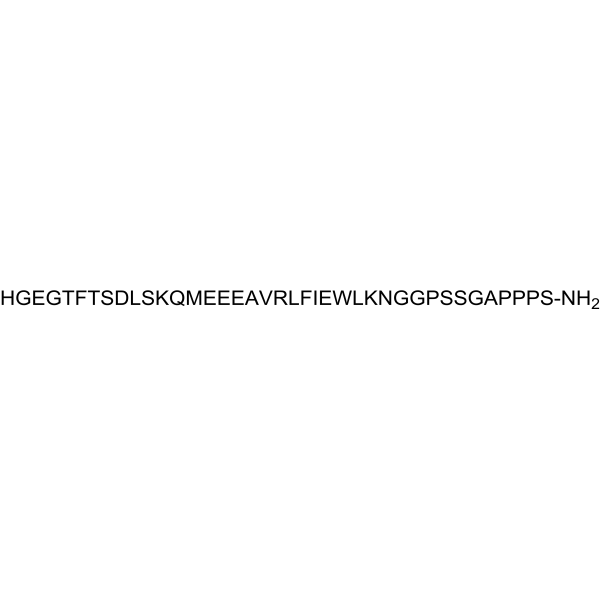
Exendin‑4 (Exenatide) is an orally active, blood-brain barrier-permeable glucagon-like peptide-1 receptor (GLP‑1 receptor) agonist that resists degradation mediated by dipeptidyl peptidase IV. Exendin‑4 mediates multiple glucose-regulating effects, including stimulation of glucose-dependent insulin secretion, inhibition of glucagon production, increase in β-cell mass, delay of gastric emptying, reduction of food intake, improvement of peripheral insulin sensitivity, and restoration of normal islet structure. Exendin‑4 inhibits oxidative stress, alleviates inflammatory responses, and reduces neuronal apoptosis. Exendin‑4 reduces the aggregation level of mutant huntingtin, improves motor function, prolongs survival time, and regulates the expression levels of leptin and ghrelin. Exendin‑4 can be used in research related to type 2 diabetes, acute ischemic stroke, and Huntington's disease .
loading...
    loading...
25
25 Cited Publications
Cat. No.: HY-113324
CAS No.: 53-57-6
Purity:  99.49%
NADPH is a coenzyme of glutathione reductase (GR), thioredoxin reductase (TrxR) and NADPH oxidase (NOX), and participates in redox reactions as a hydrogen donor. NADPH has the characteristic of selectively participating in the regulation of cellular redox homeostasis. NADPH exerts antioxidant activity and resists reactive oxygen species (ROS) damage by providing reducing equivalents for the regeneration of glutathione (GSH) and thioredoxin (Trx); at the same time, it acts as a substrate of NOX to generate superoxide anions, mediating oxidative stress and immune response. NADPH participates in maintaining the intracellular reducing environment, biosynthesis and regulating gene expression (such as the Nrf2 pathway), and is mainly used in the study of oxidative stress-related diseases (such as cardiovascular diseases, neurodegenerative diseases, cancer) and immune regulation mechanisms .
loading...
    loading...
10
10 Cited Publications
Cat. No.: HY-B1610N
Sodium Citrate Buffer, 0.1M, pH 4.0 is an acidic, aqueous buffer solution. Sodium Citrate Buffer, 0.1M, pH 4.0 resists pH fluctuations, chelates metal ions, and regulates the redox potential of the system. Sodium Citrate Buffer, 0.1M, pH 4.0 is widely used in molecular biology, immunohistochemistry (IHC), and biochemistry .
loading...
    loading...
5
5 Cited Publications
Cat. No.: HY-N0330
CAS No.: 96990-18-0
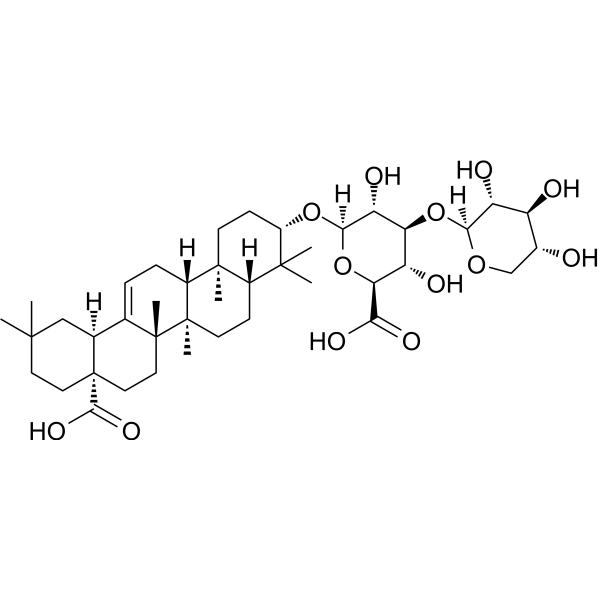
Momordin Ic is an orally active triterpenoid saponin that can be isolated from Kochia scoparia. It is also a SUMO specific protease 1 (SENP1) inhibitor, SENP1/c-MYC signaling pathway inhibitor, and apoptosis inducer. Momordin Ic induces autophagy and apoptosis in liver cancer cells through the PI3K/Akt and MAPK signaling pathways mediated by reactive oxygen species. Momordin Ic has the ability to control glucose induced blood glucose elevation, inhibit gastric emptying, resist rheumatoid arthritis, reduce CCl4 (HY-Y0298) induced hepatotoxicity and anti-tumor activity .
loading...
    loading...
3
3 Cited Publications
Cat. No.: HY-D2346
Research Areas:  

Others

HBmito Crimson is a near-infrared Si-rhodamine probe and mitochondrial inner membrane voltage indicator. HBmito Crimson selectively accumulates in mitochondria through its lipophilic tail and positive charge, is activated by lipid bilayer interactions after chloride ion aggregation quenching, thereby staining cristae and resisting fixation/depolarization, and senses near-field potential through electrochromism and Nernstian redistribution. HBmito Crimson can be used for research on apoptosis (Apoptosis) and ferroptosis (Ferroptosis) .
loading...
    loading...
2
2 Cited Publications
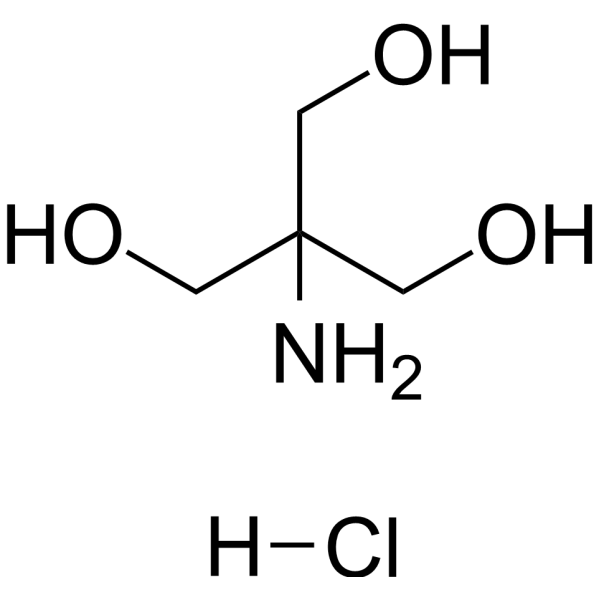
Cat. No.: HY-D0227F
CAS No.: 1185-53-1
Synonyms: Tris HCl (≥99%, reagent grade); Tris hydrochloride (≥99%, reagent grade)
THAM hydrochloride (≥99%, reagent grade), also known as Tris-HCl, is a buffer commonly used in various biochemical and molecular biology applications to maintain a stable pH environment. Tris-HCl has unique chemical properties that allow it to resist changes in pH when acidic or basic substances are added, which makes it useful for stabilizing biological samples or reagents. It is commonly used in electrophoresis and protein purification procedures.
loading...
    loading...
1
1 Cited Publications
Cat. No.: HY-139411
CAS No.: 8042-47-5
Synonyms: Paraffin oil
White mineral oil is the highly refined mineral oil, and is composed of saturated aliphatic and alicyclic nonpolar hydrocarbons. White mineral oil is biologically and chemically stable, and doesn’t support pathogenic bacterial growth. White mineral oil can resist moisture, extend, soften, smoothen, and lubricate .
loading...
    loading...
1
1 Cited Publications
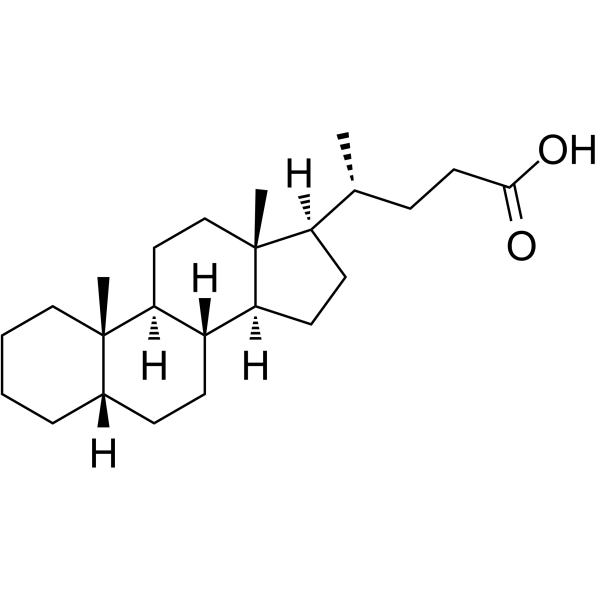
Cat. No.: HY-W127512
CAS No.: 546-18-9
Target:  

Drug Intermediate

Research Areas:  

Others

5β-Cholanic acid is a hydrophobic modifier used to modify polymer carriers. 5β-Cholanic acid can improve the acid stability, cell penetration efficiency and drug sustained release ability of nanocarriers, and optimize the oral effectiveness of delivered molecules. 5β-Cholanic acid can covalently bind to Glycol chitosan (GC) to form a GC-CA conjugate, which optimizes the hydrophobic anchoring ability of nanoparticles and enables them to be stably adsorbed on the surface of PLGA nanoparticles. Such nanoparticles can resist dissociation in the gastric acid environment and maintain positive charge to enhance endocytic uptake by intestinal epithelial cells (such as Caco-2 cells). 5β-Cholanic acid can be used in the development of drug delivery systems .
loading...
    loading...
1
1 Cited Publications
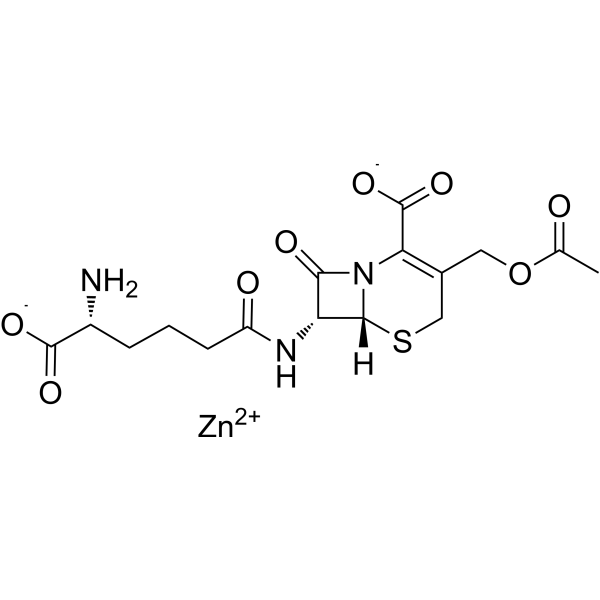
Cat. No.: HY-B1299A
CAS No.: 59143-60-1
Target:  

Bacterial

Research Areas:  

Infection

Cephalosporin C zinc salt is an antibacterial penicillinase inhibitor. Cephalosporin C zinc salt competitively inhibits penicillinase and resists hydrolysis. Cephalosporin C zinc salt protects mice infected with hemolytic Streptococcus. Cephalosporin C zinc salt can be used in research on bacterial infections such as hemolytic Streptococcus .
loading...
    loading...
1
1 Cited Publications
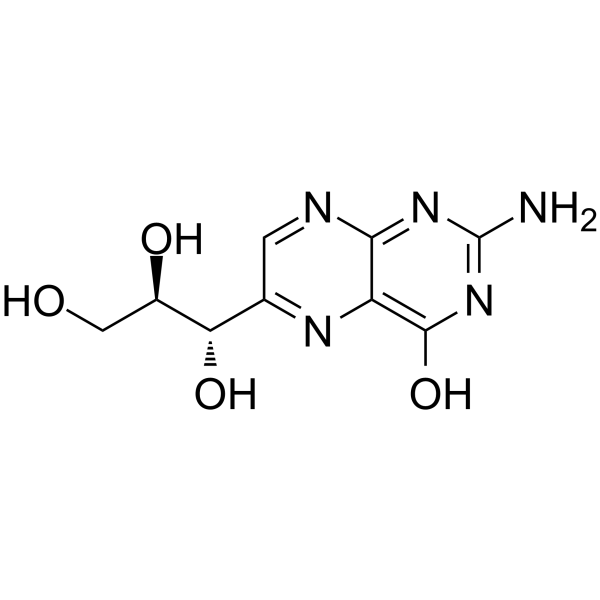
Cat. No.: HY-W040055
CAS No.: 2009-64-5
Synonyms: D-(+)-Neopterin; D-erythro-Neopterin
Neopterin is an immune system activator metabolized by GTP and can be produced by activated macrophages. Neopterin has the potential to resist vascular inflammation and atherosclerosis. Neopterin inhibits the phosphorylation of NF-κB and promotes the expression of PPAR-γ, thereby suppressing the inflammatory response of vascular endothelial cells, reducing the formation of macrophage foam cells, and regulating the migration and proliferation of vascular smooth muscle cells. Neopterin can be used in research fields such as cardiovascular diseases (such as atherosclerosis), inflammation-related diseases and tumor immunomonitoring .
loading...
    loading...
1
1 Cited Publications
Cat. No.: HY-B1299
CAS No.: 61-24-5
Target:  

Bacterial

Research Areas:  

Infection

Cephalosporin C is an antibacterial penicillinase inhibitor. Cephalosporin C competitively inhibits penicillinase and resists hydrolysis. Cephalosporin C protects mice infected with hemolytic Streptococcus. Cephalosporin C can be used in research on bacterial infections such as hemolytic Streptococcus .
loading...
    loading...
Cat. No.: HY-P10533
CAS No.: 845727-64-2
Target:  

Tyrosinase

Research Areas:  

Others

Cysteine peptide is a tyrosinase inhibitor with skin-whitening, antioxidant and multi-regulatory activities. Cysteine peptide inhibits enzyme activity and blocks melanin transport, effectively reducing UV-B-induced skin erythema and pigmentation. Cysteine peptide synergistically maintains skin health by quenching ROS, resisting oxidative stress and promoting pheomelanin production. Cysteine peptide safely prevents daily ultraviolet damage and supports moderate sun exposure for vitamin D synthesis. Cysteine peptide also acts as a plant signaling factor to regulate vegetative growth, development and stress resistance responses .
loading...
    loading...
Cat. No.: HY-107863
CAS No.: 308066-66-2
Purity:  99.45%
Synonyms: Oligolevulose
Fructooligosaccharides (Oligolevulose) are a class of orally active dietary fibers and prebiotics. Fructooligosaccharides exist in foods such as breast milk, wheat, honey, onions, garlic and bananas. Fructooligosaccharides resist hydrolysis by the body's digestive enzymes and stimulate the growth of beneficial intestinal bacteria through colonic fermentation. Fructooligosaccharides significantly prevent bone loss in the femur and lumbar spine .
loading...
    loading...
Cat. No.: HY-N9459
CAS No.: 1078691-95-8
Synonyms: D-Glucosamine Hydrochloride
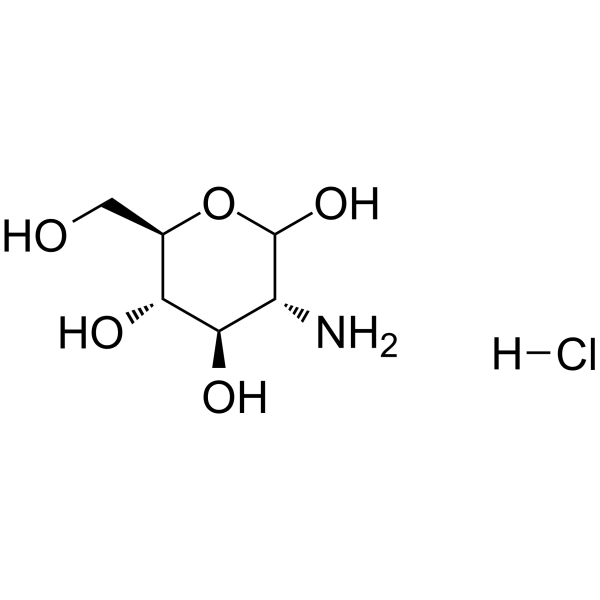
2-Amino-2-deoxyglucose hydrochloride (D-Glucosamine Hydrochloride) is a glucose analog that is specifically recognized and transported by the cell membrane GLUT1. 2-Amino-2-deoxyglucose hydrochloride acts as a tumor-targeting ligand and a guiding molecule for the synthesis of prodrug conjugates, thus delivering drugs precisely to tumor cells. 2-Amino-2-deoxyglucose hydrochloride is applicable to diagnostic imaging and therapeutic efficacy monitoring of solid tumors and various cancers (e.g., breast cancer, glioblastoma). 2-Amino-2-deoxyglucose hydrochloride also helps bacteria resist lysozyme digestion by integrating into the non-N-acetylated residues of Streptococcus pneumoniae peptidoglycan. 2-Amino-2-deoxyglucose hydrochloride is used in studies on tumor metabolism and the exploration of bacterial drug resistance mechanisms .
loading...
    loading...
Cat. No.: HY-N3097
CAS No.: 18836-52-7
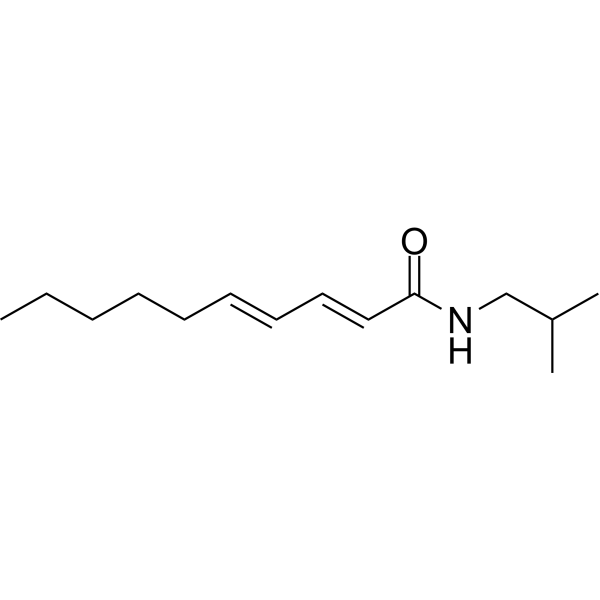
Pellitorine is a bioactive natural amide compound. Pellitorine can competitively antagonize the activation of TRPV1 by Capsaicin (HY-10448), thereby reducing pain signal transmission. Pellitorine improves cognitive dysfunction by upregulating the BDNF-ERK1/2-CREB and Nrf2-HO-1 pathways. Pellitorine exerts anti-inflammatory and anti-sepsis effects by inhibiting the release of high mobility group protein B1 (HMGB1) and the expression of RAGE/TLR4. Pellitorine exerts its antithrombotic effect by prolonging the clotting time, inhibiting the activity of clotting factors and thrombin. Pellitorine inhibits lipid peroxidation and resists ferroptosis by upregulating GPX4 and DHODH. Pellitorine kills Aedes aegypti mosquito larvae by inhibiting V-type H⁺-ATPase and aquaporin 4 (AaAQP4). Pellitorine exhibits anti-cancer activity (e.g., leukemia and breast cancer) and has inhibitory effects on certain bacteria .
loading...
    loading...
Cat. No.: HY-N8574
CAS No.: 2004-39-9
Synonyms: Heptacosan-1-ol
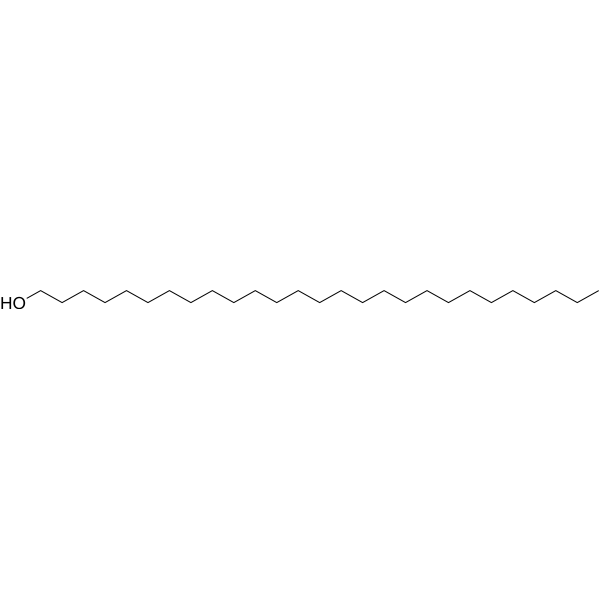
1-Heptacosanol (Heptacosan-1-ol) is a long-chain fatty alcohol with antifungal, antibacterial (against Escherichia coli and Staphylococcus aureus), nematicidal, anticancer and antioxidant activities. 1-Heptacosanol can be isolated from leaf extracts of Ficus septica and Lecaniodiscus cupanioides. 1-Heptacosanol not only effectively resists pathogenic fungal infections, but also shows potential against pepper anthracnose in phytopathology. 1-Heptacosanol can be used in the research of fungal infections, cancer and oxidative stress-related diseases .
loading...
    loading...
Cat. No.: HY-113382
CAS No.: 616-04-6
Purity:  99.11%
Synonyms: 1-Methylhydantoin
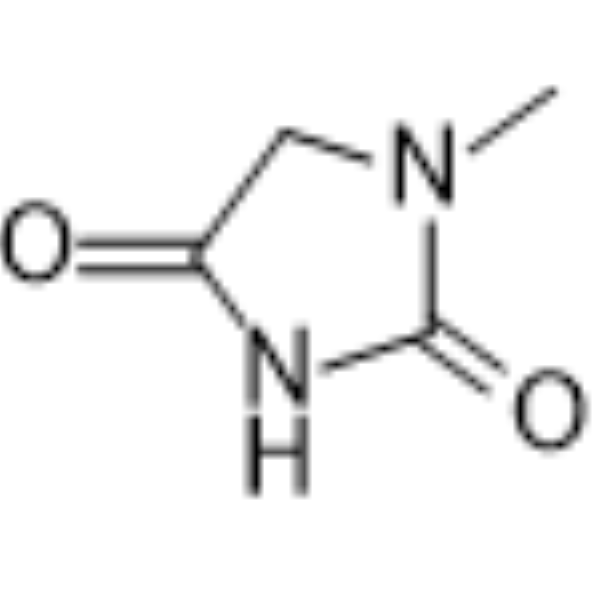
N-Methylhydantoin is a creatinine degradation metabolite and non-substrate for microbial degradation.N-Methylhydantoin resists breakdown by most tested cytosine deaminase-forming microorganisms, which lack N-methylhydantoin amidohydrolase and N-carbamoylsarcosine amidohydrolase activity.N-Methylhydantoin forms as a product of creatinine hydrolysis by cytosine deaminase/creatinine deiminase in various microorganisms .
loading...
    loading...
Cat. No.: HY-W423191
CAS No.: 534-42-9
Synonyms: 4-O-α-D-Glucopyranosyl-D-gluconic acid
Maltobionic acid (4-O-α-D-Glucopyranosyl-D-gluconic acid) is an orally active oligosaccharide and iron chelator with antibacterial activity. Maltobionic acid inhibits the expression of NFATc1, suppresses osteoclast differentiation, inhibits bone resorption, and increases serum calcitonin levels. Maltobionic acid protects mammalian cells from hydrogen peroxide (H2O2)-induced oxidative damage; resists fermentation by the gut microbiota; and exhibits anti-digestive and anti-fermentative properties. Maltobionic acid can be used in research related to osteoporosis, bacterial infections, and constipation .
loading...
    loading...
Cat. No.: HY-P990017
CAS No.: 2417199-08-5
Synonyms: CD19-4-1BBL; RO7227166; RG6076
Target:  

CD19

Research Areas:  

Cancer

Englumafusp alfa (CD19-4-1BBL) is a 4-1BB ligand fusion protein targeting CD19. Englumafusp alfa binds human 4-1BB and CD19, crosslinks T cells into trimeric complexes, and resists internalization upon binding to CD19-positive B cells. Englumafusp alfa induces interferon-γ in activated peripheral blood mononuclear cells and promotes immune synapse formation with CD20-TCB. Englumafusp alfa can be used in research on relapsed or refractory B-cell non-Hodgkin lymphoma .
loading...
    loading...

