
77 Results for "

active-site interactions

" in MedChemExpress (MCE) Product Catalog:
Products (77)

77 Results for "active-site interactions" in MCE Product Catalog:

1
1 Cited Publications
Cat. No.: HY-N6973
CAS No.: 476-70-0
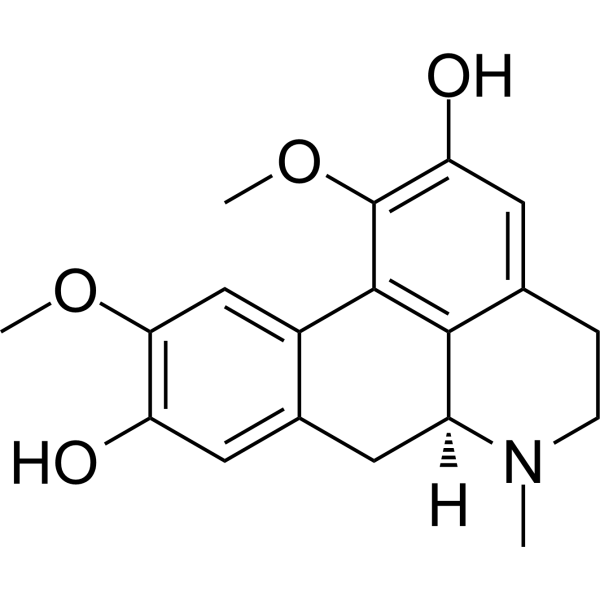
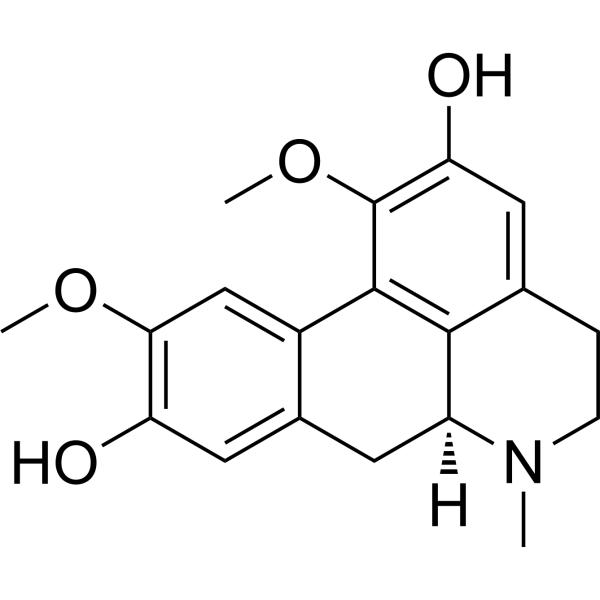
Boldine is an aporphine alkaloid telomerase (telomerase) inhibitor (IC50 of 0.17 μM for TERT) and a pannexin/connexin hemichannel blocker, with oral activity and blood-brain barrier permeability. Boldine inhibits telomerase activity through direct interaction with the telomerase ribonucleoprotein and non-competitive binding near the TERT active site, and downregulates hTERT mRNA while shifting alternative splicing toward non-functional transcripts. Boldine blocks Panx1, Cx43, Cx26, and Cx30 hemichannels as well as P2X7 receptor-mediated calcium influx. Boldine exhibits antioxidant, anti-inflammatory, antiproliferative, and cytotoxic activities by scavenging ROS, inhibiting NFκB, dephosphorylating SGK1, and reducing TNF-alpha levels. Boldine can be used in research on breast cancer, Alzheimer's disease, glioblastoma, diabetes, and spinal cord injury .
loading...
    loading...
1
1 Cited Publications
Cat. No.: HY-132830
CAS No.: 1933514-13-6
Purity:  99.58%
Synonyms: KVD900
Target:  

Kallikrein

Research Areas:  

Cardiovascular Disease

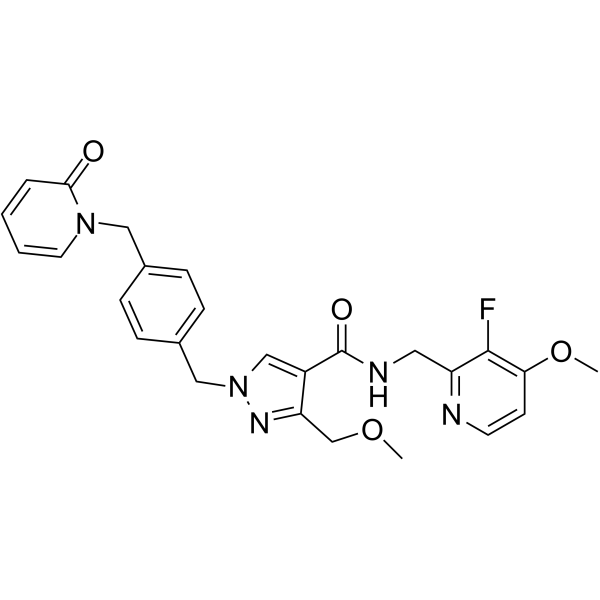
Sebetralstat (KVD900) is an orally active and selective plasma kallikrein inhibitor, with an IC50 of 6.0 nM and a Ki of 3.0 nM against the human target. Sebetralstat binds to the active site of plasma kallikrein, inducing a conformational flip of Trp215 to form a U-shaped conformation; its P1 group interacts with the S1 pocket through hydrophobic interactions and displacement of high-energy water molecules, independent of the Asp189 ionic bond. Sebetralstat inhibits plasma kallikrein-kinin system activation in whole plasma, rapidly relieves laryngeal and abdominal attack symptoms of hereditary angioedema (HAE-C1INH), and reduces attack severity. Sebetralstat can be used in research related to hereditary angioedema (HAE) .
loading...
    loading...
1
1 Cited Publications
Cat. No.: HY-P99283
CAS No.: 1312299-39-0
Synonyms: NN 7415; mAb 2021; Anti-TFPI Recombinant Antibody

Target:  

Factor Xa

Research Areas:  

Others

Concizumab is an anti-TFPI monoclonal antibody (IgG4 type) that binds to the Kunitz-type protease inhibitor (KPI) 2 structural domain of TFPI, thereby blocking the interaction of this structural domain with the FXa active site. Concizumab can be used in the study of haemophilia .
loading...
    loading...
1
1 Cited Publications
Cat. No.: HY-N6845
CAS No.: 19275-46-8
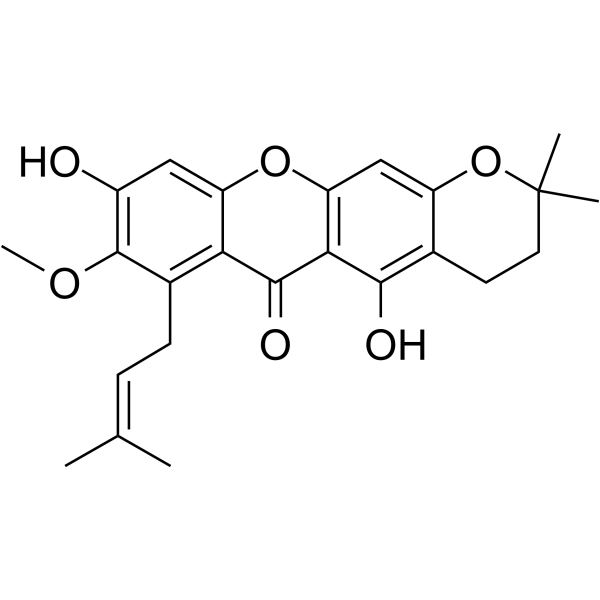
3-Isomangostin is a flavonoid compound that acts as an inhibitor of MTH1 and acetylcholinesterase, with an IC50 of 52 nM against MTH1 and IC50 values of 5.75 μM and 12.96 μM against AChE and BChE, respectively. 3-Isomangostin also inhibits human aldose reductase and CDK4/Cyclin D1 with IC50 values of 3.48 μM and 15.6 μM, respectively. 3-Isomangostin inhibits polyol pathway flux, competes with 8-oxo-dGTP for binding to the MTH1 active site through hydrogen bonding and hydrophobic xanthone interactions, blocks cell cycle progression, reduces cancer cell viability, and exhibits growth inhibitory effects against both normal and penicillin-resistant Staphylococcus aureus. 3-Isomangostin is used in research on Alzheimer's disease, diabetic complications, Staphylococcus aureus infections, and colon cancer .
loading...
    loading...
Cat. No.: HY-W012817
CAS No.: 95-71-6
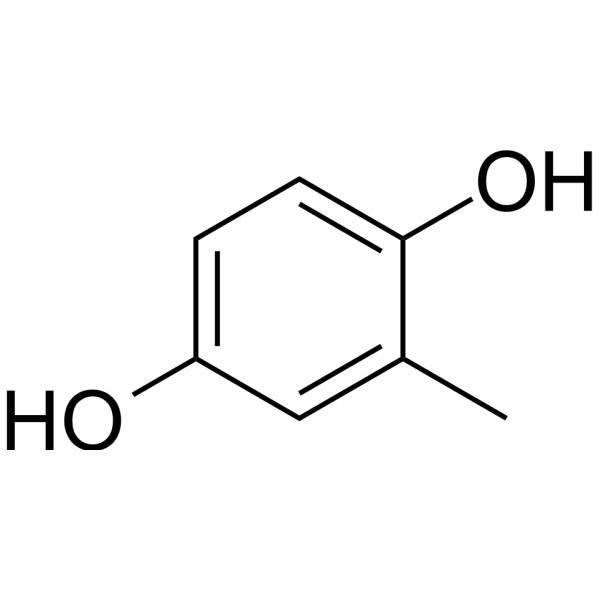
Methylhydroquinone is an orally active COX inhibitor with IC50s of 480.7 μM and 52.2 μM for ovine COX-1 and human recombinant COX-2, respectively. Methylhydroquinone has potential DNA damaging effects: 1) inhibiting COX-1 to reduce prostaglandin synthesis and exert anti-inflammatory activity; 2) inducing DNA single-strand breaks. Methylhydroquinone exerts its effects by competitively binding to the active sites of COX-1 (such as Tyr385, Met522) and non-covalent interactions .
loading...
    loading...
Cat. No.: HY-157521
CAS No.: 3055162-52-9
Target:  

Acyltransferase

AANAT-IN-1 is an arylalkylamine N-acetyltransferase (AANAT) inhibitor with a sheep AANAT IC50 of 9.9 μM. AANAT-IN-1 binds to the active site of sheep AANAT, interacting with amino acid residues via hydrogen bonds, hydrophobic interactions, ionic interactions, and water bridges, inhibiting the enzyme's catalytic activity. AANAT-IN-1 can be used for the researches of circadian rhythm-associated neuropsychiatric conditions, seasonal affective disorder, and other diseases associated with abnormally elevated melatonin levels .
loading...
    loading...
Cat. No.: HY-N1341
CAS No.: 54835-70-0
Research Areas:  

Infection

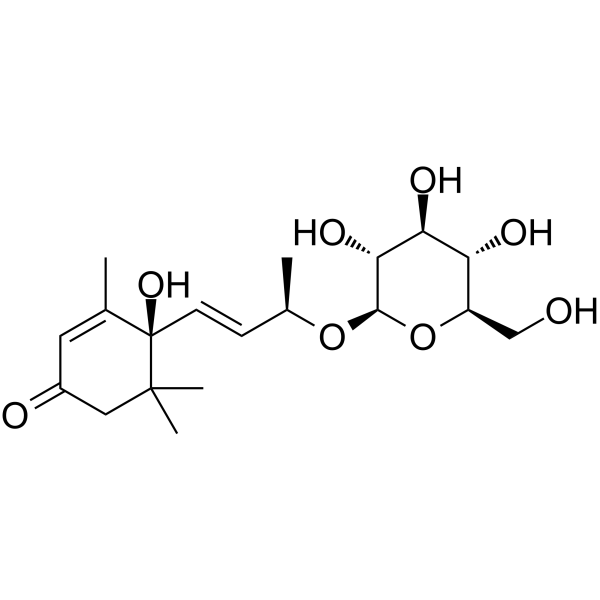
Roseoside is an inhibitor of DNA gyrase and HAV 3C protease, and also inhibits HCV NS5A/B replicase in human systems with an IC50 of 20 μM. Roseoside binds to the active site of enzymes and stabilizes the interaction by forming hydrogen bonds with key amino acid residues. Roseoside inhibits the growth of Gram-positive bacteria, Gram-negative bacteria, and Candida albicans, and interferes with HCV RNA replication in vitro by inhibiting HCV NS5A/B replicase (IC50=20 μM). Roseoside shows no cytotoxicity and serves as a research tool for studies related to bacterial infections, candidiasis, HAV and HCV .
loading...
    loading...
Cat. No.: HY-114196
CAS No.: 2082752-83-6
Purity:  ≥98.0%
Synonyms: ZGN-1061
Target:  

MetAP

Research Areas:  

Metabolic Disease Cancer

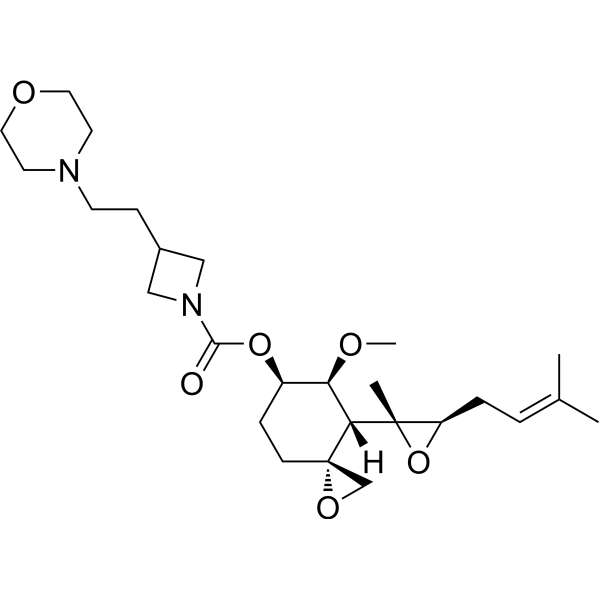
Aclimostat (ZGN-1061) is a methionine aminopeptidase 2 (MetAP2) inhibitor. Aclimostat exhibits anti-obesity, anti-diabetic and ovarian cancer-related activities, and does not readily distribute to the central nervous system. Aclimostat acts on the active site of MetAP2 via irreversible covalent binding, and blocks enzyme activity through interactions with His231 and His339. Aclimostat regulates gene expression, reduces fat mass, plasma glucose, insulin levels, LDL-C, hs-CRP and leptin levels, while increasing adiponectin levels. Aclimostat can be used in research related to type 2 diabetes, overweight, obesity and ovarian cancer .
loading...
    loading...
Cat. No.: HY-W284558
CAS No.: 1120-01-0
Sodium hexadecyl sulfate is a long-chain anionic surfactant. Sodium hexadecyl sulfate can act as an interface-regulating substance to form a soft layer on the surface of carbon nanotubes, guide proteins to adsorb in the correct orientation with active sites facing outward through electrostatic interactions, and significantly enhance the activity of immobilized enzymes. Sodium hexadecyl sulfate can replace or supplement SDS (HY-Y0316) in capillary gel electrophoresis (CGE) .
loading...
    loading...
Cat. No.: HY-N6935
CAS No.: 517-44-2
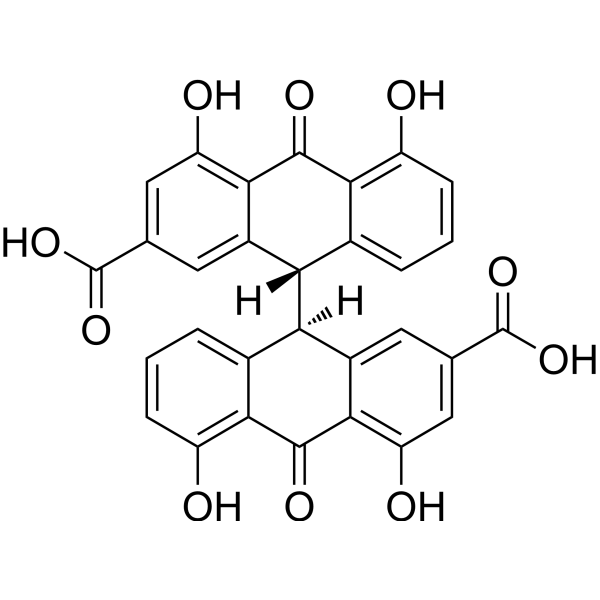
Sennidin B is an anthraquinone compound isolated from Cassia angustifolia. Sennidin B is a DPP-4 inhibitor with an IC50 of 39.39 μM. Sennidin B is an insect chitinase inhibitor with a Ki of 80 nM against OfChi-h. Sennidin B competitively inhibits chitinase activity by forming π-π stacking interactions with key tryptophan residues in the active site through a folded conformation. Sennidin B activates PI3K/Akt to promote glucose uptake in adipocytes. Sennidin B can be used for the development of biopesticides and research on type 2 diabetes and metabolism-related signaling pathways .
loading...
    loading...
Cat. No.: HY-N10423
CAS No.: 18423-69-3
Synonyms: (-)-Cubebin
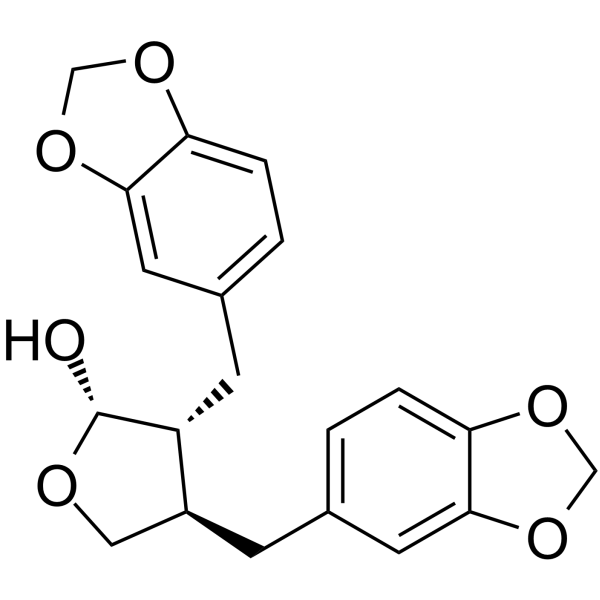
Cubebin ((-)-Cubebin), a dibenzyl butyrolactone lignan, is an orally active AChE inhibitor. Cubebin binds to active sites of NF-κB, TNF-α, and TGF-β1 via hydrogen and hydrophobic interactions, obstructing critical residues to inhibit pro-inflammatory or renal fibrosis-related activity. Cubebin enhances p38 MAPK phosphorylation to increase tyrosinase gene expression, stimulating melanogenesis via elevated tyrosinase activity, expression, and mRNA levels. Cubebin reduces oxidative stress via enhanced endogenous antioxidant enzyme activity and inhibited lipid peroxidation, regulates lipid metabolism, improves glycemic control, and exerts renoprotective effects via reduced renal dysfunction markers and improved renal architecture. Cubebin shows antimicrobial activity. Cubebin exerts larvicidal activity against Angiostrongylus cantonensis larvae, with no cytotoxicity toward monkey or human cell lines or Caenorhabditis elegans. Cubebin can be used for the research of diabetic nephropathy, melanoma, colon adenocarcinoma, neuroangiostrongyliasis, Alzheimer’s disease (AD) and depression .
loading...
    loading...
Cat. No.: HY-161137
CAS No.: 3044047-98-2
Research Areas:  

Neurological Disease

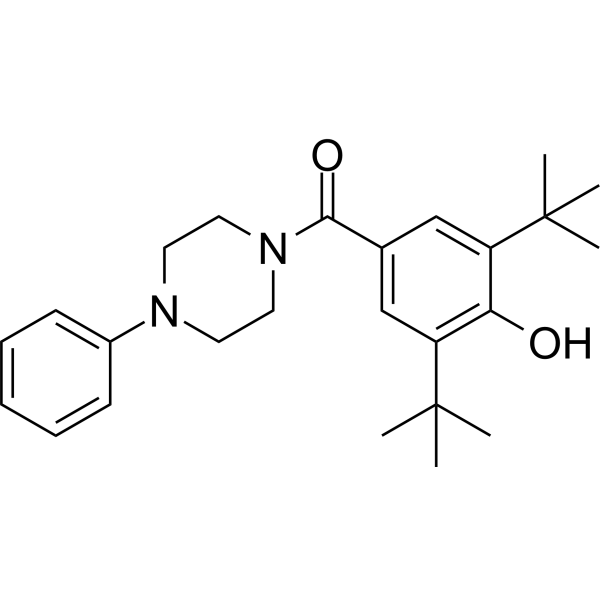
LQFM215 is a proline transporter (PROT) inhibitor. LQFM215 inhibits proline transport by competitively binding to the active site of PROT. LQFM215 effectively reduces hyperlocomotion and enhances social interaction .
loading...
    loading...
Cat. No.: HY-110147B
Purity:  ≥99.0%
Target:  

Furin

Research Areas:  

Infection

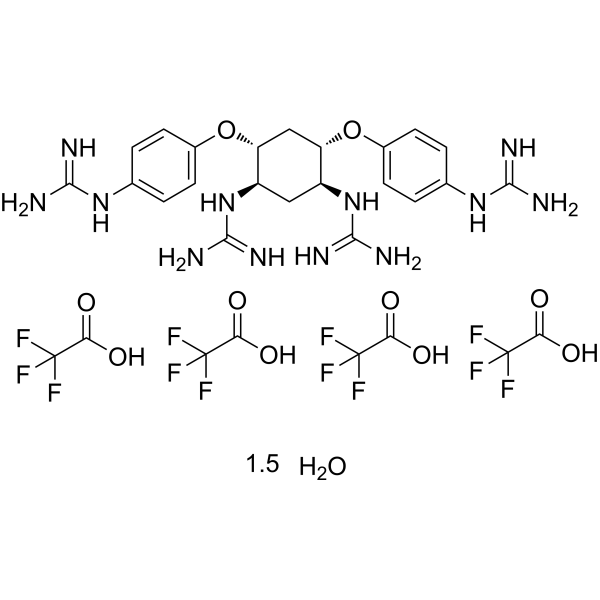
SSM-3 tetraTFA hydrate is a potent furin inhibitor with an EC50 of 54 nM. SSM-3 tetraTFA hydrate uses its positively charged guanidyl group to form strong electrostatic interactions with the negatively charged residues in the catalytic center of furin, thereby competitively occupying and blocking the active site. SSM-3 tetraTFA hydrate can be used in the research of anthrax and avian influenza .
loading...
    loading...
Cat. No.: HY-N3057
CAS No.: 18956-15-5
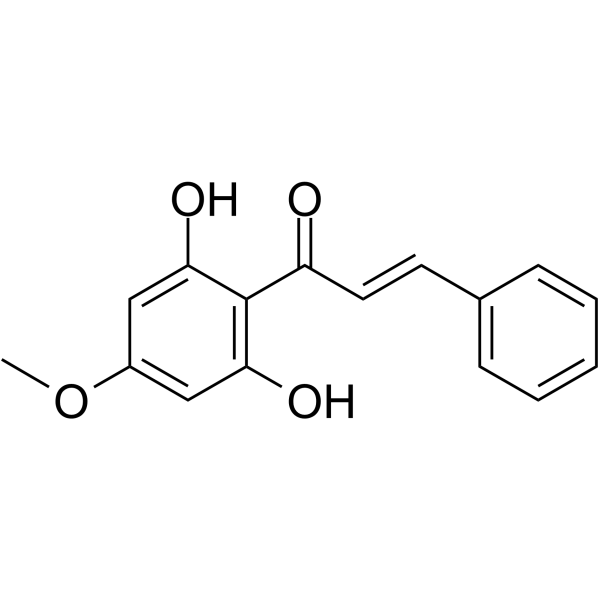
Pinostrobin chalcone is a chalcone found in Boesenbergia rotunda and Alpinia mutica. Pinostrobin chalcone exhibits cytotoxicity against various cancer cells. Pinostrobin chalcone is predicted to bind to the JAK active site, forming a hydrogen bond with Asn859 and hydrophobic interactions with aromatic residues. Pinostrobin chalcone can be used in research related to breast cancer, colon cancer, cervical cancer, and epidermoid carcinoma .
loading...
    loading...
Cat. No.: HY-176892
CAS No.: 574-77-6
Research Areas:  

Neurological Disease

Papaveroline is a Fyn tyrosine kinase inhibitor, Na +,K +-ATPase inhibitor with an IC50 of 0.20 mM, Mg 2+-ATPase inhibitor, K +-activated pNPPase inhibitor with an IC50 of 1.51 mM, and apoptosis inducer . Papaveroline binds to the active site of Fyn tyrosine kinase and forms stable interactions with pocket amino acid residues . Papaveroline induces cell apoptosis, produces pycnotic and fragmented cell nuclei, and does not reduce intracellular ATP levels . Papaveroline is a dopamine-derived neurotoxin candidate associated with the pathogenesis of Parkinson's disease . Papaveroline can be used in the research of Alzheimer's disease and Parkinson's disease .
loading...
    loading...
Cat. No.: HY-139031
CAS No.: 2204229-64-9
Purity:  98.80%
Research Areas:  

Endocrinology

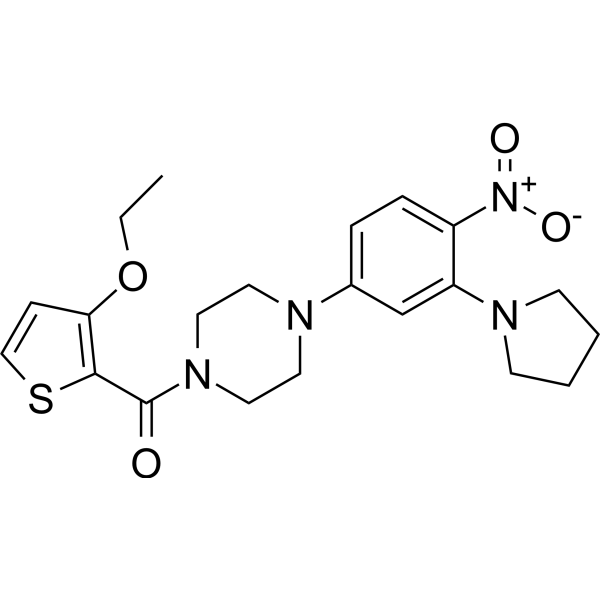
ALDH1A2-IN-1 is an active site-directed reversible ALDH1A2 inhibitor (IC50=0.91 μM; Kd=0.26 μM) with several hydrophobic interactions .
loading...
    loading...
Cat. No.: HY-136300
CAS No.: 2009343-14-8
Purity:  99.21%
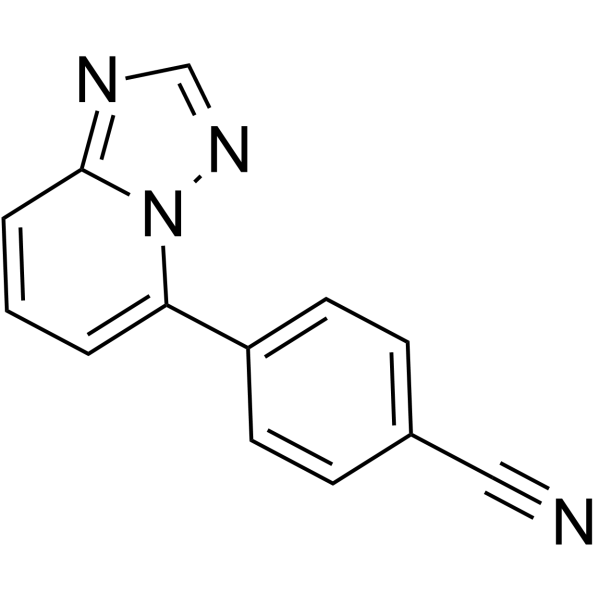
PHD-1-IN-1 is an orally active and potent HIF prolylhydroxylase domain-1 (PHD-1) inhibitor with an IC50 of 0.034 μM. PHD-1-IN-1 has a unique monodentate binding interaction with the active site Fe 2+ ion and induces the formation of an "Arg367-out" pocket .
loading...
    loading...
Cat. No.: HY-115749
CAS No.: 24404-90-8
Purity:  99.93%
Synonyms: 6′-Methoxyluciferin
Target:  

Fluorescent Dye

Research Areas:  

Others

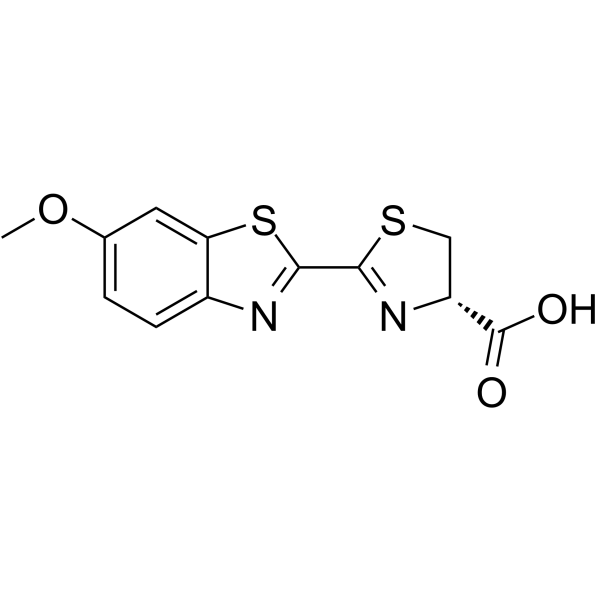
D-Luciferin 6′-methyl ether (6′-Methoxyluciferin; compound 19a) is a potent luciferase from the North American firefly Photinus pyralis (PpyLuc) inhibitor with an IC50 of 0.1 µM. D-Luciferin 6′-methyl ether, a D-luciferin analog, shows non-specific interactions at ATP- and luciferin-binding sites of the PpyLuc active site .
loading...
    loading...
Cat. No.: HY-N6973R
CAS No.: 476-70-0
Boldine (Standard) is the analytical standard of Boldine (HY-N6973). This product is intended for research and analytical applications. Boldine is an aporphine alkaloid telomerase (telomerase) inhibitor (IC50 of 0.17 μM for TERT) and a pannexin/connexin hemichannel blocker, with oral activity and blood-brain barrier permeability. Boldine inhibits telomerase activity through direct interaction with the telomerase ribonucleoprotein and non-competitive binding near the TERT active site, and downregulates hTERT mRNA while shifting alternative splicing toward non-functional transcripts. Boldine blocks Panx1, Cx43, Cx26, and Cx30 hemichannels as well as P2X7 receptor-mediated calcium influx. Boldine exhibits antioxidant, anti-inflammatory, antiproliferative, and cytotoxic activities by scavenging ROS, inhibiting NFκB, dephosphorylating SGK1, and reducing TNF-alpha levels. Boldine can be used in research on breast cancer, Alzheimer's disease, glioblastoma, diabetes, and spinal cord injury .
loading...
    loading...
Cat. No.: HY-139032
CAS No.: 2204230-40-8
Research Areas:  

Others

CM121 is an active site-directed reversible ALDH1A2 inhibitor (IC50=0.54 μM;Kd=1.1 μM) with a variety of hydrophobic interactions .
loading...
    loading...

