186 Results for "

adduct

" in MedChemExpress (MCE) Product Catalog:
Products (186)

186 Results for "adduct" in MCE Product Catalog:
20
20 Publications Verification
Cat. No.: HY-113466
CAS No.: 75899-68-2
Purity:  99.35%
Synonyms: 4-HNE
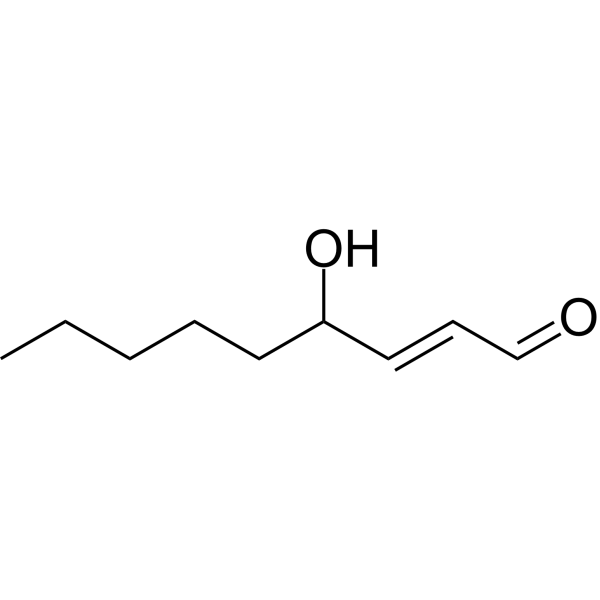
4-Hydroxynonenal (4-HNE) is an α,β unsaturated hydroxyalkenal and an oxidative/nitrosative stress biomarker. 4-Hydroxynonenal is a substrate and an inhibitor of acetaldehyde dehydrogenase 2 (ALDH2). 4-Hydroxynonenal can modulate a number of signaling processes mainly through forming covalent adducts with nucleophilic functional groups in proteins, nucleic acids, and membrane lipids. 4-Hydroxynonenal plays an important role in cancer through mitochondria .
loading...
    loading...
19
19 Cited Publications
Cat. No.: HY-111375
CAS No.: 25843-45-2
Synonyms: AOM
Research Areas:  

Cancer

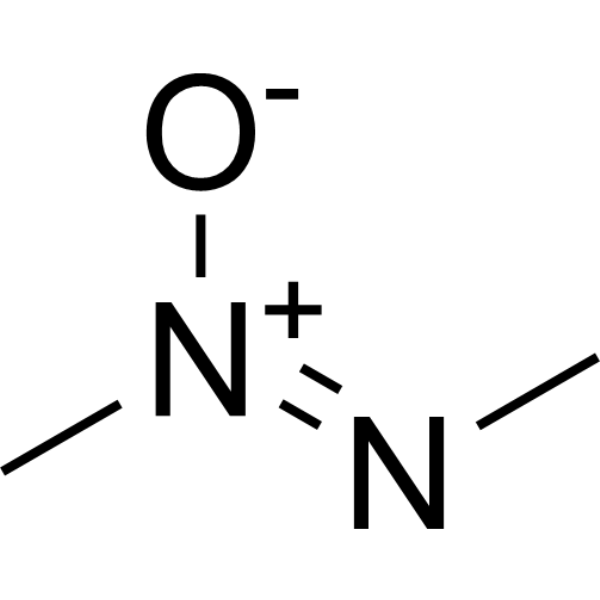
Azoxymethane (AOM) is a colon carcinogen which leads to the formation of DNA adducts. Azomethane is a procarcinogen that requires metabolic activation via cytochrome P450 (P450) enzymes (primarily CYP2E1) .
loading...
    loading...
4
4 Cited Publications
Cat. No.: HY-B0132B
CAS No.: 118803-81-9
Synonyms: MK-0366 (nicotinate)
Target:  

Bacterial Antibiotic

Research Areas:  

Infection

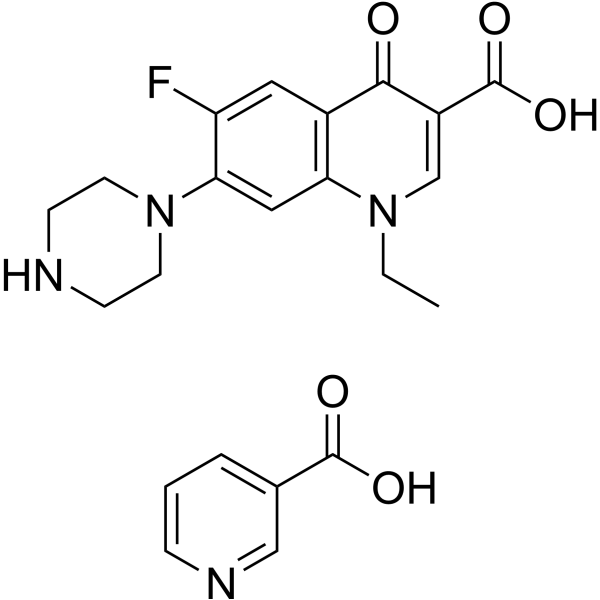
Norfloxacin nicotinate (MK-0366 nicotinate) is a fluoroquinolones antibiotic, an adduct of Norfloxacin (NOR) and nicotinic acid. Norfloxacin nicotinate has been widely used for replacing NOR in animal husbandry and fishery industry. Norfloxacin nicotinate can induce innate immune response at a high concentration .
loading...
    loading...
3
3 Cited Publications
Cat. No.: HY-D0017
CAS No.: 605-65-2
Synonyms: DNSCl
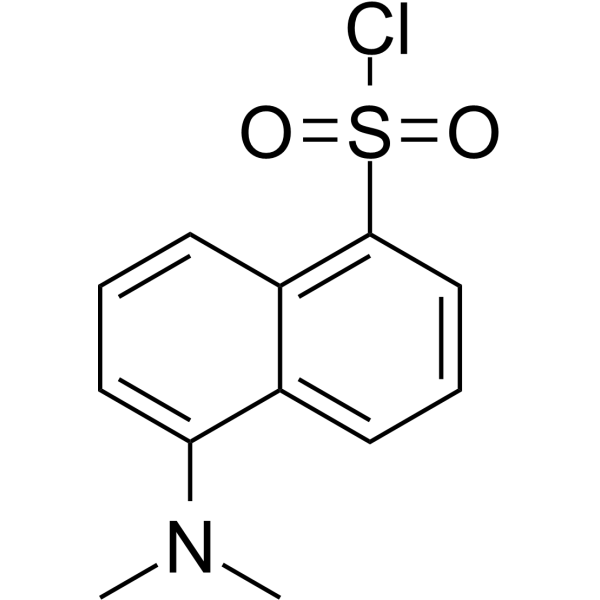
Dansyl chloride is a reagent that produces stable blue or blue-green fluorescent sulfonamide adducts in the reaction of aliphatic and aromatic amines with primary amino groups, and is widely used for modified amino acids, protein sequencing and amino acid analysis .
loading...
    loading...
3
3 Cited Publications
Cat. No.: HY-128463
CAS No.: 3376-24-7
Purity:  99.94%
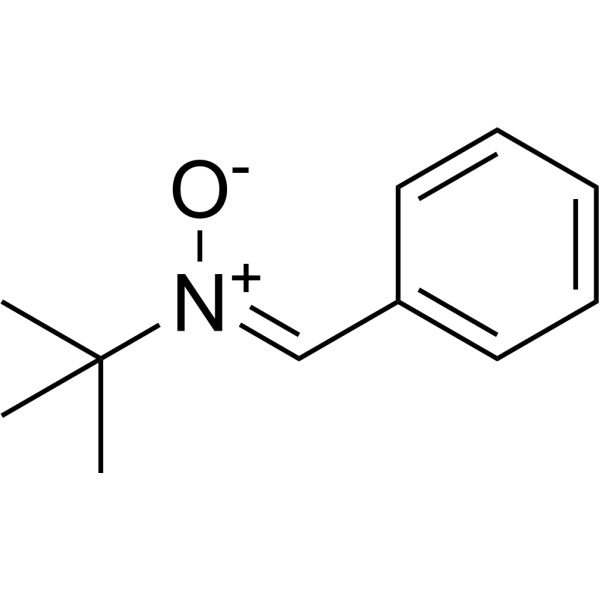
N-tert-Butyl-α-phenylnitrone is a nitrone-based free radical scavenger that forms nitroxide spin adducts. N-tert-Butyl-α-phenylnitrone inhibits COX2 catalytic activity. N-tert-Butyl-α-phenylnitrone has potent ROS scavenging, anti-inflammatory, neuroprotective, anti-aging and anti-diabetic activities, and can penetrate the blood-brain barrier .
loading...
    loading...
2
2 Cited Publications
Cat. No.: HY-124489
CAS No.: 362-05-0
Purity:  ≥97.0%
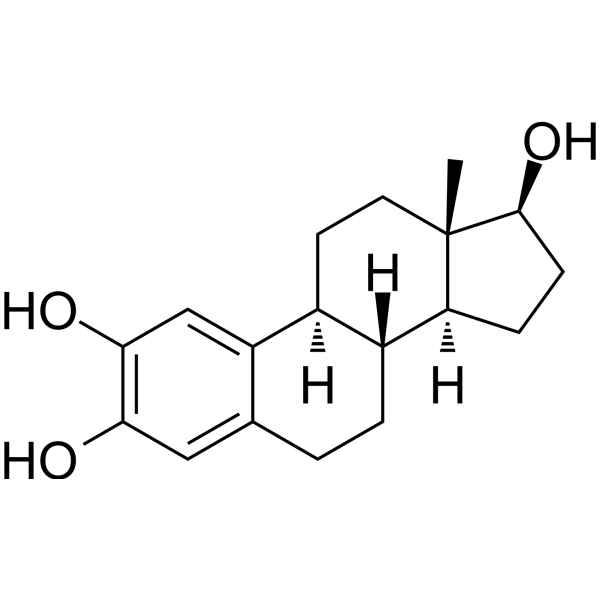
2-Hydroxyestradiol, a metabolite of 17β-estradiol with minimal estrogenic activity, possesses antioxidant effects and reacts with DNA to form stable adducts and exerts genotoxicity .
loading...
    loading...
2
2 Cited Publications
Cat. No.: HY-124171
CAS No.: 181530-09-6
Purity:  ≥99.0%
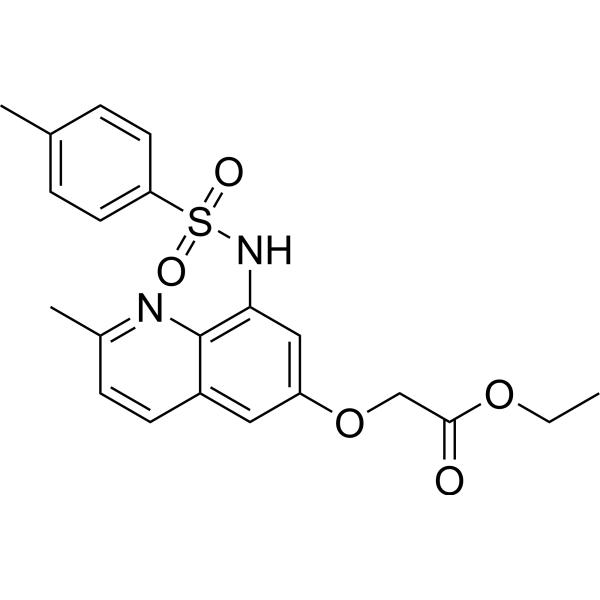
Zinquin ethyl ester is a cell-permeable and lipophilic fluorescent derivative of Zinquin (HY-D0982). Zinquin ethyl ester reacts with protein-bound Zn 2+ in cells and forms fluorescent ternary adducts. Zinquin ethyl ester undergoes hydrolysis by intracellular esterases impeding its efflux across the plasma membrane (Ex/Em = 370/470 nm) .
loading...
    loading...
2
2 Cited Publications
Cat. No.: HY-139093A
CAS No.: 1331891-93-0
Purity:  ≥99.0%
Synonyms: APAP-Cys TFA
Target:  

Drug Derivative

Research Areas:  

Others

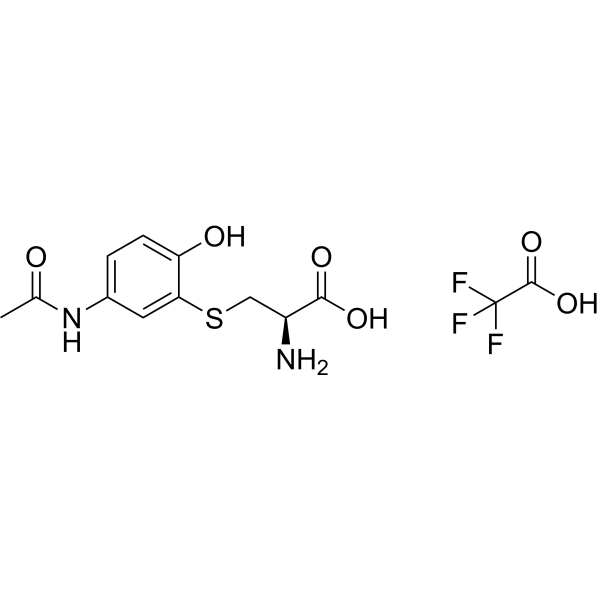
Paracetamol-cysteine TFA (APAP-Cys TFA) is a cysteine adduct of Acetaminophen (HY-66005). It forms when Acetaminophen is oxidized to the reactive metabolite N-acetyl-p-benzoquinone imine (NAPQI) .
loading...
    loading...
2
2 Cited Publications
Cat. No.: HY-W016286
CAS No.: 5437-25-2
Synonyms: 2,6-Dimercaptopurine
Research Areas:  

Cancer

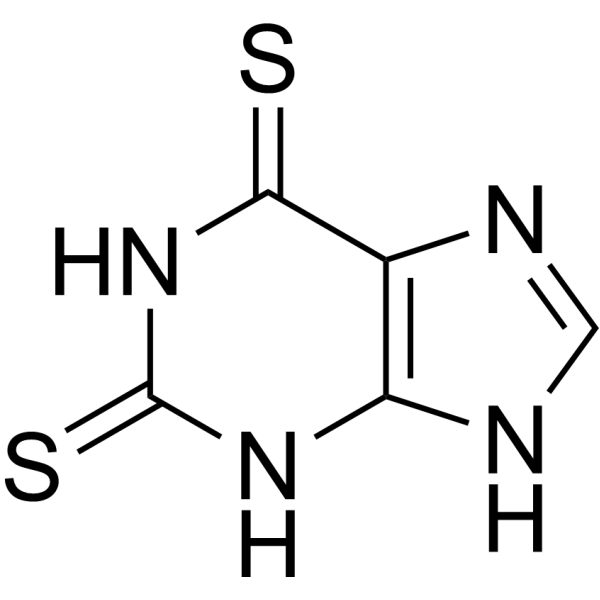
2,6-Dithiopurine (2,6-Dimercaptopurine) is a nucleophilic scavenger for electrophilic carcinogens. 2,6-Dithiopurine abolishes both DNA adduct formation and the initiation of carcinogenesis .
loading...
    loading...
2
2 Cited Publications
Cat. No.: HY-13509
CAS No.: 883050-24-6
Purity:  99.62%
Target:  

RGS Protein

Research Areas:  

Inflammation/Immunology

CCG-50014 is the most potent against the regulator of G-protein signaling protein type 4 (RGS4) (IC50 =30 nM) and is >20-fold selective for RGS4 over other RGS proteins. CCG-50014 binds covalently to the RGS, forming an adduct on two cysteine residues located in an allosteric regulatory site . CCG50014, reduces nociceptive responses and enhances opioid-mediated analgesic effects in the mouse formalin test .
loading...
    loading...
2
2 Cited Publications
Cat. No.: HY-138830
CAS No.: 1818252-53-7
Purity:  99.81%
Target:  

Histone Demethylase

Research Areas:  

Neurological Disease

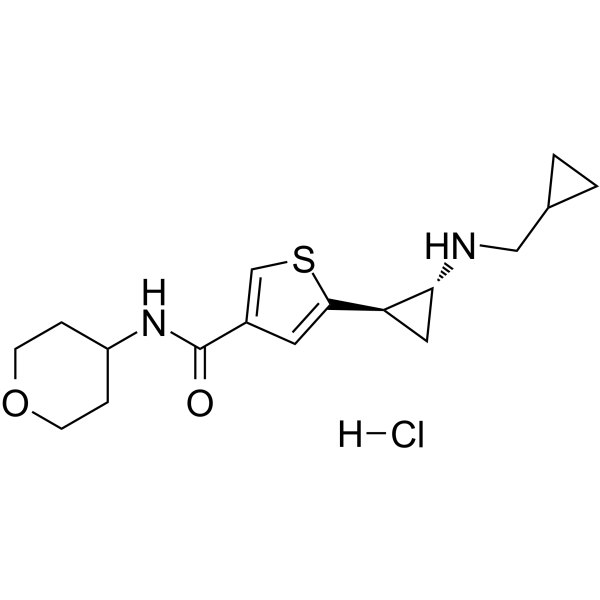
TAK-418 is an orally active, blood-brain barrier-penetrant LSD1 inhibitor with a human IC50 of 2.9 nM. TAK-418 irreversibly inhibits LSD1 by forming a compact flavin-FAD adduct with the catalytic domain FAD, blocking the demethylation of H3K4me1/2 and H3K9me1/2 without disrupting the LSD1-GFI1B interaction. TAK-418 restores normally dysregulated brain gene expression and DNA methylation, increases H3K4me1/2/3 and H3K9me2 at the Ucp2 locus, and induces Ucp2 mRNA expression. TAK-418 rescues defective H3K4 histone modifications, normalizes adult neurogenesis, and improves recognition memory, social behavior, and cognition in rodent models. TAK-418 can be used in research related to neurodevelopmental disorders, Alzheimer's disease, and autism spectrum disorders .
loading...
    loading...
1
1 Cited Publications
Cat. No.: HY-151223
CAS No.: 591-57-1
Purity:  99.84%
Synonyms: Triose phosphate
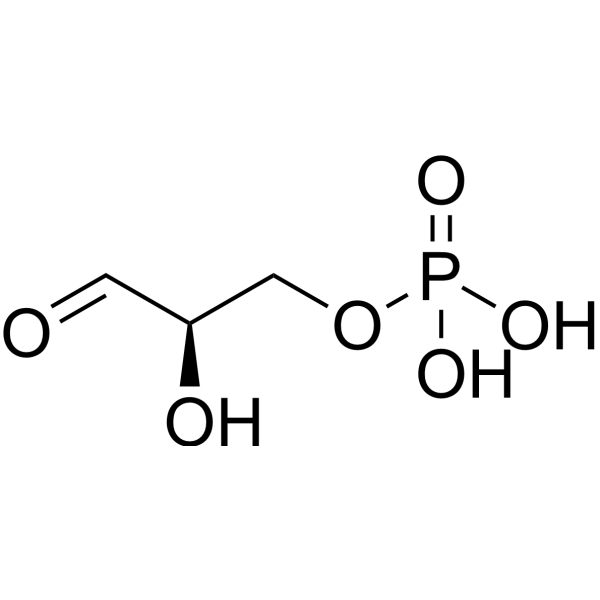
D-Glyceraldehyde 3-phosphate (Triose phosphate) is a key intermediate in glycolysis and gluconeogenesis, as well as a carbohydrate product of the Calvin cycle. D-Glyceraldehyde 3-phosphate participates in the biosynthesis of tryptophan and thiamine. D-Glyceraldehyde 3-phosphate is released as an aldehyde under the action of aldolase or triosephosphate isomerase. D-Glyceraldehyde 3-phosphate forms adducts with thiols .
loading...
    loading...
1
1 Cited Publications
Cat. No.: HY-N0511
CAS No.: 475-80-9
Synonyms: Aristolochic acid II
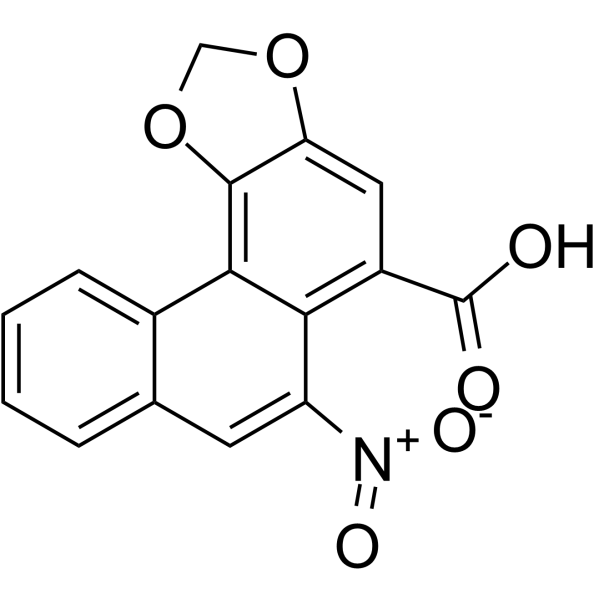
Aristolochic acid B (Aristolochic Acid II) is an orally active major component of aristolochic acid (AA). Aristolochic acid B can be isolated from plants of the genus Aristolochica. Aristolochic acid B forms DNA adducts. Aristolochic acid B is mutagenic. Aristolochic acid B exhibits a greater carcinogenic risk in vivo than Aristolochic acid I (HY-N0510) .
loading...
    loading...
1
1 Cited Publications
Cat. No.: HY-N0769
CAS No.: 482-27-9
Category:  

Coumarins Plants Infection Microorganisms 500 - Internal Server Error | MedChemExpress

Oops!

Sorry, Something went wrong on our server.
Our team has been notified and is working to fix the issue.