56 Results for "

adipocyte differentiation

" in MedChemExpress (MCE) Product Catalog:
Products (56)

56 Results for "adipocyte differentiation" in MCE Product Catalog:

5
5 Cited Publications
Cat. No.: HY-135982
CAS No.: 1620992-67-7
Purity:  99.73%
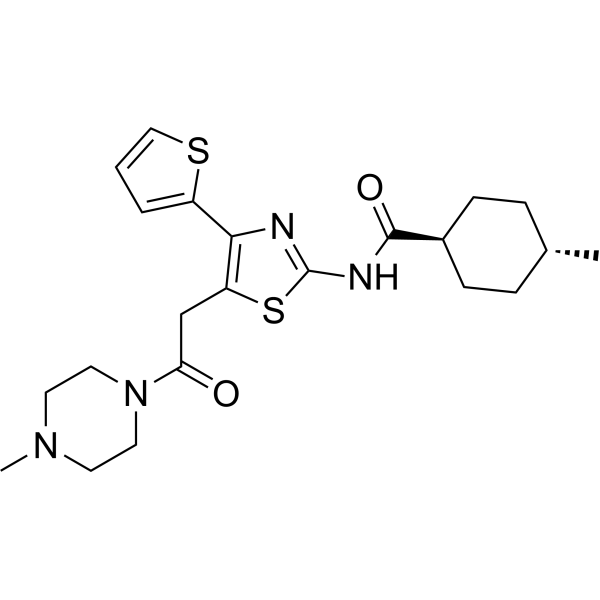
GPR81 agonist 1 is a potent and highly selective GPR81 agonist, with EC50s of 58 nM and 50 nM for human and mouse GPR81, respectively. GPR81 agonist 1 inhibits lipolysis in differentiated 3T3-L1 adipocytes. GPR81 agonist 1 suppresses lipolysis in mice without cutaneous flushing. GPR81 agonist 1 displays remarkable selectivity for GPR81 over GPR109a .
loading...
    loading...
4
4 Cited Publications
Cat. No.: HY-P1844A
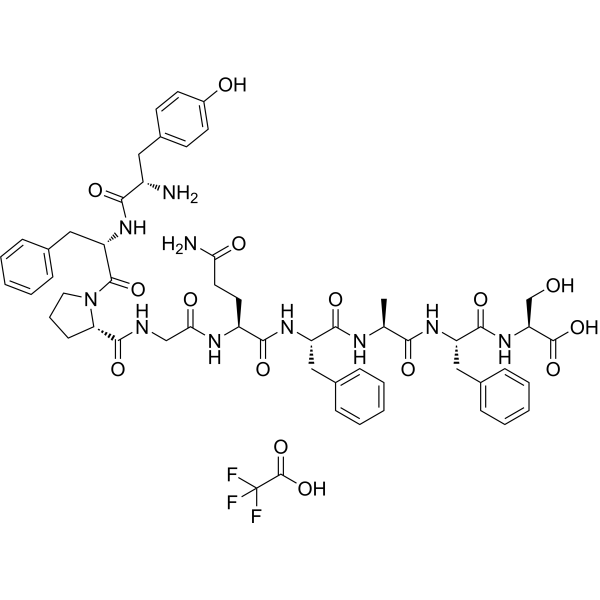
Chemerin-9 (149-157) TFA is a potent agonist of chemokine-like receptor 1 (CMKLR1) . Chemerin-9 (149-157) TFA has anti-inflammatory activity. Chemerin-9 (149-157) TFA stimulates phosphorylation of Akt and ERK as well as ROS production. Chemerin-9 (149-157) TFA ameliorates Aβ1-42-induced memory impairmen. Chemerin-9 (149-157) TFA regulates immune responses, adipocyte differentiation, and glucose metabolism .
loading...
    loading...
4
4 Cited Publications
Cat. No.: HY-P1844
CAS No.: 676367-27-4
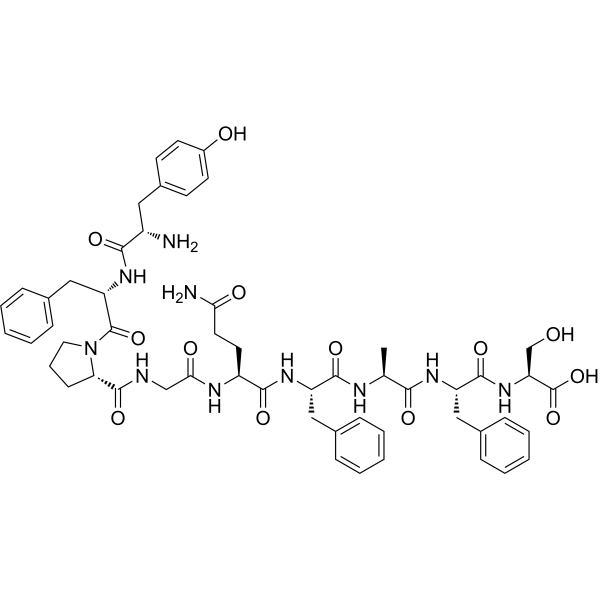
Chemerin-9 (149-157) is a potent agonist of chemokine-like receptor 1 (CMKLR1). Chemerin-9 (149-157) has anti-inflammatory activity. Chemerin-9 (149-157) stimulates phosphorylation of Akt and ERK as well as ROS production. Chemerin-9 (149-157) ameliorates Aβ1-42-induced memory impairmen. Chemerin-9 (149-157) regulates immune responses, adipocyte differentiation, and glucose metabolism .
loading...
    loading...
3
3 Cited Publications
Cat. No.: HY-163316
CAS No.: 3030697-87-8
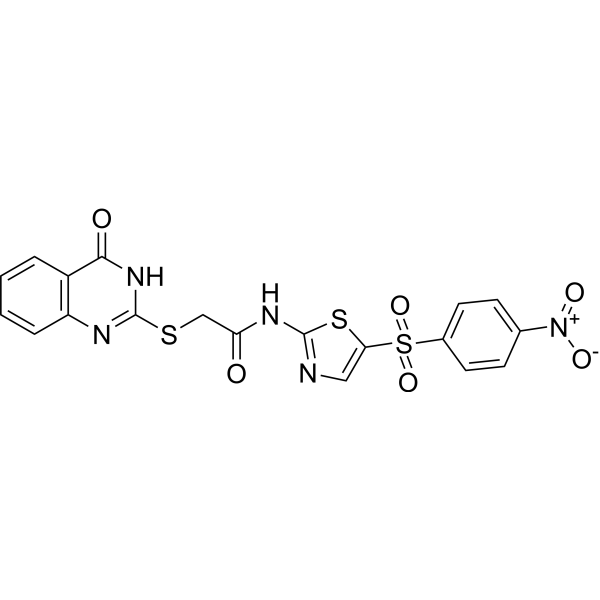
SIRT4-IN-1 is a selective and potent Sirtuin 4 (Sirt4) inhibitor with an IC50 of 16 μM for hSirt4. SIRT4-IN-1 also inhibits hSirt1, hSirt2, hSirt3, hSirt4 and hSirt6. SIRT4-IN-1 competes with acyl peptide substrate for Sirt4's acyl binding site, and is noncompetitive with NAD +. SIRT4-IN-1 increases glutamate dehydrogenase (GDH) activity and rescues pyruvate dehydrogenase (PDH) activity. SIRT4-IN-1 inhibits adipocyte differentiation and suppresses Sirt4 overexpression-induced increased differentiation. SIRT4-IN-1 can be used for the researches of cancer and metabolic disease .
loading...
    loading...
3
3 Cited Publications
Cat. No.: HY-108568
CAS No.: 87893-55-8
Purity:  97.50%
Synonyms: 15d-PGJ2; 15-Deoxy-Δ12,14-PGJ2
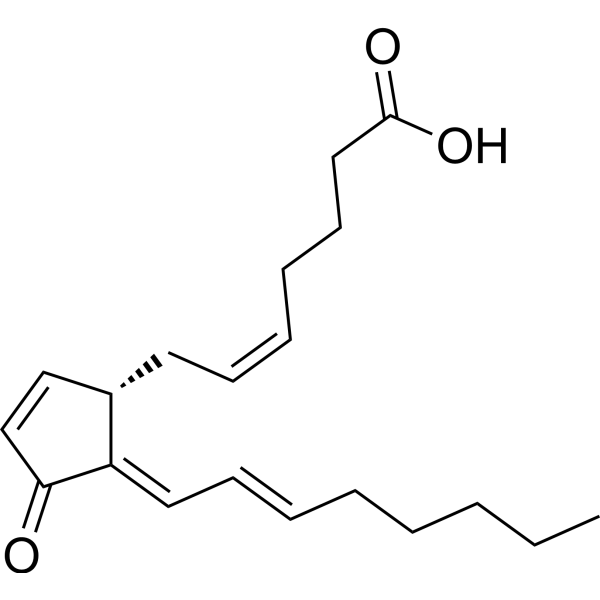
15-Deoxy-Δ-12,14-prostaglandin J2 (15d-PGJ2) is a cyclopentenone prostaglandin and a metabolite of PGD2. 15-Deoxy-Δ-12,14-prostaglandin J2 is a selective PPARγ (EC50 of 2 µM) and a covalent PPARδ agonist. 15-Deoxy-Δ-12,14-prostaglandin J2 promotes efficient differentiation of C3H10T1/2 fibroblasts to adipocytes with an EC50 of 7 μM .
loading...
    loading...
2
2 Cited Publications
Cat. No.: HY-20019
CAS No.: 79558-09-1
Target:  

PPAR

Research Areas:  

Metabolic Disease

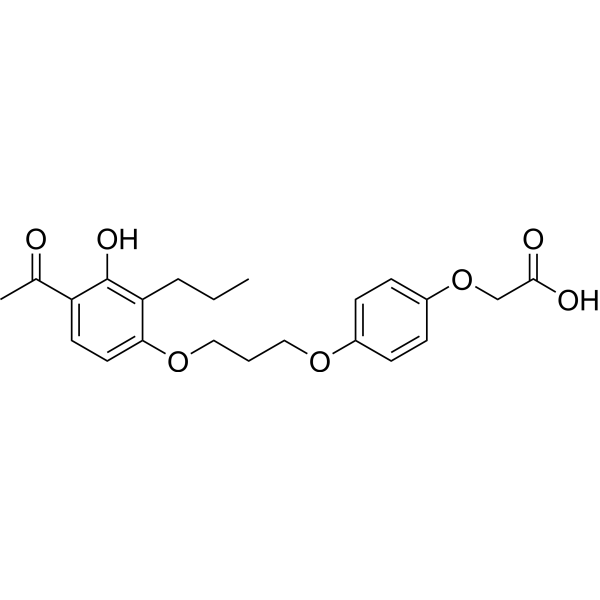
L-165041 is a cell permeable PPARδ agonist, with Kis of 6 nM and appr 730 nM for PPARδ and PPARγ, respectively, and induces adipocyte differentiation in NIH-PPARδ cells.
loading...
    loading...
2
2 Cited Publications
Cat. No.: HY-124822
CAS No.: 73439-19-7
Purity:  99.73%
Target:  

AMPK

Research Areas:  

Metabolic Disease Cancer

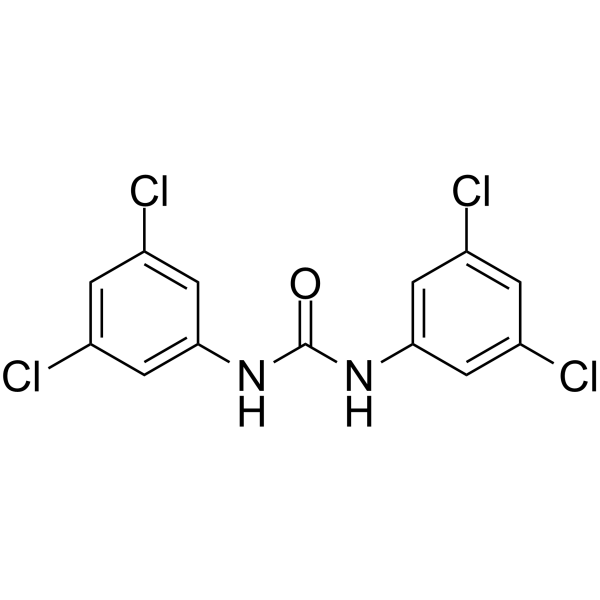
COH-SR4 is an AMPK activator. COH-SR4 shows potent anti-proliferative activities against leukemia, melanoma, breast and lung cancers. COH-SR4 inhibits adipocyte differentiation via AMPK activation. COH-SR4 can be used for the research of obesity and related metabolic disorders .
loading...
    loading...
1
1 Cited Publications
Cat. No.: HY-N0704
CAS No.: 55576-66-4
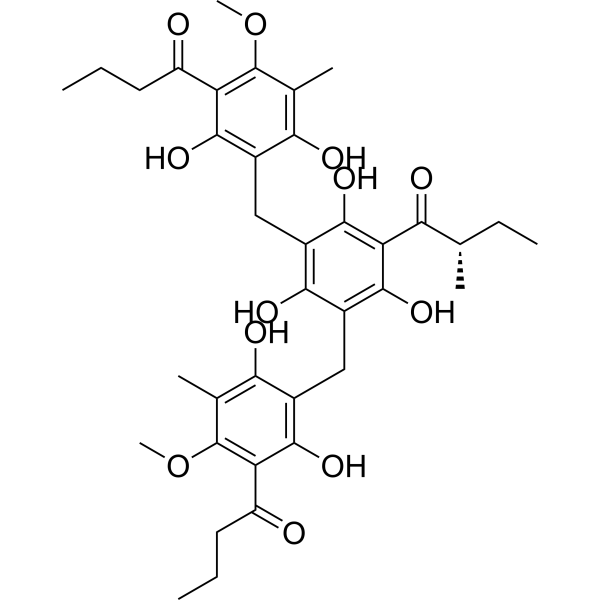
Agrimol B, a polyphenol, is an orally active and potent SIRT1 activator. Agrimol B shows anti-adipogenic and anticancer activity. Agrimol B shows antibacterial activity against plant pathogens. Agrimol B dramatically inhibits 3T3-L1 adipocyte differentiation by reducing PPARγ, C/EBPα, FAS, UCP-1, and apoE expression. The action of Agrimol B on the cancer cells is likely derived from its effect on c-MYC, SKP2 and p27 .
loading...
    loading...
1
1 Cited Publications
Cat. No.: HY-B1890
CAS No.: 7295-85-4
Synonyms: rel-Cianidanol; rel-Catechuic acid
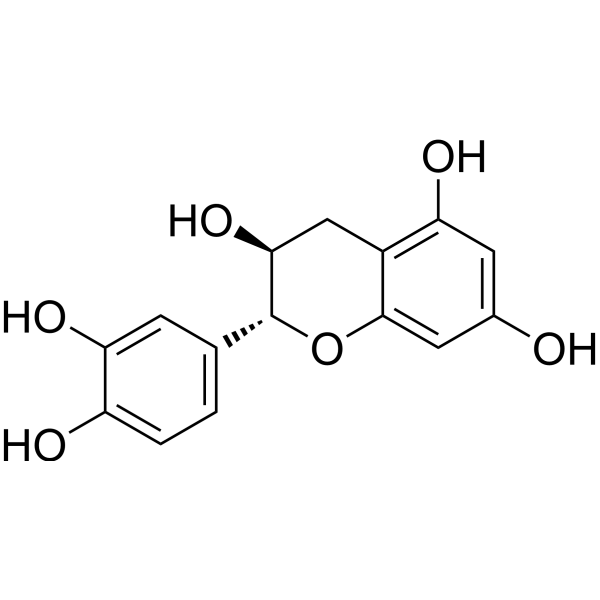
(±)-Catechin (rel-Cianidanol) is the racemate of the green tea polyphenol Catechin. Catechin has anticancer activity and induces apoptosis. (±)-Catechin has two forms, (+)-Catechin and its enantiomer (-)-Catechin. (+)-Catechin inhibits cyclooxygenase-1 (COX-1) with an IC50 of 1.4 μM. (-)-Catechin can effectively promote hBM-MSC adipocyte differentiation and increase adiponectin and PPARγ levels. (±)-Catechin has anti-tumor, anti-obesity, anti-diabetic, anti-cardiovascular, anti-infectious, hepatoprotective and neuroprotective effects .
loading...
    loading...
1
1 Cited Publications
Cat. No.: HY-116538
CAS No.: 2420-56-6
Purity:  99.10%
Synonyms: trans-10,cis-12 CLA2
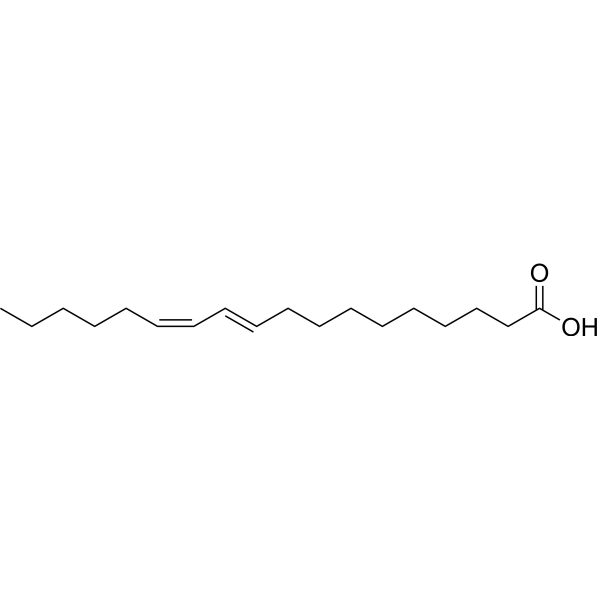
(10E,12Z)-Octadeca-10,12-dienoic acid (trans-10,cis-12 CLA2) is an orally active PPARα activator and inhibits adipocyte differentiation. (10E,12Z)-Octadeca-10,12-dienoic acid and its downstream metabolites have various antioxidant and antitumor activities. (10E,12Z)-Octadeca-10,12-dienoic acid can induce proinflammatory cytokines and chemokines, which would lead to decreased adipogenesis and insulin resistance in adipose tissue. (10E,12Z)-Octadeca-10,12-dienoic acid can affect many aspects of milk fat synthesis. (10E,12Z)-Octadeca-10,12-dienoic acid reduces expression of lipogenic enzymes and inhibits the desaturation of fatty acids. (10E,12Z)-Octadeca-10,12-dienoic acid can reduce lipoprotein lipase (LPL) activity in cultured 3T3-L1 adipocytes and enhance triacylglycerol release from these cells. (10E,12Z)-Octadeca-10,12-dienoic acid decreases the expression of hepatic stearoyl-CoA desatyrase mRNA in mice. (10E,12Z)-Octadeca-10,12-dienoic acid is associated with changes in mucosal NF-κB and Cyclin D1 protein levels in mice .
loading...
    loading...
1
1 Cited Publications
Cat. No.: HY-N3027
CAS No.: 117230-33-8
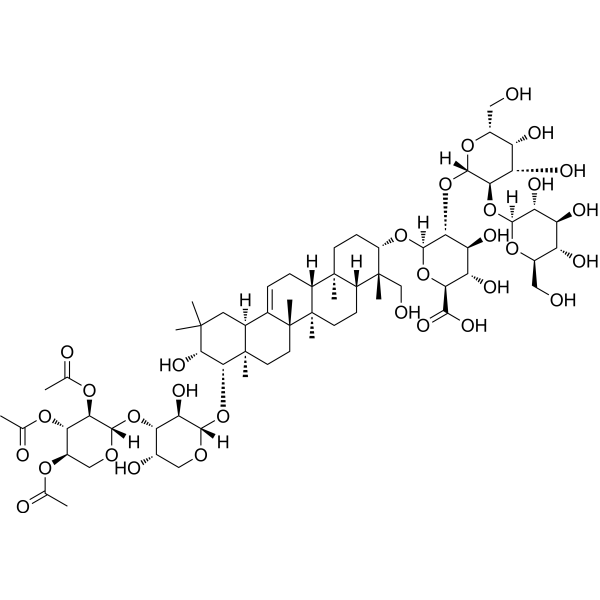
Soyasaponin Aa is a soyasaponin that can be found in soy. Soyasaponin Aa suppresses PPARγ transcriptional activity, reduces PPARγ and C/EBPα expression, inhibits adipocyte differentiation and lipid accumulation, and reduces adipogenic marker gene expression. Soyasaponin Aa reduces hydrogen peroxide-induced reactive oxygen species (ROS) production and malondialdehyde levels. Soyasaponin Aa exhibits cellular antioxidant activity. Soyasaponin Aa can be used for the research of obesity .
loading...
    loading...
1
1 Cited Publications
Cat. No.: HY-108568S
CAS No.: 1542166-82-4
Purity:  98.10%
Synonyms: 15d-PGJ2-d4; 15-Deoxy-Δ12,14-PGJ2-d4
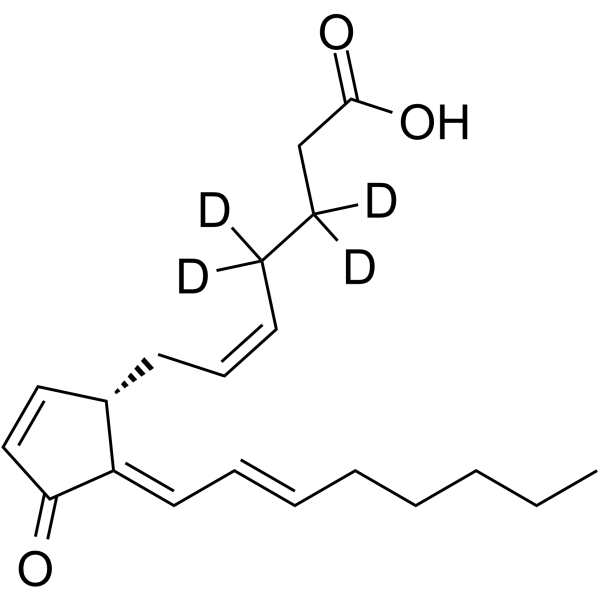
15-Deoxy-Δ-12,14-prostaglandin J2-d4 is the deuterium labeled 15-Deoxy-Δ-12,14-prostaglandin J2. 15-Deoxy-Δ-12,14-prostaglandin J2 (15d-PGJ2) is a cyclopentenone prostaglandin and a metabolite of PGD2. 15-Deoxy-Δ-12,14-prostaglandin J2 is a selective PPARγ (EC50 of 2 μM) and a covalent PPARδ agonist. 15-Deoxy-Δ-12,14-prostaglandin J2 promotes efficient differentiation of C3H10T1/2 fibroblasts to adipocytes with an EC50 of 7 μM .
loading...
    loading...
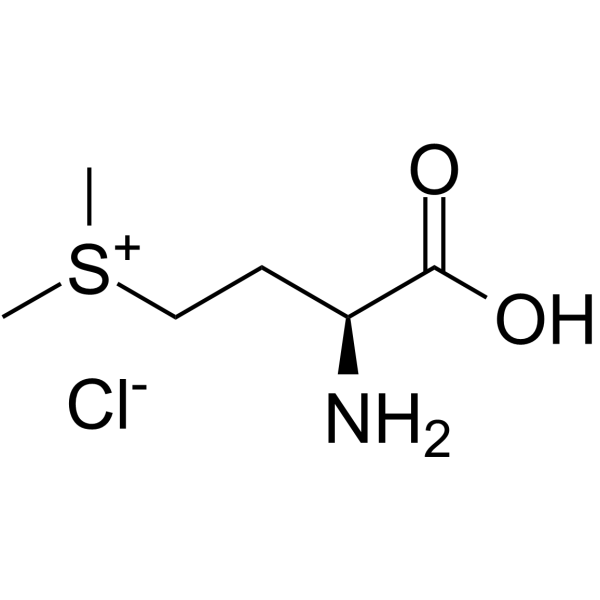
Cat. No.: HY-N2551
CAS No.: 1115-84-0
Synonyms: S-Methylmethionine sulfonium chloride
Vitamin U (S-Methylmethionine sulfonium) chloride is an orally active anti-ulcer agent with antioxidant activity. Vitamin U inhibits adipocyte differentiation. Vitamin U promotes skin wound healing.Vitamin U can be used in the research of gastrointestinal ulceration .
loading...
    loading...
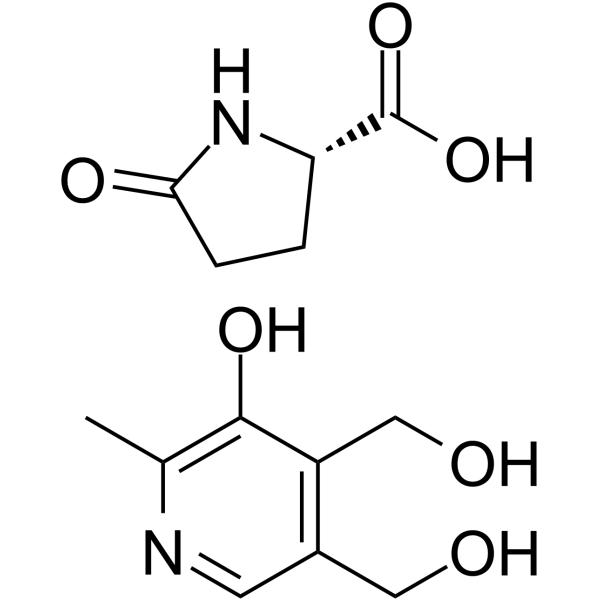
Cat. No.: HY-B1898
CAS No.: 74536-44-0
Target:  

PKA

Research Areas:  

Metabolic Disease

Metadoxine blocks adipocyte differentiation in association with inhibition of the protein kinase A-cAMP response element binding protein (PKA-CREB) pathway.
loading...
    loading...
Cat. No.: HY-46866
CAS No.: 34348-59-9
Isoegomaketone is an orally active apoptosis inducer and radiosensitizer. Isoegomaketone regulates multiple key signaling pathways such as PI3K/AKT/mTOR, NF-κB, MAPK, cleaves Caspase family proteins and PARP, and modulates Bax, AIF and endoplasmic reticulum stress proteins. Isoegomaketone also induces autophagy and keratinocyte proliferation, effectively reduces the levels of inflammatory factors and oxidative stress, inhibits adipocyte differentiation, and resensitizes TRAIL-resistant cancer cells. Isoegomaketone can be applied to research related to colorectal cancer, melanoma, lung cancer, prostate cancer, liver cancer, as well as rheumatoid arthritis and obesity .
loading...
    loading...
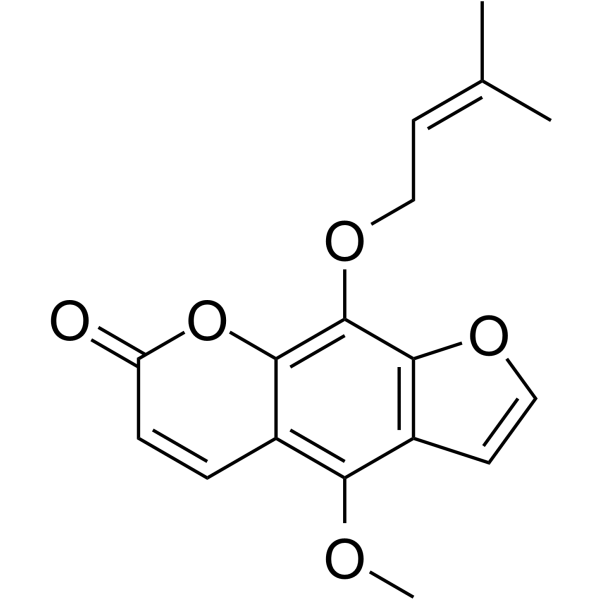
Cat. No.: HY-N2110
CAS No.: 2543-94-4
Phellopterin, an orally active furocoumarin with multiple biological activities. Phellopterin is a partial agonist of the central benzodiazepine receptors. Phellopterin exerts anti-inflammatory effects by upregulating SIRT1, downregulating ICAM-1 (reducing chronic inflammation, aiding diabetic ulcer healing), inhibiting STAT3 phosphorylation (easing atopic dermatitis inflammation), regulating Akt/PKC pathways (lowering TNF-α-induced VCAM-1 to block monocyte adhesion), and inhibiting TLR4/NF-κB pathway and macrophage M2 polarization (alleviating colitis-related cancers). Phellopterin suppresses ovarian cancer progression via inhibiting the PU.1/CLEC5A/PI3K-AKT loop (inducing cell cycle arrest, apoptosis, DNA damage). Phellopterin alleviates murine diabetes by promoting adipocyte differentiation and increasing PPARγ. Phellopterin also has anti-HSV-1 activity. Phellopterin can be used for studying anti-inflammation, anti-cancer (e.g., ovarian cancer, colitis cancer), blood glucose lowering, anti-diabetes, and anti-virus .
loading...
    loading...
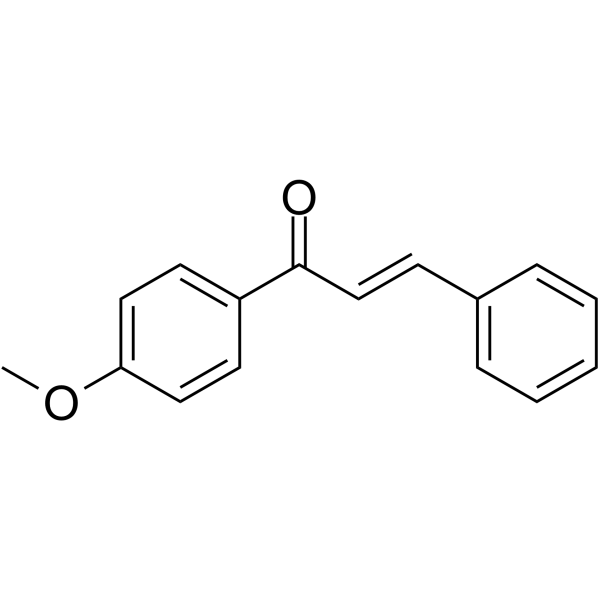
Cat. No.: HY-128400
CAS No.: 959-23-9
Purity:  99.82%
4'-Methoxychalcone regulates adipocyte differentiation through PPARγ activation. 4'-Methoxychalcone modulates the expression and secretion of various adipokines in adipose tissue that are involved in insulin sensitivity .
loading...
    loading...
Cat. No.: HY-W109613
CAS No.: 1235-74-1
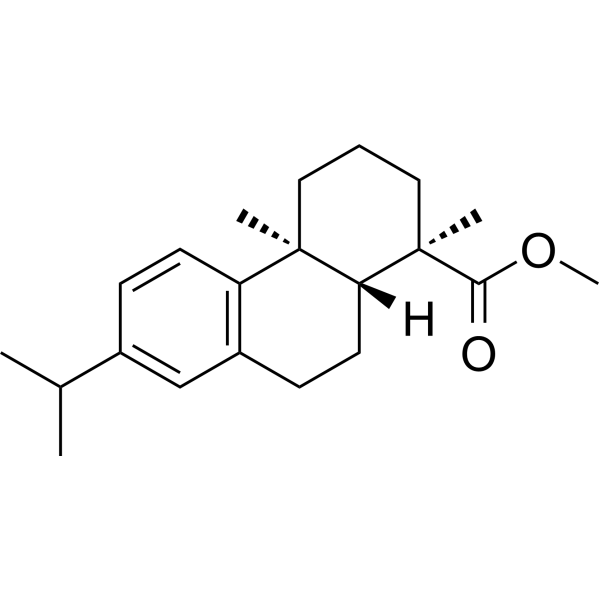
Methyl dehydroabietate is an orally active resin acid. Methyl dehydroabietate disrupts microbial cell walls and exhibits significant antibacterial activity. Methyl dehydroabietate induces the expression of PPARα in the liver and PPARγ in adipose tissue, and promotes adipocyte differentiation. Methyl dehydroabietate improves insulin resistance, reduces TNFα levels, and alleviates adipocyte hypertrophy and hepatic steatosis in obese mice. Methyl dehydroabietate can be used in research related to obesity, insulin resistance and hepatic steatosis .
loading...
    loading...
Cat. No.: HY-W012865
CAS No.: 80-69-3
Tartronic acid, a dicarboxylic acid derive, is an inhibitor of the transformation of carbohydrates into fat under fat-deficient diet conditions. Tartronic acid promotes 3T3-L1 adipocyte differentiation by increasing the protein expression of FABP-4, PPARγ and SREBP-1. Tartronic acid promotes de novo lipogenesis and inhibits CPT-1β by upregulating acetyl-CoA and malonyl-CoA. Tartronic acid promotes weight gain and induces adipocyte hypertrophy in epididymal white adipose tissue and lipid accumulation in the livers of high-fat diet induced obese mice. Tartronic acid can be used for lipid metabolic disease research .
loading...
    loading...
Cat. No.: HY-B1890R
CAS No.: 7295-85-4
Synonyms: rel-Cianidanol (Standard); rel-Catechuic acid (Standard)
(±)-Catechin (Standard) is the analytical standard of (±)-Catechin. This product is intended for research and analytical applications. (±)-Catechin (rel-Cianidanol) is the racemate of the green tea polyphenol Catechin. Catechin has anticancer activity and induces apoptosis. (±)-Catechin has two forms, (+)-Catechin and its enantiomer (-)-Catechin. (+)-Catechin inhibits cyclooxygenase-1 (COX-1) with an IC50 of 1.4 μM. (-)-Catechin can effectively promote hBM-MSC adipocyte differentiation and increase adiponectin and PPARγ levels. (±)-Catechin has anti-tumor, anti-obesity, anti-diabetic, anti-cardiovascular, anti-infectious, hepatoprotective and neuroprotective effects .
loading...
    loading...

