54 Results for "

adipose cell

" in MedChemExpress (MCE) Product Catalog:
Products (54)

54 Results for "adipose cell" in MCE Product Catalog:

13
13 Publications Verification
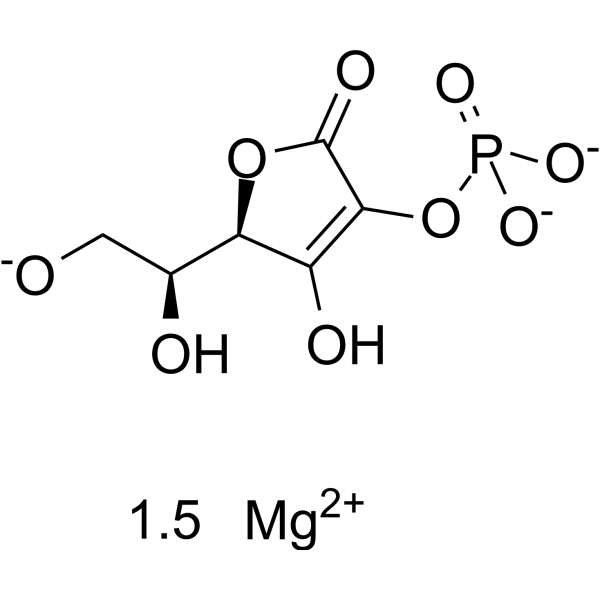
Cat. No.: HY-103701A
CAS No.: 113170-55-1
Purity:  99.97%
Synonyms: 2-Phospho-L-ascorbic acid magnesium; LAA2P magnesium
L-Ascorbic acid 2-phosphate magnesium (2-Phospho-L-ascorbic acid magnesium) is a long-acting vitamin C derivative that can stimulate collagen formation and expression . L-Ascorbic acid 2-phosphate magnesium (2-Phospho-L-ascorbic acid magnesium) can be used as a culture medium supplement for the osteogenic differentiation of human adipose stem cells (hASCs). L-Ascorbic acid 2-phosphate magnesium (2-Phospho-L-ascorbic acid magnesium) increases alkaline phosphatase (ALP) activity and expression of runx2A in hASCs during the osteogenic differentiation .
loading...
    loading...
13
13 Publications Verification
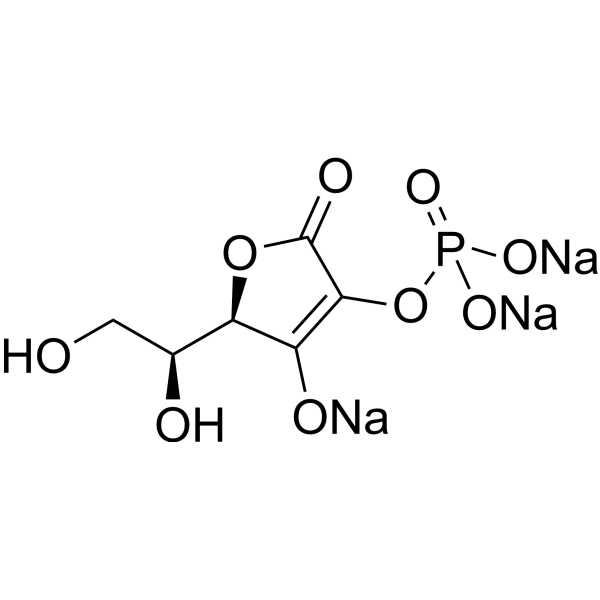
Cat. No.: HY-107837
CAS No.: 66170-10-3
Purity:  99.45%
Synonyms: 2-Phospho-L-ascorbic acid trisodium
L-Ascorbic acid 2-phosphate trisodium (2-Phospho-L-ascorbic acid trisodium) is a long-acting vitamin C derivative that can stimulate collagen formation and expression . L-Ascorbic acid 2-phosphate trisodium (2-Phospho-L-ascorbic acid trisodium) can be used as a culture medium supplement for the osteogenic differentiation of human adipose stem cells (hASCs). L-Ascorbic acid 2-phosphate trisodium (2-Phospho-L-ascorbic acid trisodium) increases alkaline phosphatase (ALP) activity and expression of runx2A in hASCs during the osteogenic differentiation .
loading...
    loading...
13
13 Publications Verification
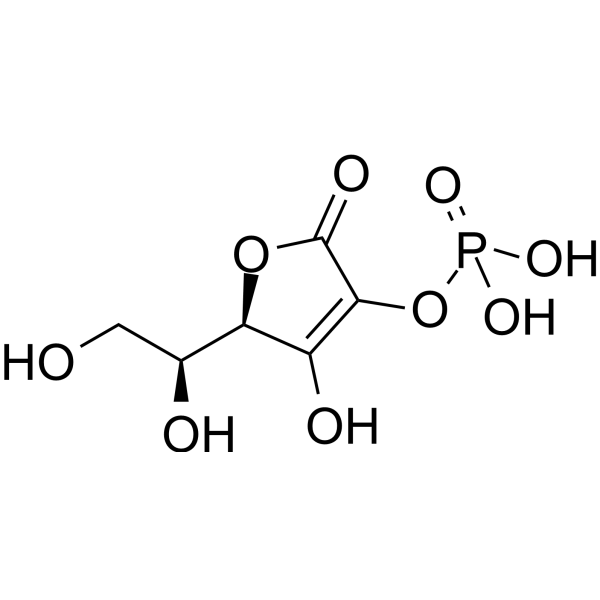
Cat. No.: HY-103701
CAS No.: 23313-12-4
Purity:  36.8%
Synonyms: 2-Phospho-L-ascorbic acid; LAA2P
L-ascorbic acid 2-phosphate (2-Phospho-L-ascorbic acid) is a long-acting vitamin C derivative that can stimulate collagen formation and expression . L-ascorbic acid 2-phosphate (2-Phospho-L-ascorbic acid) can be used as a culture medium supplement for the osteogenic differentiation of human adipose stem cells (hASCs). L-ascorbic acid 2-phosphate increases alkaline phosphatase (ALP) activity and expression of runx2A in hASCs during the osteogenic differentiation .
loading...
    loading...
13
13 Publications Verification
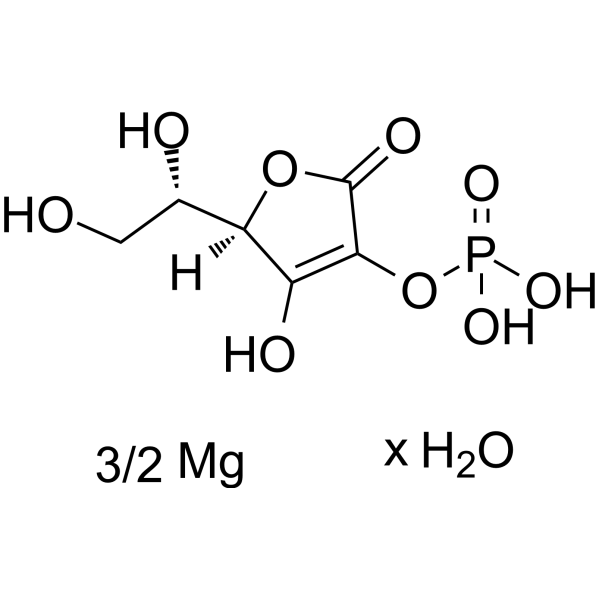
Cat. No.: HY-103701B
CAS No.: 1713265-25-8
Purity:  99.63
Synonyms: 2-Phospho-L-ascorbic acid magnesium hydrate; LAA2P magnesium hydrate
L-ascorbic acid 2-phosphate (2-Phospho-L-ascorbic acid) magnesium hydrate is a long-acting vitamin C derivative that can stimulate collagen formation and expression. L-ascorbic acid 2-phosphate magnesium hydrate can be used as a culture medium supplement for the osteogenic differentiation of human adipose stem cells (hASCs). L-ascorbic acid 2-phosphate magnesium hydrate increases alkaline phosphatase (ALP) activity and expression of runx2A in hASCs during the osteogenic differentiation .
loading...
    loading...
7
7 Cited Publications
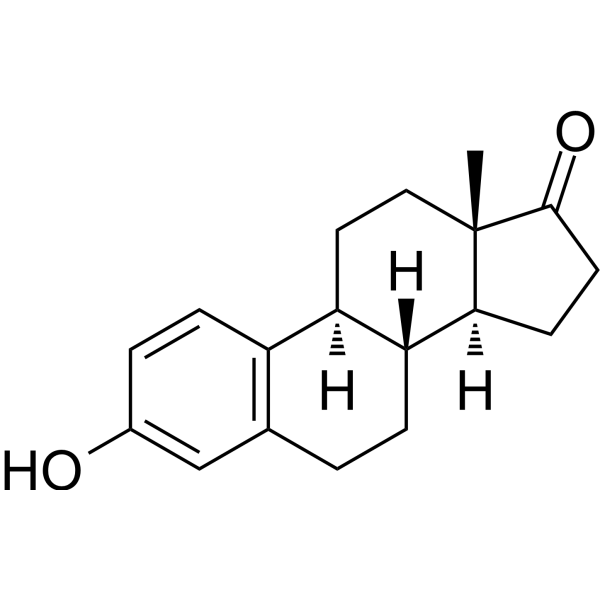
Cat. No.: HY-B0234
CAS No.: 53-16-7
Synonyms: E1; Oestrone
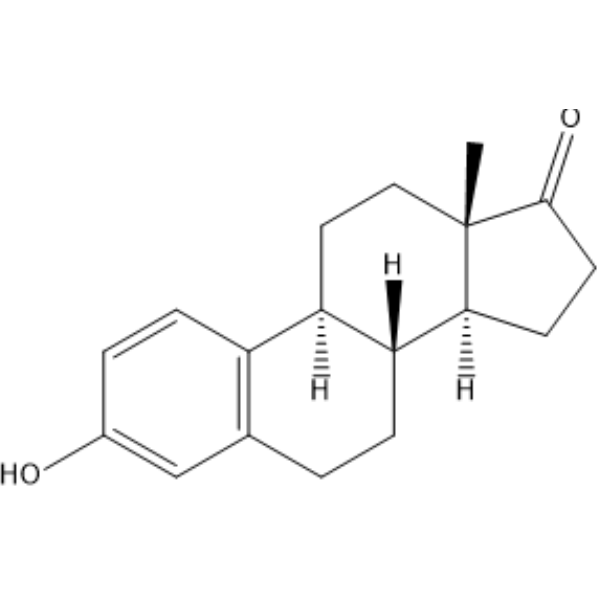
Estrone (E1) is a natural estrogenic hormone. Estrone is the main representative of the endogenous estrogens and is produced by several tissues, especially adipose tissue. Estrone is the result of the process of aromatization of androstenedione that occurs in fat cells .
loading...
    loading...
5
5 Cited Publications
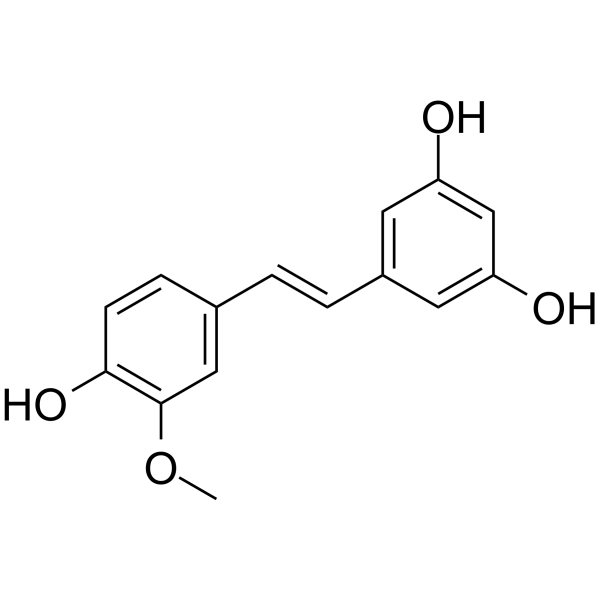
Cat. No.: HY-N2593
CAS No.: 32507-66-7
Isorhapontigenin is an orally active dietary polyphenol. Isorhapontigenin acts as a potent antioxidant that reduces the production of reactive oxygen species (ROS). Isorhapontigenin promotes the binding of JUN to the AP-1 site on the SESN2 promoter, induces SESN2 transcription, triggers MAPK8-dependent JUN activation, and upregulates the expression of PPAR-α, PGC-1α and CPT-1A to facilitate fatty acid oxidation. Isorhapontigenin induces autophagy, apoptosis and preadipocyte differentiation; it inhibits tumor growth, cell invasion, NF-κB transcriptional activity, the PI3K/Akt signaling pathway, STAT1 phosphorylation and MMP-2 expression. Isorhapontigenin alleviates oxidative stress, inflammatory cytokine release and triglyceride accumulation; it increases intracellular ATP levels and promotes Nrf2 nuclear translocation. Isorhapontigenin improves insulin sensitivity in adipose tissue and glucose tolerance, and reduces postprandial blood glucose, insulin and free fatty acid levels. Isorhapontigenin is applicable to research on bladder cancer, liver injury, chronic obstructive pulmonary disease, acute lung injury and type 2 diabetes .
loading...
    loading...
4
4 Cited Publications
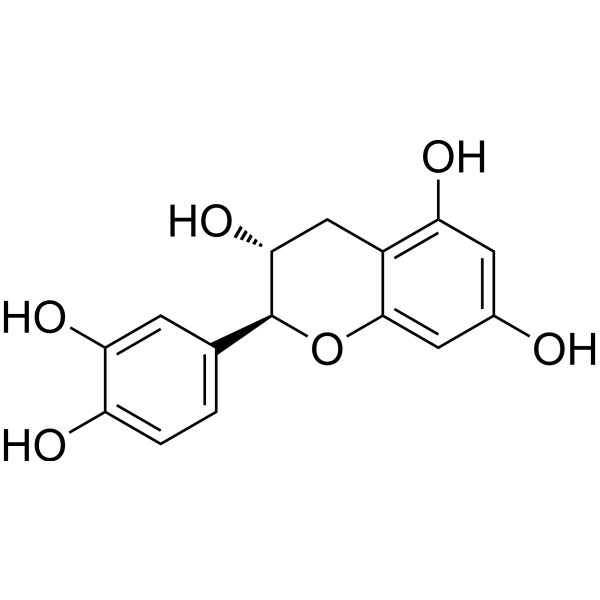
Cat. No.: HY-N0898A
CAS No.: 18829-70-4
Synonyms: (-)-Cianidanol; (-)-Catechuic acid
(-)-Catechin is Catechin's one kind of different structure. Catechin inhibitory enzyme-1 (COX-1), IC50 of 1.4 μM. (-)-Catechin promotes hBM-MSC adipose cell differentiation, increases fat cell differentiation, and PPARγ level .
loading...
    loading...
2
2 Cited Publications
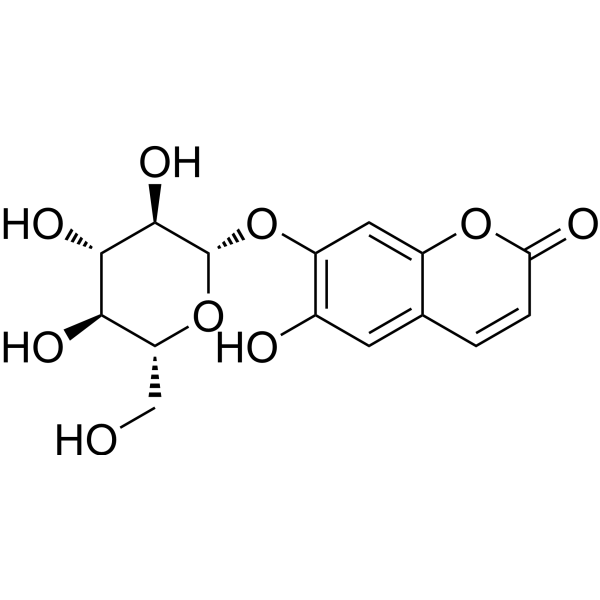
Cat. No.: HY-N8599
CAS No.: 531-58-8
Cichoriin is an orally active coumarin glycoside with broad biological activities. Cichoriin exhibits inhibitory activities against α-amylase, α-glucosidase, pancreatic lipase and DPP-IV, with IC50 values of 5.76, 2.94, 16.83 and 9.16 μg/mL, respectively. Cichoriin significantly improves metabolic dysfunction-associated steatohepatitis (MASH) in mice by activating the AMPK signaling pathway. Cichoriin upregulates PPAR-γ in adipose tissue and alleviates obesity and associated cardiorenal injury in rats. Cichoriin blocks monosodium urate crystal-induced activation of the NLRP3 inflammasome and cell pyroptosis by inhibiting P2Y14R (IC50 = 8.47 nM). In silico virtual screening reveals that Cichoriin has a strong binding affinity for SARS-CoV-2 .
loading...
    loading...
1
1 Cited Publications
Cat. No.: HY-143712
CAS No.: 2276-94-0
Purity:  98.70%
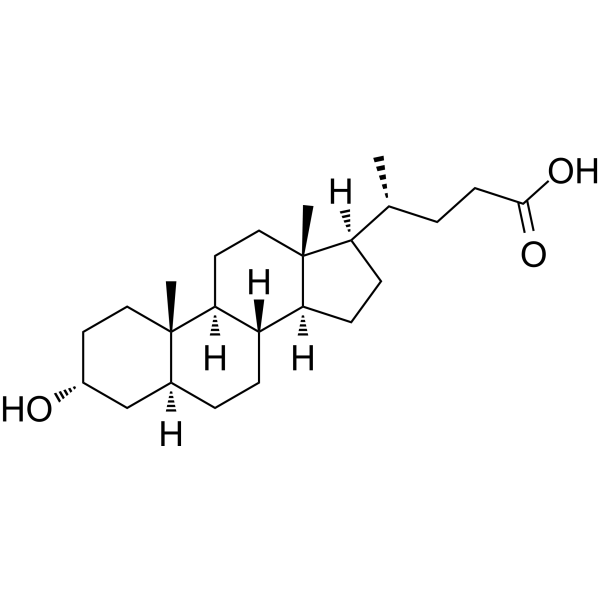
Allolithocholic acid is an orally active metabolite of Lithocholic acid (HY-B0172). Allolithocholic acid is a dual GPBAR1 agonist (EC50 = 2.7 μM) and RORγt inverse agonist (IC50 = 3.4 μM). Allolithocholic acid modulates immune and metabolic pathways, regulates immune cell polarization, prevents M1 macrophage and Th17 CD4 cell polarization. Allolithocholic acid improves insulin sensitivity, reduces liver lipid accumulation, reverses liver immunological, inflammatory and metabolic signaling dysregulation, restores bile acid homeostasis, adipose tissue histopathology/function, and intestinal microbiota composition, modulates intestinal immunity. Allolithocholic acid can be used for the researches of cancer, inflammayion, immunology and metabolic disease .
loading...
    loading...
1
1 Cited Publications
Cat. No.: HY-B0234R
CAS No.: 53-16-7
Synonyms: E1(Standard); Oestrone (Standard)
Estrone (Standard) is the analytical standard of Estrone. This product is intended for research and analytical applications. Estrone (E1) is a natural estrogenic hormone. Estrone is the main representative of the endogenous estrogens and is produced by several tissues, especially adipose tissue. Estrone is the result of the process of aromatization of androstenedione that occurs in fat cells .
loading...
    loading...
1
1 Cited Publications
Cat. No.: HY-158231
Synonyms: F127DA
Polyether F127 Diacrylate (F127DA) is an acrylated polyethylene glycol-polypropylene glycol-polyethylene glycol triblock copolymer. Polyether F127 Diacrylate rapidly crosslinks and cures into a gel under ultraviolet or visible light with the action of a photoinitiator. Polyether F127 Diacrylate exhibits excellent thermogelation properties and favorable biosafety. Polyether F127 Diacrylate can upregulate the Integrin-FAK pathway, enhance collagen production, increase the protein and gene expression levels of COL-1/SCX, and promote fibroblastic differentiation of periodontal ligament stem cells. Polyether F127 Diacrylate promotes periodontal ligament regeneration and reduces abnormal healing in a rat model of delayed replanted teeth . Polyether F127 Diacrylate promotes functional osteochondral regeneration in a rat model of osteoarthritis. Polyether F127 Diacrylate supports adipose tissue survival, rendering it suitable for breast reconstruction applications. Polyether F127 Diacrylate can be used in studies related to periodontal ligament injury, breast defect and osteoarthritis .
loading...
    loading...
1
1 Cited Publications
Cat. No.: HY-129692
CAS No.: 27570-38-3
Purity:  93.06%
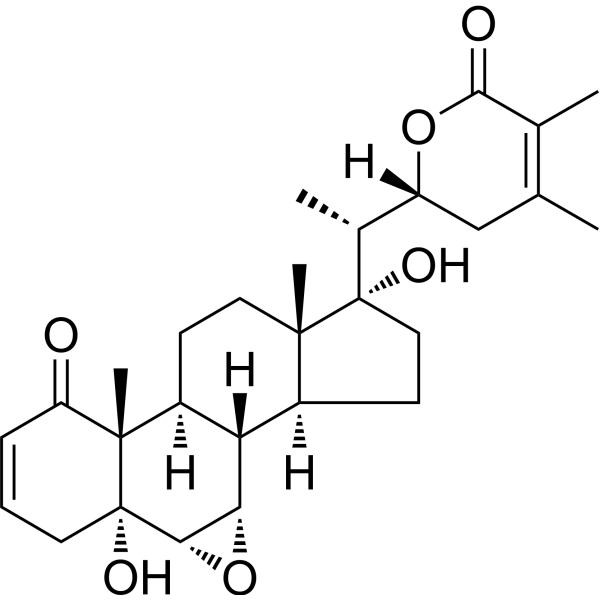
Withanone is an active ingredient from the roots of Withania somnifera and a GRP75 inhibitor. Withanone has multifunctional neuroprotective effects in alleviating cognitive dysfunction. In neuron-like cells, Withanone can inhibit NMDA-induced excitotoxicity. Withanone can inhibit white adipose tissue browning by blocking the formation of the GRP75-ANT2-UCP1 complex, thereby alleviating cancer-related cachexia. Withanone can be used in the research of tumors and nervous system diseases .
loading...
    loading...
1
1 Cited Publications
Cat. No.: HY-116538
CAS No.: 2420-56-6
Purity:  99.10%
Synonyms: trans-10,cis-12 CLA2
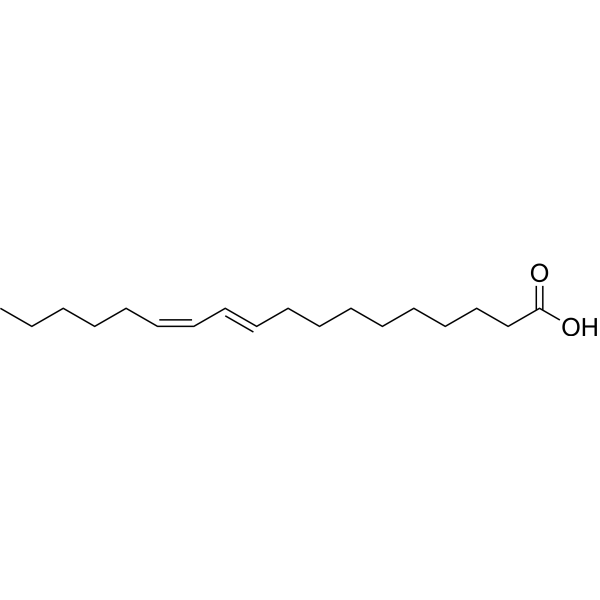
(10E,12Z)-Octadeca-10,12-dienoic acid (trans-10,cis-12 CLA2) is an orally active PPARα activator and inhibits adipocyte differentiation. (10E,12Z)-Octadeca-10,12-dienoic acid and its downstream metabolites have various antioxidant and antitumor activities. (10E,12Z)-Octadeca-10,12-dienoic acid can induce proinflammatory cytokines and chemokines, which would lead to decreased adipogenesis and insulin resistance in adipose tissue. (10E,12Z)-Octadeca-10,12-dienoic acid can affect many aspects of milk fat synthesis. (10E,12Z)-Octadeca-10,12-dienoic acid reduces expression of lipogenic enzymes and inhibits the desaturation of fatty acids. (10E,12Z)-Octadeca-10,12-dienoic acid can reduce lipoprotein lipase (LPL) activity in cultured 3T3-L1 adipocytes and enhance triacylglycerol release from these cells. (10E,12Z)-Octadeca-10,12-dienoic acid decreases the expression of hepatic stearoyl-CoA desatyrase mRNA in mice. (10E,12Z)-Octadeca-10,12-dienoic acid is associated with changes in mucosal NF-κB and Cyclin D1 protein levels in mice .
loading...
    loading...
Cat. No.: HY-125848
CAS No.: 62025-49-4
Purity:  99.95%
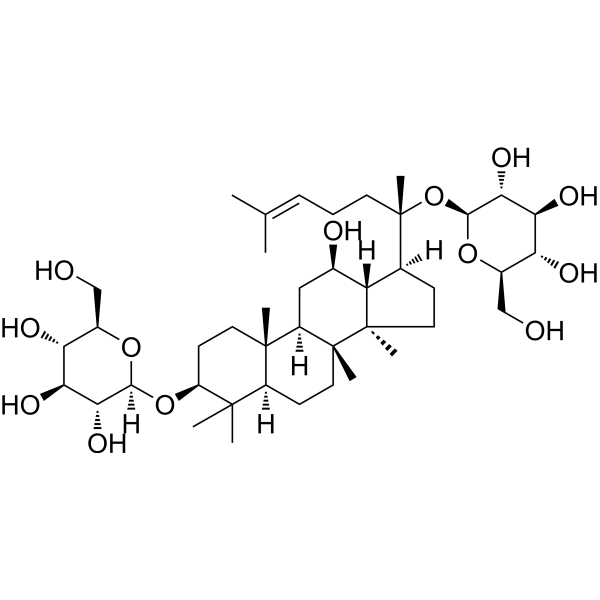
Ginsenoside F2 is an orally active bioactive compound that participates in the regulation of metabolism and inflammation. Ginsenoside F2 promotes the phosphorylation of AMPK and ACC, binds to PPARγ, inhibits the phosphorylation of MAPK, activates the PI3K/AKT/GSK-3β pathway, reduces GLRX expression, and regulates lipid metabolism. Ginsenoside F2 reduces ROS production and MDA levels, restores SOD activity in cells, and alleviates oxidative stress. Ginsenoside F2 induces cell apoptosis (Apoptosis) and increases the number of cleaved caspase-3-positive cells. Ginsenoside F2 reduces body weight gain, adipose tissue weight and serum lipid levels in obese mice, and activates the hepatic AMPK signaling pathway and the expression of antioxidant enzymes. Ginsenoside F2 alleviates atopic dermatitis in mice by inhibiting inflammation and reshaping the gut microbiota . Ginsenoside F2 is applicable to research related to insulin resistance, obesity, atopic dermatitis, liver cancer, glioblastoma and glioma .
loading...
    loading...
Cat. No.: HY-P10735
CAS No.: 181591-59-3
Synonyms: Gastric inhibitory polypeptide(mouse); GIP(1-42) (mouse)
Target:  

Lipase Apoptosis

Research Areas:  

Metabolic Disease

GIP (Gastric inhibitory polypeptide) (mouse) is a gastrointestinal hormone that is secreted by the intestinal K cells, and also expressed in and secreted from pancreatic islets. GIP (mouse) promotes insulin secretion from pancreatic β cells via the G-protein-coupled GIP receptor (GIPR). GIP (mouse) promotes pancreatic β cell proliferation and inhibits apoptosis. GIP (mouse) also exerts direct lipogenic effects on adipose tissue .
loading...
    loading...
Cat. No.: HY-116003
CAS No.: 263399-35-5
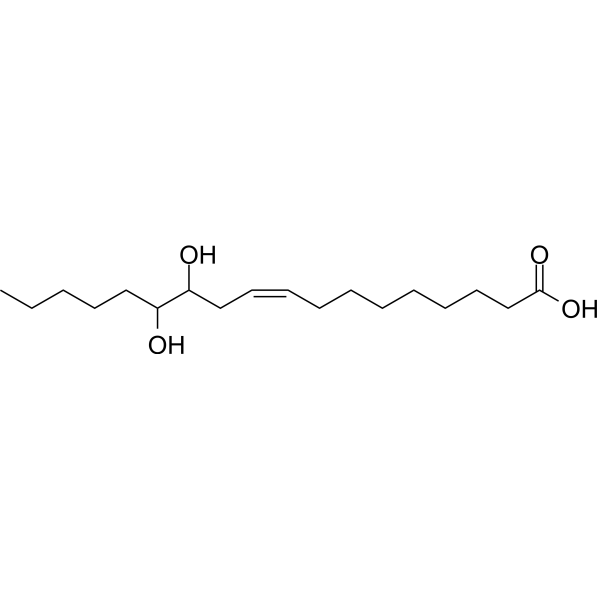
12,13-DiHOME is a stimulator of Brown adipose tissue (BAT), as well as a thermogenic lipokine that activates BAT in response to cold. (±)12,13-DiHOME activates BAT fuel uptake and enhances cold tolerance, via promoting the translocation of the FA transporters FATP1 and CD36 to the cell membrane. (±)12,13-DiHOME can be used for research of metabolic disorders .
loading...
    loading...
Cat. No.: HY-B0234S2
CAS No.: 53866-34-5
Synonyms: E1-d4; Oestrone-d4
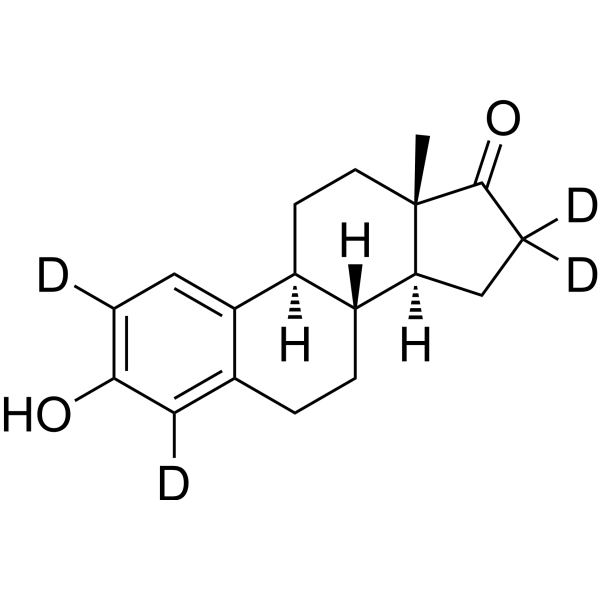
Estrone-d4 is the deuterium labeled Estrone. Estrone (E1) is a natural estrogenic hormone. Estrone is the main representative of the endogenous estrogens and is produced by several tissues, especially adipose tissue. Estrone is the result of the process of aromatization of androstenedione that occurs in fat cells .
loading...
    loading...
Cat. No.: HY-P991736
Anti-IL11 Antibody (X203, Mouse IgG) is an antibody targeting IL-11. Anti-IL11 Antibody (X203, Mouse IgG) inhibits IL-11-mediated activation of the ERK-mTORC1 axis, inactivation of LKB1-AMPK, and pro-senescence pathways. Anti-IL11 Antibody (X203, Mouse IgG) alleviates age-related metabolic decline, improves muscle function, reduces tissue fibrosis, decreases the expression of senescence markers, and maintains telomere length and mtDNA copy number. Anti-IL11 Antibody (X203, Mouse IgG) restores browning of white adipose tissue, upregulates thermogenic and mitochondrial biogenesis gene programs, reduces lipid droplet size, and decreases immune cell infiltration in visceral white adipose tissue. Anti-IL11 Antibody (X203, Mouse IgG) extends the median lifespan of mice and reduces the incidence of age-related tumors. Anti-IL11 Antibody (X203, Mouse IgG) can be used in the research of age-related metabolic decline, sarcopenia and age-related cancers .
loading...
    loading...
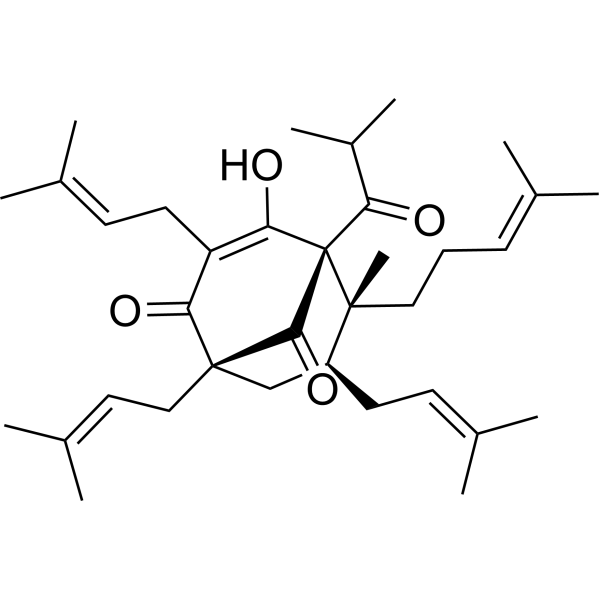
Cat. No.: HY-116330
CAS No.: 11079-53-1
Hyperforin is a transient receptor canonical 6 (TRPC6) channels activator. Hyperforin modulates Ca 2+ levels by activating Ca 2+-conducting non-selective canonical TRPC6 channels and triggers adipose tissue thermogenesis via the Dlat-AMPK signaling axis to suppress obesity. Hyperforin also shows diverse pharmacological activities including anti-depression, anti-tumor, anti-dementia, anti-diabetes. Hyperforin modulates γδ T cells to secret IL-17α, improves Imiquimod (HY-B0180)-induced psoriasis-like mice model .
loading...
    loading...
Cat. No.: HY-Y1322
CAS No.: 115-86-6
Triphenyl phosphate is an orally active, blood-brain barrier-permeable aryl organophosphate flame retardant and endocrine disruptor. Triphenyl phosphate disrupts mitochondrial dynamic balance through oxidative stress, induces excessive mitophagy and apoptosis, and ultimately leads to myocardial fibrosis. In the brain, Triphenyl phosphate activates the NF-κB inflammatory pathway by disrupting the gut microbiota, alters tryptophan metabolism and elevates neurotoxins, thereby inducing anxiety- and depression-like behaviors. In the skeletal and reproductive systems, Triphenyl phosphate inhibits osteoblast differentiation and induces germ cell apoptosis by suppressing the MAPK/ERK pathway and activating the JNK signal, respectively. In adipose and placental tissues, Triphenyl phosphate promotes lipid accumulation by activating the PI3K/AKT-PPARγ axis, and disrupts placental metabolism via the MAOA/ROS/NF-κB cascade, impairing neurodevelopment of offspring .
loading...
    loading...

