112 Results for "

anesthetic

" in MedChemExpress (MCE) Product Catalog:
Products (112)

112 Results for "anesthetic" in MCE Product Catalog:

5
5 Cited Publications
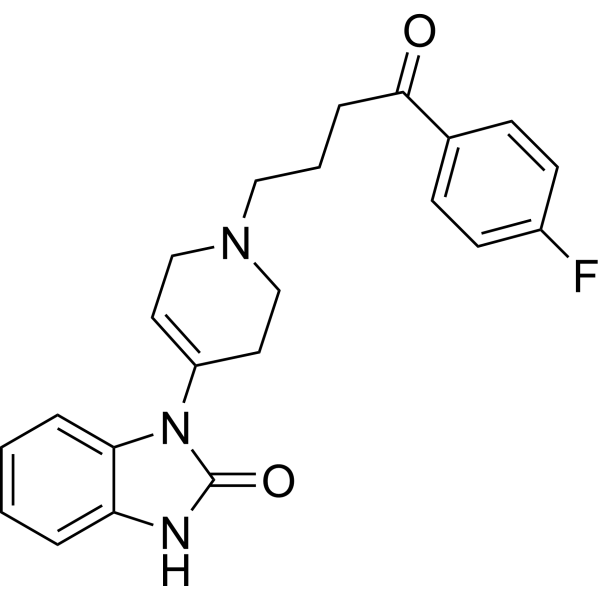
Cat. No.: HY-B1240
CAS No.: 548-73-2
Synonyms: Dehydrobenzperidol
Research Areas:  

Neurological Disease

Droperidol (Dehydrobenzperidol) is a butyrophenone pamine-2 receptor antagonist that inhibits the activation of GABA(A) and neuronal nicotinic receptors (nAChR), with IC50 values of 12.6 nM and 5.8 μM. Droperidol has anesthetic and sedative properties .
loading...
    loading...
4
4 Cited Publications
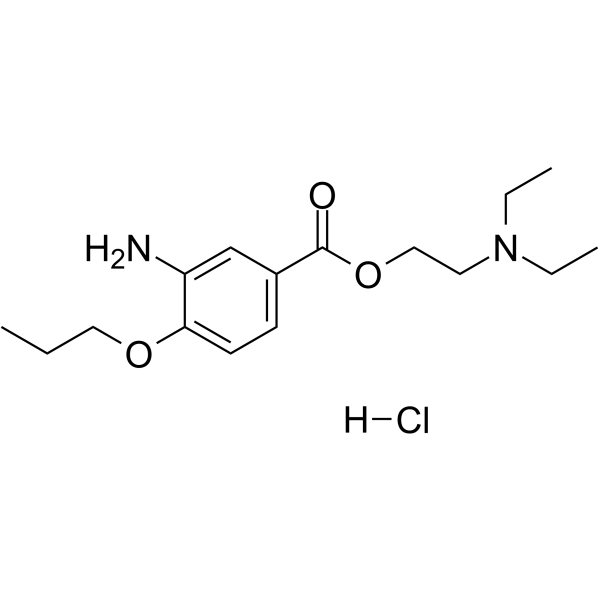
Cat. No.: HY-66012
CAS No.: 5875-06-9
Synonyms: Proxymetacaine hydrochloride
Target:  

Sodium Channel

Research Areas:  

Neurological Disease

Proparacaine (Proxymetacaine) hydrochloride is a local anesthetic. Proparacaine hydrochloride blocks voltage-gated sodium channels on neuronal cell membranes, thereby inhibiting signal conduction and nociceptive signal transmission. Proparacaine hydrochloride blocks nociceptive signals in the eye and induces ocular muscle relaxation to reduce eye movement during surgery. Proparacaine hydrochloride is used in research related to cataracts .
loading...
    loading...
3
3 Cited Publications
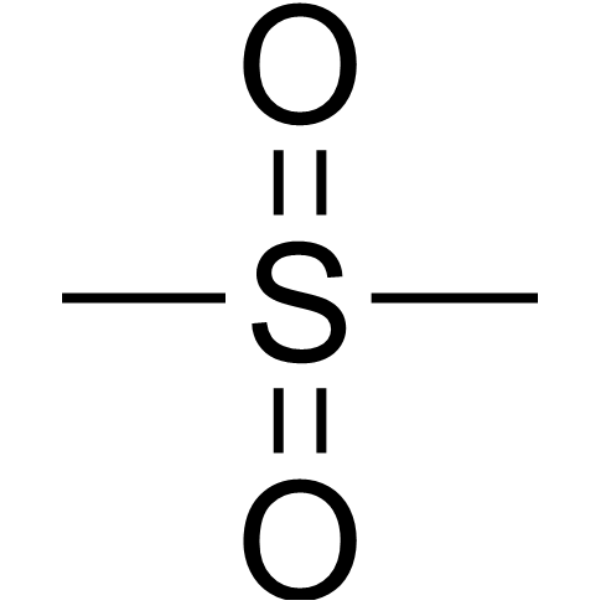
Cat. No.: HY-Y1314
CAS No.: 67-71-0
Dimethyl sulfone (Methyl Sulfonyl Methane) is a metabolic product of endogenous methanethiol metabolism and intestinal bacterial metabolism. Dimethyl sulfone inhibits choriocapillary endothelial (CCE) cell proliferation, also has many biological effects, including antiinflammatory, antioxidant, and local anesthetic effects that could be neuroprotective .
loading...
    loading...
2
2 Cited Publications
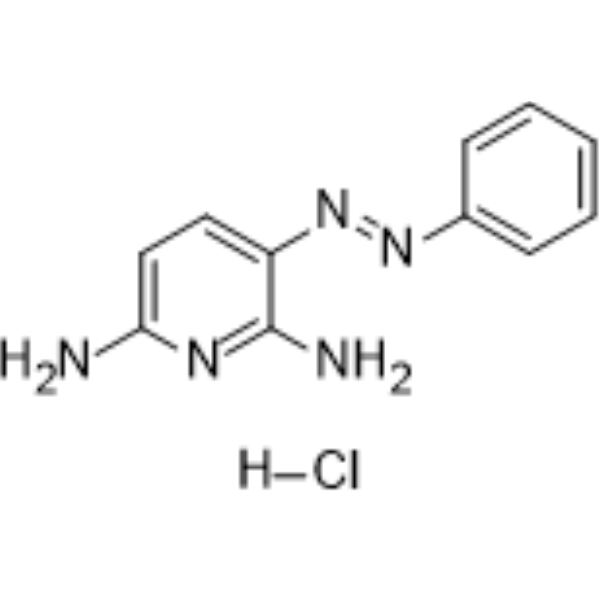
Cat. No.: HY-B0985
CAS No.: 136-40-3
Target:  

TRP Channel

Research Areas:  

Neurological Disease

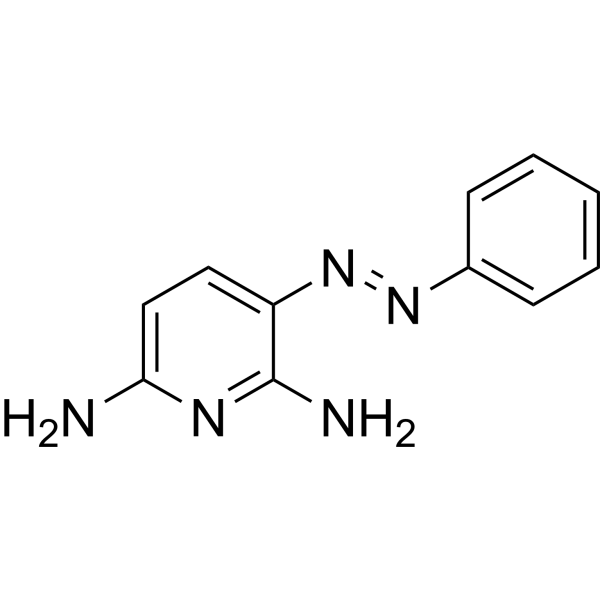
Phenazopyridine hydrochlorideis a competitive SARM1 inhibitor, with IC50 145 μM. Phenazopyridine hydrochlorideis a TRPM8 antagonist. Phenazopyridine hydrochloride has a local anesthetic/analgesic effect. Phenazopyridine hydrochlorideis used to relieve painful symptoms of conditions such as cystitis and urethritis. Phenazopyridine hydrochloridecan promote neuronal differentiation and can also be used in the study of traumatic brain injury, peripheral neuropathy and neurodegenerative diseases .
loading...
    loading...
2
2 Cited Publications
Cat. No.: HY-B0480
CAS No.: 980-71-2
Synonyms: (±)-Brompheniramine maleate
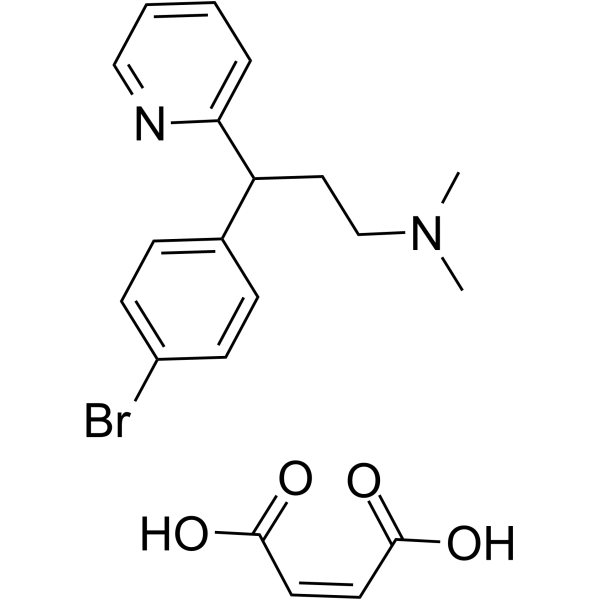
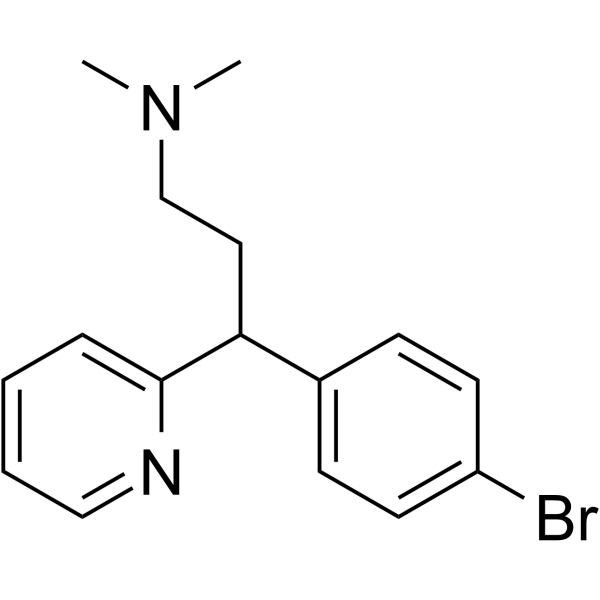
Brompheniramine ((±)-Brompheniramine) maleate is a potent and orally active antihistamine of the alkylamine class. Brompheniramine maleate is a selective histamine H1 receptor antagonist with a Kd of 6.06 nM. Brompheniramine maleate can block the hERG channels, calcium channels, and sodium channels with IC50s of 0.90 μM, 16.12 μM and 21.26 μM, respectively. Brompheniramine maleate has anticholinergic, antidepressant and anesthetic properties and can be used for allergic rhinitis research .
loading...
    loading...
2
2 Cited Publications
Cat. No.: HY-B0900
CAS No.: 104-46-1
Synonyms: Anise camphor; p-Propenylanisole; Isoestragole
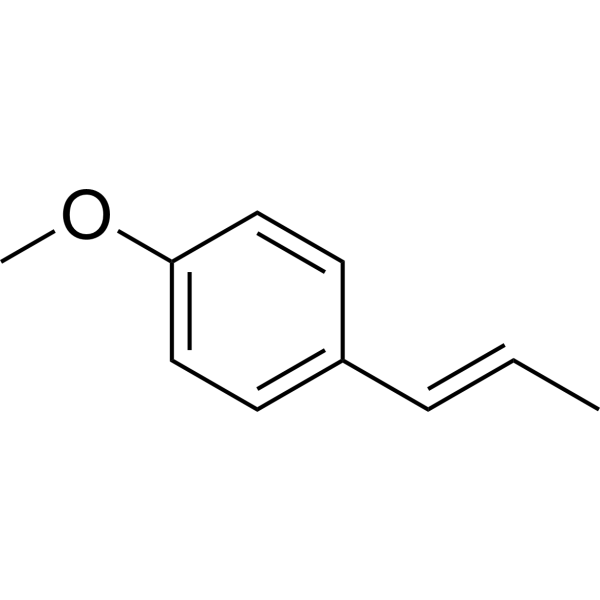
Anethole is a type of orally active aromatic compound that is widely found in nature and used as a flavoring agent. Anethole possesses anticancer, anti-inflammatory, antioxidant, antibacterial, antifungal, anesthetic, estrogenic, central nervous system depressant, hypnotic, insecticidal, and gastroprotective effects. Anethole can be used in the study of oxidative stress-related skin diseases and prostate cancer .
loading...
    loading...
2
2 Cited Publications
Cat. No.: HY-B1704
CAS No.: 53179-07-0
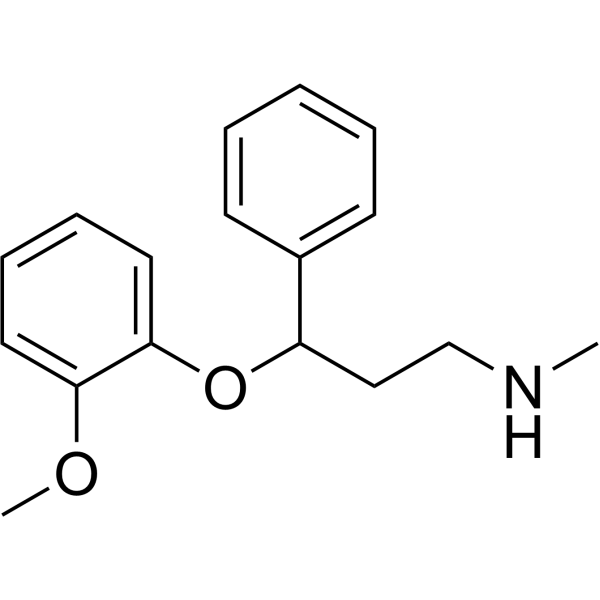
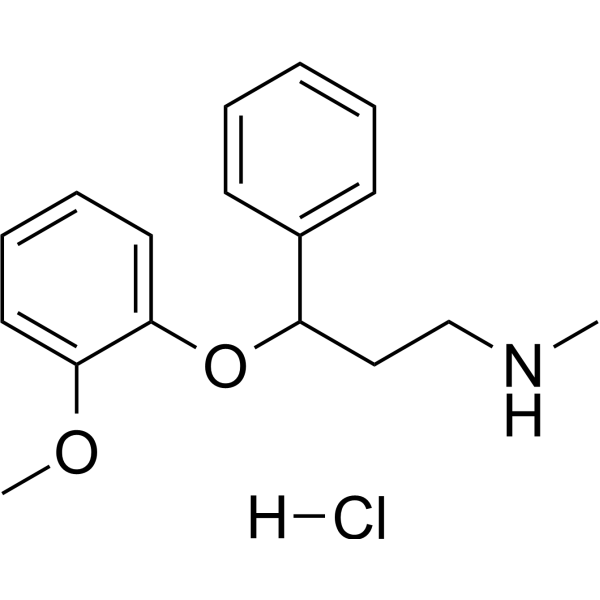
Nisoxetine is a potent and selective inhibitor of noradrenaline transporter (NET), with a Kd of 0.76 nM. Nisoxetine is an antidepressant and local anesthetic, it can block voltage-gated sodium channels .
loading...
    loading...
2
2 Cited Publications
Cat. No.: HY-B1007
CAS No.: 149-16-6
Target:  

Sodium Channel

Research Areas:  

Neurological Disease

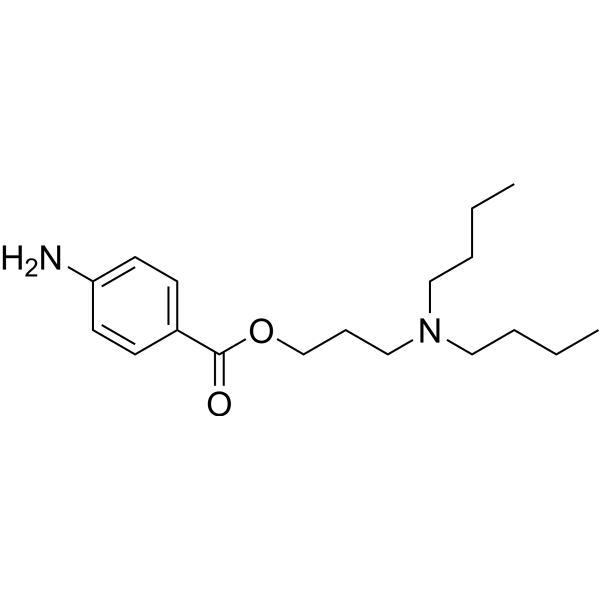
Butacaine is a reversible nerve conduction blocker. Butacaine acts on the nervous system and nerve fibers, can cause both sensory and motor paralysis. Butacaine inhibits the NavBh currents. Butacaine can form inclusion complexes with α-cyclodextrin (α-CD) and β-cyclodextrin (β-CD). Butacaine is commonly used as a negative control for other local anesthetics .
loading...
    loading...
2
2 Cited Publications
Cat. No.: HY-B1704A
CAS No.: 57754-86-6
Nisoxetine hydrochloride is a potent and selective inhibitor of noradrenaline transporter (NET), with a Kd of 0.76 nM. Nisoxetine hydrochloride is an antidepressant and local anesthetic, it can block voltage-gated sodium channels .
loading...
    loading...
2
2 Cited Publications
Cat. No.: HY-B0985A
CAS No.: 94-78-0
Target:  

TRP Channel

Research Areas:  

Neurological Disease

Phenazopyridine is a competitive SARM1 inhibitor, with IC50 145 μM. Phenazopyridine is a TRPM8 antagonist. Phenazopyridine has a local anesthetic/analgesic effect. Phenazopyridine is used to relieve painful symptoms of conditions such as cystitis and urethritis. Phenazopyridine can promote neuronal differentiation and can also be used in the study of traumatic brain injury, peripheral neuropathy and neurodegenerative diseases .
loading...
    loading...
2
2 Cited Publications
Cat. No.: HY-B0480A
CAS No.: 86-22-6
Synonyms: (±)-Brompheniramine
Brompheniramine ((±)-Brompheniramine) is a potent and orally active antihistamine of the alkylamine class. Brompheniramine is a selective histamine H1 receptor antagonist with a Kd of 6.06 nM. Brompheniramine can block the hERG channels, calcium channels, and sodium channels with IC50s of 0.90 μM, 16.12 μM and 21.26 μM, respectively. Brompheniramine has anticholinergic, antidepressant and anesthetic properties and can be used for allergic rhinitis research .
loading...
    loading...
1
1 Cited Publications
Cat. No.: HY-Y0258
CAS No.: 94-09-7
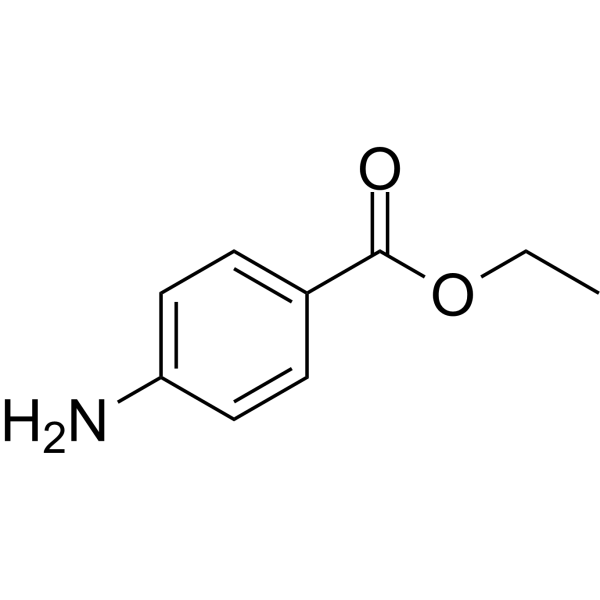
Benzocaine is an orally active local anesthetic. Benzocaine non-competitively inhibits the binding of Ca-ATPase to Ca 2+, with an IC50 of 47.1 mM. Benzocaine exerts anesthetic effects by blocking voltage-gated sodium channels. Benzocaine induces methemoglobinemia in various experimental animals .
loading...
    loading...
1
1 Cited Publications
Cat. No.: HY-B0517
CAS No.: 96-88-8
Target:  

Sodium Channel

Research Areas:  

Neurological Disease

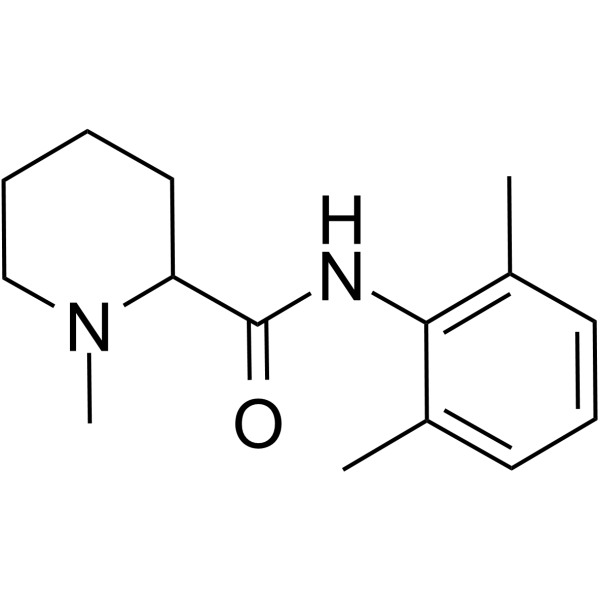
Mepivacaine is an amide-type local anesthetic agent. Mepivacaine binds to specific voltage-gated sodium ion channels in neuronal cell membranes, which inhibits both sodium influx and membrane depolarization .
loading...
    loading...
1
1 Cited Publications
Cat. No.: HY-Y0258A
CAS No.: 23239-88-5
Research Areas:  

Neurological Disease

Benzocaine hydrochloride is an orally active local anesthetic. Benzocaine hydrochloride non-competitively inhibits the binding of Ca-ATPase to Ca 2+, with an IC50 of 47.1 mM. Benzocaine hydrochloride exerts anesthetic effects by blocking voltage-gated sodium channels. Benzocaine hydrochloride induces methemoglobinemia in various experimental animals .
loading...
    loading...
1
1 Cited Publications
Cat. No.: HY-B0364A
CAS No.: 536-43-6
Synonyms: Dyclocaine hydrochloride
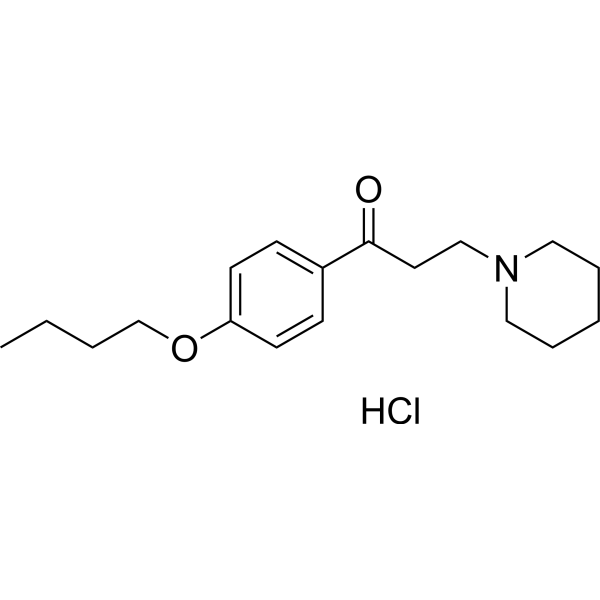
Dyclonine hydrochloride (Dyclocaine hydrochloride) is an orally active, blood-brain barrier-permeable piperidine phenylacetone small molecule commonly used as a local anesthetic. Dyclonine hydrochloride acts as a highly selective allosteric antagonist of TRPV3; it also reversibly inhibits G9a, ALDH2 and ALDH3A1, non-competitively blocks AChE. Dyclonine hydrochloride activates the Nrf2/ARE pathway, relieves the epigenetic silencing of FXN, blocks Aβ42 aggregation, and promotes remyelination and reparative polarization of microglia. Dyclonine hydrochloride alleviates pruritus via TRPV3 inhibition; it is used in studies of neurodegenerative disease models based on its AChE inhibitory, antioxidant and remyelinating effects; it sensitizes drug-resistant tumors through ALDH inhibition, and combined use with protease inhibitors induces more tumor cell apoptosis; it inhibits Candida albicans in vitro. Dyclonine hydrochloride can be used for research on multiple diseases including neurodegenerative diseases, cancer and pruritic dermatitis .
loading...
    loading...
Cat. No.: HY-B1539A
CAS No.: 632-99-5
Synonyms: Magenta base monohydrochloride; Basic Fuchsin monohydrochloride; Rosaniline Base monohydrochloride
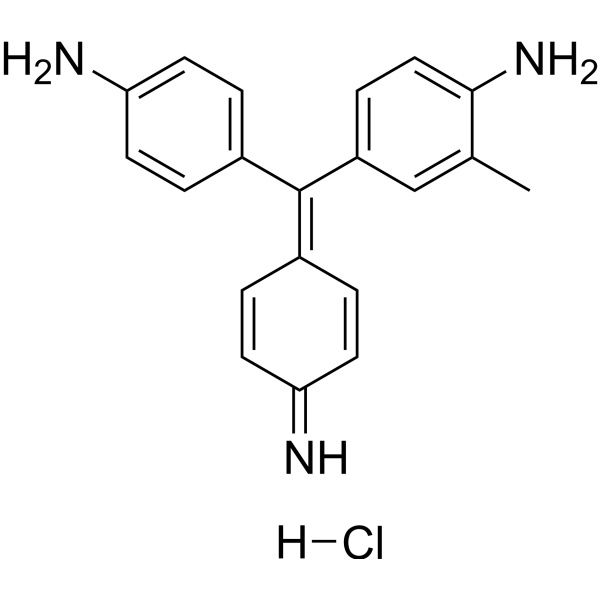
Fuchsine base (Magenta base; Basic Fuchsin) monohydrochloride is a triaminotriphenylmethane dye. Fuchsine base monohydrochloride has anesthetic, bactericidal and fungicidal properties. Fuchsine base monohydrochloride can be used for the staining of collagen, muscle, mitochondria and tuberculosis. Fuchsine base monohydrochloride is commonly used as a counterstain in Gram staining .
loading...
    loading...
Cat. No.: HY-B1419
CAS No.: 90-01-7
Synonyms: 2-Hydroxybenzyl alcohol; Saligenin
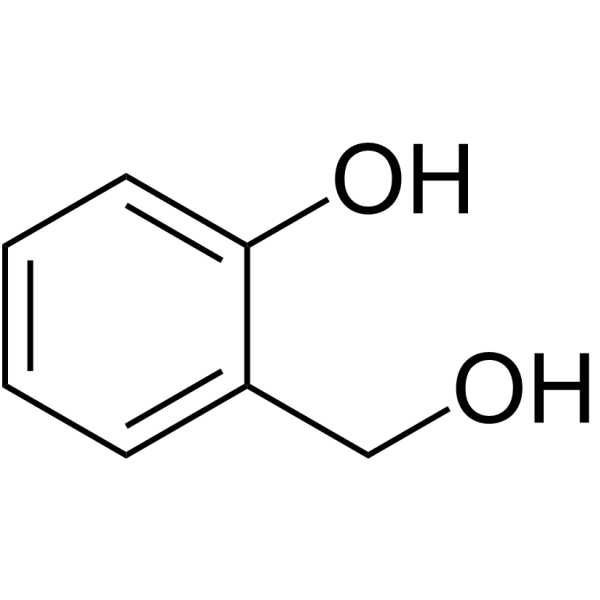
Salicyl alcohol (2-Hydroxybenzyl alcohol; Saligenin) is a phenolic alcohol-type topical anesthetic and strong sensitizer with antiseptic, antibacterial and antipyretic activities. Salicyl alcohol serves as a precursor for salicin synthesis. Salicyl alcohol induces contact dermatitis and eczematous skin reactions, and is a well-known allergen identified in phenolic resins. Salicyl alcohol is isolated from the barks of European aspen (Populus tremula), rowan (Sorbus aucuparia) and willow (Salix spp.). Salicyl alcohol is used in studies related to allergic contact dermatitis .
loading...
    loading...
Cat. No.: HY-B0516
CAS No.: 23964-57-0
Synonyms: Hoe-045
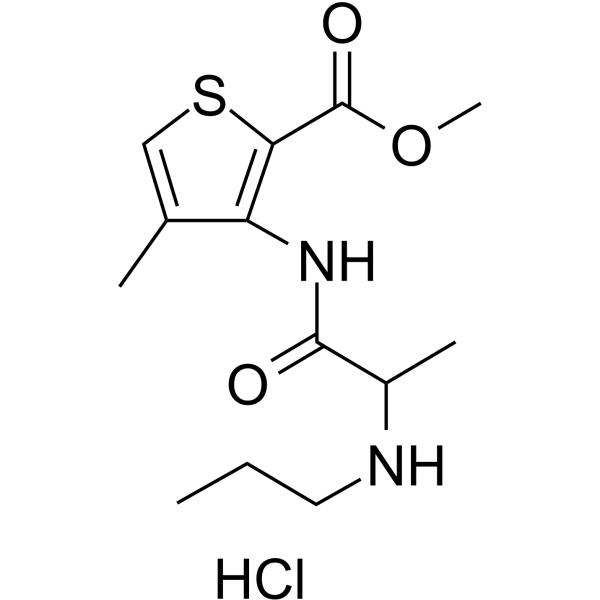
Articaine (Hoe-045) hydrochloride is a selective inhibitor of voltage-gated sodium channels (such as rNav1.4, hNav1.7, and rNav1.8), with an IC50 of 15.8 μM for open-state Na + channels, and IC50 of 40.6 μM and 378 μM for inactivated and resting-state Na + channels, respectively. Articaine hydrochloride exerts local anesthetic activity by inhibiting Na + influx to block nerve impulse conduction, and can also inhibit NF-κB activation and NLRP3 inflammasome pathways, exhibiting anti-inflammatory function. Articaine hydrochloride can be used in the study of dental local anesthesia and inflammatory-related diseases (such as acute kidney injury) .
loading...
    loading...
Cat. No.: HY-B0170A
CAS No.: 3978-86-7
Synonyms: Azatadine maleate
Research Areas:  

Inflammation/Immunology

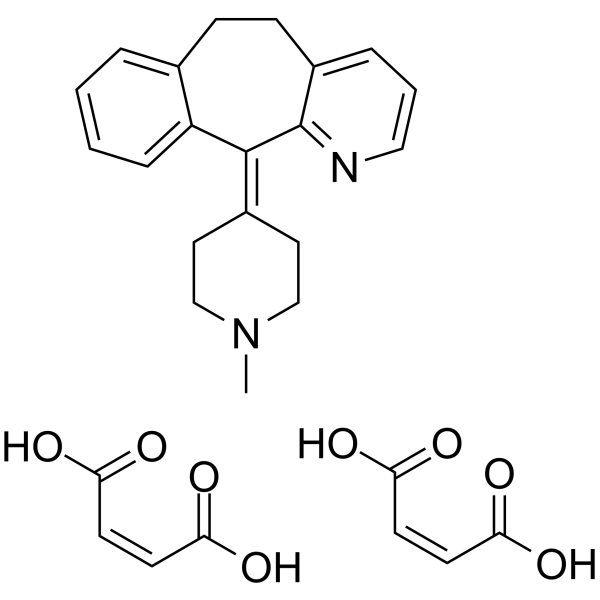
Azatadine dimaleate (Azatadine maleate) is an orally active histamine H1 receptor inhibitor, cetylcholine receptor inhibitor, and serotonin receptor inhibitor. Azatadine dimaleate induces sedation and exhibits topical anesthetic properties. Azatadine dimaleate can be used for the research of allergic rhinitis .
loading...
    loading...
Cat. No.: HY-B1319
CAS No.: 637-58-1
Synonyms: Pramoxine hydrochloride
Target:  

Sodium Channel

Research Areas:  

Neurological Disease

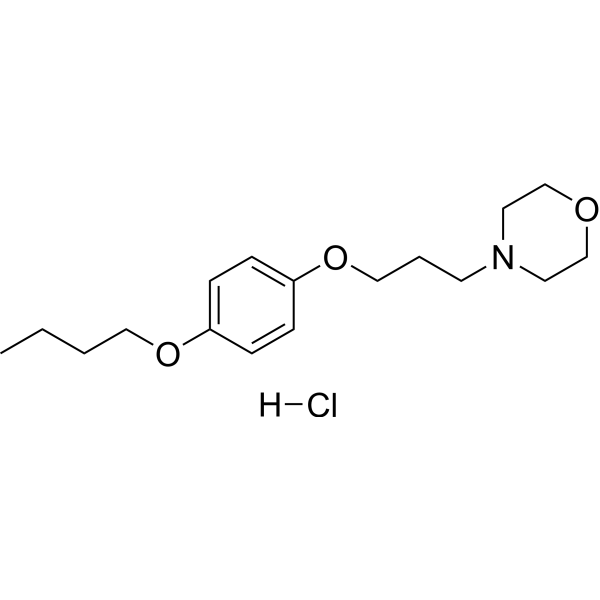
Pramocaine (Pramoxine) hydrochloride is a topical surface anesthetic and antipruritic agent. Pramocaine hydrochloride reversibly inhibits voltage-gated sodium channel, reduces transmembrane permeability of sodium ions, stabilizes cell membranes, prevents depolarization, blocks action potential conduction, and inhibits peripheral slow C-fiber pathways associated with pain, pruritus and thermoception. Pramocaine hydrochloride can be used in research related to chronic pruritus, renal pruritus, atopic dermatitis, xerotic pruritus, uremic pruritus, and cutaneous hyperalgesia/pain .
loading...
    loading...

