96 Results for "

apple peels

" in MedChemExpress (MCE) Product Catalog:
Products (96)

96 Results for "apple peels" in MCE Product Catalog:

28
28 Publications Verification
Cat. No.: HY-N0155
CAS No.: 478-01-3
Nobiletin is a poly-methoxylated flavone from the citrus peel that improves memory loss. Nobiletin is a retinoid acid receptor-related orphan receptors (RORs) agonist. Nobiletin can reduce reactive oxygen species (ROS) levels in differentiated C2C12 myotubes and has anti-inflammation and anti-cancer properties, including anti-angiogenesis, anti-proliferation, anti-metastasis and induced apoptosis .
loading...
    loading...
16
16 Cited Publications
Cat. No.: HY-N0133
CAS No.: 481-53-8
Synonyms: Tangeritin; NSC53909; NSC618905
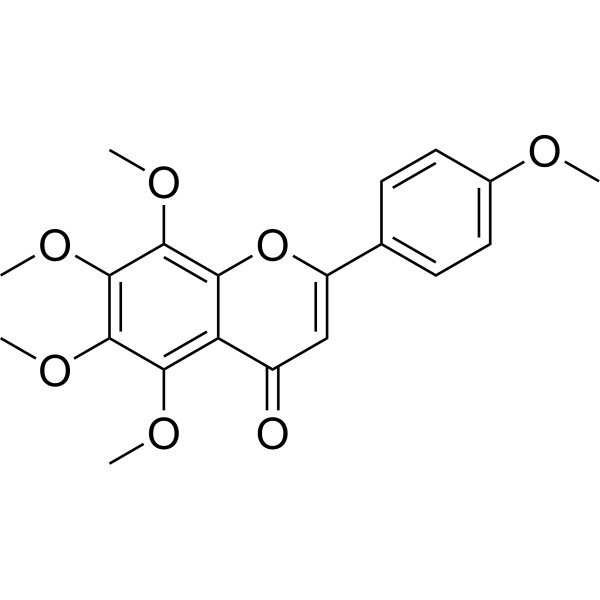
Tangeretin (Tangeritin), a flavonoid from citrus fruit peels, has been proven to play an important role in anti-inflammatory responses and neuroprotective effects in several disease models, and is a Notch-1 inhibitor.
loading...
    loading...
7
7 Cited Publications
Cat. No.: HY-N0681
CAS No.: 137-08-6
Synonyms: Calcium pantothenate; Calcium D-pantothenate; Vitamin B5 calcium salt
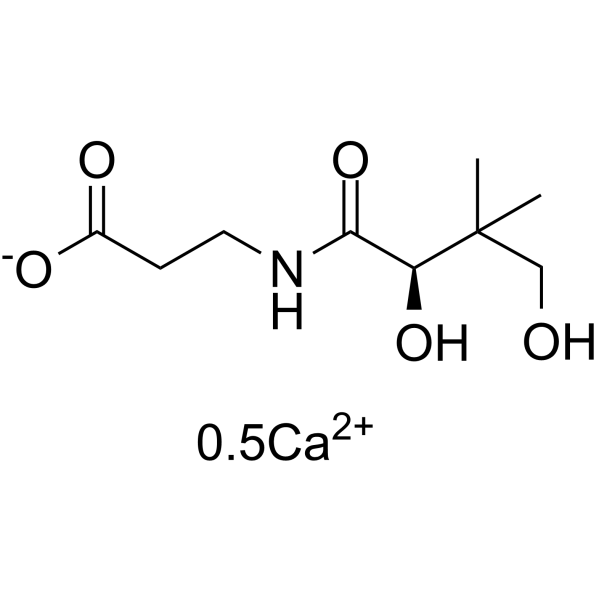
D-Pantothenic acid hemicalcium salt is an orally active vitamin that reduces patulin in apple juice. D-Pantothenic acid hemicalcium salt removes ROS. D-Pantothenic acid hemicalcium salt has antibacterial and immunomodulatory activities. D-Pantothenic acid hemicalcium salt also has the effect of improving osteoporosis and obesity .
loading...
    loading...
5
5 Cited Publications
Cat. No.: HY-Y1311
CAS No.: 6915-15-7
Synonyms: Hydroxybutanedioic acid; E 296
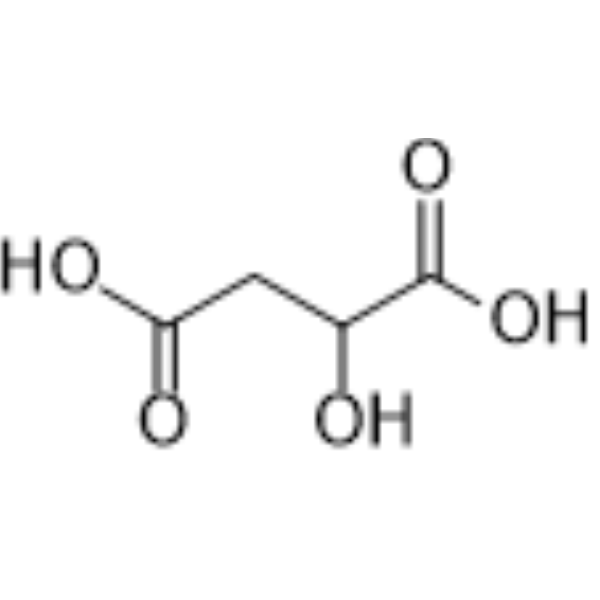
Malic acid (Hydroxybutanedioic acid) is a dicarboxylic acid that occurs naturally in fruits like apples and pears with oral activities. Malic acid plays a role in many sour or tangy foods. Malic acid is an intermediate in the citric acid cycle .
loading...
    loading...
4
4 Cited Publications
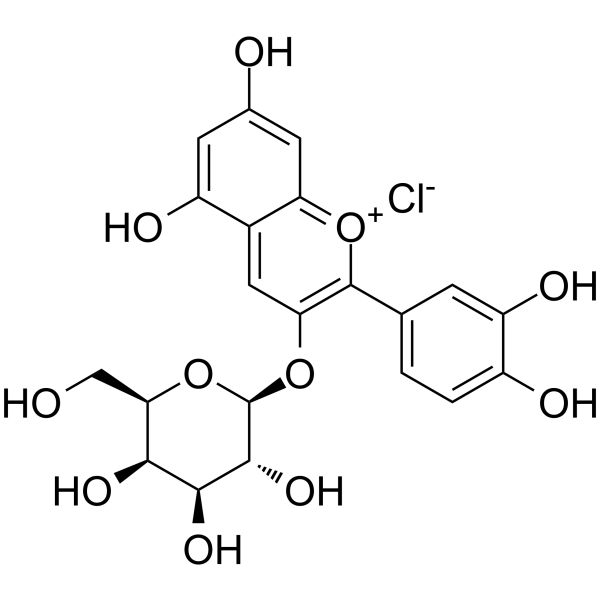
Cat. No.: HY-N4142
CAS No.: 27661-36-5
Synonyms: Ideain chloride
Cyanidin-3-O-galactoside chloride (Ideain chloride) is a component from extract peel of hawthorn fruit (EPHF) with the value of 179.4 mg/g. EPHF exhibits strong AChE inhibitory activity .
loading...
    loading...
1
1 Cited Publications
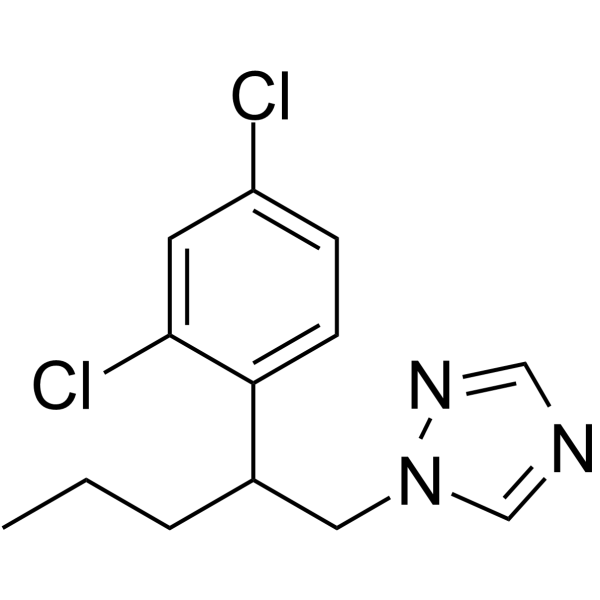
Cat. No.: HY-135761
CAS No.: 66246-88-6
Purity:  98.91%
Penconazole is a typical triazole fungicide, and mainly applied on apples, grapes, and vegetables to control powdery mildew. Penconazole inhibits sterol biosynthesis in fungi. Penconazole decrease AChE activity in the cerebrum and cerebellum of rats .
loading...
    loading...
1
1 Cited Publications
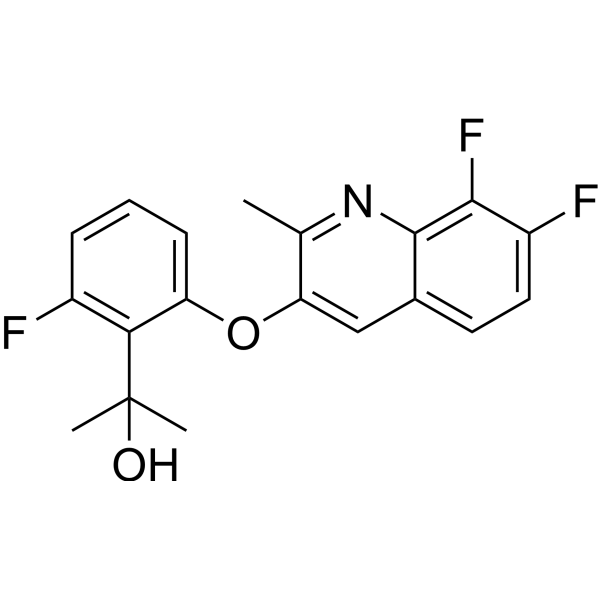
Cat. No.: HY-134338
CAS No.: 1314008-27-9
Purity:  99.86%
Research Areas:  

Others

Ipflufenoquin is an insecticide with the potential to control primary infection with apple scab. Ipflufenoquin should be applied between half an inch of green and fruit set .
loading...
    loading...
1
1 Cited Publications
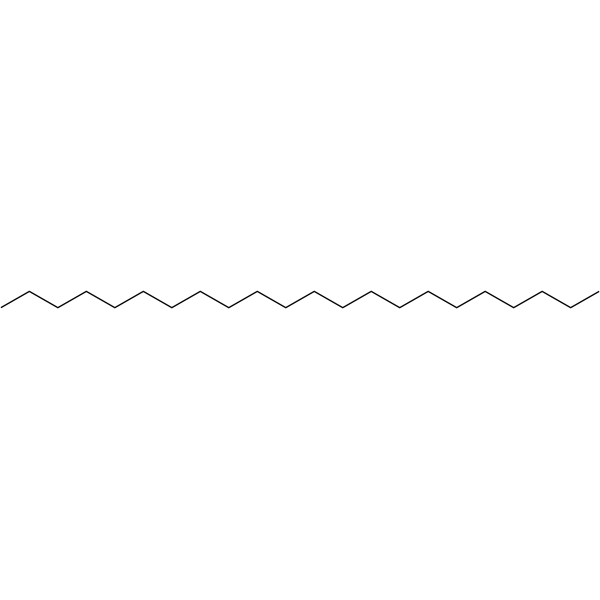
Cat. No.: HY-N9929
CAS No.: 629-97-0
Docosane is a plant resistance inducer found in Frullania probosciphora. Docosane induces activation of the salicylic acid signaling pathway. Docosane induces activation of the jasmonic acid signaling pathway. Docosane induces activation of the ethylene signaling pathway. Docosane can be used in research on tomato bacterial wilt and apple fire blight .
loading...
    loading...
Cat. No.: HY-N8440
CAS No.: 468-44-0
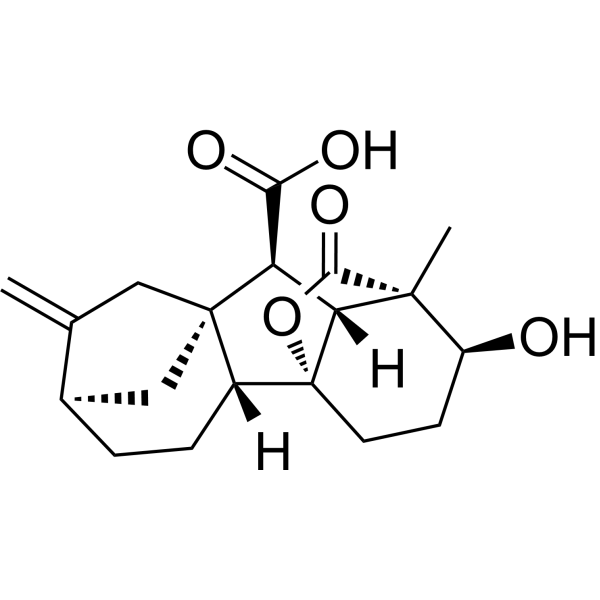
Gibberellin A4 is a type of bioactive gibberellin. Gibberellin A4 promotes flowering in apple trees. Gibberellin A4 also exhibits anti-NF-κB and antioxidant activities. Gibberellin A4 can be used in the research of periodontal diseases .
loading...
    loading...
Cat. No.: HY-Y1887
CAS No.: 8001-29-4
Cottonseed oil is an edible oil extracted from the seeds of cotton (Gossypium hirsutum). Its fatty acid composition includes 26-35% saturated fatty acids, 42-52% polyunsaturated fatty acids, and 18-24% monounsaturated fatty acids. Cottonseed oil is regarded as an Insecticide, as it is used to protect the trunks of apple trees from damage by the apple clearwing moth. Cottonseed oil possesses anti-inflammatory and cardioprotective properties. It also has extensive applications in many fields such as biofuels, animal husbandry, cosmetics, agriculture, and chemical industry .
loading...
    loading...
Cat. No.: HY-Y1311S
CAS No.: 104596-63-6
Synonyms: Hydroxybutanedioic acid-d3; E 296-d3
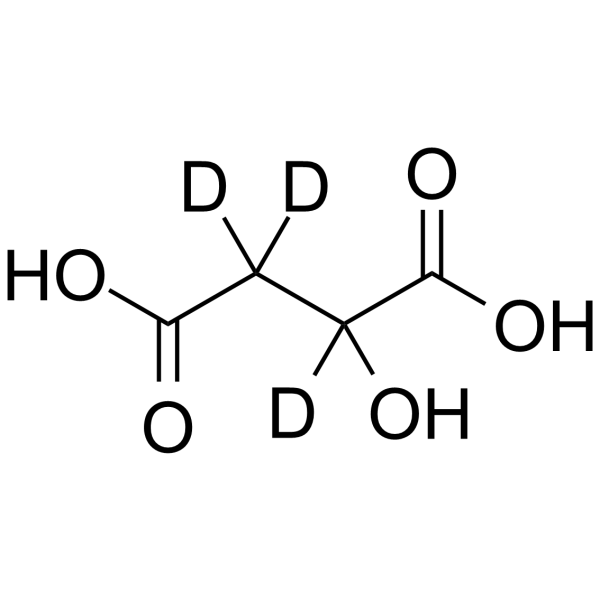
Malic acid-d3 is the deuterium labeled Malic acid. Malic acid (Hydroxybutanedioic acid) is a dicarboxylic acid that is naturally found in fruits such as apples and pears. It plays a role in many sour or tart foods .
loading...
    loading...
Cat. No.: HY-N2038
CAS No.: 1178-24-1
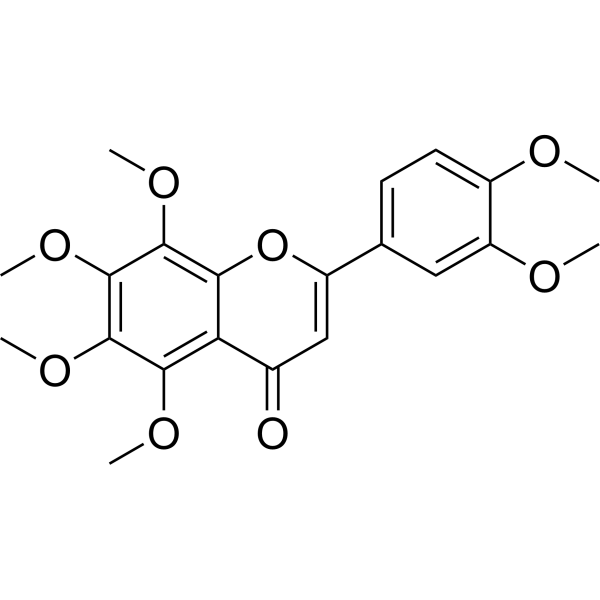
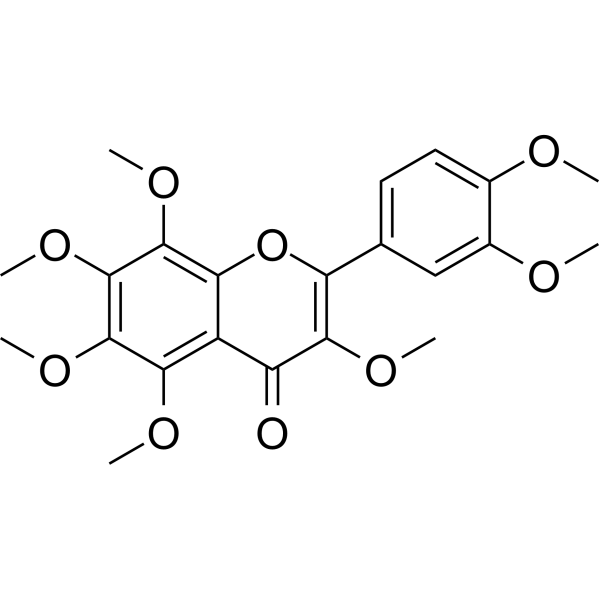
3,5,6,7,8,3',4'-Heptemthoxyflavone, a flavonoid from satsuma peel, is an orally available CREB activator with anti-tumor and anti-neuroinflammatory activity. 3,5,6,7,8,3',4'-Heptemthoxyflavone inhibits collagenase activity and increases the content of type I procollagen in human dermal fibroblast neoblast (HDFn) cells. 3,5,6,7,8,3',4'-Heptemthoxyflavone induces brain-derived neurotrophic factor (BDNF) expression through the cAMP/ERK/CREB signaling pathway and reduces phosphodiesterase activity in C6 glioma .
loading...
    loading...
Cat. No.: HY-128371
CAS No.: 4536-23-6
Purity:  ≥98.0%
Research Areas:  

Others

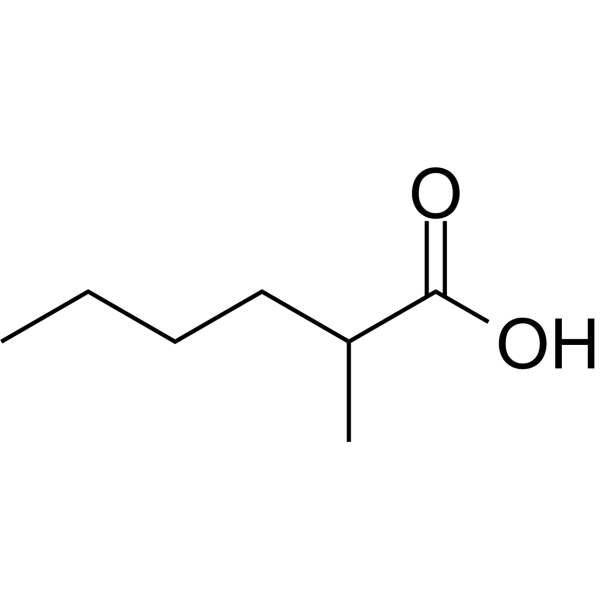
2-Methylhexanoic acid is a saturated branched-chain carboxylic acid with a strong "fatty" or "oily" odor. At high concentrations, it is often described as having the smell of lard, chicken fat or sweat; when diluted, it exhibits a dairy, cream or cheese aroma. Therefore, it is commonly used in the formulation of milk, meat (pork/chicken) and baked food flavors. 2-Methylhexanoic acid occurs naturally in fresh apples, cheese, grape brandy, lamb, potatoes and tea .
loading...
    loading...
Cat. No.: HY-Y1311R
CAS No.: 6915-15-7
Synonyms: Hydroxybutanedioic acid (Standard); E 296 (Standard)
Malic acid (Standard) is the analytical standard of Malic acid. This product is intended for research and analytical applications. Malic acid (Hydroxybutanedioic acid) is a dicarboxylic acid that is naturally found in fruits such as apples and pears. It plays a role in many sour or tart foods.
loading...
    loading...
Cat. No.: HY-W014793
CAS No.: 41394-05-2
Target:  

Herbicide

Research Areas:  

Others

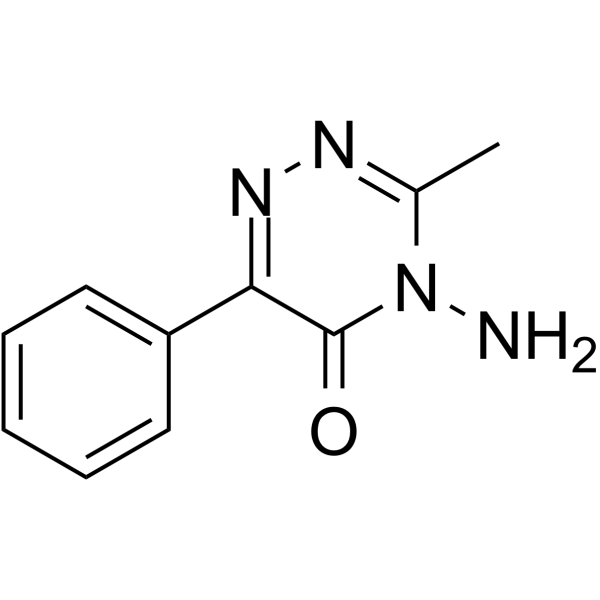
Metamitron is a triazinone pre-emergence and post-emergence Herbicide and fruit thinner. Metamitron controls broadleaf weeds and grassy weeds. Metamitron induces fruit drop in peach trees, and promotes fruit drop, reduces yield per plant, and increases the proportion of large fruits in apple trees. Metamitron is applicable to research related to the management of broadleaf weeds, grassy weeds, and temperate fruit tree crops .
loading...
    loading...
Cat. No.: HY-N0681R
CAS No.: 137-08-6
Synonyms: Calcium pantothenate (Standard); Calcium D-pantothenate (Standard); Vitamin B5 calcium salt (Standard)
D-Pantothenic acid (hemicalcium salt) (Standard) is the analytical standard of D-Pantothenic acid (hemicalcium salt). This product is intended for research and analytical applications. D-Pantothenic acid hemicalcium salt is a vitamin that reduces patulin in apple juice.
loading...
    loading...
Cat. No.: HY-N7851
CAS No.: 8000-41-7
Terpineol is a monoterpenoid alcohol compound that is widely found in plants, especially in the peels of citrus fruits. Terpineol has antioxidant, anti-inflammatory and antibacterial activities and is commonly used in the fragrance industry as an additive in food, beverages, cosmetics and perfumes .
loading...
    loading...
Cat. No.: HY-117451
CAS No.: 2439-10-3
Target:  

Bacterial

Research Areas:  

Infection

Dodine is a fungicide with plant disease suppressive activity. Dodine is used to control black spot on apples, pears and pecans, brown rot on peaches, and a variety of foliar diseases of peaches, strawberries, cherries, jacaranda and black walnuts. Dodine is also used as an industrial biocide and preservative .
loading...
    loading...
Cat. No.: HY-W762060
CAS No.: 9006-42-2
Target:  

Fungal

Research Areas:  

Infection

Metiram is a polymeric dithiocarbamate pesticide active as a fungicide. Metiram is widely used to protect crops such as tomatoes, potatoes, apples, grapevines, etc. Human and environmental exposure from the representative use of Metiram on potatoes is considered non-negligible. Metiram is considered necessary in the control of serious threats to plant health that cannot be suppressed by other available means, including non-chemical methods .
loading...
    loading...
Cat. No.: HY-W012857
CAS No.: 622-96-8
4-Methylethylbenzene is a volatile aromatic hydrocarbon compound. 4-Methylethylbenzene can be isolated from the essential oil of the peels of Juglans nigra L. .
loading...
    loading...

